Painting Women Writers
- 120 pages
- 5 hours of reading
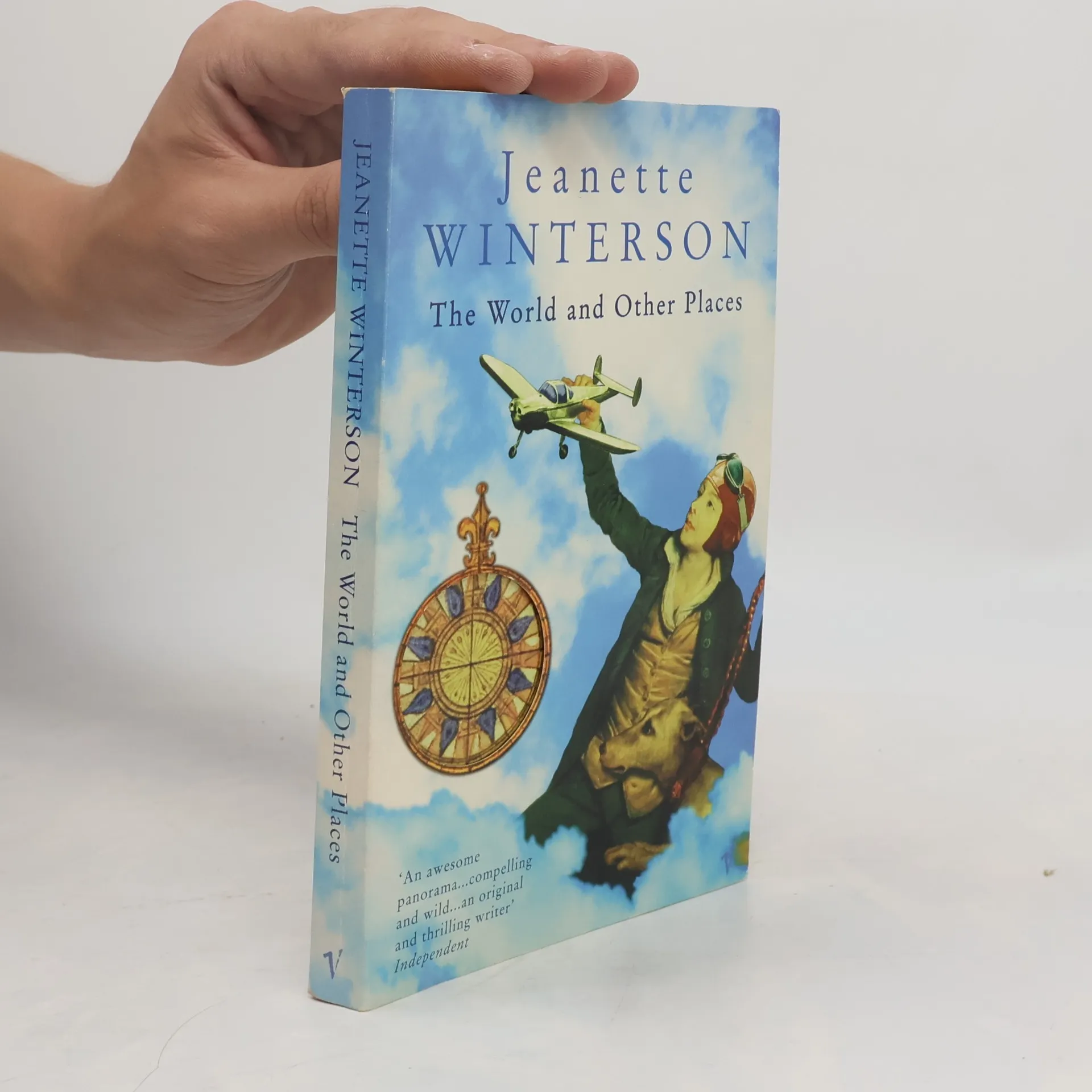
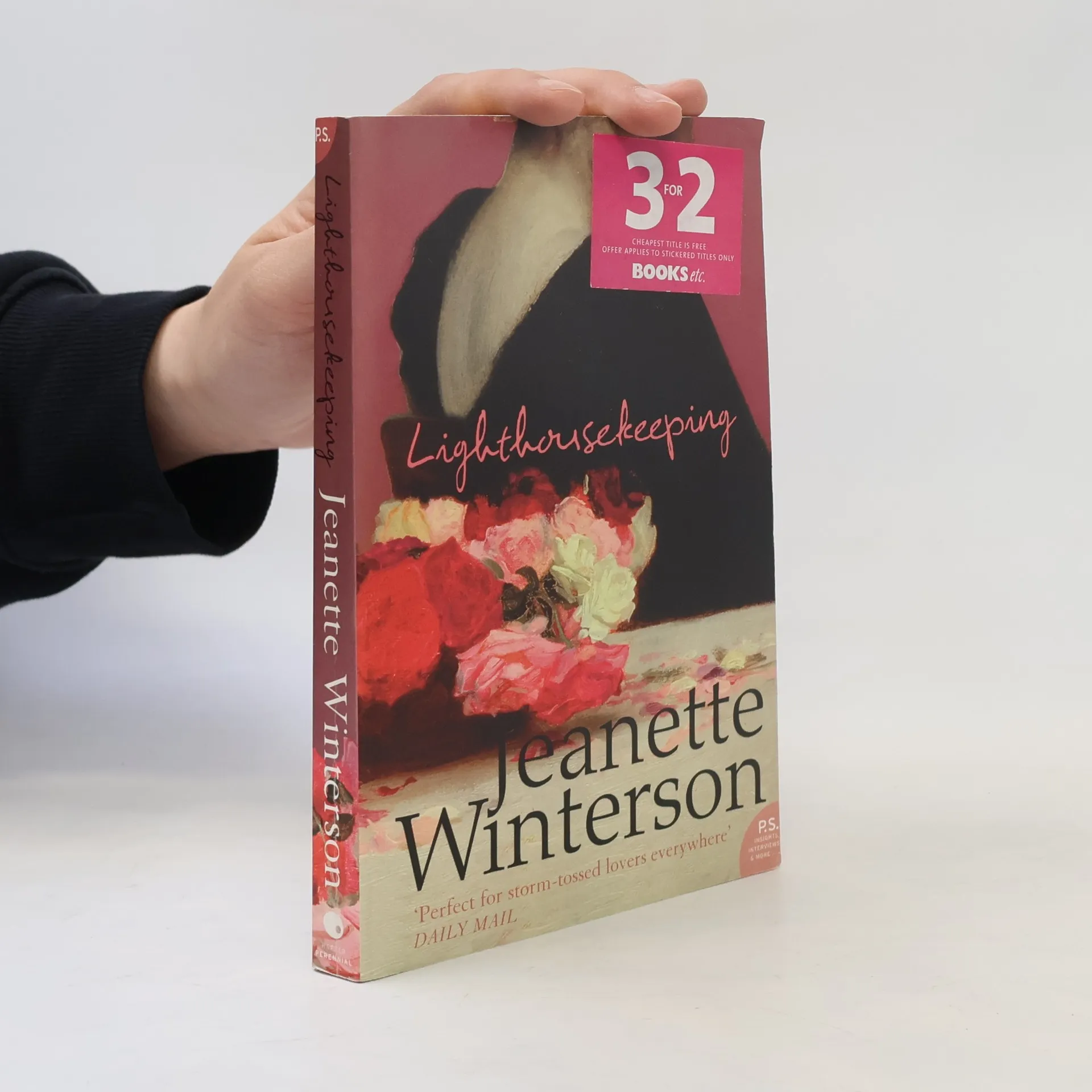
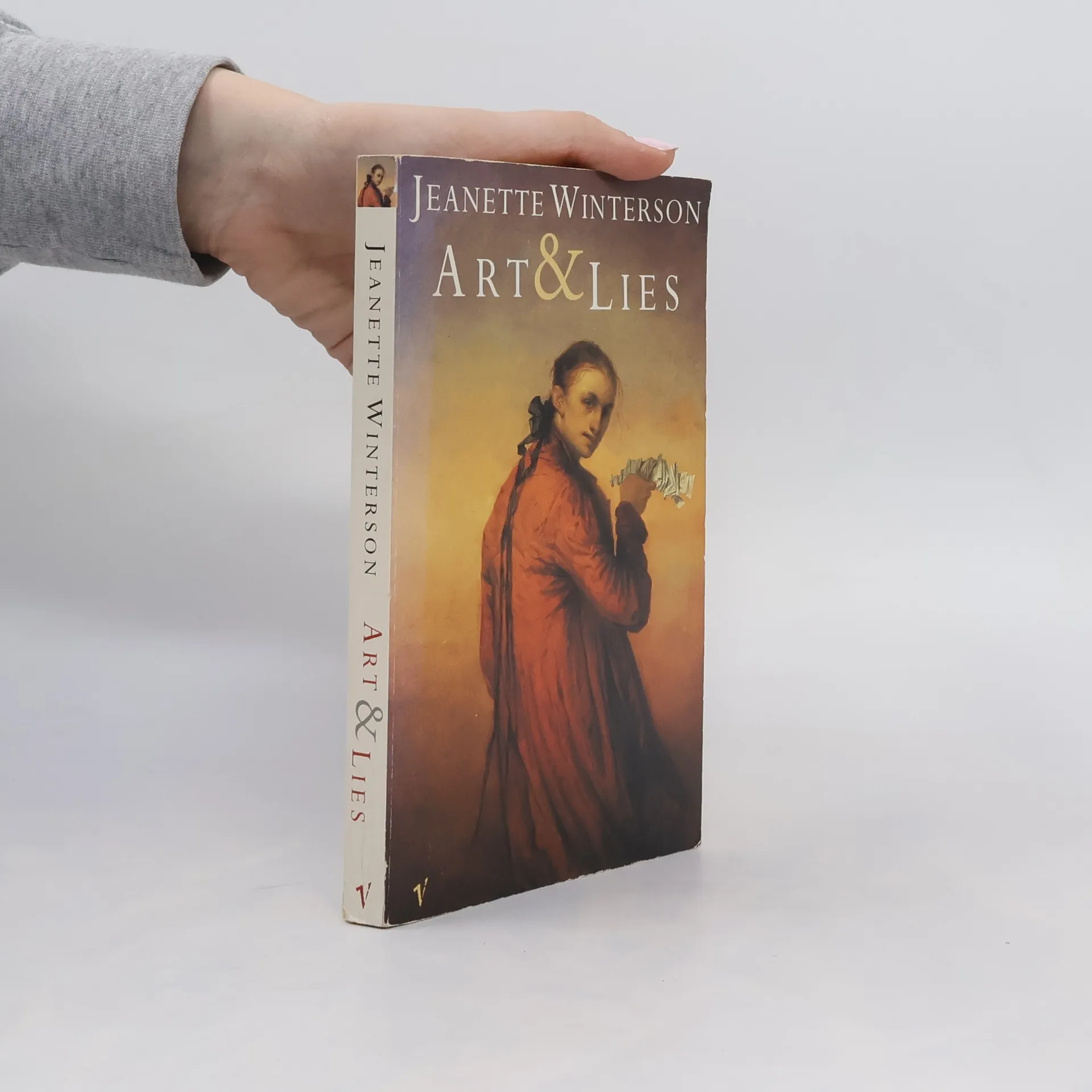
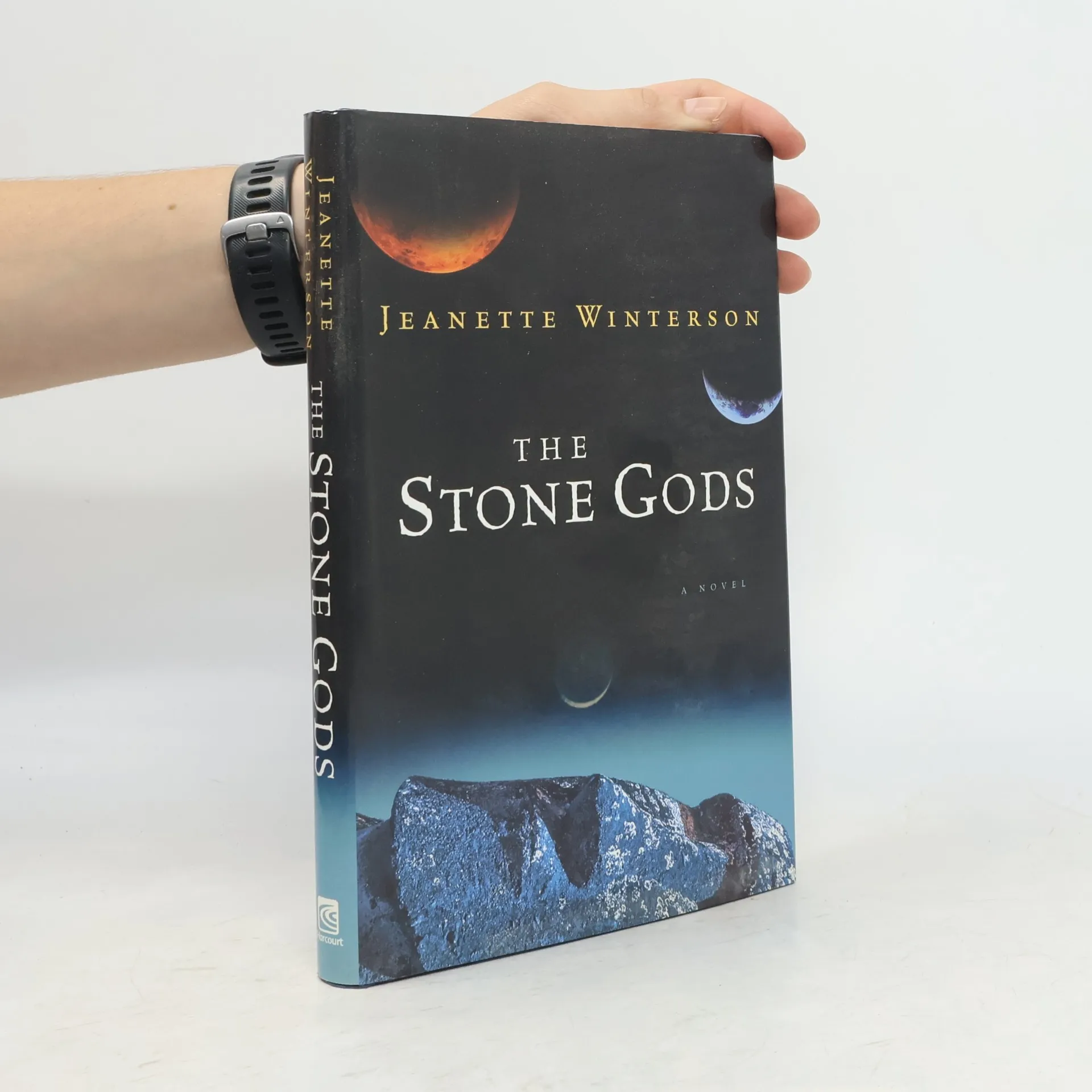
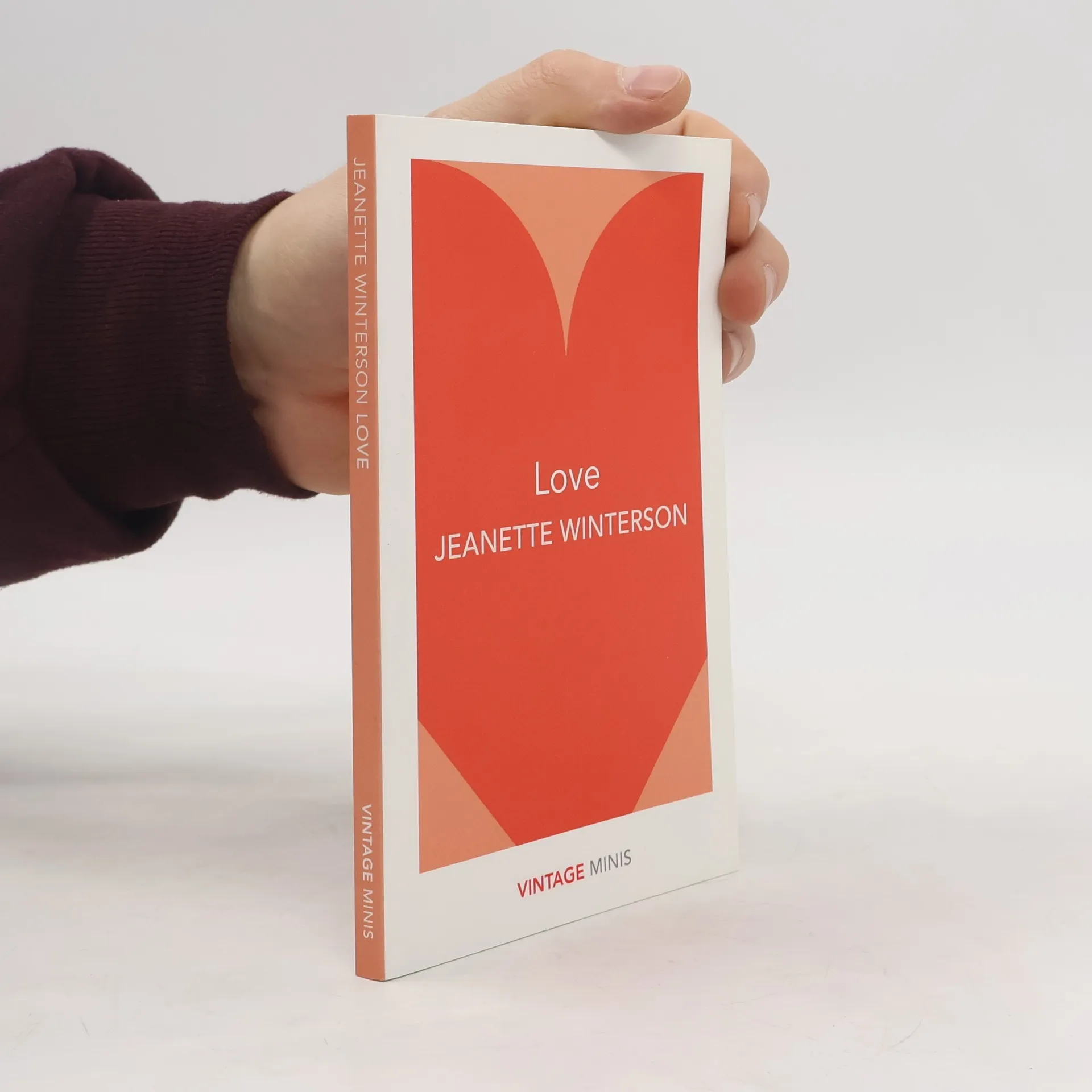
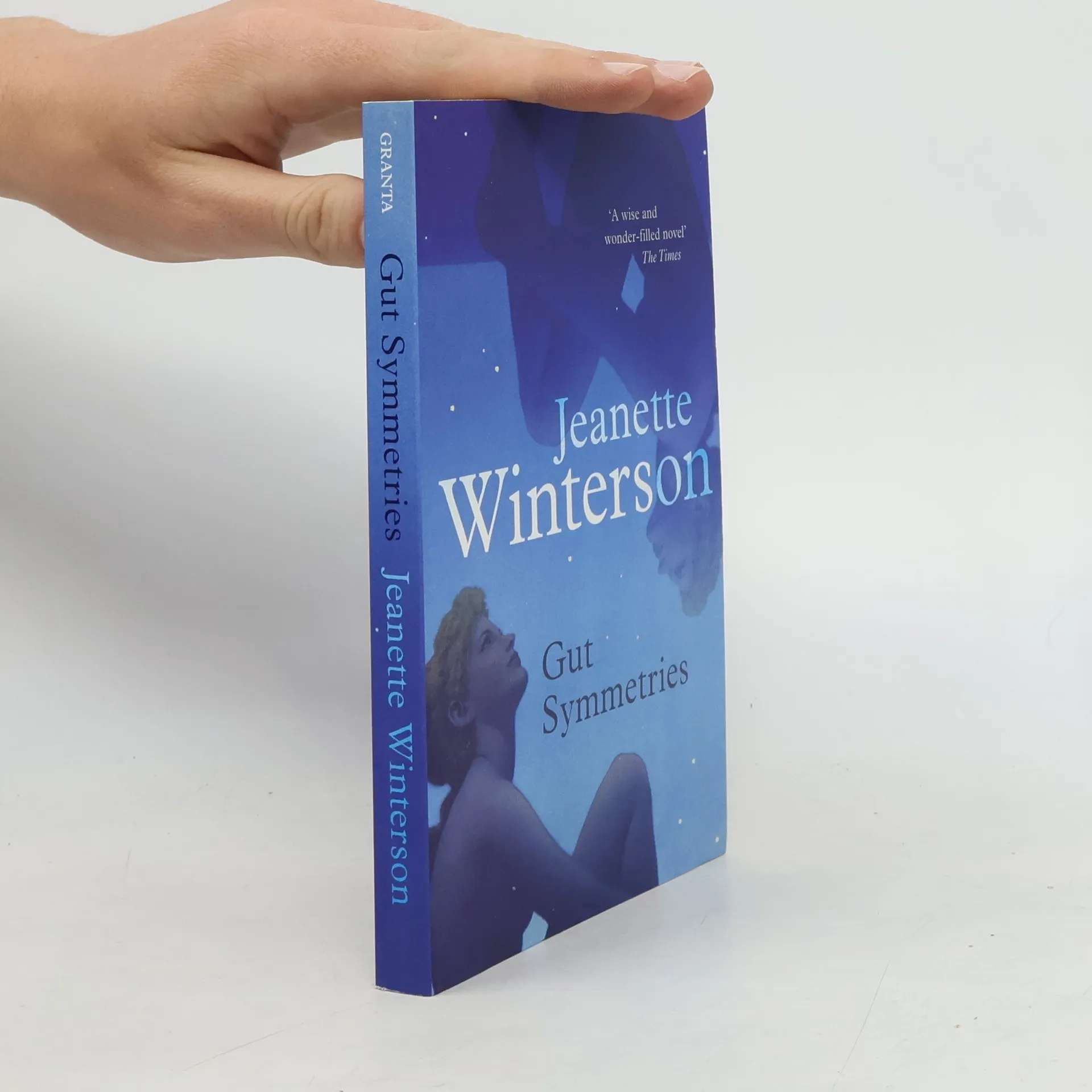
Jeanette Winterson stands as one of the most original voices in British fiction to emerge in the 1980s. Her writing often delves into themes of identity and belief, frequently drawing inspiration from her fervent upbringing. Winterson is celebrated for her distinctive stylistic approach and penetrating insights into the human condition. Her works are published in 28 countries, and she regularly contributes reviews and articles to major newspapers and journals.


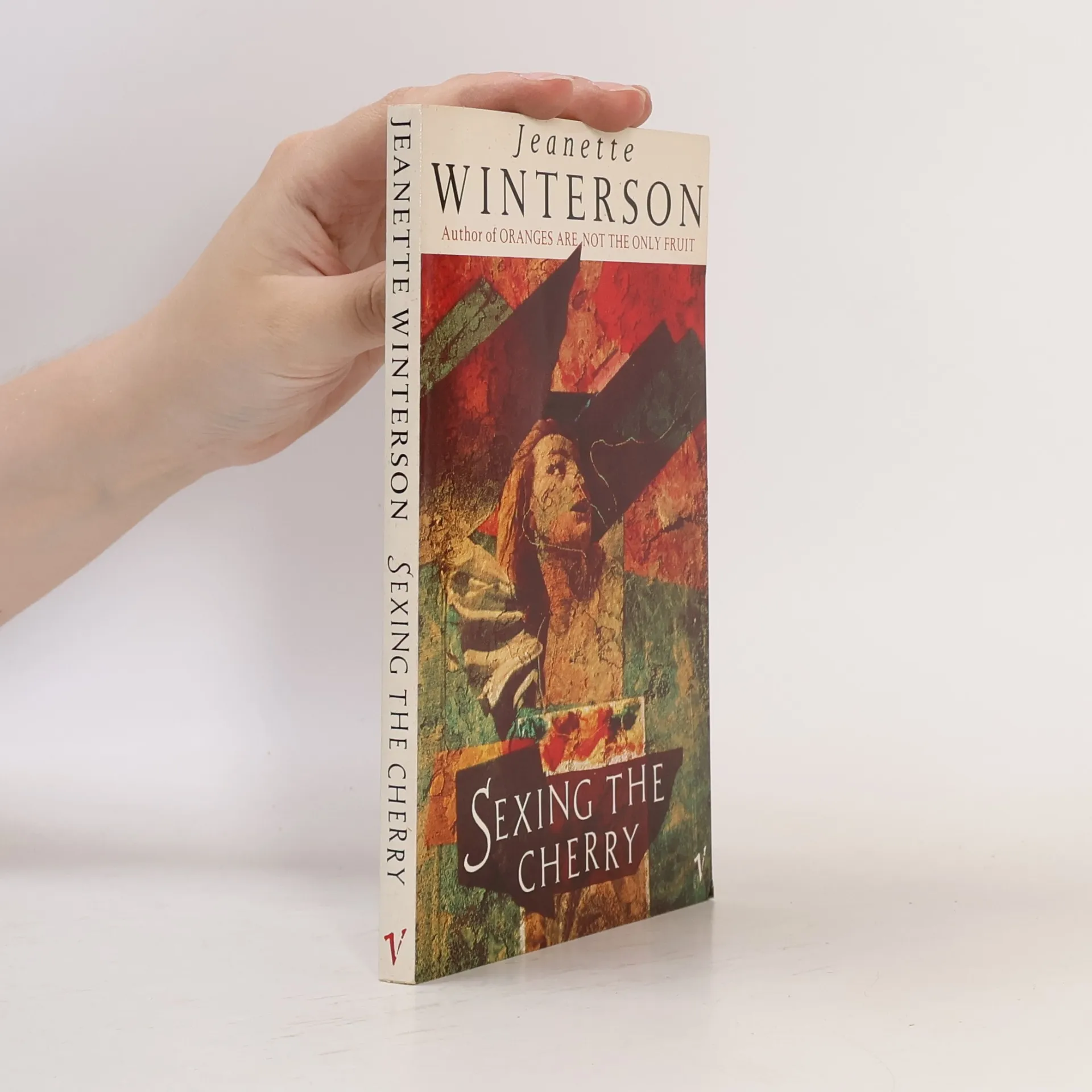
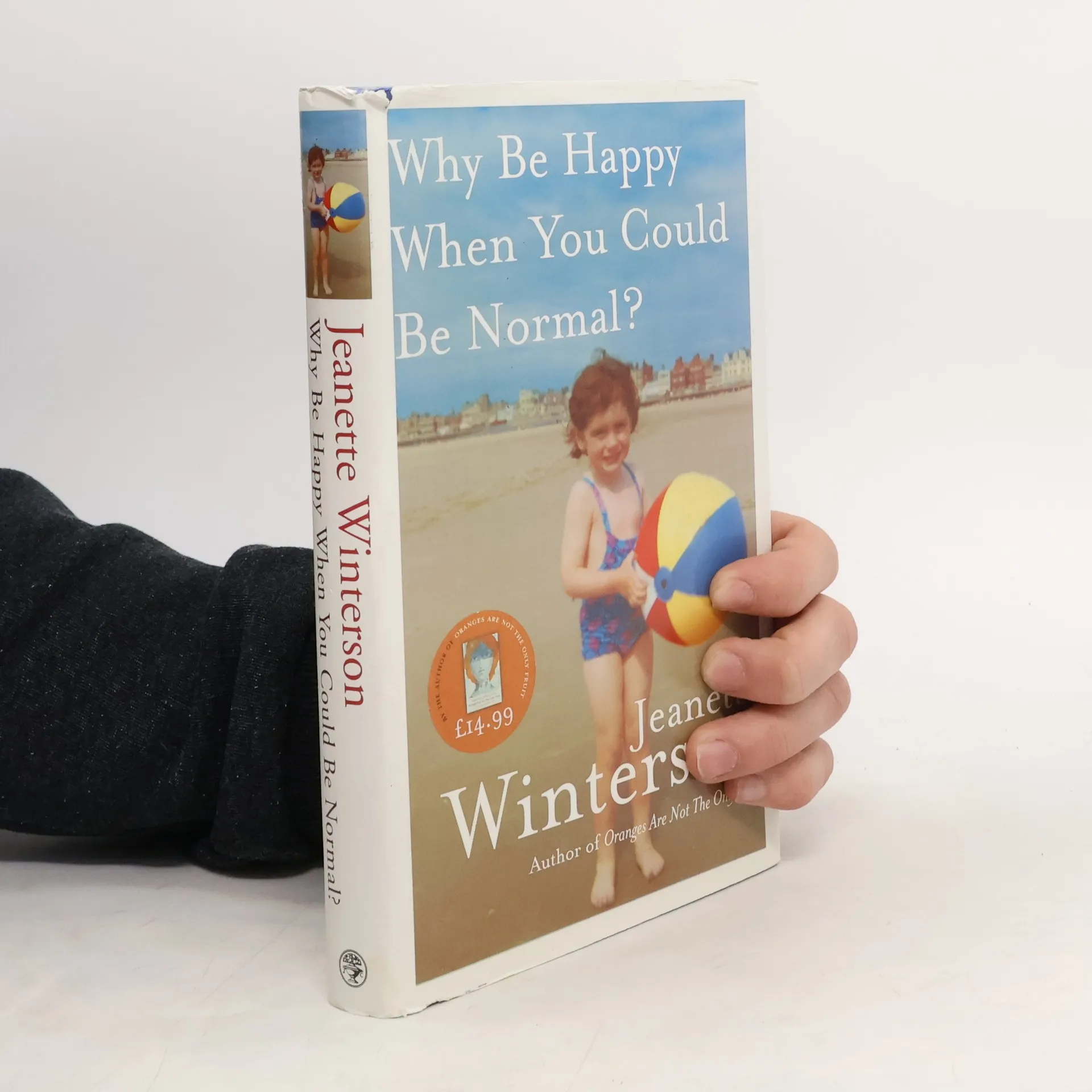
In 1985 Jeanette Winterson's first novel, Oranges Are Not the Only Fruit, was published. It was Jeanette's version of the story of a terraced house in Accrington, an adopted child, and the thwarted giantess Mrs Winterson. It was a cover story, a painful past written over and repainted. It was a story of survival. This book is that story's the silent twin. It is full of hurt and humour and a fierce love of life. It is about the pursuit of happiness, about lessons in love, the search for a mother and a journey into madness and out again. It is generous, honest and true.
A powerful retelling of the traditional Nativity Story. In this beautifully evocative retelling of the story of the very first Christmas, the humble donkey is chosen above all the other animals to carry Mary to Bethlehem. As his journey unfolds, he is touched by the magic and mystery of the Nativity ... With sparkles of originality, humour and warmth, the Christmas story is born.
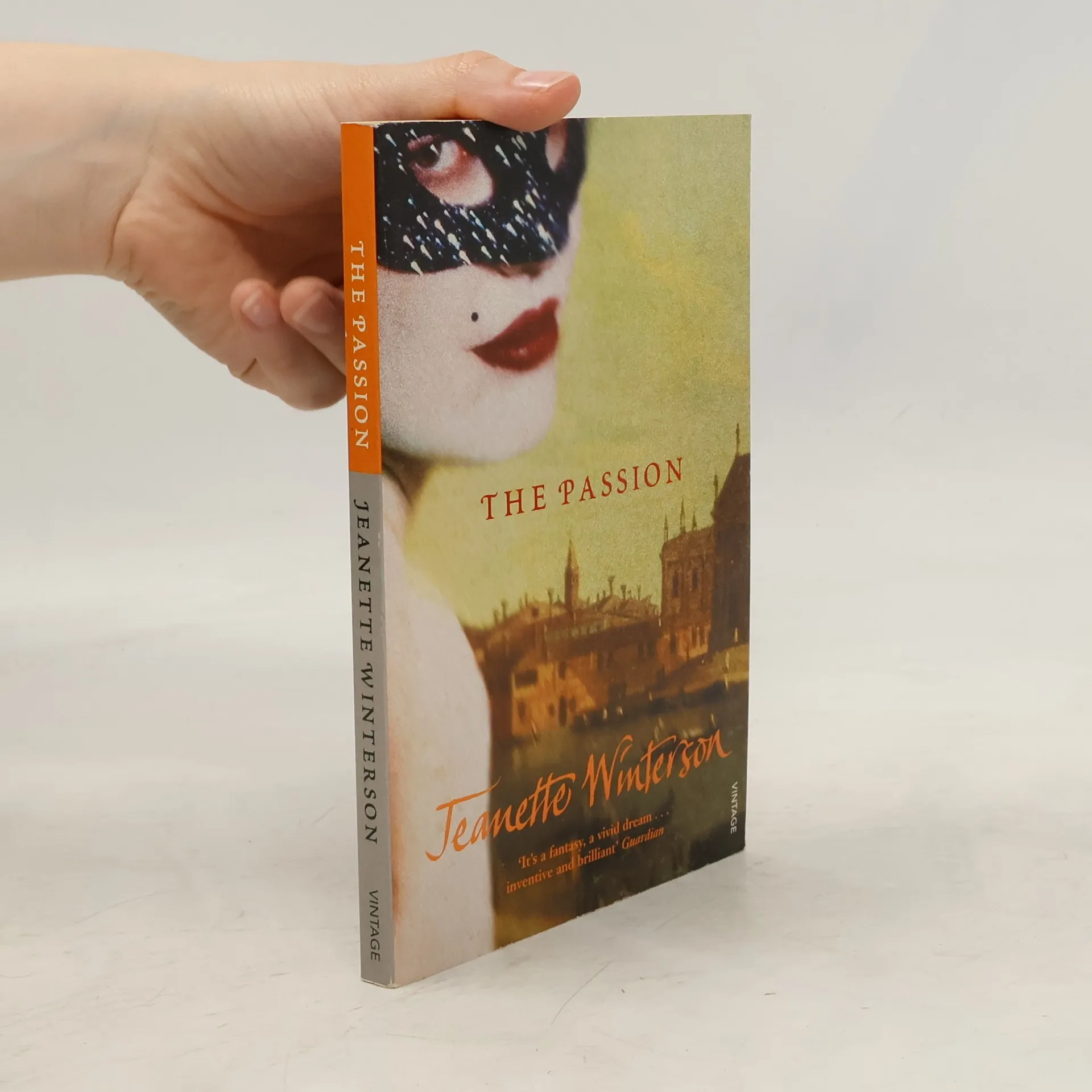
This is the story of Henri, a young Frenchman sent to fight in the Napoleonic wars. It is the story of Villanelle, a cross-dressing Venetian woman, born with webbed feet. There are four sections: The Emperor. The Queen of Spades. The Zero Winter. The Rock. Told in the first-person, The Emperor is Henri's narrative, while The Queen of Spades belongs to Villanelle. The pair meet in Russia in The Zero Winter. From then the narratives switch and intertwine.
HarperCollins is proud to present its incredible range of best-loved, essential classics.
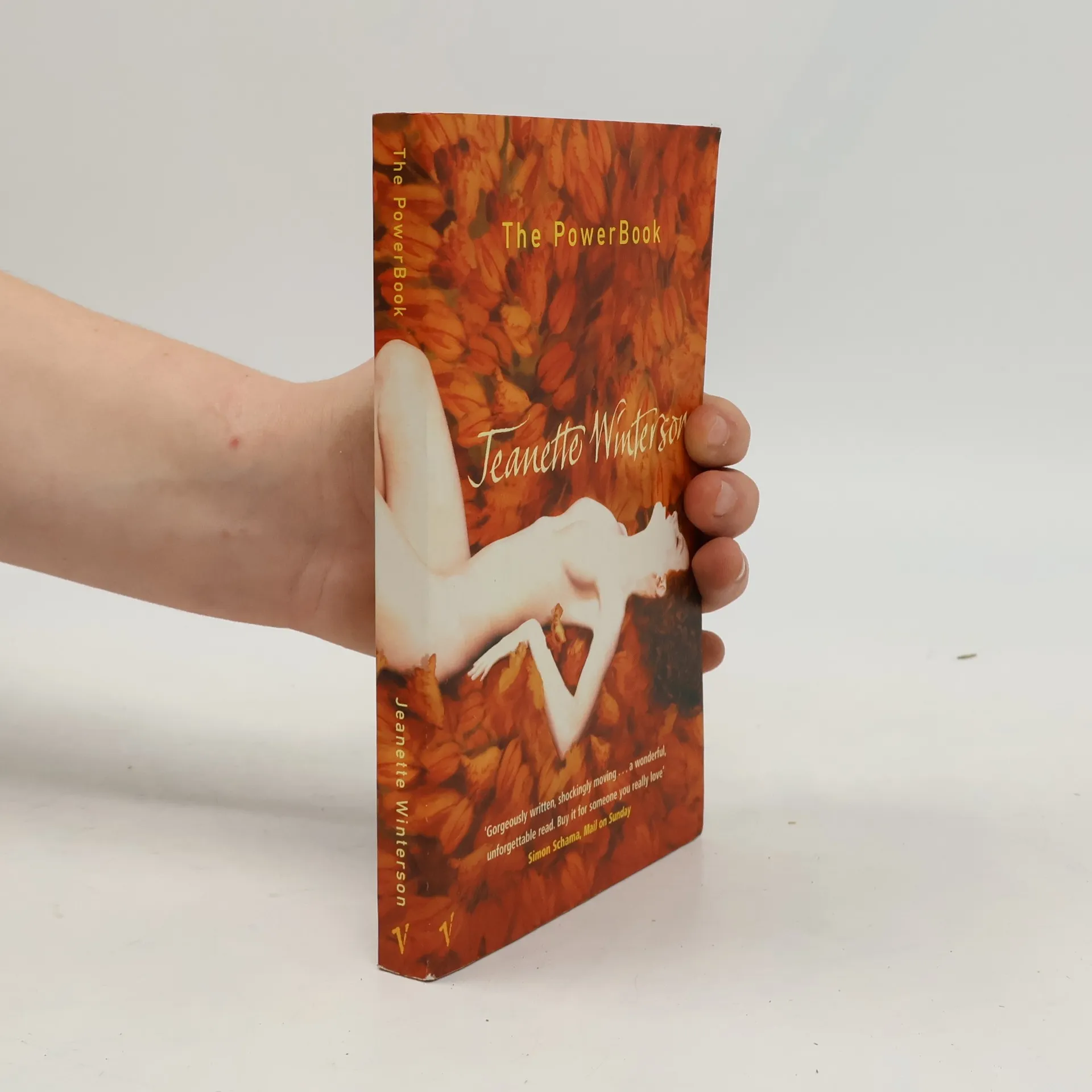
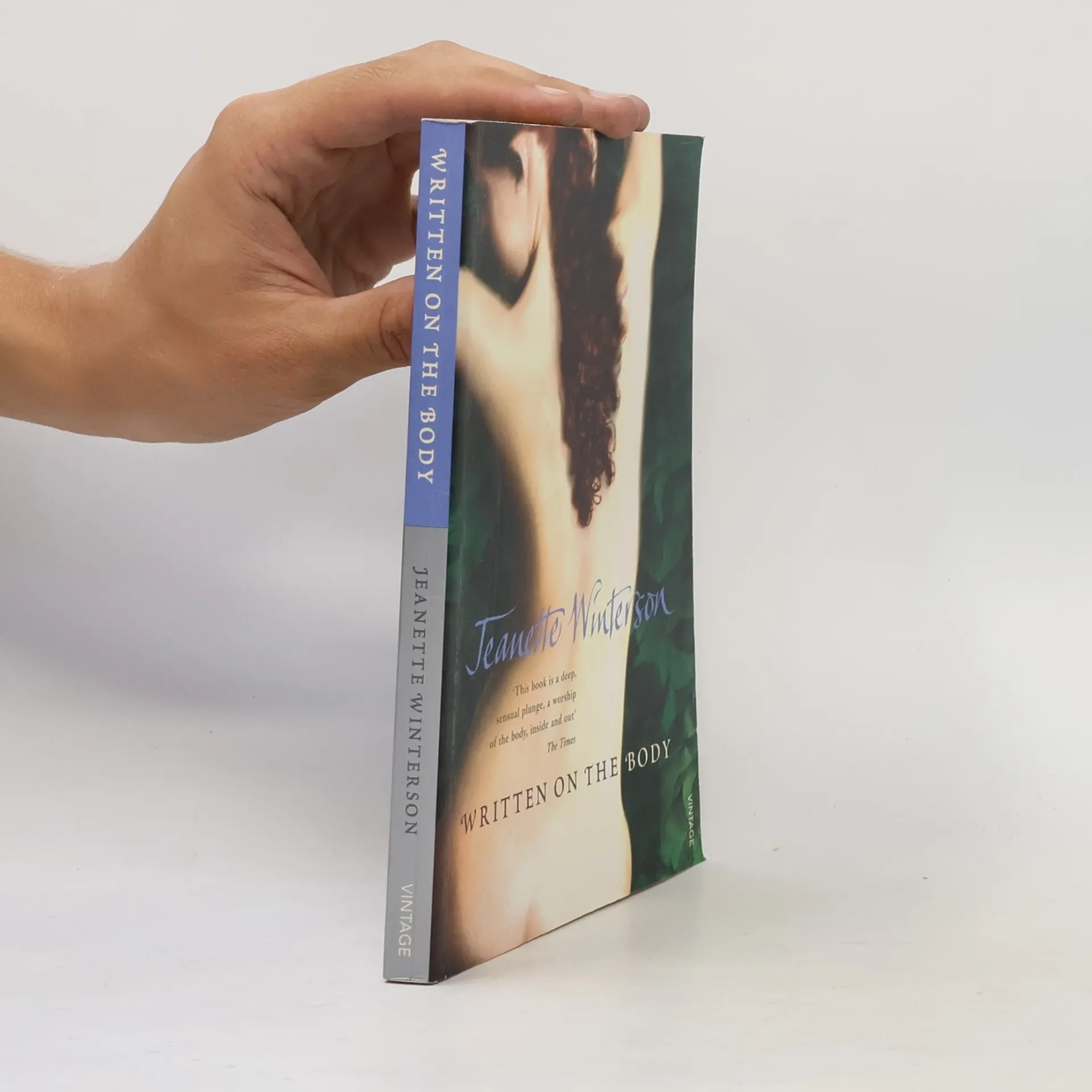
Written on the Body is a love story; the narrator a vulnerable and subversive Lothario, gender undeclared. Generous in scope, sumptuous in detail, Jeanette Winterson has fused mathematical exactness and poetic intensity and made language new
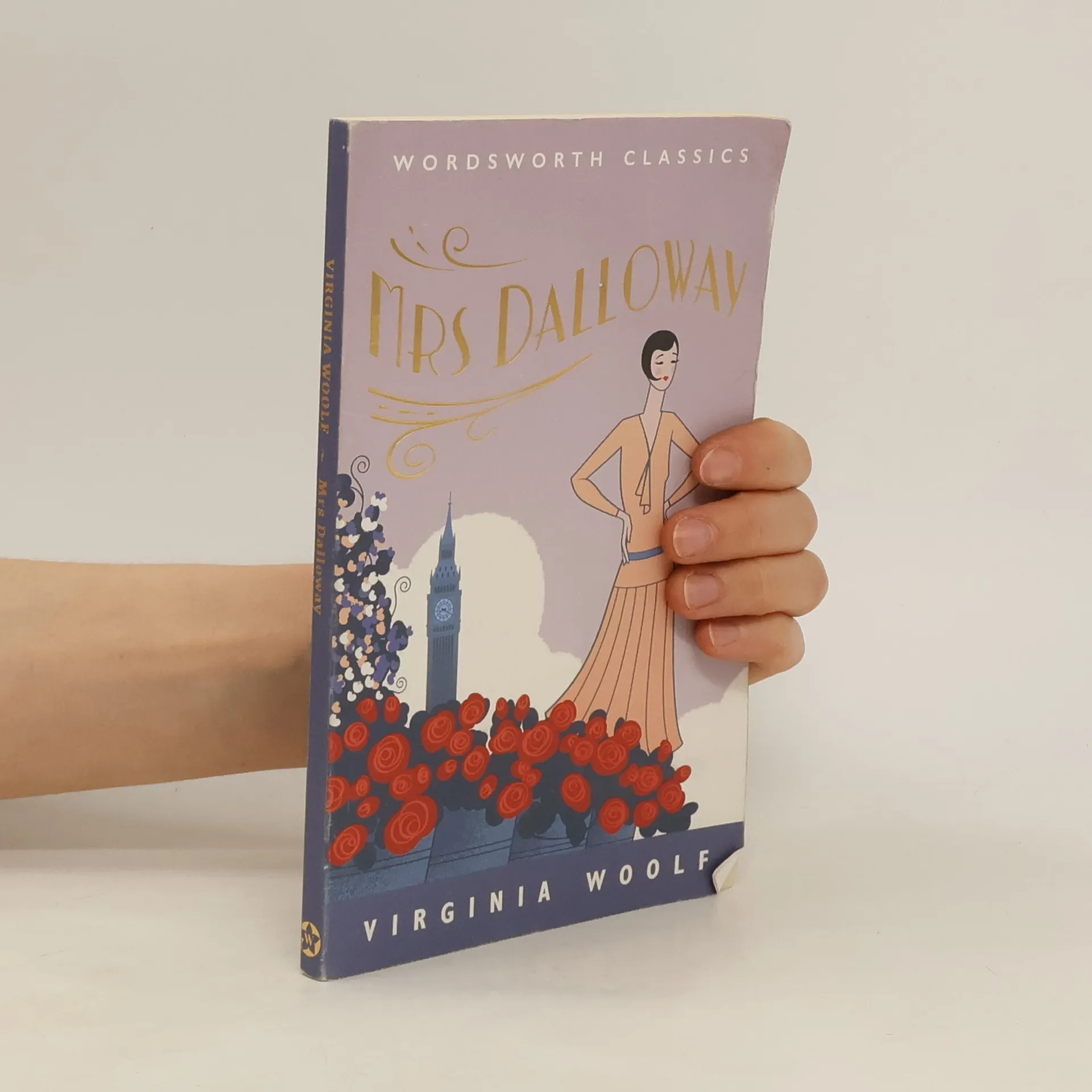
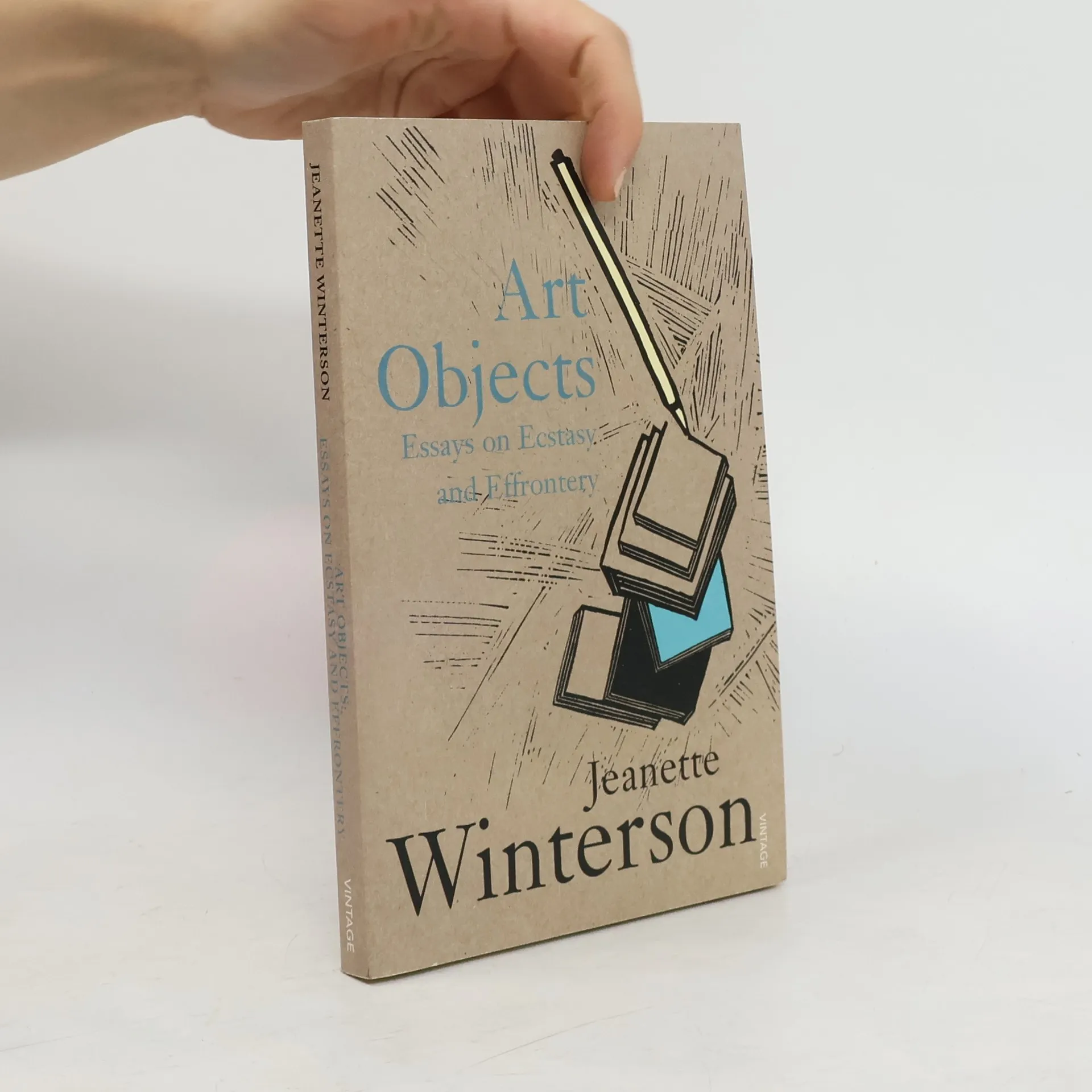
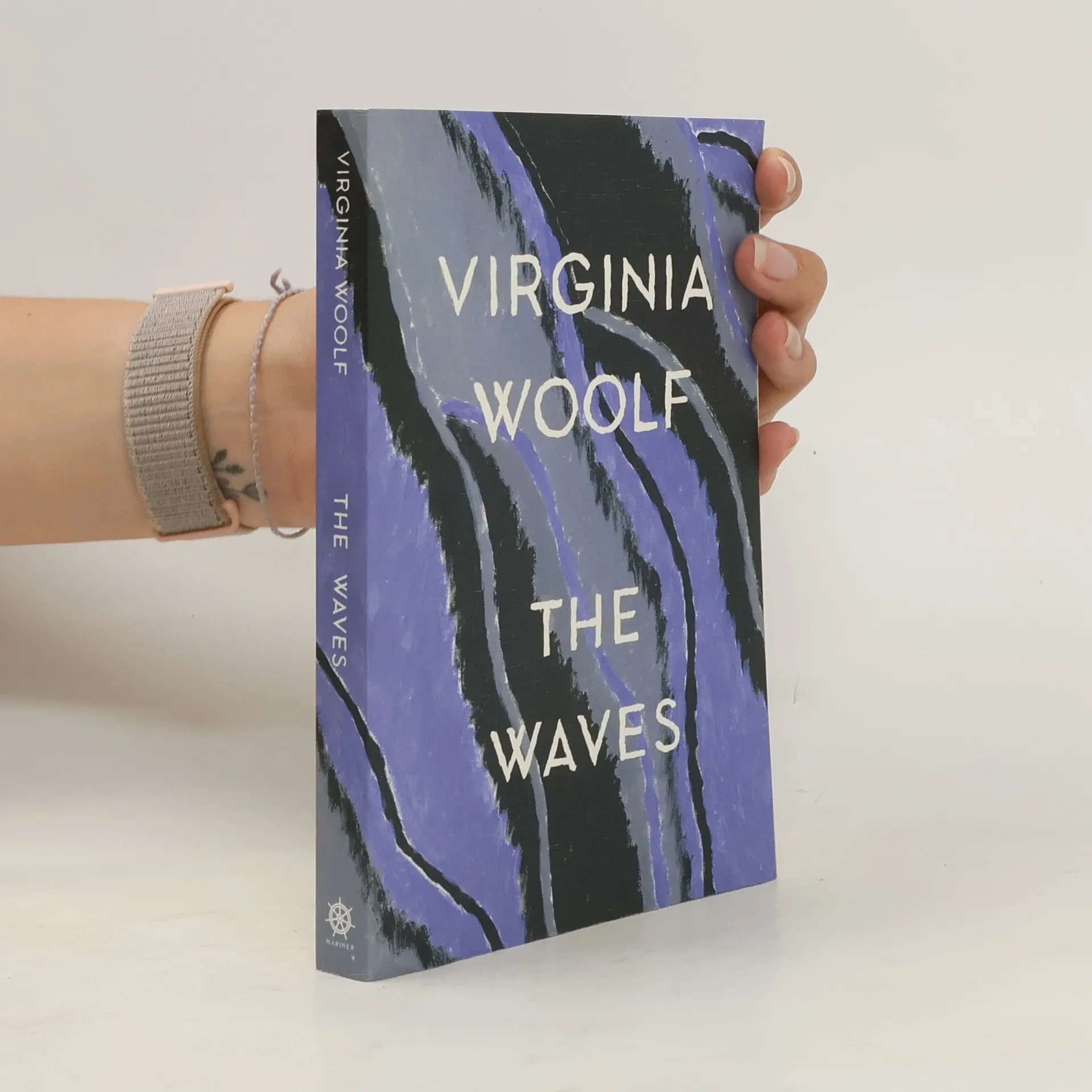
These interlocking essays uncover art as an active force in the world - neither elitist or remote, present to those who want it, affecting even those who don't. Winterson's own passionate vision of art is presented here, provocatively and personally, in pieces on Modernism, autobiography, style, painting, the future of fiction, in two essays on Virginia Woolf, and more intimately in pieces where she describes her relationship to her work and the books that she loves.
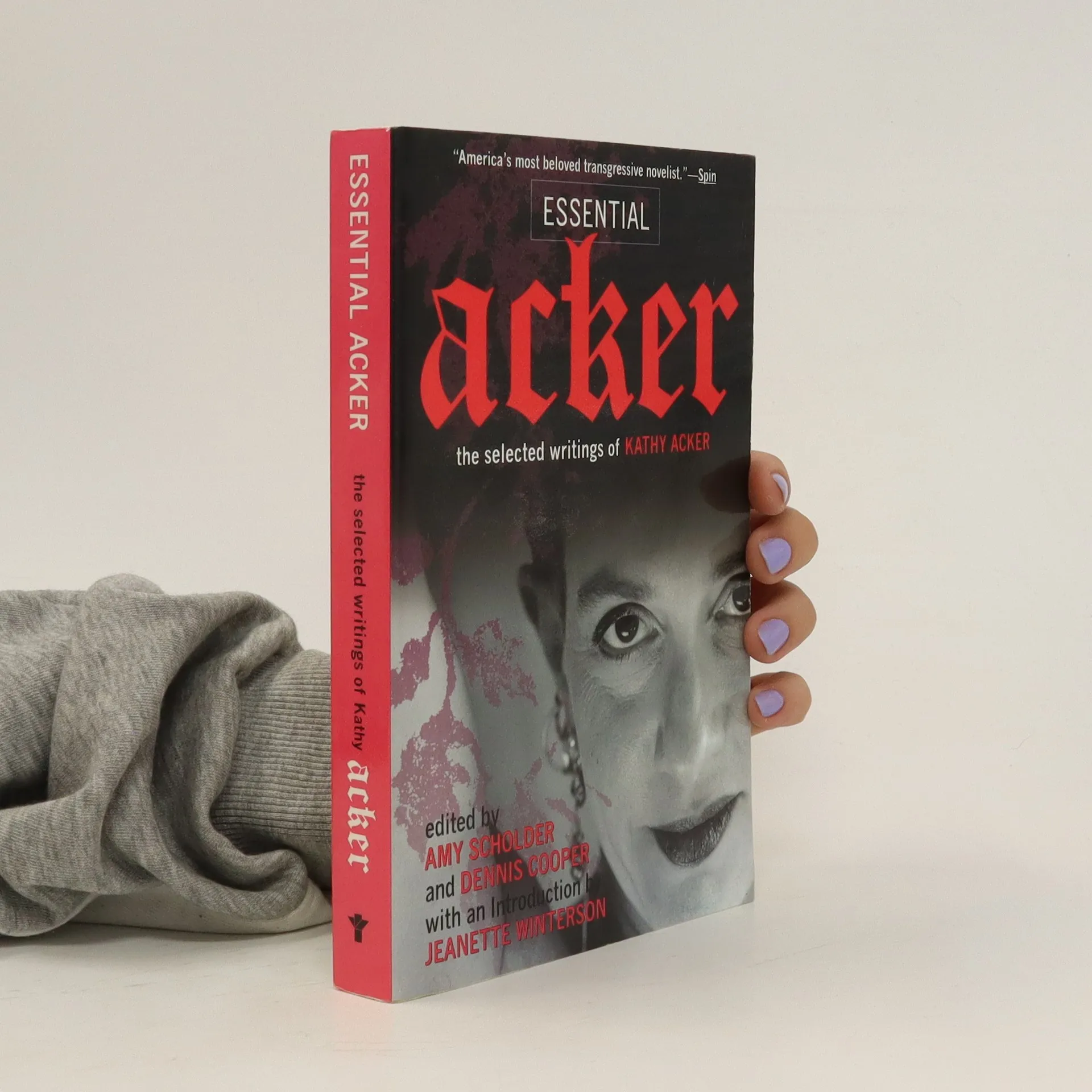
The incredible variety of Acker's body of work has been distilled into a single volume that reads like a communique from the front lines of late-20th century America. Acker was a literary pirate whose prodigious output drew promiscuously from popular culture, the classics of Western civilization, current events, and the raw material of her own life.
The Passion is a modern classic that confirms Jeanette Winterson's special claim on the novel. Set during the tumultuous years of the Napoleonic Wars, The Passion intertwines the destinies of two remarkable people: Henri, a simple French soldier, who follows Napoleon from glory to Russian ruin; and Villanelle, the red-haired, web-footed daughter of a Venetian boatman, whose husband has gambled away her heart. In Venice's compound of carnival, chance, and darkness, the pair meet their singular destiny. In her unique and mesmerizing voice, Winterson blends reality with fantasy, dream, and imagination to weave a hypnotic tale with stunning effects.
"If you crave the mystery, the family rituals, and the special victuals of Christmastime, you'll savor . . . bold, revelatory feminist writer Jeanette Winterson's Christmas Days." --Elle