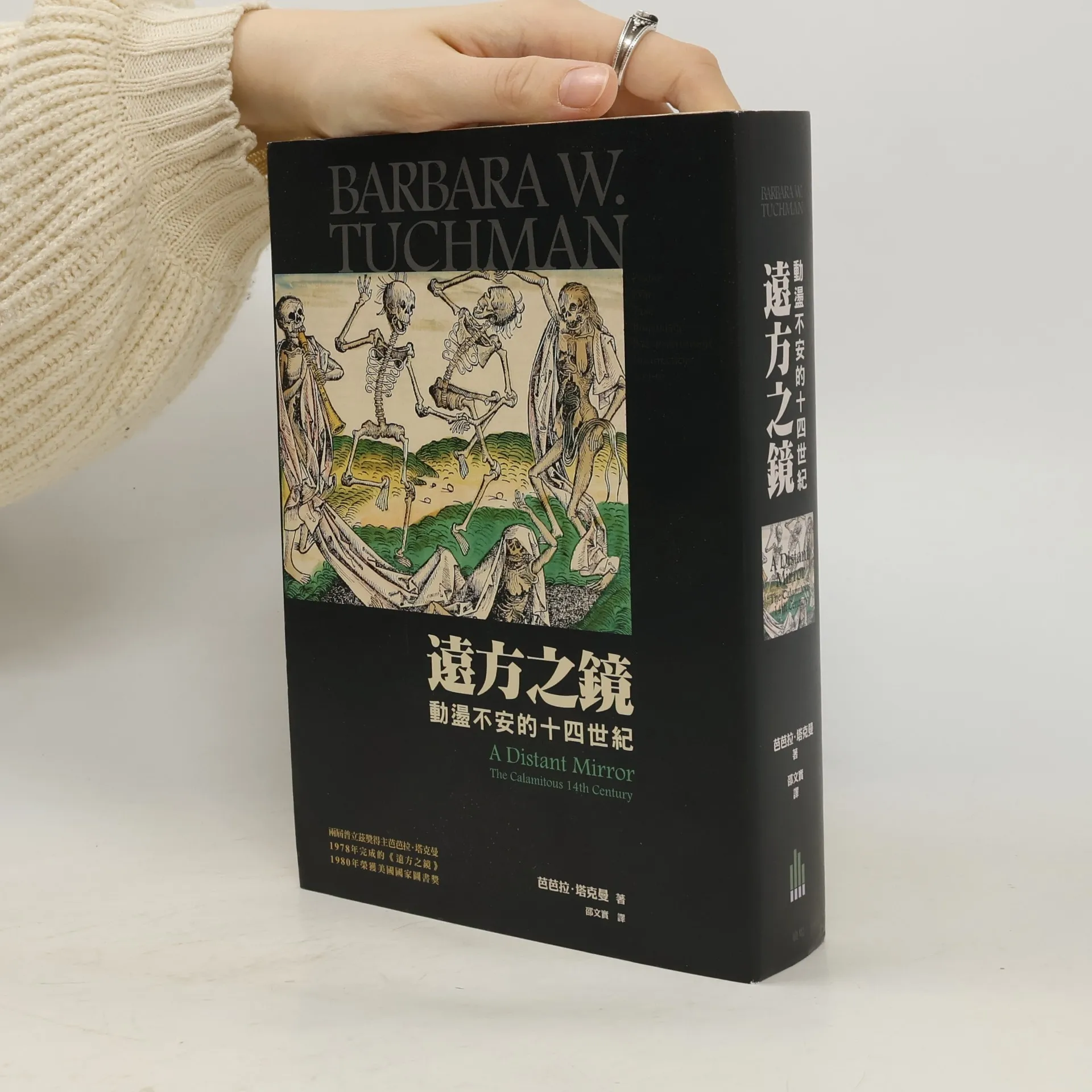
14世紀的歐洲反映了兩個相互冲突的圖景:一方面,這是一個十字軍、大教堂和騎士制度的時代;另一方面,這也是一個墮入混亂與精神痛苦的世界。一如塔克曼的其他作品,它兼具鮮明的人物個性、豐富的史實、閃耀的文筆和警醒當代人的史學意圖。塔克曼這本極具啟示意義的作品中不只審視了宏大的歷史主旋律,還深入到了家庭生活的細枝末節:童年是怎樣的,婚姻意味着什麼,以及金錢、稅收和戰爭是如何左右農奴、貴族和神職人員的生活的。她復原了中世紀驕傲的紅衣主教,學者,小販和神職人員,聖人和神秘主義者,律師和商人,以及最重要的騎士的生活;重塑了中世紀輝煌又混亂的生活圖景。
Barbara Tuchman Book order (chronological)
January 30, 1912 – February 6, 1989
Barbara Wertheim Tuchman was an American self-taught historian and author, twice a Pulitzer Prize winner. She became best known for 'The Guns of August' (1962), a history of the prelude and first month of World War I. Tuchman focused on producing popular history, covering diverse topics from the 14th century to World War I. Her clear, dramatic storytelling sold millions of copies, captivating readers with its engaging narrative.


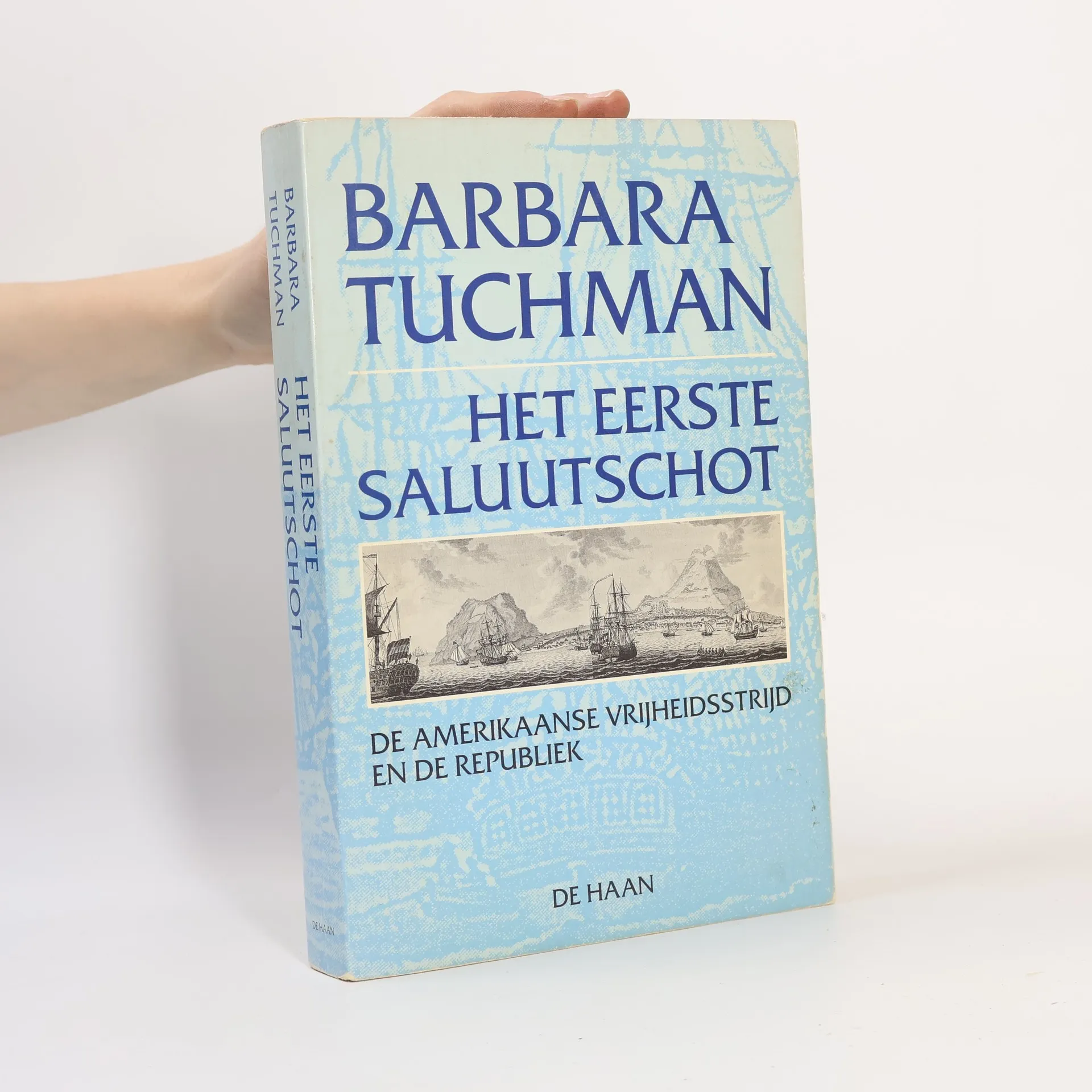
Het eerste saluutschot
- 365 pages
- 13 hours of reading
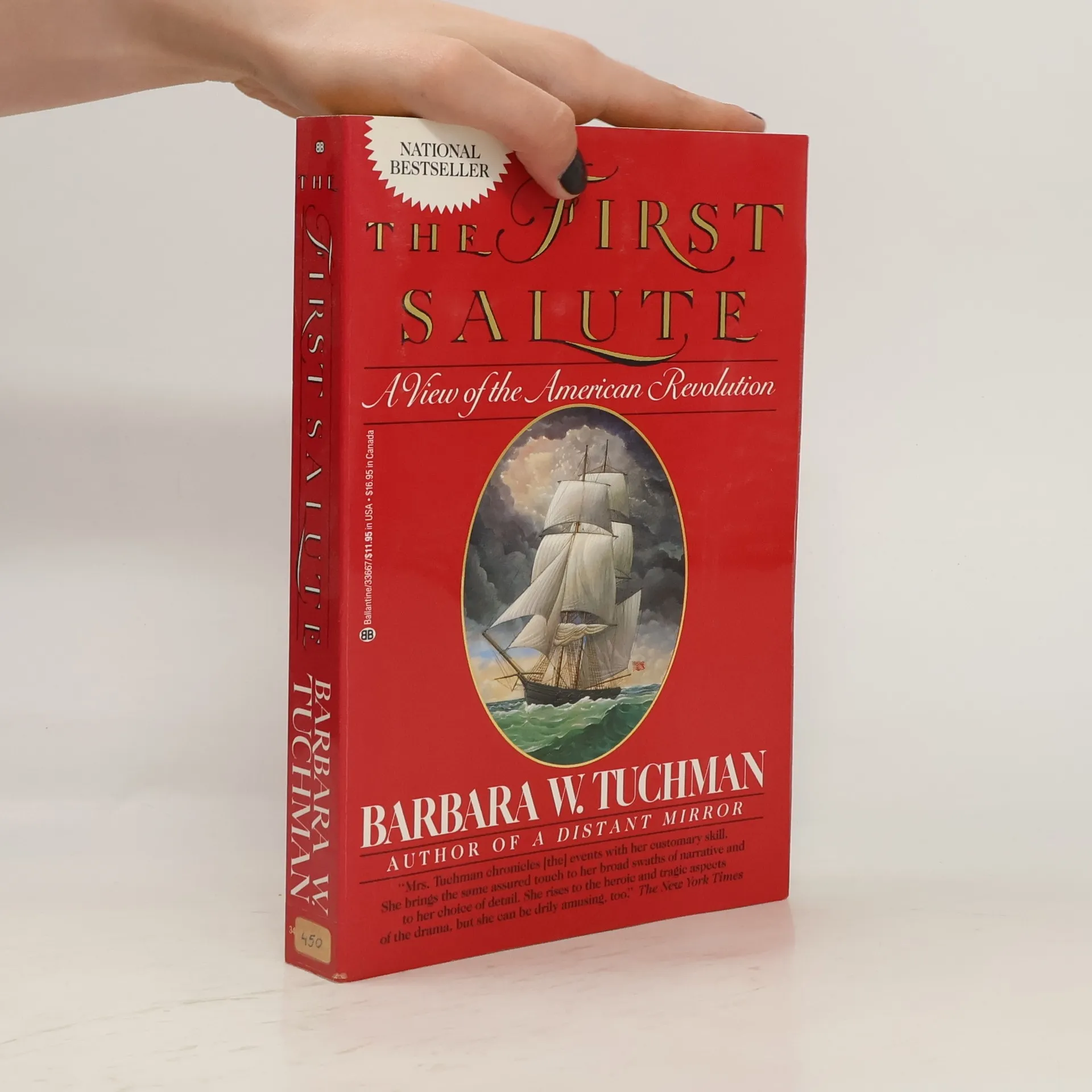
Geschiedenis van de Amerikaanse Vrijheidsoorlog, met als uitgangspunt het saluutschot dat de gouverneur van het Nederlandse eiland St. Eustatius op 16 nov. 1776 aan de Amerikaanse vlag liet brengen en daarmee de Amerikaanse rebellen als eerste erkende.
Verslag van de gebeurtenissen in de eerste maand van de Eerste Wereldoorlog, waarin de enorme Duitse aanval door België op Parijs tot staan gebracht werd aan de Marne, welke periode beslissend was voor het verloop van de oorlog.
The McGraw-Hill Reader: Third Edition
- 725 pages
- 26 hours of reading
Approaching a liberal arts tradition in the classroom, across the curriculum, and beyond, The McGraw-Hill Reader offers rich and diverse readings in education, the social sciences, business and economics, the humanities, and the sciences. This new eleventh edition offers a new focus on reading and composing across various media; it includes over 100 selections from prominent thinkers and writers; each essay was chosen to provoke critical thought and encourage effective writing.
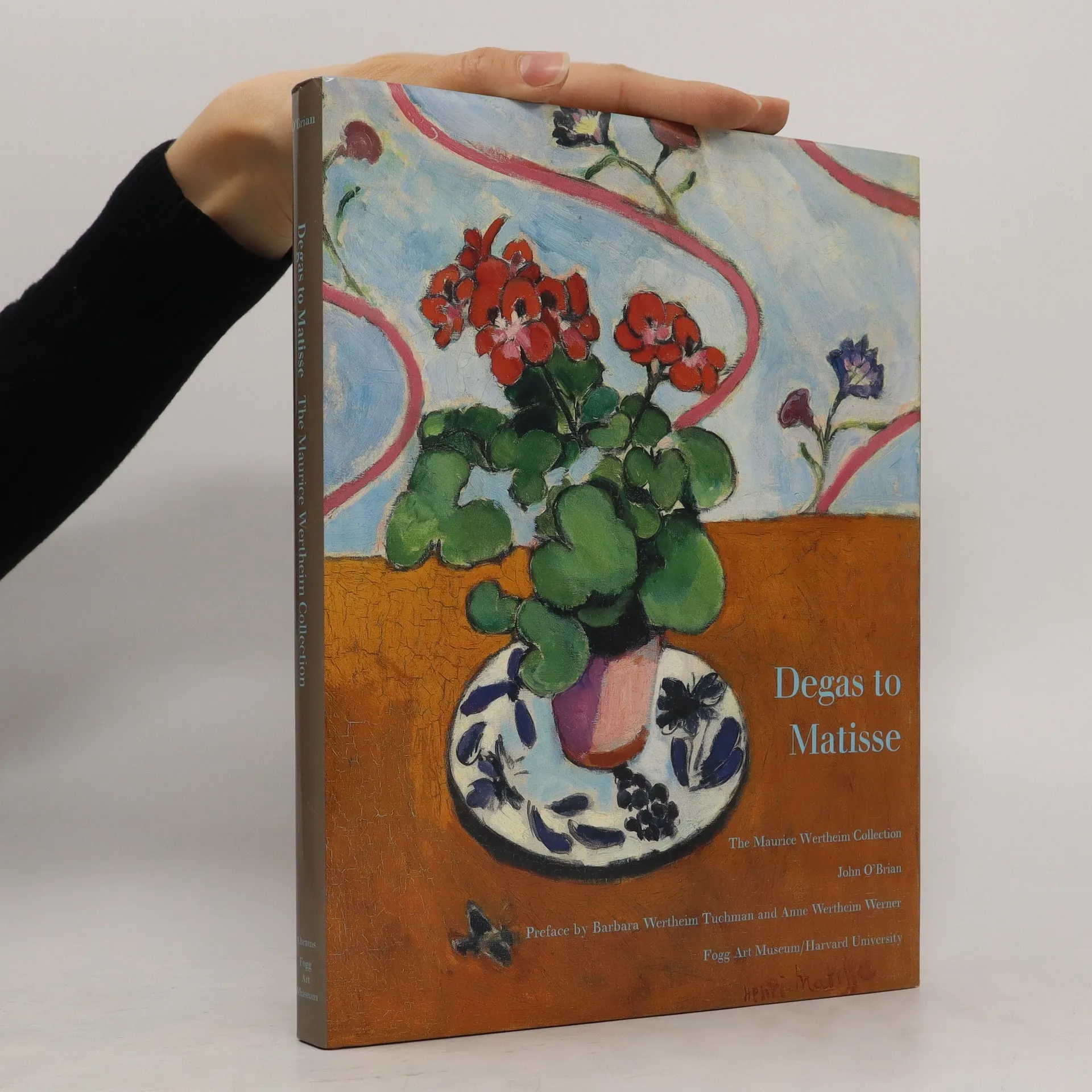
Degas to Matisse the Maurice Wertheim Collection
- 176 pages
- 7 hours of reading
Bequeathed to the Fogg Art Museum in 1950, a galaxy of impressionst and post-impressionist artists - sculptures as well as drawings and paintings.
Presents a fresh view of the American Revolution, chronicling key events from 1776 to 1781 and assessing the repercussions for America, England, France, and other nations.
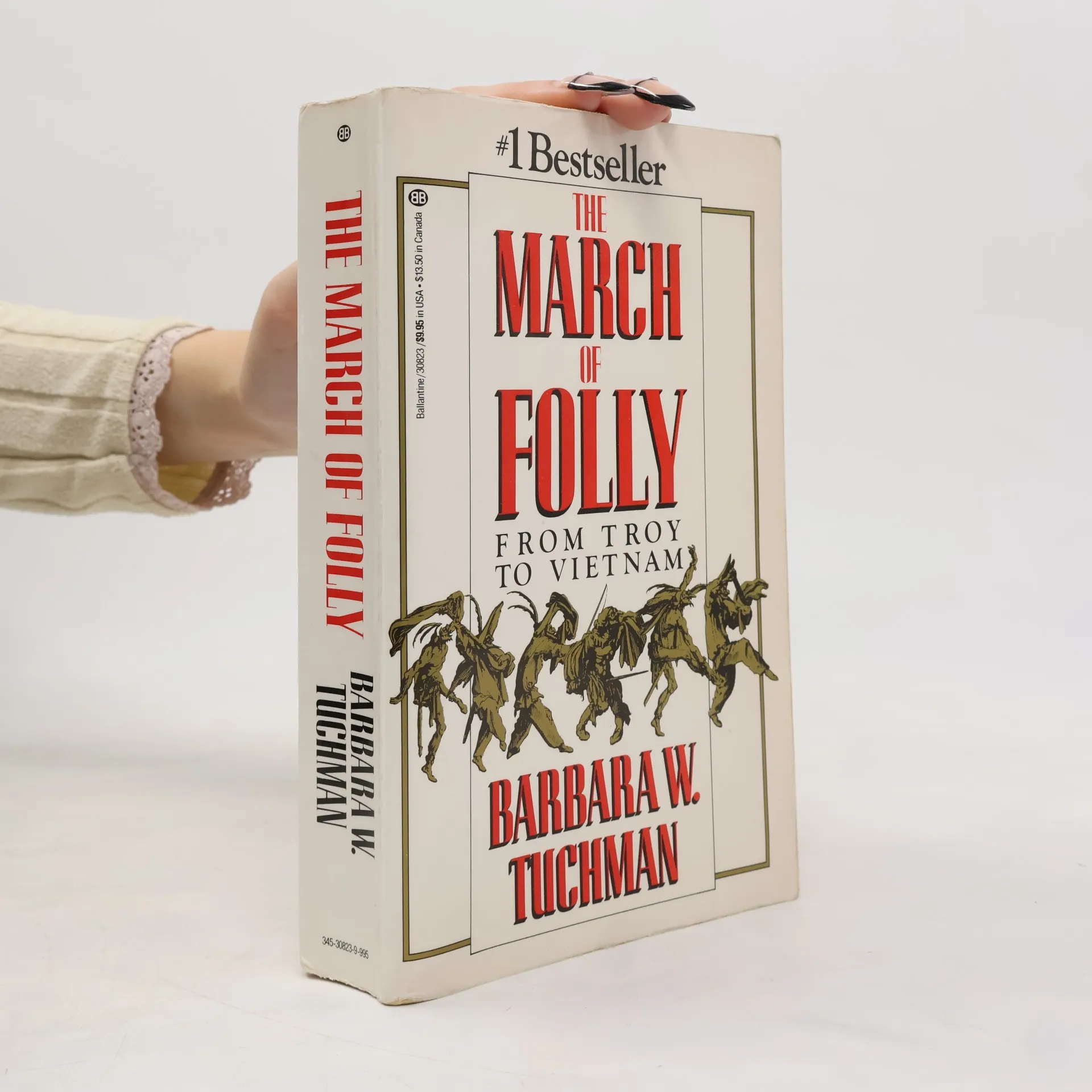
The March of Folly
- 559 pages
- 20 hours of reading
From the distinguished American historian, a consideration of one of the most bizarre and fascinating paradoxes in history - the persistent pursuit by governments of policies contrary to their own interests. It spans 30 centuries, from the fall of Troy to the USA's involvement in Vietnam.
Pulitzer Prize–winning historian Barbara W. Tuchman, author of the World War I masterpiece The Guns of August, grapples with her boldest subject: the pervasive presence, through the ages, of failure, mismanagement, and delusion in government. Drawing on a comprehensive array of examples, from Montezuma’s senseless surrender of his empire in 1520 to Japan’s attack on Pearl Harbor, Barbara W. Tuchman defines folly as the pursuit by government of policies contrary to their own interests, despite the availability of feasible alternatives. In brilliant detail, Tuchman illuminates four decisive turning points in history that illustrate the very heights of folly: the Trojan War, the breakup of the Holy See provoked by the Renaissance popes, the loss of the American colonies by Britain’s George III, and the United States’ own persistent mistakes in Vietnam. Throughout The March of Folly, Tuchman’s incomparable talent for animating the people, places, and events of history is on spectacular display. Praise for The March of Folly “A glittering narrative . . . a moral [book] on the crimes and follies of governments and the misfortunes the governed suffer in consequence.”—The New York Times Book Review “An admirable survey . . . I haven’t read a more relevant book in years.”—John Kenneth Galbraith, The Boston Sunday Globe “A superb chronicle . . . a masterly examination.”—Chicago Sun-Times
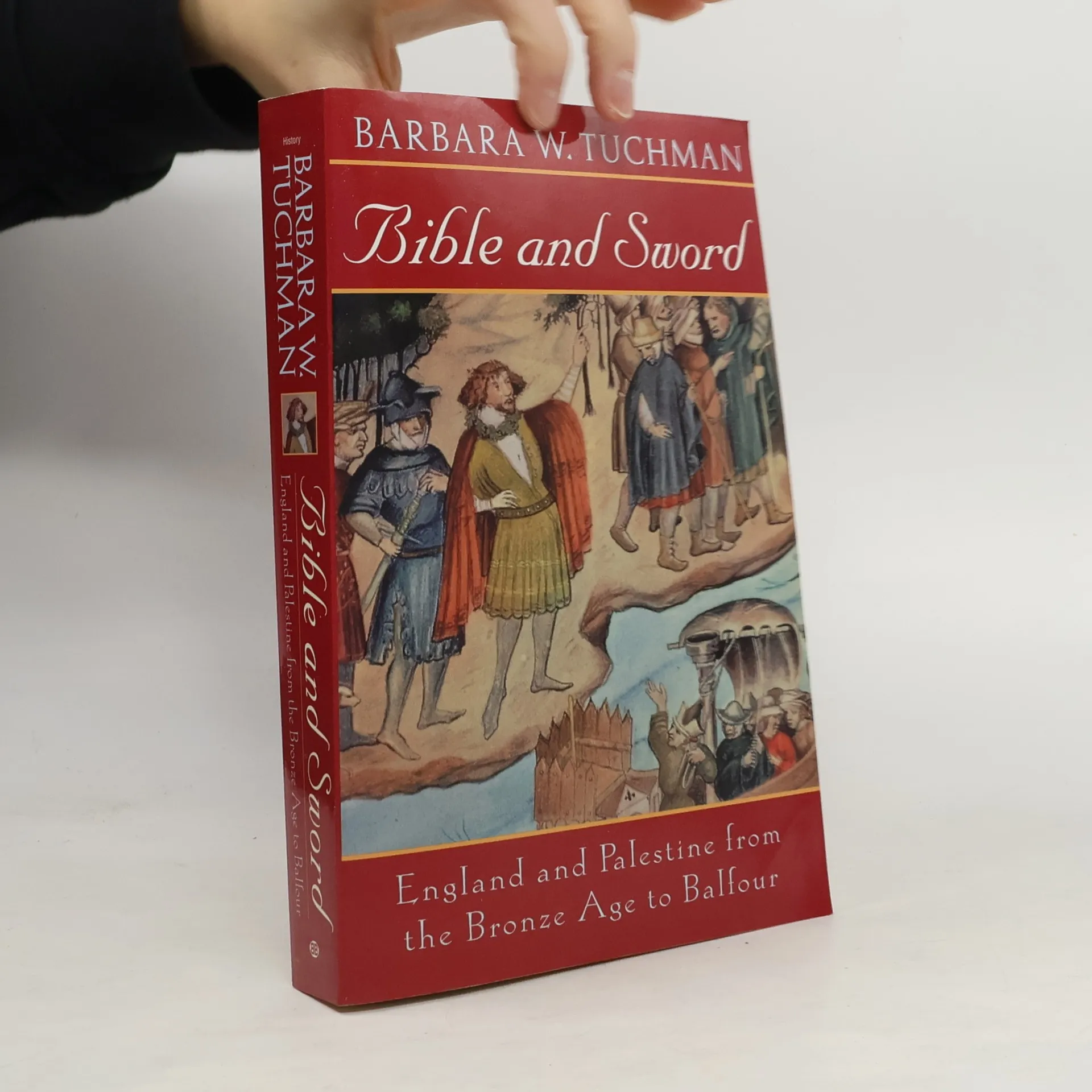
From Barbara W. Tuchman, Pulitzer Prize–winning author of The Guns of August, comes history thru a wide-angle lens: a fascinating chronicle of Britain’s long relationship with Palestine & the Middle East, from the ancient world to the 20th century. Historically, the British were drawn to the Holy Land for two major reasons: first, to translate the Bible into English &, later, to control the road to India & access to Middle Eastern oil. With the lucid vividness that characterize all her work, Tuchman follows these twin spiritual & imperial motives—the Bible & the sword—to their seemingly inevitable endpoint, when Britain conquered Palestine at the conclusion of WWI. At that moment, in a gesture of significance & solemnity, the Balfour Declaration of 1917 established a British-sponsored mandate for a national home for the Jewish people. Throughout this account, Tuchman demonstrates that the seeds of conflict were planted in the Middle East long before the official founding of the modern state of Israel. “Tuchman is a wise & witty writer, a shrewd observer with a lively command of high drama.”—The Philadelphia Inquirer “In her métier as a narrative popular historical writer, Barbara Tuchman is supreme.”—Chicago Sun-Times
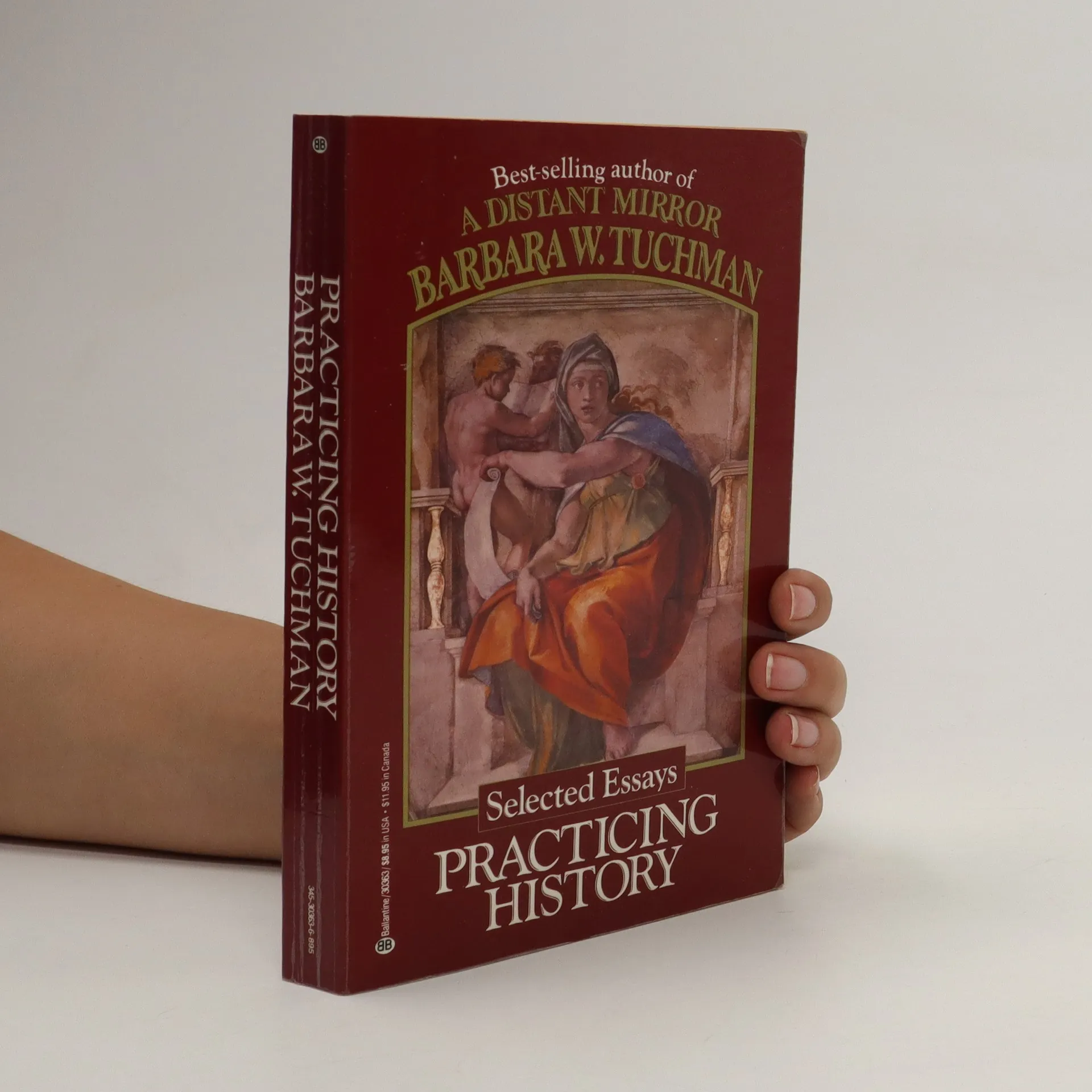
Celebrated for bringing a personal touch to history in her Pulitzer Prize–winning epic The Guns of August and other classic books, Barbara W. Tuchman reflects on world events and the historian’s craft in these perceptive, essential essays. From thoughtful pieces on the historian’s role to striking insights into America’s past and present to trenchant observations on the international scene, Barbara W. Tuchman looks at history in a unique way and draws lessons from what she sees. Spanning more than four decades of writing in The New York Times Magazine, The Atlantic, Foreign Affairs, Harper’s, The Nation, and The Saturday Evening Post, Tuchman weighs in on a range of eclectic topics, from Israel and Mao Tse-tung to a Freudian reading of Woodrow Wilson. This is a splendid body of work, the story of a lifetime spent “practicing history.” Praise for Practicing History “Persuades and enthralls . . . I can think of no better primer for the nonexpert who wishes to learn history.”—Chicago Sun-Times “Provocative, consistent, and beautifully readable, an event not to be missed by history buffs.”—Baltimore Sun “A delight to read.”—The New York Times Book Review
Die Zimmermann-Depesche
- 346 pages
- 13 hours of reading
Die durchschnittliche Person denkt, dass das Sinken der Lusitania die Vereinigten Staaten in den Ersten Weltkrieg gebracht hat. Das ist nicht so! In diesem schmalen Band, der wie ein Kriminalroman gelesen wird, enthüllt Barbara Tuchman das wenig bekannte Geheimnis des Zimmermann-Telegramms. Grundsätzlich wollte Deutschland die USA und ihre industrielle Macht aus dem europäischen Konflikt heraushalten, indem es Mexiko und Japan überzeugte, die USA anzugreifen. Deutschland versprach sogar Mexiko, Texas, New Mexico und Arizona zurückzubekommen! Was die Deutschen nicht wussten, war, dass die Briten, sobald der Krieg erklärt wurde, als erstes Deutschlands transatlantisches Kabel durchtrennten. Alle Telegramme oder Telefonate nach Nordamerika mussten über das britische Kabel geleitet werden. Und die Briten fingen jedes Telegramm aus Deutschland ab. Obwohl das Zimmermann-Telegramm in Code gesendet wurde, wurde es entschlüsselt. Aber die cleveren Briten behielten es für sich und gaben seinen Inhalt erst preis, als es unbedingt notwendig war, und zwar so, dass sie nicht offenbaren mussten, dass sie deutsche Nachrichten abfingen! Brilliant! Als die New York Times das Telegramm 1917 veröffentlichte, dauerte es nicht lange, bis der pazifistische Woodrow Wilson eine Kriegserklärung vom Kongress erhielt und die USA begannen, Truppen "dort drüben" zu entsenden. Eine großartige Lektüre!
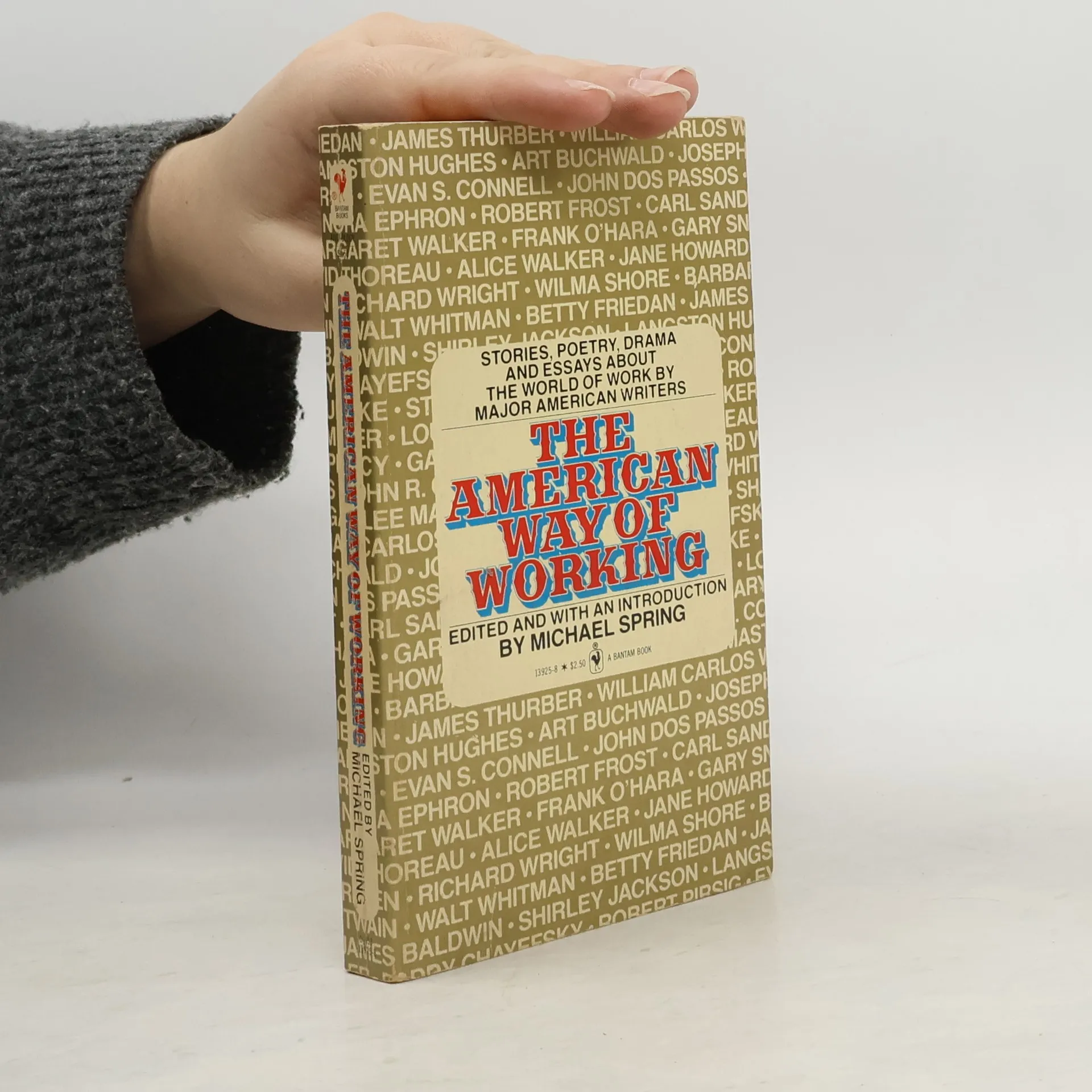
American Way of Working
A Collection of Writings from Henry David Thoreau to Joseph Heller
- 272 pages
- 10 hours of reading
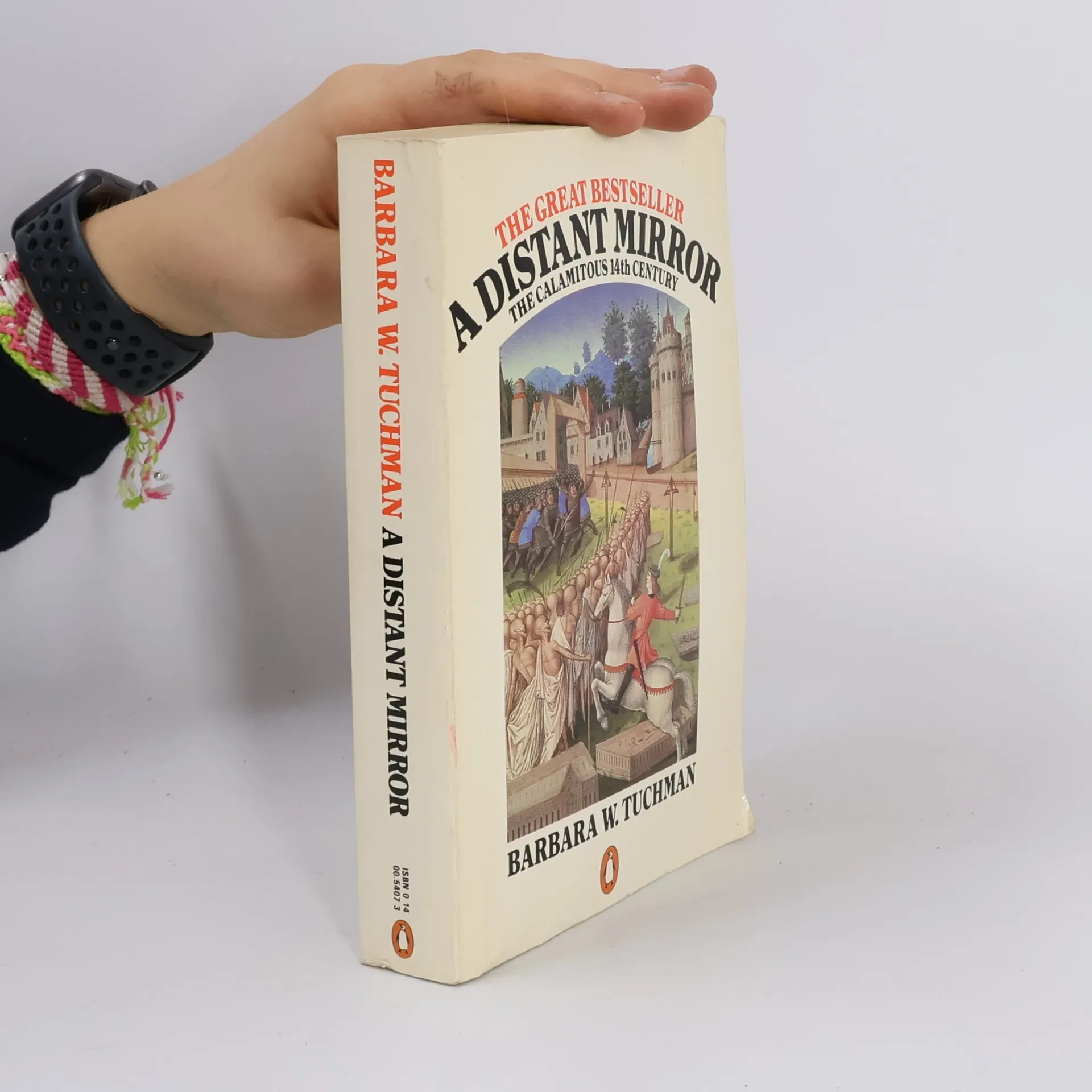
A Distant Mirror
The Calamitous 14th Century
The fourteenth century was a time of fabled crusades and chivalry, glittering cathedrals and grand castles. It was also a time of ferocity and spiritual agony, a world of chaos and the plague.Here, Barbara Tuchman masterfully reveals the two contradictory images of the age, examining the great rhythms of history and the grain and texture of domestic life as it was lived: what childhood was like; what marriage meant; how money, taxes and war dominated the lives of serf, noble and clergy alike.Granting her subjects their loyalties, treacheries and guilty passions, Tuchman recreates the lives of proud cardinals, university scholars, grocers and clerks, saints and mystics, lawyers and mercenaries, and, above all, knights. The result is an astonishing reflection of medieval Europe, a historical tour de force.
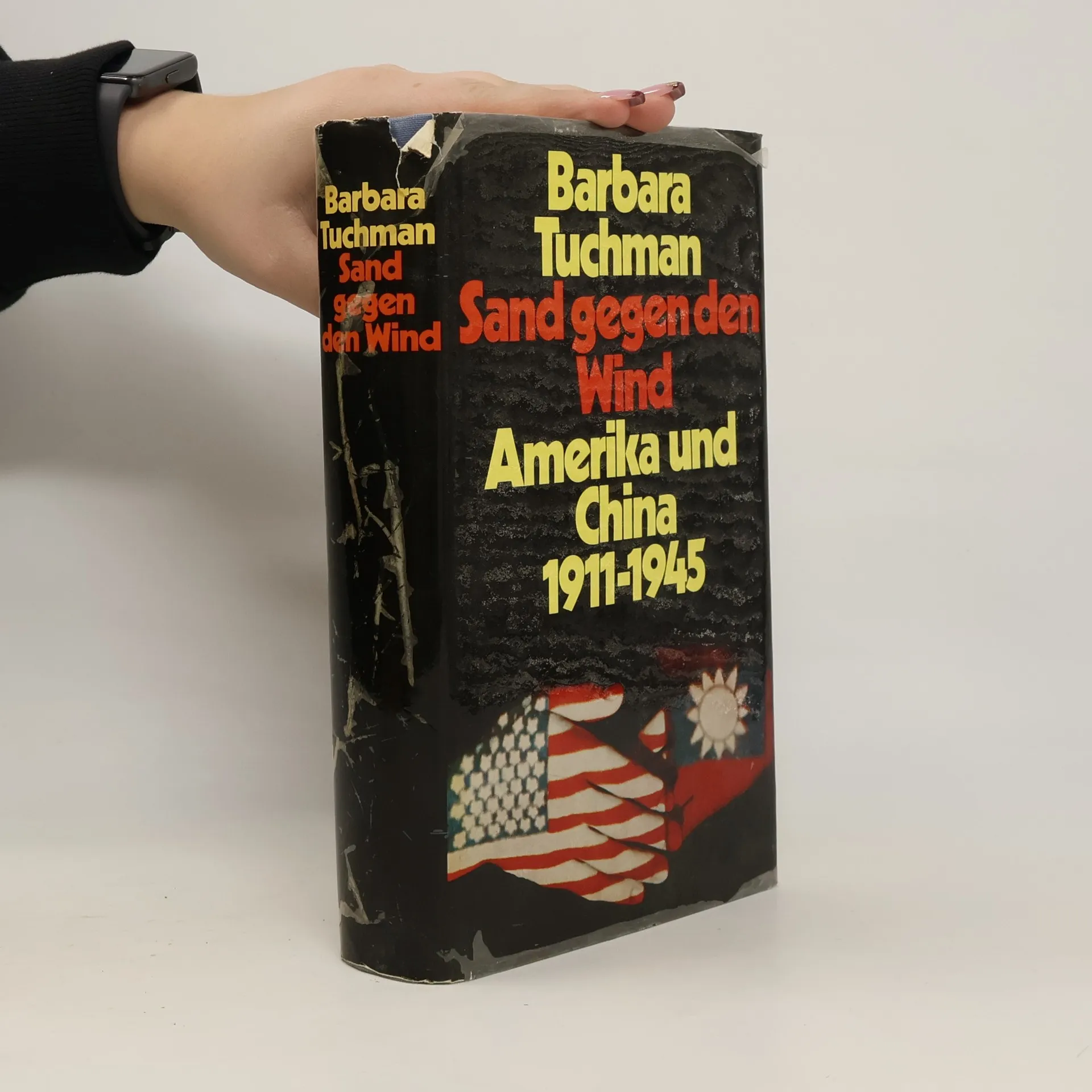
Sand gegen den Wind
Amerika und China 1911-1945
The narrative explores the emergence of modern China, offering a unique perspective through the experiences of an exceptional American. Tuchman’s meticulous research and engaging storytelling illuminate the complexities of this transformative period in Chinese history, providing readers with an insightful understanding of the cultural and political shifts that shaped the nation. This Pulitzer Prize-winning work stands out for its depth and clarity, making it a significant contribution to historical literature.
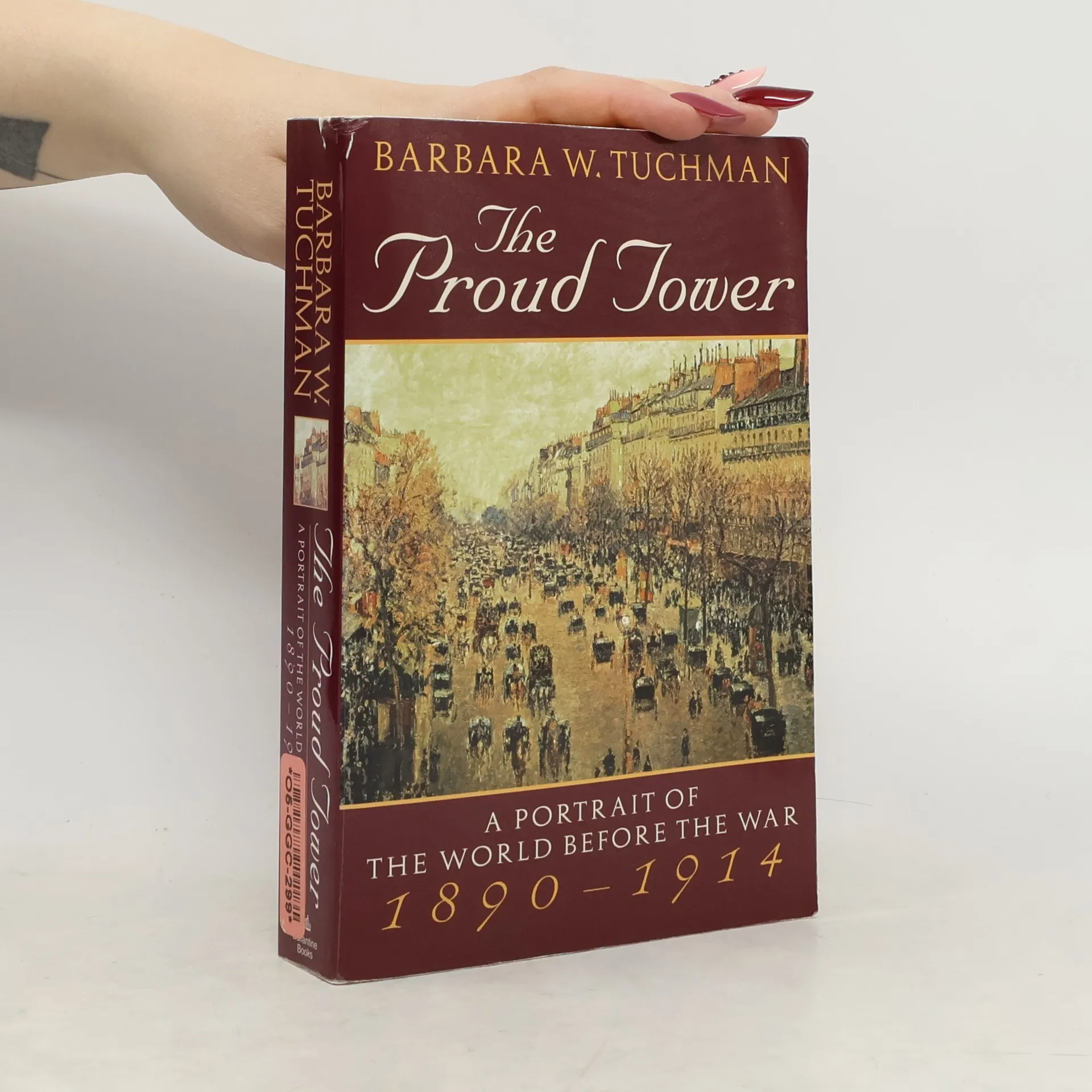
During the fateful quarter century leading up to World War I, the climax of a century of rapid, unprecedented change, a privileged few enjoyed luxury as the underclass was “heaving in its pain, its power, and its hate.” In "The Proud Tower", Barbara W. Tuchman brings the era to vivid life: the decline of the Edwardian aristocracy; the Anarchists of Europe and America; Germany and its self-depicted hero, Richard Strauss; Diaghilev’s Russian ballet and Stravinsky’s music; the Dreyfus Affair; the Peace Conferences in The Hague; and the enthusiasm and tragedy of Socialism, epitomized by the assassination of Jean Jaurès on the night the Great War began and an epoch came to a close.
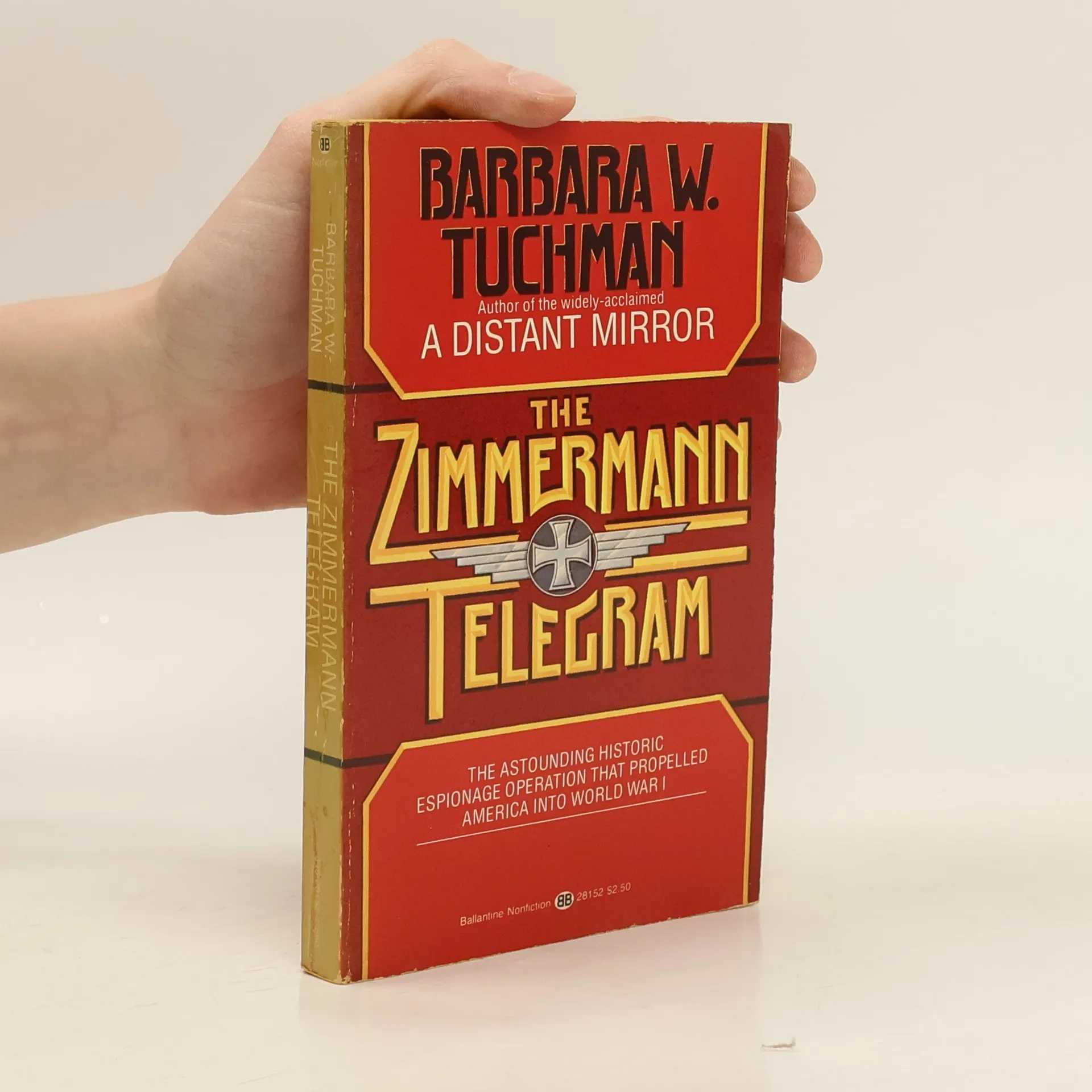
The Zimmermann Telegram
- 224 pages
- 8 hours of reading
“A tremendous tale of hushed and unhushed uproars in the linked fields of war and diplomacy” (The New York Times), from the Pulitzer Prize–winning author of The Guns of August In January 1917, the war in Europe was, at best, a tragic standoff. Britain knew that all was lost unless the United States joined the war, but President Wilson was unshakable in his neutrality. At just this moment, a crack team of British decoders in a quiet office known as Room 40 intercepted a document that would change history. The Zimmermann telegram was a top-secret message to the president of Mexico, inviting him to join Germany and Japan in an invasion of the United States. How Britain managed to inform the American government without revealing that the German codes had been broken makes for an incredible story of espionage and intrigue as only Barbara W. Tuchman could tell it. The Proud Tower, The Guns of August, and The Zimmermann Telegram comprise Barbara W. Tuchman’s classic histories of the First World War era.
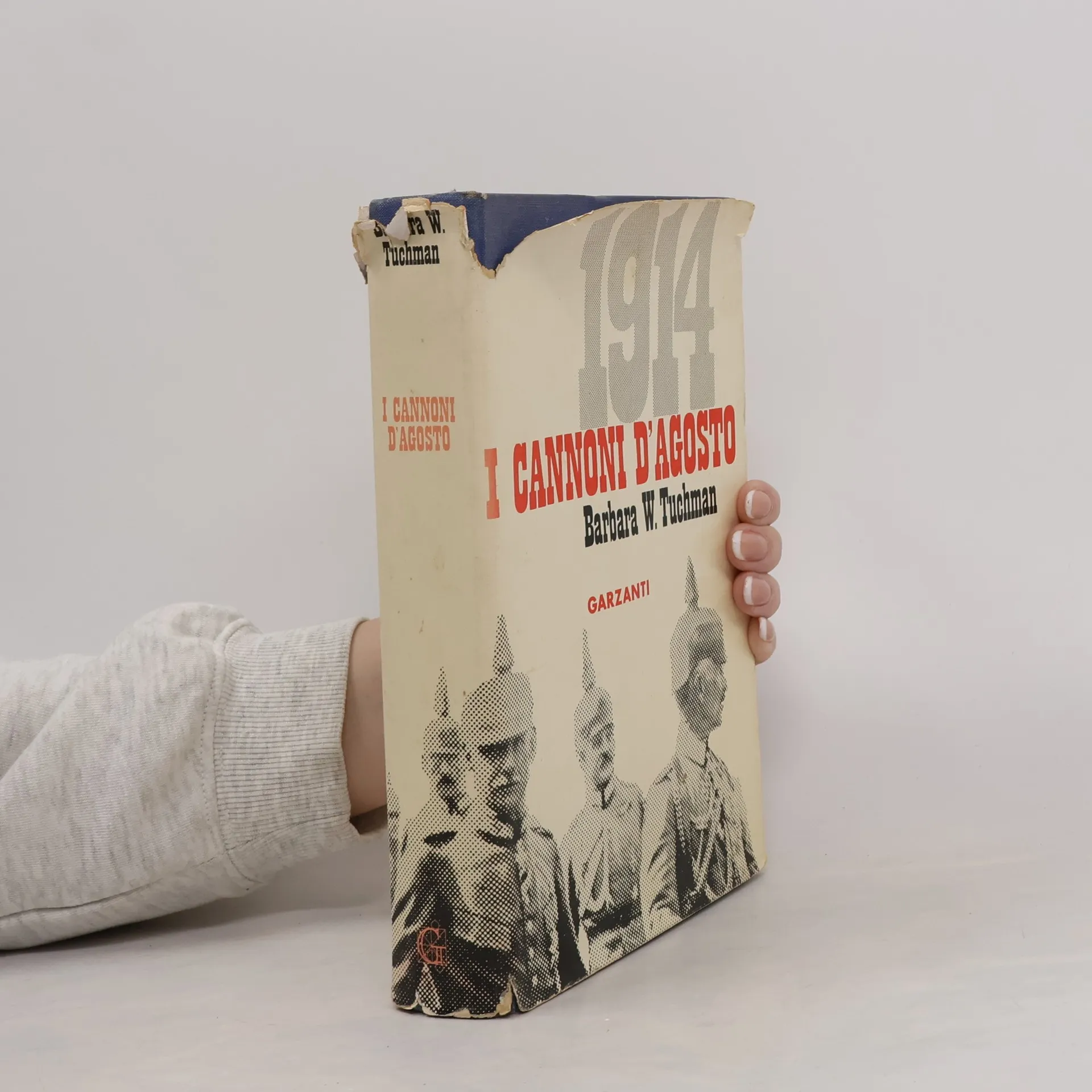
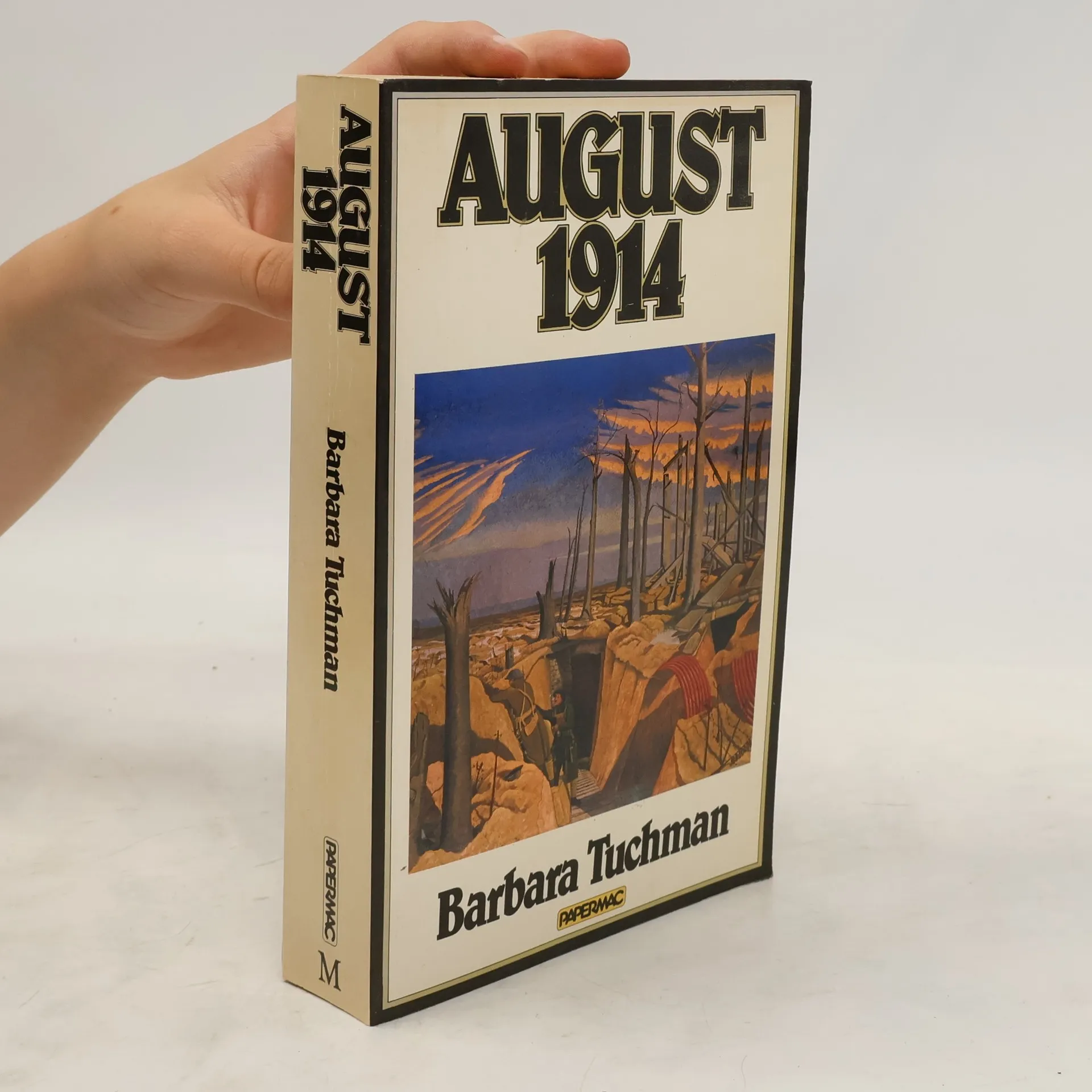
August 1914
- 572 pages
- 21 hours of reading
The first 30 days of battle determined the future course of World War I, the terms of the peace and the shape of the nations of our time. This study looks at the descent into war and the bloody catalogue of battles of August 1914.