
The Reverse Takeover - Part 1: From Sweat Equity to Private Equity
- 170 pages
- 6 hours of reading


Jane Austen's strength is, of course, that of the humorist. And this is not all. The foibles, illusions, self-contradictions, and absurdities of human nature are not just a joy to her for their own sakes, but also because through action they lead to results which may be serious but may also be comic. Just like in Erasmus' Praise of folly , we find countless citations of humor, we also find in all of Jane Austen's six novels a treasure trove of webs of errors, misunderstandings, and absurdities, which in the end redeem the characters, not by their creator, or Fortune, or some Providence, but by their own efforts. Years before Gustave Flaubert and James Joyce, Jane Austen stood to the side "pairing her fingernails," leaving her creatures to fend for themselves.
Although the theme of the novel focuses on business practices (good and evil), the story is rich with a family saga that tells about human frailties and strengths, kindness and cruelty, and in some cases, violence.
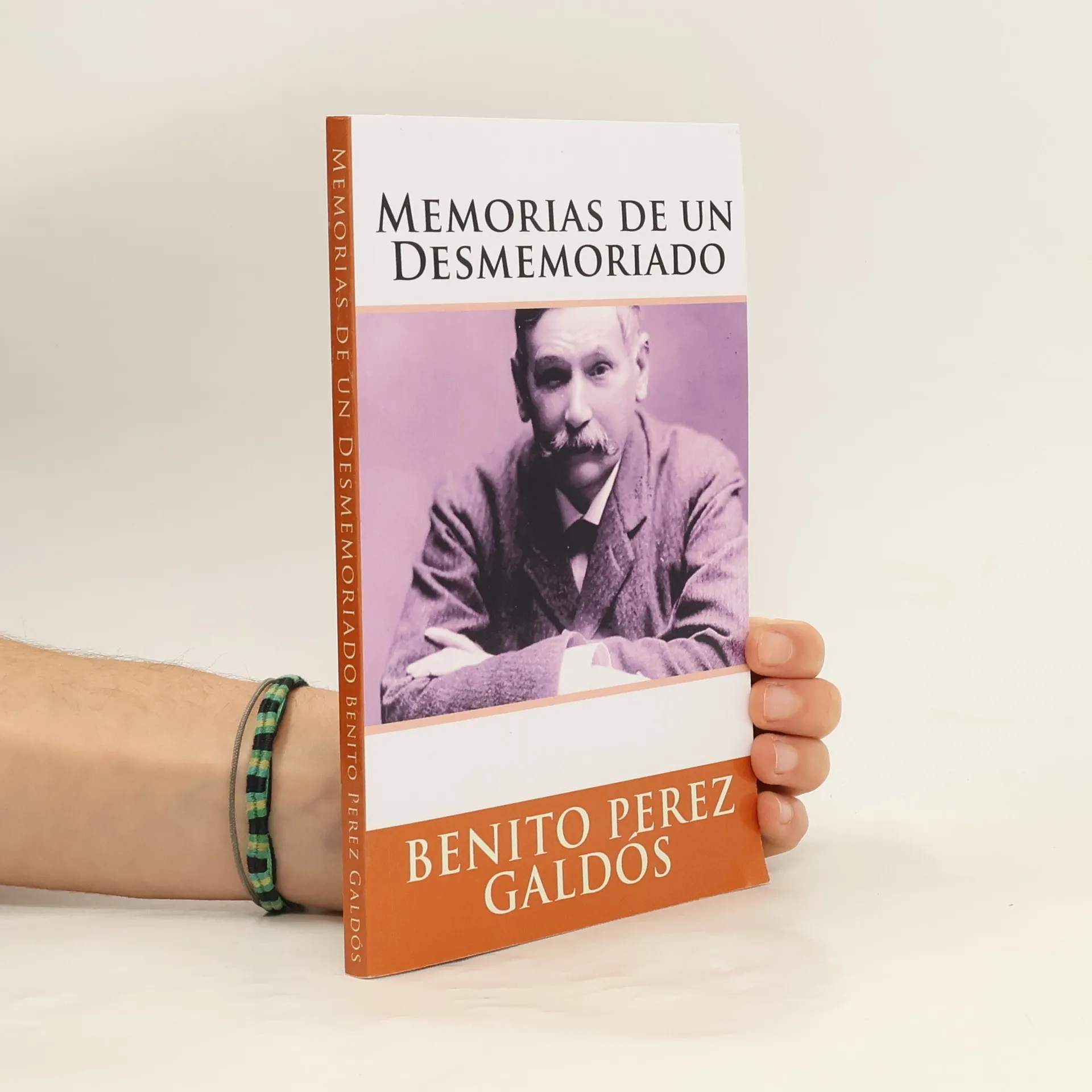
En 1915, Benito Perez Galdos contrata con el semanario de Madrid La Esfera para publicar por entregas sus recuerdos biograficos bajo el titulo de Memorias de un desmemoriado. Son una serie de articulos en los que el escritor, ya anciano y completamente ciego, selecciona y describe algunas etapas de su existencia. Eso si, no da nada de su ninez; como el mismo lo dice: carece de interes o se diferencia poco de otras de chiquillos o de bachilleres aplicaditos. Titubeante, Galdos empieza a contar a partir de los anos 63 o 64, cuando sus padres lo mandan a Madrid a estudiar derecho. Con gran humor y livianeza entabla un dialogo continuo con su propia memoria, a la cual apela para que le aclare los viajes, acontecimientos, anecdotas, personajes, monumentos que el cree dignos de narrar. El resultado es una obra de amor al arte: narrativa entretenida y llena no solo de agudas observaciones, sino tambien de sabiduria.