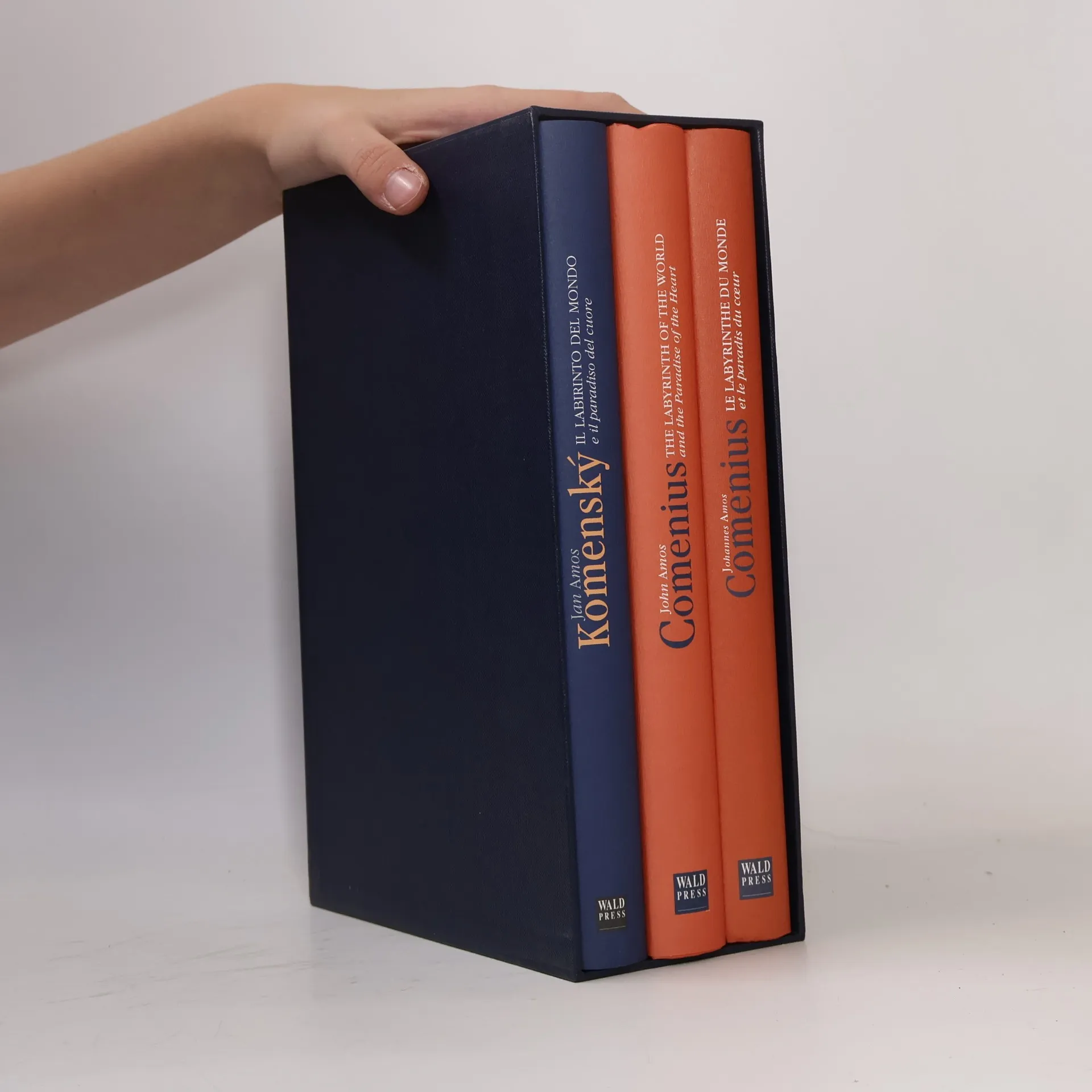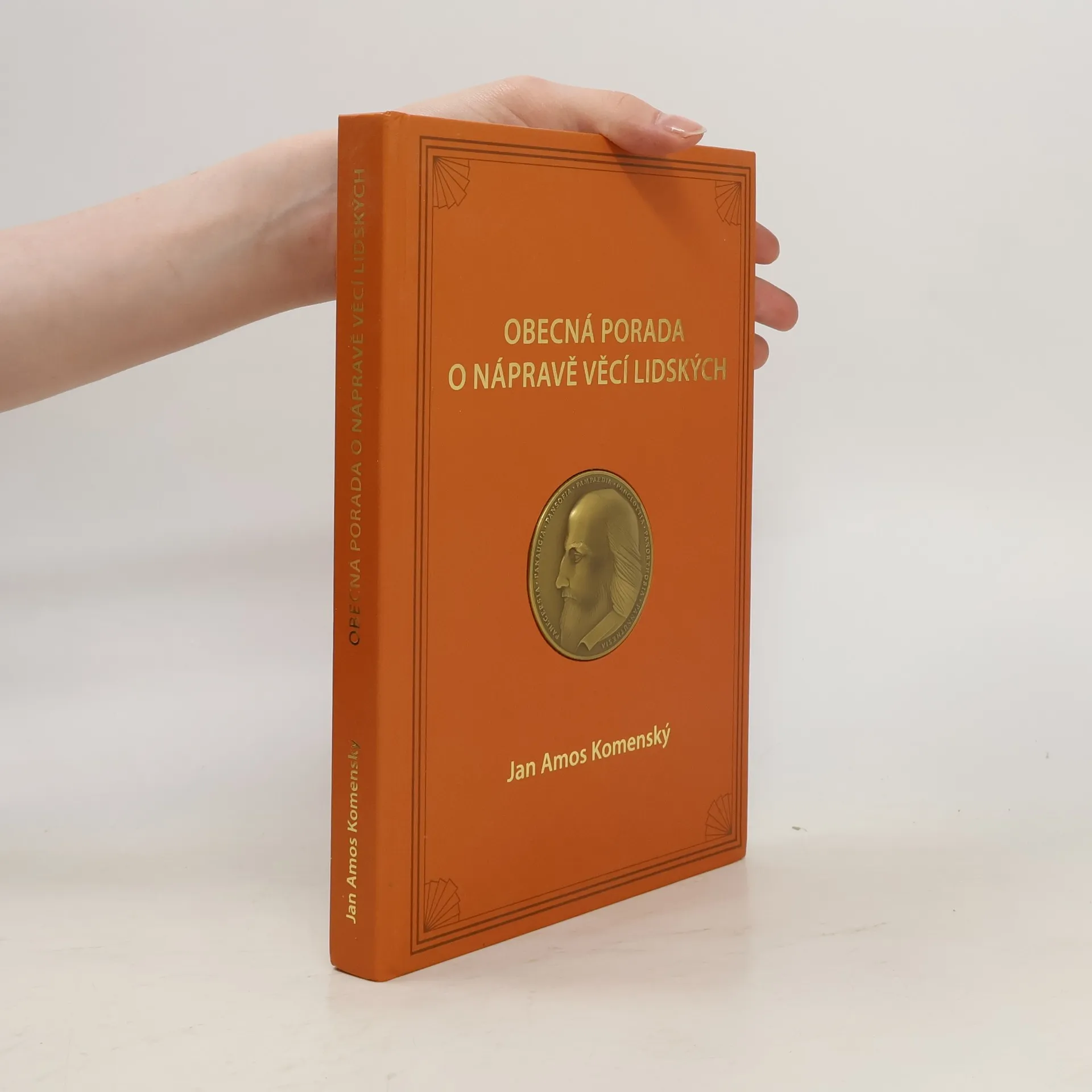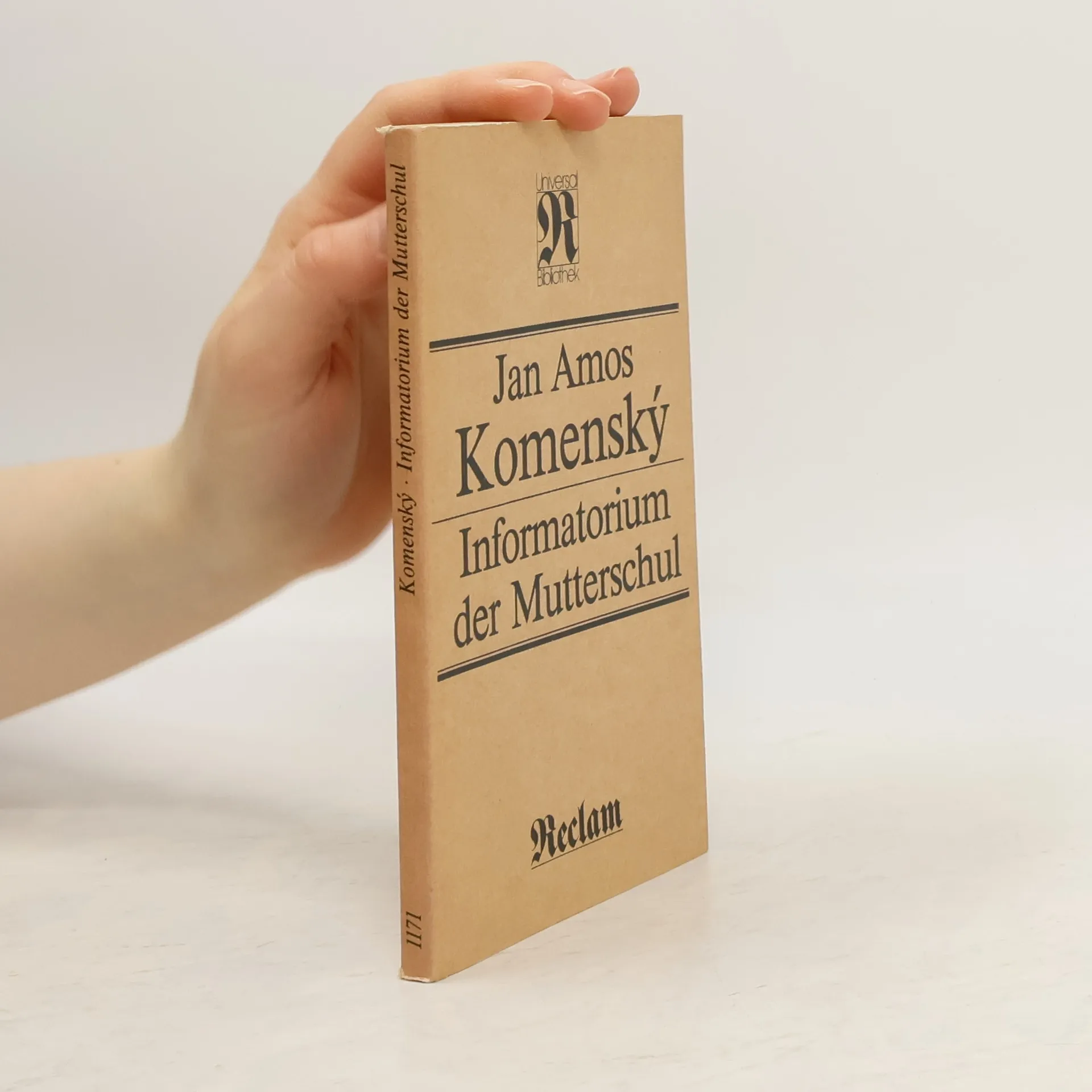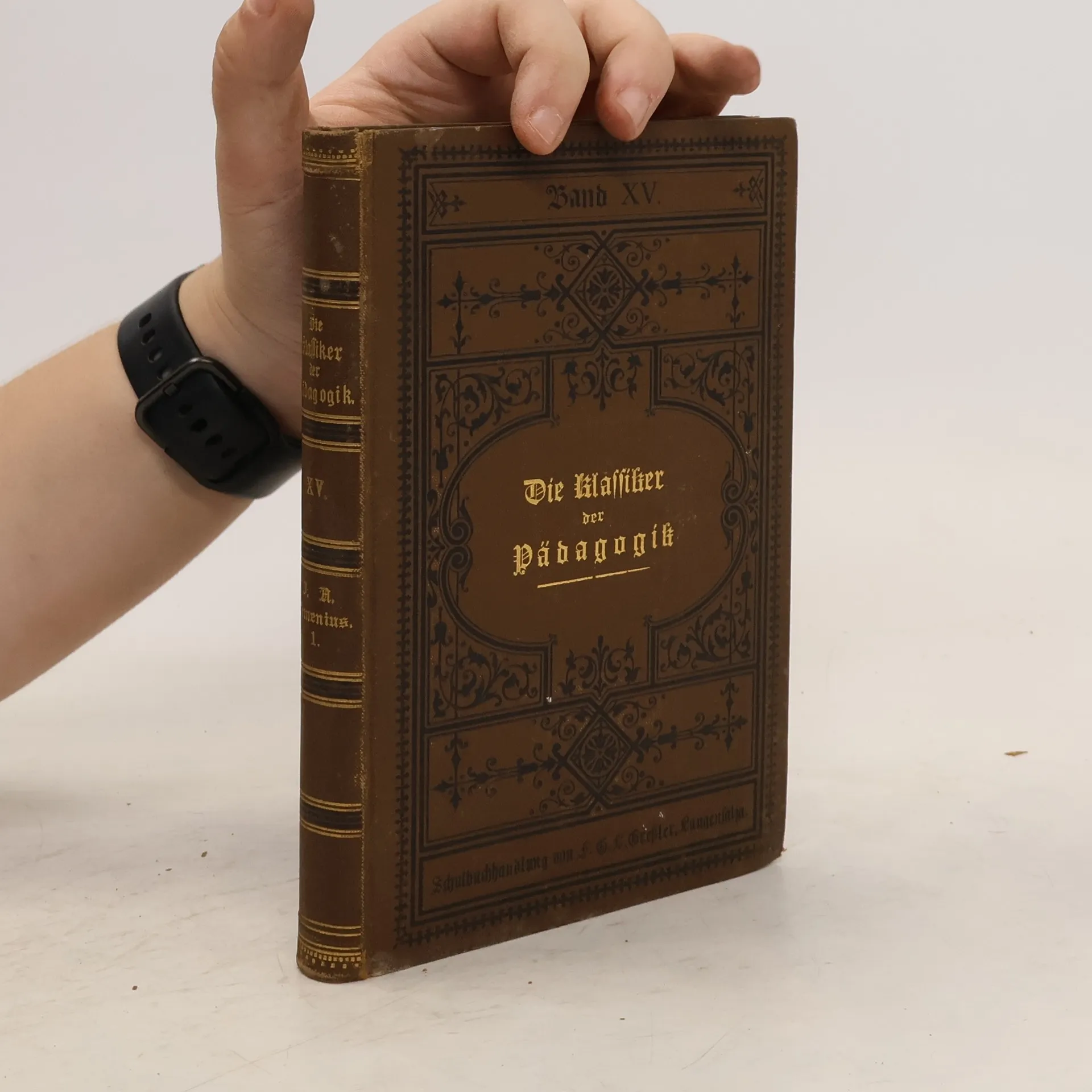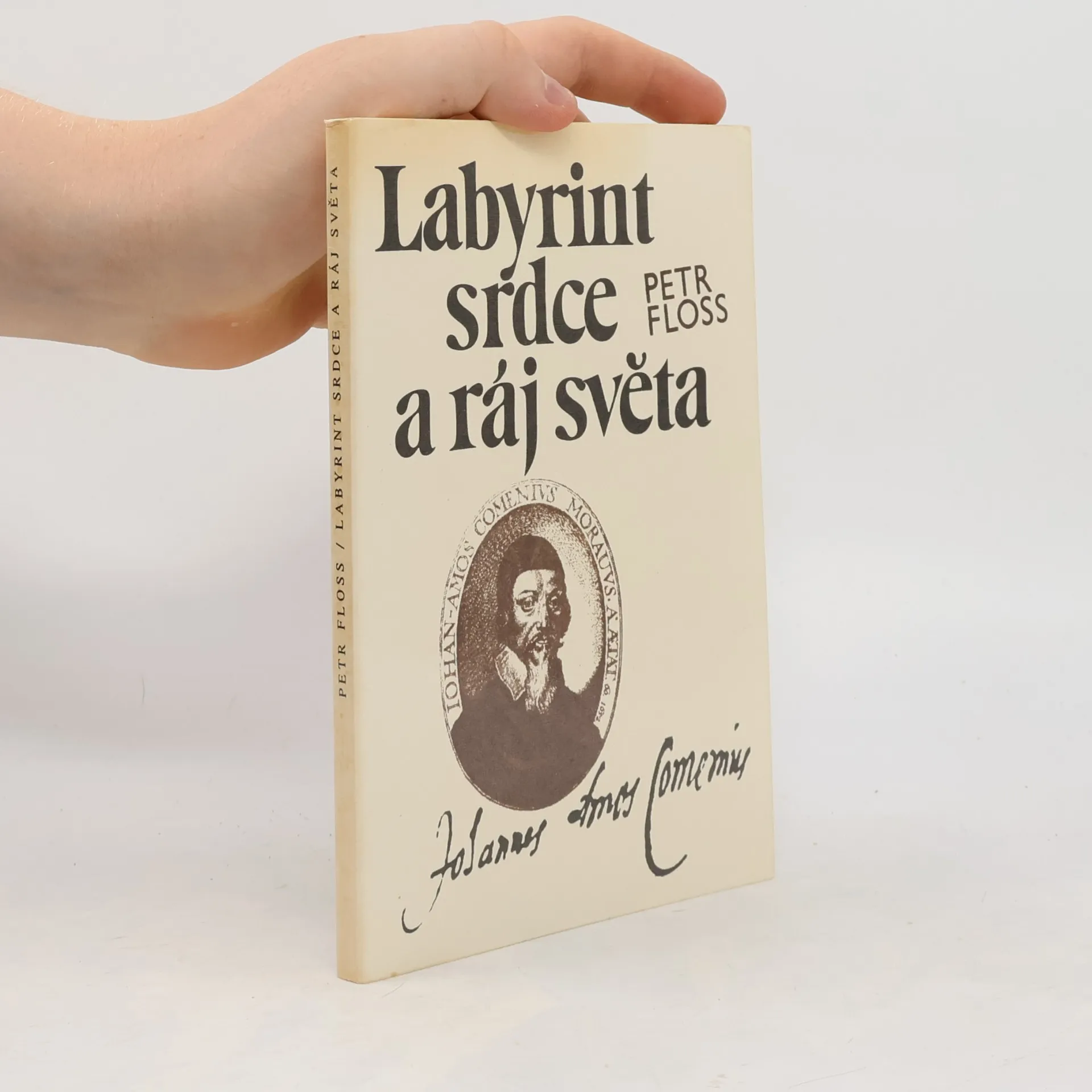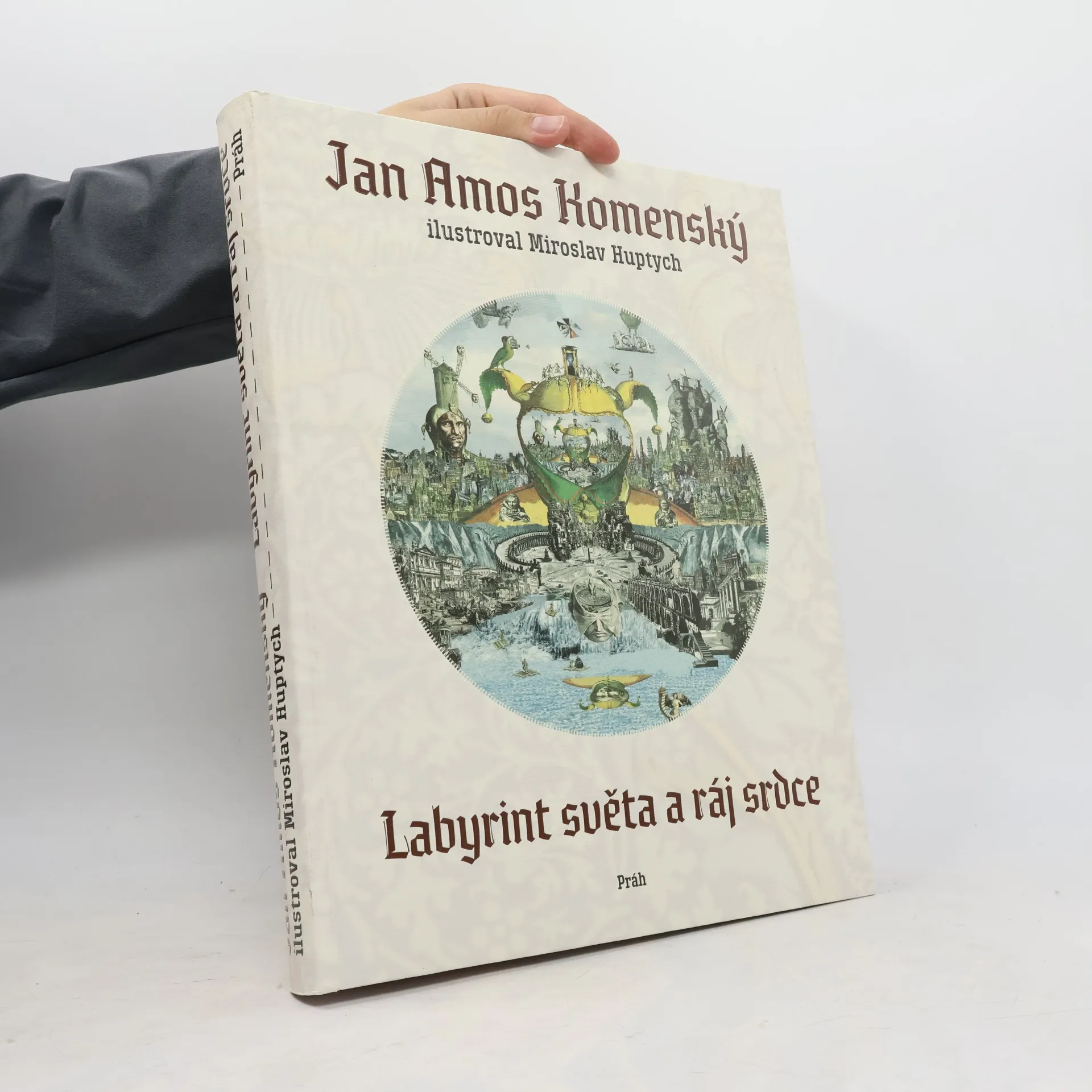
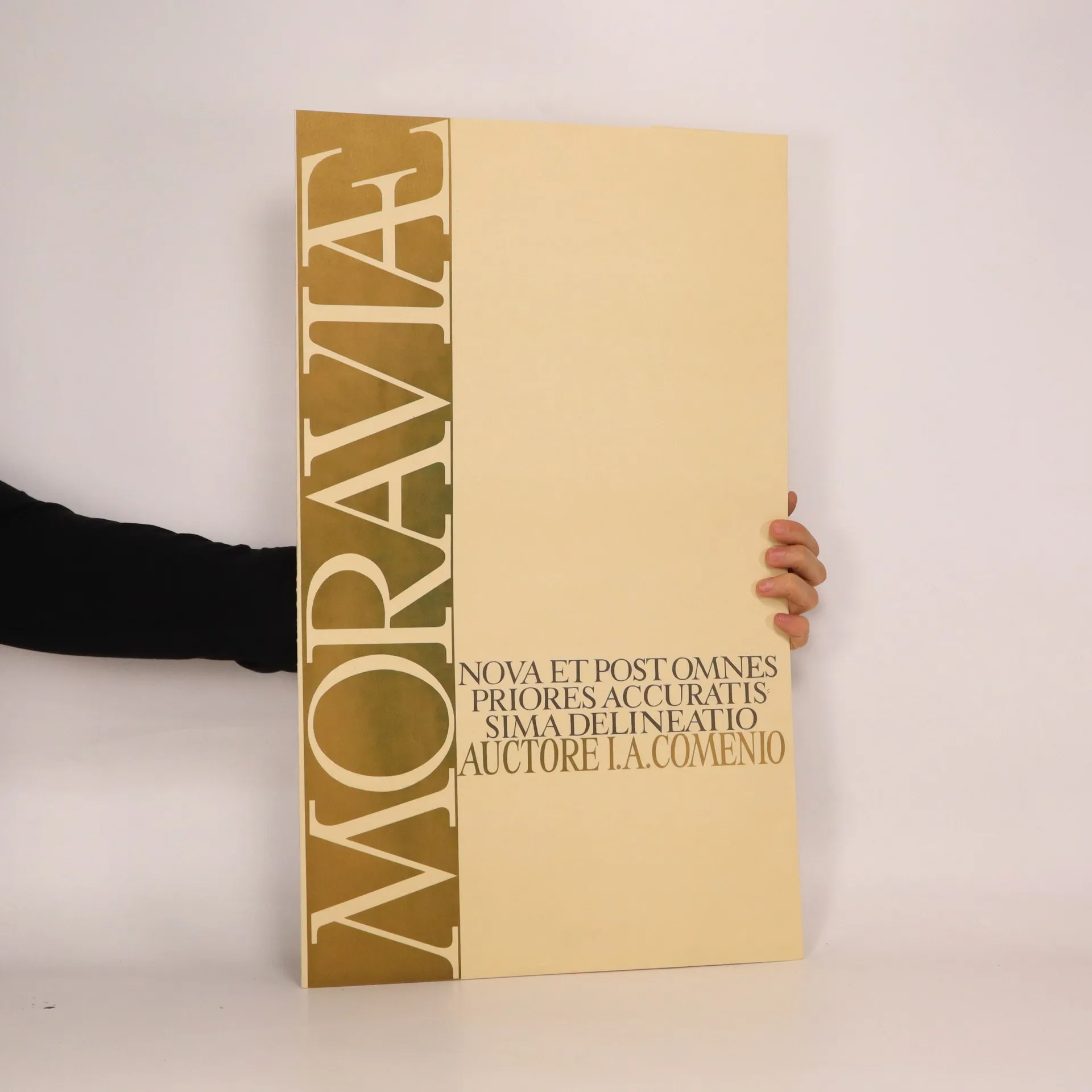
Jan Amos Komenský stands as a pioneering Czech educator and writer, widely revered as the father of modern education. Having served as the final bishop of the Unity of the Brethren, he became a refugee whose advocacy for universal education laid foundational principles for modern pedagogy. His extensive work sought to systematize teaching methods and introduce concepts that profoundly shaped educational practices across numerous European nations. Komenský's enduring legacy lies in his transformative vision for learning and its lasting influence on global educational systems.
This is a reproduction of a classic text optimised for kindle devices. We have endeavoured to create this version as close to the original artefact as possible. Although occasionally there may be certain imperfections with these old texts, we believe they deserve to be made available for future generations to enjoy.
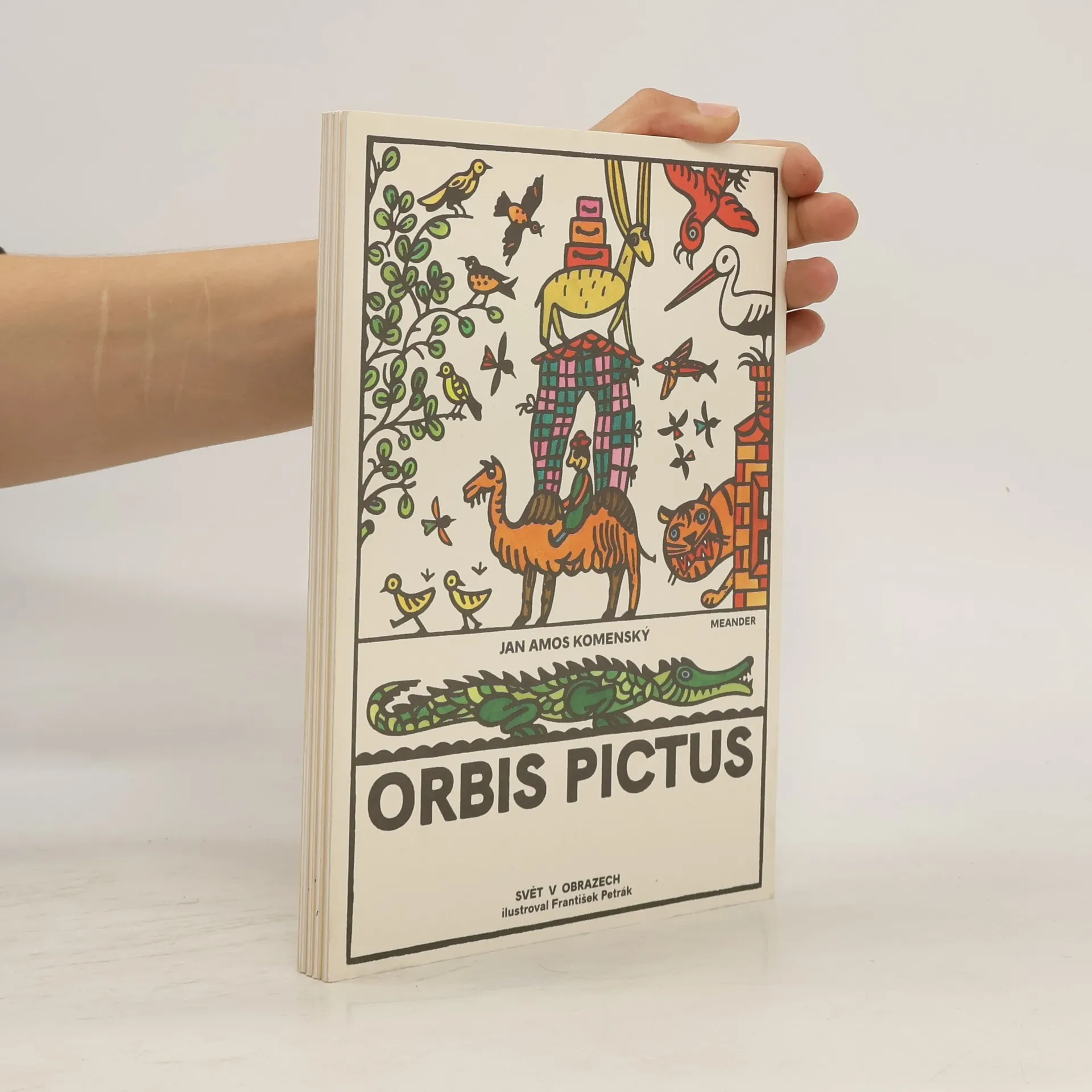
This work is recognized as the first children's picture book and serves as an encyclopedic resource. It may be lesser-known that Comenius was once approached to become President of Harvard College. A notable quote from Cotton Mather's "Magnalia" reveals that Comenius, renowned for his contributions, was invited by Mr. Winthrop during his travels in the Low Countries to come to New England and enhance their college and country. However, due to the intervention of the Swedish Ambassador, Comenius did not make the journey to America. This opportunity arose following the resignation of President Dunster in 1654. The publisher, Forgotten Books, is dedicated to making rare and classic works accessible. They utilize advanced technology to digitally reconstruct historical texts, maintaining the original format while addressing imperfections found in aged copies. Although some flaws may be replicated, the majority are successfully repaired, with any remaining intentionally preserved to honor the state of these significant historical works.
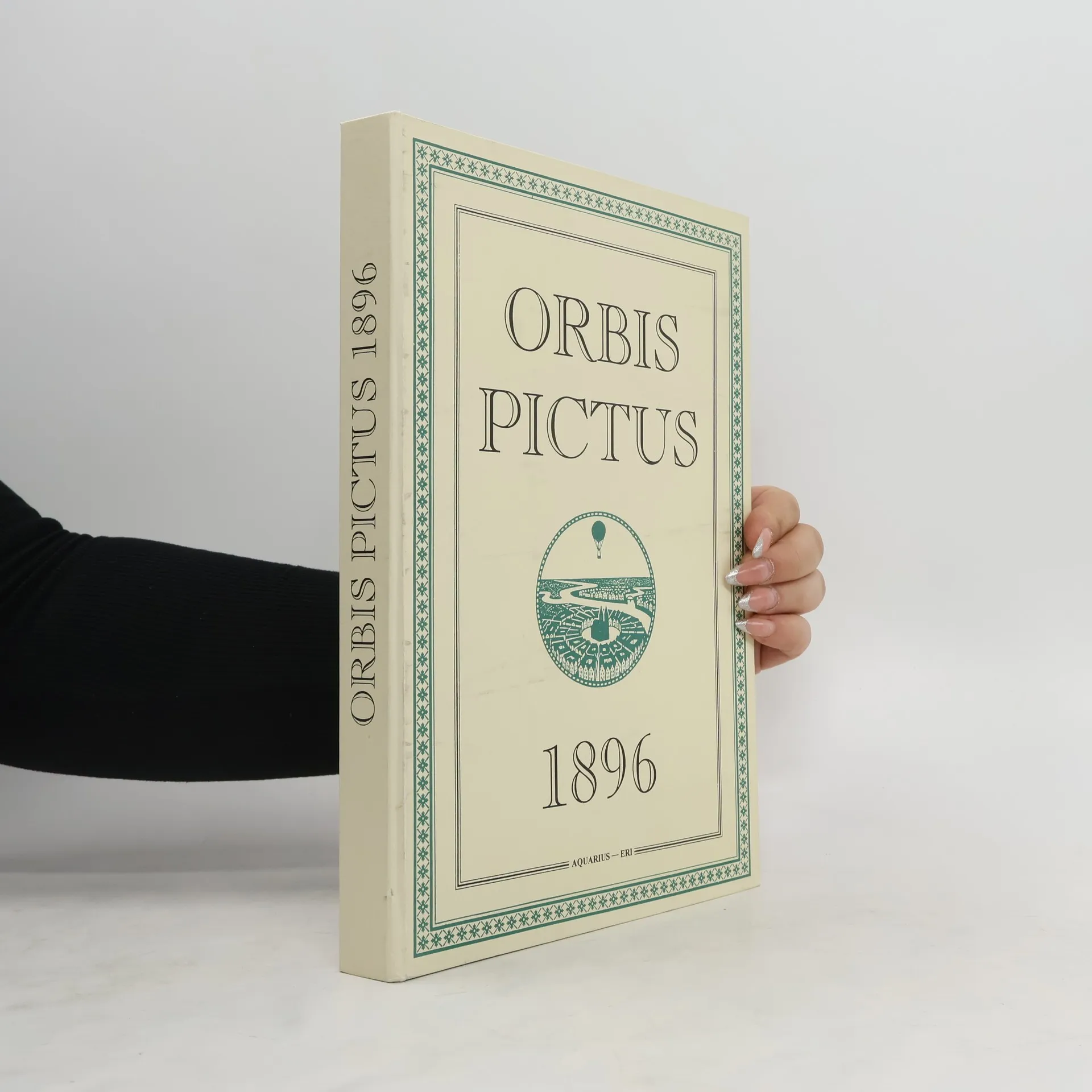
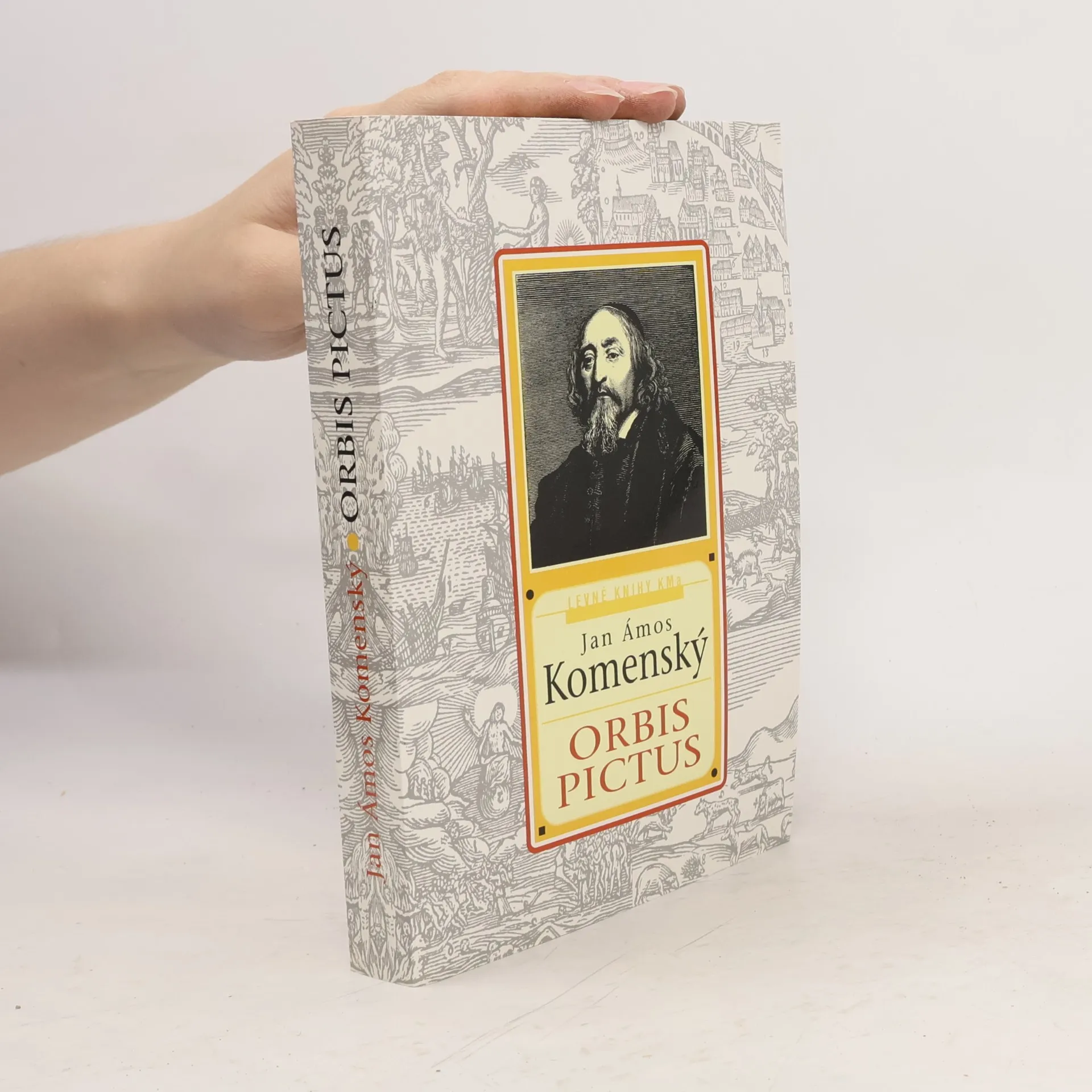
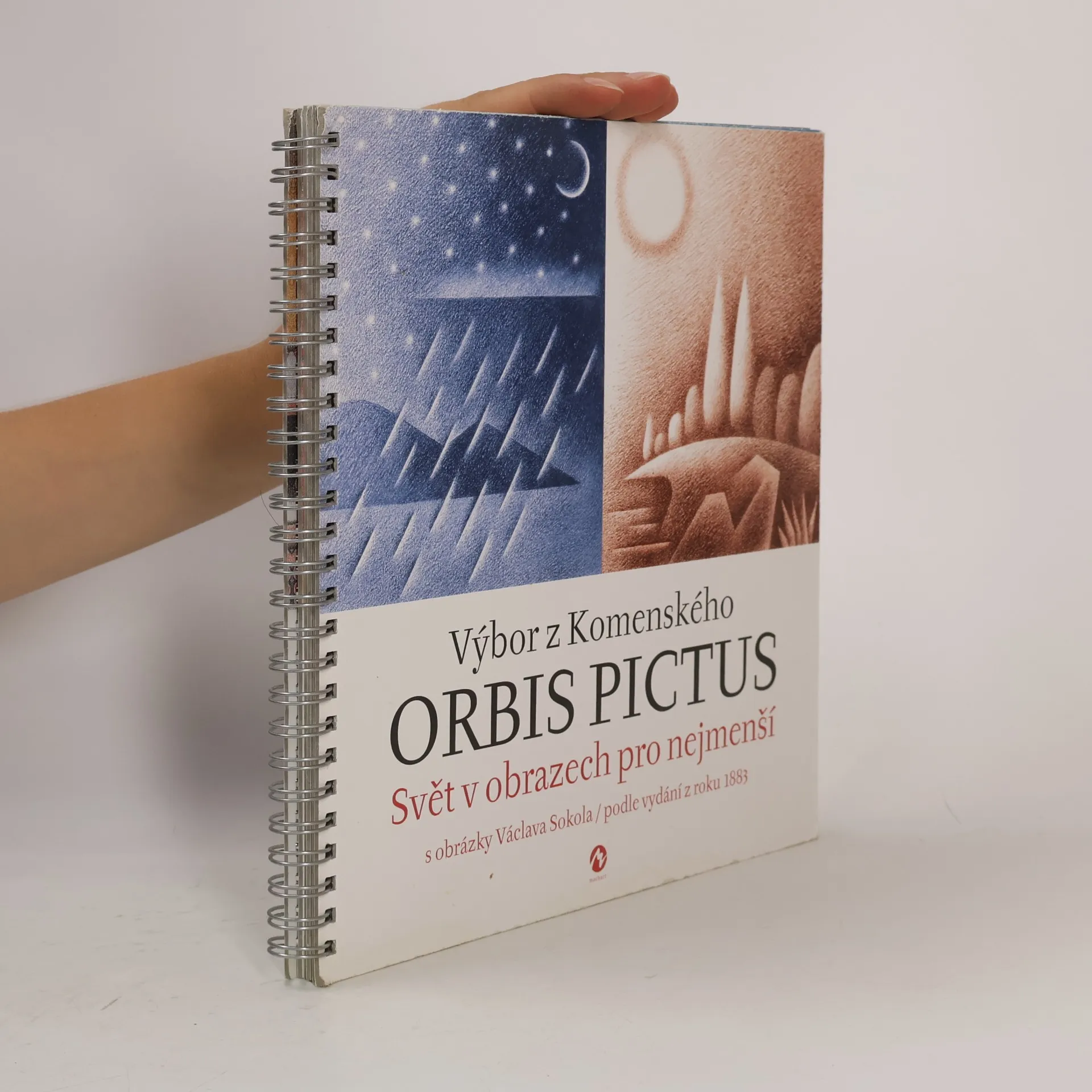
Každá kapitola obsahuje stručný text a obrázek k probíranému tématu, přičemž text a obrázek jsou propojeny pomocí číselných odkazů. Komenský předpokládal využití svého díla nejen pro potřeby jazykové výuky, ale na mysli měl i ucelené používání Orbisu jako obrázkové knížky k prohlížení a seznamování dítěte se světem. Do předkládaného výboru byly zahrnuty především texty týkající se různých lidských činností a řemesel (např. zahradnictví, tkalcovství, krejčí, zedník, hrnčíř), dále lidské vlastnosti, vědní obory a různá náboženství. Vydání obsahuje původní latinský text, jeho český, německý, anglický a ruský překlad, obrazový doprovod tvoří dřevoryty z levočského (1685), norimberského (1658) a vratislavského (1667) vydání.
Unlike some other reproductions of classic texts (1) We have not used OCR(Optical Character Recognition), as this leads to bad quality books with introduced typos. (2) In books where there are images such as portraits, maps, sketches etc We have endeavoured to keep the quality of these images, so they represent accurately the original artefact. Although occasionally there may be certain imperfections with these old texts, we feel they deserve to be made available for future generations to enjoy.
The Educational Classic - The First Illustrated Children's Textbook, Published in 1658
160 pages
6 hours of reading
The Orbis Pictus, first published in 1658, holds the distinction of being the first illustrated children's textbook. This edition, based on a 1728 reprint, features 155 drawings that enhance the educational experience. It presents the full text in both English and Latin, making it a valuable resource for language learning and visual engagement for young readers.