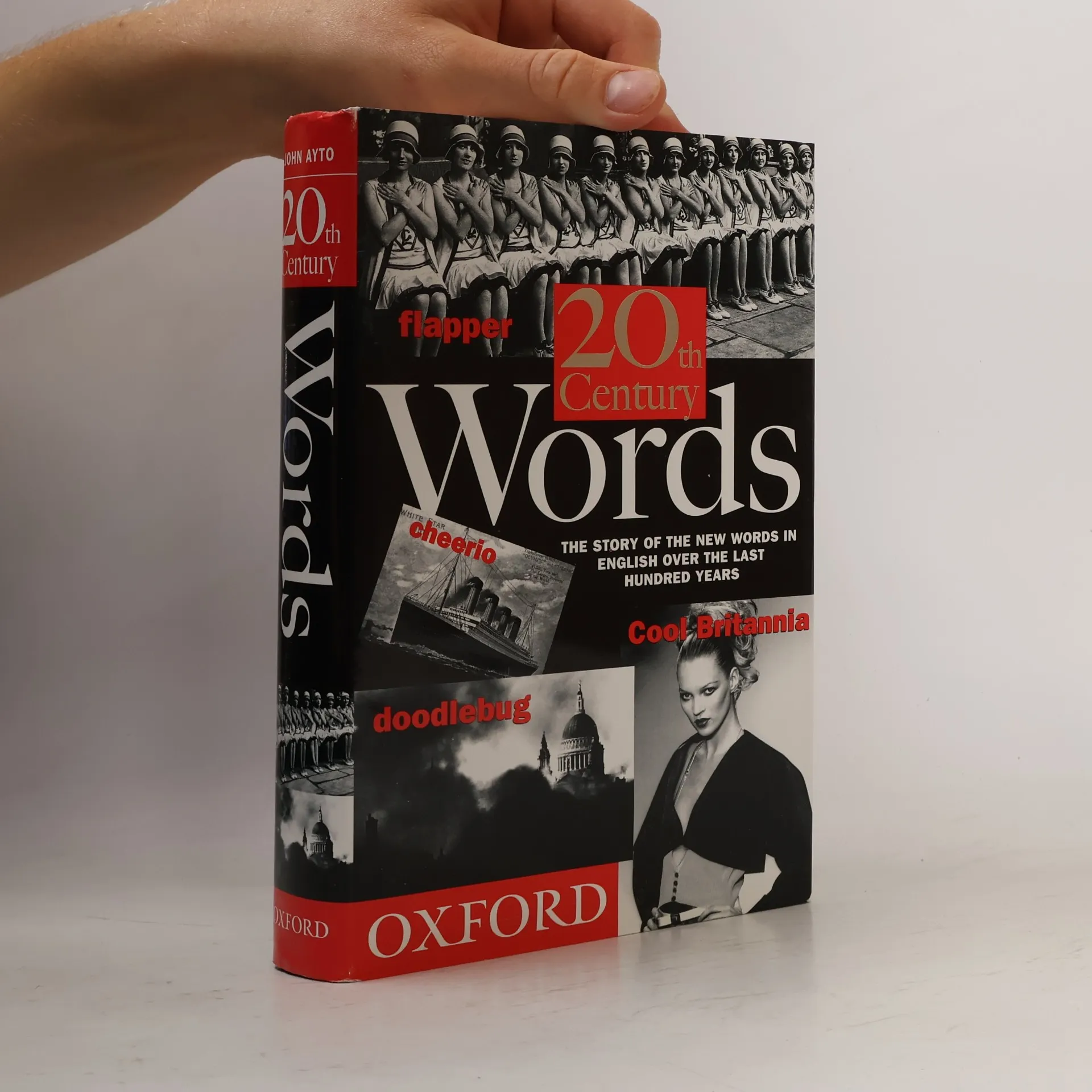
In Twentieth Century Words, lexicographer John Ayto takes us on an exhilarating tour of our century, charting it decade by decade by way of the words we've coined to mark our passage through time. Ayto looks at some 5,000 words and meanings, from "flapper" to "flower power" to "road rage." We learn the birth dates of words such as "movie" (1910s), "barbecue" (1930s), Beatlemania (1960s), and "foodie" (1980s). Ayto also treats us to many surprises as well. Did you know, for instance, that "atomic energy" was coined in the 1900s, "rocket ship" in the 1920s, "hologram" in the '40s, and "modem" in the '50s? And in addition to the main alphabetic sequence of entries, the book also offers boxed features on topics of special interest, such as words arising from World War II ("bazooka," "jeep," "bikini"). With a thoughtful essay to introduce each decade, and thousands of evocative words and phrases, Twentieth Century Words will enthrall all word lovers as it opens a unique window on the last one hundred years.
John Ayto Books
Celebrating the 125th anniversary of its original publication, this expanded and updated edition of a classic reference features a new, simplified organization.
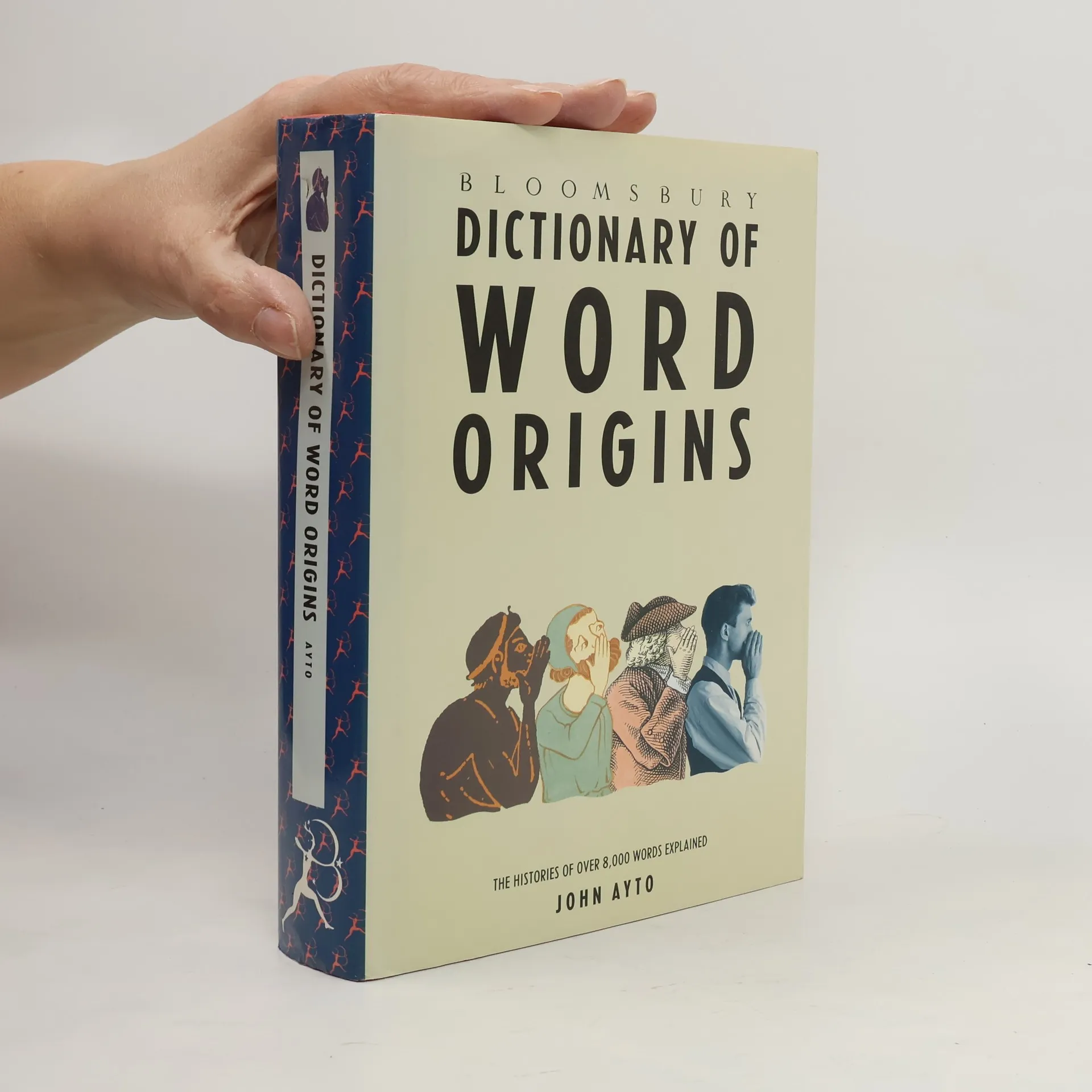
Dictionary of Word Origins
- 582 pages
- 21 hours of reading
The average English speaker knows about 50,000 words, a figure that belies the smaller number of roots from Latin, French, and Germanic languages. Each year, around 800 new words enter the English lexicon, including acronyms like 'yuppie' and blended terms such as 'motel'. This dictionary offers a concise history of over 8,000 commonly used words, revealing fascinating etymological connections. For example, the word 'vice' has multiple meanings and is derived from two Latin roots: 'vitium' (defect) and 'vitis' (vine), which also leads to 'viticulture'. The dictionary uncovers surprising origins, such as 'bishop', which comes from the Greek 'episkopos' (overseer) and is related to 'spy'. In etymological terms, a 'dairy' should refer to a female kneader of bread. Organized in an A-Z format with detailed cross-references, this authoritative yet accessible guide sheds light on the diverse influences that have shaped the English language, showcasing the intricate and often unexpected relationships between words.
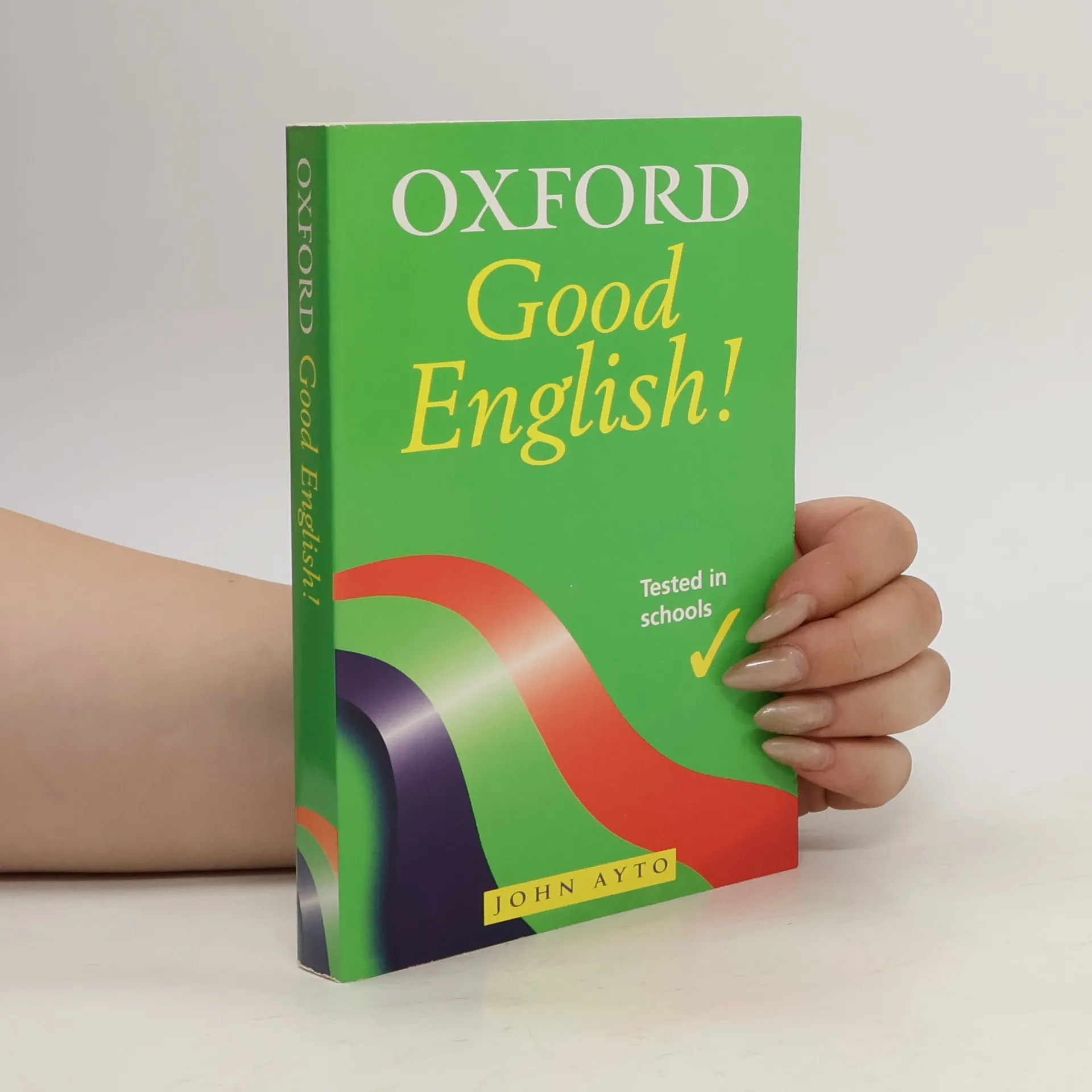
Oxford Good English!
- 316 pages
- 12 hours of reading
All your questions answered on spelling, grammar, and usage When is it correct to use me instead of I? Should its have an apostrophe? Should you use affect or effect? Looking for help? Good English! tells you how to get it right. - confused and misused words - spelling - usage - pronunciation - grammar - punctuation - British and American English
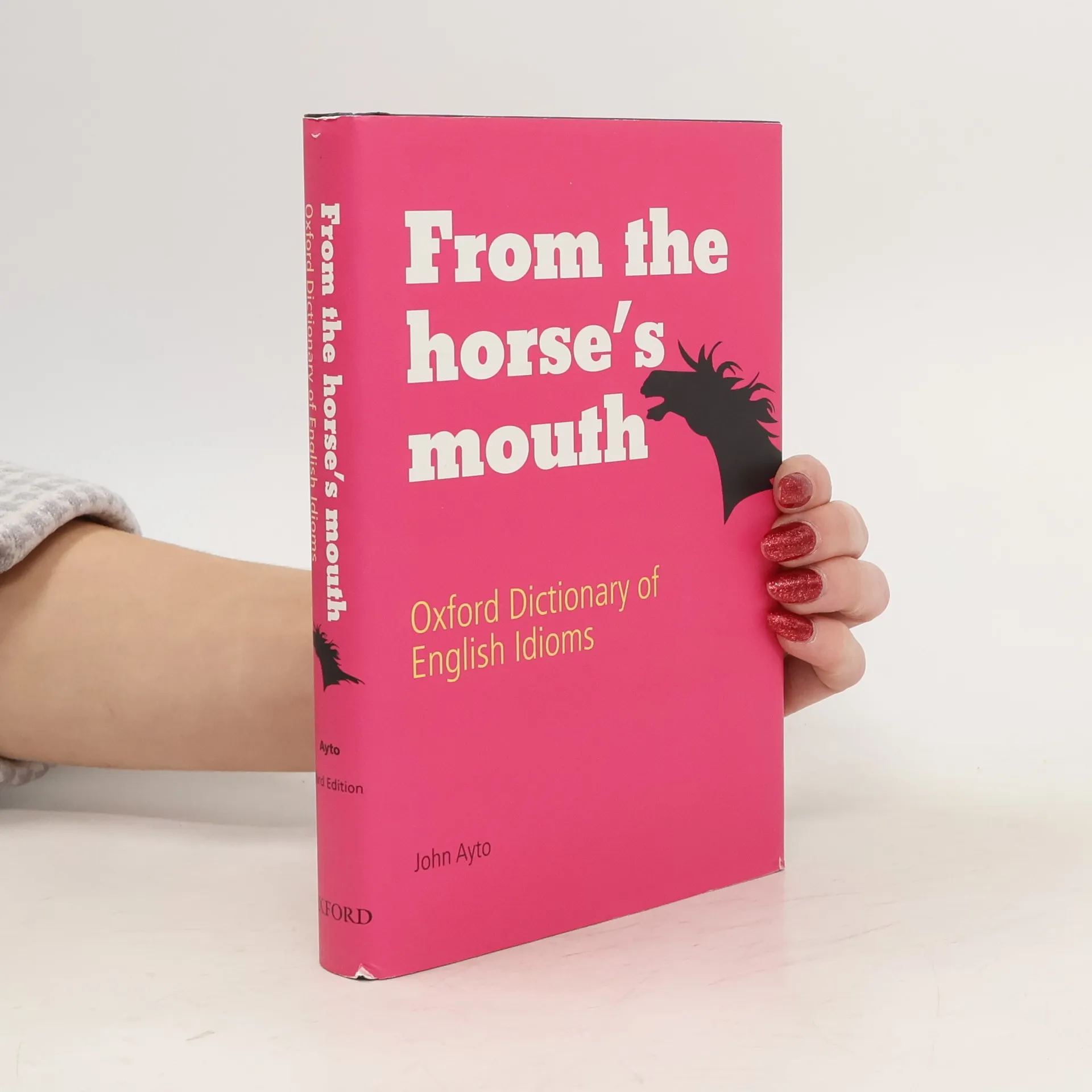
From the Horse's Mouth
- 408 pages
- 15 hours of reading
The volume takes a fresh look at the idiomatic phrases and sayings that make English the rich and intriguing language that it is. This major new edition contains entries for over 6000 idioms, including 700 entirely new entries, based on Oxford's language monitoring and the ongoing third edition ofthe Oxford English Dictionary
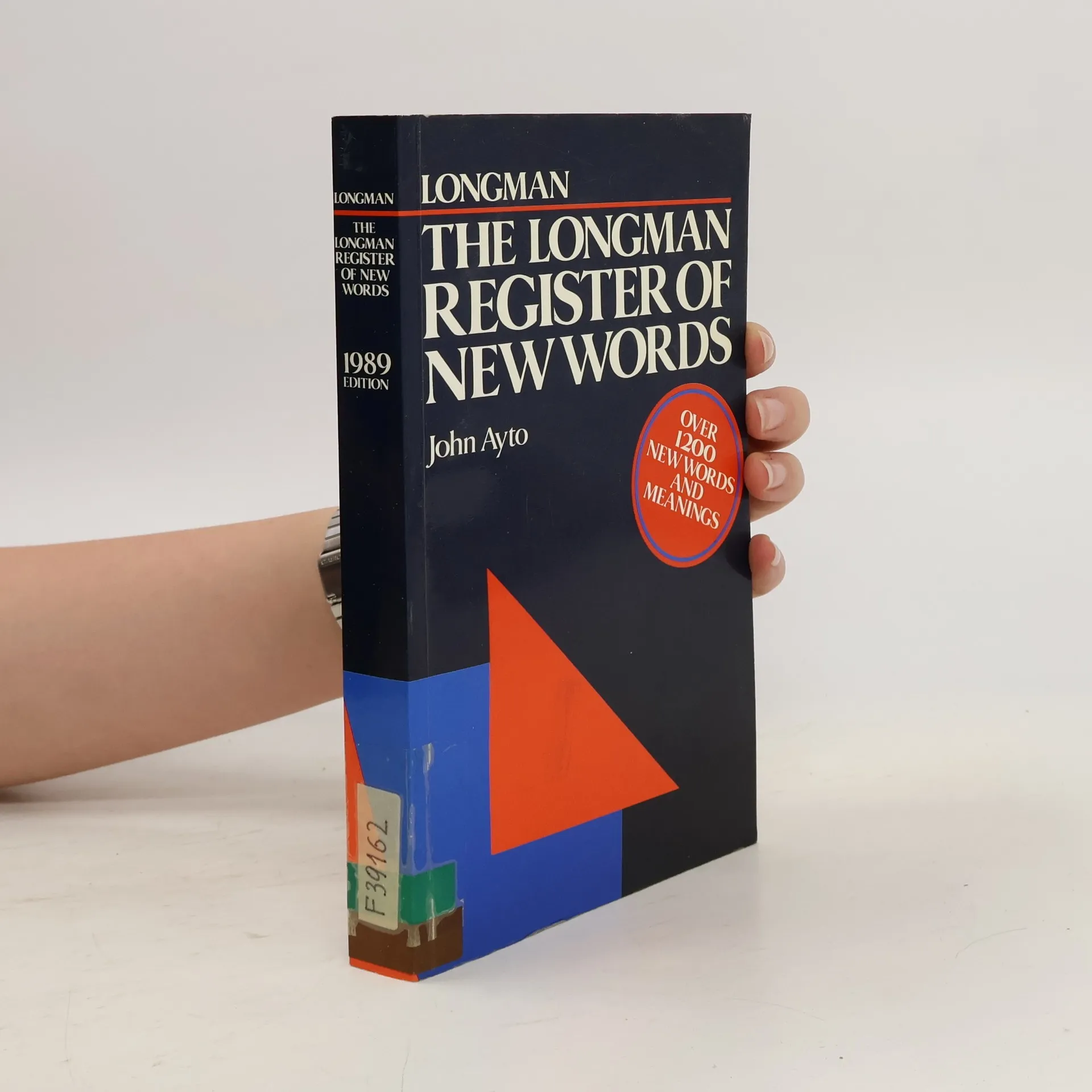
The Longman Register of New Words
- 448 pages
- 16 hours of reading
This book systematically records, verifies and interprets over 1200 new English words and meanings which appeared worldwide, predominently in 1987 and 1988. The entry records the word, gives a definition, cites the press quotation to verify the occurance and interprets the origin of the word.
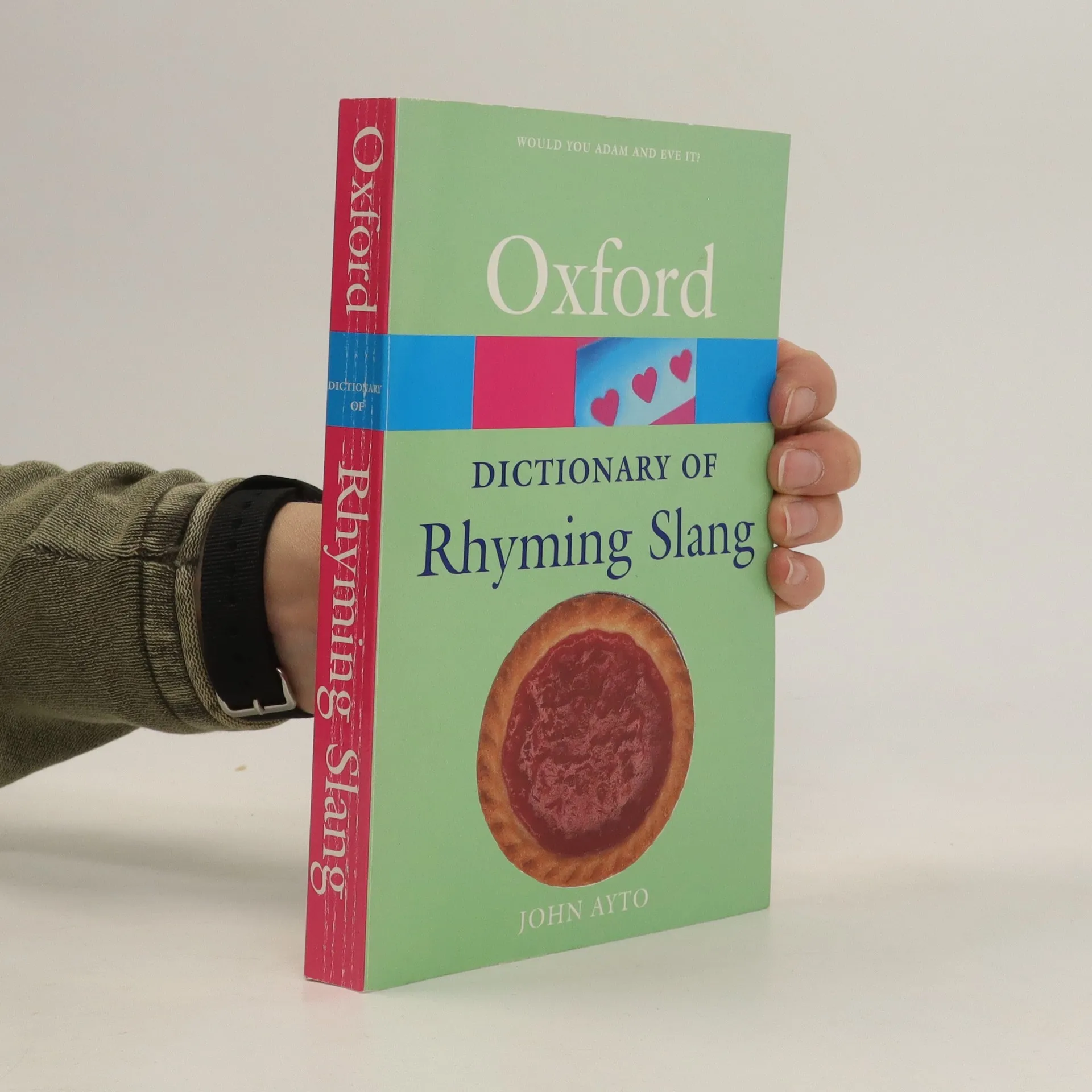
A lively, authoritative, and up-to-date look at the world of rhyming slang, from its origins in London's 19th-century underworld to the buzzwords of 21st-century popney. Arranged by topic, including Crime, Food and Drink, Illness, Money, Sex, and Sport, this highly readable collection is at once an informative source to the story behind some of our most lively expressions and a browser's delight.
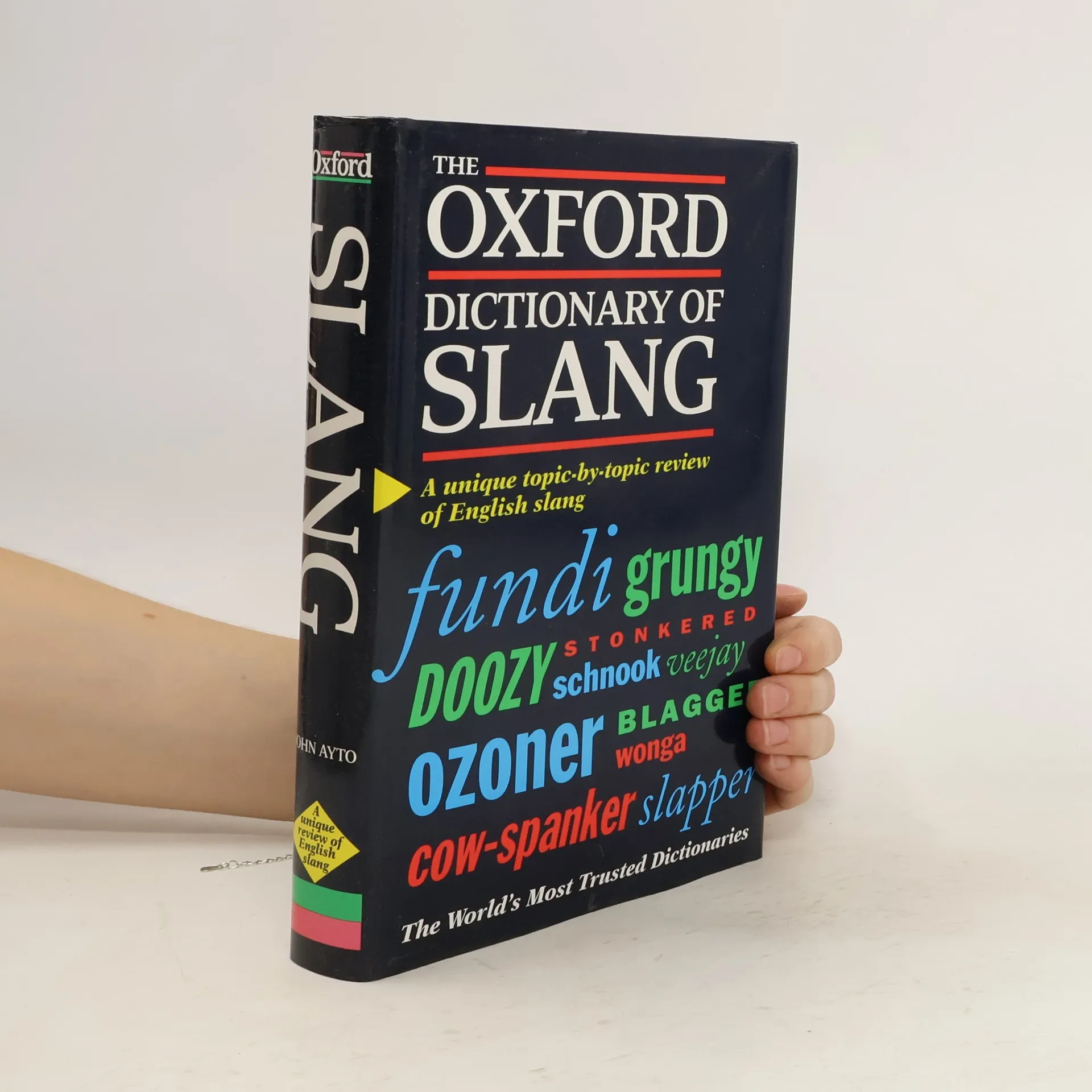
The ideal reference for those interested in the more quirky and unofficial words used in English. Each area of life and each aspect of the world that generates slang is explored in turn. Including surprisingly old words such as booze and guzzle as well as the most up-to-date words like humongous and lunchbox, this fascinating book is sure to provide a stonking good read for all.
Boomsbury Euphemisms
- 352 pages
- 13 hours of reading
Euphemism is the art of avoiding giving offence. It is possible to minimize the obvious by calling someone cuddly or junoesque when they are actually fat; to disguise the actual truth, extermination becomes the less unpleasant ethnic-cleansing; and large-scale redundancies become restructuring.
Oxford Dictionary of Idioms
- 448 pages
- 16 hours of reading
This dictionary defines a myriad of phrases and sayings that are used daily in the English language. It contains more than 10,000 idioms, including figurative expressions, similes, sayings, and proverbs, and features usage examples and information on origins for many of them.
The Oxford Dictionary of English Idioms offers a fresh look at the idiomatic phrases and sayings that make English the rich language that it is. The third edition contains entries for over 6,000 idioms, including 700 entirely new entries, based on Oxford's language monitoring programs and thethird edition of the Oxford English Dictionary . These include a range of idioms such as "the elephant in the corner," "go figure," "step up to the plate," "a walk in the park," and "win ugly." Many entries include more detailed background on the idiom in question. For example, did you know that'taken aback' was adopted from nautical terminology that described a ship unable to move forward because of a strong headwind pressing its sails back against the mast?The book lists national variants, so we learn that while in America they say "all over the map," in Britain they say "all over the shop." This edition also features a greatly increased number of cross-references, making it ideal for quick reference. Anyone interested in the colorful side of theEnglish language will have hours of fun browsing this fascinating and informative volume.
The Oxford Dictionary of Modern Slang
- 299 pages
- 11 hours of reading
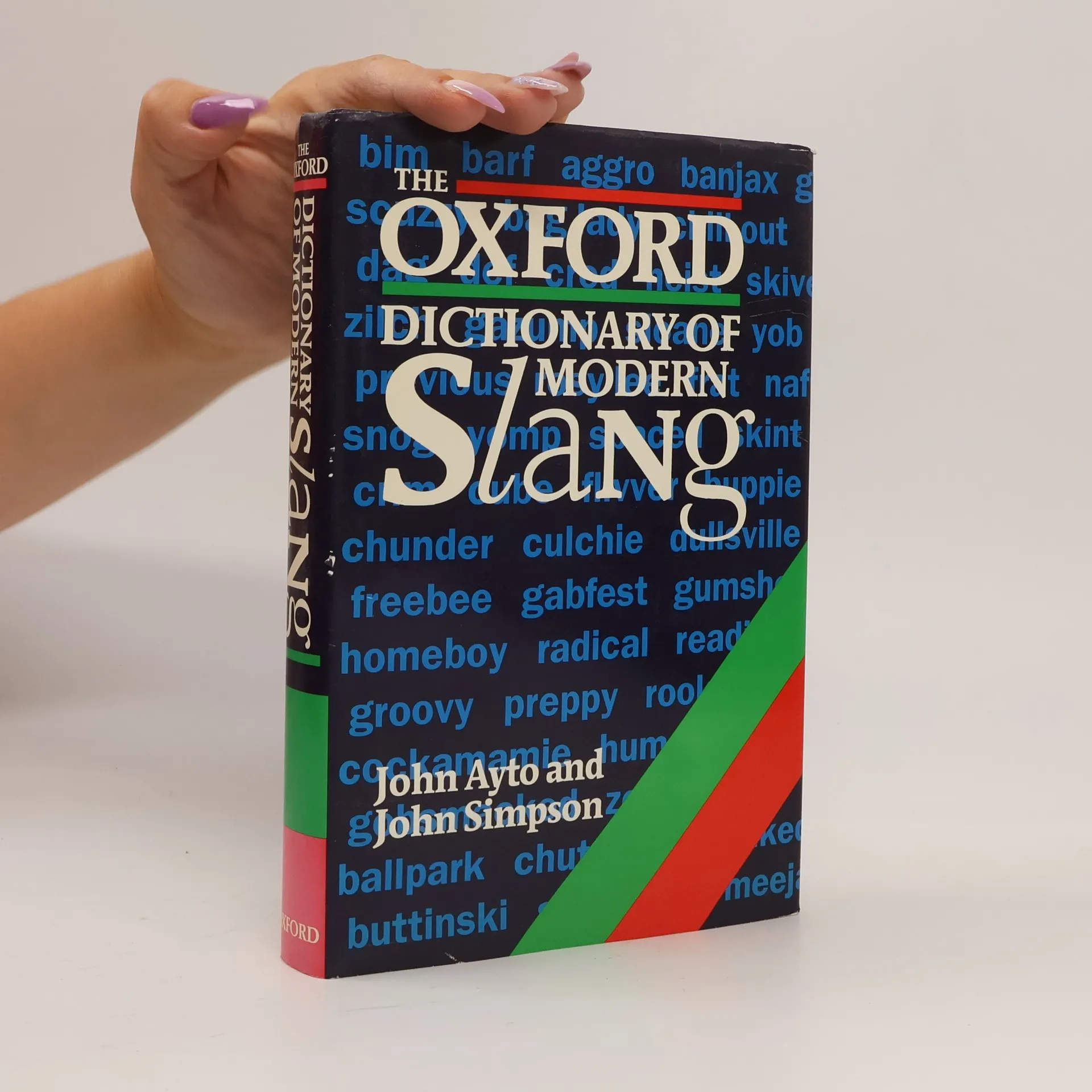
Slang is vibrant, colorful language that adds zest to everyday speech. The Oxford Dictionary of Modern Slang compiles over 5,000 terms from the extensive Oxford English Dictionary database, showcasing the richness and variety of slang. Each entry includes the headword, part of speech, and definition, often accompanied by illustrative examples from notable authors like John Updike and Gore Vidal. Many entries indicate the social group or discipline of origin, such as Black English or military slang, and the regions where they emerged. The evolution of meanings is often intriguing; for instance, "slush fund" originated from navy slang for money used to buy crew luxuries, while "snow bird" referred to soldiers seeking winter shelter. The dating of terms reveals surprises, with "out-of-sight" dating back to 1896 and "gussied up" first appearing in 1952. Etymologies are equally fascinating, such as "boondocks" from Tagalog and "poppycock" from Dutch dialect. The collection includes slang from across the English-speaking world, featuring Australian terms like "ankle-biter" and British expressions like "blimey." This authoritative record spans from historical terms like "mamzer" to modern coinages like "wilding," reflecting the dynamic nature of slang.
The Hutchinson Dictionary of Difficult Words
- 400 pages
- 14 hours of reading
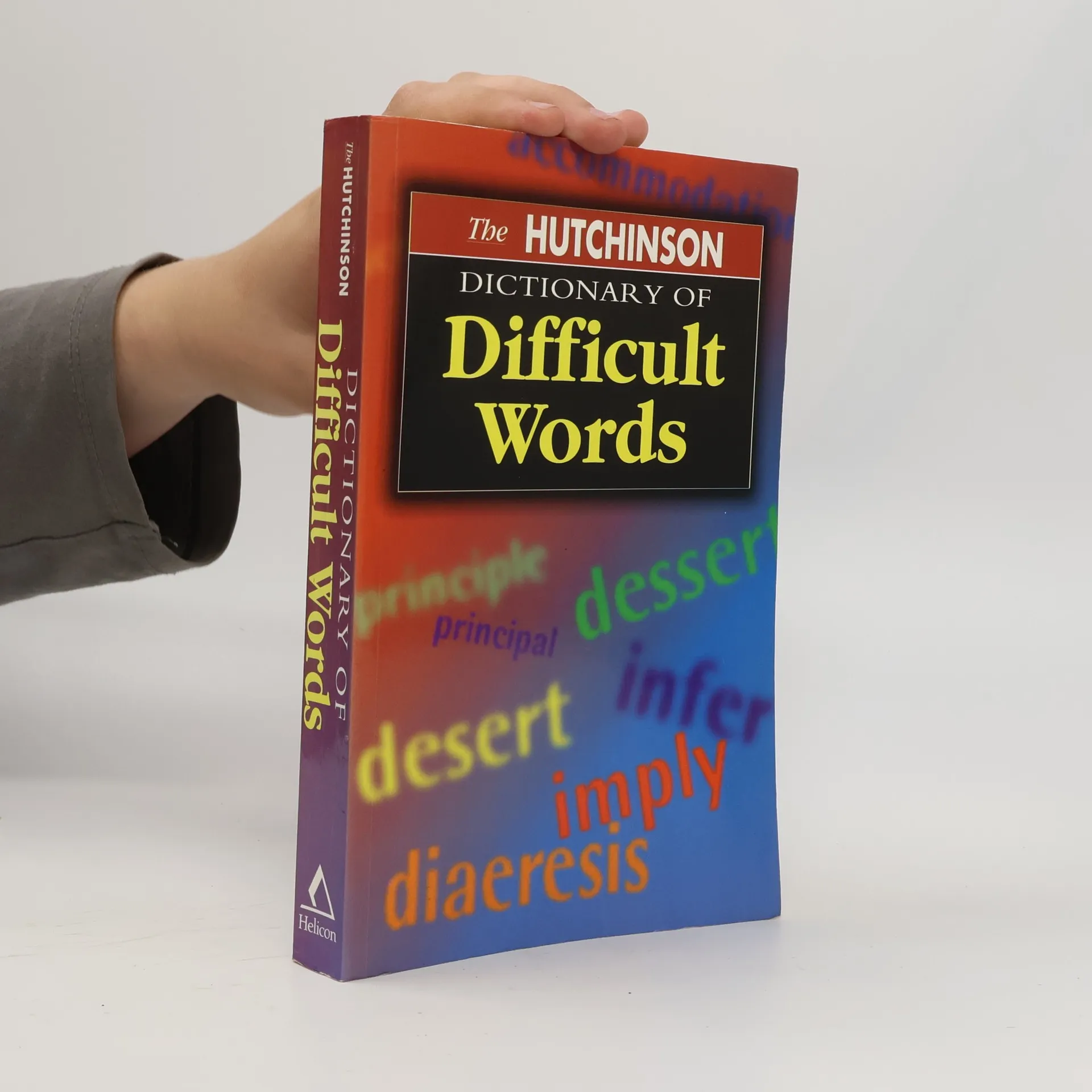
Concentrating on the words which cause most difficulty for the average English user, this dictionary provides clear, concise definitions with the emphasis on problem points - spelling, pronunciation, disputed usage and confused meanings. And, for quiz buffs, a sprinkling of less-common words is included. This new edition, entirely revised and reset, and including over 1500 entries, covers such areas of language as spelling, pronunciation, usage and uncommon words.
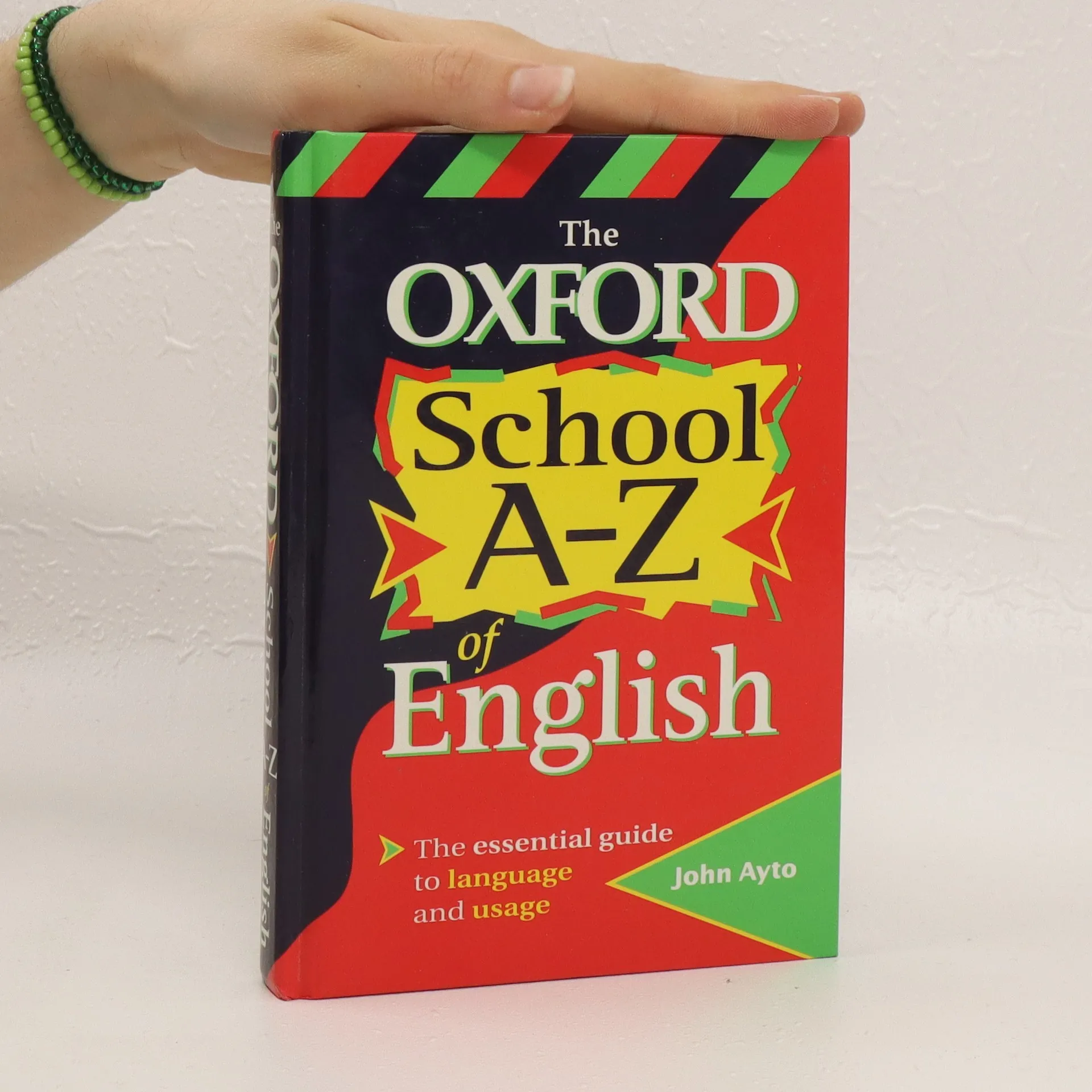
The Oxford School A-Z of English
- 320 pages
- 12 hours of reading
An alphabetically arranged reference tool to answer questions about confused and misused words, spelling, usage, pronunciation, grammar, puncuation and British and American English
Brewer's Britain & Ireland
The History, Culture, Folklore and Etymology of 7500 Places in These Islands
- 1326 pages
- 47 hours of reading
Pick any spot in the British Isles and you’re sure to find a touch of local color, as this authoritative guide so entertainingly demonstrates. The authors have selected 7,500 of the most interesting places and place-names, from Ashby-de-la-Zouch (scene of Ivanhoe ’s unforgettable joust), to Wetwang, where builders recently discovered the 2,300-year-old grave of an Iron Age woman who was buried with a chariot. Tourists, scholars, and armchair travelers will revel in fascinating facts on everything from what’s odd about the name Avon River” to why Brits say God bless the Duke of Argyle!” when someone scratches an itch.
Laid out in an A-Z format with detailed cross references, and written in a style that is both authoritative and accessible, Word Origins is a valuable historical guide to the English language.