Best of Slovak film : 1921-1991
- 201 pages
- 8 hours of reading



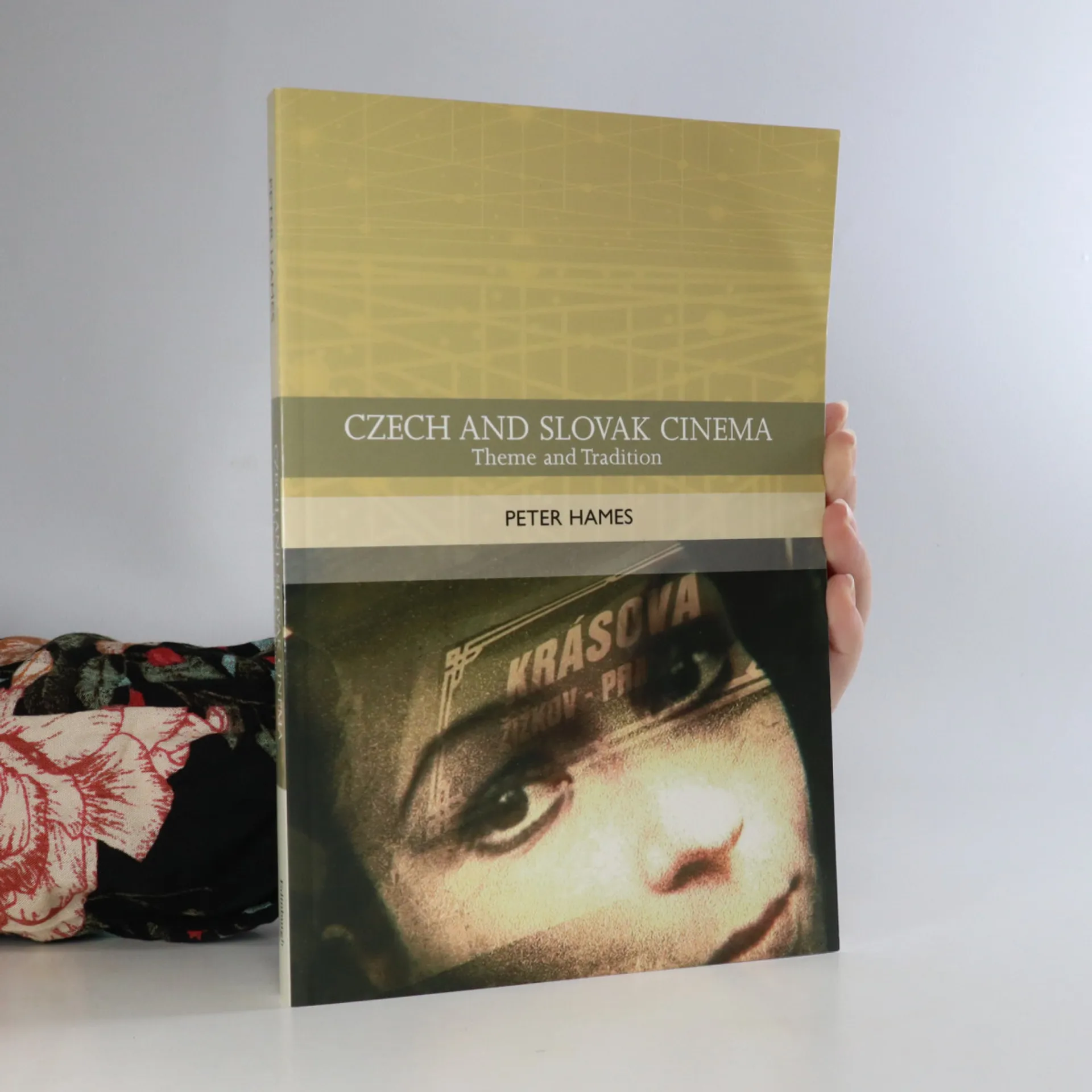
This book examines links between theme, genre and visual style, and looks at the ways in which a range of traditions has extended across different historical periods and political regimes. It provides a unique study of areas of Central European film history.
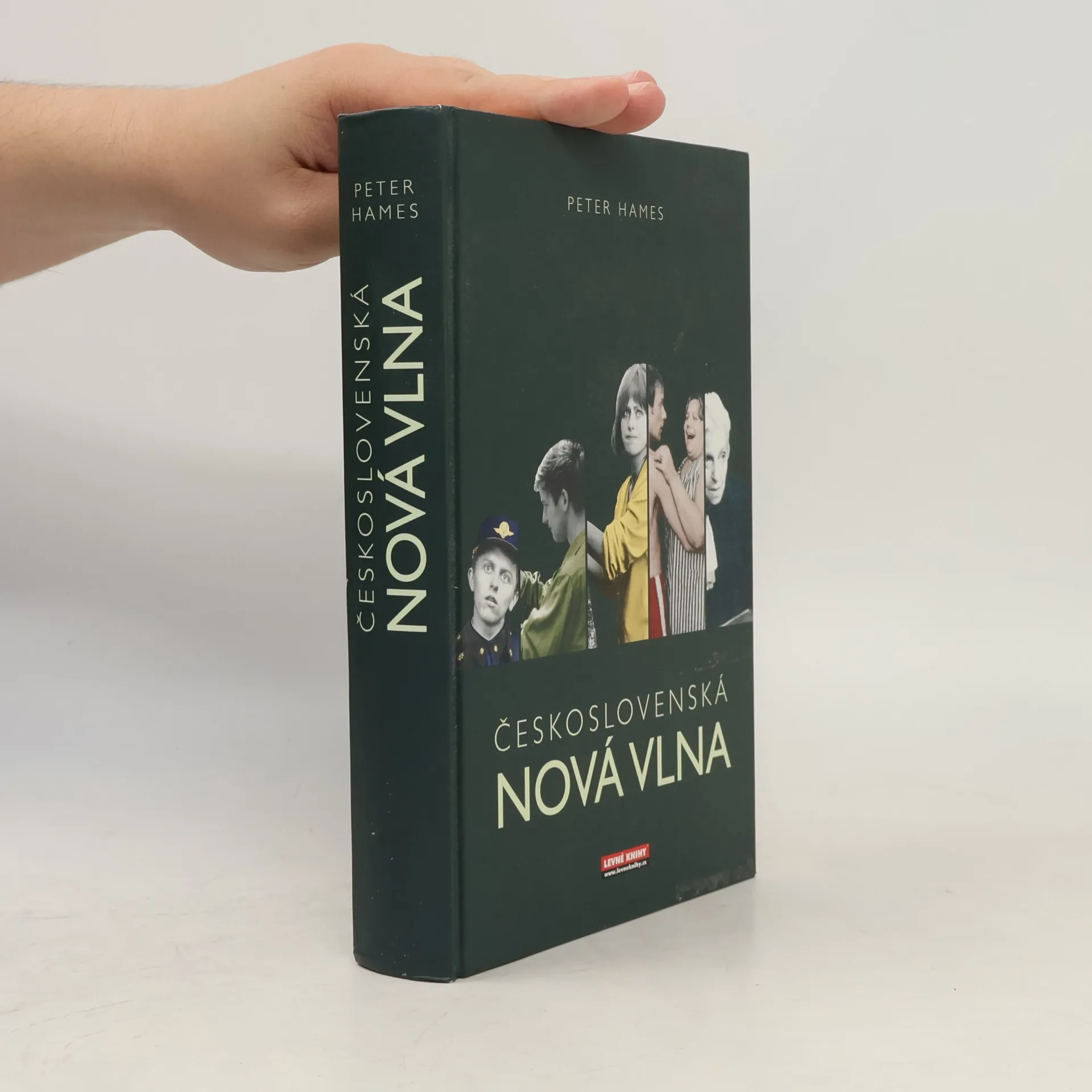
Československá nová vlna byla obecně považována za jedno z nejdůležitějších hnutí ve světové kinematografii hned po italském neorealismu. Představovala obecnější a trvalejší rozchod se socialistickým realismem než polské filmy konce 50.let a maďarské počátku 70. let 20. století. Světovou proslulost jim vydobyla řada cen z mezinárodních festivalů v 60. letech a kritický a komerční průlom na západní trhy, který vyvrcholil udělením Oscara Obchodu na korze a Ostře sledovaným vlakům v letech 1965 a 1967.
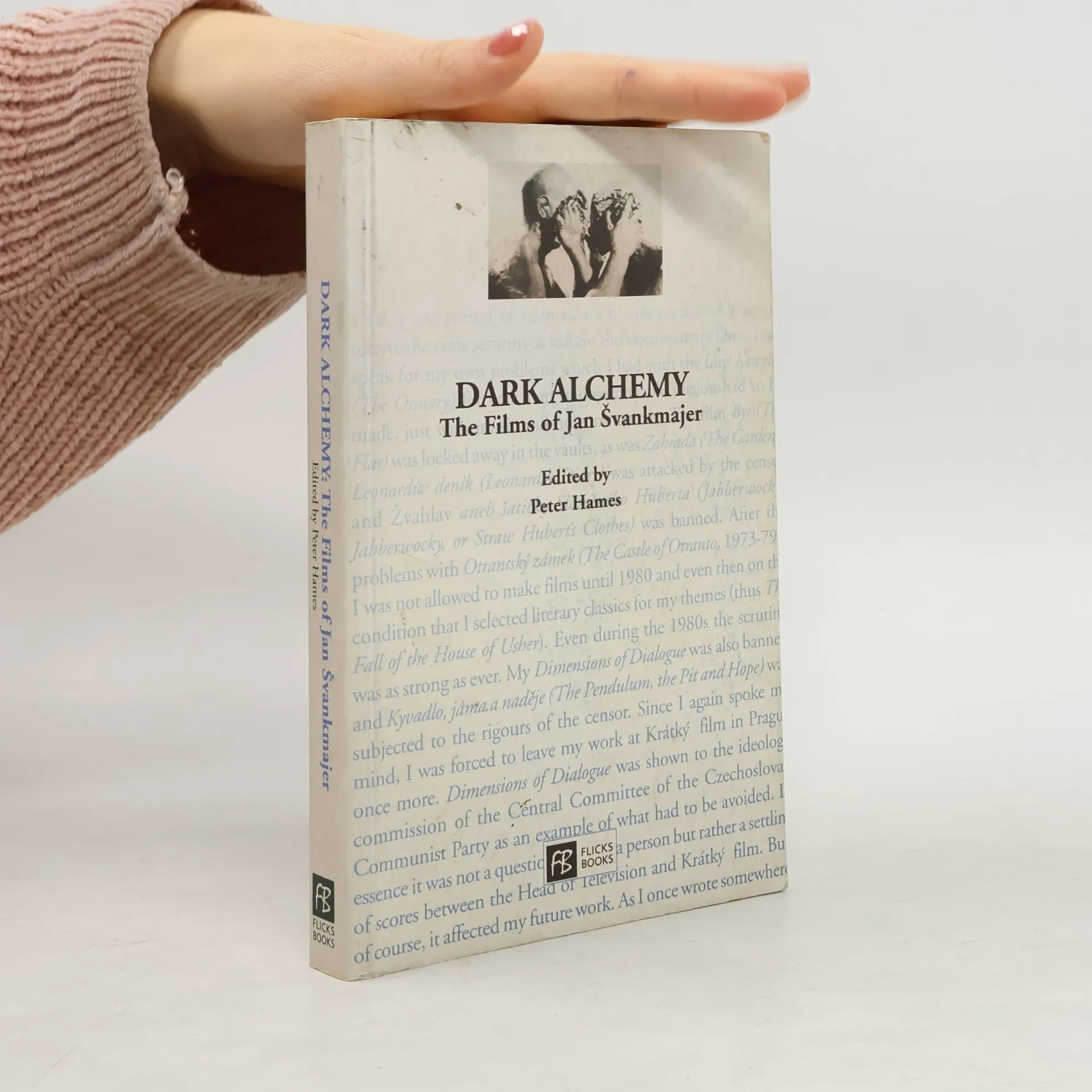
Czech animator Jan Svankmajer is a distinctive and influential filmmaker, closely associated with the Prague Surrealist Group and a rich avant-garde tradition. His uncompromising moral stance often led to tensions with authorities during the normalization years after the 1968 Soviet invasion of Czechoslovakia. Influenced by pre-war surrealists, the Prague of Rudolf II, experimental theatre, folk puppetry, and the political traumas of the past 50 years, Svankmajer shares dominant life experiences with contemporaries like playwright Vaclav Havel and novelist Milan Kundera. His work reflects the realities of Stalinism, from the state terror of the 1950s to the neo-Stalinism of the 1970s and 1980s. After training in puppetry and working in Prague theatre, he made his first film in 1964, with notable works in the 1960s such as "Byt" ("The Flat," 1968) and "Zahrada" ("The Garden," 1968). His international reputation grew with "Moznosti dialogu" ("Dimensions of Dialogue," 1982). Continuing his poetic and visual approach, he created feature-length films like "Neco z Alenky" ("Alice," 1987) and "Lekce Faust" ("Faust," 1994). Svankmajer's films explore themes of power, fear, anxiety, and the absurd, challenging accepted narratives and mainstream conventions with a dynamic, subversive style.
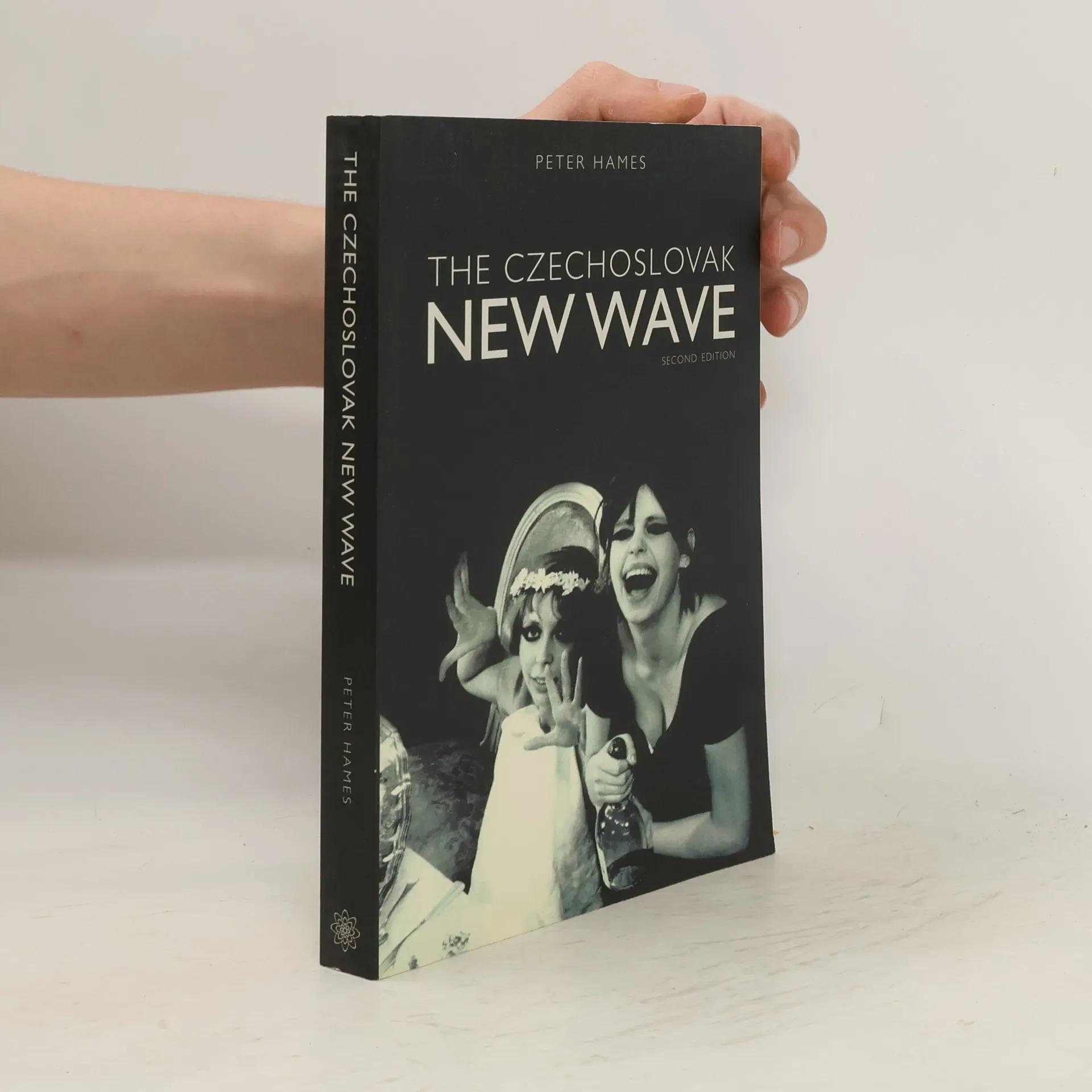
"The Czechoslovak New Wave" was originally published in 1985 and was quickly established as the world's leading authoritative English-language text. A study of the most significant movement in post-war Central and East European cinemas, it examines the origins of a movement against the political and cultural developments of the 1960s leading to the Prague Spring of 1968. Peter Hames also summarizes key aspects of Czech and Slovak histories between the wars and in the 1940s and 1950s. Directors discussed include Milos Forman, Jan Svankmajer, Věra Chytilová, Jiri Menzel, Jan Nemec.