

Explore the latest books of this year!
Bookbot

Krishnarao Appasani

    MicroRNAs
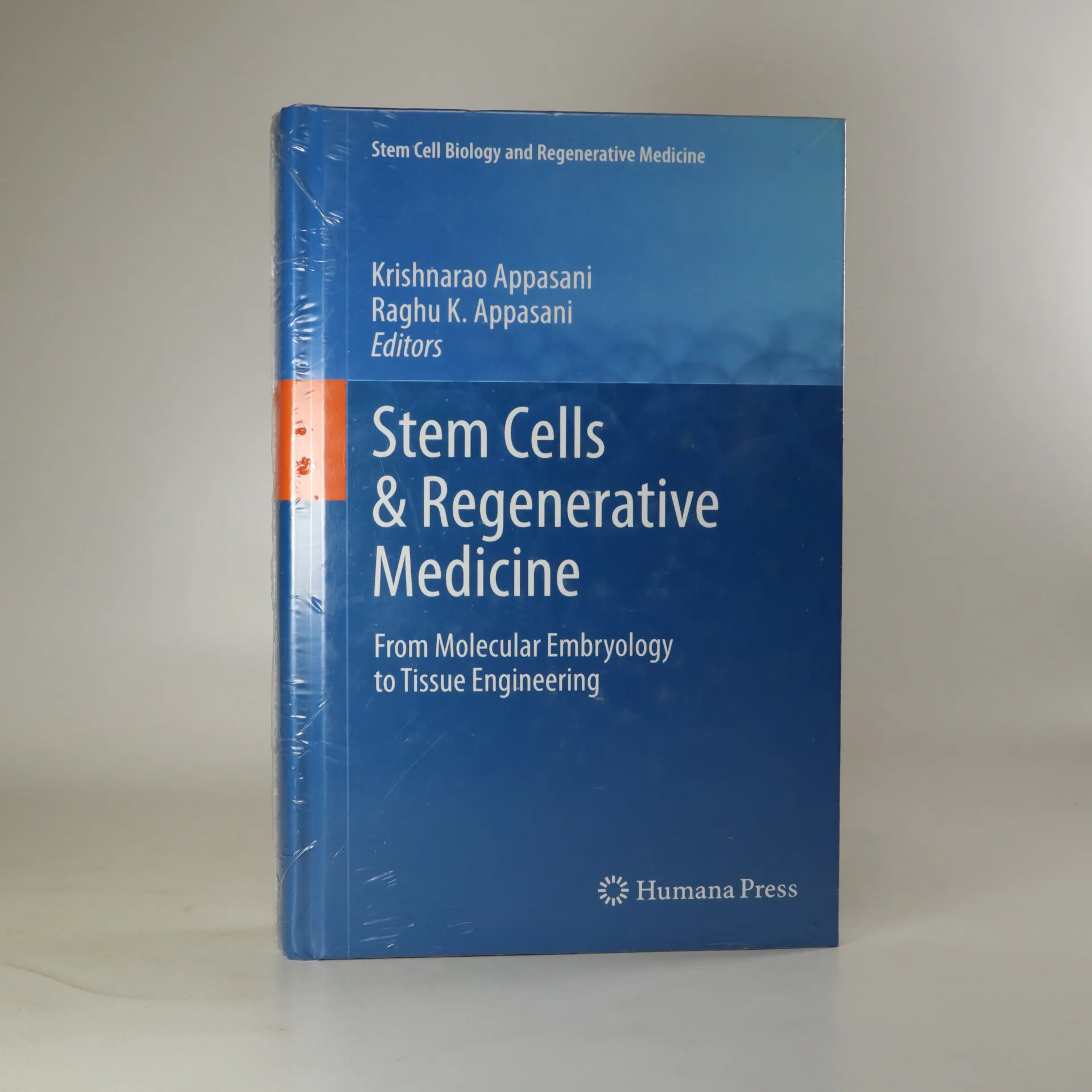
    Stem Cells & Regenerative Medicine
    • Stem Cells & Regenerative Medicine

      • 629 pages
      • 23 hours of reading

      Embryology, defined as the study of embryo development from fertilization to the fetus stage, has long been a staple in universities worldwide. However, over the last century, it has been largely overshadowed by experimental genetics and cell biology, evolving into developmental biology, which has often replaced embryology in academic settings. Recent advancements in molecular biology, biochemistry, and genomics have led to a deeper understanding of the molecular aspects of development, culminating in the emergence of stem-cell biology. This integrated approach combines embryology and development at the molecular level, utilizing engineering, imaging, and cell culture techniques. The focus of this book is on the fundamental developmental, cellular, and molecular biological aspects of stem cells and their clinical applications in tissue engineering and regenerative medicine. It delves into the biology of embryonic and cancer cells, their roles in self-renewal, muscle repair, epigenetic processes, and therapeutic uses. Additionally, it addresses significant topics such as nuclear reprogramming, induced pluripotency, and innovative stem cell culture techniques with novel biomaterials. This comprehensive introduction to stem-cell biology serves as a vital resource for graduate students, post-docs, professors, and professionals in biotech and pharmaceutical industries.

      Stem Cells & Regenerative Medicine
      2.7
    • MicroRNAs

      From Basic Science to Disease Biology

      • 531 pages
      • 19 hours of reading

      MicroRNAs (miRNAs) are RNA molecules, conserved by evolution, that regulate gene expressions and their recent discovery is revolutionising both basic biomedical research and drug discovery. Expression levels of MiRNAs have been found to vary between tissues and with developmental stages and hence evaluation of the global expression of miRNAs potentially provides opportunities to identify regulatory points for many different biological processes. This wide-ranging reference work, written by leading experts from both academia and industry, will be an invaluable resource for all those wishing to use miRNA techniques in their own research, from graduate students, post-docs and researchers in academia to those working in R&D in biotechnology and pharmaceutical companies who need to understand this emerging technology. From the discovery of miRNAs and their functions to their detection and role in disease biology, this volume uniquely integrates the basic science with industry application towards drug validation, diagnostic and therapeutic development.Forewords Sidney Altman, Yale University, Winner of the Nobel Prize in Chemistry, 1989andVictor R. Ambros, Dartmouth Medical School, Co-discoverer of MicroRNAs

      MicroRNAs