

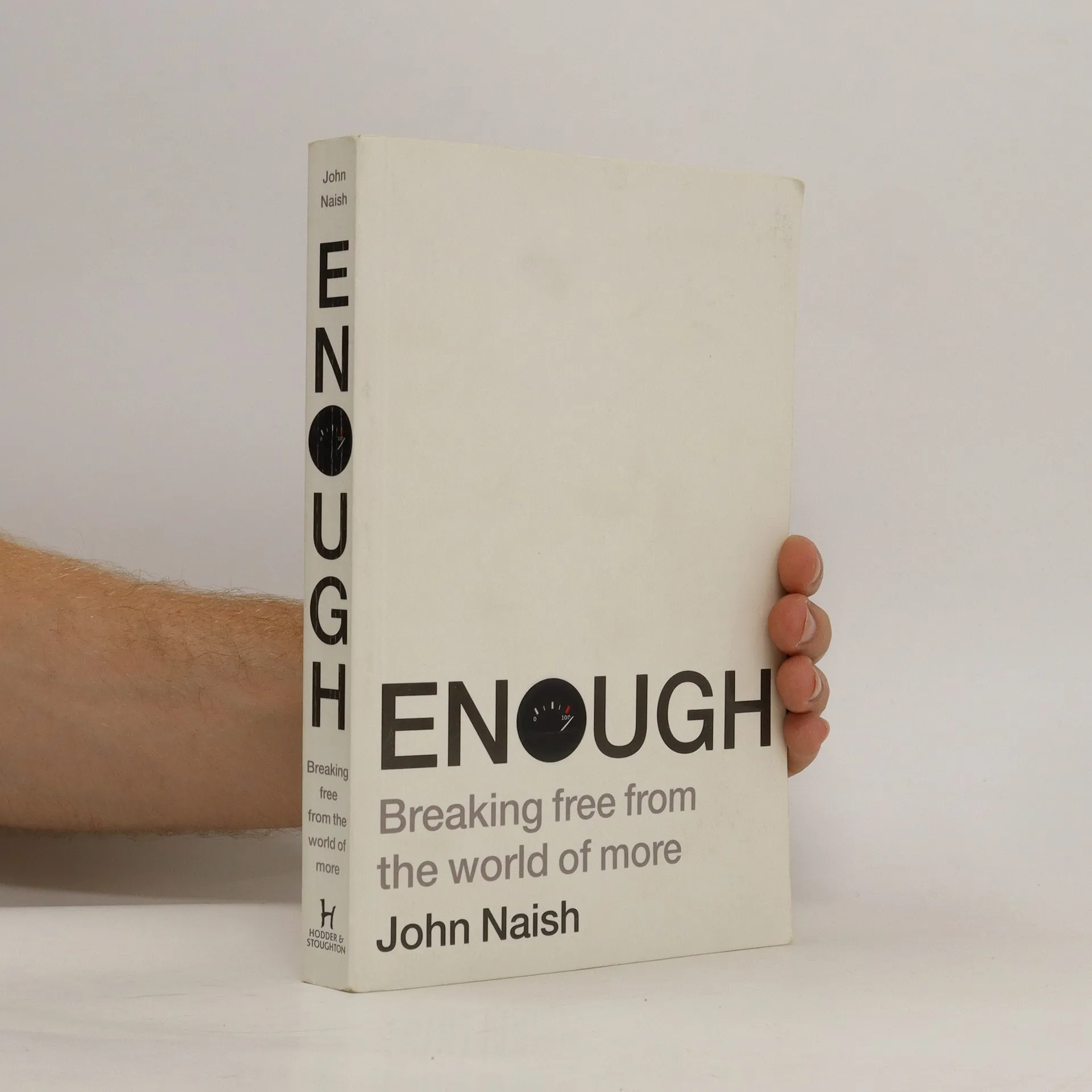
For millions of years, humankind has used a brilliantly successful survival strategy. If we like something, we chase after more of it: more status, more food, more info, more stuff. Then we chase even more. It's how we survived famine, disease and disaster to colonise the world. But now, thanks to technology, we've suddenly got more of everything than we can ever use, enjoy or afford. That doesn't stop us from striving though, and it's making us sick, tired, overweight, angry and in debt. It burns up our personal ecologies and the planet's ecology too. We urgently need to develop a sense of 'enough'. Our culture keeps telling us that we don't yet have all we need to be happy, but in fact we need to nurture a new skill - the ability to bask in the bounties all around us. In Enough, John Naish explores how our Neolithic brain-wiring spurs us to build a world of overabundance that keeps us hooked on 'more'. And he explains how, through adopting the art of enoughness, we can break from this wrecking cycle.
John Naish Books
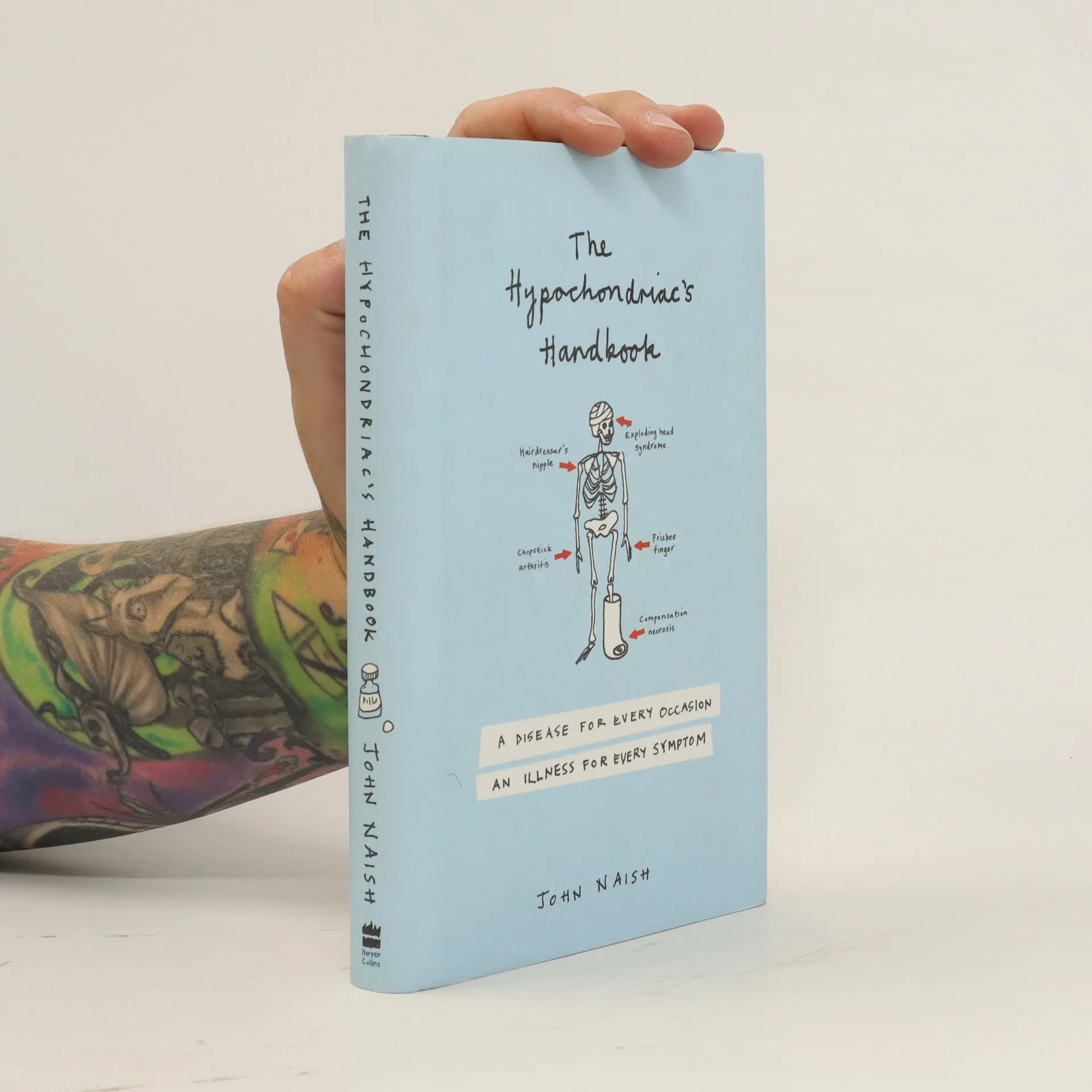
THE HYPOCHONDRIAC'S HANDBOOK is a treasure trove of wild, daft, strange, scary -- and hitherto obscure -- medical research. This is a snappy and amusing guide to over 250 fascinating conditions from the dark corners of medical journalism, compiled by THE TIMES' Health Features Writer. Being tall can mean an early death. But then being short can also kill. As can stormy Mondays and the crease in your ear. Steering clear of sunburn could cause a lethal disease, whereas a full moon boosts your risk of being beaten or bitten. Then there are the perils of sexual sleepwalking, golfer's liver, fracture of the penis and Chinese restaurant syndrome. And, yes, hypochondria can apparently prove lethal -- people who worry about their health turn out to have four times the normal fatality rate. The Hypochondriac's Handbook comes from the drawers-full of intriguingly odd reports which Times journalist John Naish has gathered from the dark corners of respected research journals and hospital libraries over the last decade. It should appeal to all of the neurotic inhabitants of 21st-century world, who just don't have enough to worry about.
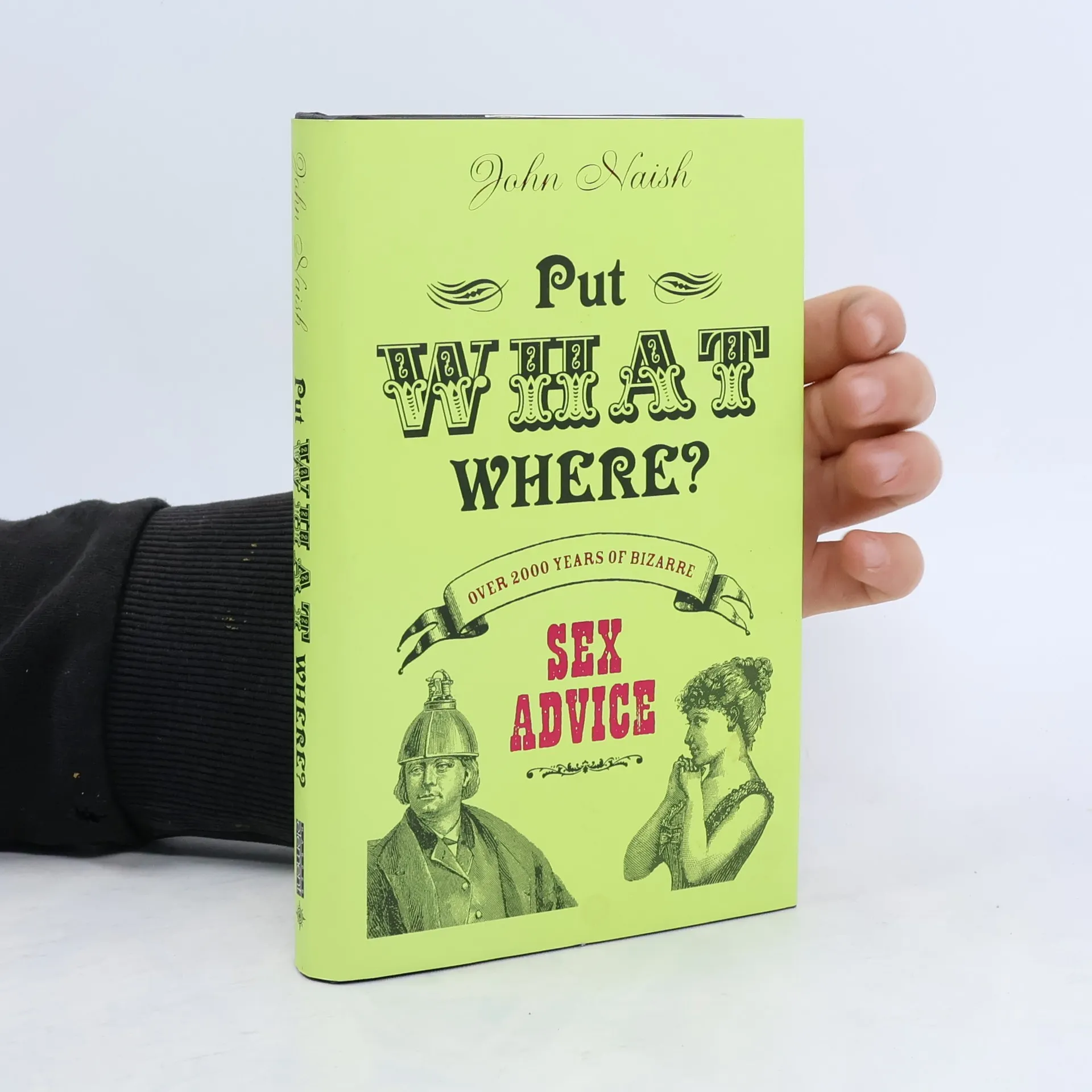
Put What Where? Over 2,000 Years of Bizarre Sex Advice
- 280 pages
- 10 hours of reading
Clean Copy