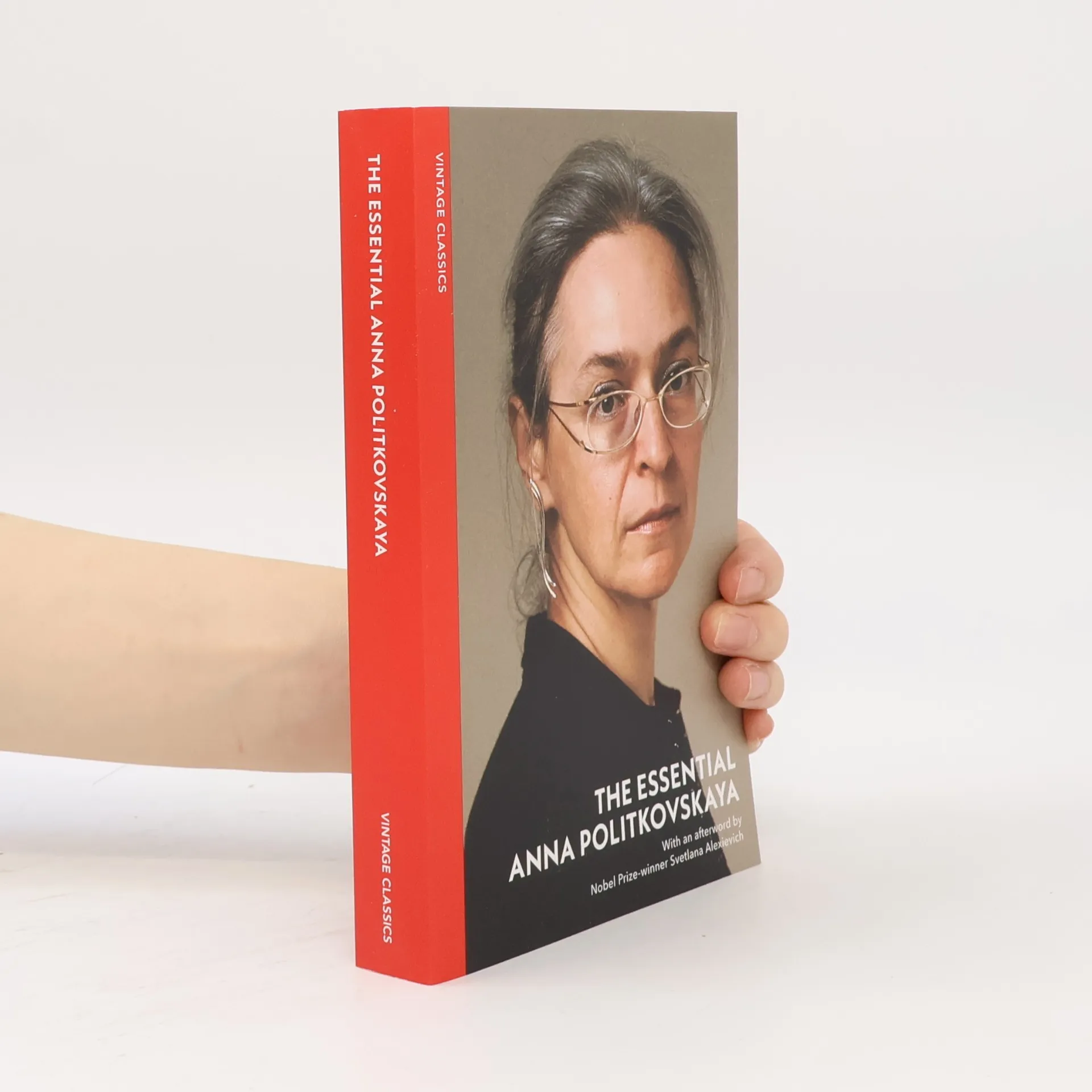
The Essential Anna Politkovskaya
- 384 pages
- 14 hours of reading





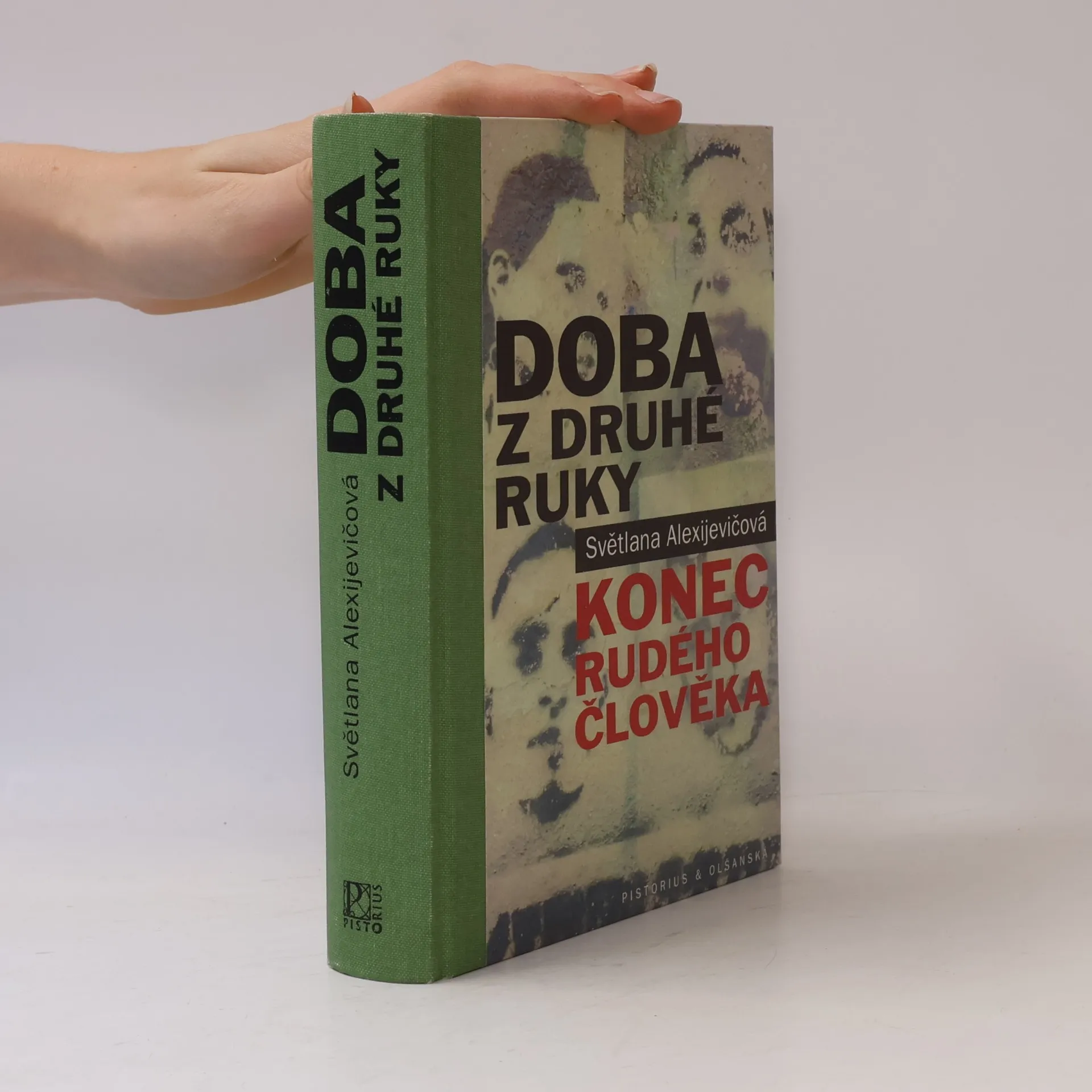
Doba z druhé ruky je výjimečná kniha autorky, laureátky prestižních literárních cen. Konec komunistického režimu a rozpad sovětského impéria přinesly občanům zklamání a dezorientaci. Text je mozaikou hlasů, které Alexijevičová zaznamenala při rozhovorech s různými lidmi, jež vyprávějí o svých vírách v sovětský systém, o zabíjení a umírání pro jeho ideu, o hrůzách komunismu, gulagu, válkách a Černobylu. Čtenář se setkává s rozmanitými osudy a názory, z nichž vyvstávají společná traumata a obsese. Hrdinové považují srpen 1991, kdy statisíce Rusů vyšlo do ulic Moskvy, za vrchol svobodného vzepětí společnosti, avšak následovalo vystřízlivění. Kapitalismus si lidé představovali jako velký supermarket, ale probudili se v zemi třetího světa, plné anarchie, inflace, zločinnosti a korupce. Kniha nabízí hlubokou sondu do ruské společnosti a pomáhá porozumět jejímu současnému vývoji. Nutí čtenáře zamyslet se nad tím, co je Rusko a proč se oblíbenost autokrata Putina pohybuje kolem 85 %. Alexijevičová, jejíž díla byla přeložena do 22 jazyků a oceněna mnoha cenami, včetně Nobelovy ceny za literaturu, zkoumá, proč je velkoruský šovinismus stále živý a militantnější.
Светлана Алексиевич родилась 31 мая 1948 года в украинском городе Станислав в семье белоруса и украинки. Выросла в Беларуси. После окончания школы работала репортером в нескольких местных газетах и на короткое время в первом рыболовном журнале Беларуси, прежде чем стать корреспондентом литературного журнала «Неман» в Минске. Алексиевич делает журналистскую карьеру, пишет повествования по интервью с свидетелями самых драматических событий в СССР, такими как Вторая мировая война, Советско-Афганская война, падение СССР и авария на Чернобыльской АЭС. После преследования со стороны режима Лукашенко она покидает Беларусь в 2000 году. Получает защиту от международной сети International Cities of Refuge Network и в течение следующего десятилетия последовательно живет в Париже, Гетеборге и Берлине. В 2011 году Алексиевич возвращается обратно в Минск. Книги Алексиевич описываются как литературная хроника эмоциональной истории советского и постсоветского человека. Наиболее известные её книги: «У войны не женское лицо», «Последние свидетели (100 недетских рассказов)», «Цинковые мальчики», «Чернобыльская молитва (хроника будущего)».
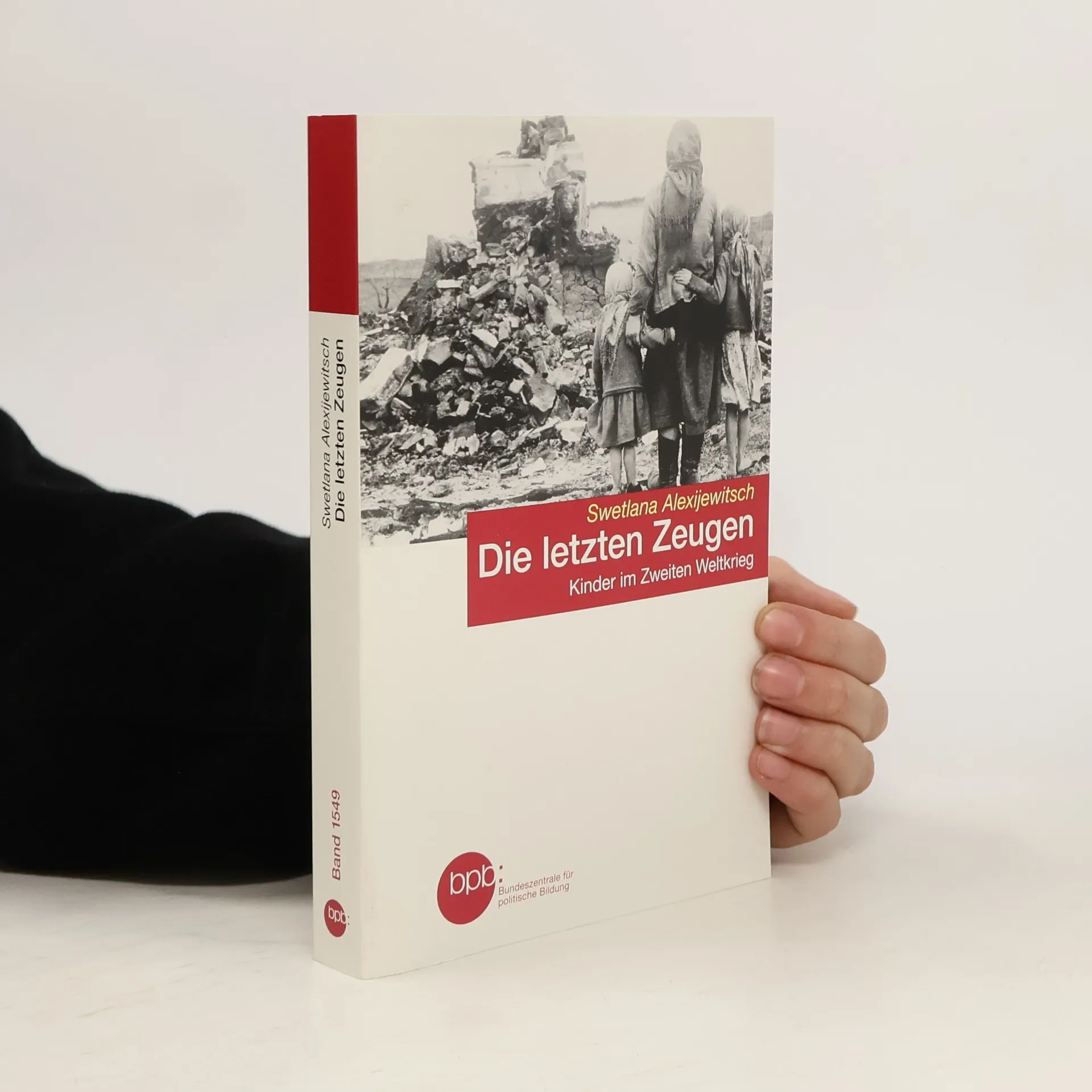
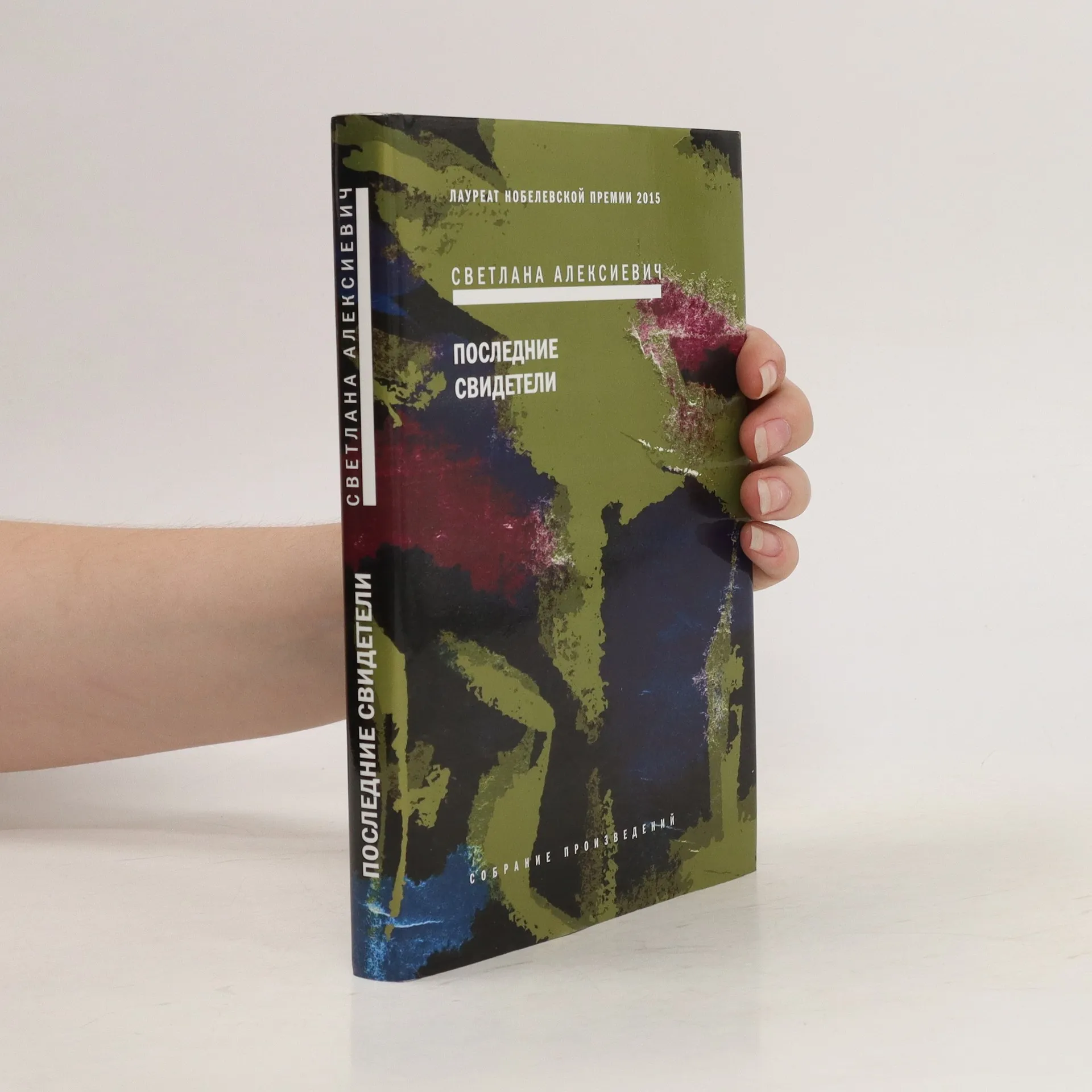
Мальчик находит собаку соседей, скулившую у его сгоревшего дома. Девочка бросается на шею немецкому солдату, потому что думала, что это её отец, вернувшийся с фронта. Мы знаем войну как историю взрослых, но это также история детей. Светлана Александровна Алексиевич поговорила с мужчинами и женщинами, которые во время вторжения немцев в Беларусь в 1941 году были детьми, и спросила об их воспоминаниях. Их шокирующие истории делают «Последние свидетели» одной из самых проникающих антивоенных книг. Алексиевич снова демонстрирует искусство слушать и заставлять голоса других звучать незабываемо.
Winner of the Nobel Prize: "For her polyphonic writings, a monument to suffering and courage in our time." --Swedish Academy, Nobel Prize citation
This is not a book about Chernobyl, but about the world it has left us. Alexievich spent three years interviewing dozens of survivors, victims and witnesses. This is their testimony, their voices, and they are unforgettable
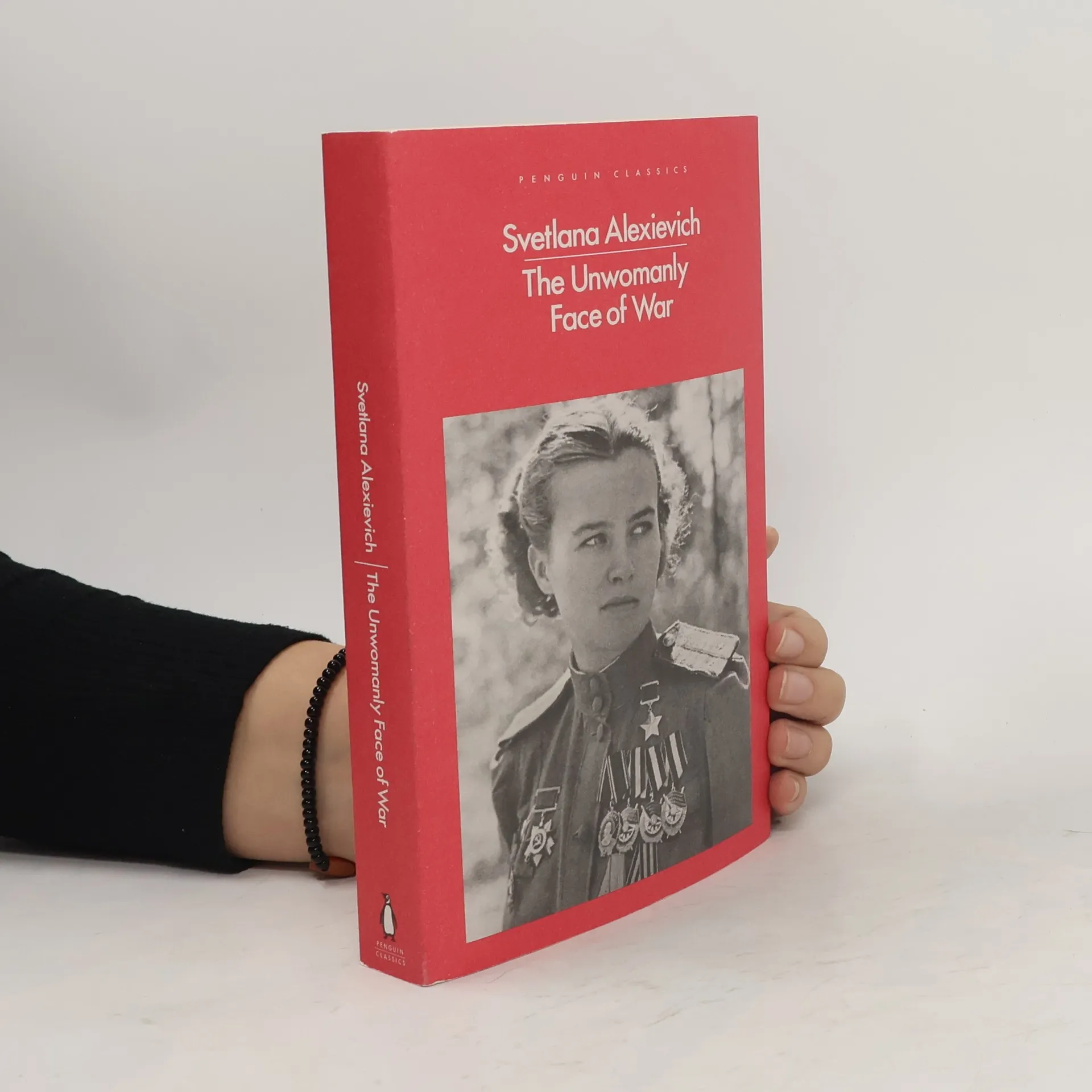
The Unwomanly Face of War is Svetlana Alexievich's collection of stories from Soviet women who lived through the Second World War: on the front lines, on the home front, and in occupied territories. As Alexievich gives voice to women who are absent from official narratives - captains, sergeants, nurses, snipers, pilots - she shows us a new version of the war we're so familiar with, creating an extraordinary alternative history from their private stories. Published in 1985 in Russia and now available in English for the first time, The Unwomanly Face of War was Alexievich's first book and a huge bestseller in the Soviet Union, establishing her as a brilliantly revolutionary writer
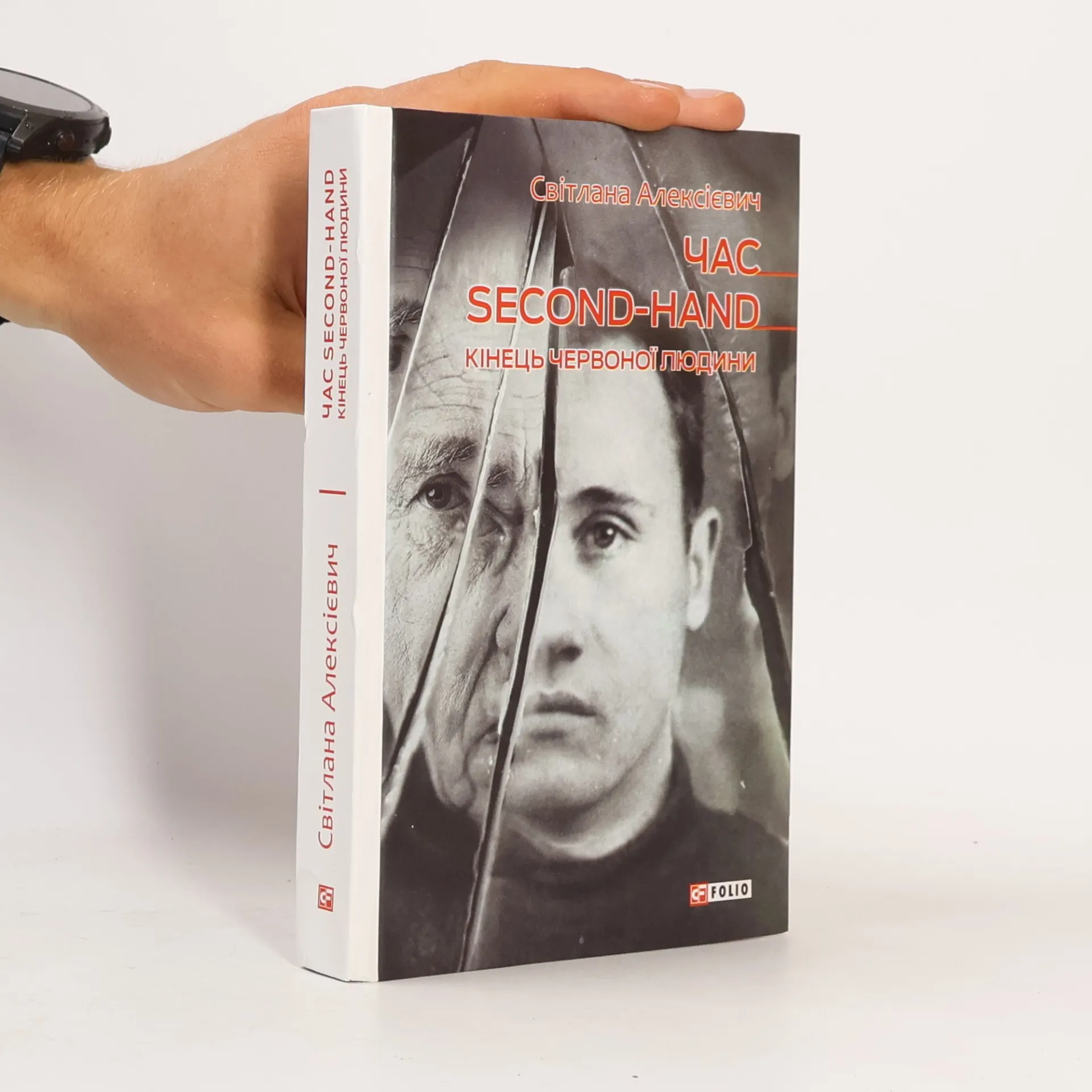
SECOND-HAND TIME is the latest work from Svetlana Alexievich, winner of the 2015 Nobel Prize in Literature. In this book she creates a singular, polyphonic literary form by bringing together the voices of dozens of witnesses to the collapse of the USSR in a brilliant, poignant and unique portrait of post-Soviet society.
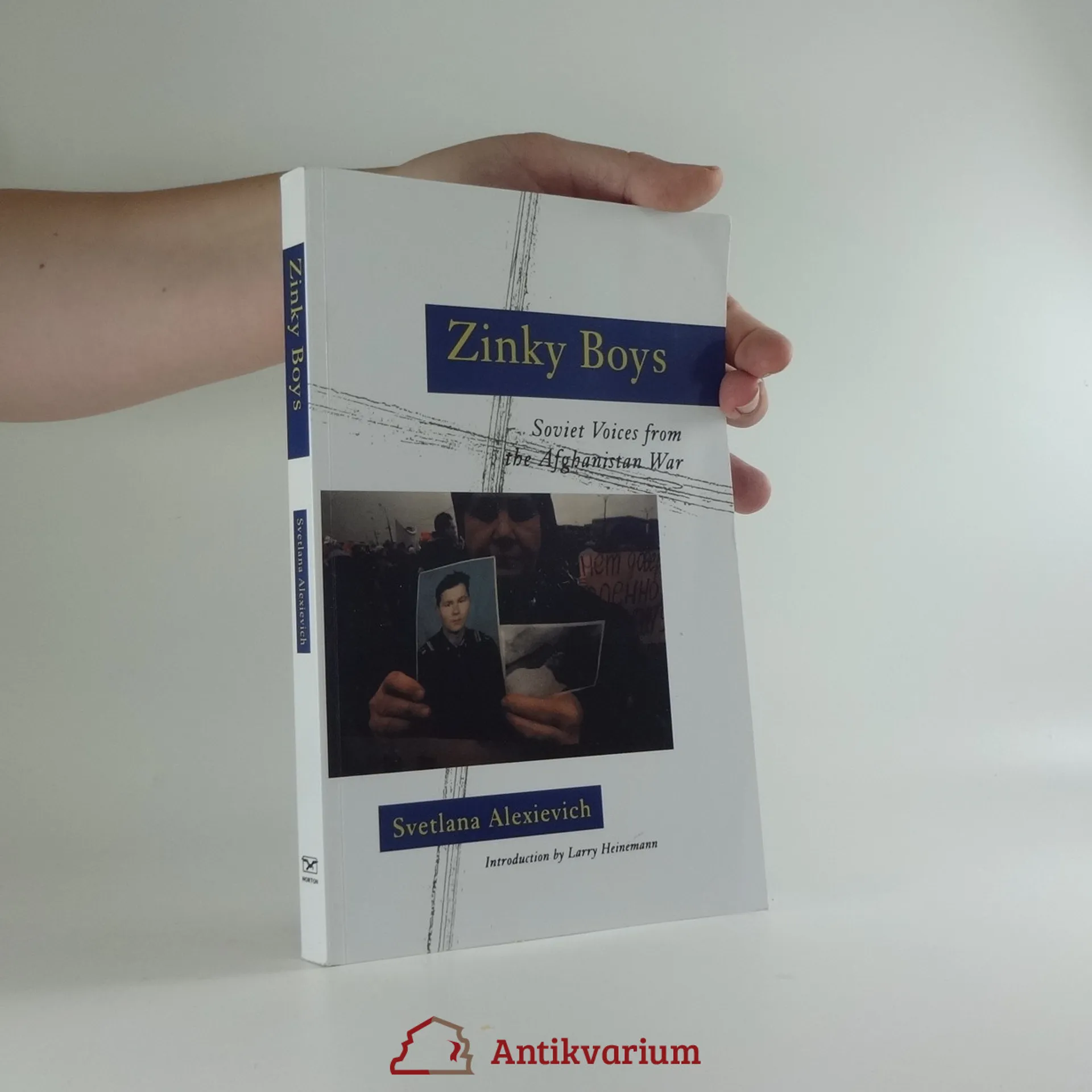
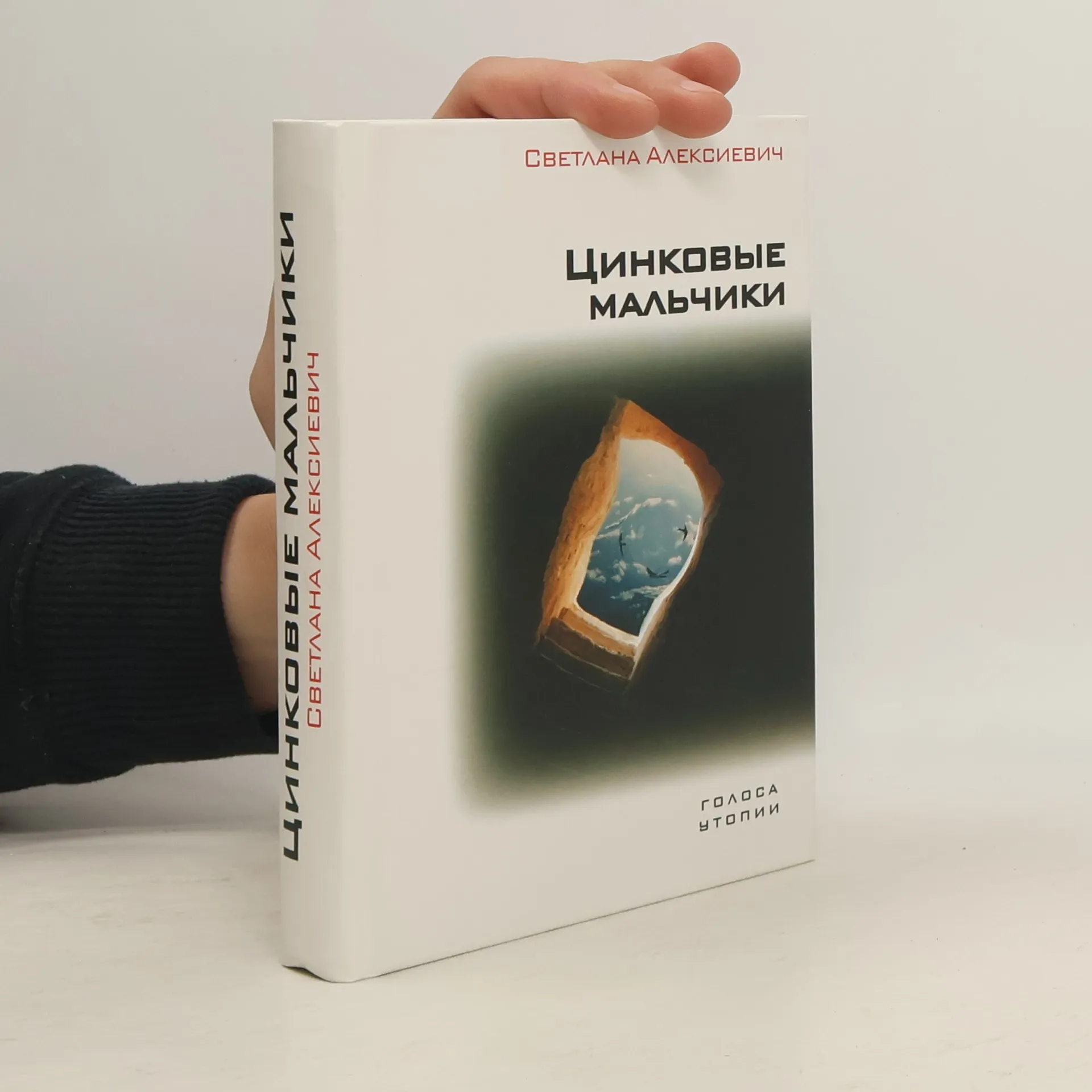
«Цинковые мальчики» — книга о войне в Афганистане. Она составлена из авторских интервью с советскими солдатами, которые пережили Афганистан, и с родственниками тех, кто вернулся в цинковых гробах. Алексиевич сама посетила Афганистан во время войны и считает этот опыт переломным в своем понимании сущности советского режима и обоснованности любой войны. Книга резко противовоючная, Афганистан изображает как место полной девальвации человеческой жизни и разрушения моральных ценностей, одновременно обвиняя Советский Союз в равнодушии к своим солдатам, которых отправляет на смерть. Книга дополнена материалами, документирующими судебный процесс, который был против авторки в Беларуси в связи с изданием этой книги.