Claude
- 22 pages
- 1 hour of reading
Toddlers will love this beautifully illustrated board book adaptation of the story of Claude, the California Academy of Sciences' beloved albino alligator, which celebrates individuality and accepting differences.




Toddlers will love this beautifully illustrated board book adaptation of the story of Claude, the California Academy of Sciences' beloved albino alligator, which celebrates individuality and accepting differences.
The city of Paris wanted to tear down the Eiffel Tower! Gustave Eiffel, an engineer and amateur scientist, had built the incredible structure for the 1889 World's Fair. Created using cutting-edge technology, it stood taller than any other building in the world! More than a million delighted people flocked to visit it during the fair. But the officials wondered, beyond being a spectacle, what is it good for? It must come down! But Eiffel loved his tower. He crafted a clever plan to make the tower too useful to tear down by turning it into "a laboratory such as science has never had at its disposal”. As the date for the tower's demolition approached, Eiffel raced to prove its worth. Could science save the Eiffel Tower?
Focusing on the bond between abandoned dogs and their rescuers, this heartwarming narrative explores themes of love, hope, and redemption. It highlights the struggles faced by these animals and the compassionate individuals who dedicate their lives to saving them. Through touching stories, the book showcases the transformative power of kindness and the deep connections formed between humans and dogs, inspiring readers to reflect on the importance of empathy and the impact of second chances.
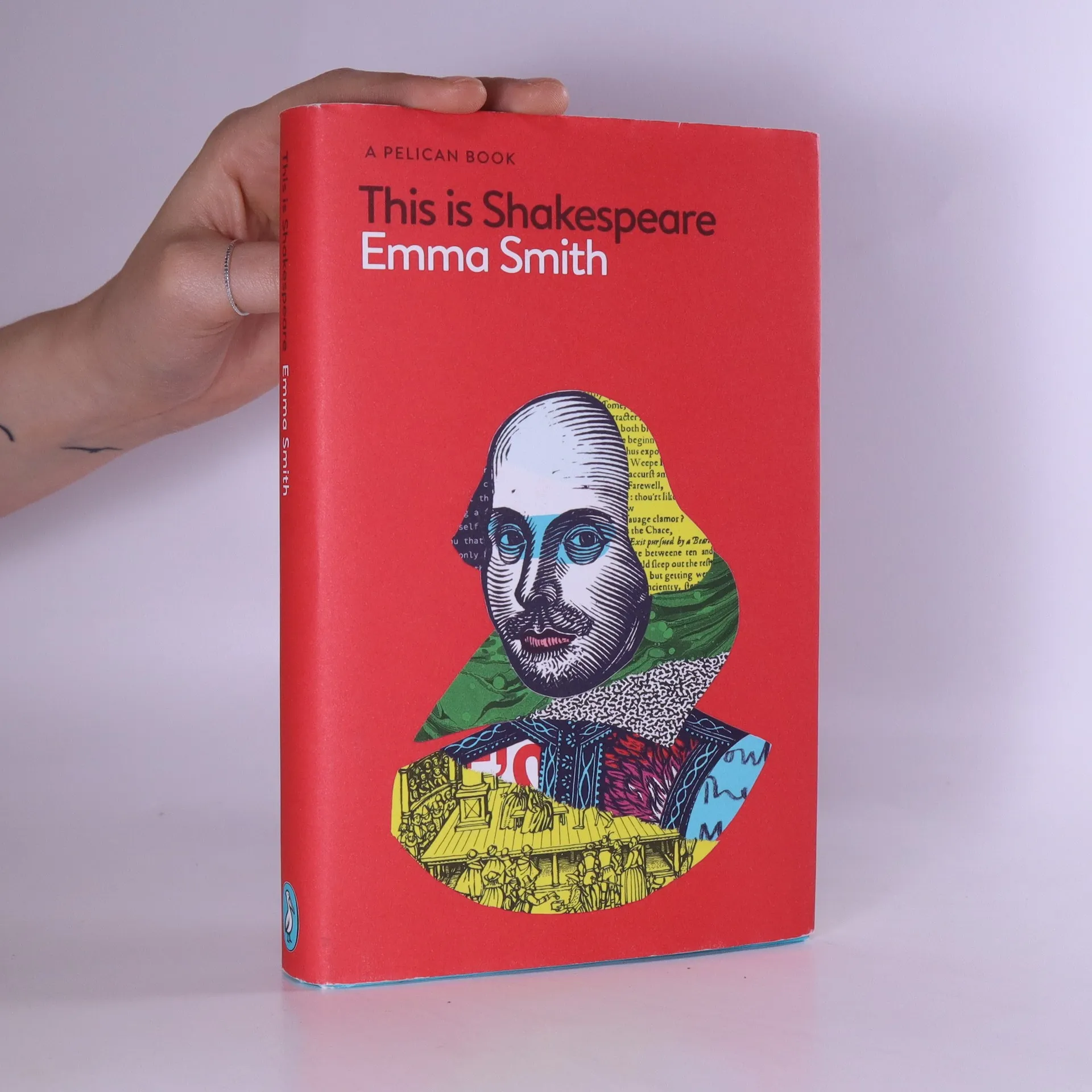
A genius and prophet whose timeless works encapsulate the human condition like no others. A writer who surpassed his contemporaries in vision, originality and literary mastery. Who wrote like an angel, putting it all so much better than anyone else. Is this Shakespeare? Well, sort of. But it doesn't really tell us the whole truth. So much of what we say about Shakespeare is either not true, or just not relevant, deflecting us from investigating the challenges of his inconsistencies and flaws. This electrifying new book thrives on revealing, not resolving, the ambiguities of Shakespeare's plays and their changing topicality. It introduces an intellectually, theatrically and ethically exciting writer who engages with intersectionality as much as with Ovid, with economics as much as poetry: who writes in strikingly modern ways about individual agency, privacy, politics, celebrity and sex. It takes us into a world of politicking and copy-catting, as we watch him emulating the blockbusters of Christopher Marlowe and Thomas Kyd, the Spielberg and Tarantino of their day; flirting with and skirting round the cut-throat issues of succession politics, religious upheaval and technological change. The Shakespeare in this book poses awkward questions rather than offering bland answers, always implicating us in working out what it might mean. This is Shakespeare. And he needs your attention.
This book, generously illustrated with key pages from the publication and comparative works, tells the human, artistic, economic and technical stories of the birth of the First Folio - and the birth of Shakespeare's towering reputation.
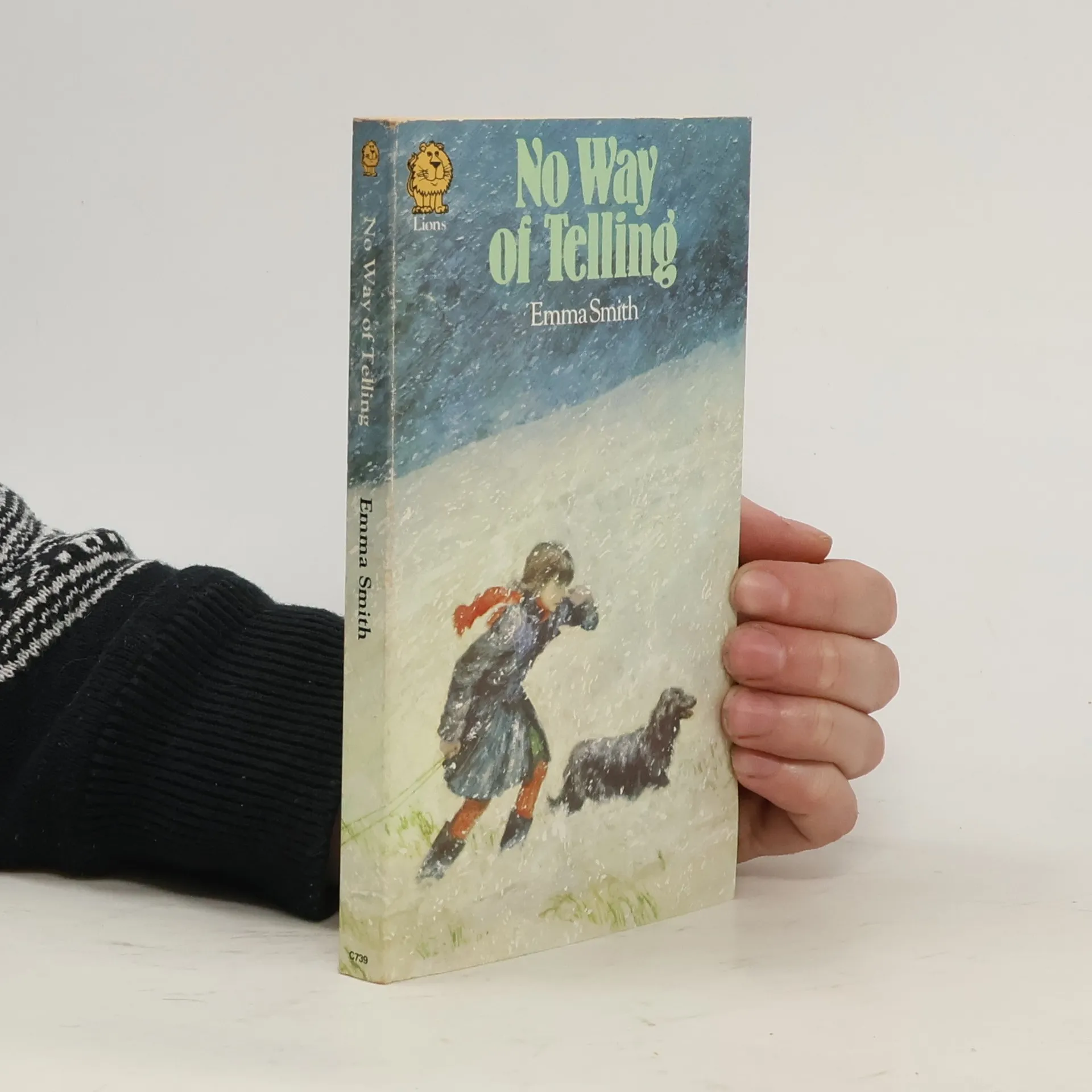
On a day when school was canceled due to a threatening blizzard, Amy rode with her classmates in Mrs. Rhys's van until the road ended, then trudged through the snow to her home, Gwyntfa, where she lived with her grandmother, Mrs. Bowen. Once inside, Amy felt safe, reassured by her grandmother's well-stocked larder and the promise of a cozy snowed-in experience. They enjoyed each other's company, often sitting by the fire, working on a patchwork quilt, and playing cards before bed. However, on that snowy day, their routine was shattered by a growl from Amy's dog, a loud thump at the door, and an unexpected intrusion. Despite the uncertainty surrounding their intruder, Mrs. Bowen sensed he meant no harm. Over the next four extraordinary days, filled with tension and unexpected visitors, Amy learned her grandmother's instincts were correct. Set against the backdrop of a Welsh hill farm in winter, the story builds suspense as Amy and her grandmother confront a ruthless evil, captivating readers with its beautifully crafted narrative by a distinguished writer.
Just a few hundred copies of the 1623 edition of Shakespeare's collected plays exist, making it one of the most sought-after publications in history. Emma Smith explores the First Folio's post-publication life, the stories of individual copies, and the way readers, forgers, collectors, actors, scholars, and booksellers have interacted with them.
Lively, accessible and innovative, this introduction to Shakespeare's plays is divided into seven subject-based chapters: Character; Performance; Texts; Language; Structure; Sources and History. It promotes active engagement with the plays and proves that there is space for new and fresh thinking, even on the most-studied and familiar plays.
'York Notes Advanced' offer an accessible approach to English Literature. This series has been completely updated to meet the needs of today's A-level and undergraduate students. Written by established literature experts, 'York Notes Advanced' introduce students to more sophisticated analysis, a range of critical perspectives and wider contexts. schovat popis
An indispensable reference tool for Shakespeare students and enthusiasts, this compact guide provides authoritative summaries of each of Shakespeare's works.
A fascinating journey into our relationship with the physical book reveals that our discussions about literature often focus on the words within, overlooking the significance of books as tangible objects in our lives. Emma Smith explores how books disrupt and disorder us, embodying what Stephen King describes as "a uniquely portable magic." This work presents a new narrative about the book's impact on humanity, tracing a millennium of pivotal interactions with various volumes. Smith emphasizes that it is the physical form of books—their 'bookhood'—that contributes to their unique and sometimes perilous allure. Through diverse examples, from the Diamond Sutra to Jilly Cooper's Riders, she illustrates how books have historically shaped relationships between readers, cultures, and ideologies. The text examines the unforeseen consequences of our love for books, celebrates the rise of the mass-market paperback, and challenges the notion that print began with Gutenberg. It highlights how American soldiers influenced reading habits and offers fresh perspectives on what defines a 'classic' and even the essence of a book. Ultimately, it reveals the complex and dynamic nature of our connection with the written word, suggesting that it is more reciprocal and turbulent than we often realize.
Prepare Yourself for Pregnancy: New Mom's Survival Handbook with All the Helpful Tips and Information That You Need While Expecting + 30 Day Meal Plan for Pregnancy
Navigating the overwhelming journey of first-time motherhood can be daunting, especially with the uncertainties surrounding pregnancy and newborn care. This book offers essential insights and guidance to help alleviate anxiety and empower new mothers with the knowledge they need. It addresses common concerns and provides practical advice, making the transition to motherhood smoother and more confident.
Are you in a relationship with someone who demands to be the center of attention and makes you feel inferior? Have you ever wondered if you could ever love again after the pain caused by a narcissistic relationship? Are you still in a relationship with a narcissist and looking for a way out? Then you need to keep reading. Narcissism is on the rise, according to a long-term study published in the Journal of Clinical Psychiatry. This personality disorder is characterized by a constant need for admiration, obsession with status, and lack of empathy. While there's some debate if there is truly a narcissism epidemic, one thing is for sure: being in a relationship with a narcissist can be extremely complicated
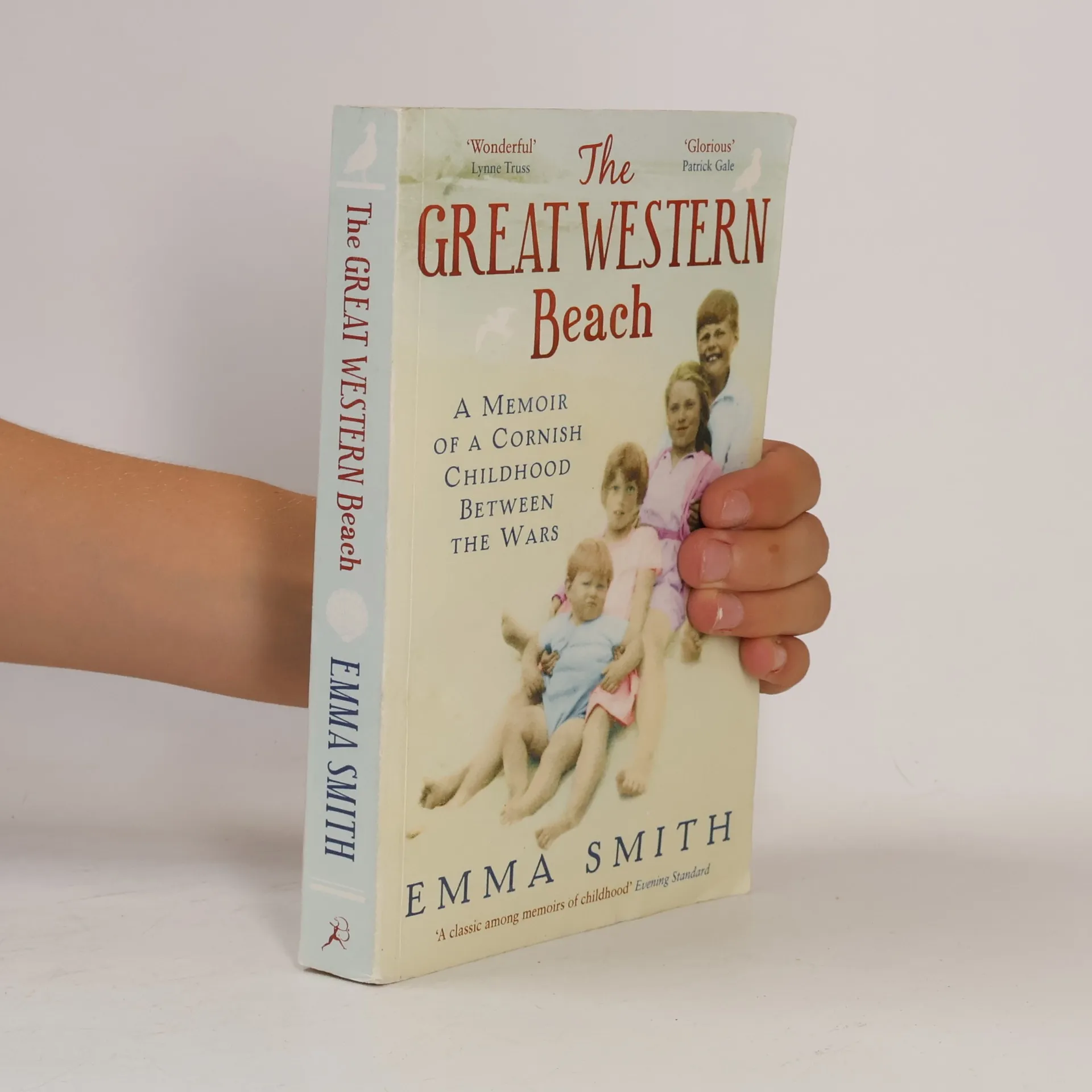
An astonishingly detailed, beautifully written memoir of a Cornish childhood
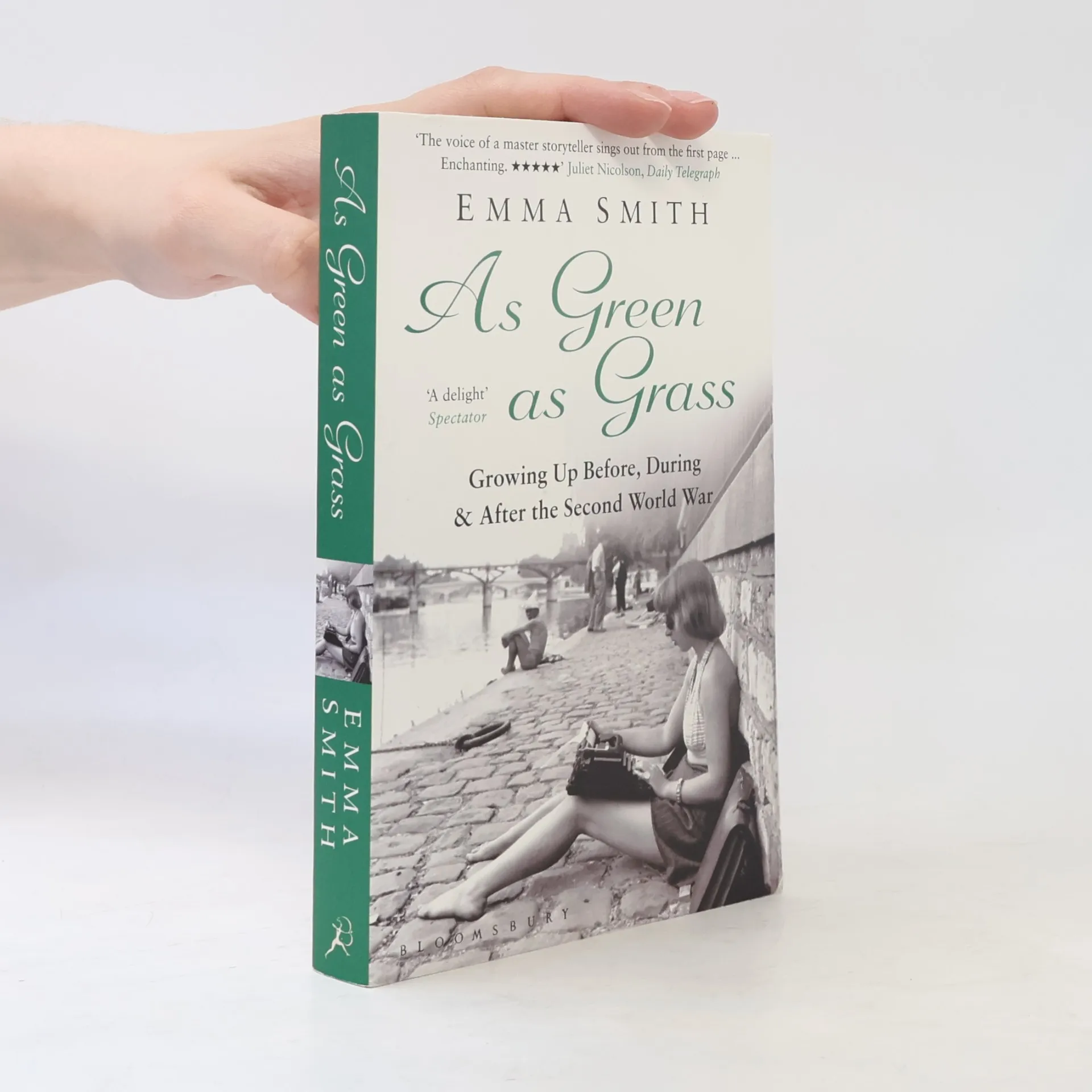
The new memoir from the author of Maidens' Trip and The Great Western Beach; a remarkable story of a young woman growing up against the backdrop of the Second World War, and postwar life in India, Paris and bohemian Chelsea.
Lana Matthews ist mit Leib und Seele Bibliothekarin, nach Feierabend verschließt sie aber die Leidenschaft in ihrem Herzen und öffnet es nicht mehr so schnell. Denn die vielen Enttäuschungen haben sie vorsichtig gemacht.Als der Broker und Frauenschwarm Caleb Rice ein Date mit ihr möchte, wird es brenzlig.Er ist alles, was sie nicht will – und doch möchte. Arrogant, selbstbewusst bis zum Anschlag, naja, wer zum Niederknien gut aussieht und dazu noch steinreich ist …Lana sollte Angst vor diesen Gefühlen und Wünschen haben, aber als sie sich darauf einlässt, auf Caleb einlässt, ist es schon zu spät.Caleb Rice kann sein Glück nicht fassen, als sein Schwager mit ihm um dessen Aston Martin wettet. Der Einsatz: Er muss auf der Hochzeit mit einer – kurzzeitig – festen Freundin auftauchen. Leichter gesagt als getan.Denn seine Auserwählte für ein paar Tage weiß nicht, dass sie den »Hauptgewinn« gezogen hat, und so soll es auch bleiben. Vor allem als Caleb bemerkt, dass Lana ihm mehr wert ist als eine dämliche Wette.Aber weiß sie das auch?
Anna hat sich 15 Jahre lang mit Verdrängung arrangiert, doch unerwartete Ereignisse reißen alte Wunden auf. Während sie versucht, ihre Geheimnisse zu bewahren, bemerken ihre Freunde die Veränderung in ihr. Zudem bringt ihr neuer Angestellter Sam sie aus der Fassung und weckt unerwartete Gefühle in ihr.
Lynn zu finden ist und war Max’ oberste Priorität. Aber sie ist noch nicht fertig mit Rick, ihrer Vergangenheit und den Verletzungen, die ihr zugefügt wurden. Doch dann ist es soweit. Die beiden treffen wieder aufeinander und Max könnte überraschter nicht sein: die Frau, die er gefunden hat, sieht zwar aus wie seine Lynn, verhält sich allerdings überhaupt nicht so. Knallhart macht sie ihm klar, dass sie nicht bereit ist, neu anzufangen. Nur gut, dass Max so seine ganz eigenen Methoden hat, ihre Meinung zu ändern. Wenn du auf der Suche nach Frieden und der Frau bist, die dir dies alles geben kann, was tust du, wenn diese Frau einfach nicht mehr existiert?
Jackson Clark bereut seine Entscheidung, die Liebe seines Lebens, Sarah, loszulassen. Jetzt will er um sie kämpfen, doch er hat vergessen, dass sie eine sehr sture Frau ist. Um sie zurückzugewinnen, muss er alles daransetzen, sie davon zu überzeugen, dass sie zusammengehören.
Sie kann ihm für damals nicht verzeihen und er kann sie nicht loslassen. Charly Seit Jahren war ich nicht mehr in meinem Heimatstädtchen namens Paradise. Doch als mein Freund urplötzlich eine offene Beziehung will, trenne ich mich von diesem erfolglosen Idioten und kehre an meinen Geburtsort zurück. Nur Eines konnte ich nicht ahnen: Owen Shaw ist auch wieder da! Er war meine erste große Liebe, aber gleichzeitig der Mann, der mir das Herz brach. Eigentlich sollte das kein Problem sein, würde ich meinen Prinzipien treu bleiben. Aber der große, sexy und muskulöse Kerl, verdreht mir erneut den Kopf ... Owen Ich hatte genug von all dem Krankenhausstress, den Überstunden und zu wenig Privatleben, daher kehre ich zurück in meine Heimatstadt und arbeite fortan in einer Gemeinschaftspraxis. Doch dann treffe ich auf Charly und bemerke, dass mein Herz nach fünfzehn Jahren doch noch für eine Frau schlagen kann. In Paradise kennt jeder jeden, Tratsch steht an der Tagesordnung. Wie wird Charly reagieren, wenn sie von meiner Verbindung zu ihrer besten Freundin hört? Richtig, ich kann mich auf etwas gefasst machen. Aber ich werde um sie kämpfen ... Die Bücher der "Paradise, Texas"-Reihe sind Einzelbände und können unabhängig voneinander gelesen werden.
Frauenheld, der keiner mehr sein möchte, trifft auf bindungsgestörte Leseratte, die nie etwas anderes sein wollteZoe weiß, dass jeder sie seltsam findet. Was ihr allerdings sehr gut passt, wenigstens bleiben ihr so Erklärungen für ihr Verhalten erspart.Aber dann bleibt dieser verflixte Fahrstuhl stecken und sie kann das erste Mal in ihrem Leben nicht vor etwas fliehen. Oder besser gesagt vor jemandem. Nur bemerkt sie nicht, dass dieser Jemand weder ein Fremder ist noch vor ihrer Welt zurückschreckt …Jason McCoy ist selbstbewusst, weiß, was er will und was er nicht will, und … ist von dieser Meinung felsenfest überzeugt. Aber dann macht ihm die Kleine, mit der er im Fahrstuhl steckenbleibt, innerhalb kürzester Zeit klar, dass er ganz und gar nicht glücklich ist. Und sich ändern muss, wenn er endlich »ankommen« will.Nun, es dauert nicht lange und Jason erkennt, wen er braucht, um dieses vollkommene Glück zu finden. Nur schade, denn Zoe scheint offensichtlich kein Interesse daran zu haben, für Jasons Glück verantwortlich zu sein ...Jasons Kampf um Zoe wird in die Geschichte eingehen. Schließlich muss er nicht nur ihr Herz erobern, sondern auch noch zig andere Leute von seiner Aufrichtigkeit überzeugen. Und nebenbei gilt es, eine verdammte Hochzeit zu verhindern …
Sieben Jahre ist es her, dass Abby ihn zum letzten Mal gesehen hat: Noah Carter. Ihren ersten One-Night-Stand. Der einzige Typ, den sie hat stehen lassen, um die Feuerleiter herunterzuklettern. Denn Noah ist nicht nur der heiße Bad Boy, der ihr damals das Herz gebrochen hat, er ist außerdem der beste Freund ihres Bruders. Jetzt ist sie wieder in der Stadt. Gedemütigt, misshandelt und auf der Flucht vor ihrem Ex-Freund verschweigt sie den beiden Männern ihr Geheimnis und verliert dabei erneut und ungewollt ihr Herz. Carter war früher der Bad Boy schlechthin, heute hat er sich zum ruhigen Schönling gewandelt, der zwar kein einziges Tattoo bereut, aber vor sieben Jahren eine Entscheidung traf, die ihm jetzt, da Abby wieder da ist, mehr als falsch vorkommt. Als Carter auf Abbys Geheimnis stößt, ist ihm klar, dass sie nie wieder die Chance bekommen soll, vor ihm zu flüchten. Denn eines ist ihm klar geworden: Abby wird er nicht mehr gehen lassen. Dickköpfigkeit gegen Dominanz. Wer wird das Spiel um ihre Herzen gewinnen?
Liebe kann auch Glück bringen
Lexie ist am Boden zerstört. Nach der Scheidung von ihrem gewalttätigen Ex-Mann sollte alles besser werden. Mit Julian sollte alles besser werden. Doch dieser verdammte Anwalt hat sie noch tiefer verletzt, als Michael es je gekonnt hätte … und lässt sie trotzdem nicht los. Julian ist völlig durch den Wind. Er hat keine Ahnung, wie seine Ex-Frau in seine Wohnung kam oder was dieser verdammte Knutschfleck auf seiner Brust zu suchen hat! Er weiß nur eines: Er hätte Lexie nie betrogen. Und was auch immer sie im Moment von ihm dachte – er würde um sie kämpfen. Vollkommen auf ihre widersprüchlichen Gefühle fixiert vergessen die beiden völlig, welche Gefahren ihnen von allen Seiten drohen. Doch bald könnte es zu spät sein, um ein Unglück zu verhindern …
Mann ohne Herz trifft auf Frau fürs Herz.Corey Winter bekommt alles, was er will. So lebt er in den Tag hinein. Der Footballstar hält von den Frauen, die er erobert, genauso viel wie von einer Zahnwurzelbehandlung: nämlich nichts.Doch dann trifft er Gin. Sexy, clever und aufmüpfig. Er will sie und ist sich bewusst, dass er damit all seine Prinzipien über Bord wirft. Er geht aufs Ganze, und je mehr er von ihr erfährt, umso größer wird die Frage: Ist er gut genug für sie?Gin weiß, was sie will, und vor allem, was sie nicht will.Corey, Schürzenjäger und Nervensäge, will sie nicht. Daran ändert auch keine gemeinsame Nummer auf der Toilette etwas oder dieses sexy Lächeln, dass er ihr immer wieder schenkt, und auch nicht dieser tiefgründige Blick, den er immer dann aufsetzt, wenn er meint, dass es niemand sieht.Denn Gin hat ein Geheimnis, das zu kostbar ist, um es leichtfertig für eine Affäre mit Corey aufs Spiel zu setzen. Doch es kommt alles anderes: Was mit einem One-Night-Stand beginnt, endet in einer Liebesgeschichte, die vor allem Corey verändern wird. Ob er es will oder nicht.Der Roman ist in sich abgeschlossen.
Ein Mann, seine Tochter und eine Reise nach Indien Als die vierzehnjährige Teresa in der ausklingenden Kolonialzeit nach Assam reist, um ihre Halbschwester Ruth zu besuchen, bricht das farbenprächtige Indien mit der Macht einer Explosion über sie herein. Doch Teresa begegnet nicht nur einer neuen Welt, sondern auch der Blick auf ihre Familie wird sich für immer verändern ... Ein Roman voll bunter Impressionen, Leichtigkeit und Gefühl. Sprachlich brillant, feinfühlig und herzerwärmend – eine grandiose Wiederentdeckung!
Muffin-Liebhaberin trifft auf intellektuellen Lesebegeisterten. Selbstbewusster Footballstar trifft auf Sport-Legasthenikerin. Jill freut sich auf ihr letztes Uni-Jahr. Ihre beste Freundin befindet sich gerade auf Abwegen und meint, ein Quarterback namens Blake wäre etwas für sie. Und ihr selbst macht Nick O'Donnell, Teamkollege und bester Freund von Blake, einen sehr dicken Strich durch die Rechnung, als er sie verzweifelt bittet, seine Alibifreundin zu spielen. Aber wer zum Teufel hat ihn glauben lassen, dass sie sich darauf einlassen würde? Nick war schon immer von Jill fasziniert und ist es leid, sie nur aus der Ferne zu beobachten. Eine Lüge und eine Bitte später und schon steht er kurz davor, Jills fester Freund zu werden. Aber wie soll er ihr beweisen, dass er eben doch nicht der Womanizer ist, für den ihn das gesamte College hält? Nach einigen Missverständnissen und Lügen finden sich die beiden in einer Liebesgeschichte wieder, mit der keiner von beiden gerechnet hätte. Das Buch ist ein in sich abgeschlossener Roman, zum besseren Verständnis sollte aber Teil 1 gelesen werden.
Tom besitzt alles, nur nicht Dakota.Lerne den Millionär kennen und erlebe hautnah, wie er sich unglücklicherweise in ausgerechnet die Person verliebt, die ihn ebenfalls nicht vergessen kann.Dakota Mein größtes Problem: den richtigen Mann finden. Nachdem mir Tom nach seiner Scharade den Gnadenstoß versetzt hat, habe ich die Faxen dicke und suche bei Chelseas Mom - der besten und einzigen Wahrsagerin, die ich kenne - nach Antworten.Wann werde ich endlich Mr. Right treffen?Doch die Weissagung ist niederschmetternd: Angeblich ist er mir bereits über den Weg gelaufen.TomEs war eine Notlüge, als ich mich Dakota gegenüber für jemand anderen ausgegeben habe. Hätte ich gewusst, welche Konsequenzen es hat, wäre ich nie so weit gegangen.Und jetzt? Niederlage einstecken und weiterziehen? Würde ich gerne, wenn nicht ausgerechnet die Zukünftige meines besten Freundes ihre beste Freundin wäre.Das hat nichts mit Schicksal zu tun, es ist lediglich ein übler Scherz.Ein Scherz, der mich viel mehr kosten wird, als ich jemals besitzen werde - und das ist sowieso schon ziemlich viel.Denn Dakota verliebte sich in einen Mann namens Jack Davonport. Wie könnte da plötzlich ich, Tom Crawford, mithalten?Teil 1 der Love Story-Reihe:Du und ich? Das läuft nicht! (Evan Chelsea)Alle beiden Teile sind in sich abgeschlossen. Zum besseren Verständnis, sollte mit Teil 1 begonnen werden.
Macho-Quarterback versus Mathe-Genie. Feuer trifft auf Wasser. Blake hasst Amber. Amber hasst Blake. Diese Tatsache ist jedem auf dem Berkeley-College bekannt. Die Diskussionen und Machtkämpfe der beiden sind schon beinahe legendär auf dem Campus. Ihre Sicht- und Lebensweisen sind einfach zu verschieden. Denken Amber und Blake. Denken ihre Freunde. Aber dann passiert es. Bei einer Party hilft ausgerechnet Blake Amber aus der Patsche. Der Student, den Amber seit Beginn ihres Studiums am liebsten als Leiche irgendwo verbuddelt sehen wollte. Und Blake wäre nun mal nicht Blake, wenn er für seine gute Tat nicht entlohnt werden möchte. Amber denkt nicht mal daran und hält ihm vor allen Studenten eine Predigt, die Blake so beeindruckt, dass sich plötzlich etwas in ihm ändert. Blake Michaels, der Typ, der kein Mädchen ein zweites Mal anruft, kämpft plötzlich um eines. Leider hat er sich dafür ausgerechnet die Einzige ausgesucht, die keinerlei Interesse daran hat, überhaupt von ihm angerufen zu werden. Ein Zerrspiel der Gefühle beginnt ... mit überraschendem Ausgang. Das Buch ist in sich abgeschlossen.
Als ich 16 war, hat meine Mutter mir vorhergesagt, dass ich eines Tages meinem Traummann begegnen werde. Mehr als den Anfangsbuchstaben seines Namens, nämlich E, konnte sie nicht sehen. Wäre ja auch zu einfach gewesen, wenn sie mir gesagt hätte, er sähe aus wie Thor und wäre so romantisch wie Mr. Darcy. Doch statt darauf zu warten, lebe ich nur für meinen Job. Bis ich diesem arroganten Typen auf meiner neuen Arbeitsstelle aus Versehen das Hemd ruiniere ... Es sollte ein Spaß werden, als mein bester Freund Tom mich überredet, mir die Zukunft vorhersagen zu lassen. Die Alte prophezeit, dass die Liebe meines Lebens in den nächsten Tagen farbenfroh in mein Leben treten wird. Ich habe schon viel Humbug gehört, aber diese Sache steht ganz oben auf der Liste der Dinge, die niemand brauchen kann. Keine 24 Stunden später stolpert mir eine kleine Blonde mit braunen Kulleraugen vor die Füße und schmiert eine pink-türkise Sahnetorte auf meinen Anzug. Am liebsten hätte ich sie aus dem Gebäude geworfen, aber Tom hat manchmal etwas gegen meine direkte Art, weshalb er vorgibt, ich zu sein, um sie nicht weiter in Schwierigkeiten zu bringen. Jetzt denkt die Kleine - die neu in der Finanzabteilung der Firma ist -, dass ich Tom bin und er Evan Benner. Ihr Chef.
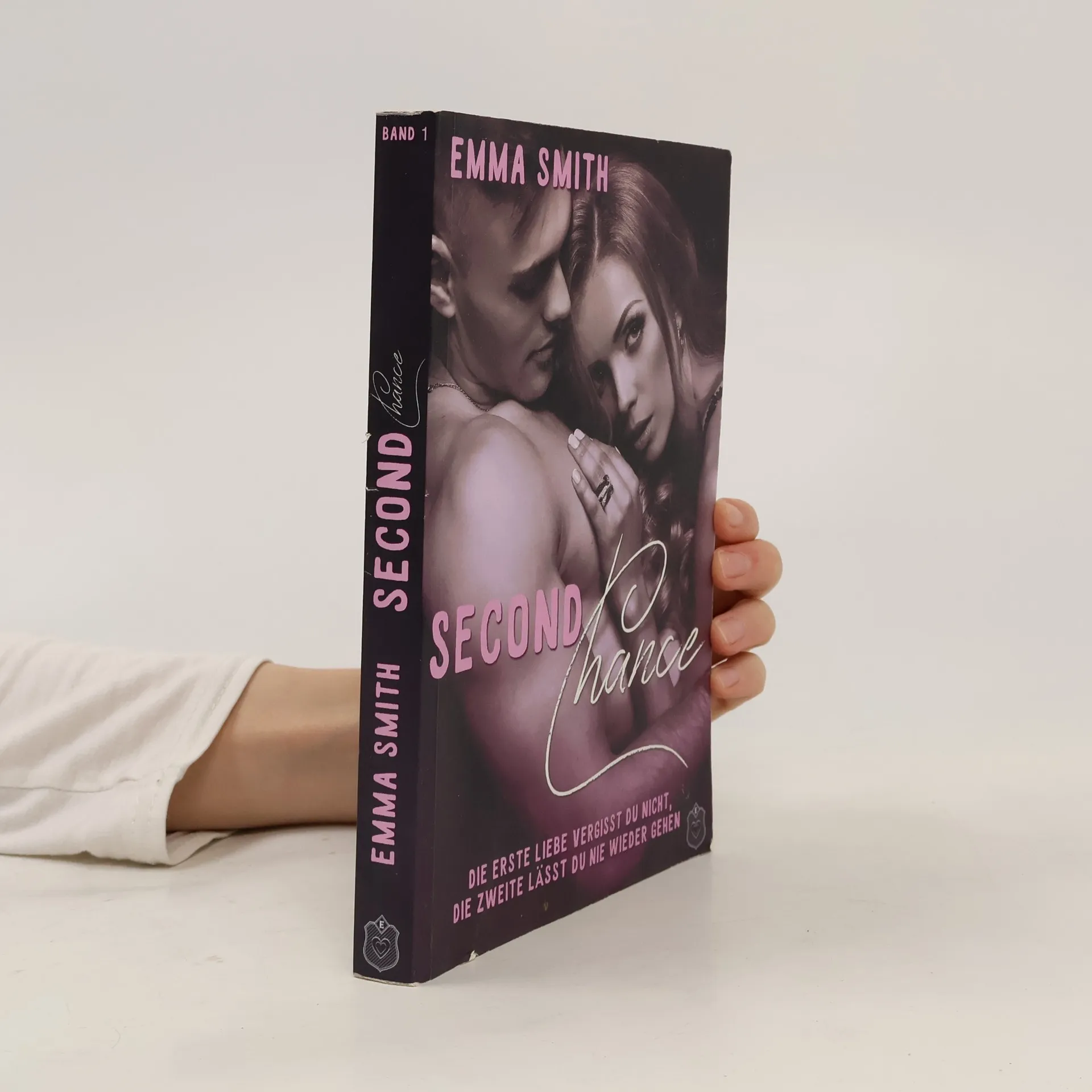
Die Erste Liebe vergisst du nicht, die Zweite lässt du nie wieder gehen
Elly hat in ihrem Leben schon so einiges erlebt. Gezeichnet durch schwere Schicksalsschläge meidet sie seit Jahren jedes Gefühl. Hass, Wut oder Liebe hat sie schon lang nicht mehr gespürt. Doch als der attraktive Devon neben ihr einzieht, ändert sich alles. Ellys Gefühle drängen immer mehr an die Oberfläche. Devon ist alles, was sie nicht will, und doch kann sie ihn nicht einfach ignorieren. Langsam aber sicher fühlt sie sich zu diesem arroganten und fiesen Unterground-Boxer hingezogen. Wäre da nicht seine Freundin, die ständige Geheimniskrämerei und vor allem die Frage: Kann man sein Herz verschenken, obwohl es eigentlich schon immer jemand anderem gehört hat?
Lily St. James wollte den Abend nur mit einem überaus fragwürdig riechenden Quinoasalat und einer kitschigen Liebesschnulze verbringen. Am Ende hängen fremde Lippen an ihr, weil der Typ sich im Zimmer geirrt hat. Niemals hätte sie gedacht, eben diesen Kerl zwei Jahre später nicht mehr missen zu wollen. Shawn Frady ist bekannt dafür, Reißaus zu nehmen, sobald Frauen etwas Ernstes wollen. Nur bei Lily macht er eine Ausnahme. Sie hat Grips, isst ihm die Gurken vom Sandwich und Filmabende mit ihr sind sein Highlight geworden. Er wäre doch ziemlich blöd, diese einzigartige Freundschaft aufs Spiel zu setzen, nur um ein bisschen Spaß im Bett zu haben. Das Problem an der Sache: er fühlt sich immer stärker zu diesem kleinen Sturkopf hingezogen und Lily ist nicht mal bewusst, wie verrückt sie ihn macht.Wenn Gefühle dir Angst machen und Freundschaft nicht mehr ausreicht ... Was würdest du tun?Die Geschichte ist ein Einzelroman. Das Taschenbuch entspricht 225 Seiten.Leserstimmen:Meine Lachmuskeln tun mir schon weh. Lilly und Shawn sind der Hammer! Oh ja, man merkt, wie die Autorinnen beim Schreiben harmonieren.Da habt ihr eine wunderschöne und sehr romantische Geschichte geschrieben. Mich hat sie sehr berührt.Witzig, frech und toll, herzzerreißend schön. Genau mein Geschmack!Eine blau gefärbte ***** ? Scheiße, das ist zu geil! Ihr seid der Hit!
Kennst du einen Biker, kennst du alle Biker. Oder etwa nicht?DexVor drei Monaten habe ich das Erbe meines Vaters angetreten und bin nun Präsident der Flying Demons. Aber seit eben diesen drei Monaten hat sich nicht nur mein Stand im Klub verändert.Ich hinterfrage Dinge und will sie besser machen.Und das hat einzig sie bewirkt.Die White Outlaws dachten tatsächlich, sie könnten etwas aus mir herausbekommen, als sie mich in diese Zelle steckten, stattdessen geht mir die toughe Fremde aus der Nebenzelle nicht mehr aus dem Kopf.Ich weiß weder, wie sie aussieht, noch wer sie in Wirklichkeit ist. Aber eines weiß ich: Sie gehört zu mir!LizEr war ein Fremder für mich, obwohl sich das nicht so angefühlt hat. Denn er hat mir Kraft gegeben, als ich glaubte, keine mehr zu besitzen.Niemals hätte ich gedacht, ihm jemals wieder zu begegnen. Und dann steht er doch vor mir.Ich darf und werde diese Gefühle nicht zulassen. Zu viel steht auf dem Spiel.Ich will neu anfangen und brauche nicht noch einen Biker, der kein Nein akzeptiert. Und selbst wenn ich alle meine Prinzipien über Bord werfen würde, es wäre zu gefährlich.Denn falls ich Ja zu Dex sagen würde, gäbe es noch immer die White Outlaws und deren Anführer, der alles und jeden töten würde, nur um mich zu besitzen.Die Geschichte ist in sich abgeschlossen.
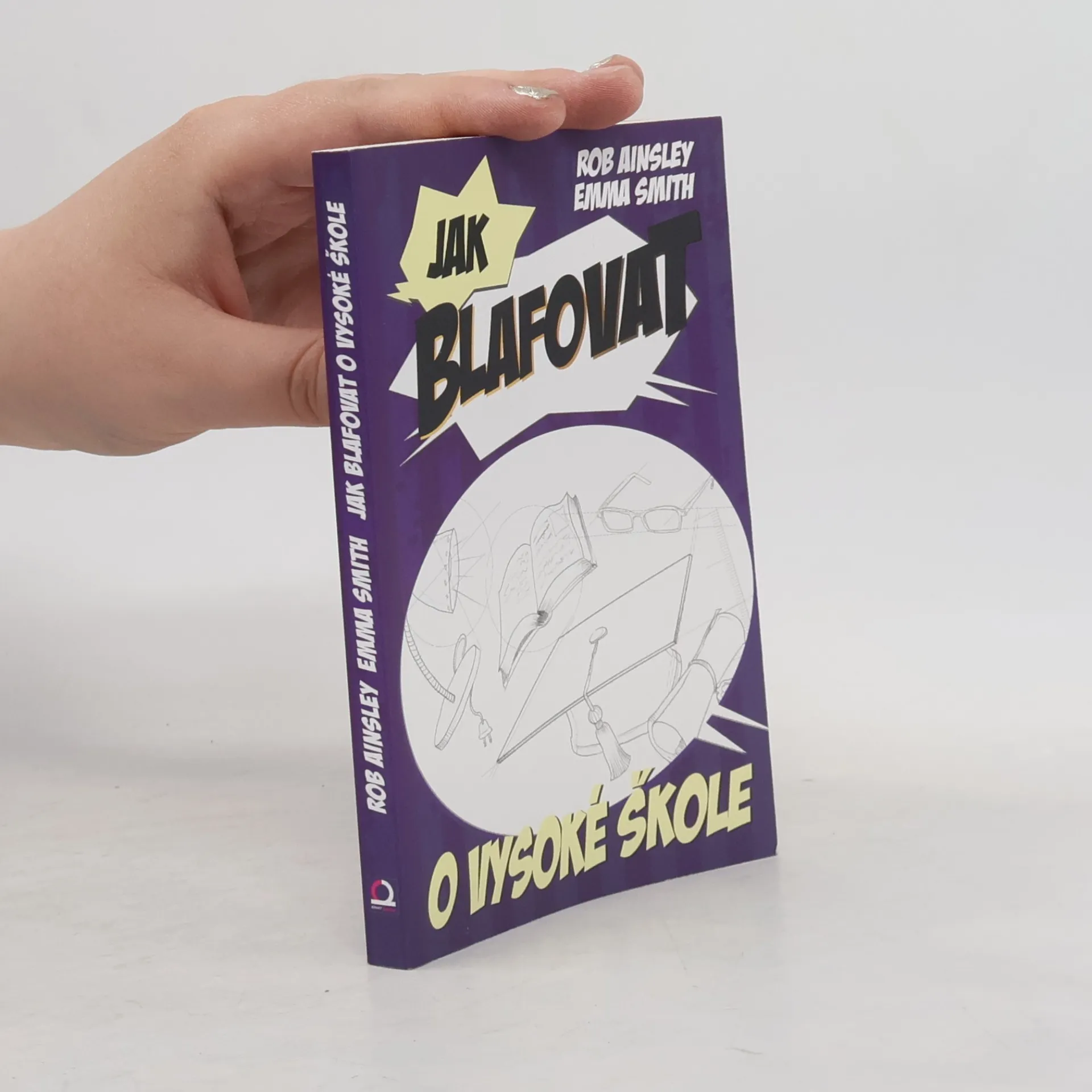
Chystáte se do společnosti, kterou tvoří samí intelektuálové s nejméně jednou, ale spíše více vystudovanými vysokými školami? Nevyznáte se ve zkratkách nejrůznějších akademických titulů? Svět vysokoškoláků je specifické prostředí, které má své zákony a zákonitosti. Stačí několik chvil s touto knihou a bude vám jasné, do jaké země a na kterou univerzitu odejít studovat, který titul má největší hodnotu, o čem se bavit na bujarých večírcích na koleji i to, jak to zařídit, abyste na škole vydrželi co nejdéle a prodloužili si tak sladký studentský život. Nemusíte si kupovat akademický titul, mnohem důležitější je vlastnit tuto knihu.
Když jednou odpoledne ukončil pan učitel ve welšské vesnici Colvě předčasně vyučování, protože se blížila nebezpečná sněhová bouře, a když školní auta rozvezla děti do jejich domovů v okolních osadách a na samotách, Amy Bowenová jistě neočekávala, že by ji v příštích několikadnech mohlo potkat něco neobvyklého.