
Explore the latest books of this year!
Bookbot

Hans Rosling

    July 27, 1948 – February 7, 2017

    Hans Rosling was a Swedish physician and academic, renowned for his engaging method of presenting data. His work focused on using statistics to understand global development trends and debunk persistent myths about the world. Through his presentations, including notable TED Talks, he employed visualizations to make complex data accessible and comprehensible to a wide audience. Rosling believed in the power of data for informed decision-making and aimed to share knowledge to foster positive global change.

    Hans Rosling
    Factfulness
    Cómo aprendí a entender el mundo
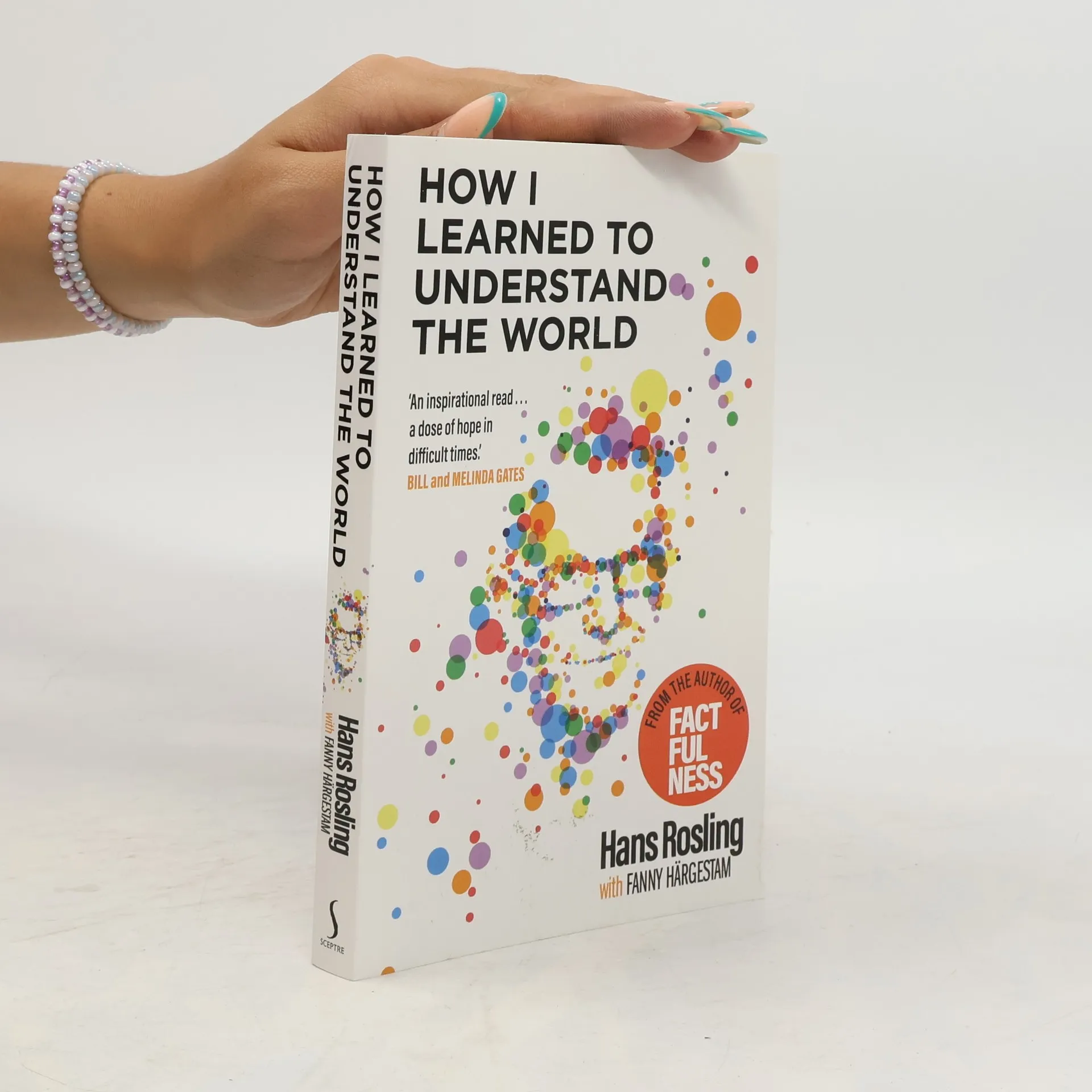
    How I Learned to Understand the World
    Factfulness
    Factfulness
    • Factfulness

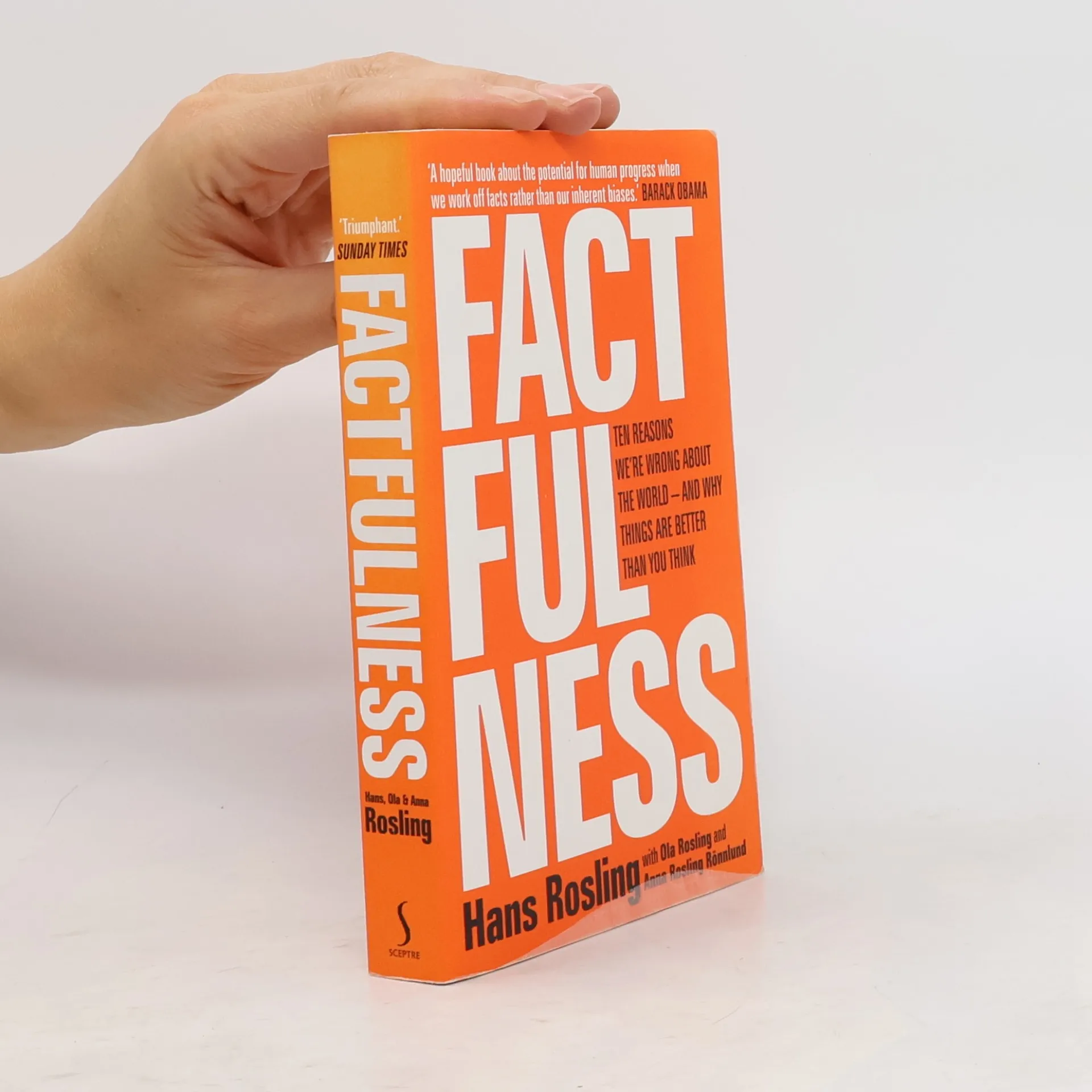
      Ten Reasons We're Wrong About The World - And Why Things Are Better Than You Think

      4.4(3624)Add rating

      When asked simple questions about global trends -- what percentage of the world's population live in poverty; why the world's population is increasing; how many girls finish school -- we systematically get the answers wrong. So wrong that a chimpanzee choosing answers at random will consistently outguess teachers, journalists, Nobel laureates, and investment bankers. Professor and TED presenter Hans Rosling, together with his two long-time collaborators, Anna and Ola, offers a radical explanation of why this happens. They reveal the ten instincts that distort our perspective. It turns out that the world, for all its imperfections, is in a much better state than we might think. But when we worry about everything all the time instead of embracing a worldview based on facts, we can lose our ability to focus on the things that threaten us most.

      Factfulness
    • Factfulness

      • 352 pages
      • 13 hours of reading
      4.4(585)Add rating

      "When asked simple questions about global trends--what percentage of the world's population live in poverty; why the world's population is increasing; how many girls finish school -- we systematically get the answers wrong. So wrong that a chimpanzee choosing answers at random will consistently outguess teachers, journalists, Nobel laureates, and investment bankers. Professor and TED presenter Hans Rosling, together with his two long-time collaborators, Anna and Ola, offers a radical explanation of why this happens. They reveal the ten instincts that distort our perspective, from our tendency to divide the world into two camps (usually some version of us and them) to the way we consume media (where fear rules) to how we perceive progress (believing that most things are getting worse). Our problem is that we don't know what we don't know, and even our guesses are informed by unconscious and predictable biases. It turns out that the world, for all its imperfections, is in a much better state than we might think. That doesn't mean there aren't real concerns. But when we worry about everything all the time instead of embracing a worldview based on facts, we can lose our ability to focus on the things that threaten us most."-- Provided by publisher

      Factfulness
    • Factfulness

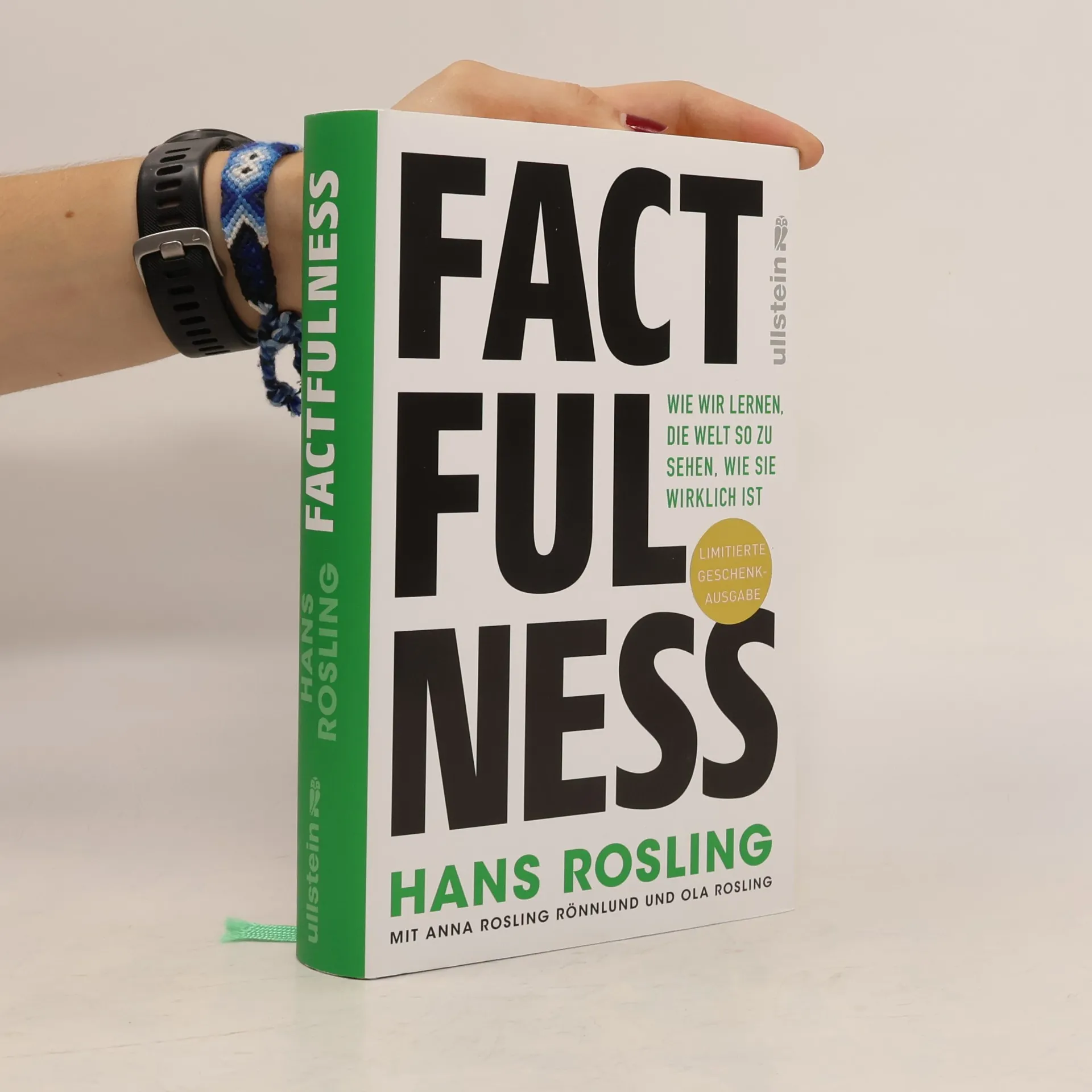
      Wie wir lernen, die Welt so zu sehen, wie sie wirklich ist | Der Bestseller zum Erreichen einer offenen Geisteshaltung für Ansichten und Urteile, die nur auf soliden Fakten basieren

      Es wird alles immer schlimmer, eine schreckliche Nachricht jagt die andere: Die Reichen werden reicher, die Armen ärmer. Es gibt immer mehr Kriege, Gewaltverbrechen, Naturkatastrophen. Viele Menschen tragen solche beängstigenden Bilder im Kopf. Doch sie liegen damit grundfalsch. Unser Gehirn verführt uns zu einer dramatisierenden Weltsicht, die mitnichten der Realität entspricht, wie der geniale Statistiker und Wissenschaftler Hans Rosling erklärt. Wer das Buch gelesen hat, wird • ein sicheres, auf Fakten basierendes Gerüst besitzen, um die Welt so zu sehen, wie sie wirklich ist • die zehn gängigsten Arten von aufgebauschten Geschichten erkennen • bessere Entscheidungen treffen können • wahre Factfulness erreichen – jene offene, neugierige und entspannte Geisteshaltung, in der Sie nur noch Ansichten teilen und Urteile fällen, die auf soliden Fakten basieren

      Factfulness