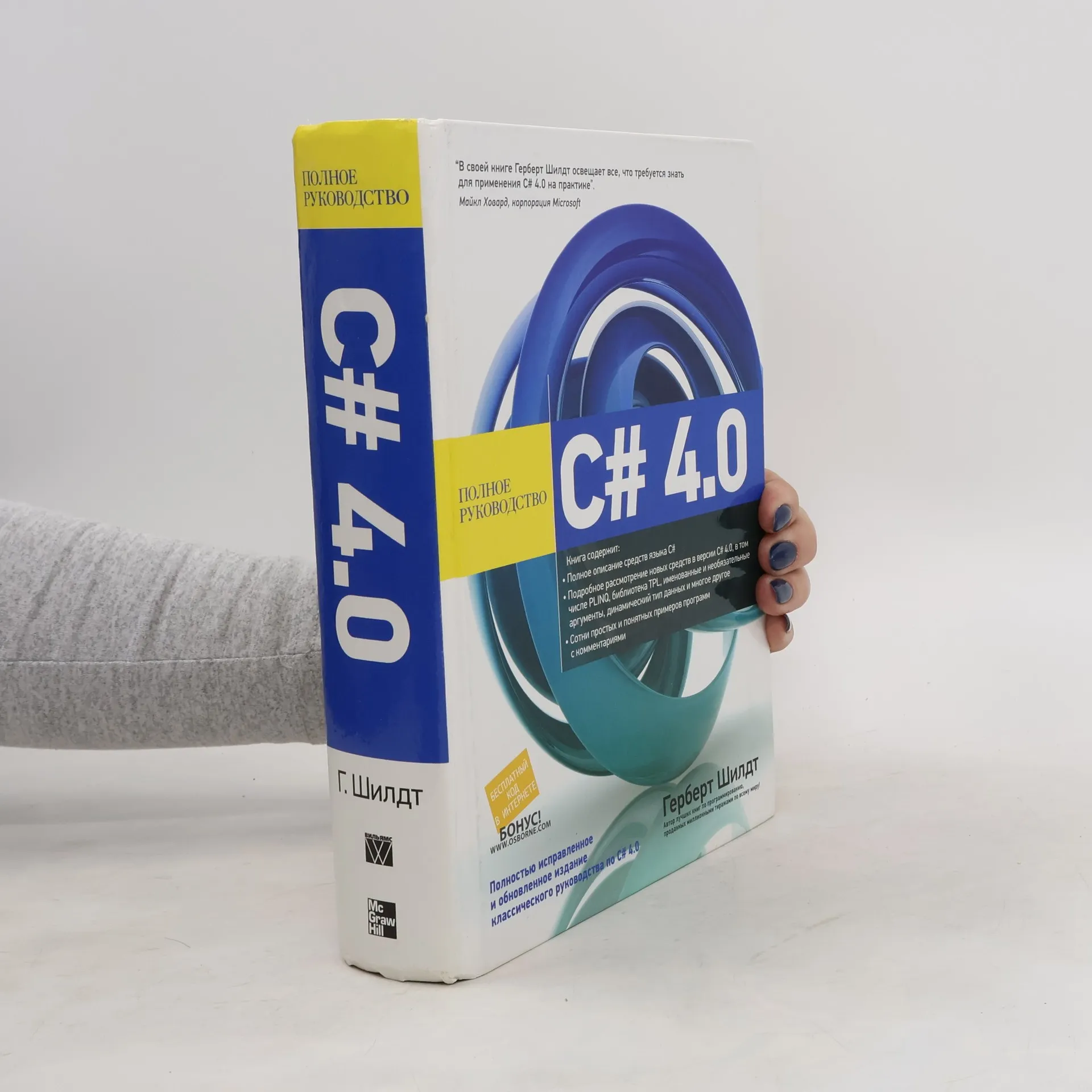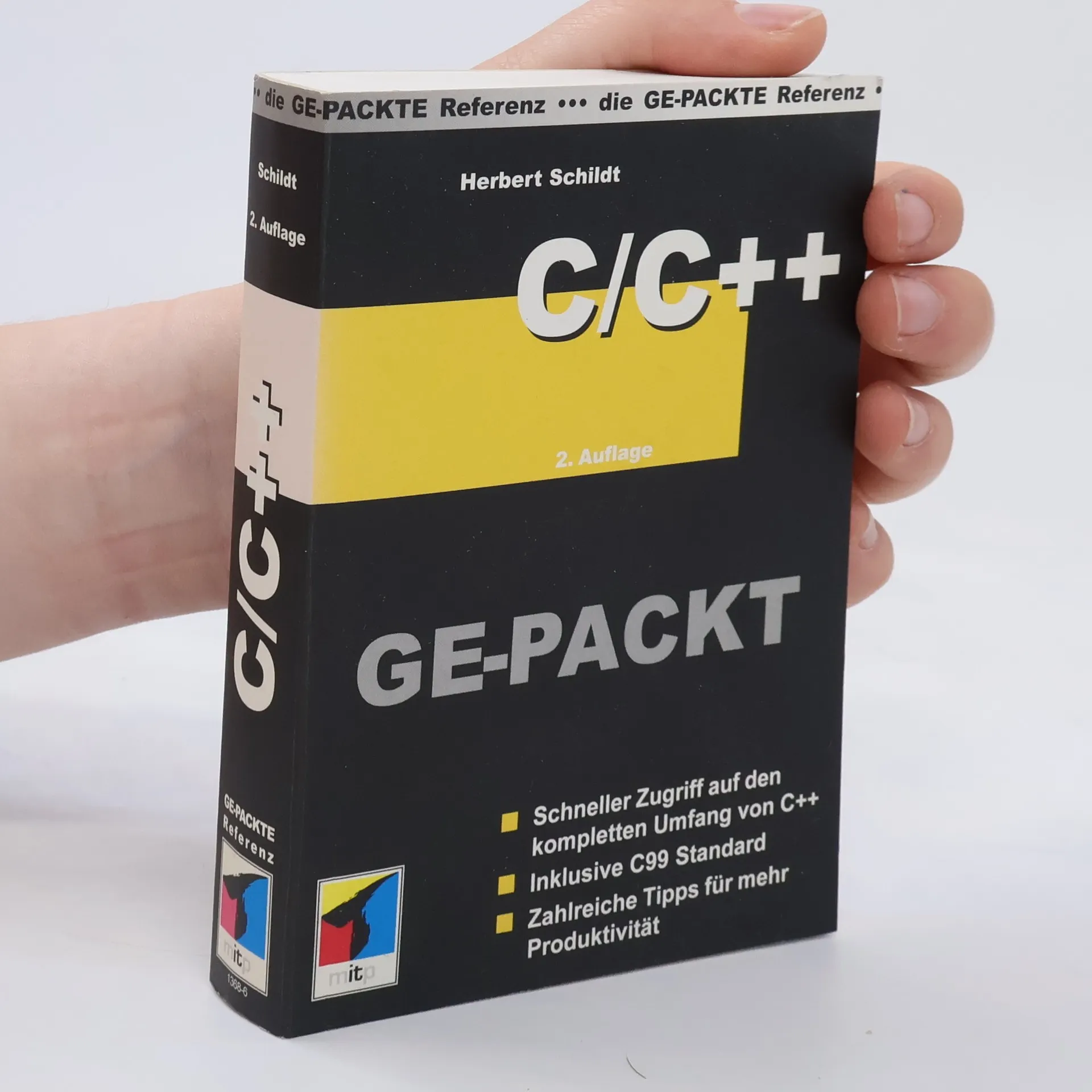
Explore the latest books of this year!
Bookbot

Herbert Schildt

    February 28, 1951

    Herbert Schildt is an author whose work extensively covers programming languages such as Java, C++, C, and C#. His books have achieved millions of sales globally and have been widely translated. Schildt's primary focus lies in computer languages and their standardization, an area where he has made significant contributions. His involvement in the ANSI and ISO committees for the standardization of C and C++ highlights his deep expertise and influence in shaping these fundamental programming languages.

    Herbert Schildt
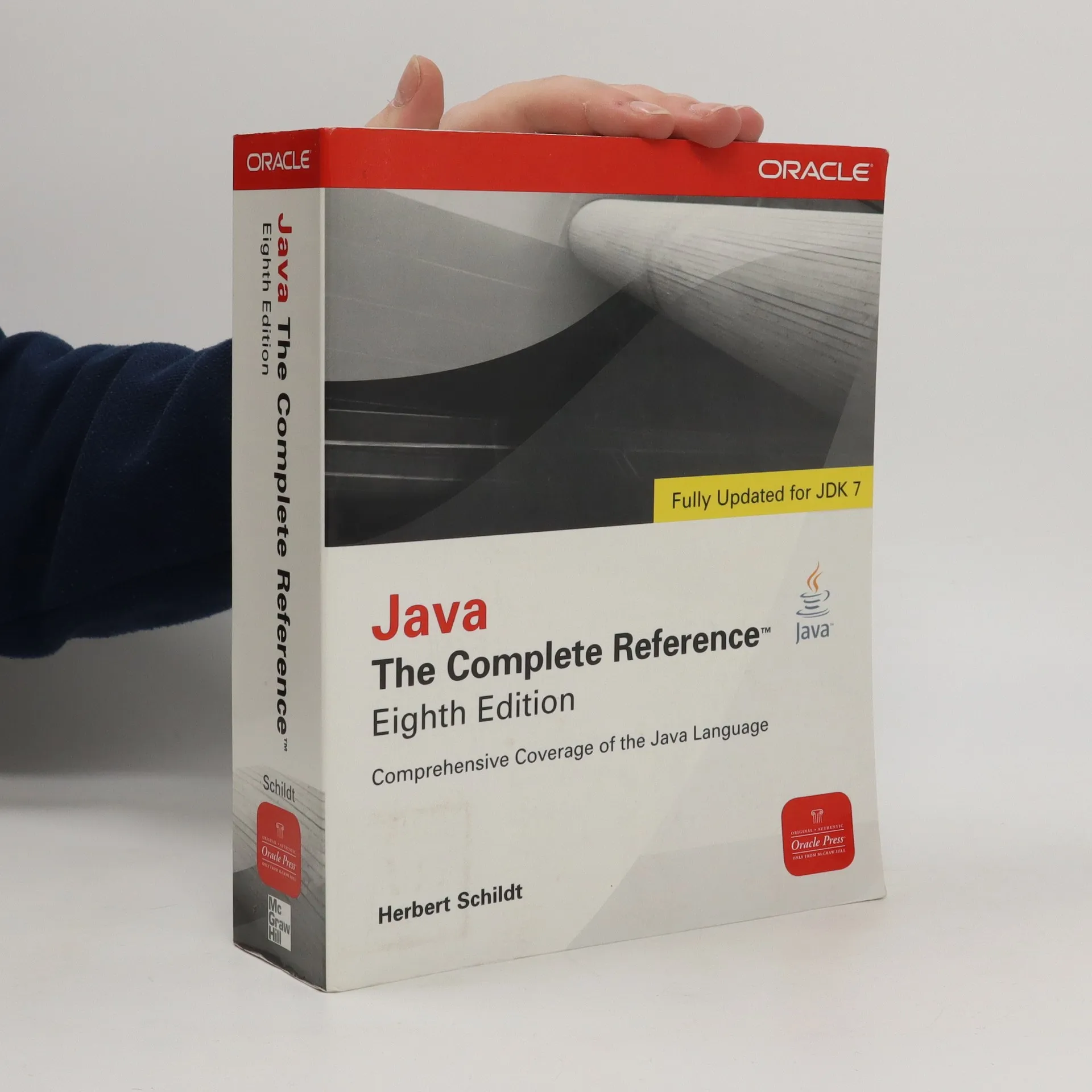
    Java : The Complete Reference
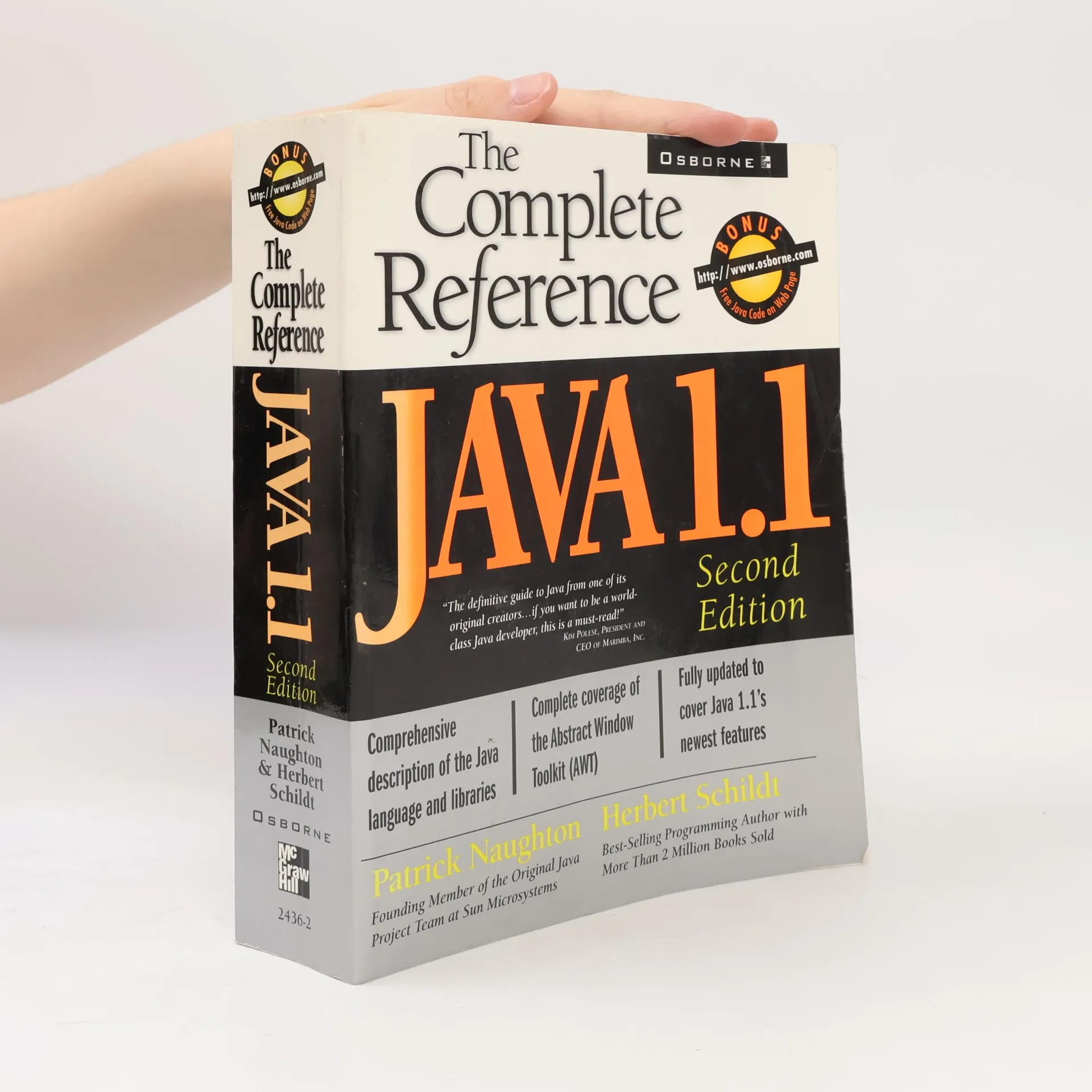
    Java: The Complete Reference, Ninth Edition
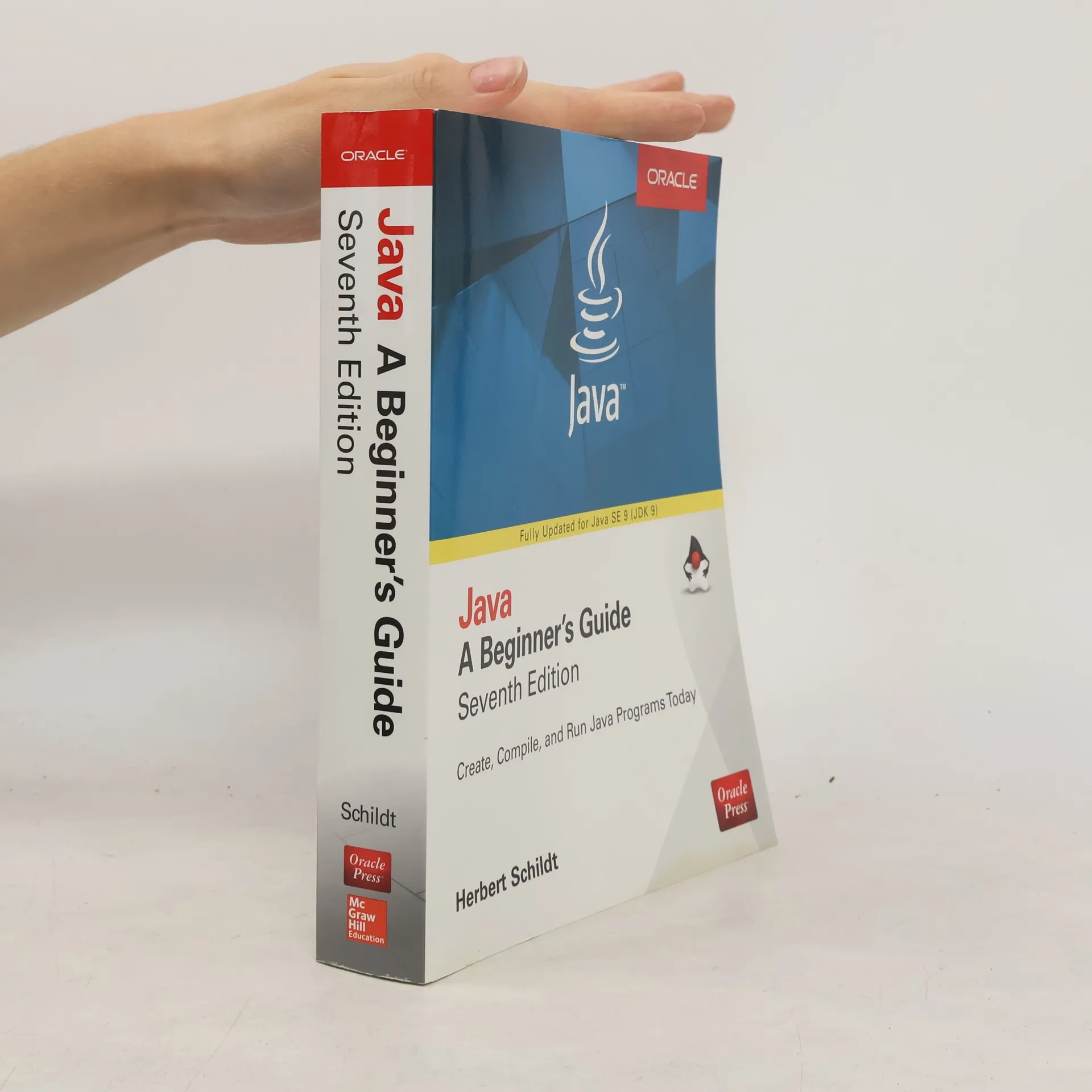
    Java: A beginner's guide
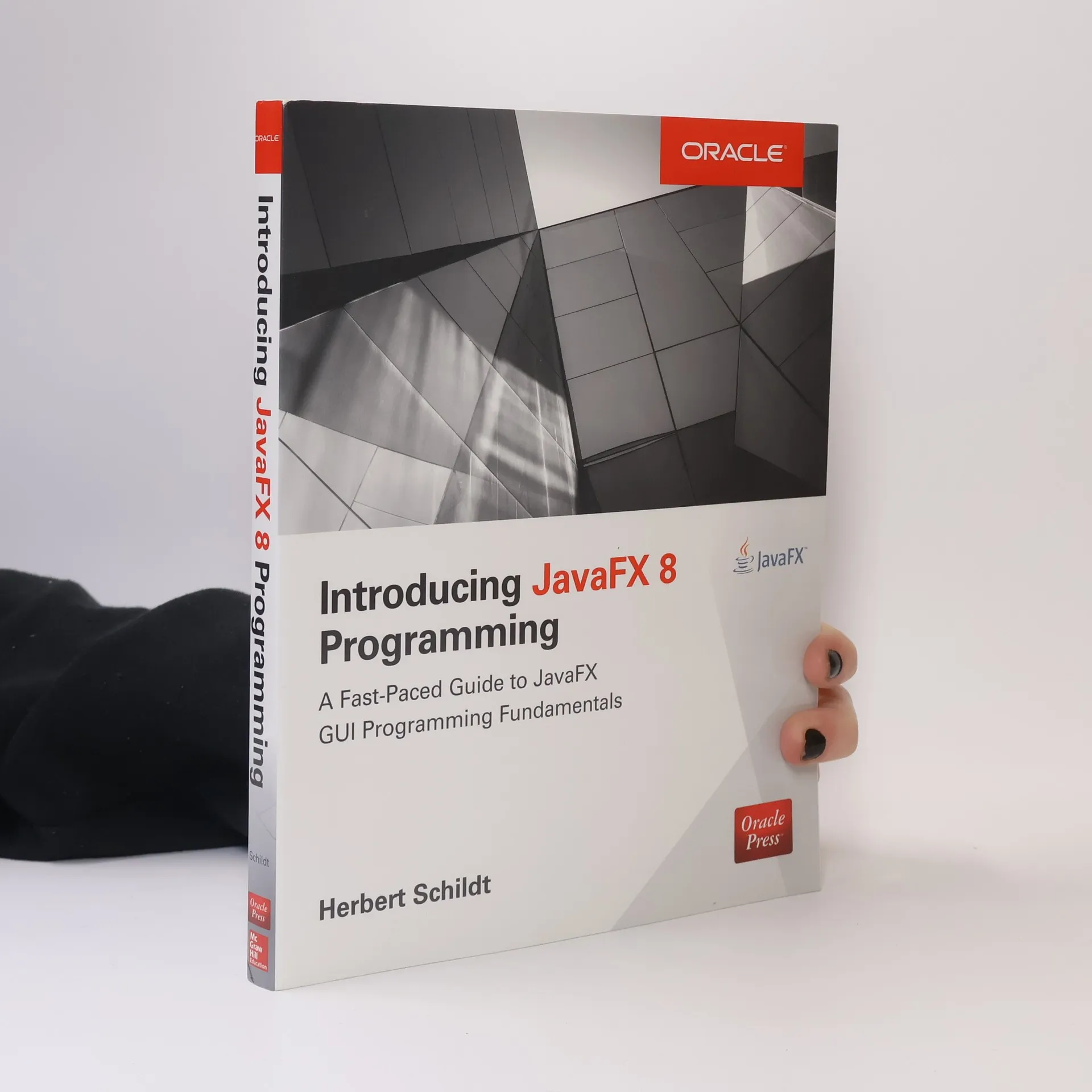
    Introducing JavaFX 8 Programming
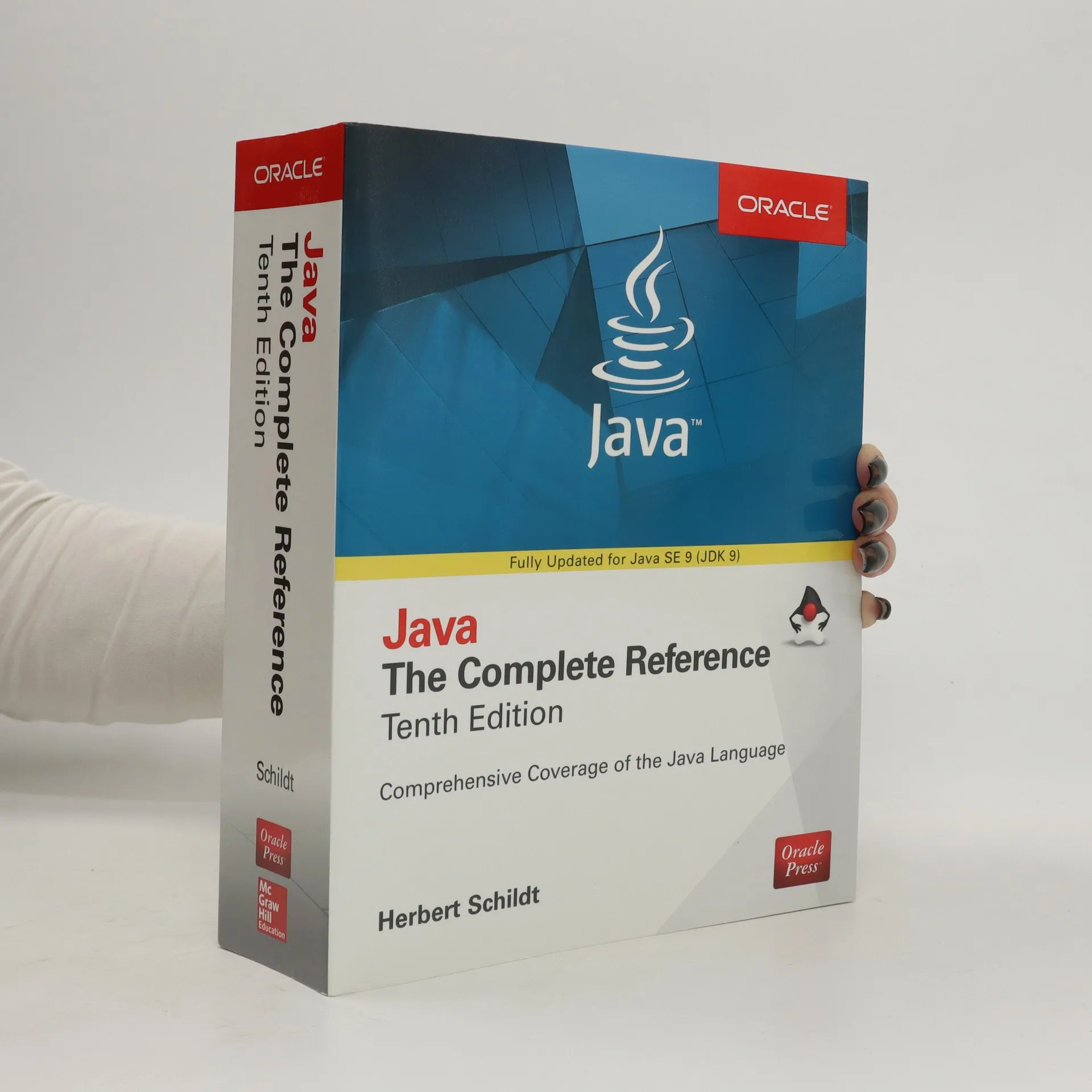
    Java. The Complete Reference. Tenth Edition
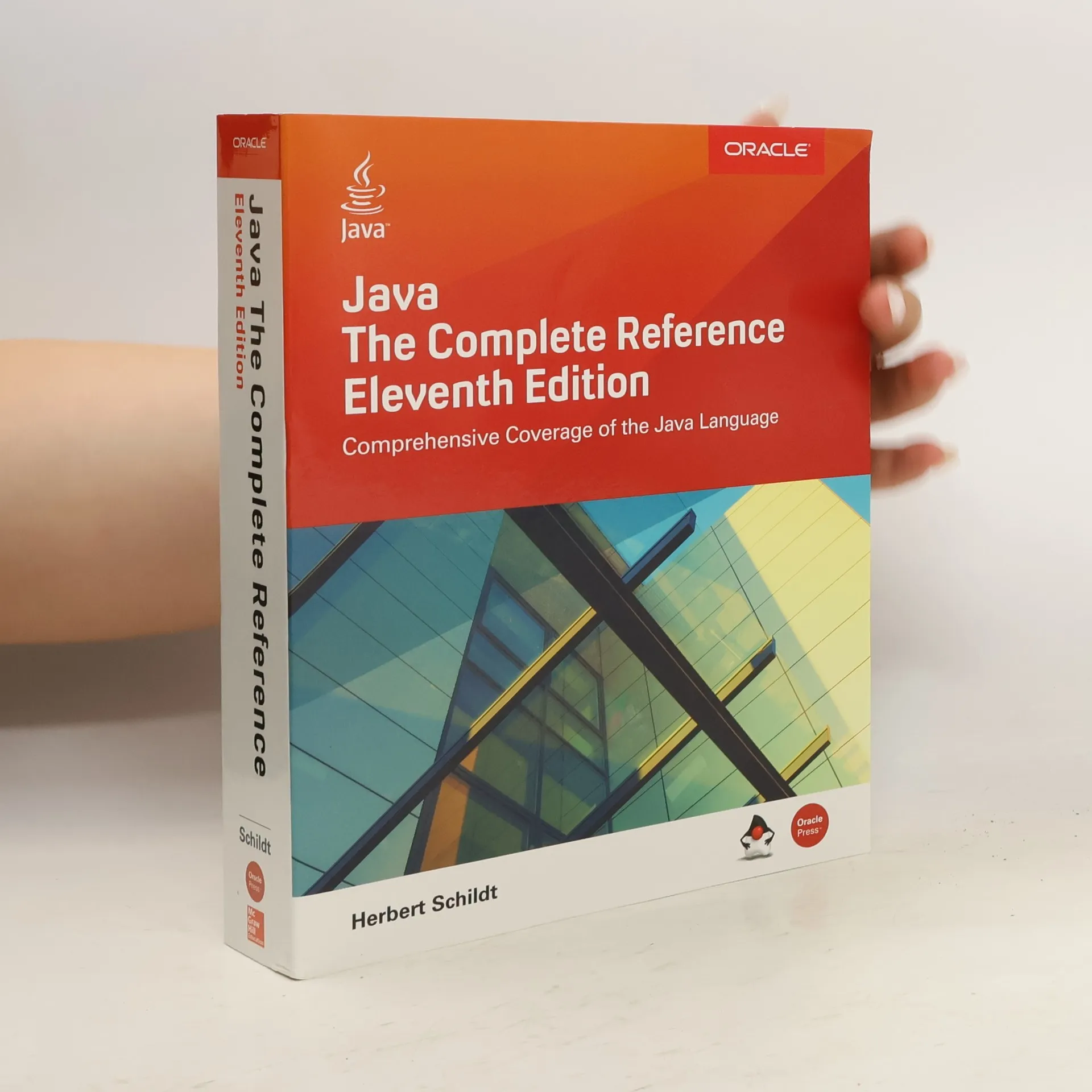
    Java. The Complete Reference. Eleventh Edition
    • Fully updated for Java SE 11, Java: The Complete Reference, Eleventh Edition explains how to develop, compile, debug, and run Java programs. Best-selling programming author Herb Schildt covers the entire Java language, including its syntax, keywords, and fundamental programming principles. You'll also find information on key portions of the Java API library, such as I/O, the Collections Framework, the stream library, and the concurrency utilities. Swing, JavaBeans, and servlets are examined and numerous examples demonstrate Java in action. Of course, the very important module system is discussed in detail. This Oracle Press resource also offers an introduction to JShell, Java's interactive programming tool. Best of all, the book is written in the clear, crisp, uncompromising style that has made Schildt the choice of millions worldwide
      Java. The Complete Reference. Eleventh Edition
      4.7
    • Java. The Complete Reference. Tenth Edition

      • 1344 pages
      • 48 hours of reading

      "Fully updated for Java SE 9, Java: The Complete Reference, Tenth Edition explains how to develop, compile, debug, and run Java programs. Bestselling programming author Herb Schildt covers the entire Java language, including its syntax, keywords, and fundamental programming principles. You'll also find information on key portions of the Java API library, such as I/O, the Collections Framework, the stream library, and the concurrency utilities. Swing, JavaFX, JavaBeans, and servlets are examined and numerous examples demonstrate Java in action. Of course, the new module system added by Java SE 9 is discussed in detail. This Oracle Press resource also offers an introduction to JShell, Java's new interactive programming tool"-- Provided by publisher

      Java. The Complete Reference. Tenth Edition
      4.6
    • Introducing JavaFX 8 Programming

      A Fast-Paced Guide to JavaFX GUI Programming Fundamentals

      • 280 pages
      • 10 hours of reading

      Publisher's Note: Products purchased from Third Party sellers are not guaranteed by the publisher for quality, authenticity, or access to any online entitlements included with the product. Learn the fundamentals of JavaFX 8 from programming guru Herb Schildt. This practical guide offers a fast-paced introduction to JavaFX, Java's next-generation GUI programming framework. Schildt covers essential topics and concepts for developing modern, dynamic JavaFX GUI applications. The book starts with the basics, including the general structure of a JavaFX program, and progresses to event handling, controls, images, fonts, layouts, effects, transforms, animations (including 3-D), menus, and more. Complete examples illustrate key topics and techniques. Aimed at Java programmers, the book focuses on the JavaFX API, with all examples written in Java. Readers will learn the general form of a JavaFX program, work with scenes and stages, understand event handling, explore various controls like buttons and list views, manage images and fonts, utilize the JavaFX menu system, apply visual effects and transforms, incorporate 2-D and 3-D animations, present data in JavaFX charts, and display web-based content using WebView and WebEngine.

      Introducing JavaFX 8 Programming
      4.0
    • Java: A beginner's guide

      • 752 pages
      • 27 hours of reading

      "Fully updated for Java Platform, Standard Edition 9 (Java SE 9), Java: A Beginner's Guide, Seventh Edition, gets you started programming in Java right away. Bestselling programming author Herb Schildt begins with the basics, such as how to create, compile, and run a Java program. He then moves on to the keywords, syntax, and constructs that form the core of the Java language. The book also covers some of Java's more advanced features, including multithreaded programming, generics, lambda expressions, Swing, and JavaFX. This practical Oracle Press guide features details on Java SE 9's innovative new module system, and, as an added bonus, it includes an introduction to JShell, Java's new interactive programming tool"-- Provided by publisher

      Java: A beginner's guide
      4.2
    • Java: The Complete Reference, Ninth Edition

      • 1312 pages
      • 46 hours of reading

      The Definitive Java Programming Guide Fully updated for Java SE 8, Java: The Complete Reference, Ninth Edition explains how to develop, compile, debug, and run Java programs. Bestselling programming author Herb Schildt covers the entire Java language, including its syntax, keywords, and fundamental programming principles, as well as significant portions of the Java API library. JavaBeans, servlets, applets, and Swing are examined and real-world examples demonstrate Java in action. New Java SE 8 features such as lambda expressions, the stream library, and the default interface method are discussed in detail. This Oracle Press resource also offers a solid introduction to JavaFX. Coverage includes: Data types, variables, arrays, and operators Control statements Classes, objects, and methods Method overloading and overriding Inheritance Interfaces and packages Exception handling Multithreaded programming Enumerations, autoboxing, and annotations The I/O classes Generics Lambda expressions String handling The Collections Framework Networking Event handling AWT and Swing The Concurrent API The Stream API Regular expressions JavaFX JavaBeans Applets and servlets Much, much more

      Java: The Complete Reference, Ninth Edition
      4.2
    • Java : The Complete Reference

      • 1152 pages
      • 41 hours of reading

      The Definitive Java Programming Guide In Java: The Complete Reference, Eighth Edition, bestselling programming author Herb Schildt shows you everything you need to develop, compile, debug, and run Java programs. Updated for Java Platform, Standard Edition 7 (Java SE 7), this comprehensive volume covers the entire Java language, including its syntax, keywords, and fundamental programming principles. You'll also find information on key elements of the Java API library. JavaBeans, servlets, applets, and Swing are examined and real-world examples demonstrate Java in action. In addition, new Java SE 7 features such as try-with-resources, strings in switch, type inference with the diamond operator, NIO.2, and the Fork/Join Framework are discussed in detail. Coverage includes: Data types and operators Control statements Classes and objects Constructors and methods Method overloading and overriding Interfaces and packages Inheritance Exception handling Generics Autoboxing Enumerations Annotations The try-with-resources statement Varargs Multithreading The I/O classes Networking The Collections Framework Applets and servlets JavaBeans AWT and Swing The Concurrent API Much, much more

      Java : The Complete Reference
      4.1
    • The Definitive Java Programming Guide Fully updated for Java SE 17, Java™: The Complete Reference, Twelfth Edition explains how to develop, compile, debug, and run Java programs. Best-selling programming author Herb Schildt covers the entire Java language, including its syntax, keywords, and fundamental programming principles. You’ll also find information on key portions of the Java API library, such as I/O, the Collections Framework, the stream library, and the concurrency utilities. Swing, JavaBeans, and servlets are examined, and numerous examples demonstrate Java in action. Of course, recent additions to the Java language, such as records, sealed classes, and switch expressions are discussed in detail. Best of all, the book is written in the clear, crisp, uncompromising style that has made Schildt the choice of millions worldwide. Downloadable Code available on the Downloads and Resources tab on the book's page on mhprofessional dot com. Coverage includes:

      Java: The Complete Reference, Twelfth Edition
      4.0
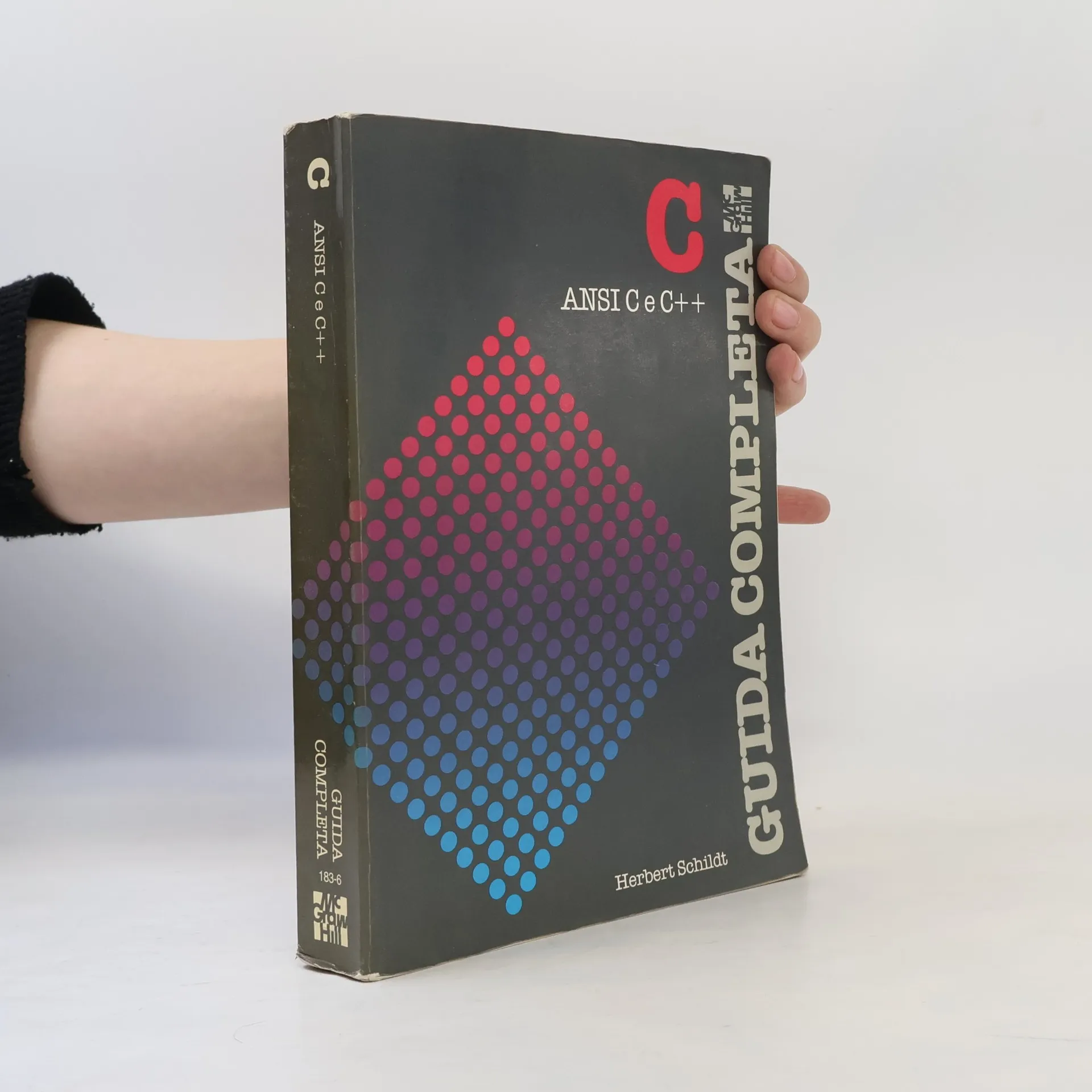
    • The ANSI C standard determines the primary specifications for programming in C for all types of environment. With agreement of the ANSI Committee, Herbert Schildt presents the standard with his own tips and insights. He offers explanations of even the most complicated topics, along with tips, insights and warnings, to help C programmers create functional and portable programs.

      The Annotated ANSI C Standard
      3.8
    • Java: A Beginner's Guide, Ninth Edition

      • 800 pages
      • 28 hours of reading

      "Thoroughly updated for Java Platform Standard Edition 17, this hands-on resource shows, step by step, how to get started programming in Java from the very first chapter. Written by Java guru Herbert Schildt, the book starts with the basics, such as how to create, compile, and run a Java program. From there, you will learn essential Java keywords, syntax, and commands. Java: A Beginner's Guide, Ninth Edition covers the basics and touches on advanced features, including multithreaded programming, generics, Lambda expressions, and Swing. Enumeration, modules, and interface methods are also clearly explained. This guide delivers the appropriate mix of theory and practical coding necessary to get you up and running developing Java applications in no time!"--Amazon.com

      Java: A Beginner's Guide, Ninth Edition
    • Thoroughly updated for Java Platform Standard Edition 21, this practical resource uses a proven, step-by-step approach to teach the fundamentals of Java. You will discover how to get started programming in Java from the very first chapter. Written by Java guru Herbert Schildt and updated by Dr. Danny Coward, the book starts with the basics, such as how to create, compile, and run a Java program. From there, you will learn essential Java keywords, syntax, and commands. Java: A Beginner's Guide, Tenth Edition covers the basics and touches on advanced features, including multithreaded programming, generics, Lambda expressions, and Swing. Enumeration, modules, and interface methods are also clearly explained. This proven guide delivers the appropriate mix of theory and practical coding necessary to get readers up and running developing their own Java applications from the ground up or customize existing code.

      Java: A Beginner's Guide, Tenth Edition
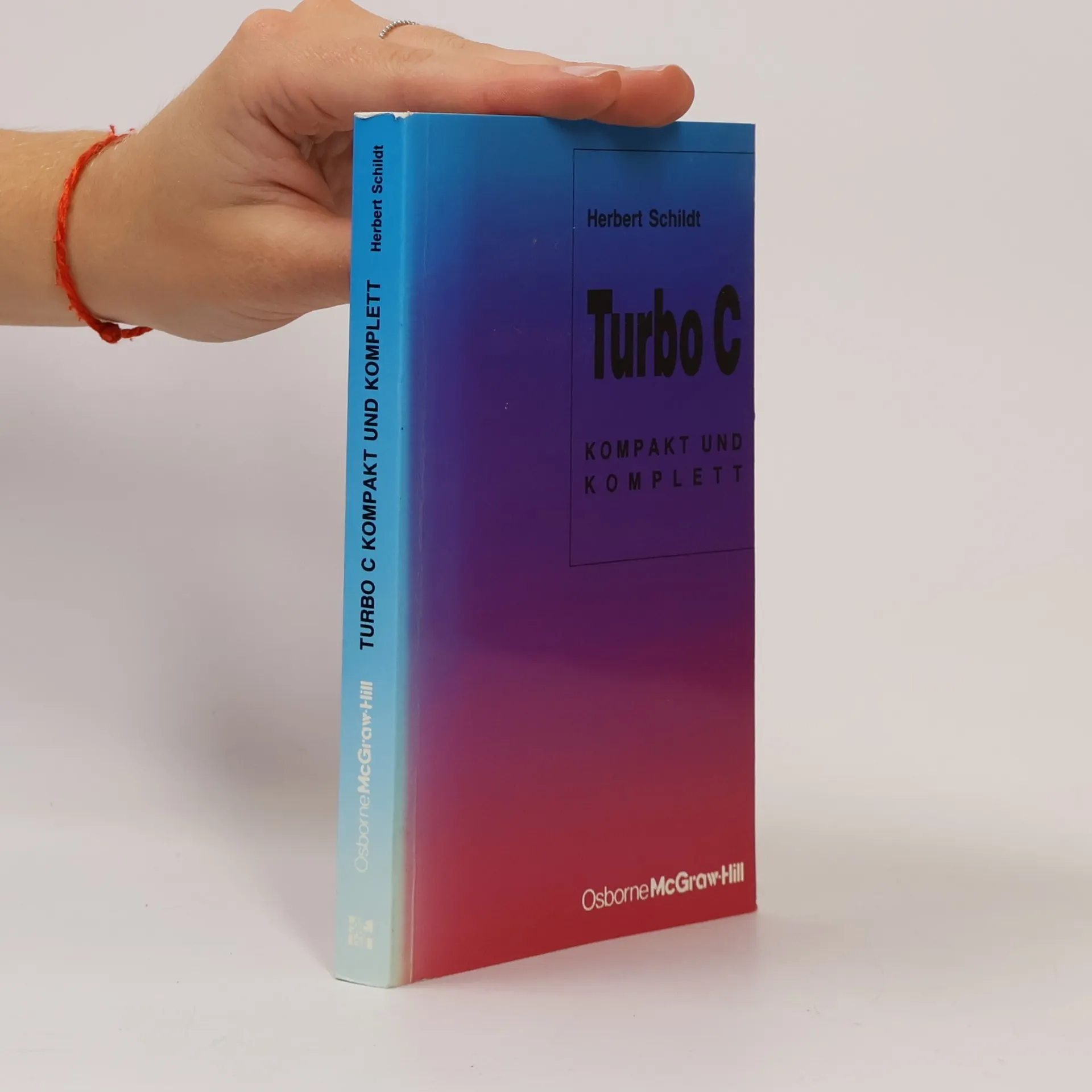
    • Previous computer experience is not necessary to understand this concise, well-organized introduction that's filled with short applications and exercises. Includes an overview of a computer system's components and step-by-step instructions on running DOS for the first time.

      DOS Made Easy
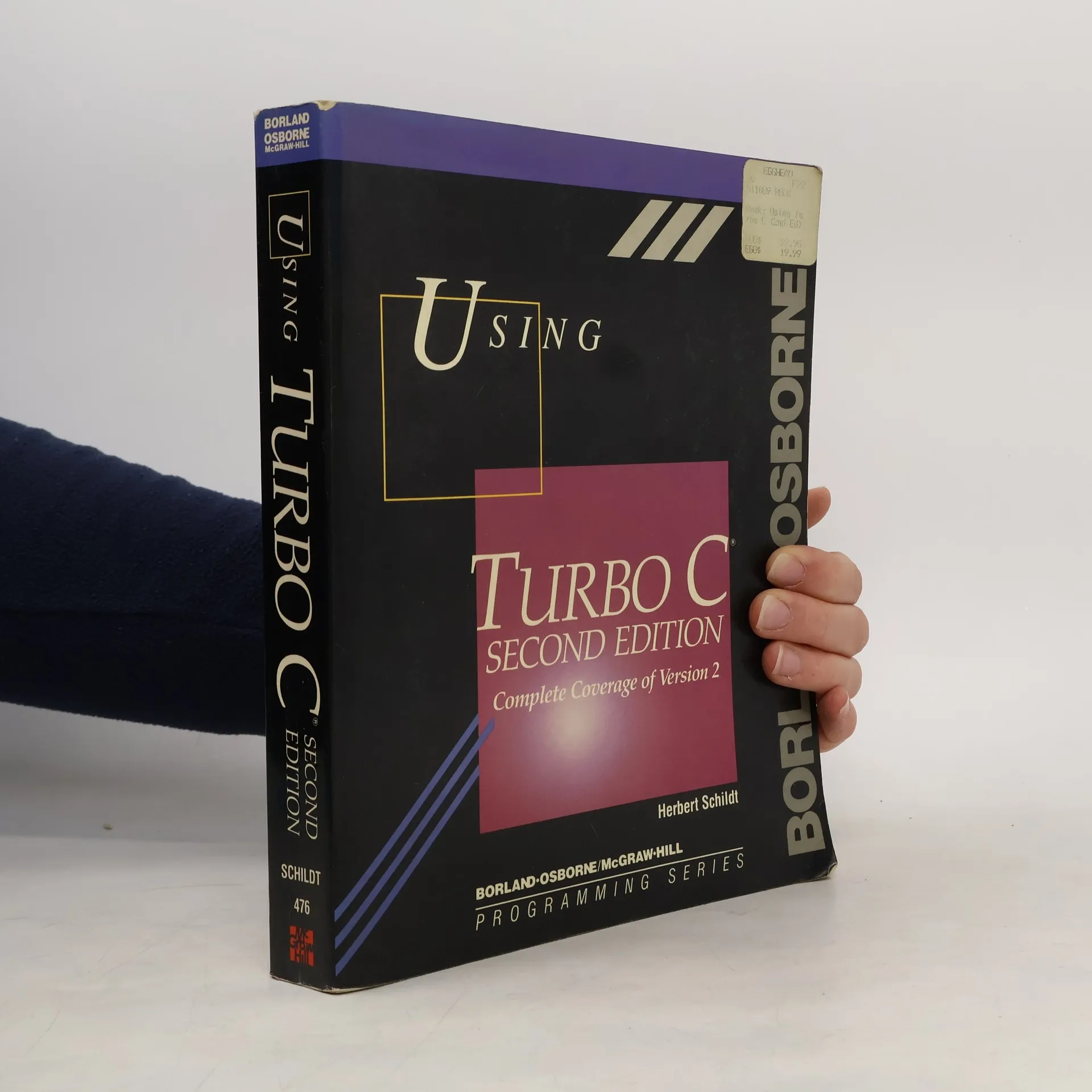
    • Programming Series: Using Turbo C

      Second Edition - Complete Coverage of Version 2

      • 516 pages
      • 19 hours of reading

      Covers the Turbo C integrated environment, compiling and linking, the editor, and many fundamental Turbo C concepts; program and control statements, functions, console and disk I/O, pointers and arrays, graphics; and more advanced concepts such as compiler directives, structures, unions, bitfields, enumerations and the Turbo C built-in debugger. No bibliography. Annotation copyright Book News, Inc. Portland, Or.

      Programming Series: Using Turbo C
    • Java. Przewodnik dla początkujących w.8

      • 552 pages
      • 20 hours of reading

      Java to najczęściej wybierany język programowania do zadań specjalnych, idealny do projektów wymagających wysokiego poziomu bezpieczeństwa i wydajności. Używana w zaawansowanych systemach bankowych oraz aplikacjach do zarządzania przedsiębiorstwami, Java sprawdzi się również w typowych projektach. Ta książka, poprawiona i zaktualizowana, wprowadza w świat Javy, oferując bezcenną wiedzę na temat składni, konstrukcji programowania obiektowego oraz obsługi wyjątków, strumieni i wątków. Dla tych, którzy chcą stworzyć atrakcyjny interfejs użytkownika z JavaFX, znajdą tu cenne informacje. Książka jest doskonała dla wszystkich pragnących poznać jeden z najbardziej cenionych języków programowania. Zawiera kluczowe umiejętności i pojęcia, wstępy do rozdziałów z listą omawianych zagadnień oraz sekcje pytań i odpowiedzi z dodatkowymi wskazówkami. Przykłady praktyczne ilustrują, jak wykorzystać nabyte umiejętności, a testy sprawdzające na końcu rozdziałów utrwalają wiedzę. Przykłady z komentarzami pomagają zrozumieć prezentowane techniki programistyczne. Poznaj możliwości Javy w wersji Java SE 8 JDK 8.

      Java. Przewodnik dla początkujących w.8
      4.0
    • Java od lat utrzymuje swoją wyjątkową pozycję jako język programowania, łącząc technologiczna dojrzałość z nowoczesnością. Jego twórcy kładą nacisk na programowanie rozwiązań internetowych, elastyczność i szybkość, co sprawia, że Java jest często pierwszym wyborem programistów. W dwunastym wydaniu tego kompendium, w pełni zaktualizowanym o nowości z Java SE 17, omówiono cały język Java, w tym składnię, słowa kluczowe i zasady programowania. Zawiera także informacje o bibliotece Java API, operacjach wejście-wyjście, bibliotece strumieni oraz technikach programowania współbieżnego. Opisano również bibliotekę Swing, JavaBeans i serwlety, a także liczne przykłady praktycznego zastosowania Javy. W książce szczegółowo przedstawiono najnowsze możliwości języka, takie jak rekordy, klasy zapieczętowane i wyrażenia switch. Podręcznik jest napisany w przejrzysty sposób, co ułatwia naukę, a poszczególne zagadnienia ilustrują przykłady kodu źródłowego. Kompendium jest przydatne zarówno dla początkujących, jak i profesjonalnych deweloperów, obejmując zasady programowania obiektowego, obsługę zdarzeń, moduły, wyrażenia lambda oraz wiele innych kluczowych tematów.

      Java. Kompendium programisty w.12
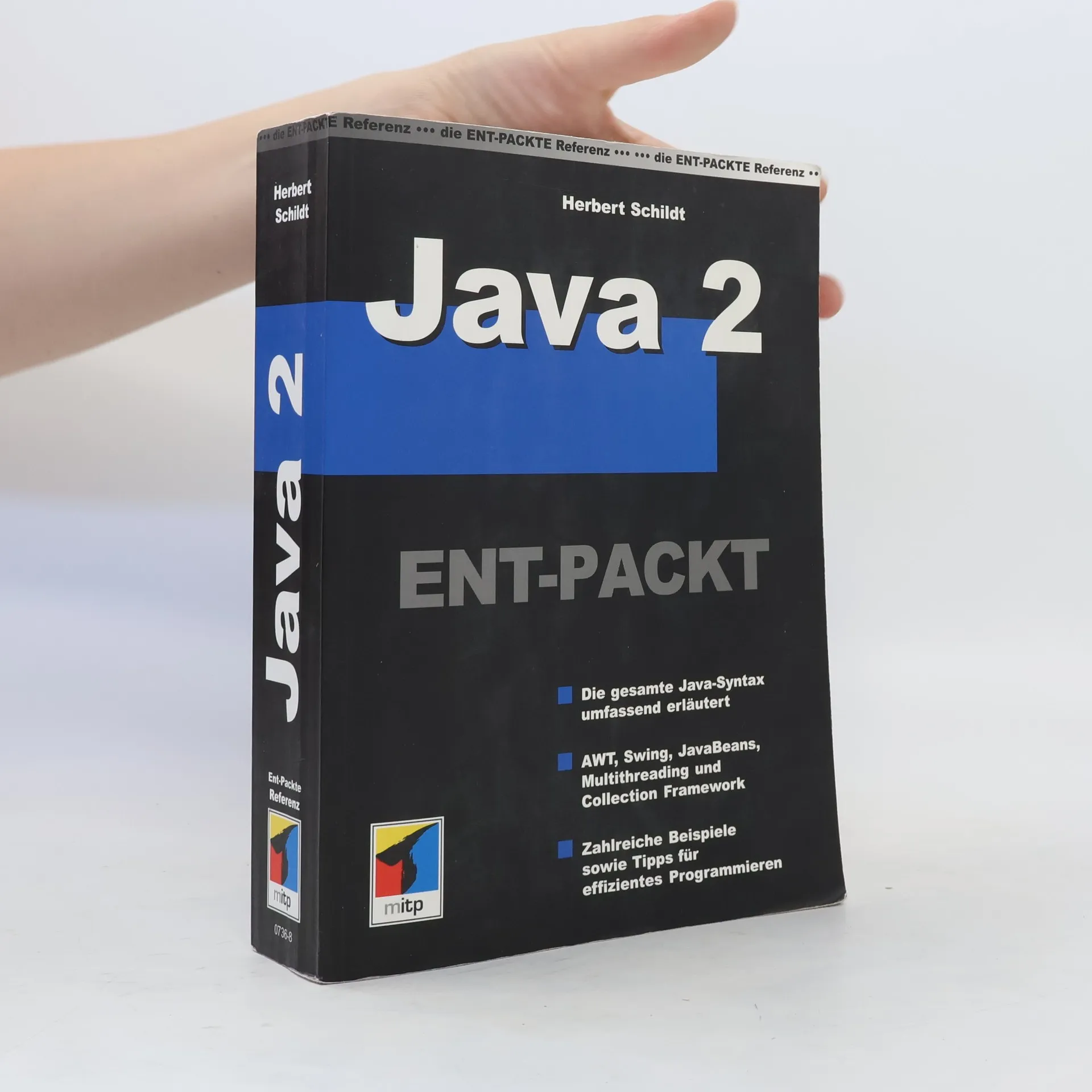
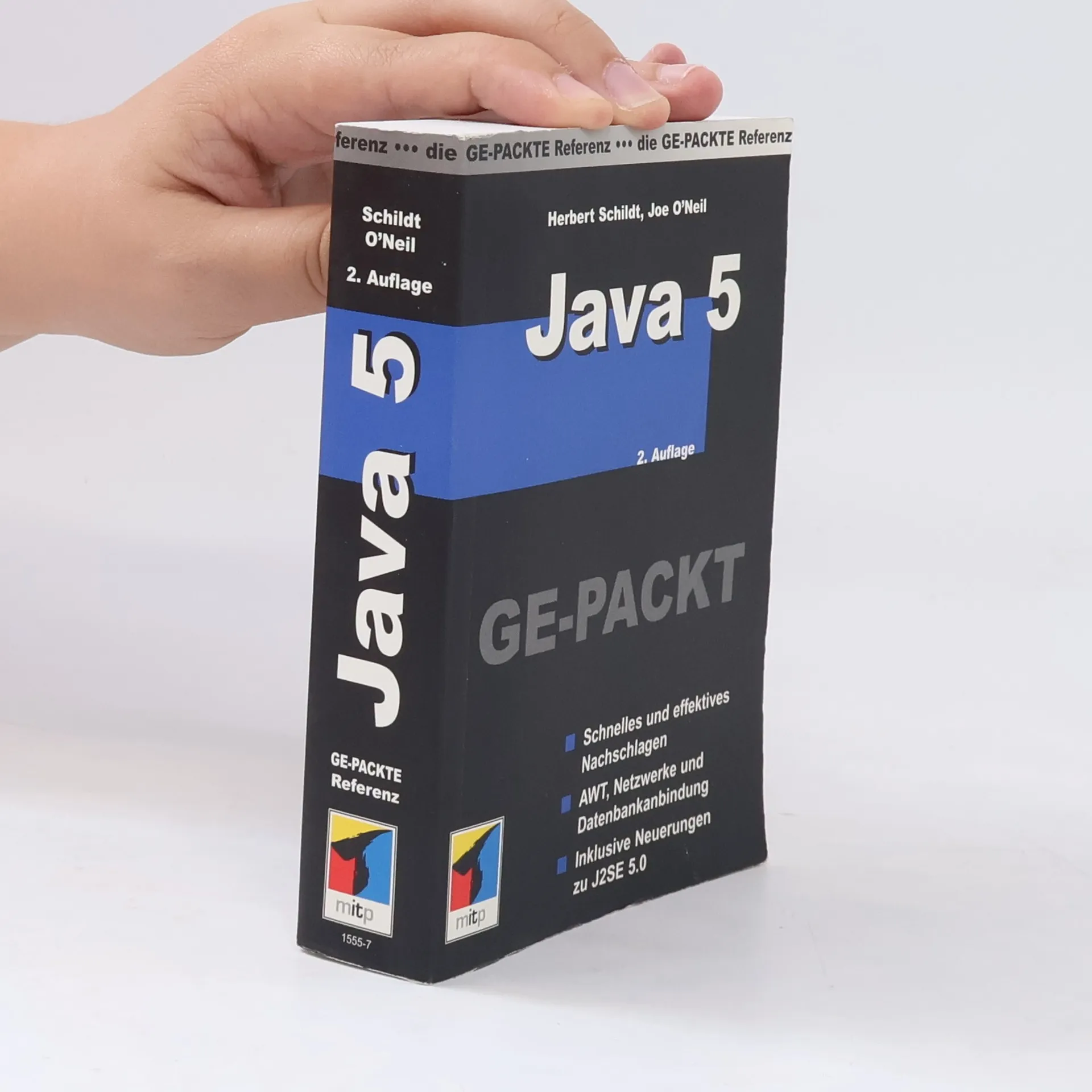
    • Java 2 ge-packt

      • 584 pages
      • 21 hours of reading

      Herbert Schildt, weltweit führender Autor von Fachbüchern für Programmierer, und Joe O'Neil erläutern in dieser Referenz präzise und verständlich die wichtigsten Eigenschaften von Java 2 - alle Schlüsselwörter sowie Operatoren, Kommandos, Methoden, Klassen und Schnittstellen, die am häufigsten eingesetzten Bestandteile der Java 2 API-Bibliothek sowie deren Klassen und Methoden, die der Programmierer täglich benötigt. Desweiteren finden Sie ein neues Kapitel zur Datenbankanbindung. Die Neuauflage ist vollständig auf die Version Java 2 SDK 5.0 aktualisiert. Nun brauchen Sie sich nicht mehr die genaue Syntax jedes Java-Elementes zu merken - alles, was Sie bei der täglichen Programmierung brauchen, finden Sie in dieser handlichen und praktisch aufgebauten Referenz!

      Java 2 ge-packt
    • Nehledejte již další zdroje informací, jak se naučit programovat v Javě. V kompletním přehledu Javy vás zkušený autor seznámí se všemi důležitými prvky tohoto programovacího jazyka i s postupy, jak pomocí něj vytvářet plně funkční aplikace. S jazykem se seznámíte na mnoha praktických ukázkách, v závěru knihy najdete i velké projekty, na kterých si vyzkoušíte nově nabyté znalosti.

      Mistrovství Java: Kompletní průvodce vývojáře
      5.0
    • Java 8

      • 696 pages
      • 25 hours of reading

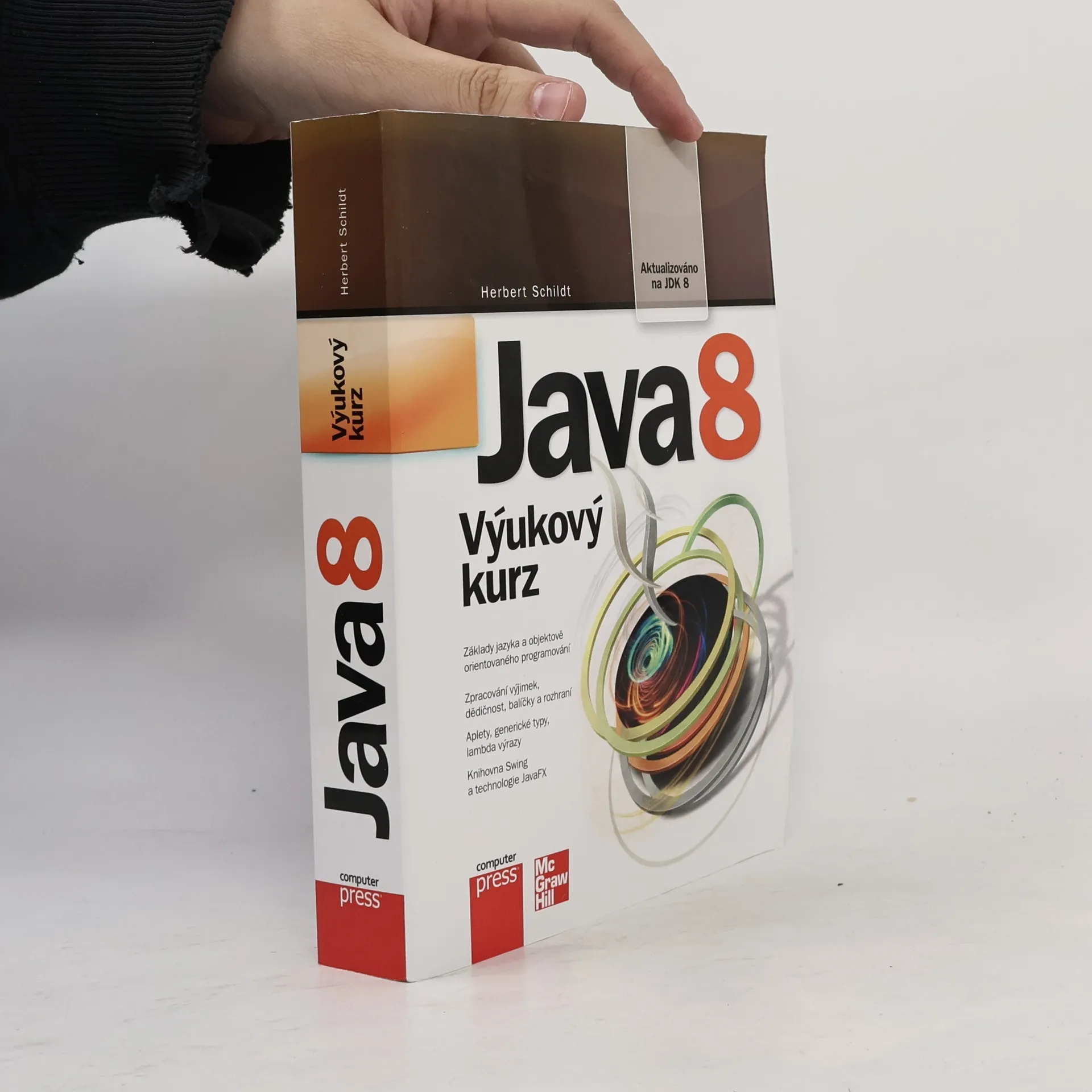
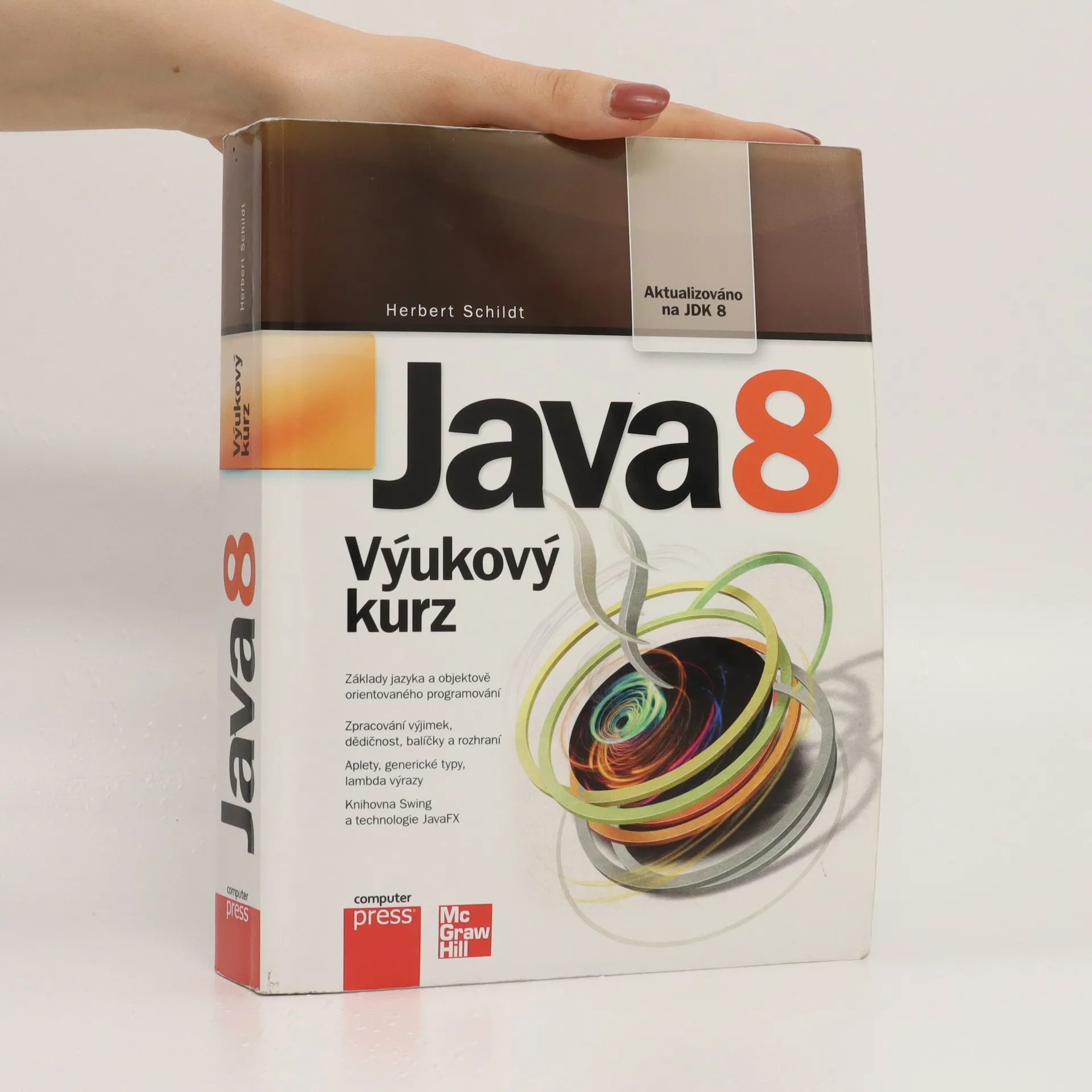
      Zaujala vás Java díky své univerzálnosti, ale máte z programování strach? Hledáte komplexní zdroj informací, jak zvládnout tento populární programovací jazyk? Výukový kurz vás provede Javou od úplných začátků až po pokročilé postupy. Zkušený autor vás v sedmnácti kapitolách seznámí se všemi prostředky, které Java programátorům nabízí. Projdete základy jazyka, naučíte se pracovat s datovými typy a operátory, větvit program pomocí podmínek a cyklů. Po absolvování základů objektově orientovaného programování plně porozumíte termínům, jako je třída, metoda, dědičnost nebo rozhraní. S rostoucími znalostmi přijdou pokročilá témata v podobě vícevláknových aplikací, apletů či tvorby grafického uživatelského prostředí s knihovnou Swing. Na konci každé kapitoly jsou připraveny kontrolní testové otázky na zopakování čerstvě nabytých znalostí. Publikace se mimo jiné věnuje těmto tématům: * Datové typy, operátory a řídicí příkazy * Dědičnost a další prvky objektově orientovaného programování * Zpracování výjimek a ladění * Vstup a výstup programu * Výrazy lambda a aplety * Paralelní zpracování dat pomocí vláken * Tvorba grafického uživatelské rozhraní

      Java 8
      5.0
    • Java 7 - výukový kurz

      • 664 pages
      • 24 hours of reading

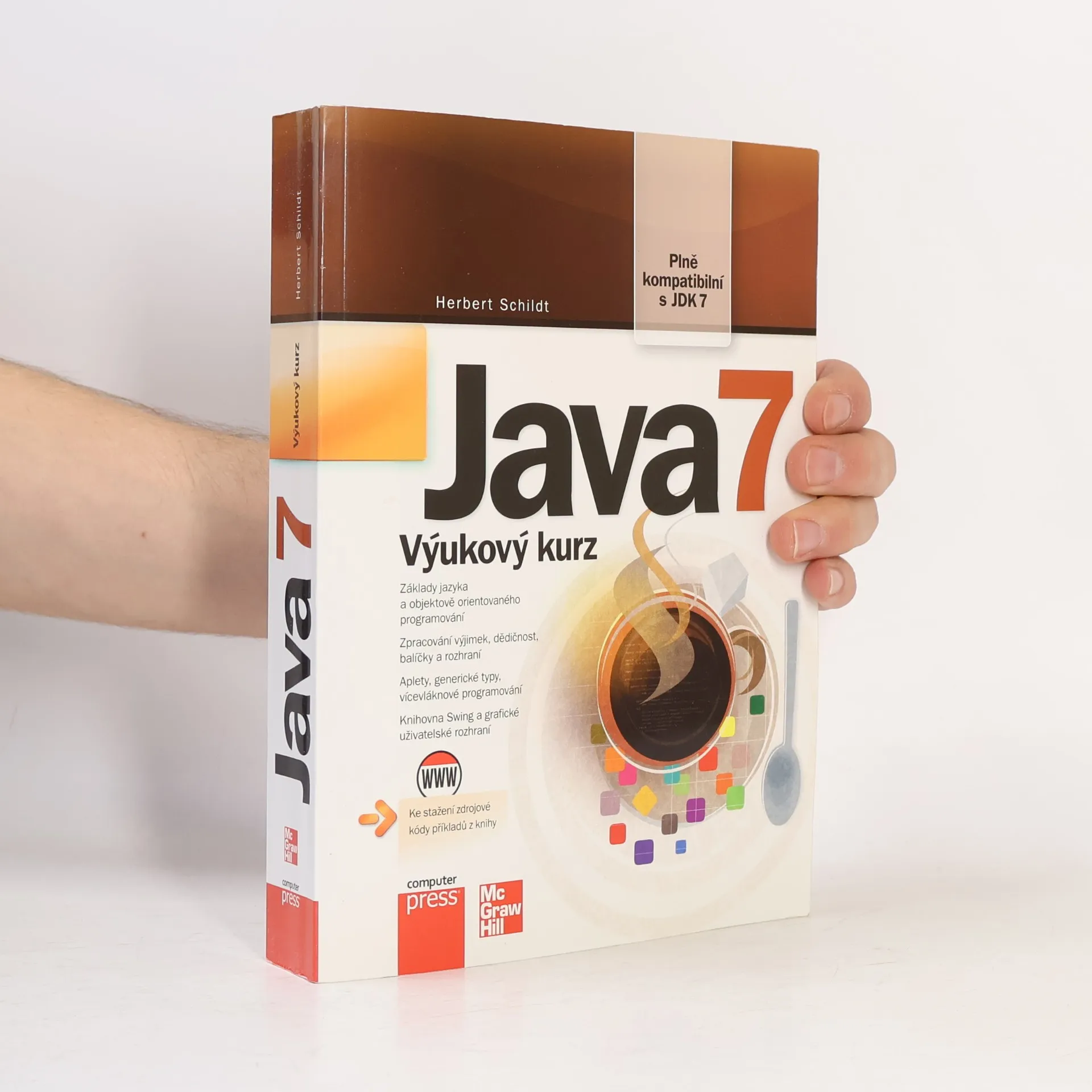
      Zaujala vás Java díky své univerzálnosti, ale máte z programování strach? Hledáte komplexní zdroj informací, jak zvládnout tento populární programovací jazyk? Výukový kurz vás provede Javou od úplných začátků, vše si důkladně vyzkoušíte na příkladech a nově nabyté znalosti si bude moct ověřit na cvičeních. V patnácti kapitolách se postupně seznámíte se všemi prostředky, které Java programátorům nabízí. Projdete základy jazyka, naučíte se pracovat s datovými typy a operátory, větvit program pomocí podmínek a cyklů. Po absolvování základů objektově orientovaného programování plně porozumíte termínům, jako je třída, metoda, dědičnost nebo rozhraní. S rostoucími znalostmi přijdou i pokročilá témata v podobě vícevláknových aplikací či apletů. V závěru knihy si vyzkoušíte i tvorbu grafi ckého uživatelského prostředí s knihovnou Swing. Publikace vás mimo jiné naučí: Používat základní programové konstrukce Javy Ošetřit vstup a výstup programu Pracovat s prvky objektově orientovaného programování Paralelně zpracovat data pomocí vláken Přenést svou aplikaci na Internet prostřednictvím apletů Vytvořit grafi cké uživatelské rozhraní ke své aplikaci

      Java 7 - výukový kurz
      5.0
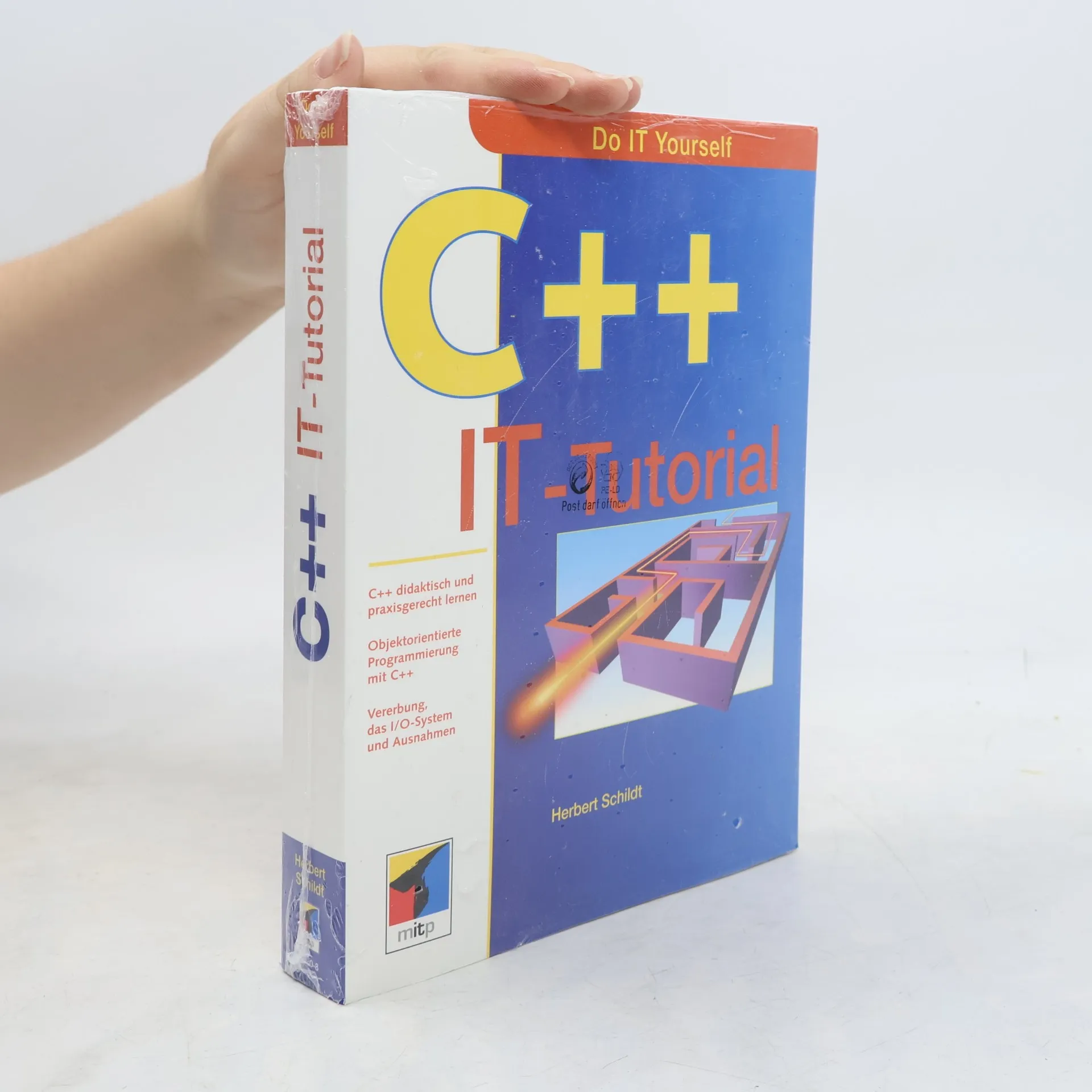
    • Nauč se sám C++

      • 623 pages
      • 22 hours of reading

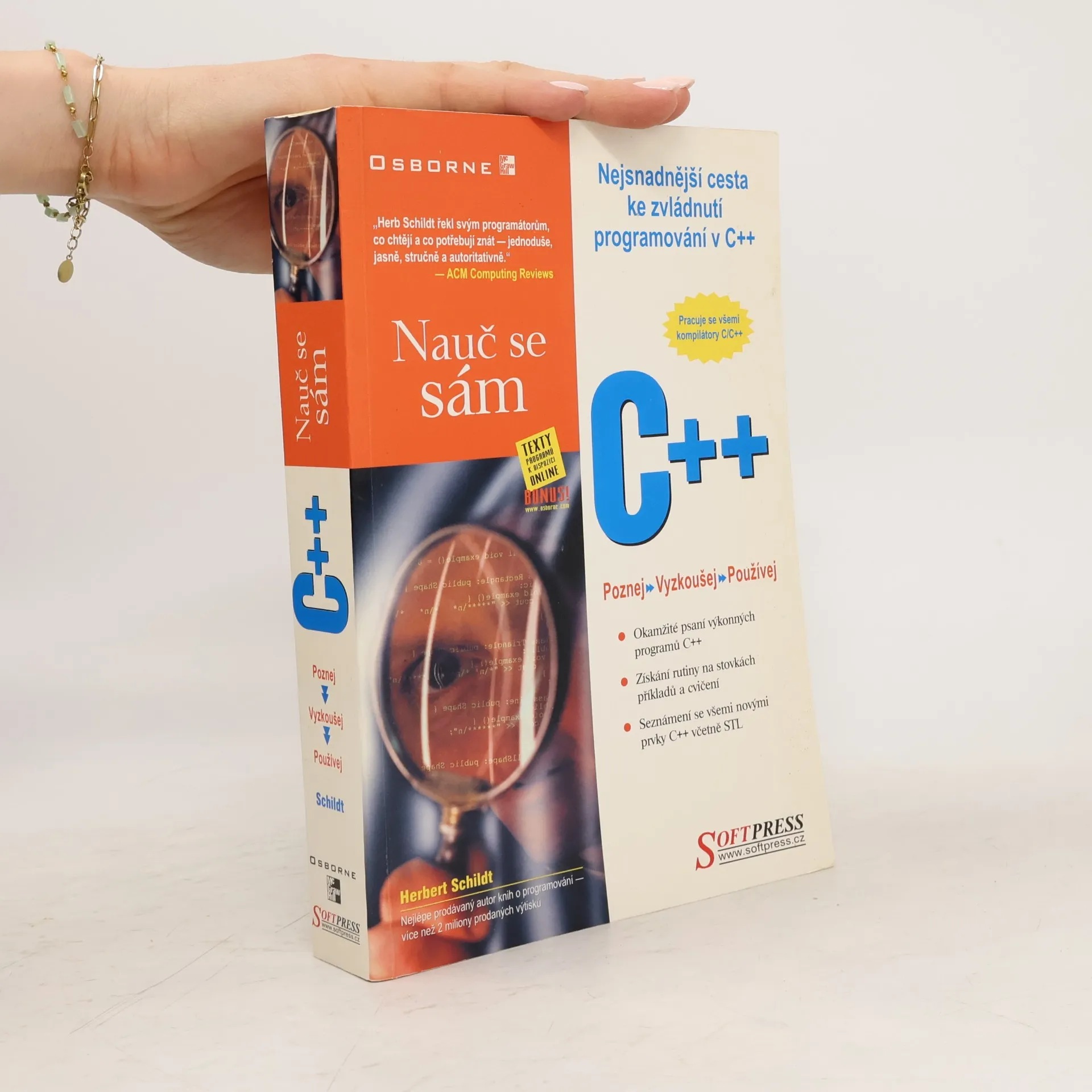
      Kniha Nauč se sam C, napsaná s nekompromisní srozumitelností a důrazem na detail, začíná základy, popisuje vše potřebné a končí pohledem na některé složitější funkce jazyka C. Na cestě k mistrnému zvládnutí jazyka najdete spoustu praktických příkladů, podnětných zkoušek znalostí a cvičení. Na konci knihy jsou odpovědi na všechna cvičení, takže si můžete rychle ověřit, jaké děláte pokroky. V této knize se dozvíte O struktuře programu v C Porozumíte všem řídícím příkazům C Si vyzkoušíte datové typy, proměnné a výrazy Prozkoumáte pole a řetězce Se naučíte používat ukazatele Použijete konzolové a souborové operace Objevíte sílu funkcí Budete pracovat se strukturami a uniemi Se seznámíte se složitějšími datovými typy a operátory Nahlédnete do činnosti preprocesoru C Zjistíte, jak lze použít C k programování pro Windows Nejlepší na tom je, že se budete učit Schildtovou ověřenou ”mistrovskou metodou”: vysoce efektivním a všestranným přístupem, který pomohl milionům lidí stát se zkušenými programátory. Tento přístup vás nechá pracovat vlastním tempem a vlastním způsobem. I když se vám bude zpočátku zdát něco nejasné, autorův srozumitelný a propracovaný výklad vám usnadní pochopení i složitých témat. Jelikož C tvoří základ C++, získáte po prostudování knihy Nauč se sam C také potřebné znalosti pro pokračování směrem k C++.

      Nauč se sám C++
      4.0
    • Java 2 : příručka programátora

      • 552 pages
      • 20 hours of reading

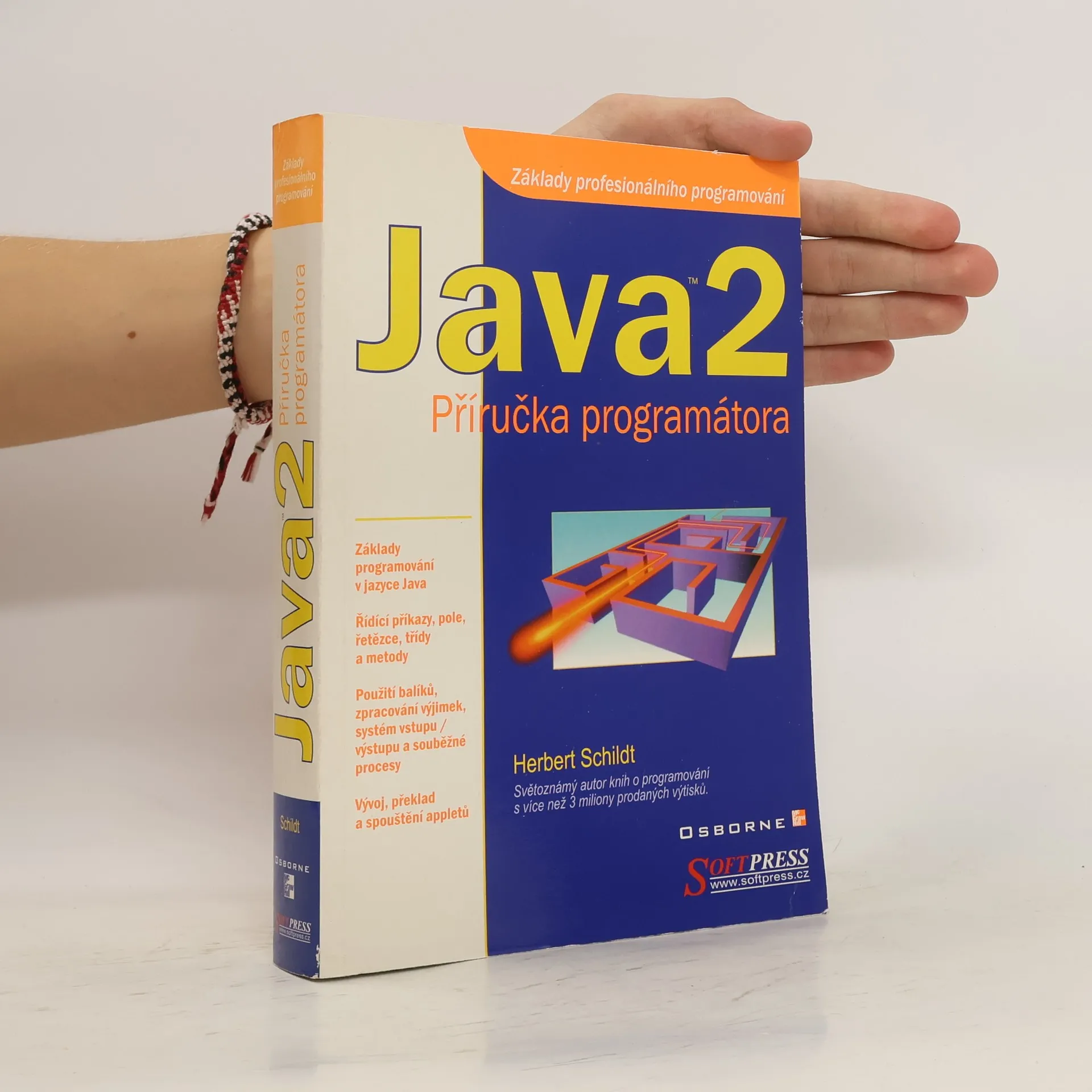
      Tato kniha slouží jako učebnice programovacího jazyka Java 2, jejímž autorem je Herbert Schildt. Obsahuje základy objektově orientovaného programování, řídící příkazy, pole, řetězce, metody, třídy, objekty a balíky. Dále se zaměřuje na ošetření chyb, systém vstupu a výstupu, spouštění souběžných procesů a vytváření appletů. Výklad je podpořen četnými příklady, jejichž zdrojové kódy jsou dostupné on-line. Kniha je strukturována do kapitol, přičemž každá se věnuje samostatnému oboru programování v jazyce Java. Každá kapitola začíná přehledem klíčových témat, která by měl čtenář po jejím přečtení ovládat. V textu se nacházejí “otázky a odpovědi”, které doplňují informace a podněcují zájem o probíraná témata. Na konci sekcí jsou krátké testy pro ověření porozumění. Ukázkové programy obsahují komentáře upozorňující na důležité programátorské konstrukce. Kapitoly zahrnují projekty ilustrující probrané techniky, které mohou posloužit jako základ pro rozsáhlejší aplikace. Na závěr každé kapitoly jsou cvičení, díky nimž si čtenář může ověřit své znalosti.

      Java 2 : příručka programátora