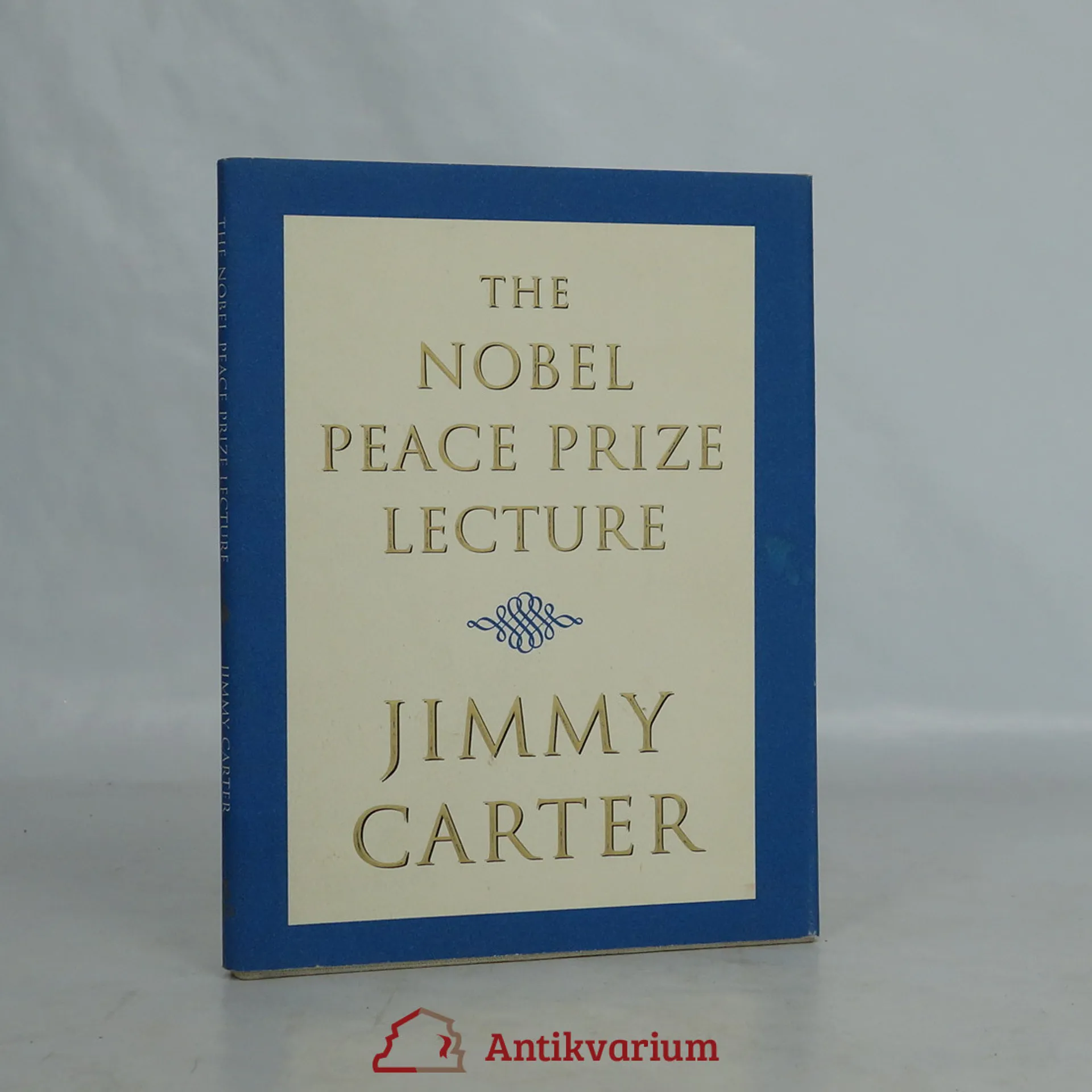
In 2002, President Jimmy Carter received the Nobel Peace Prize for his dedicated efforts for peaceful solutions to advance human rights and delivered this inspiring lecture—now published in ebook form.On October 11, 2002, the Norwegian Nobel Committee announced that the winner of the Nobel Peace Prize for 2002 was Jimmy Carter, making him the first American-born laureate since Martin Luther King, Jr. was awarded the prize in 1967. President Jimmy Carter received the Nobel Peace Prize on December 10, 2002, and delivered this inspiring lecture.
Jimmy Carter Books
October 1, 1924 – December 29, 2024



In The Blood of Abraham, originally published in 1985 with updates to the afterword in 1993 and 2007, President Carter explains his understanding of the Middle East and seeks to provide an enlightening and reconciling vision for greater peace in the region.
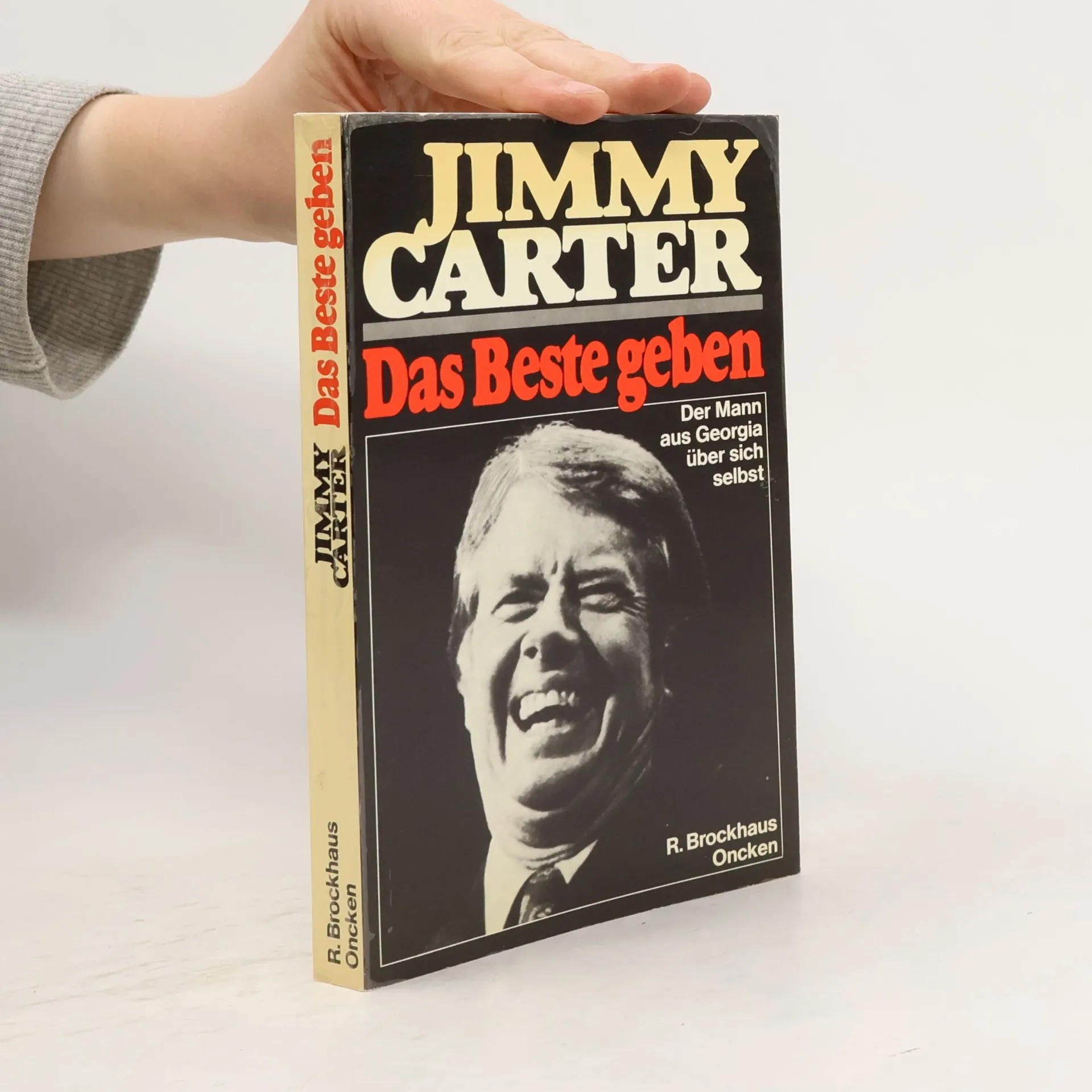
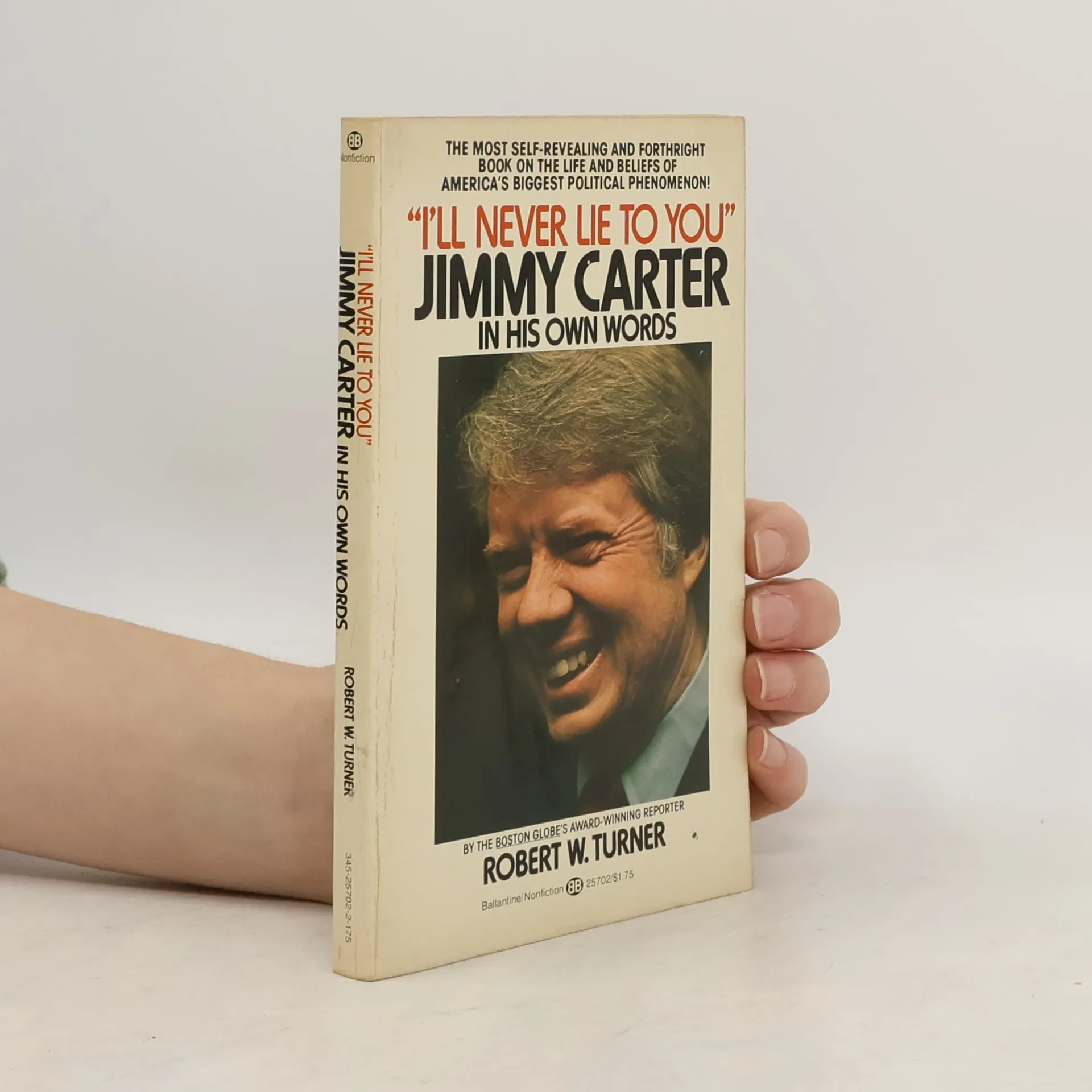
I'll Never Lie to You. Jimmy Carter in His Own Words
- 178 pages
- 7 hours of reading
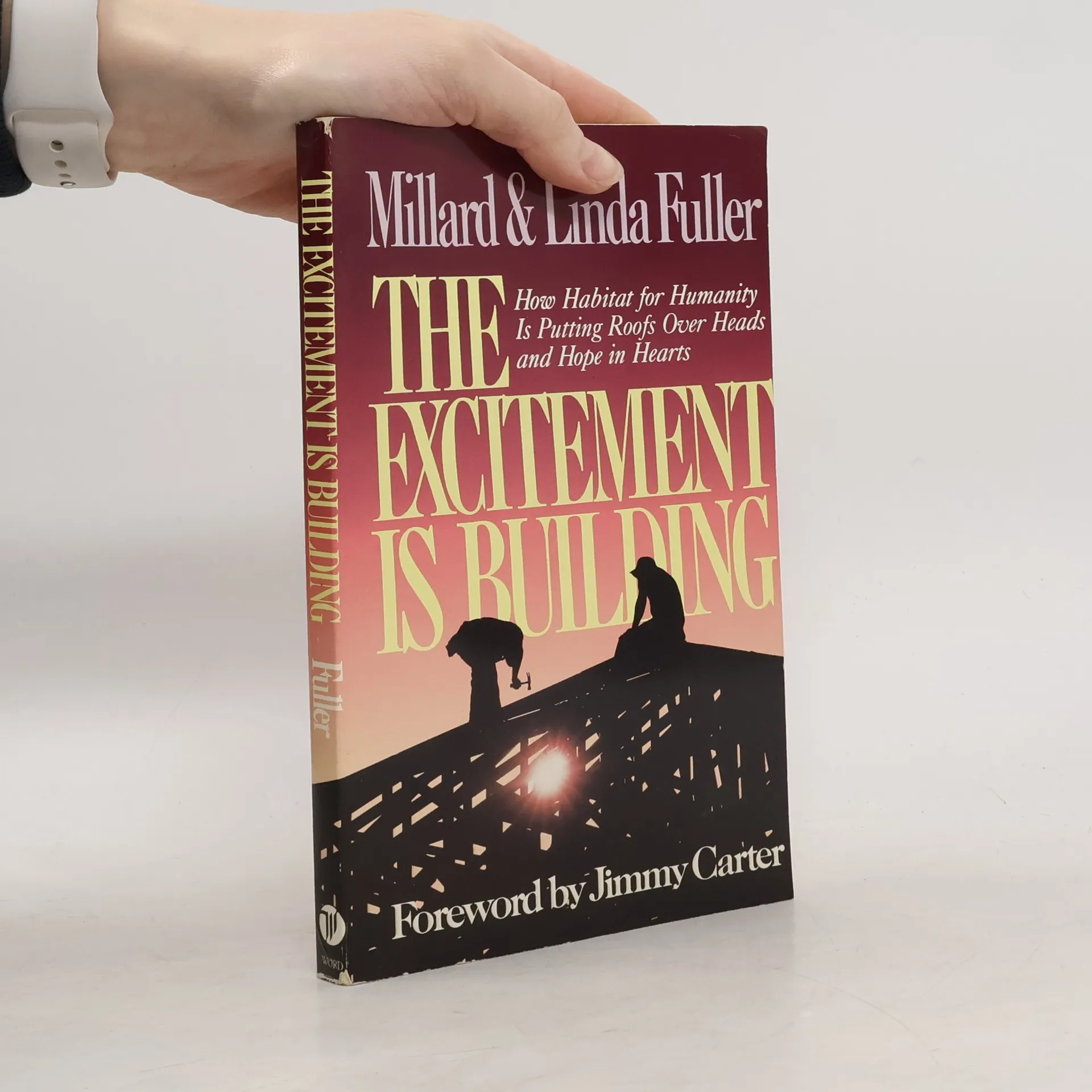
The Excitement Is Building
How Habitat for Humanity Is Putting Roofs over Heads and Hope in Hearts
- 214 pages
- 8 hours of reading
Forward by Jimmy Carter
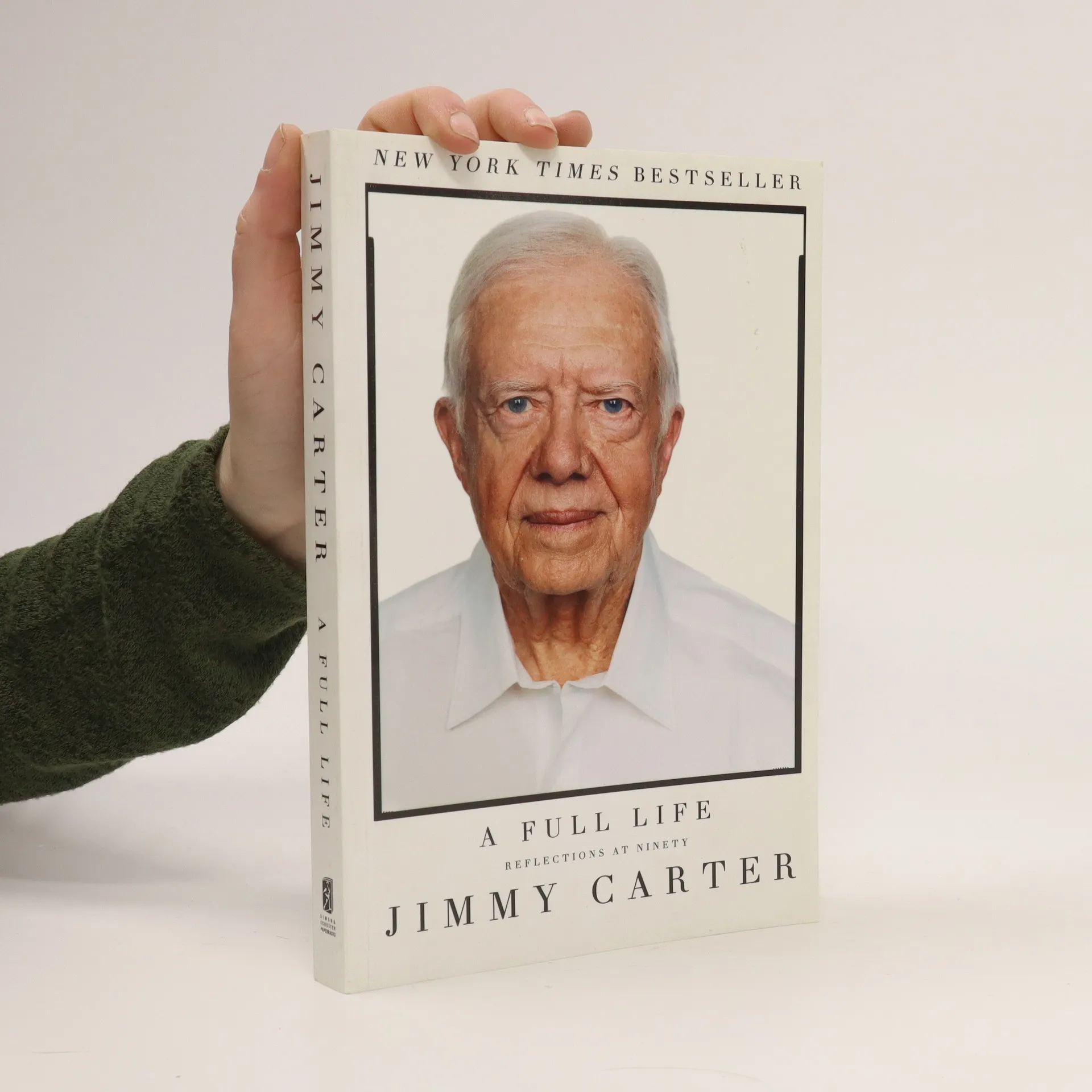
A full life: reflections at ninety
- 272 pages
- 10 hours of reading
In this autobiography, President "Carter tells what he is proud of and what he might do differently. He discusses his regret at losing his re-election, but how he and Rosalynn pushed on and made a new life and second and third rewarding careers. He is frank about the presidents who have succeeded him, world leaders, and his passions for the causes he cares most about, particularly the condition of women and the deprived people of the developing world"--Amazon.com.
A terrifying collection of poems about dinos and dragons! GRRR! is a fantastic collection of brand-new grrruesome poems about all kinds of dinosaurs, dragons, mythical monsters, and beastly beasts. It includes advice for a dinosaur-spotter, teaches you how to steal a dragon's egg, what to do if you meet a swamp thing, and what's in store for the minotaur.
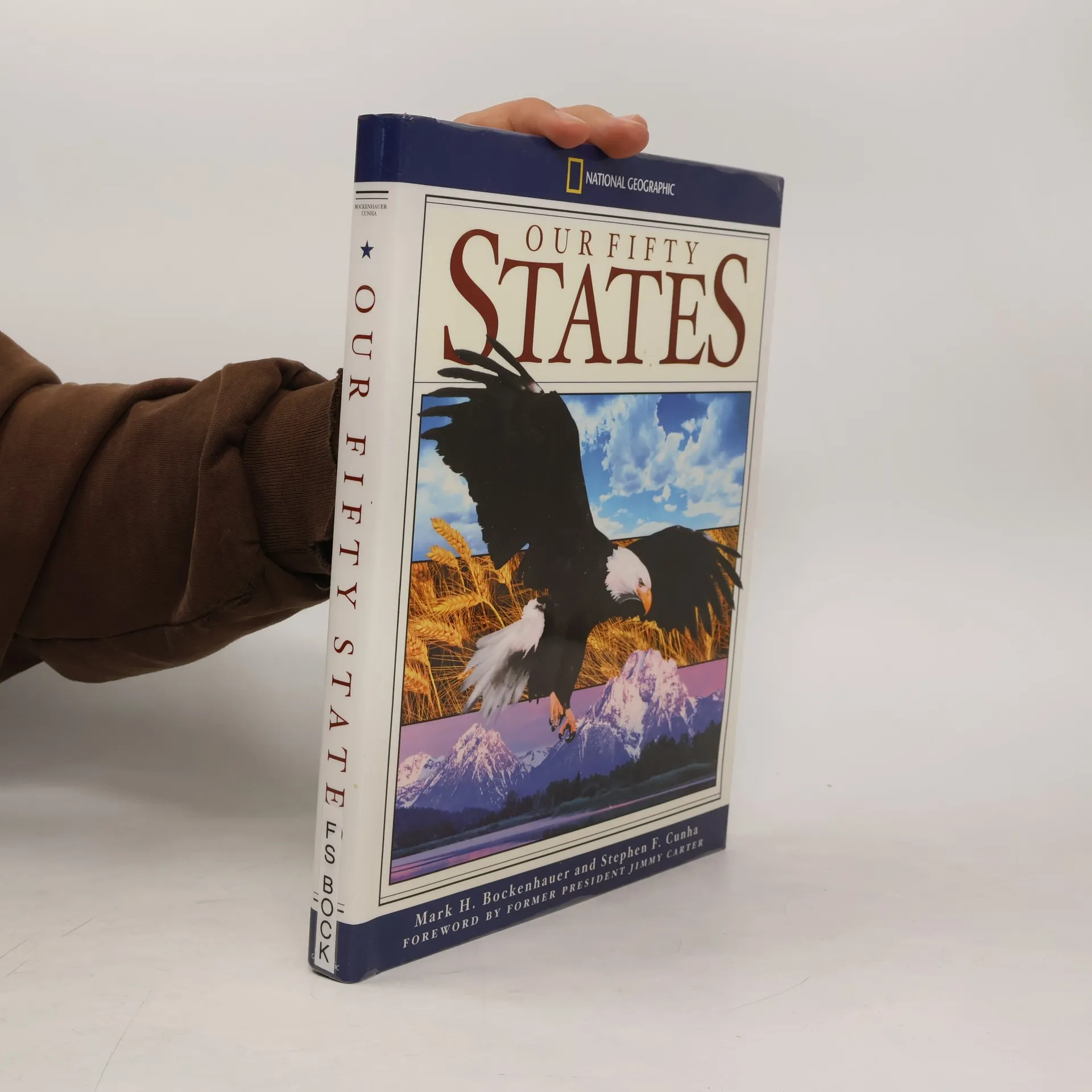
National Geographic Our Fifty States
- 239 pages
- 9 hours of reading
"The richness of this land... has shaped the character of our people and our history." This statement from Former President Jimmy Carter sets the stage for an exploration of America's grandeur and diversity. This volume offers an unparalleled amount of accessible geographic information, making it a unique reference for curious young Americans. Packed with fascinating details and "Did you know?" facts, it appeals to trivia lovers. Readers can discover which state has a rounded boundary, where the oldest tree in the country is located, and which state features active volcanoes. Report writing becomes effortless with easy access to essential data, such as top industries, population figures, and key historical events for each state. Young readers will marvel at the natural wonders, from geysers to magical caverns, and can explore Alaska's tundra and Florida's island keys. Quotes from renowned writers capture the essence of each region, such as Willa Cather's admiration for the Midwest: "There was nothing but land... the material out of which countries are made." The cover, featuring the American bald eagle soaring over "amber waves of grain" and "purple mountain majesties," serves as a reminder of the beauty that spans from "sea to shining sea." This volume invites readers to learn about and appreciate the inspiring tapestry of our united states.
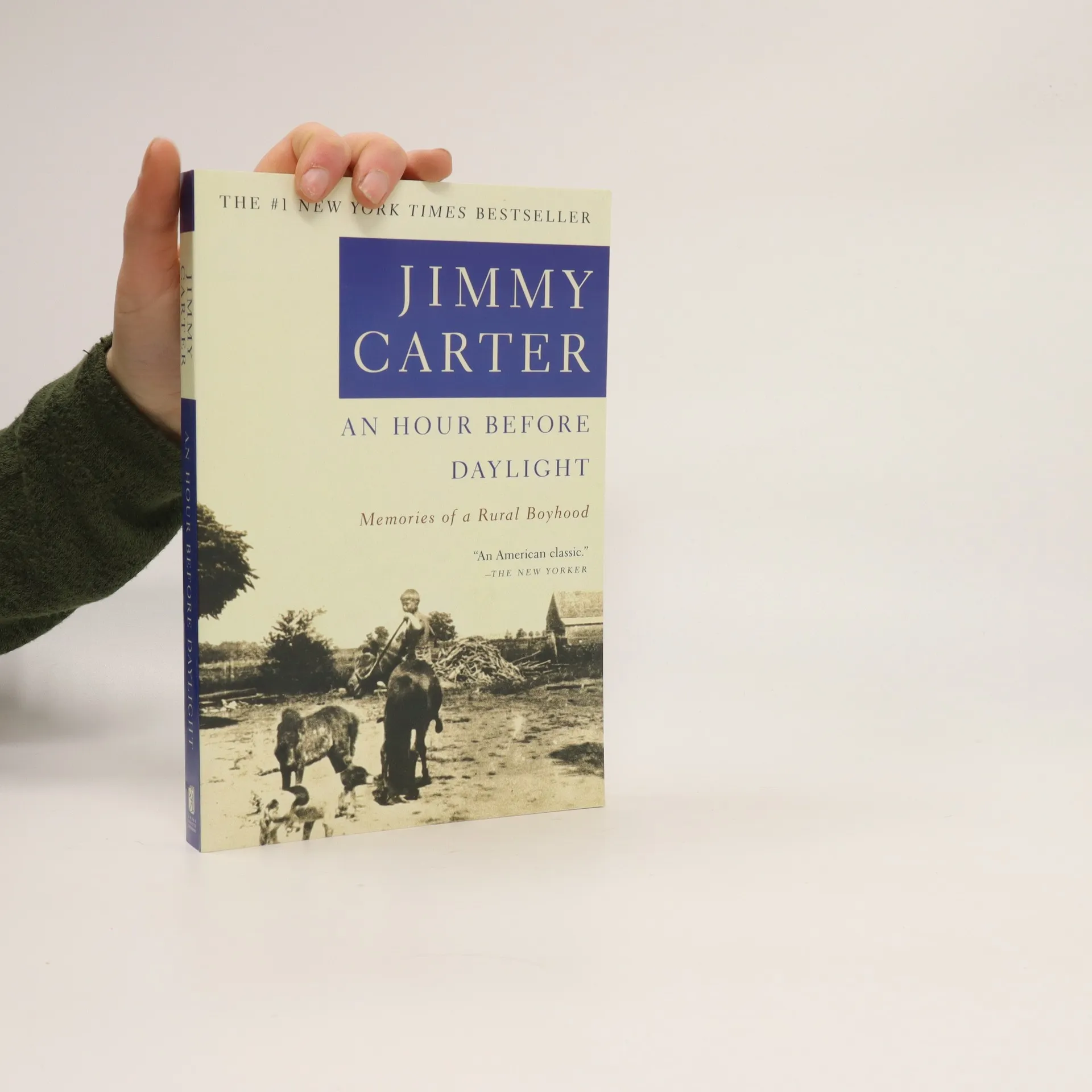
Jimmy Carter re-creates his boyhood on a Georgia farm.
Zbigniew Brzezinski's distinguished career in U.S. security and foreign policy spans academia and public service, including his role as National Security Advisor under President Carter from 1977 to 1981. A respected policy analyst and commentator, he frequently appears on platforms like MSNBC's "Morning Joe" and PBS's "NewsHour," where his strategic insights hold significant weight. This analysis of his statecraft appeals to the general public, students, and policymakers globally. To explore the impact of Brzezinski's political engagement, Charles Gati has gathered reflections from prominent foreign policy figures over the past three decades. A senior scholar in Eastern European and Russian studies, Gati witnessed much of the political landscape surrounding Brzezinski's career. His engaging introduction and a concluding interview with Brzezinski provide a clear framework for understanding the statesman's achievements. Contributors to this work include notable names such as Justin Vaisse, David C. Engerman, Mark Kramer, and Francis Fukuyama, among others, each offering their perspectives on Brzezinski's influence and legacy in international relations.
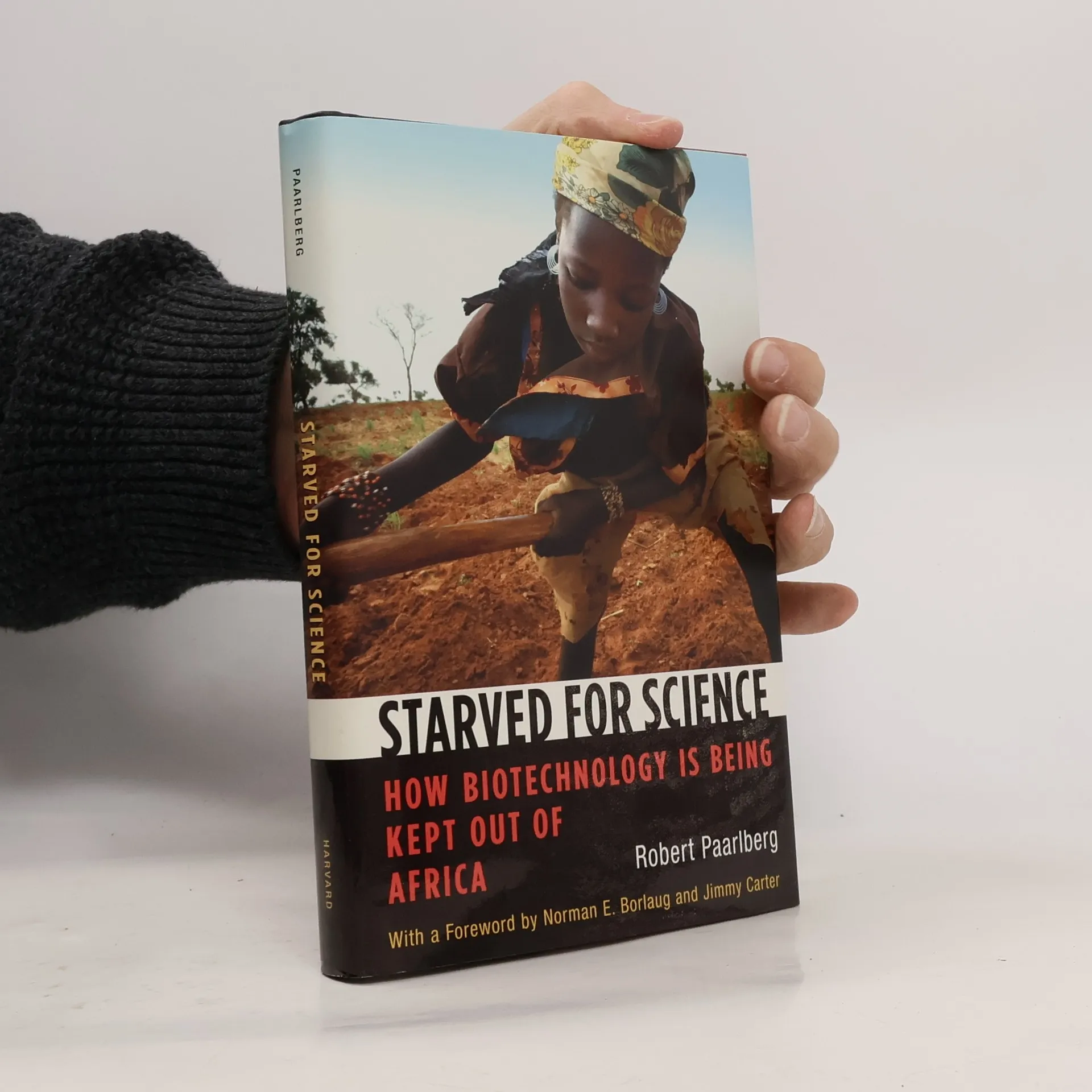
Heading upcountry in Africa to visit small farms is exhilarating, showcasing dramatic landscapes. However, the journey often leads to rutted dirt paths and requires traveling on foot. The farmers encountered are primarily women, hardworking yet visibly impoverished, lacking access to improved seeds, fertilizers, and irrigation, earning less than a dollar a day, with many facing malnutrition. Despite nearly two-thirds of Africans being employed in agriculture, per-capita production has declined by about 20 percent since 1970. While modern agricultural science significantly reduced rural poverty in Asia, similar advancements, including biotechnology, have been largely excluded from Africa. The author explains why poor African farmers are denied access to productive technologies, particularly genetically engineered seeds that offer better resistance to pests and drought. This exclusion is linked to opposition against farm science in wealthier nations. Having benefited from agricultural science, affluent countries now discourage African nations from pursuing similar paths, often on questionable grounds. The book argues that this cultural aversion to agricultural science is being inappropriately imposed on Africa, with opponents suggesting that it is preferable for African farmers to remain impoverished rather than embrace technological advancements.
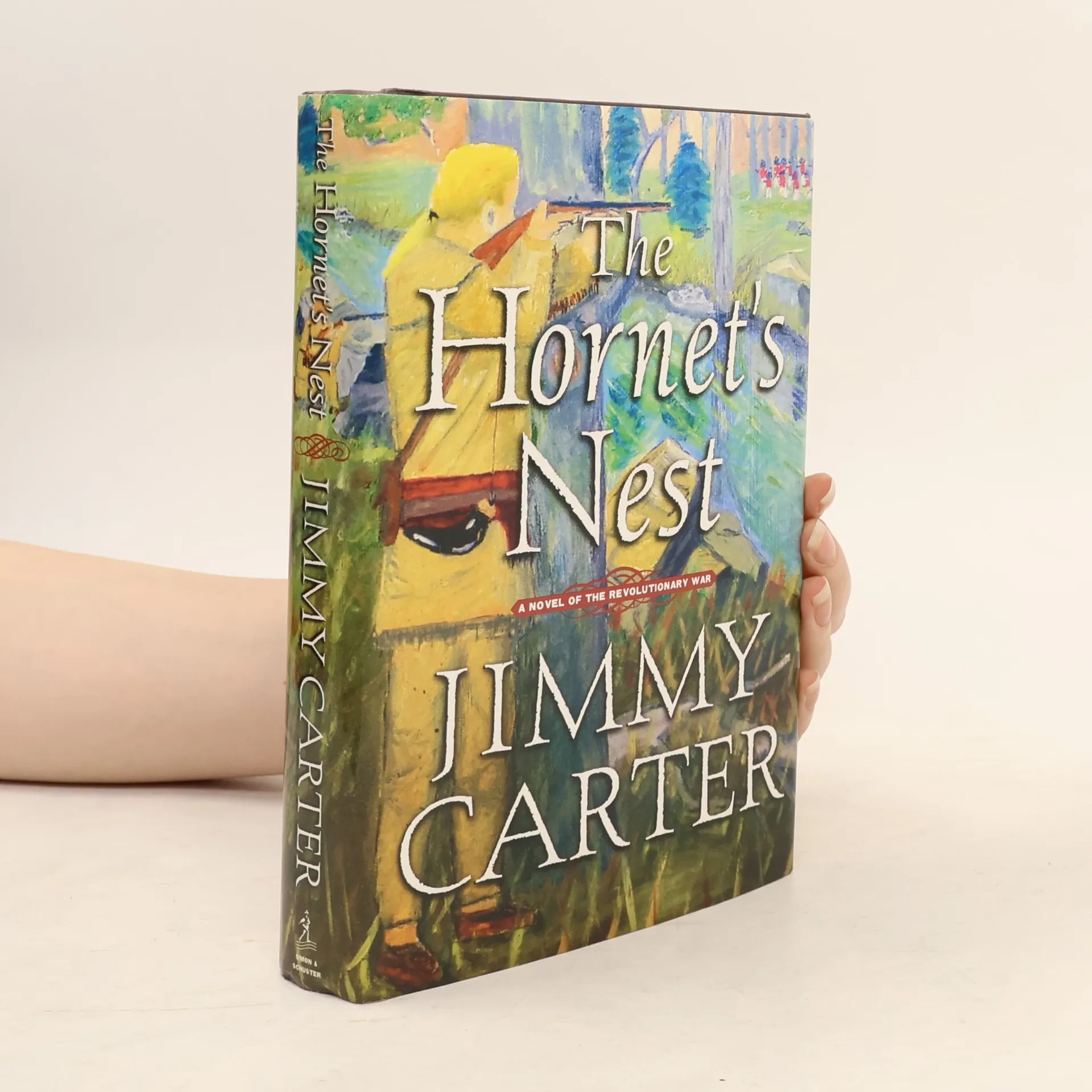
The first work of fiction by a U.S. President, this sweeping novel vividly depicts the Revolutionary War in the Deep South, reshaping our understanding of the conflict. It highlights the region's significant role in the fight for independence, marked by intense battles and brutal neighborly strife, with both sides seeking support from Native Americans. The narrative follows a diverse cast, including characters inspired by the author's ancestors. Central to the story is Ethan Pratt, who relocates with his wife, Epsey, from Philadelphia to North Carolina, and then to Georgia in 1771, alongside Quakers. In Georgia, they forge a bond with neighbors Kindred Morris and his wife, Mavis. Through Kindred and his young Indian friend Newota, Ethan gains insight into the frontier and the pressures faced by Native tribes. As the eight-year conflict escalates, Ethan and Kindred confront life-and-death struggles against opposing forces. With a compelling love story, dynamic action, and the suspense of an intensifying war, this novel stands as a remarkable piece of historical fiction, reminiscent of classics like "The Last of the Mohicans."
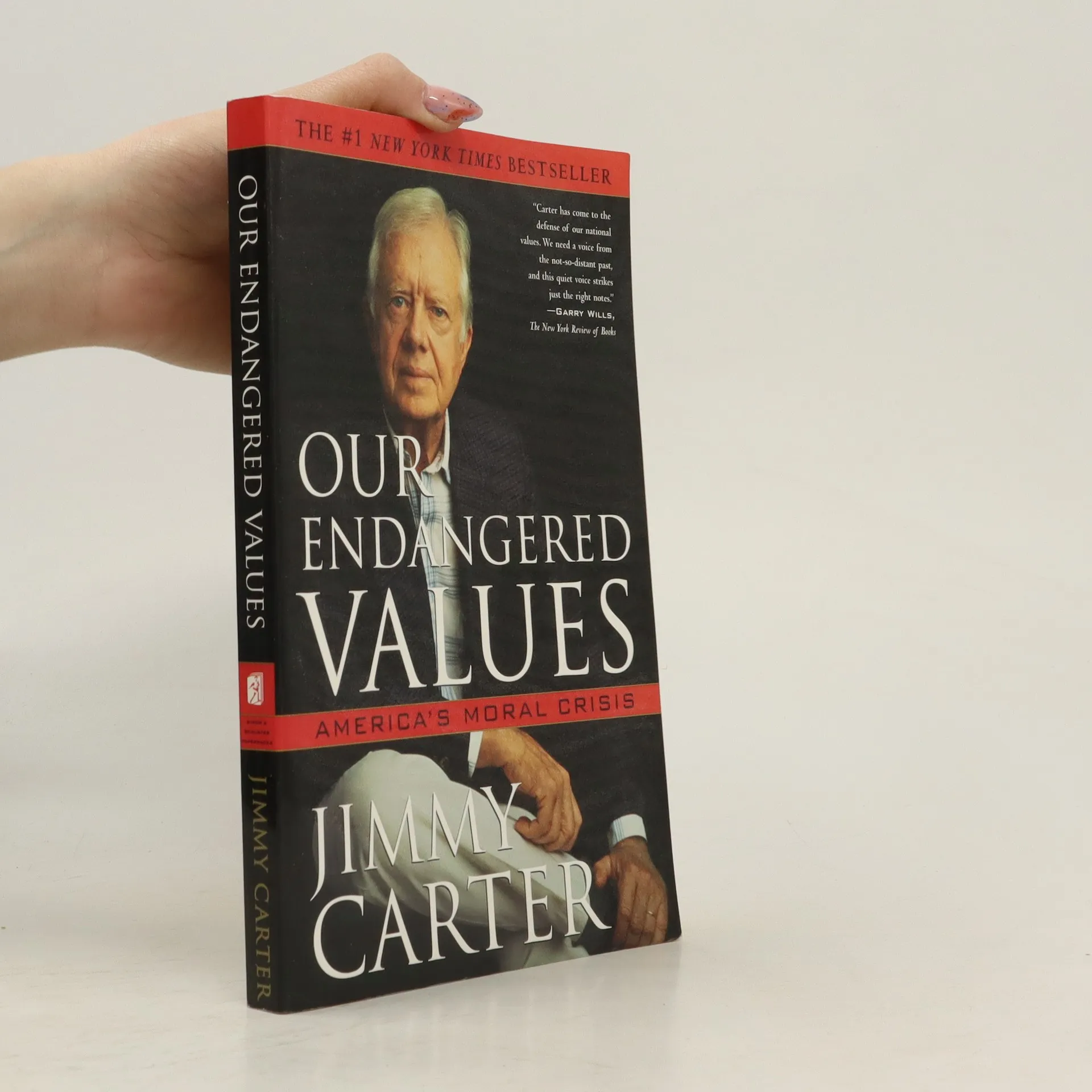
Our Endangered Values. America's Moral Crisis
- 224 pages
- 8 hours of reading
President Jimmy Carter offers a passionate defense of separation of church and state. He warns that fundamentalists are deliberately blurring the lines between politics and religion. As a believing Christian, Carter takes on issues that are under fierce debate -- women's rights, terrorism, homosexuality, civil liberties, abortion, the death penalty, science and religion, environmental degradation, nuclear arsenals, preemptive war, and America's global image.
Palestine : peace not apartheid
- 264 pages
- 10 hours of reading
President Carter, who was able to negotiate peace between Israel and Egypt, has remained deeply involved in Middle East affairs since leaving the White House. He has stayed in touch with the major players from all sides in the conflict and has made numerous trips to the Holy Land, most recently as an observer in the Palestinian elections of 2006. In this book President Carter shares his intimate knowledge of the history of the Middle East and his personal experiences of the principal actors, and he addresses sensitive political issues many British and American officials shy from. PALESTINE is a challenging and provocative book. Pulling no punches, Carter prescribes steps that must be taken for the two states to share the Holy Land without a system of apartheid or the constant fear of terrorism.
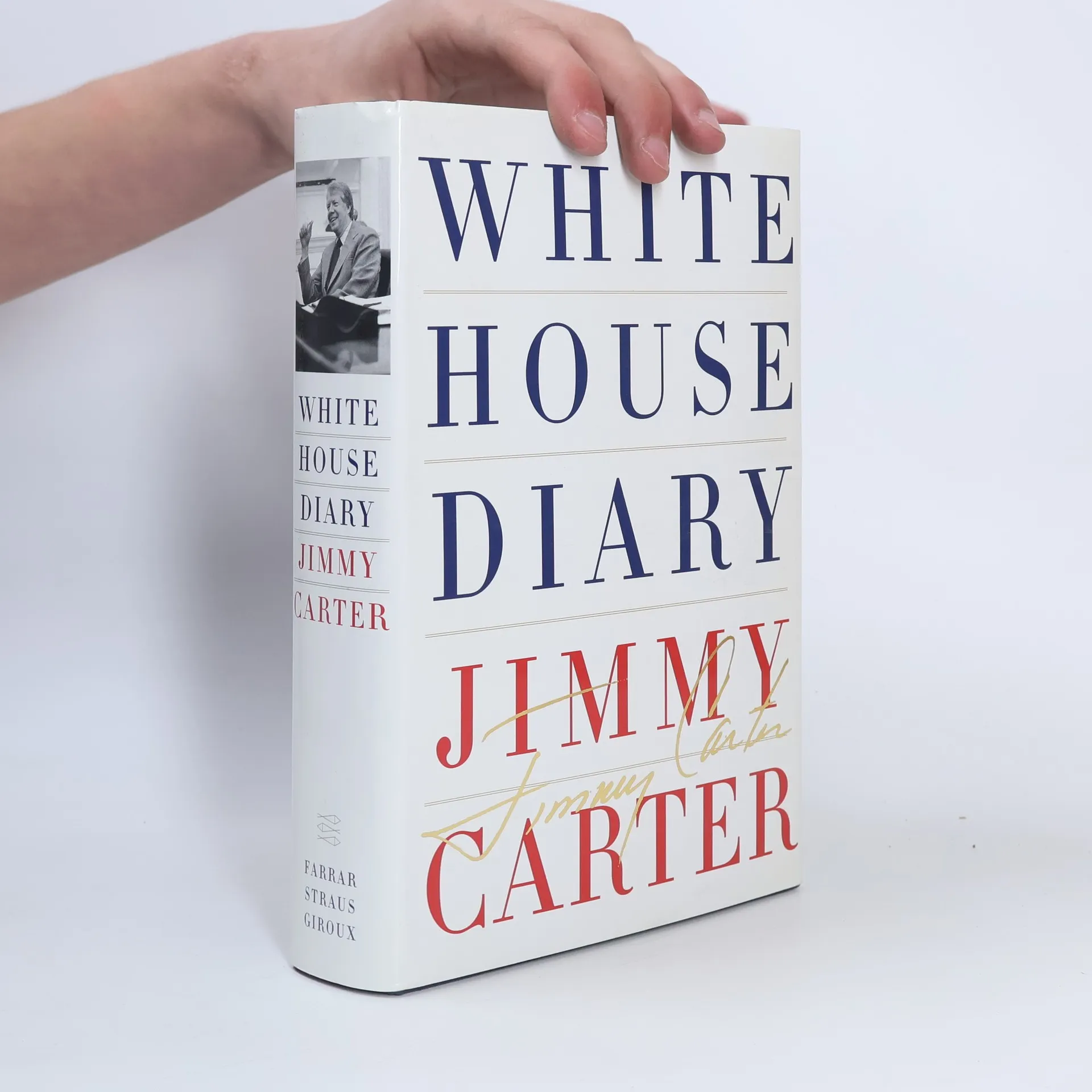
White House Diary
- 570 pages
- 20 hours of reading
This edited, annotated diary of President Jimmy Carter provides insights into his presidency, relationships, and enduring impact on significant issues. During his term, Carter diligently recorded his thoughts, impressions, and frustrations in a private diary, offering candid assessments of cabinet members, congressmen, and foreign leaders. He detailed the progress of secret negotiations, including those that led to the Camp David Accords. By the end of his presidency in early 1981, the diary had grown to over 5,000 pages, yet it remained unpublished until now. Through a careful selection of illuminating entries, Carter presents an intimate view of his presidency. We witness his strong advocacy for nuclear containment, sustainable energy, human rights, and Middle Eastern peace, as well as his interactions with notable figures like Ted Kennedy, Henry Kissinger, Joe Biden, Anwar Sadat, and Menachem Begin. The diary also reveals the inside story of his "malaise speech," his tough battle for the 1980 Democratic nomination, and the Iranian hostage crisis. Remarkably, Carter has annotated the diary with retrospective comments, reflecting on the events and people that shaped his presidency and the lessons learned. This fascinating work offers a unique contribution to the history of the American presidency, showcasing Carter as one of the truly wise figures of our time.
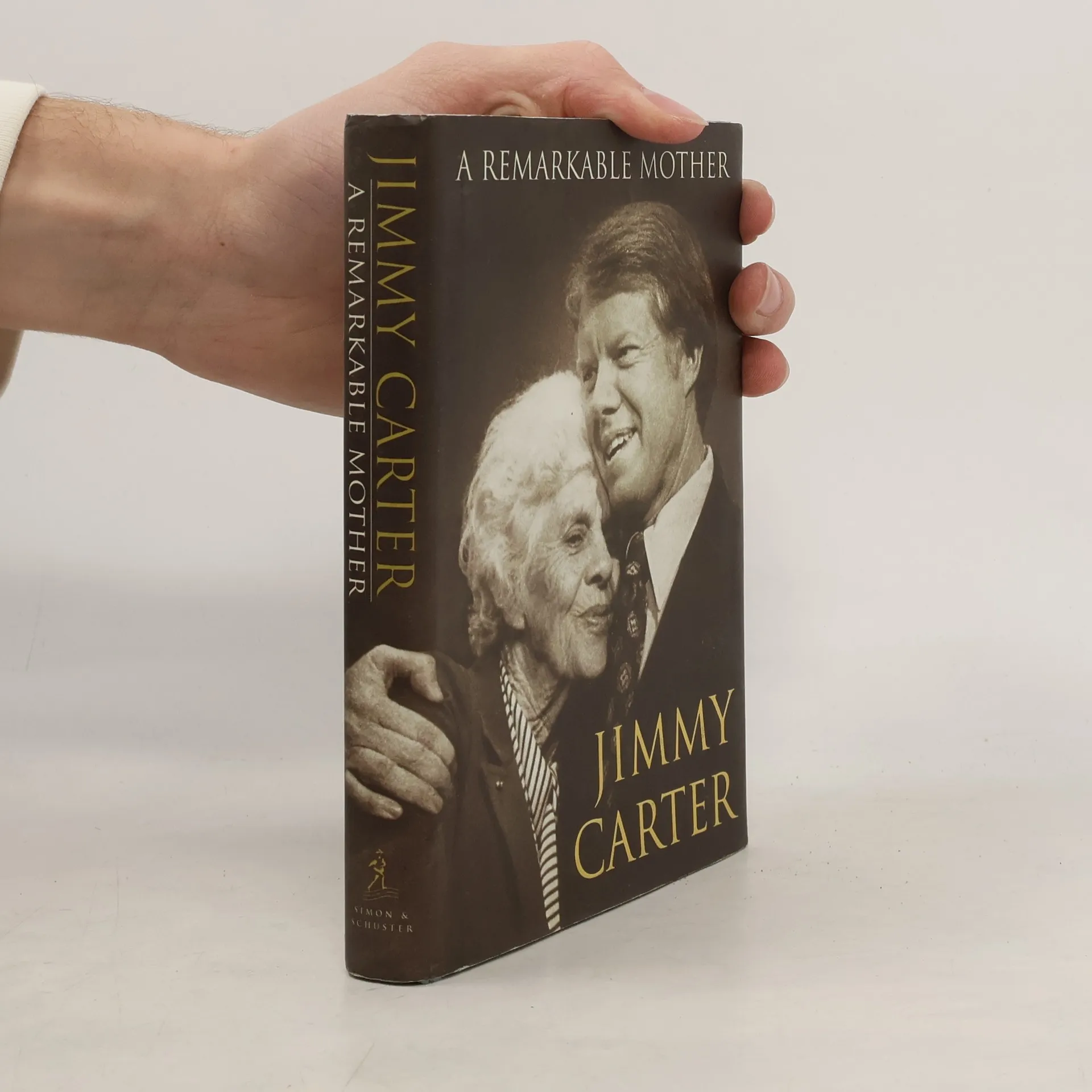
A Remarkable Mother
- 222 pages
- 8 hours of reading
"A Remarkable Mother" is President Carter's loving, admiring, wry homage to Miss Lillian Carter, who championed the underdog always, even when her son was president. A registered nurse, pecan grower, university housemother, Peace Corps volunteer, public speaker, and renowned raconteur, Miss Lillian ignored the mores and prejudices of the racially segregated South of the Great Depression years. She was an avid supporter of the Brooklyn Dodgers (because she happened to attend the first major league baseball game in which Jackie Robinson, from Cairo, Georgia, played), was a favored guest on television talk shows (usually able to "steal the microphone" from hosts such as Johnny Carson and Walter Cronkite), and an important role model for the nation. Jimmy Carter's mother emerges from this portrait as redoubtable, generous, and forward-looking. He ascribes to her the inspiration for his own life's work of commitment and faith.
Living Faith
- 256 pages
- 9 hours of reading
In this personal memoir of faith Jimmy Carter tells how his religious convictions have always led him down the demanding yet rewarding path of service to others. With honesty and economy of words, he details his own struggles and doubts with faith, family, and career. As he tells the stories of his political travails, his marital squabbles, his frustration with the takeover of the Southern Baptist Church by narrow fundamentalists, and his recent diplomatic feats, the reader sees how he has striven (sometimes belatedly) to take each step with faith in God as well as with a pragmatic, humanitarian zeal. Carter's accomplishments on local, national, and international scales are an inspiration to everyone who agrees that religious belief is a call to love all people and to aid those in need.
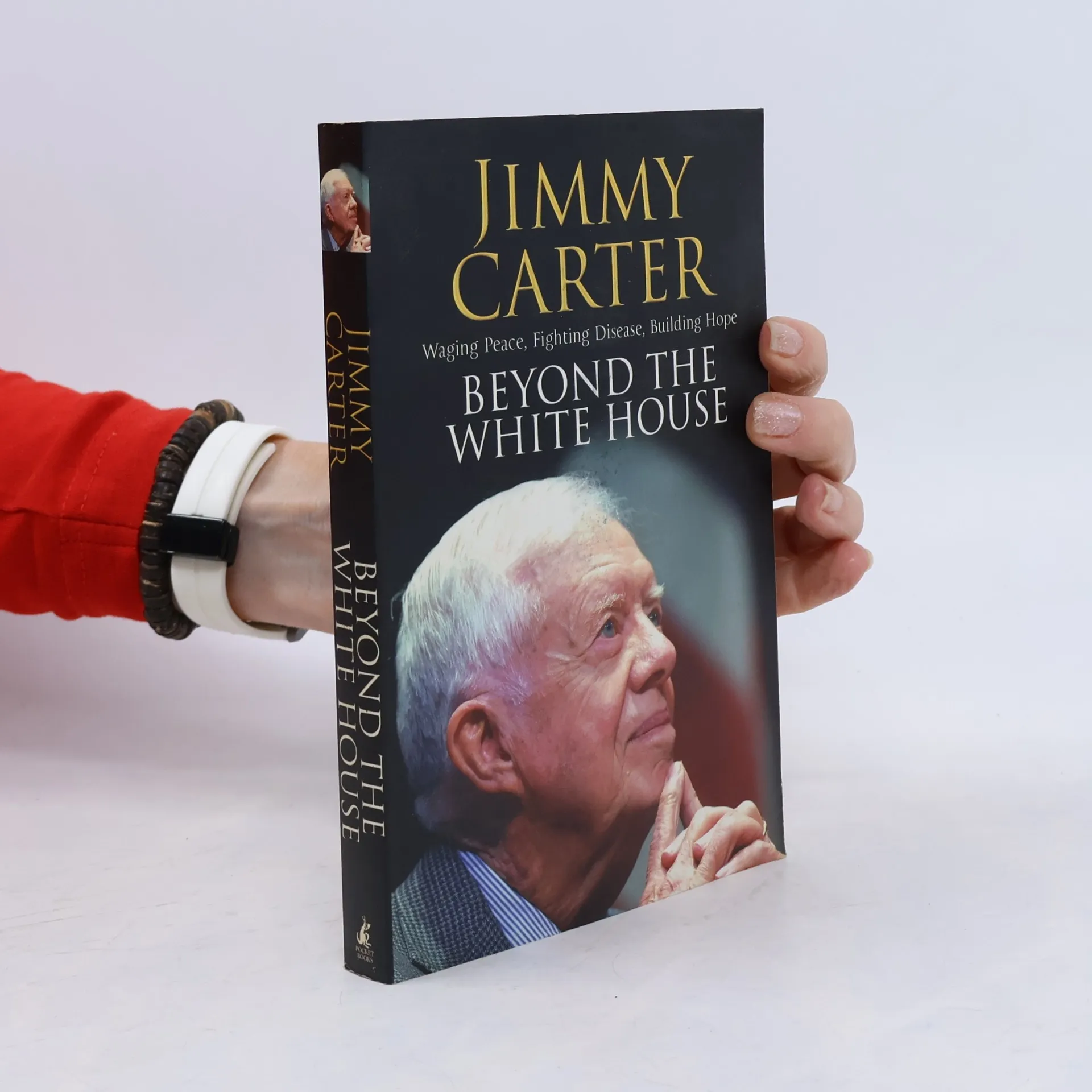
A fascinatingand revealing account of the former president's career since leaving the White House -- arguably the most successful and fulfilled post- presidential career of them all.
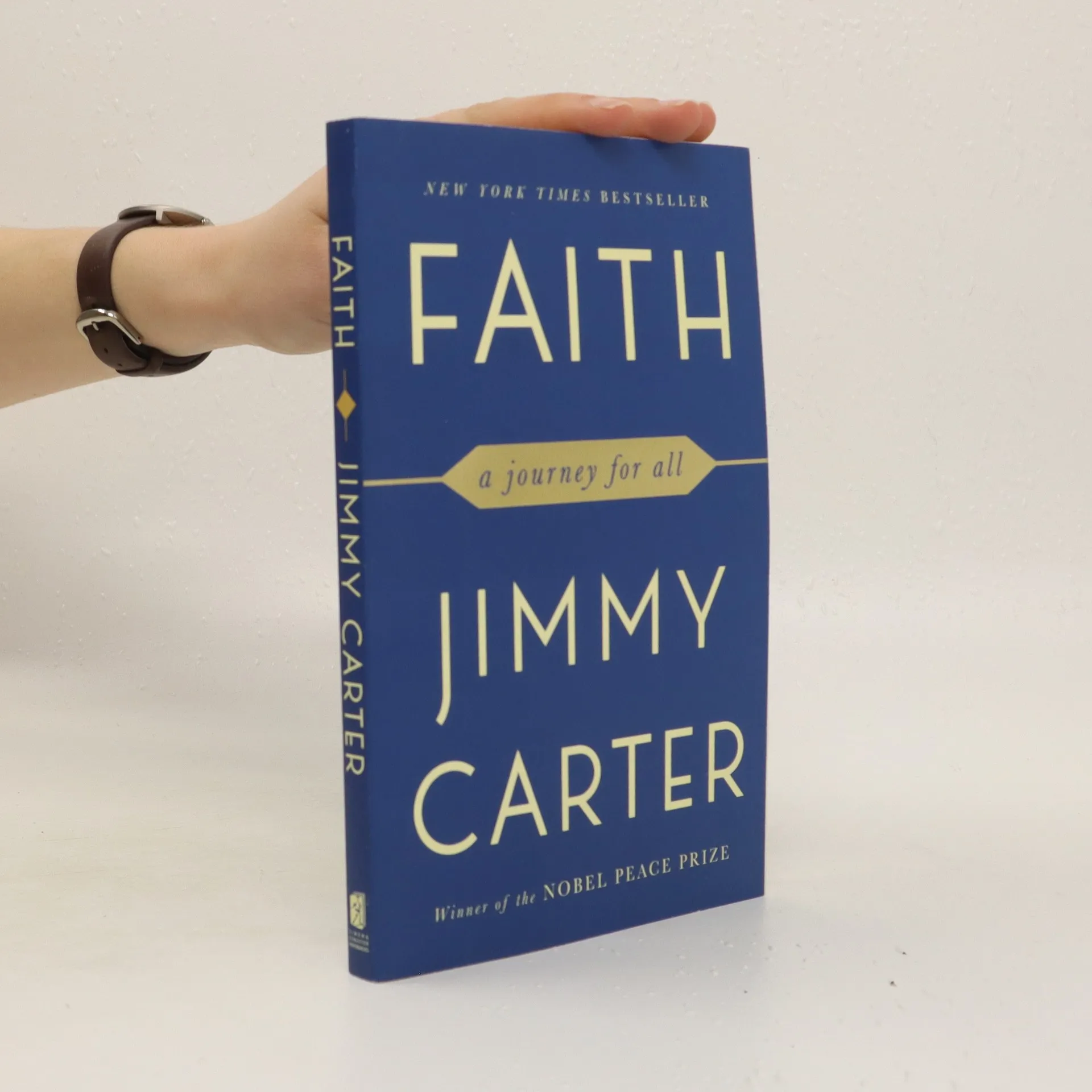
In this powerful and personal New York Times bestseller, President Jimmy Carter contemplates how faith has sustained him in happiness and disappointment and considers how we may find it in our own lives. All his life, President Jimmy Carter has been a courageous exemplar of faith. Now he shares the lessons he learned. He writes, “The issue of faith arises in almost every area of human existence, so it is important to understand its multiple meanings. In this book, my primary goal is to explore the broader meaning of faith, its far-reaching effect on our lives, and its relationship to past, present, and future events in America and around the world. The religious aspects of faith are also covered, since this is how the word is most often used, and I have included a description of the ways my faith has guided and sustained me, as well as how it has challenged and driven me to seek a closer and better relationship with people and with God.” Quoting eminent Protestant theologians, in Faith President Carter describes his belief in religious freedom, moral politics, and the place of prayer in his daily life. He examines faith’s many meanings, he describes how to accept it, live it, how to doubt and find faith again. This is a serious and moving reflection from one of America’s most admired and respected citizens.
We Can Have Peace in the Holy Land
- 256 pages
- 9 hours of reading
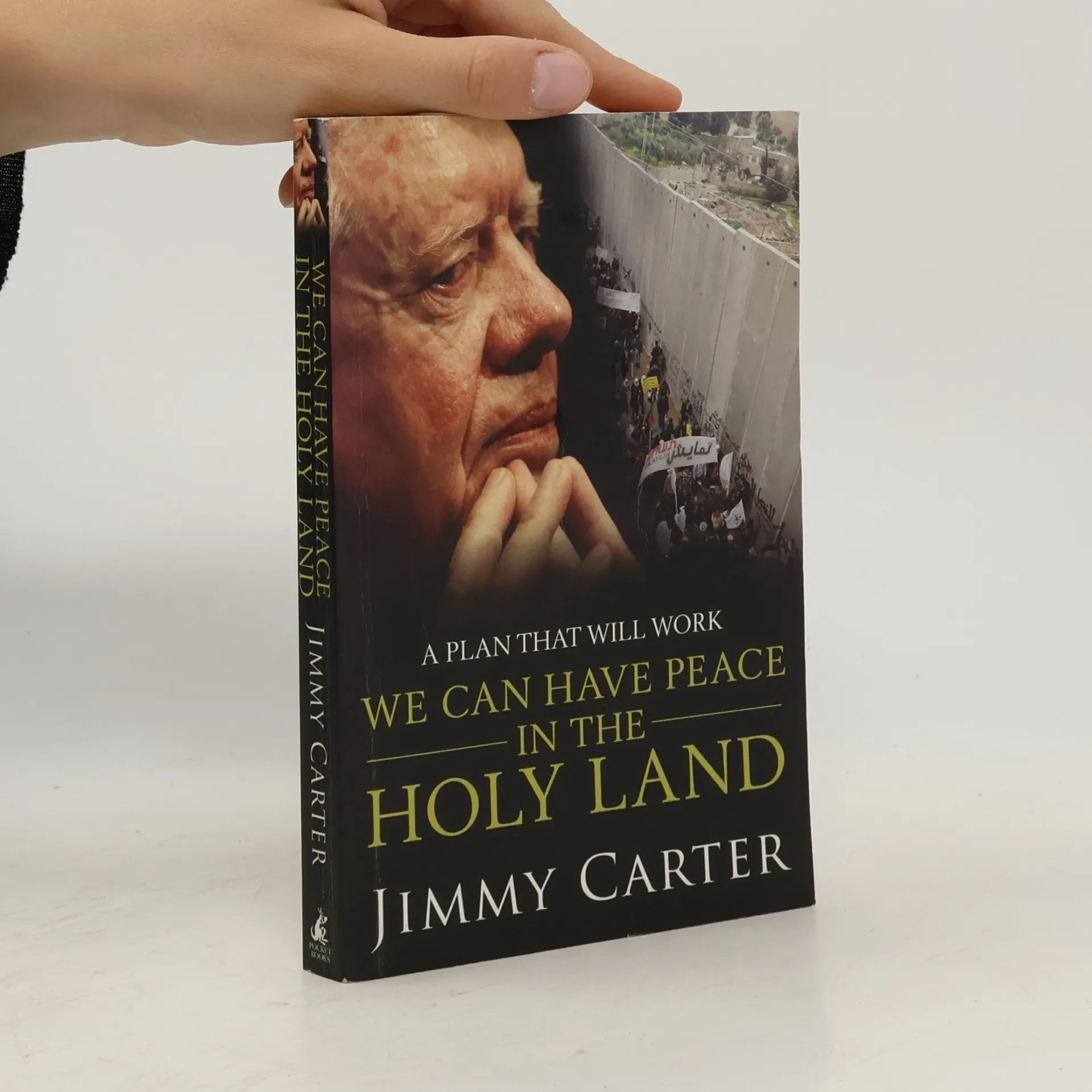
In this balanced and passionate book, former President Jimmy Carter offfers a bold and comprehensive plan for achieving peace in the Middle East.
The American Revolution
- 56 pages
- 2 hours of reading
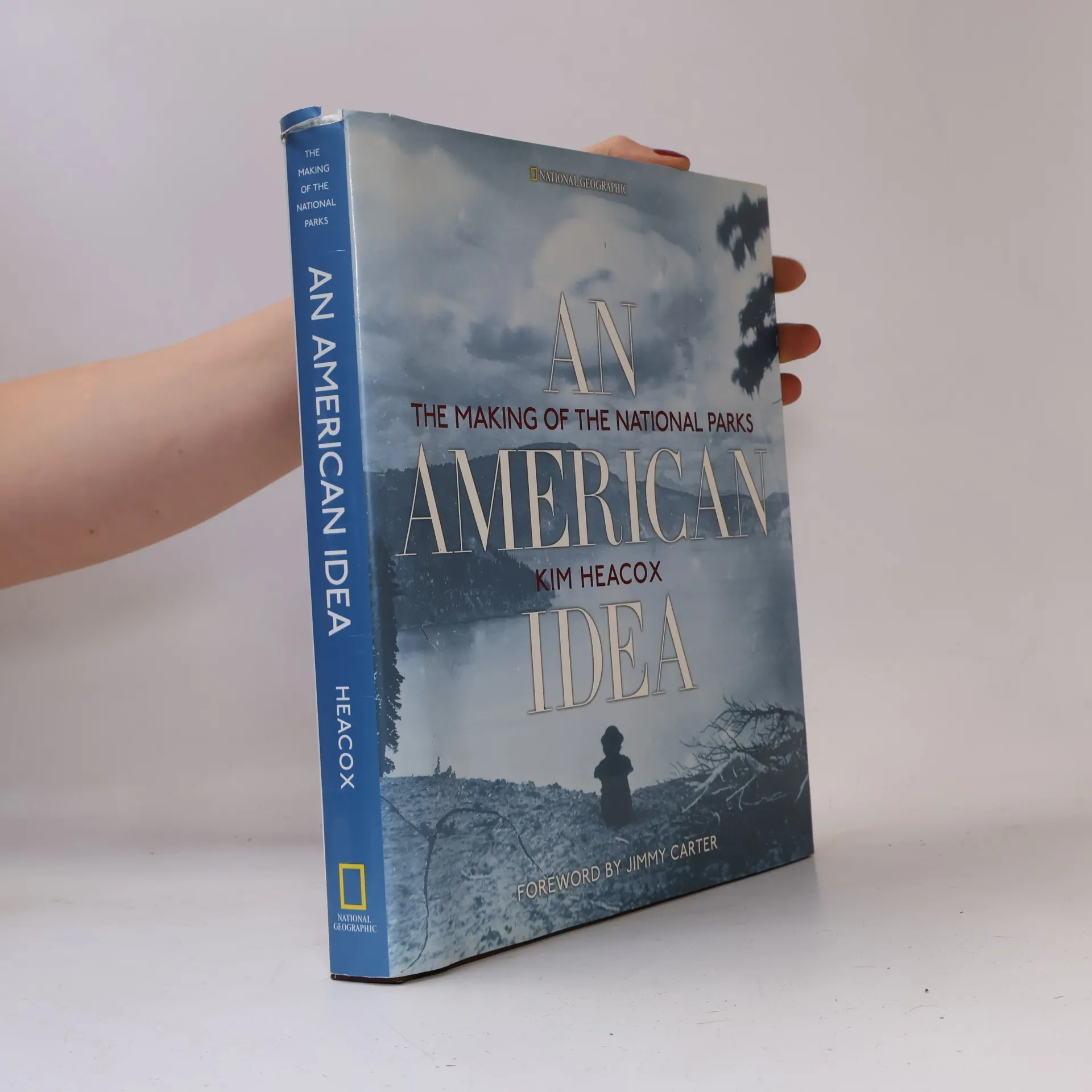
This book chronicles the evolution of the American land ethic, beginning in 18th century Europe, through the 1800s, culminating with the creation of the national park service in 1916. An epilogue brings the story up to the present and features the work of celebrated photographer Ansel Adams. The story of the birth of our national parks is a unique story of America. Through compelling text rich with stunning photographs, maps, and paintings - many never seen before - this volume presents it as never before shown. Venture into Yellowstone in 1806 with John Colter, America's first mountain man, to discover an other world of seething mudpots and geysers. Half a century later, walk with young artist Thomas Moran, whose stunning landscapes of Yellowstone compelled Congress to deem it the first national park. Then follow Moran's career as artist-advocate of many parklands from the Tetons to Canyonlands. Dory the Grand Canyon rapids with John Wesley Powell, the one-armed Civil War officer who first mapped the gorge. Wonder at the stories of the people for whom Havasu Falls is named, and of those whose spirits haunt Mesa Verde.Gaze upon the stunning paintings of Yosemite by Albert Bierstadt and the early photographs of William Henry Jackson and Andrew Joseph Russell. Discover how our national parks have played a part, through war and peace, in buoying the American spirit.
The Little Baby Snoogle-Fleejer
- 24 pages
- 1 hour of reading
Fresh from the success of his highly praised volume of poetry, Always a Reckoning , former president Jimmy Carter now pens his first children's book, illustrated by his daughter Amy. Young Jeremy, who cannot walk, is abandoned at the seashore one day when the others flee at the sight of a terrifying sea monster. With no choice but to face this horror, Jeremy is surprised to discover a kindred spirit in the little baby Snoogle-Fleejer. (All Ages)
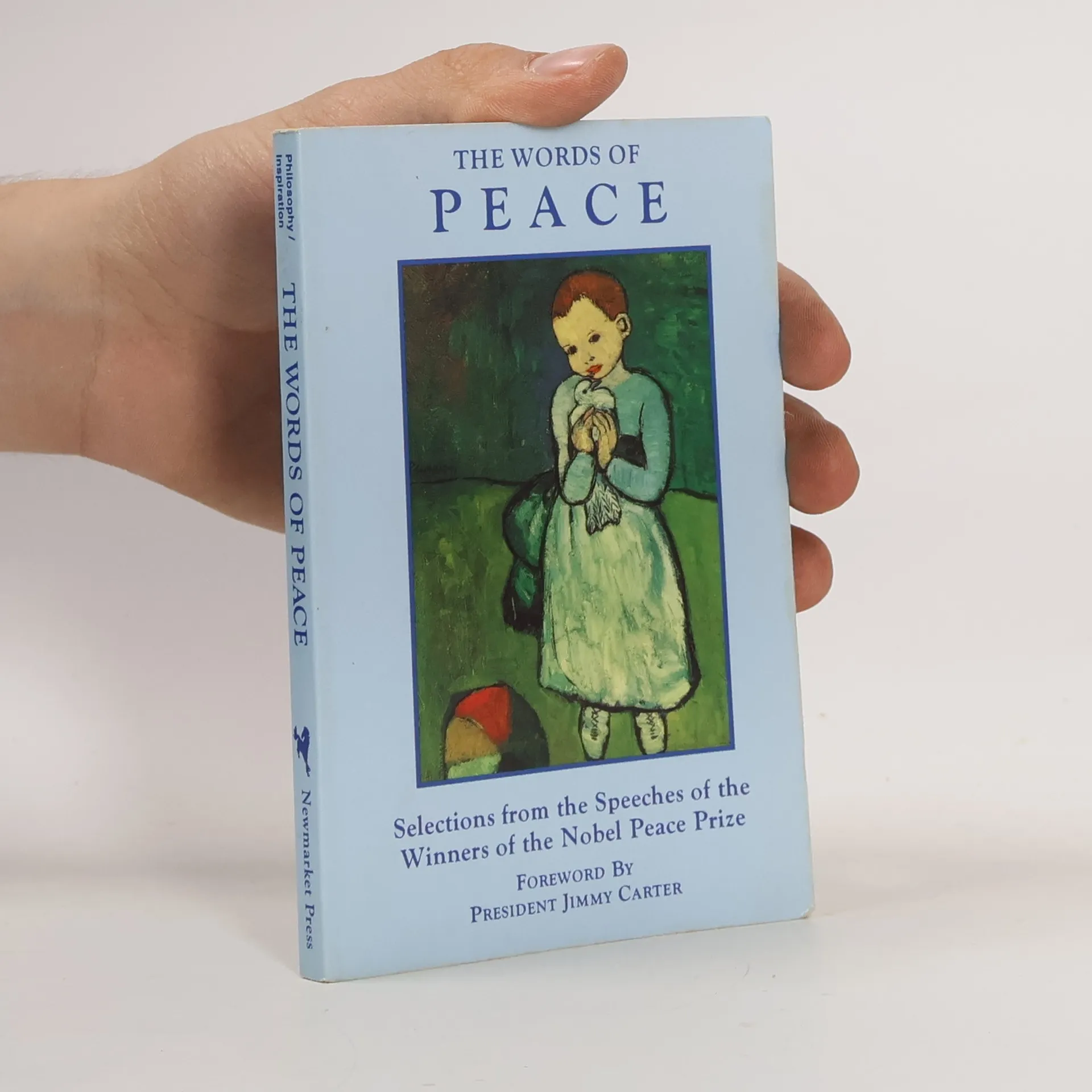
The Words of Peace
Selections from the Speeches of the Winners of the Nobel Peace Prize
- 143 pages
- 6 hours of reading
The voice of 52 Peace Prize laureates since 1901, including Schweitzer, the Dalai Lama, and Mother Teresa, edited from their acceptance speeches and lectures and by the world's foremost historian of the Nobel Prize. 15 photos, chronology.
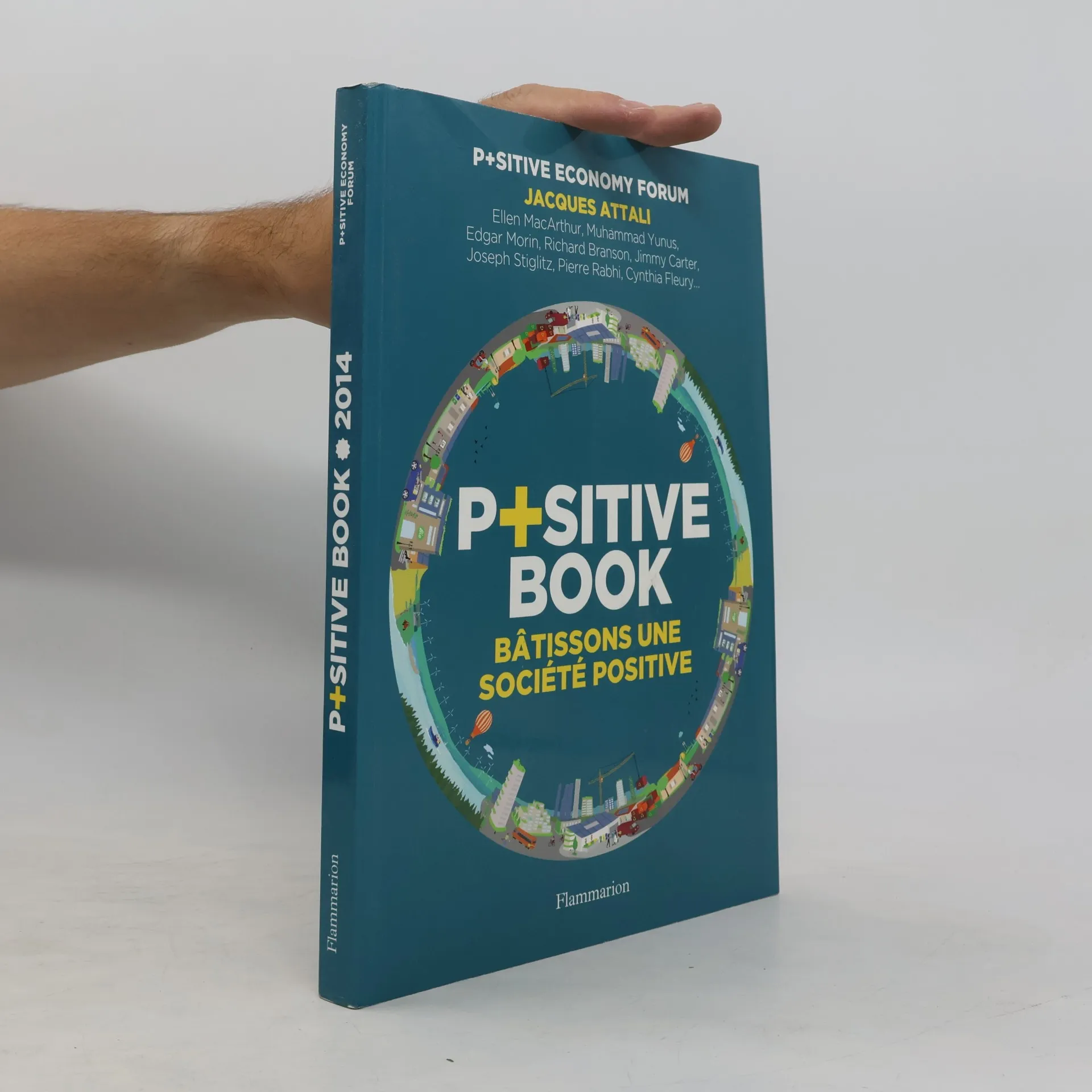
P+sitive Economy Forum - 2014: P+sitive Book
Bâtissons une société positive
- 192 pages
- 7 hours of reading
Depuis quinze ans, Jacques Attali est l'économiste français le plus engagé dans une économie alternative, visant à lutter contre la pauvreté et à protéger l'environnement. Avec Arnaud Ventura et des figures prestigieuses comme Muhammad Yunus et Joseph Stiglitz, il promeut le micro-crédit à travers leur association, PlaNet Finance, qui emploie plus de 1000 personnes dans 80 pays et a distribué plus de 200 millions de micro-crédits. En réponse à ce succès, Attali et Ventura ont lancé le LH Forum au Havre, mettant en avant l'économie positive, centrée sur l'humain et la planète, et visant une vision à long terme. Ce mouvement rejette l'immédiateté et les entreprises indifférentes à leurs salariés ou à l'impact environnemental de leurs actions. Plus de 10 000 participants, incluant économistes, chefs d'entreprise et personnalités internationales, soutiennent cette initiative. Le POSITIVE BOOK, à travers 200 pages et plus de 100 portraits, interviews et récits, vise à faire découvrir ce mouvement au grand public. À travers le monde, des individus innovent et créent des projets, souvent avec peu de ressources, pour combattre l'injustice sociale, la pauvreté et protéger notre planète.
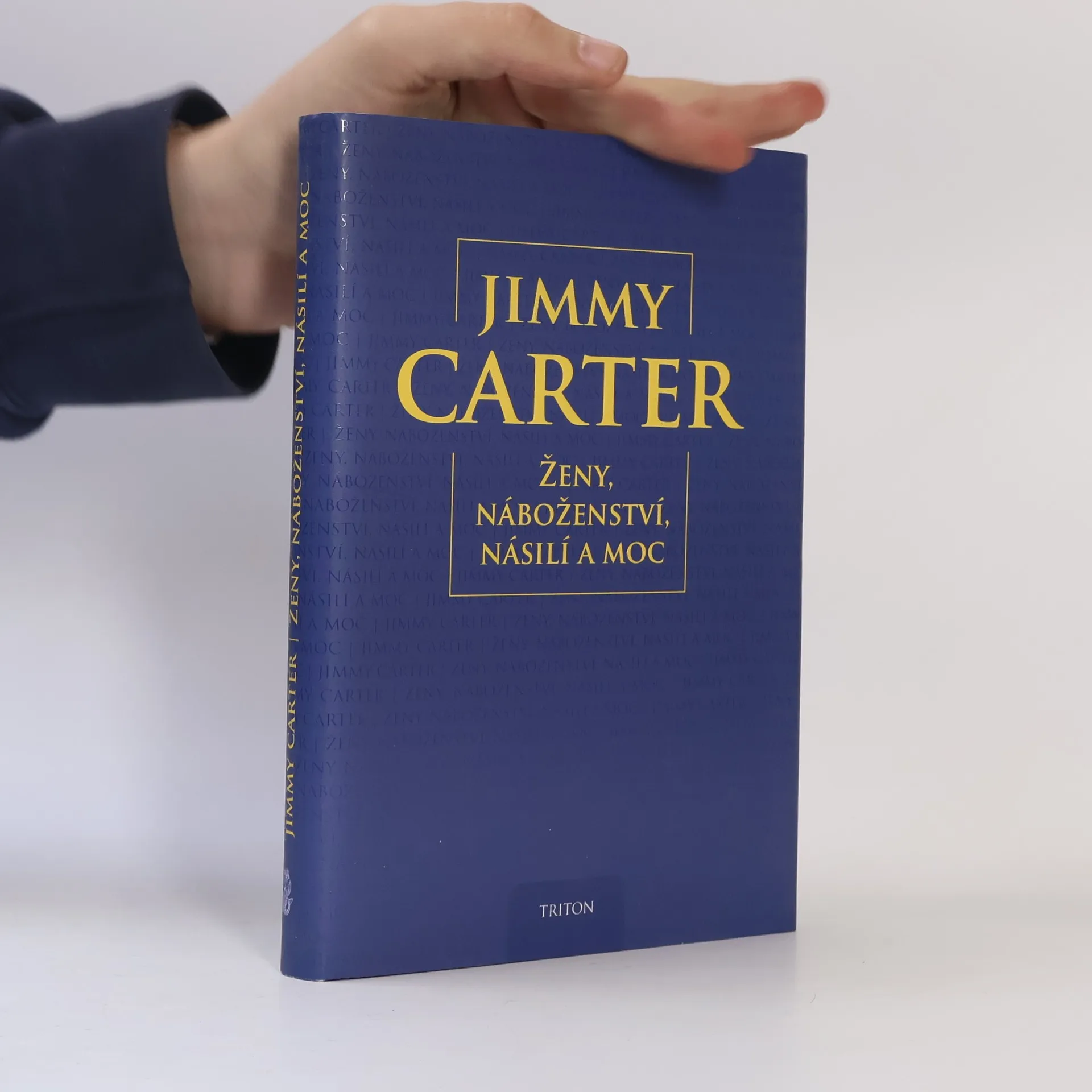
Ve své nejnovější knize se bývalý americký prezident podrobně zabývá předsudky, diskriminací, násilím a zkresleným výkladem náboženských textů, stejně jako fyzickým a duševním týráním, chudobou, nemocemi a válkami, a to z pohledu ženské nerovnosti, která existuje po celém světě. Carter ukazuje, že muži často s tímto stavem nesouhlasí, ale mlčí, aby si udrželi dominantní postavení. Společně se svou ženou Rosalynn navštívil 145 zemí a založil neziskovou organizaci The Carter Center, která aktivně působí v polovině z nich. Měl možnost setkat se s lidmi z odlehlých vesnic a dozvědět se o jejich osobním životě, přičemž zjistil, že nerovnost mezi pohlavími roste rychleji a týká se jak bohatých, tak chudých zemí. Carter si uvědomuje, že ekonomická nerovnost je vážným problémem, ale domnívá se, že nejzávažnějším a opomíjeným problémem jsou deprivace a týrání žen a dívek, které pramení z falešného výkladu náboženských textů a rostoucí tolerance vůči násilí a válkám. Podle něj tento příklad poskytly světu i Spojené státy. Carter zdůrazňuje, že utrpení žen má devastující dopad na ekonomiku, neboť brání přispění nejméně poloviny populace k prosperitě.
Osobní vyznání bývalého amerického prezidenta se týkají jeho víry a náboženského, ale i praktického života.