
Une vie. Lectures Cle En Francais Facile - Level 2
- 63 pages
- 3 hours of reading
Jeanne se marie avec Julien, l'homme qu'elle croit aimer: Or à partir de ce moment-là, des humiliations, des déceptions et des drames vont marquer sa vie...


Jeanne se marie avec Julien, l'homme qu'elle croit aimer: Or à partir de ce moment-là, des humiliations, des déceptions et des drames vont marquer sa vie...
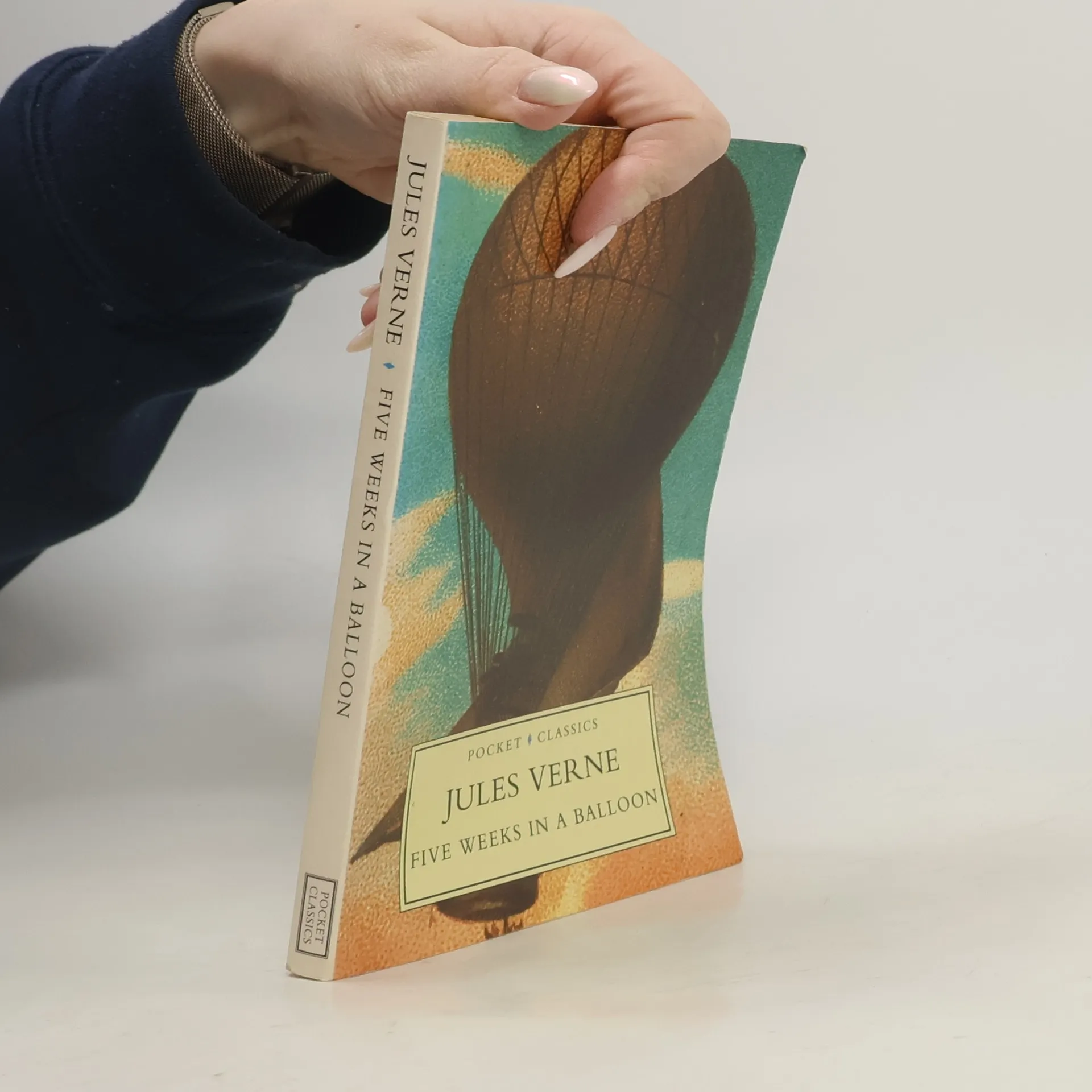
There was a large audience assembled on the 14th of January, 1862, at the session of the Royal Geographical Society, No. 3 Waterloo Place, London. The president, Sir Francis M -, made an important communication to his colleagues, in an address that was frequently interrupted by applause. This rare specimen of eloquence terminated with the following sonorous phrases bubbling over with patriotism: "England has always marched at the head of nations" (for, the reader will observe, the nations always march at the head of each other), "by the intrepidity of her explorers in the line of geographical discovery." (General assent). "Dr. Samuel Ferguson, one of her most glorious sons, will not reflect discredit on his origin." ("No, indeed!" from all parts of the hall.)
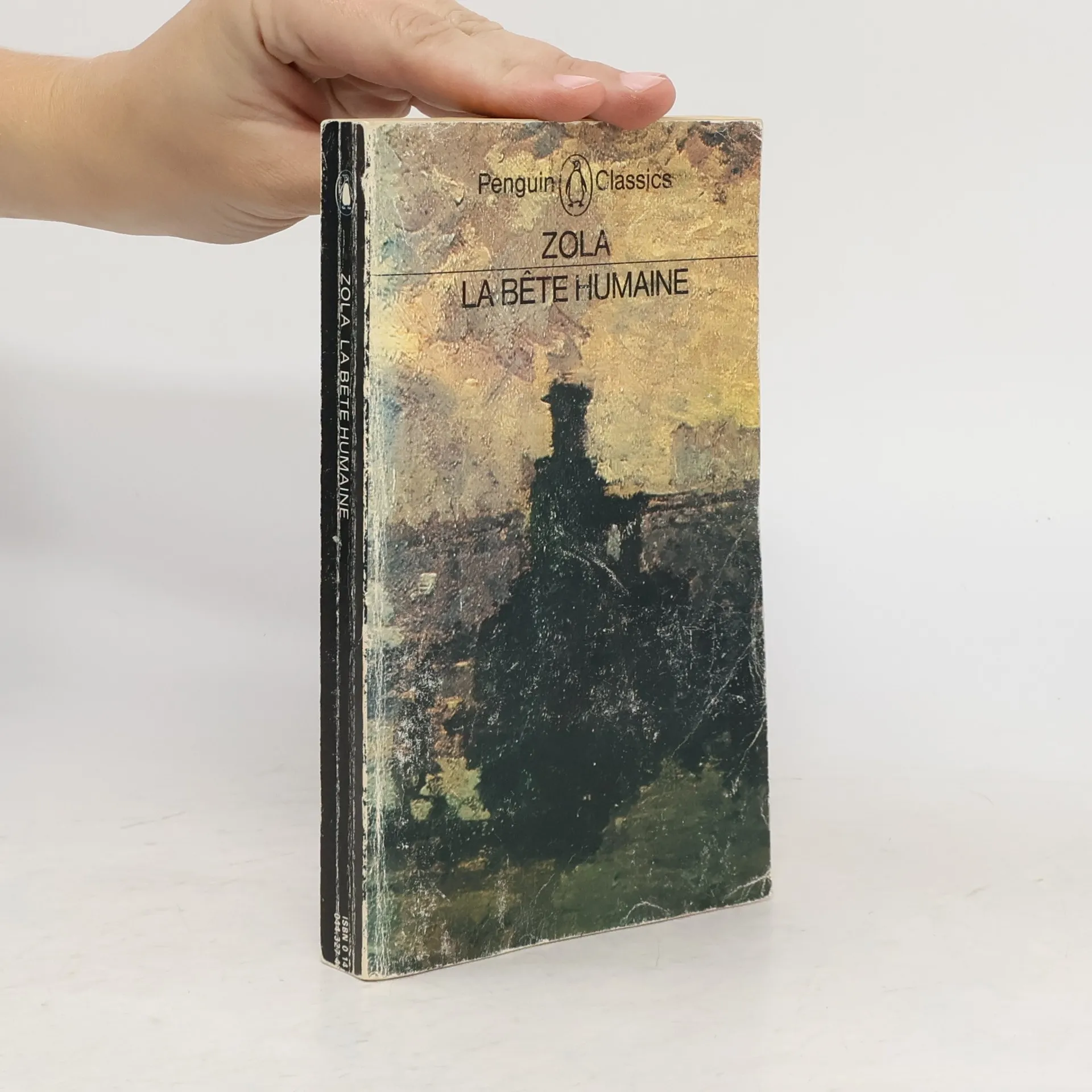
One of Zola's most violent works, this novel is on one level a tale of murder and possession, and on another a compassionate study of individuals derailed by atavistic forces beyond their control. It evokes life at the end of the Second Empire in France, and a society hurtling towards the future.
Set in the picturesque countryside of France, this enchanting novel delves into themes of love, prejudice, and social conventions. The narrative centers on Fadette, a small girl ostracized by her community due to her family's eccentricities. Despite her challenges, she possesses remarkable strength, wisdom, and a deep connection to nature, revealing the depth of her character and resilience. As the story unfolds, it beautifully contrasts societal judgment with the richness of inner strength and understanding.
The narrative follows Michael Strogoff as he embarks on a perilous journey across Siberia to deliver a crucial message to the Russian Czar's brother. Unlike Verne's typical science fiction, this story is grounded in realism, showcasing the challenges and dangers faced during his mission. Through themes of bravery and loyalty, the tale highlights the resilience of the human spirit in the face of adversity.
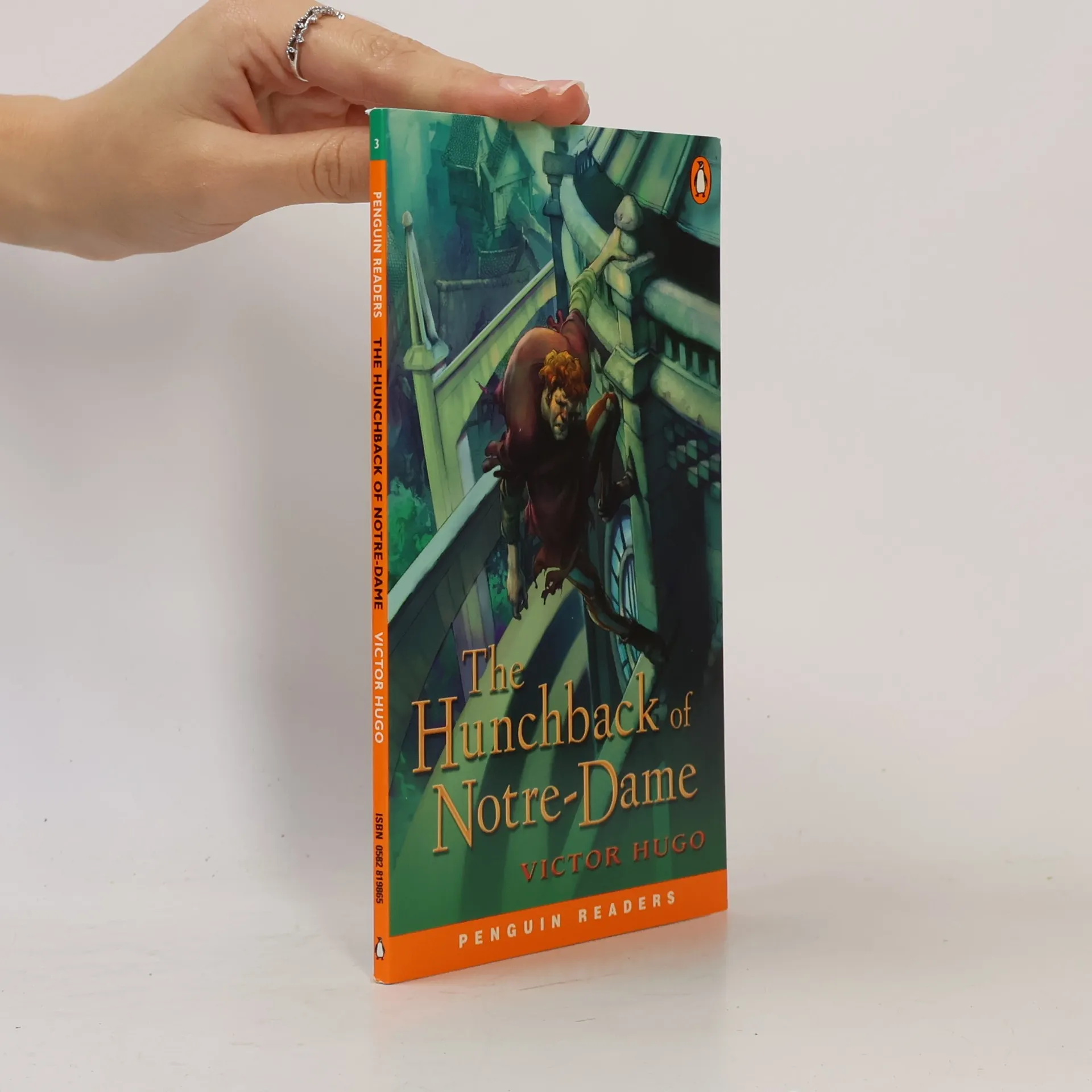
Set in 1482, Victor Hugos powerful novel of imagination, caprice and fantasy is a meditation on love, fate, architecture and politics, as well as a compelling recreation of the medieval world at the dawn of the modern age.
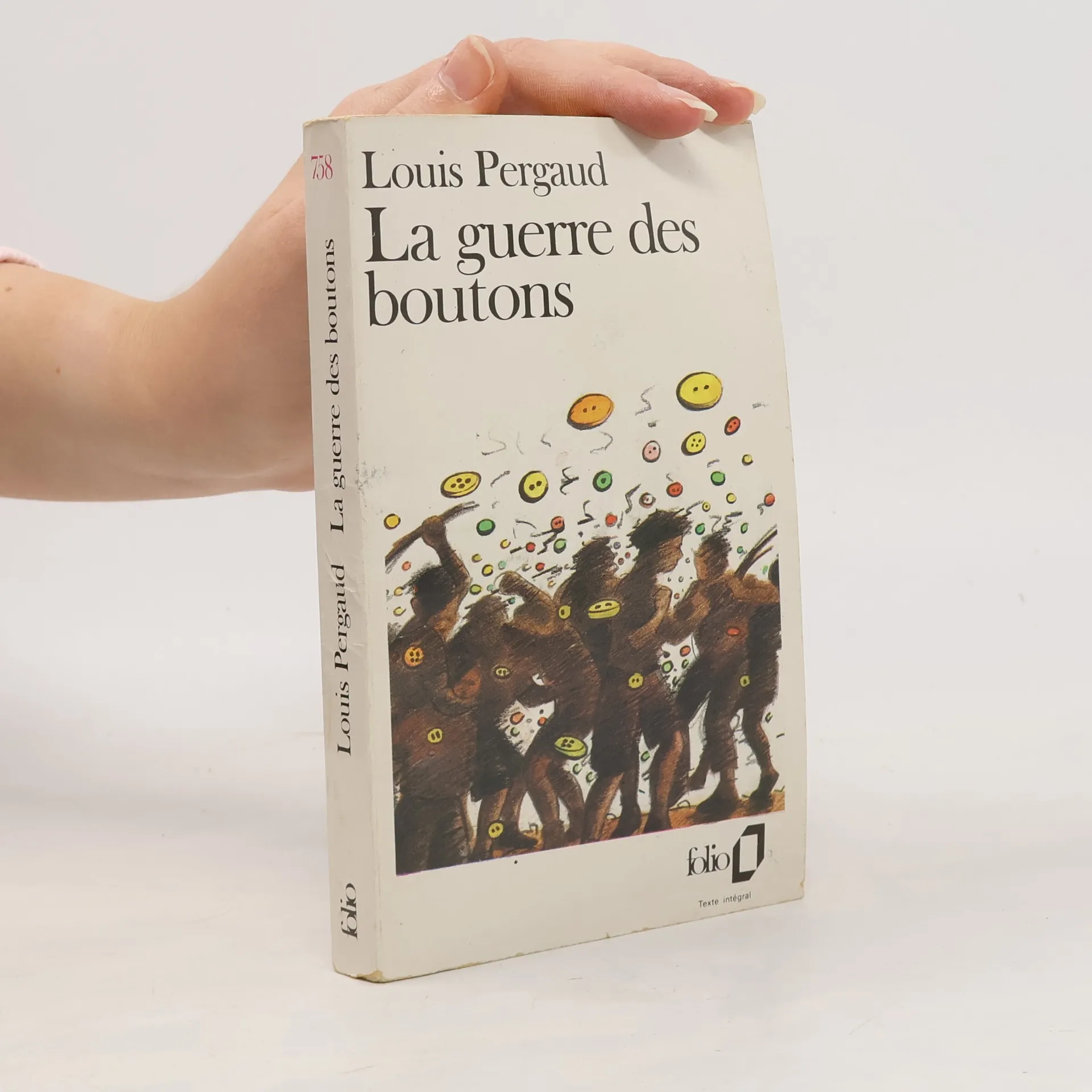
Entre les Longeverne, menés par Lebrac, et les Velrans, du village voisin, la guerre est aussi acharnée qu’immémoriale. Mais, le jour où les Velrans surprennent Grangibus et Tigibus dans le bois et les apostrophent d’une insulte jusque-là inconnue des Longeverne, pourtant experts en jurons fleuris, la guerre prend un tour nouveau.
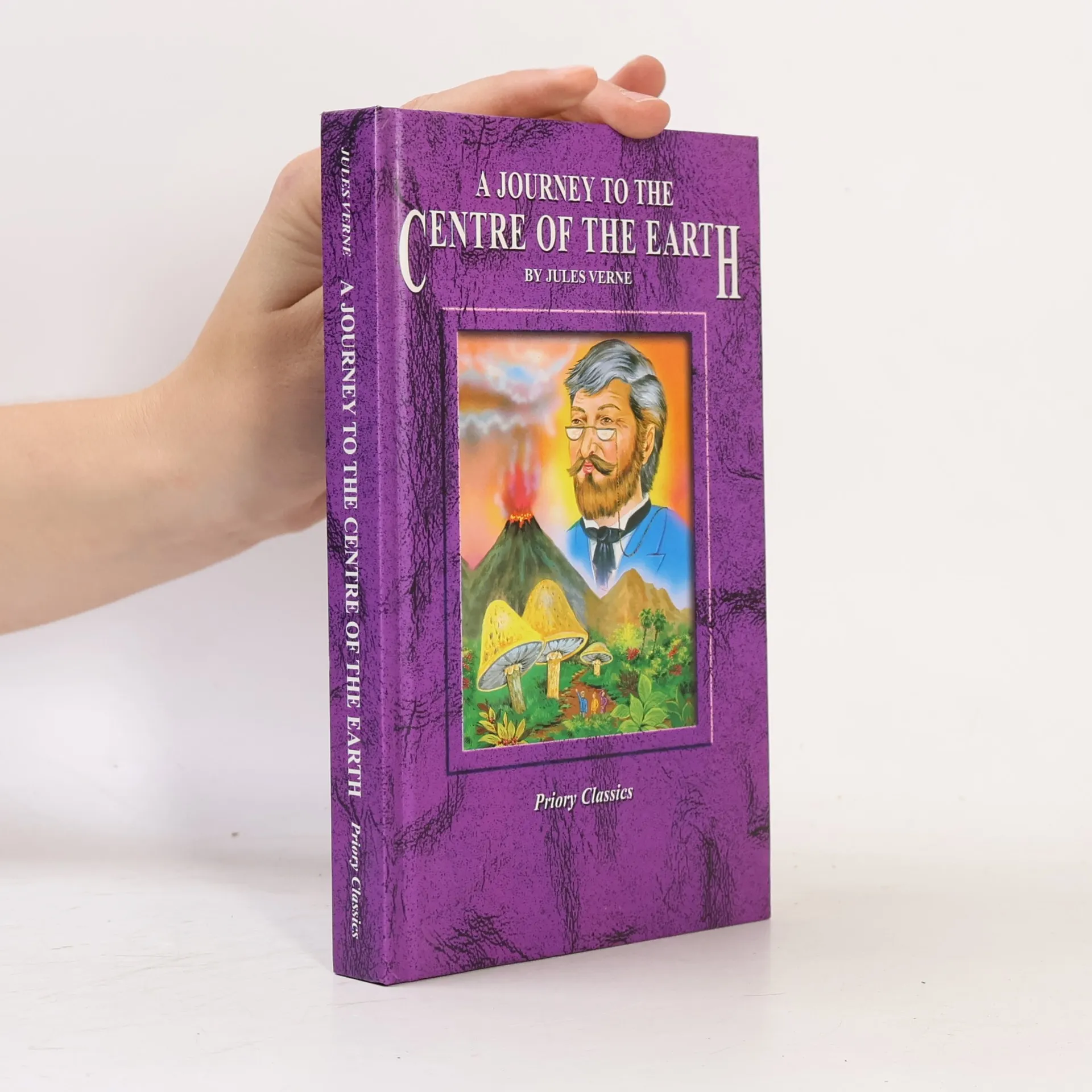
Describes the discovery and exploration of a secret tunnel which leads through a volcano to the centre of the earth.
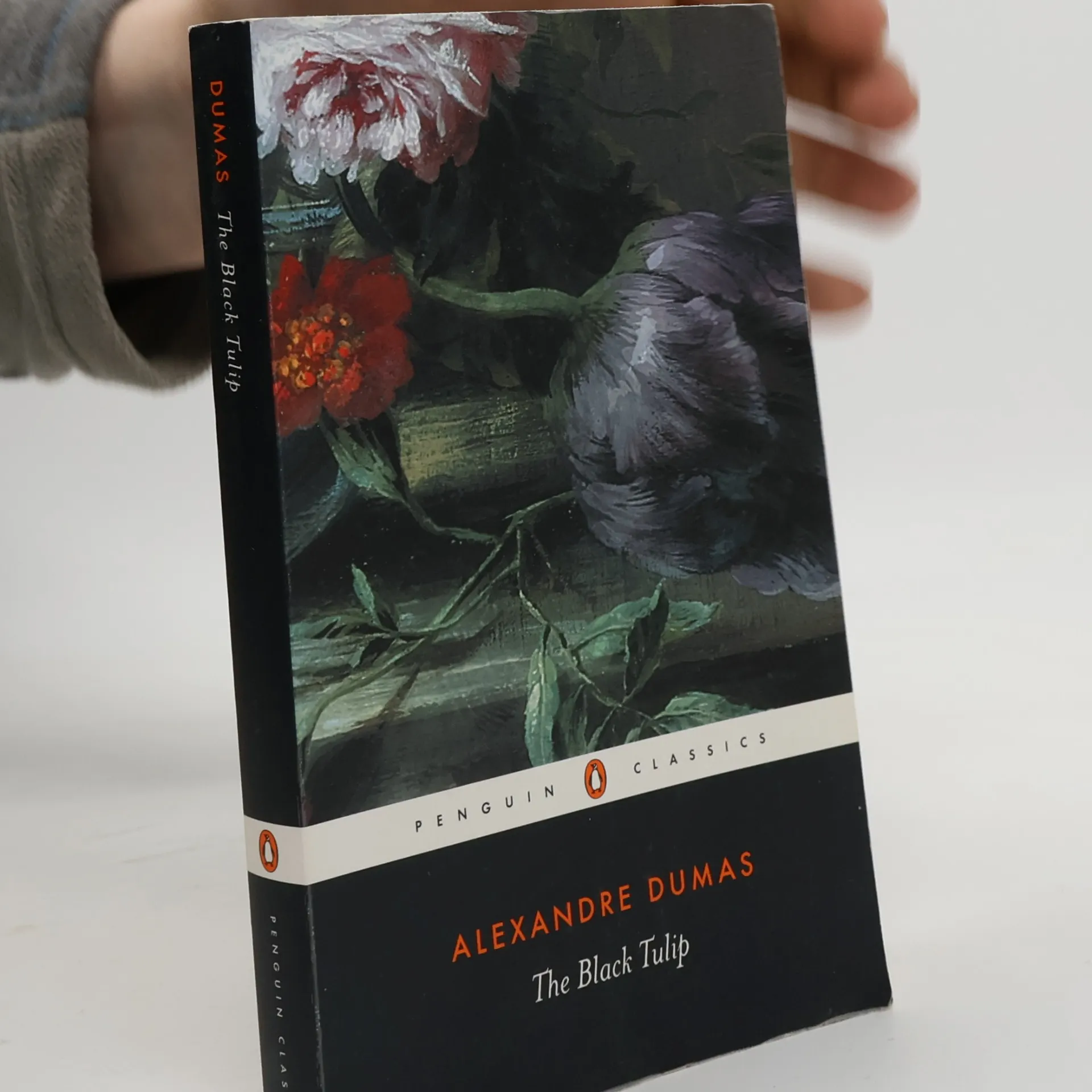
Macmillan Readers series is one of the most popular simplified readers for learners of English. The information is controlled, with pictures explaining some of the difficult vocabulary. This book has 600 basic words for Beginner-level students and explains how Cornelius wants to grow the first black tulip but there are many factors in his way.
Inspector Lognon - an embittered but dedicated detective - is shot. To everyone's amazement, it emerges that Lognon had spent the last ten nights in the room of a beautiful young woman - who has disappeared. In retreading Lognon's secretive last days, Maigret's investigations lead him into the murky world of art-collecting and forgery.
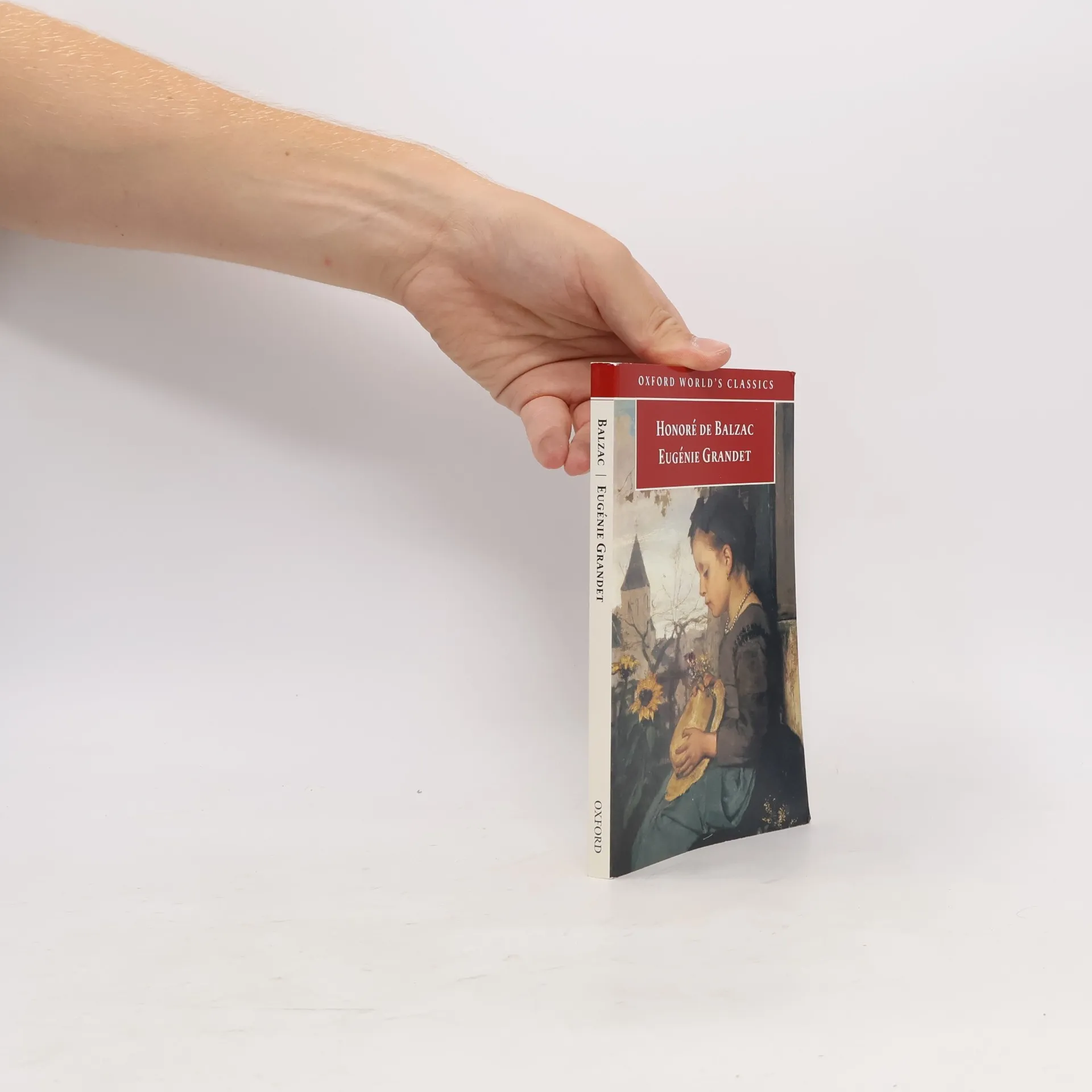
One of the earliest and most famous novels in Balzac's Comédie humaine, Eugénie Grandet portrays the fall of the Grandet household. In its record of financial acuity, the vicissitudes of the wine trade, and the social and economic consequences of the Revolution, we find a vigorous fictional document of the age.
«Maigret non voleva ammetterlo, ma quello che lo lasciava più perplesso era il volto della vittima. Per il momento, ne conosceva un solo profilo. Che fossero le contusioni a darle quell’espressione imbronciata? Sembrava una bambina, una bambina di cattivo umore. I capelli scuri, morbidissimi, buttati indietro, erano naturalmente ondulati. Sotto la pioggia, il trucco si era un po’ sciolto, e questo, anziché invecchiarla o imbruttirla, la rendeva ancora più giovane e attraente».
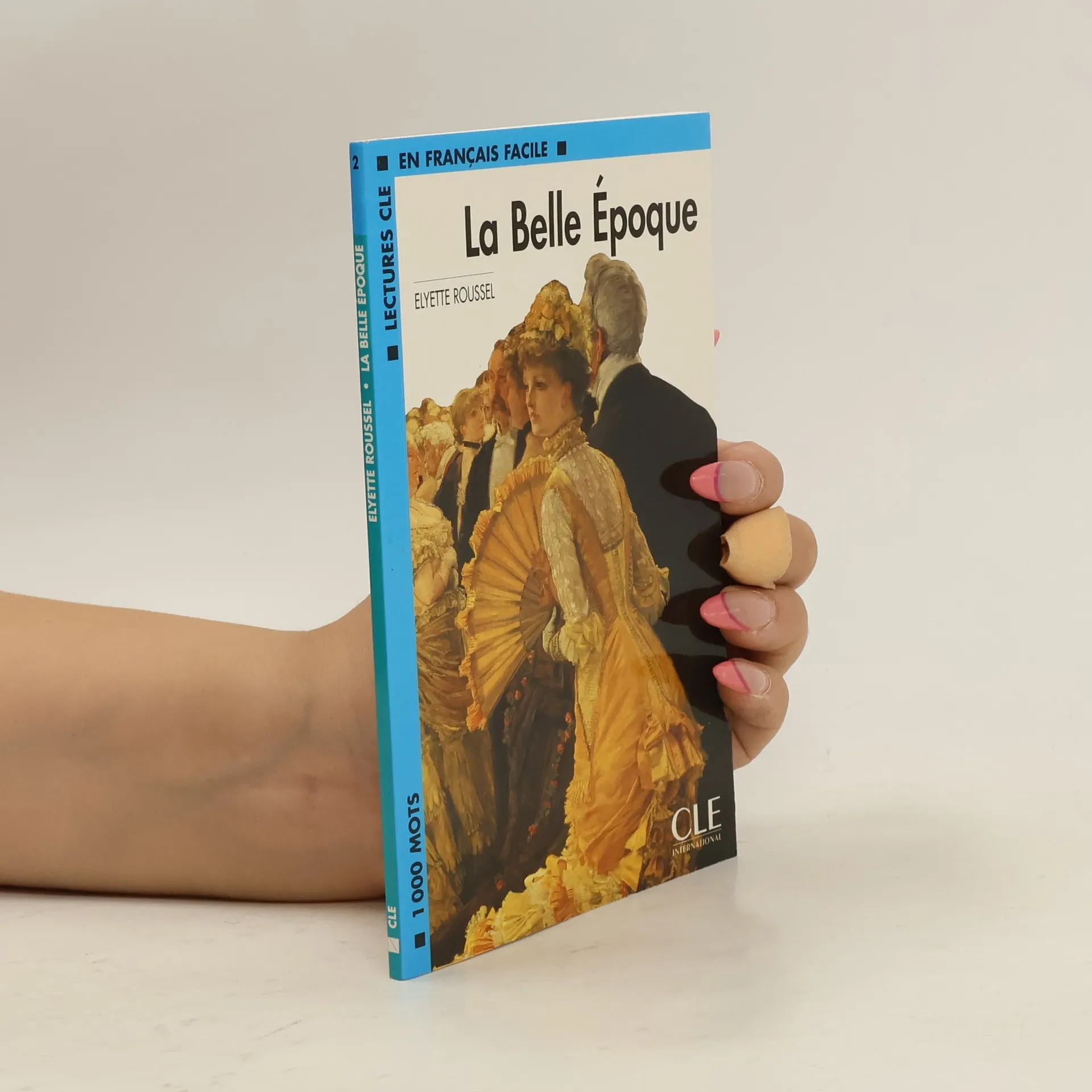
Les années de paix comprises entre l'Exposition universelle de Paris de 1878 et le début de la Première Guerre mondiale (1914) sont considérées comme l'époque d'une vie agréable appelée plus tard la " Belle Epoque ". La Belle Epoque, ce sont les cafés et les cabarets de Paris, la construction de la tour Eiffel, l'invention du cinéma, les banquets somptueux, les cortèges présidentiels et les célébrations populaires...