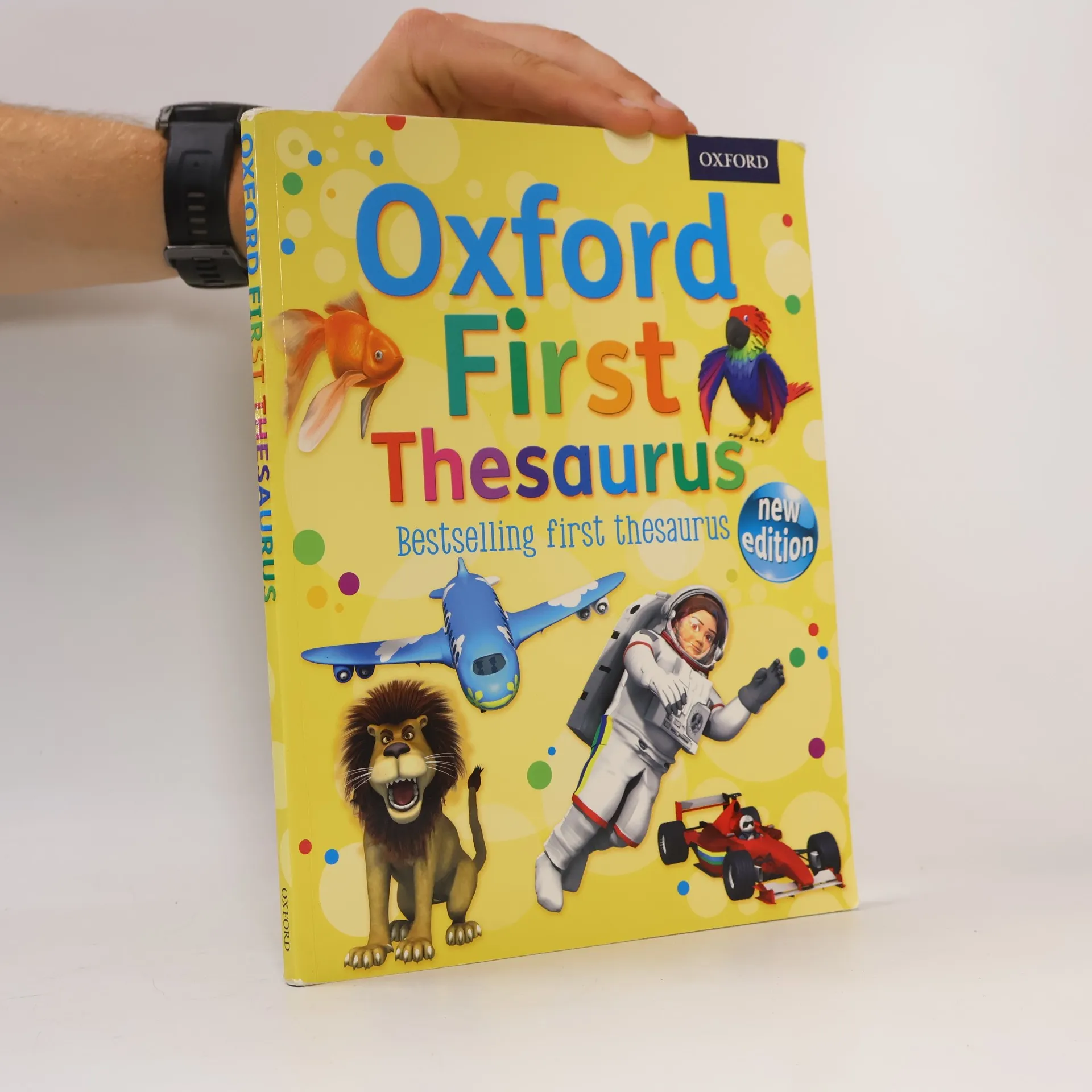
This illustrated thesaurus aims to help children develop a confident writing style of their own. There are headwords, listed alphabetically, with a page or spread of their own. Synonyms are given, along with opposites and sample sentences.
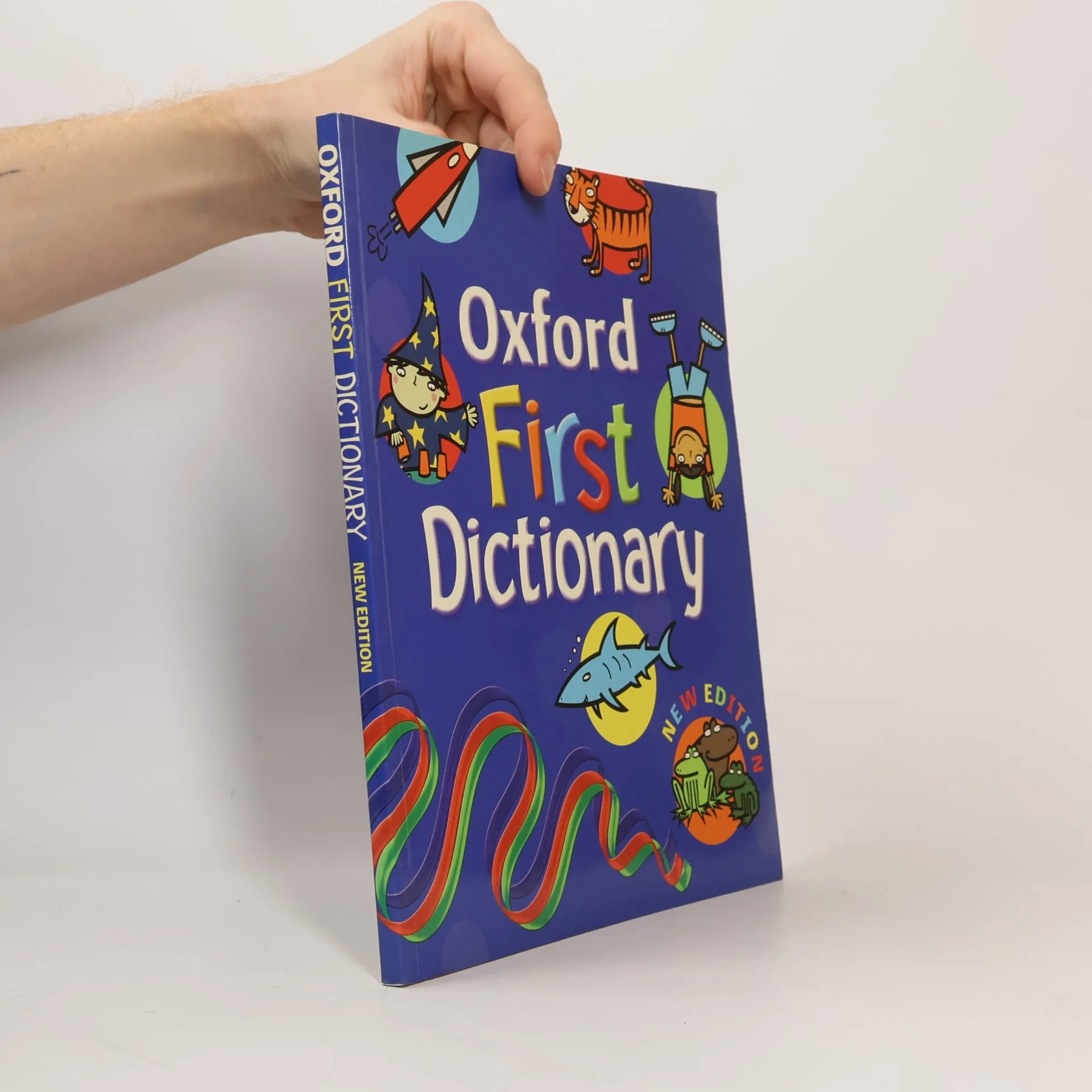
A dictionary for children in their first years at school. It contains 1500 entries in alphabetical order, along with simple, easy-to-read meanings, parts of speech (noun or verb), plurals, and topical examples of sentences to clarify meaning. It also includes simple grammar, key overused words (with alternatives) as well as opposites, and more.
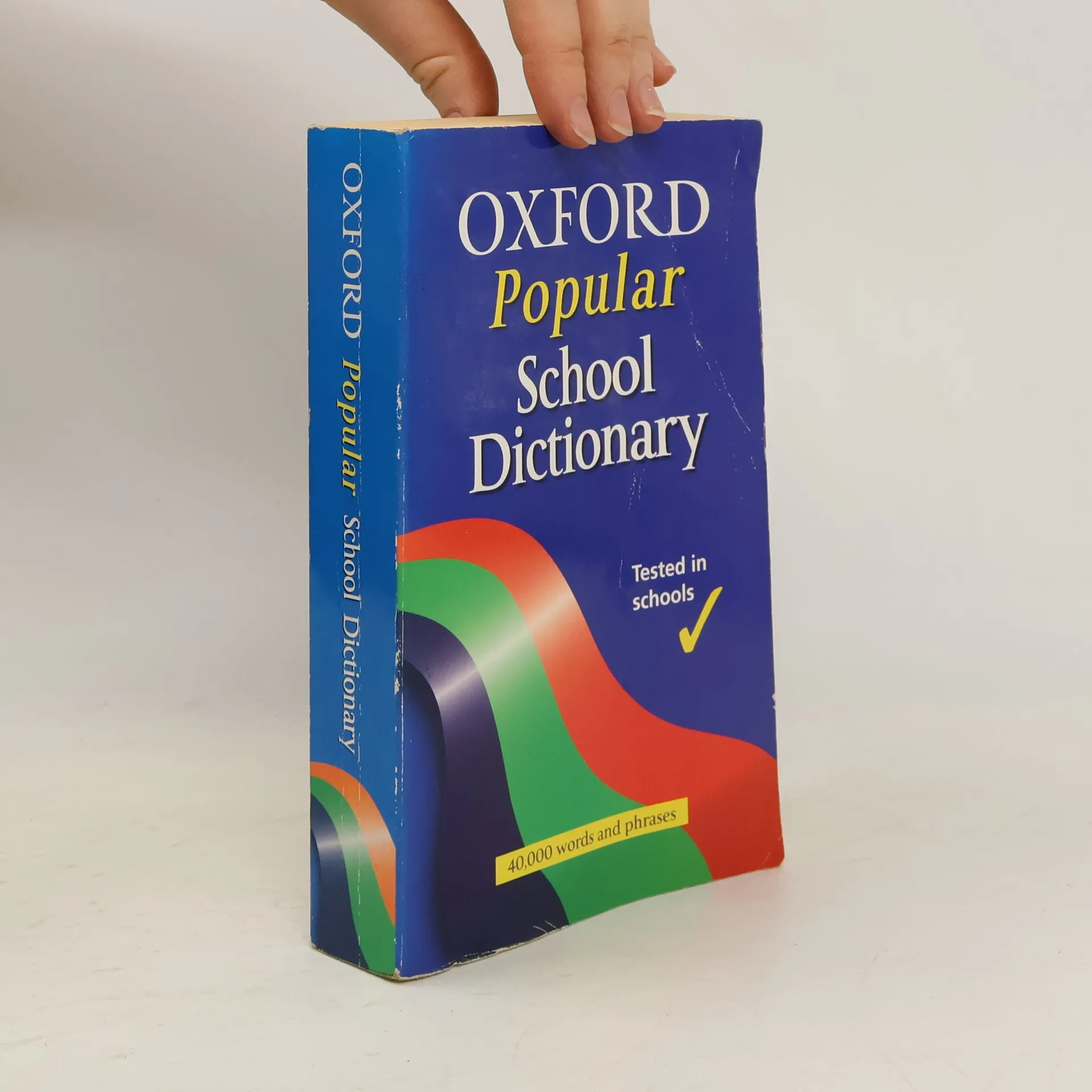
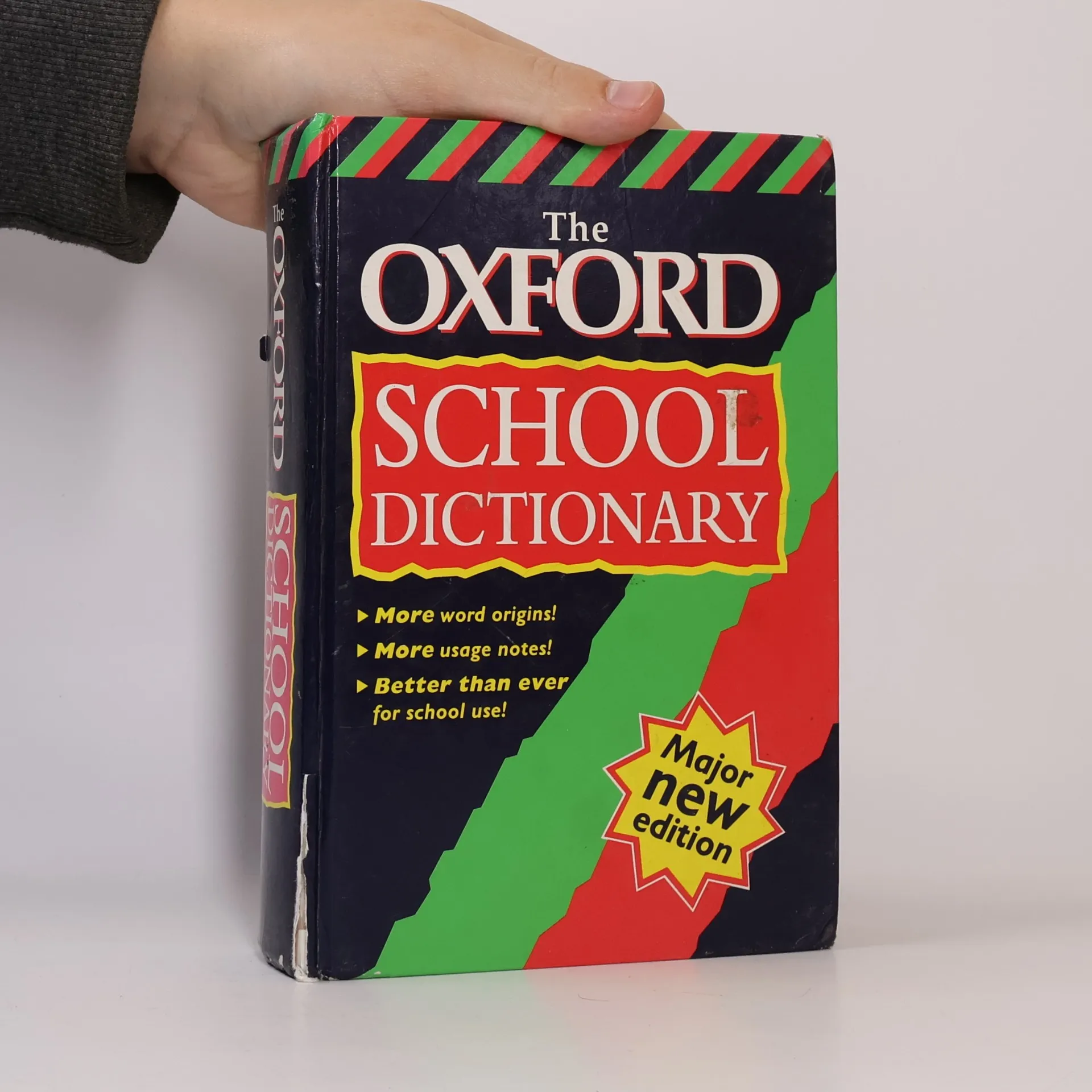
The Oxford School Dictionary is specially written for students at school and at home. It has been trialled and tested in schools and contains 45,000 words and phrases.Special Features:* Coverage of new words* Information boxes to give word families, usage, language and grammar notes.* Pronunciation guides to help with unusual words.* Idiomatic phrases and expressions are fully defined.* Derived words to expand vocabulary.* Style labels (formal, informal) to encourage accurate use of language.Features:* Headwords in bold to find words more easily* Definitions are clear and accurate.* Up-to-date example sentences and phrases to show how words are used in context.* Parts of speech and inflections written out in full to build grammatical skills.* Introduction to show how to use the dictionary.* Appendices include weights and measures and countries and peoples list
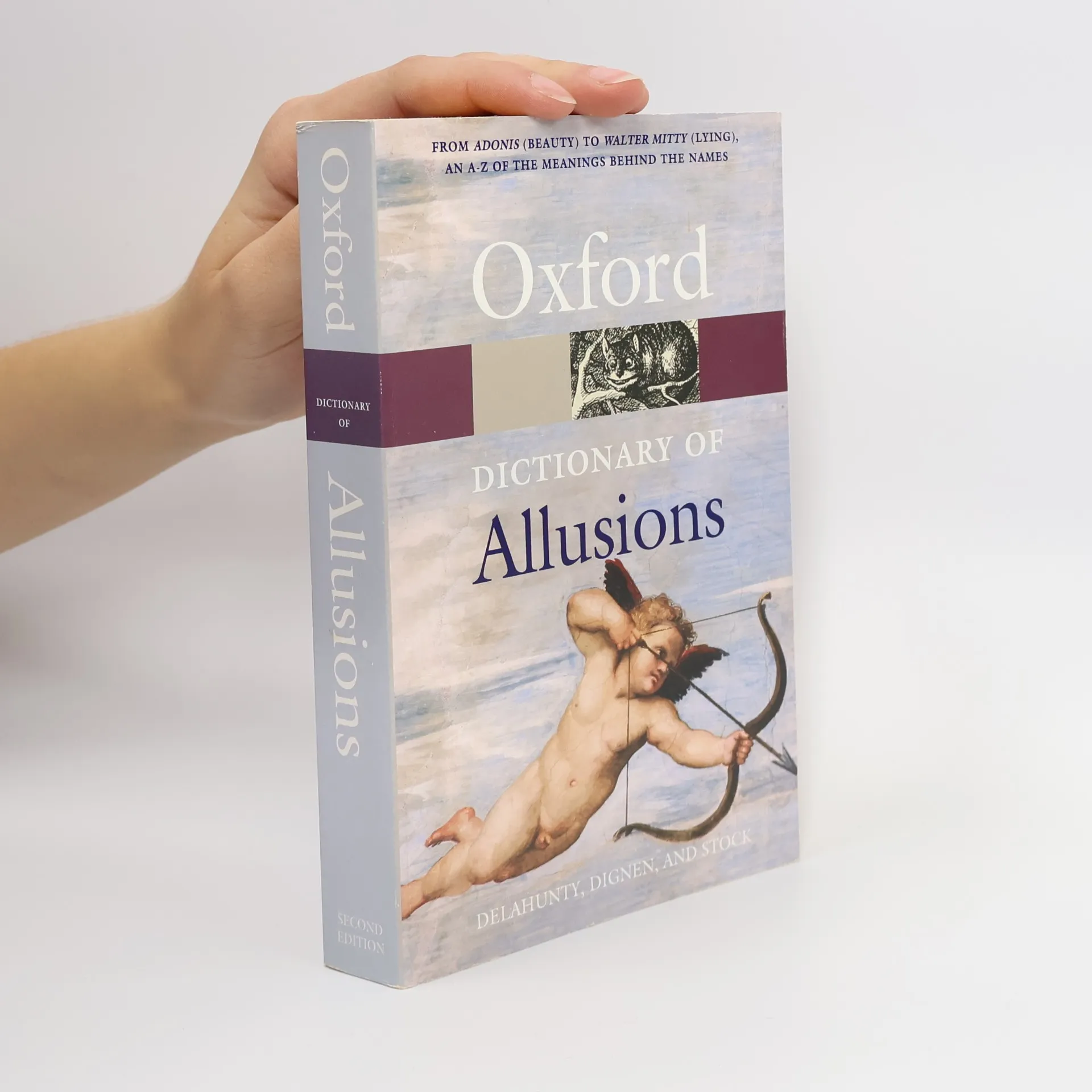
Allusions form a colourful extension to the English language, drawing on our collective knowledge of literature, mythology, and the Bible to give us a literary shorthand for describing people, places, and events. So a miser is a Scrooge, a strong man is a Samson or a Hercules, a beautiful woman is a Venus or a modern-day Helen of Troy- -we can suffer like Sisyphus, fail like Canute, or linger like the smile of the Cheshire Cat.This reference work explains the meanings of the allusions in use in modern English, from Abaddon to Zorro, Tartarus to Tarzan, and Rubens to Rambo. Quotations from a range of authors and sources are included at most entries to illustrate usageanywhere from Thomas Hardy to Ben Elton, Charles Dickens to Bridget Jones's Diary. This second edition includes completely up-to-date allusionsfrom Gollum to Kofi Annanand a handy A-Z order has been adopted for extra ease of reference and usability.
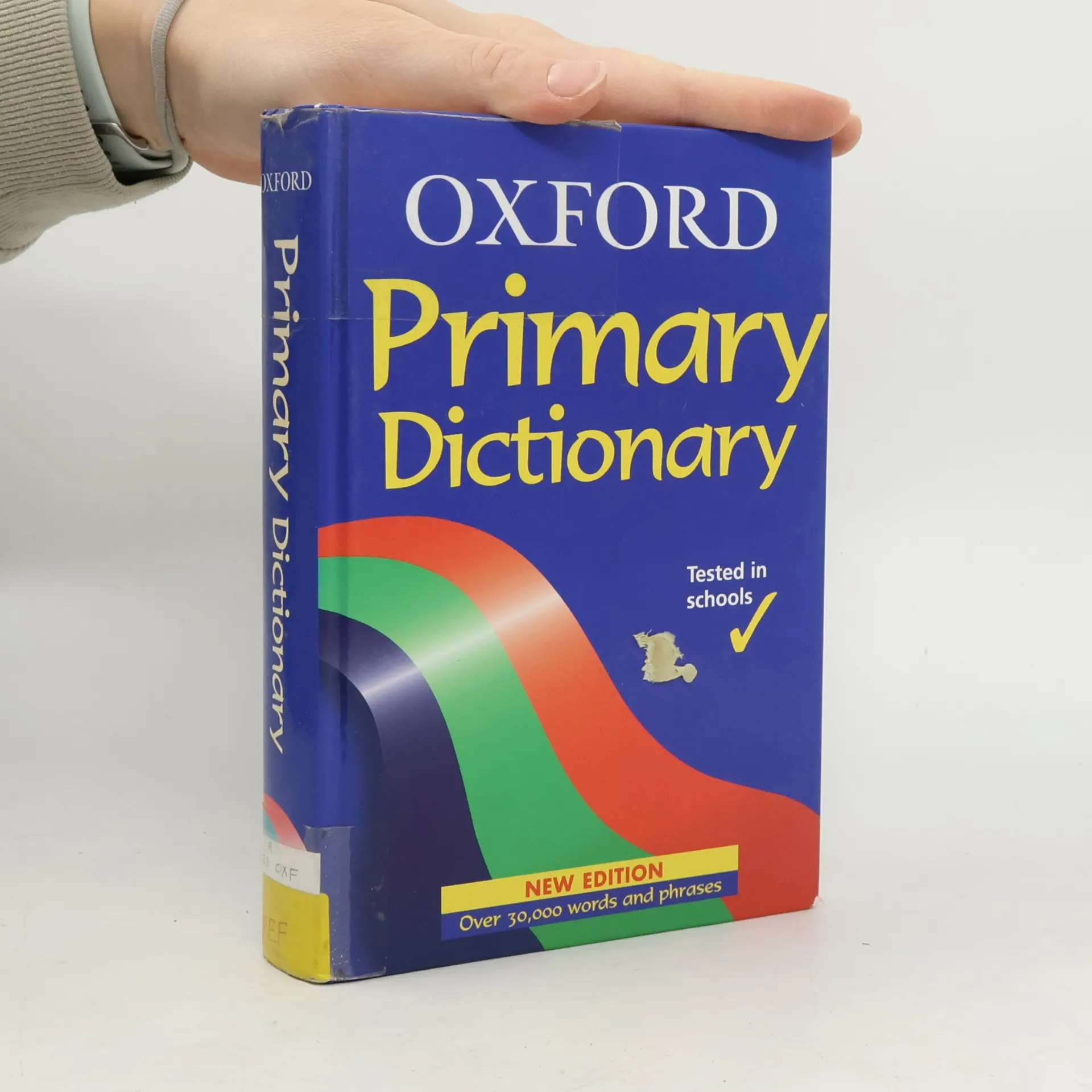
This new edition of the Oxford Primary Dictionary provides KS2 users with the most appropriate and comprehensive dictionary in the market. With colour headwords, alphabet and virtual thumb tabs down every page and a clear, accessible design, students can navigate the dictionary with ease. This is an ideal reference tool covering the general requirements of what literate primary pupils should be achieving in the NLS, as well as supporting word and sentence level work on: spelling strategies, rules, and conventions, vocabulary extension, grammatical awareness, and correct sentence construction and punctuation.
Offering students a head start at school and at home, this book serves as a reference tool for students with dictionary skills who are not yet ready to use an adult dictionary. It contains definitions, phrases, and sample sentences.
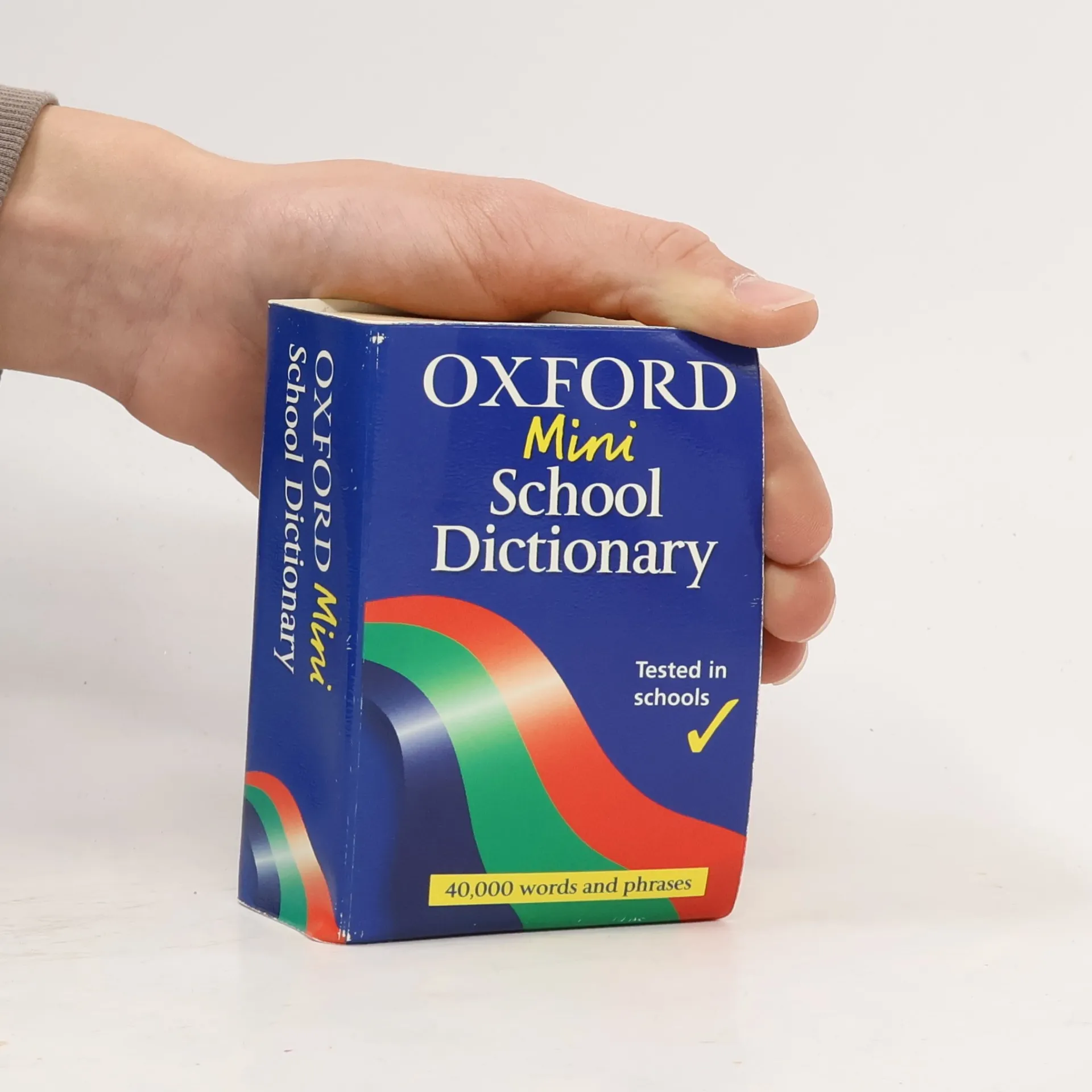
Including word origins to develop knowledge about language; and information panels giving guidance on usage, spelling and grammar, this book serves as a useful portable dictionary for school use. It includes introduction to show how to use the dictionary; and appendices include weights and measures and countries and peoples list.
Drama starring Lynda Carter ('Wonder Woman'). Kate Carlin (Carter) is a social worker who suspects that Robert Westfield's (Harold Gould) adoption agency isn't as above-board is it seems.
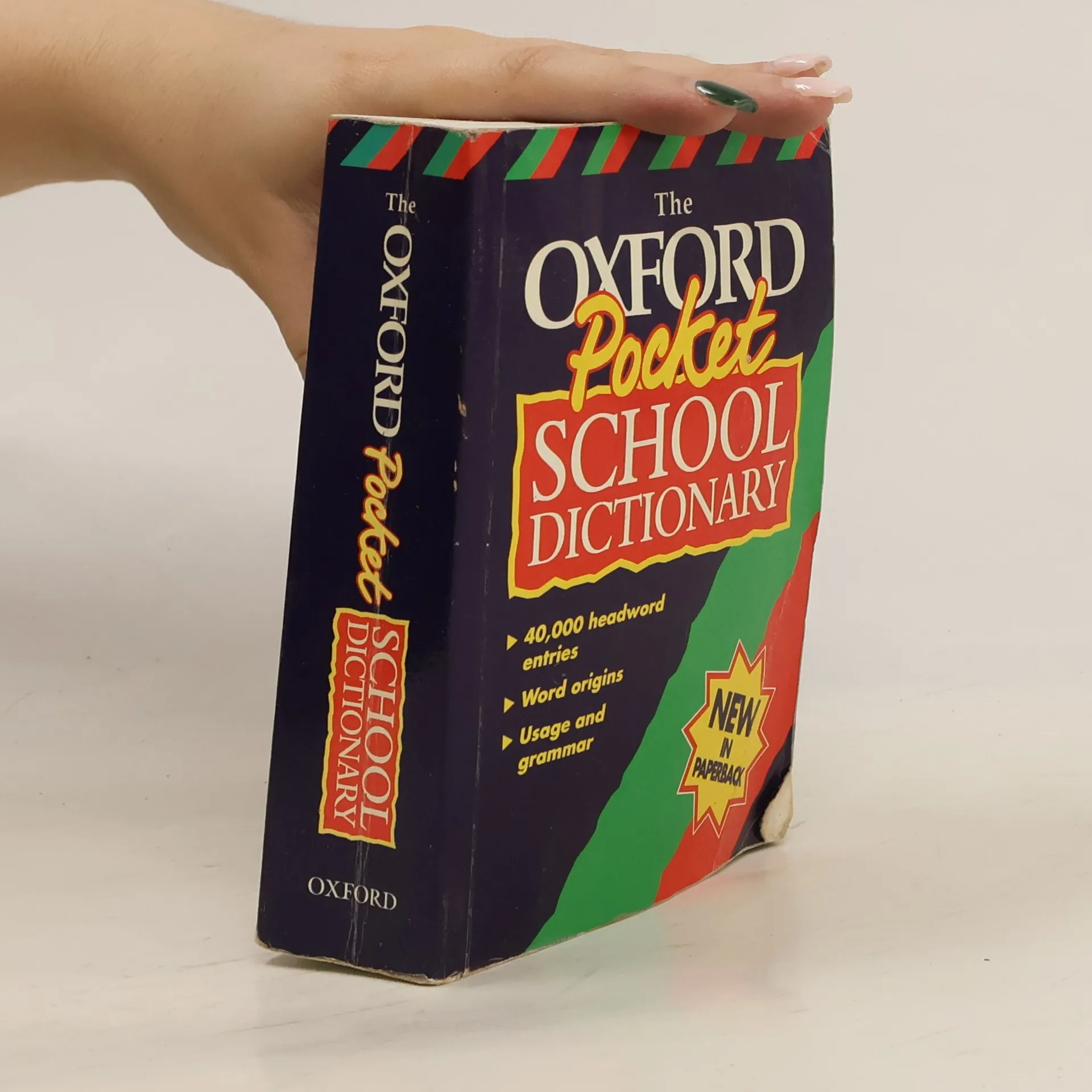
This volume contains the complete text of "The Oxford School Dictionary" (new edition) in a pocket format. The book is intended for readers aged 11 years and above.
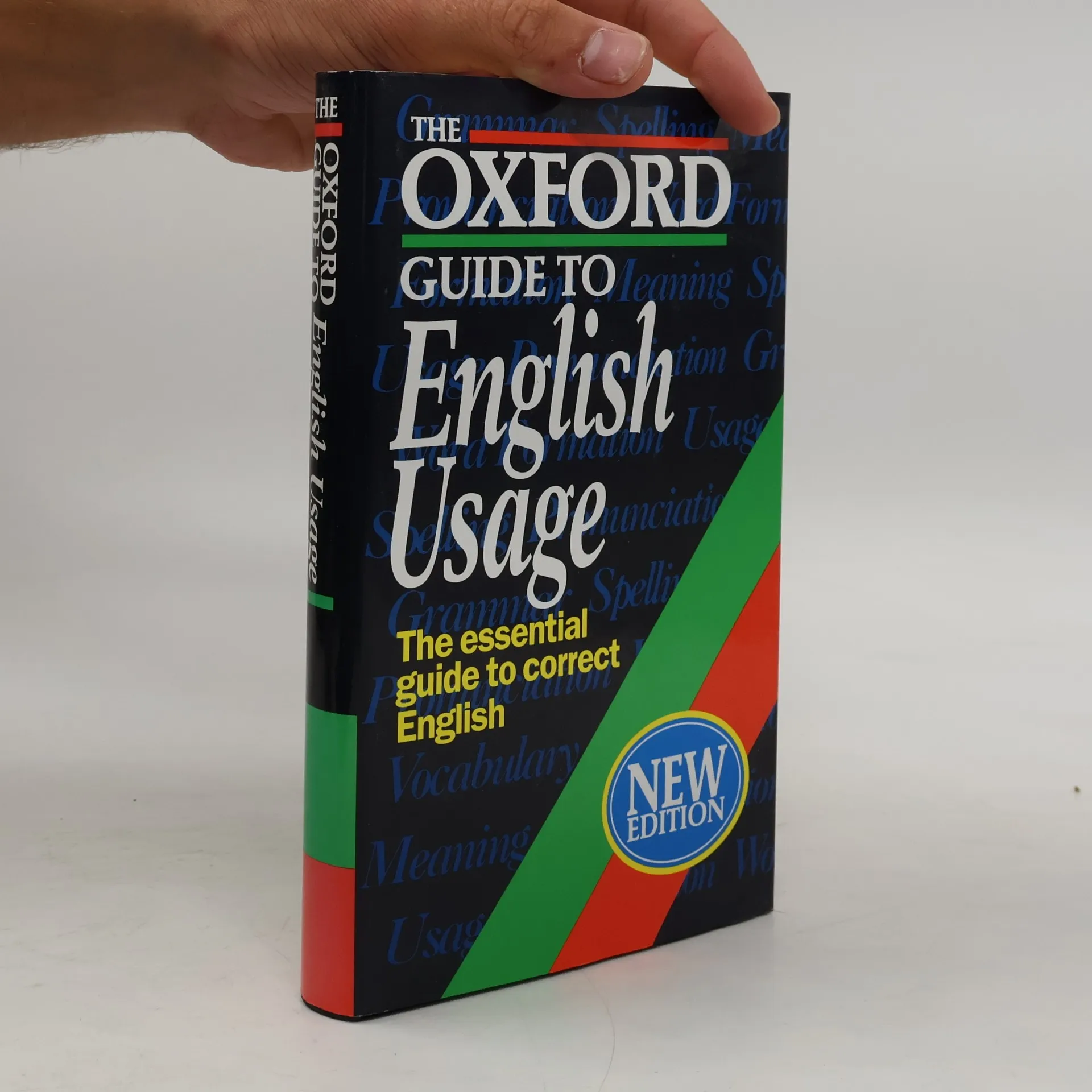
Based on the highly successful second edition of the Oxford Guide to English Usage , this new Little Oxford Guide to English Usage offers the same valued information in a handy, compact format. Here is an essential guide to good English that takes the user clearly and easily through each aspectof writing and speaking English, with copious examples drawn from the works of the best writers. Have you ever had doubts about when to hyphenate two words? Confused over whether you should disassociate or dissociate yourself from something? Do you know when to spell doggie as doggy ? Is it really arule that a preposition should never fall at the end of a sentence?The Little Oxford Guide to English Usage answers these questions and more, and it also includes advice on spelling, punctuation, pronunciation, and difficult and misused words. Designed for daily use, this marvelous handbook is organized according to basic themes (Word Formation, Pronunciation,Vocabulary, Grammar) and written to address the actual needs of a typical writer. Now there's a single, convenient, and eminently portable source you can turn to with all your questions about how to speak and write more clearly.