Defining Creole
- 444 pages
- 16 hours of reading
This volume gathers the last ten years worth of published articles on Creole languages and their origins by John H. McWhorter, a unique and often controversial scholar in the field.


John McWhorter is an academic and linguistic author whose work primarily investigates the formation of creole languages and how grammars change due to sociohistorical phenomena. His writings explore the emergence and evolution of languages, revealing how these processes reflect deeper societal forces. McWhorter makes complex linguistic concepts accessible and engaging, demonstrating the profound connection between language and human society. His authorial voice is recognized for its clarity and depth across a wide range of topics.


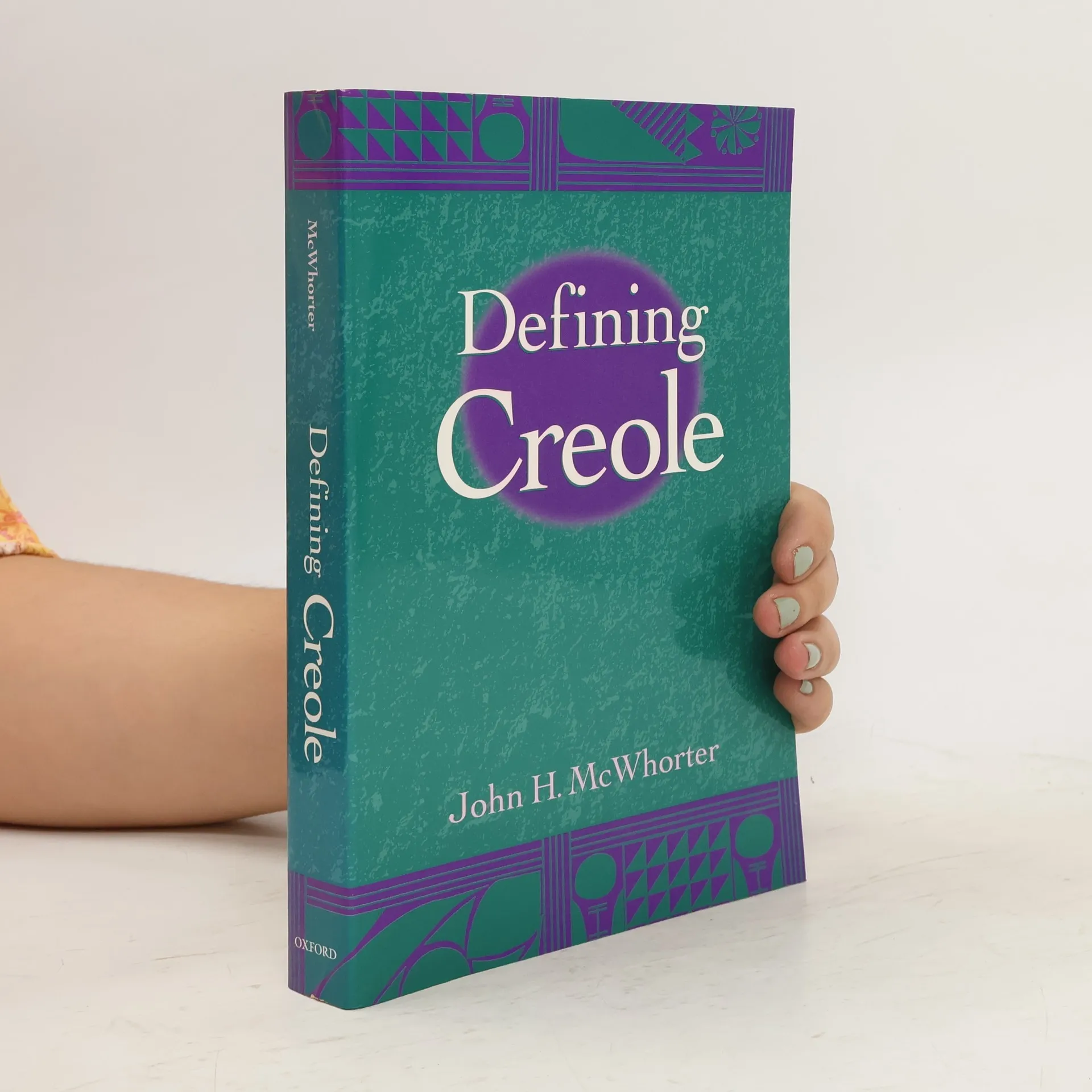
This volume gathers the last ten years worth of published articles on Creole languages and their origins by John H. McWhorter, a unique and often controversial scholar in the field.
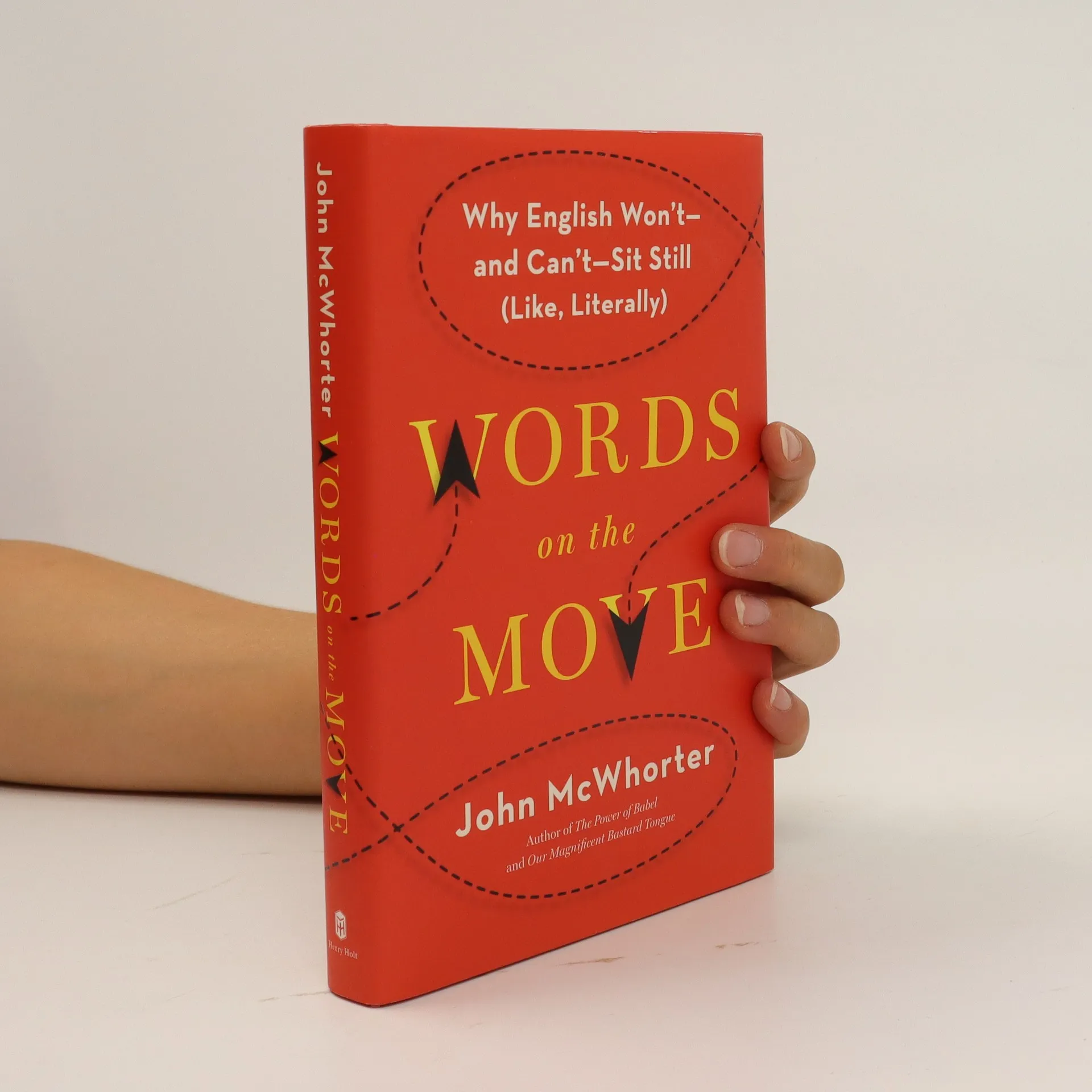
A bestselling linguist takes us on a lively tour of the evolving English language and why we should embrace its transformation. Language is always changing, yet many resist this evolution. While new words emerge for new concepts, contemporary usage often frustrates traditionalists—consider the shift of literally to mean "figuratively" or the prevalence of terms like LOL and business jargon such as "What's the ask?" However, John McWhorter reveals that these changes are natural and not indicative of deterioration. Through humor and relatable examples, he illustrates that language shifts are common across all languages and should be appreciated rather than condemned. The exploration uncovers surprising histories behind everyday words and expressions. For instance, did you know that silly originally meant "blessed"? Or that ought was once the past tense of owe? McWhorter also highlights the fascinating reasons behind regional accents, such as why some New Orleans speakers sound like they're from Brooklyn. By encouraging us to marvel at the dynamism and resilience of English, this book offers a delightful journey, showing that words are continuously evolving and enriching our lives in the process.
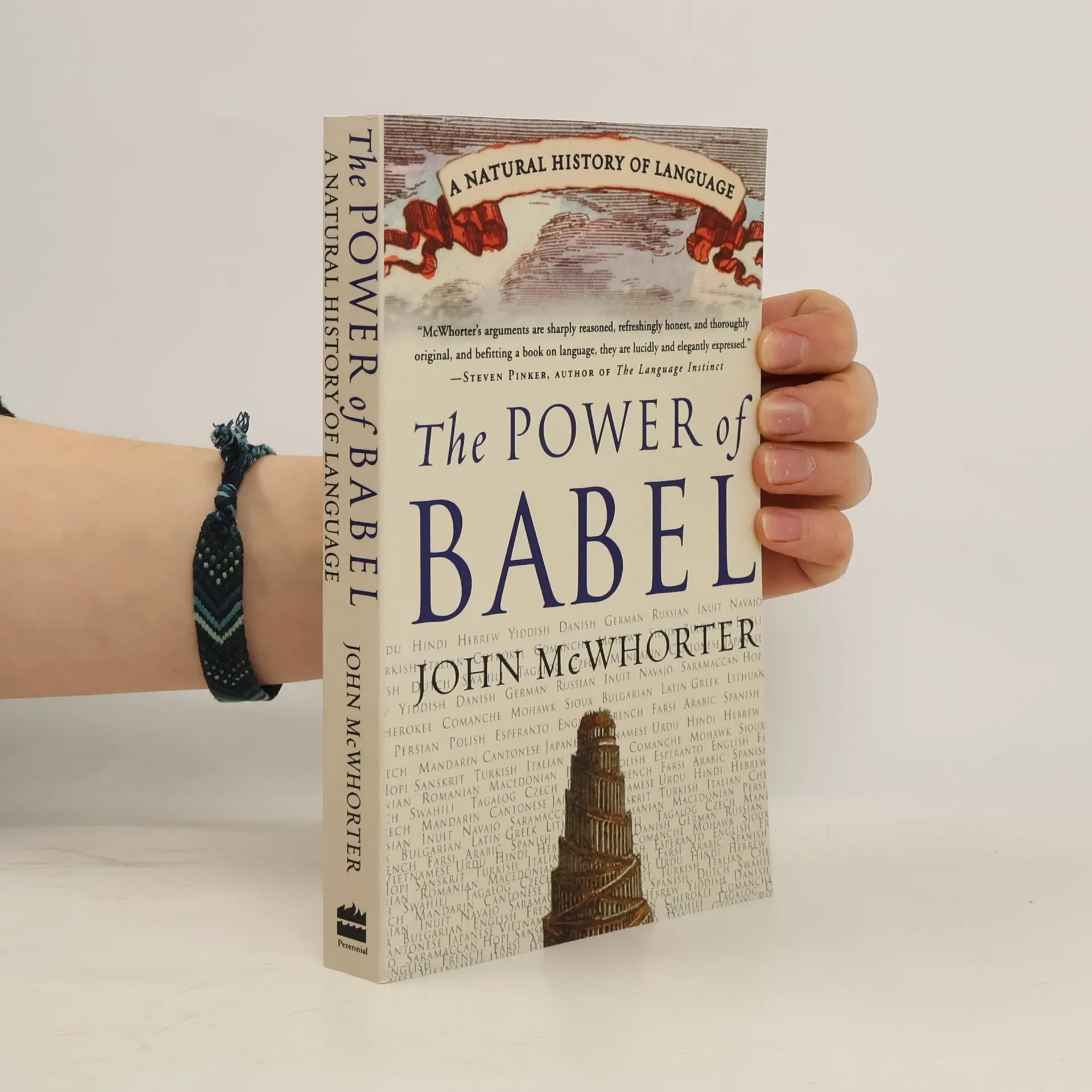
There are approximately six thousand languages on Earth today, each a descendant of the tongue first spoken by Homo sapiens some 150,000 years ago. While laying out how languages mix and mutate over time, linguistics professor John McWhorter reminds us of the variety within the species that speaks them, and argues that, contrary to popular perception, language is not immutable and hidebound, but a living, dynamic entity that adapts itself to an ever-changing human environment. Full of humor and imaginative insight, The Power of Babel draws its illustrative examples from languages around the world, including pidgins, Creoles, and nonstandard dialects.
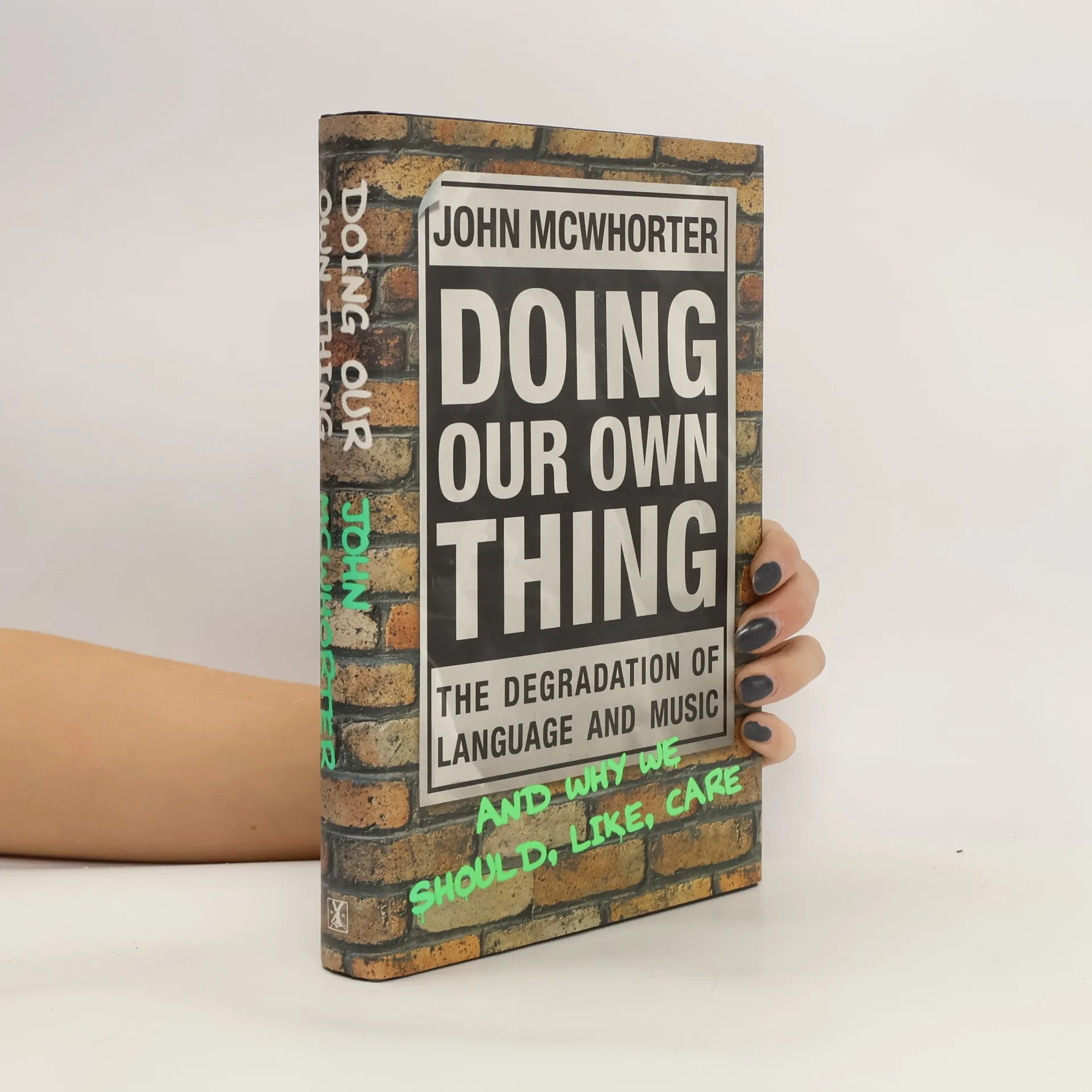
Once languages become written, they change. Only in writing does language develop the artfulness and richness that we associate with a Shakespeare, a Proust or a Whitman. Yet over the last forty years, the English-language has effectively gone into reverse - taking our lead from America and the legacy of the 19060s, our culture increasingly privileges the oral over the written, spurning the art of elaborated, 'written'-style language in favour of returning to the state of a spoken culture. Parallel developments have occurred in music. In this controversial and thought-provoking book, Jon McWhorter argues that the 1960's rejection of cultural traits associated with the Establishment, as well as a democratic celebration of what anyone can do over what requires training or talent, has led to our culture being increasingly impoverished, both intellectually and artistically, a culture that hates itself.
The New York Times bestseller now in paperback. One of the preeminent linguists of our time examines the realms of language that are considered shocking and taboo in order to understand what imbues curse words with such power--and why we love them so much. Profanity has always been a deliciously vibrant part of our lexicon, an integral part of being human. In fact, our ability to curse comes from a different part of the brain than other parts of speech--the urgency with which we say "f&*k!" is instead related to the instinct that tells us to flee from danger. Language evolves with time, and so does what we consider profane or unspeakable. Nine Nasty Words is a rollicking examination of profanity, explored from every angle: historical, sociological, political, linguistic. In a particularly coarse moment, when the public discourse is shaped in part by once-shocking words, nothing could be timelier.
Acclaimed linguist and writer John McWhorter argues that a harmful form of neoracism, masked as antiracism, is damaging Black communities and the American social fabric. Many Americans, regardless of their political views, are puzzled by the current state of race discussions. We're encouraged to engage with diverse cultures, yet certain expressions are labeled as 'appropriation.' The narrative suggests that whiteness equates to privilege while Blackness equates to victimhood, leaving many hesitant to voice their opinions for fear of being deemed unwoke or racist. McWhorter contends that this misguided antiracism has morphed into a religion—illogical and unreachable—that inadvertently perpetuates neoracist ideas. He critiques this new belief system, which includes concepts like 'white privilege' and the cancel culture that punishes dissenters. Rather than dismantling racist structures, it infantilizes Black individuals and undermines their success, enacting policies that harm Black communities. While this ideology may claim to be antiracist, it often mirrors the racial essentialism of past racism. However, McWhorter believes it's not too late to resist woke racism, providing guidance for those looking to challenge these views among friends and family, and offering a constructive roadmap for genuine justice that benefits Black America.
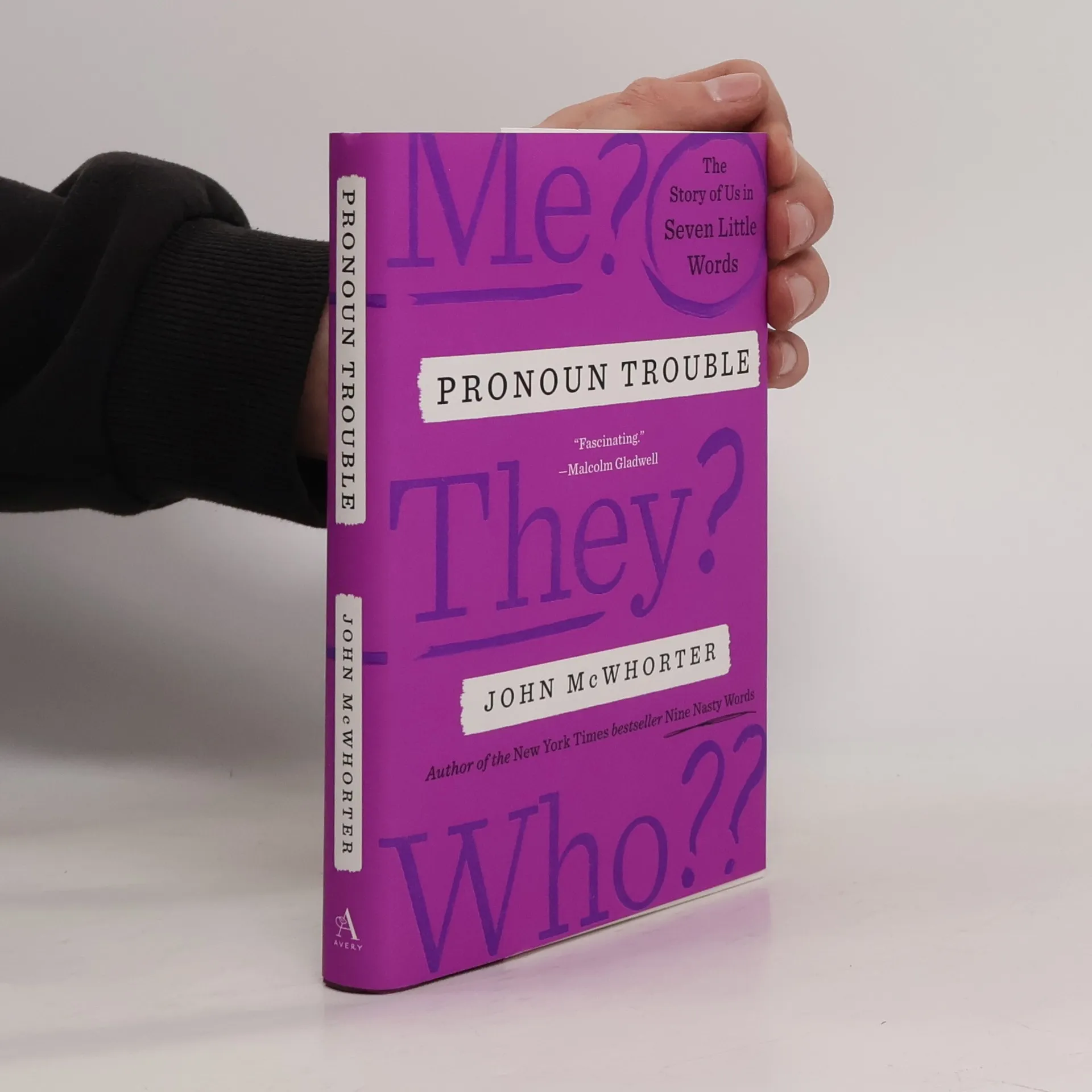
With his trademark humor and flair, bestselling linguist John McWhorter busts the myths and shares the history of the most controversial language topic of our times: pronouns The nature of language is to shift and evolve—but every so often, a new usage creates a whole lot of consternation. These days, pronouns are throwing curveballs, and it matters, because pronoun habits die hard. If you need a refresher from eighth-grade English: Pronouns are short, used endlessly, and serve to point and direct, to orient us as to what is meant about who. Him, not her. Me, not you. Pronouns get a heavy workout, and as such, they become part of our hardwiring. To mess with our pronouns is to mess with us. But many of today’s hot-button controversies are nonsense. The singular they has been with us since the 1400s and appears in Shakespeare’s works. In fact, many of the supposedly iron-clad rules of grammar are up for debate (Billy and me went to the store is perfectly logical!), and with tasty trivia, unexpected twists, and the weird quirks of early and contemporary English, John McWhorter guides readers on a journey of how our whole collection of these little words emerged and has changed over time.
A survey of the quirks and quandaries of the English language, focusing on our strange and wonderful grammar Why do we say “I am reading a catalog” instead of “I read a catalog”? Why do we say “do” at all? Is the way we speak a reflection of our cultural values? Delving into these provocative topics and more, Our Magnificent Bastard Language distills hundreds of years of fascinating lore into one lively history. Covering such turning points as the little-known Celtic and Welsh influences on English, the impact of the Viking raids and the Norman Conquest, and the Germanic invasions that started it all during the fifth century ad, John McWhorter narrates this colorful evolution with vigor. Drawing on revolutionary genetic and linguistic research as well as a cache of remarkable trivia about the origins of English words and syntax patterns, Our Magnificent Bastard Tongue ultimately demonstrates the arbitrary, maddening nature of English— and its ironic simplicity due to its role as a streamlined lingua franca during the early formation of Britain. This is the book that language aficionados worldwide have been waiting for (and no, it’s not a sin to end a sentence with a preposition).
Japanese has a term that covers both green and blue. Russian has separate terms for dark and light blue. Does this mean that Russians perceive these colors differently from Japanese people? Does language control and limit the way we think? This short, opinionated book addresses the Sapir-Whorf hypothesis, which argues that the language we speak shapes the way we perceive the world. Linguist John McWhorter argues that while this idea is mesmerizing, it is plainly wrong. It is language that reflects culture and worldview, not the other way around. The fact that a language has only one word for eat, drink, and smoke doesn't mean its speakers don't process the difference between food and beverage, and those who use the same word for blue and green perceive those two colors just as vividly as others do. McWhorter shows not only how the idea of language as a lens fails but also why we want so badly to believe it: we're eager to celebrate diversity by acknowledging the intelligence of peoples who may not think like we do. Though well-intentioned, our belief in this idea poses an obstacle to a better understanding of human nature and even trivializes the people we seek to celebrate. The reality -- that all humans think alike -- provides another, better way for us to acknowledge the intelligence of all peoples.
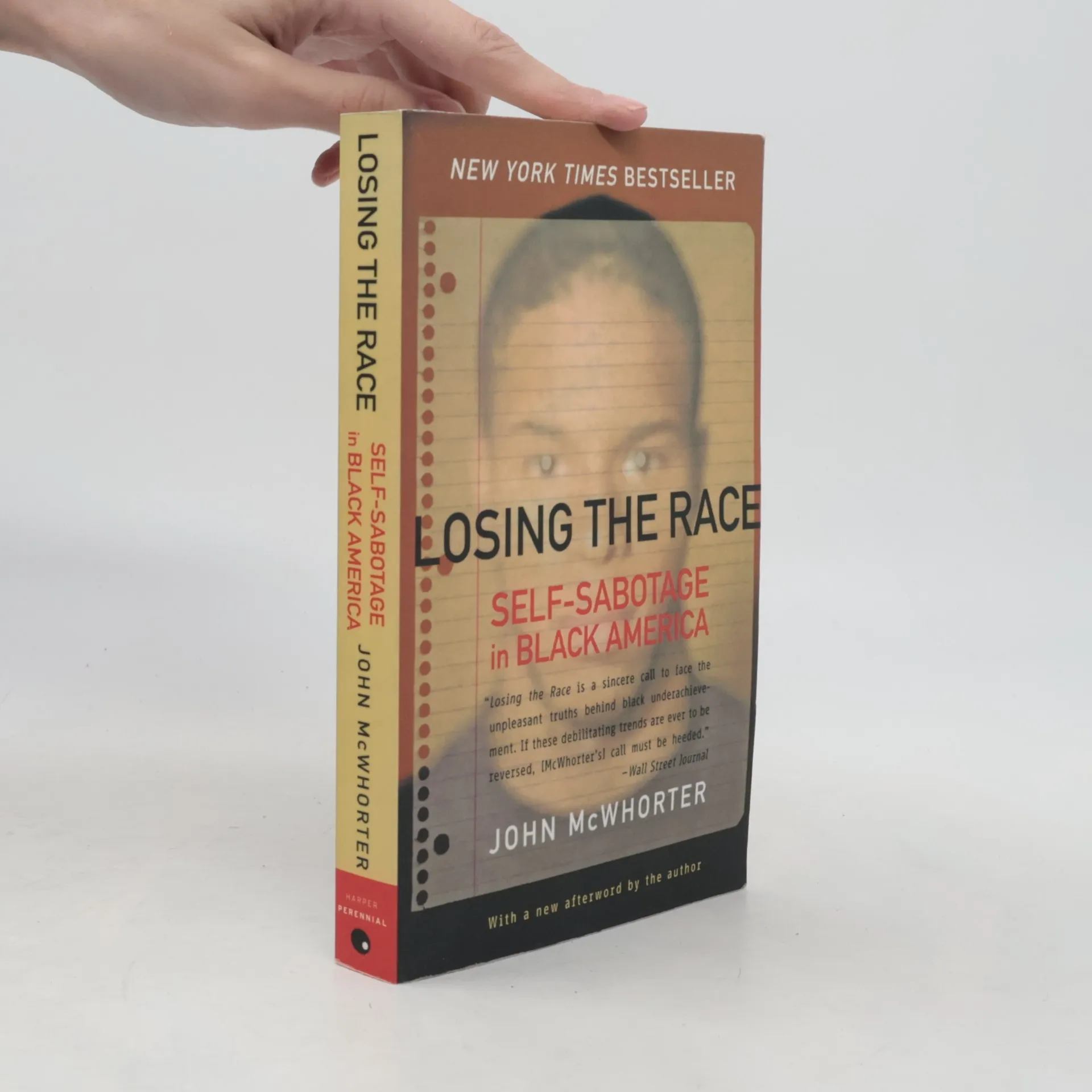
Why do so many African Americans—even comfortably middle-class ones—continue to see racism as a defining factor in their lives? Columbia University linguistics professor John McWhorter, born at the dawn of the post-Civil Rights era, spent years trying to make sense of this question. In this book he dared to say the racism's ugliest legacy is the disease of defeatism that has infected Black America. Losing the Race explores the three main components of this cultural the cults of victimology, separatism, and anti-intellectualism that are making Black people their own worst enemies in the struggle for success. With Losing the Race, a bold new voice rises among Black intellectuals.
Though there is a contingent of linguists who fight the fact, our language is always changing -- not only through slang, but sound, syntax, and words' meanings as well. Debunking the myth of "pure" standard English, tackling controversial positions, and eschewing politically correct arguments, linguist John McWhorter considers speech patterns and regional accents to demonstrate just how the changes do occur. Wielding reason and humor, McWhorter ultimately explains why we must embrace these changes, ultimately revealing our American English in all its variety, expressiveness, and power.
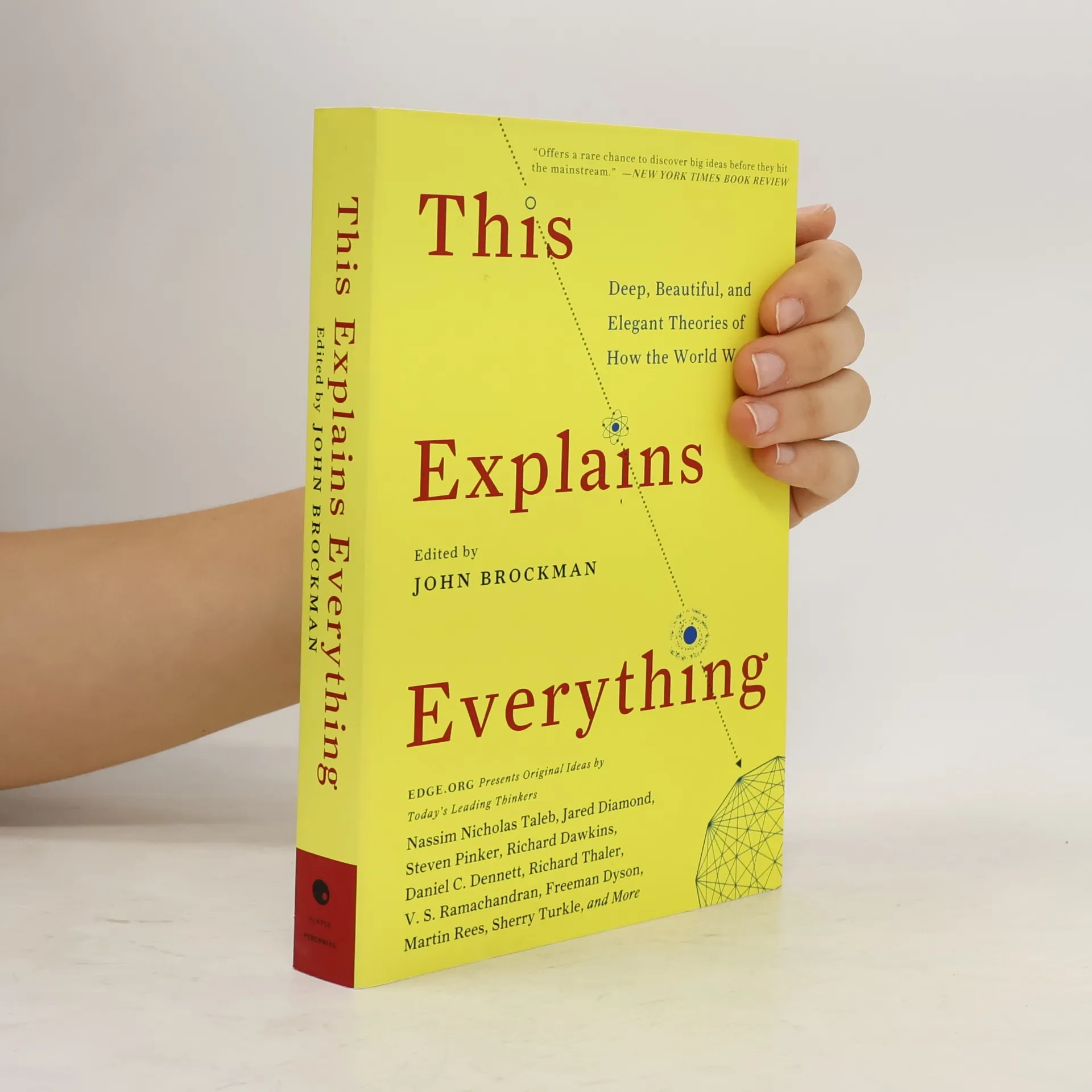
In This Explains Everything, John Brockman, founder and publisher of Edge.org, asked experts in numerous fields and disciplines to come up with their favorite explanations for everyday occurrences. Why do we recognize patterns? Is there such a thing as positive stress? Are we genetically programmed to be in conflict with each other? Those are just some of the 150 questions that the world's best scientific minds answer with elegant simplicity. With contributions from Jared Diamond, Richard Dawkins, Nassim Taleb, Brian Eno, Steven Pinker, and more, everything is explained in fun, uncomplicated terms that make the most complex concepts easy to comprehend.