
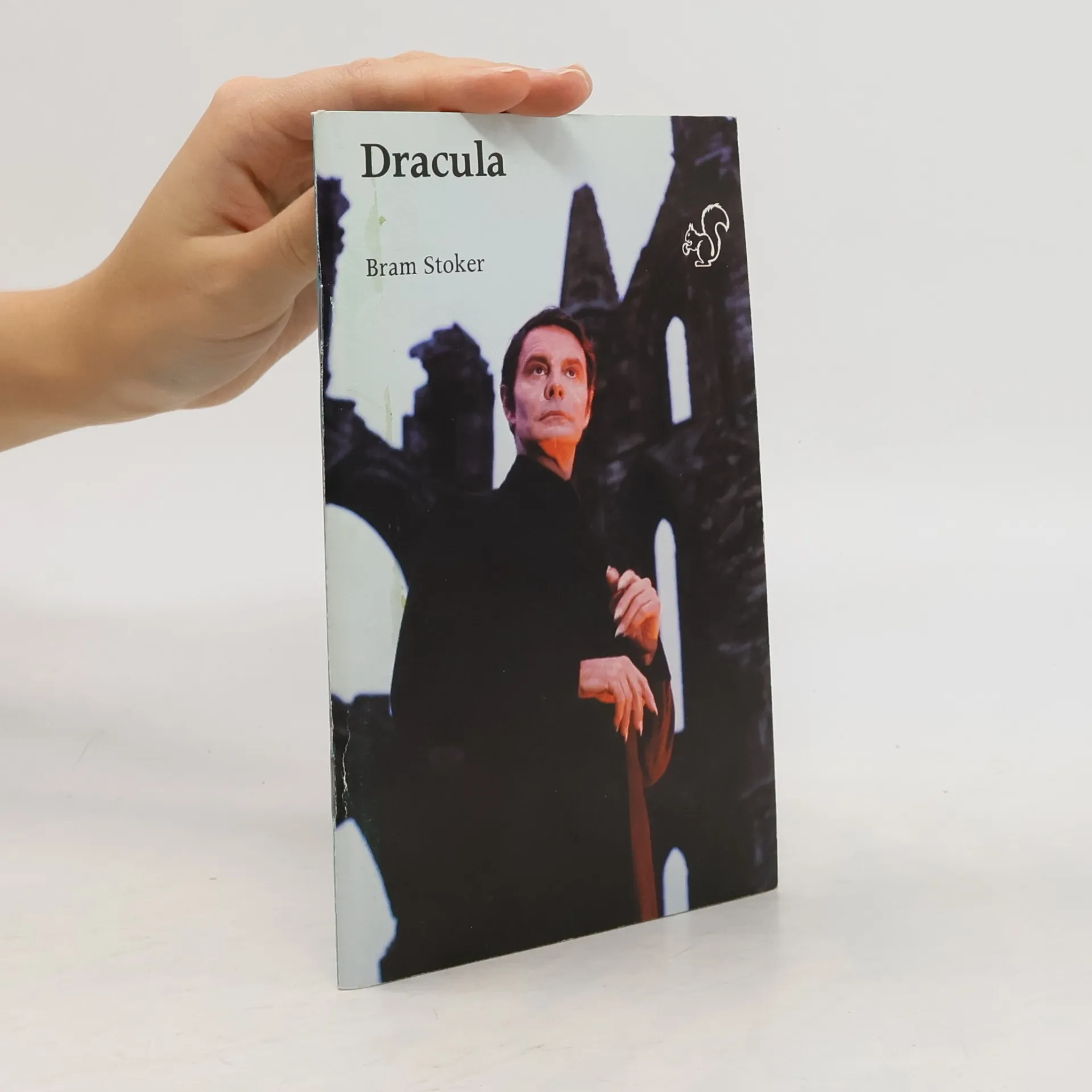
When Jonathan Harker visits Transylvania to help Count Dracula with the purchase of a London house, he makes horrifying discoveries about his client and his castle. Soon afterwards, a number of disturbing incidents unfold in England: an unmanned ship is wrecked at Whitby; strange puncture marks appear on a young woman’s neck; and the inmate of a lunatic asylum raves about the imminent arrival of his ‘Master’. In the ensuing battle of wits between the sinister Count Dracula and a determined group of adversaries, Bram Stoker created a masterpiece of the horror genre.
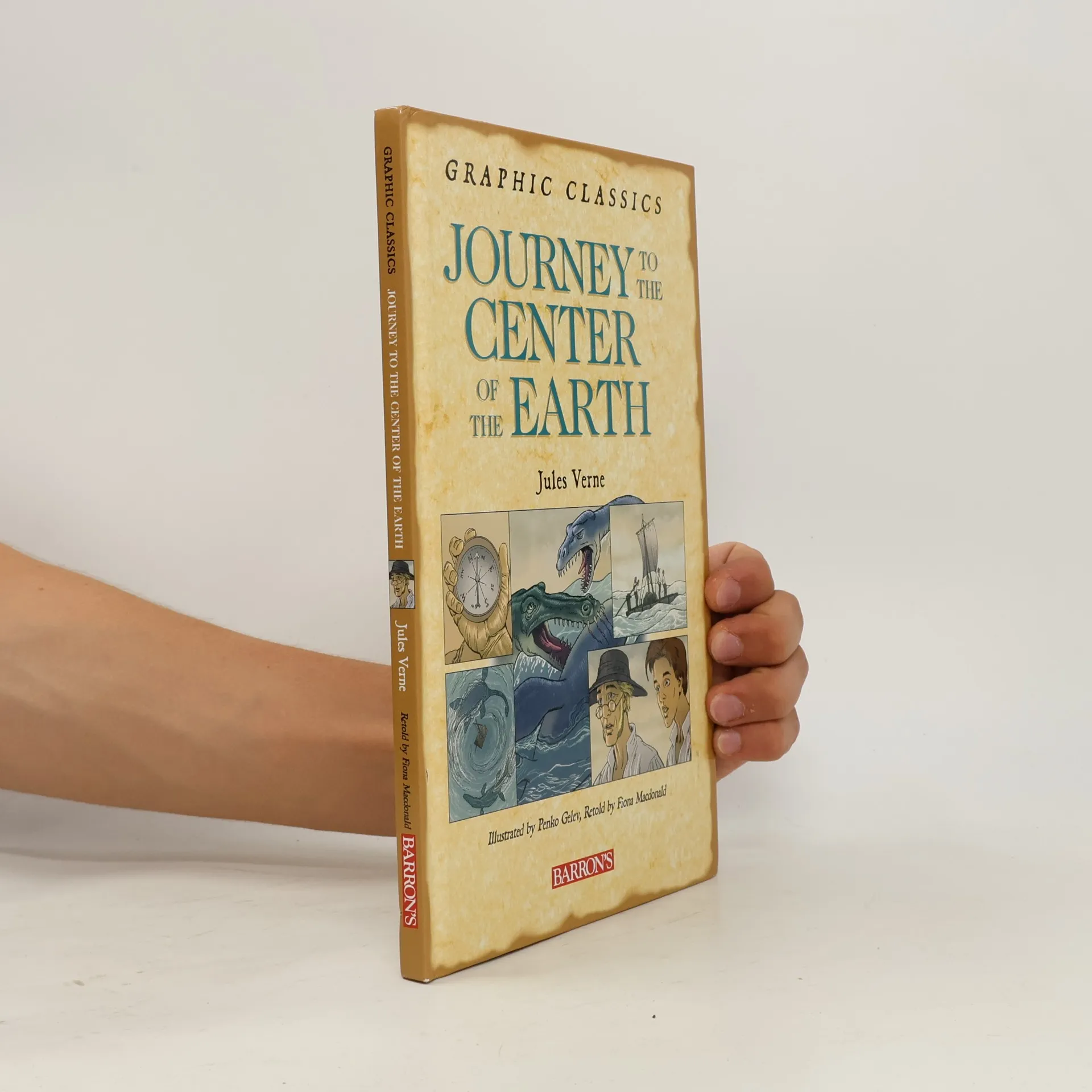
Penko Gelev Book order


- 2008
- 2007
Oliver Twist
- 528 pages
- 19 hours of reading
The story of the orphan Oliver, who runs away from the workhouse only to be taken in by a den of thieves, shocked readers when it was first published. Dickens’s tale of childhood innocence beset by evil depicts the dark criminal underworld of a London peopled by vivid and memorable characters – the arch-villain Fagin, the artful Dodger, the menacing Bill Sikes and the prostitute Nancy. Combining elements of Gothic Romance, the Newgate Novel and popular melodrama, in Oliver Twist Dickens created an entirely new kind of fiction, scathing in its indictment of a cruel society, and pervaded by an unforgettable sense of threat and mystery.
- 2007
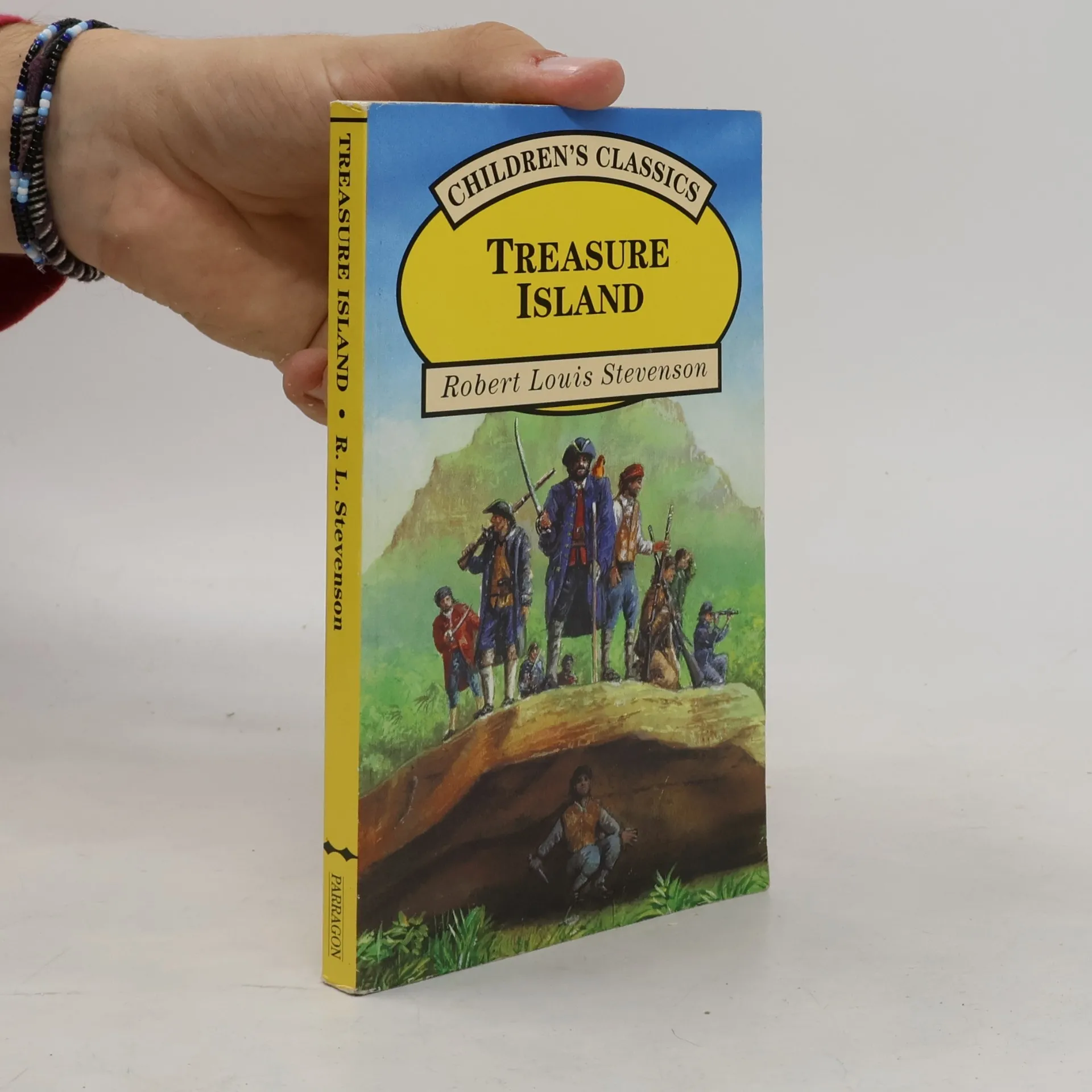
Treasure Island
- 197 pages
- 7 hours of reading
Masterfully crafted, Treasure Island is a stunning yarn of piracy on the fiery tropic seas—an unforgettable tale of treachery that embroils a host of legendary swashbucklers from honest young Jim Hawkins to sinister, two-timing Israel Hands to evil incarnate, blind Pew. But above all, Treasure Island is a complex study of good and evil, as embodied by that hero-villain, Long John Silver; the merry unscrupulous buccaneer-rogue whose greedy lust for gold cannot help but win the heart of every one who ever longed for romance, treasure, and adventure. Since its publication in 1883, Treasure Island has provided an enduring literary model for such eminent writers as Anthony Hope, Graham Greene, and Jorge Luis Borges. As David Daiches wrote: “Robert Louis Stevenson transformed the Victorian boys’ adventure into a classic of its kind.”