Robert Cecil Martin Books
December 5, 1952
Robert Cecil Martin, commonly known as 'Uncle Bob,' is a software engineer and a prominent advocate for Agile development methodologies. As the president of Object Mentor Inc., he leads a team of consultants who apply object-oriented design, patterns, UML, Agile methodologies, and eXtreme Programming with clients globally. He previously served as the Editor-in-Chief of the C++ Report and is a sought-after speaker at international conferences.

Gerard Manley Hopkins
- 480 pages
- 17 hours of reading
In his lifetime Gerard Manley Hopkins (1844-1889) published just a single poem - only a few close friends were aware he wrote. Much of his work was burnt by fellow Jesuits on his death. And yet Hopkins is today a huge figure in English literature. This title tells this extraordinary story from Hopkins' early life and studies at Oxford.
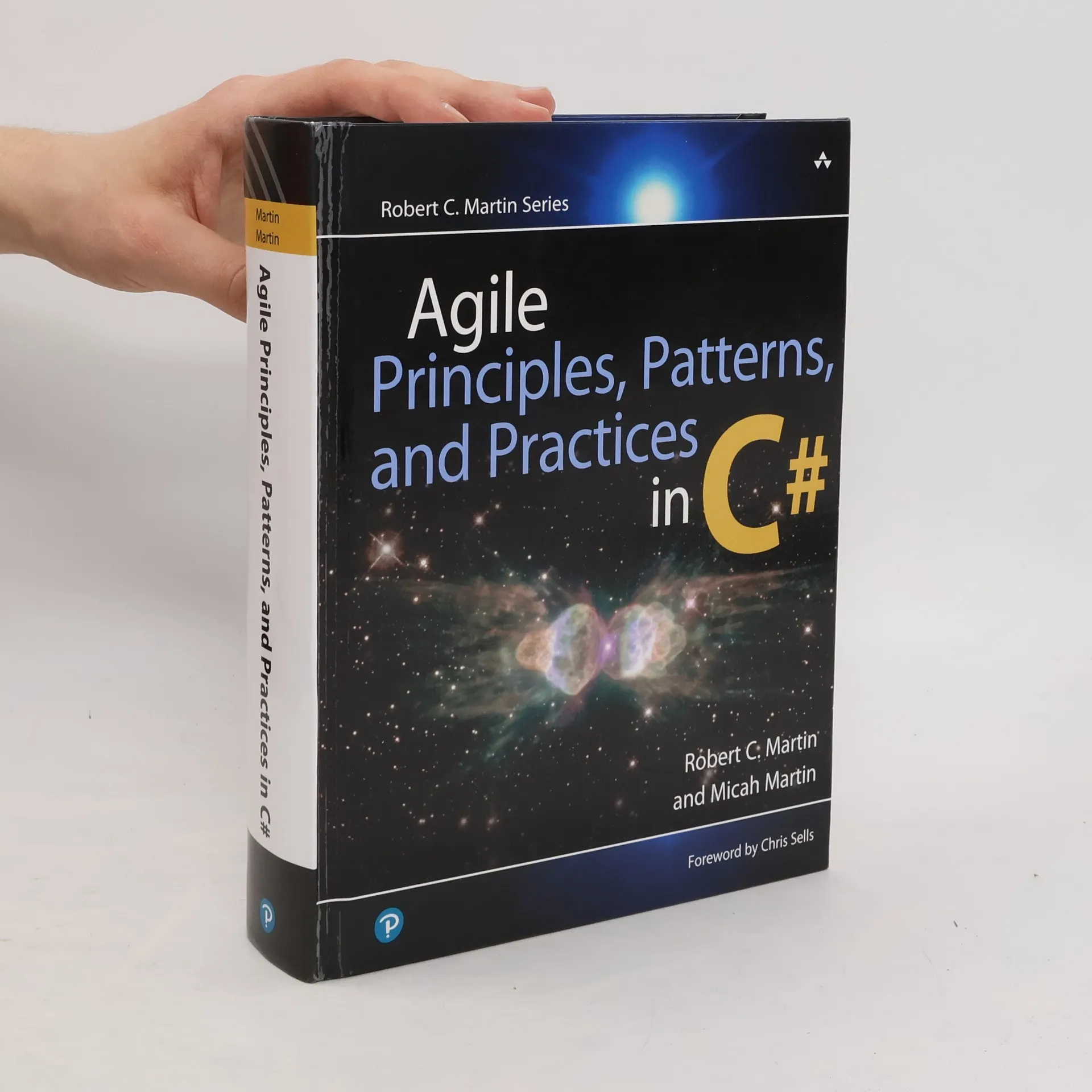
Agile principles, patterns and practices in C#
- 768 pages
- 27 hours of reading
With the award-winning book Agile Software Development: Principles, Patterns, and Practices, Robert C. Martin helped bring Agile principles to tens of thousands of Java and C++ programmers. Now .NET programmers have a definitive guide to agile methods with this completely updated volume from Robert C. Martin and Micah Martin, Agile Principles, Patterns, and Practices in C#. This book presents a series of case studies illustrating the fundamentals of Agile development and Agile design, and moves quickly from UML models to real C# code. The introductory chapters lay out the basics of the agile movement, while the later chapters show proven techniques in action. The book includes many source code examples that are also available for download from the authors’ Web site. Readers will come away from this book understanding Whether you are a C# programmer or a Visual Basic or Java programmer learning C#, a software development manager, or a business analyst, Agile Principles, Patterns, and Practices in C# is the first book you should read to understand agile software and how it applies to programming in the .NET Framework.
Agile Software Development, Principles, Patterns, and Practices
- 552 pages
- 20 hours of reading
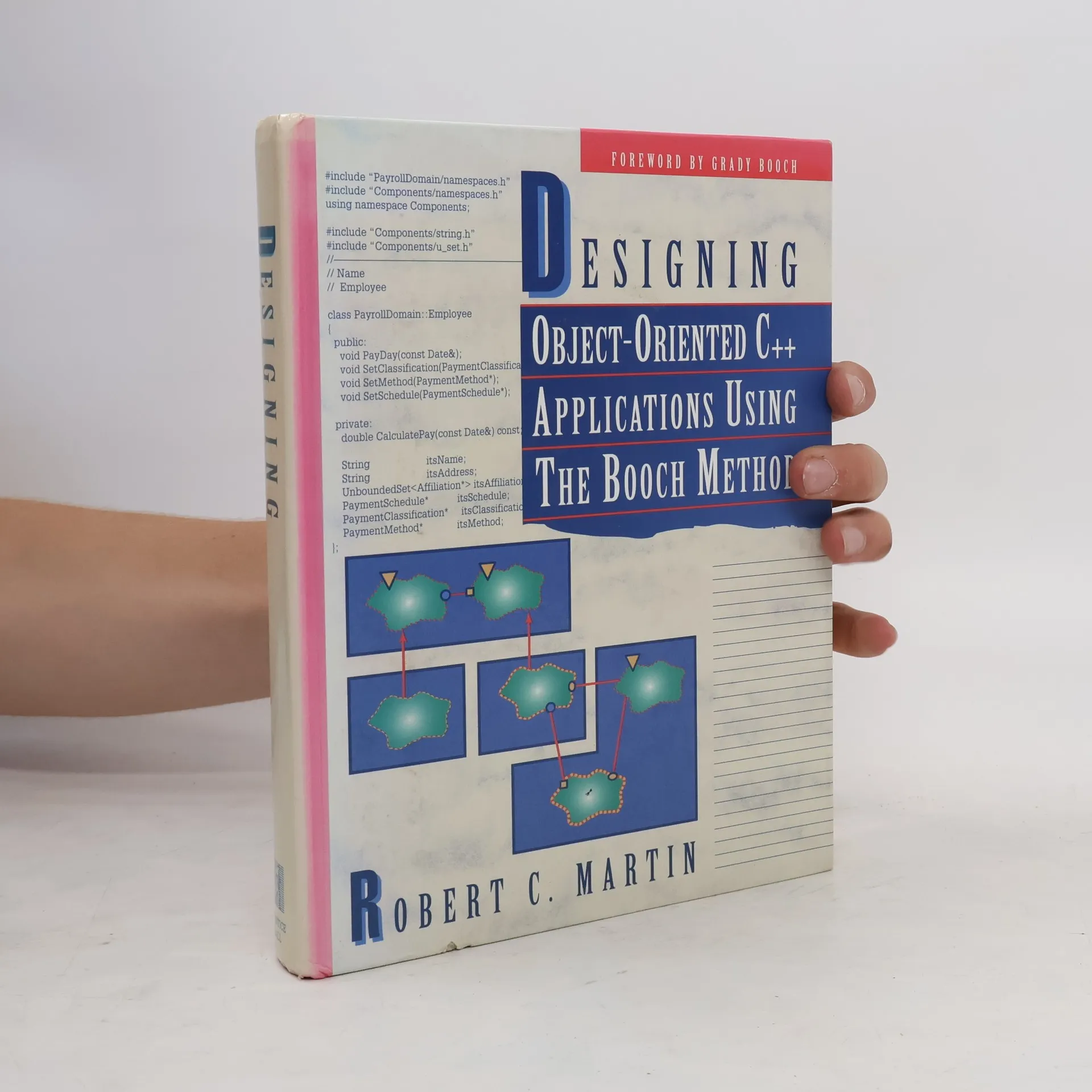
Designed for courses in Object-Oriented Design and C++, this book provides an in-depth exploration of intermediate programming concepts. It emphasizes practical applications and real-world scenarios to enhance understanding of object-oriented principles. The content is structured to support both learning and teaching, making it an essential resource for students and instructors alike.
Clean Agile
- 240 pages
- 9 hours of reading
Shows how to bring unprecedented levels of professionalism and discipline to agile development - and thereby write far more effective, successful software
Clean Craftsmanship
- 416 pages
- 15 hours of reading
In Clean Craftmanship: Programming with Pride , the legendary Robert C. Martin ("Uncle Bob") has written every programmer's definitive guide to working well. Martin brings together the disciplines, standards, and ethics you need to deliver robust, effective code quickly and productively, and be proud of all the software you write - every single day.Martin, the best-selling author of The Clean Coder, begins with a pragmatic, technical, and prescriptive guide to five foundational disciplines of software craftsmanship: test-driven development, refactoring, simple design, collaborative programming (pairing), and acceptance tests. Next, he moves up to standards -- outlining the baseline expectations the world has of software developers, illuminating how those often differ from their own perspectives, and helping you repair the mismatch. Finally, he turns to the ethics of the programming profession, describing ten fundamental promises all software developers should make to their colleagues, their users, and above all, themselves.With Martin's guidance and advice, you can consistently write code that builds trust instead of undermining it: trust among your users, and throughout a society that depends on software for its very survival.
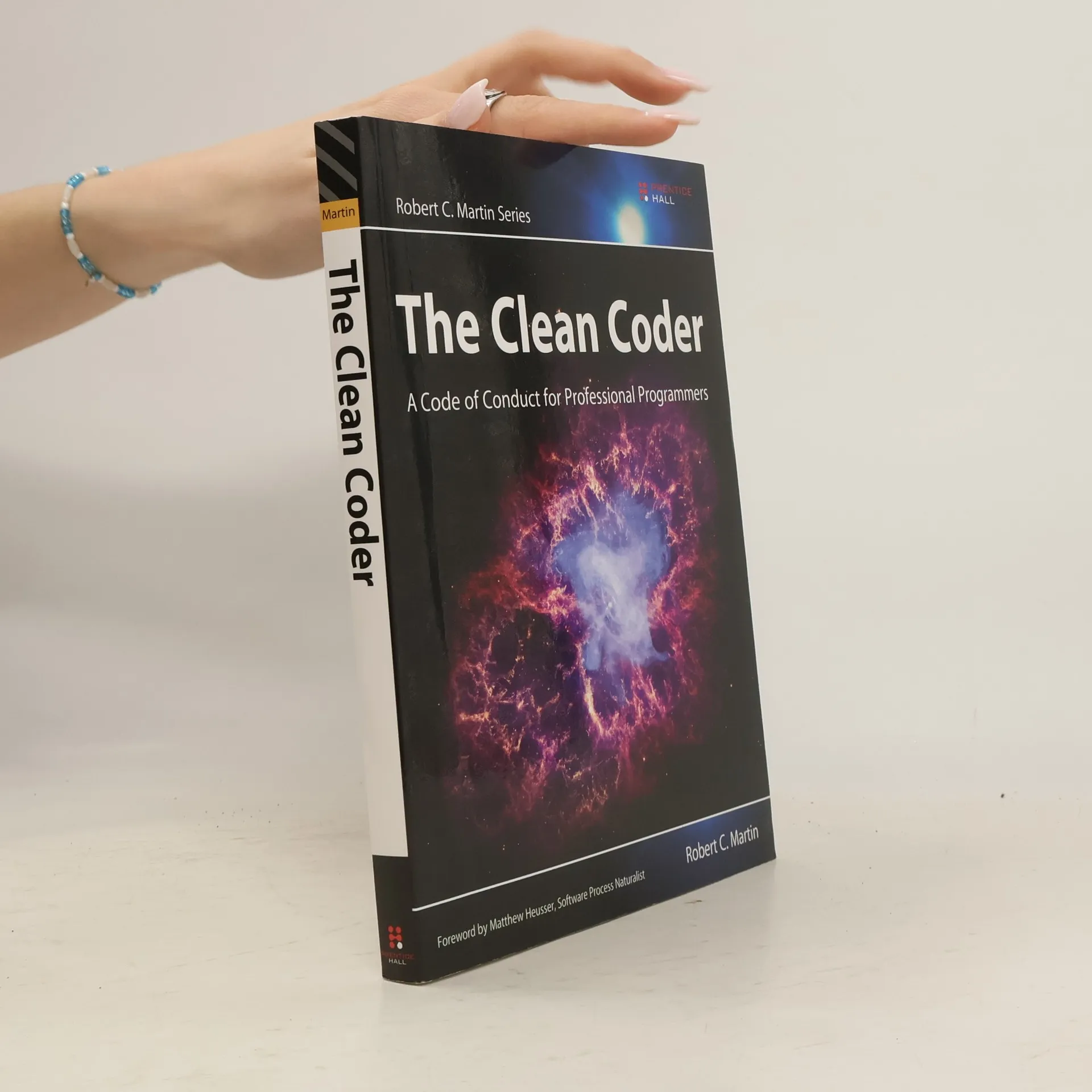
The Clean Coder
- 210 pages
- 8 hours of reading
Presents practical advice on the disciplines, techniques, tools, and practices of computer programming and how to approach software development with a sense of pride, honor, and self-respect.
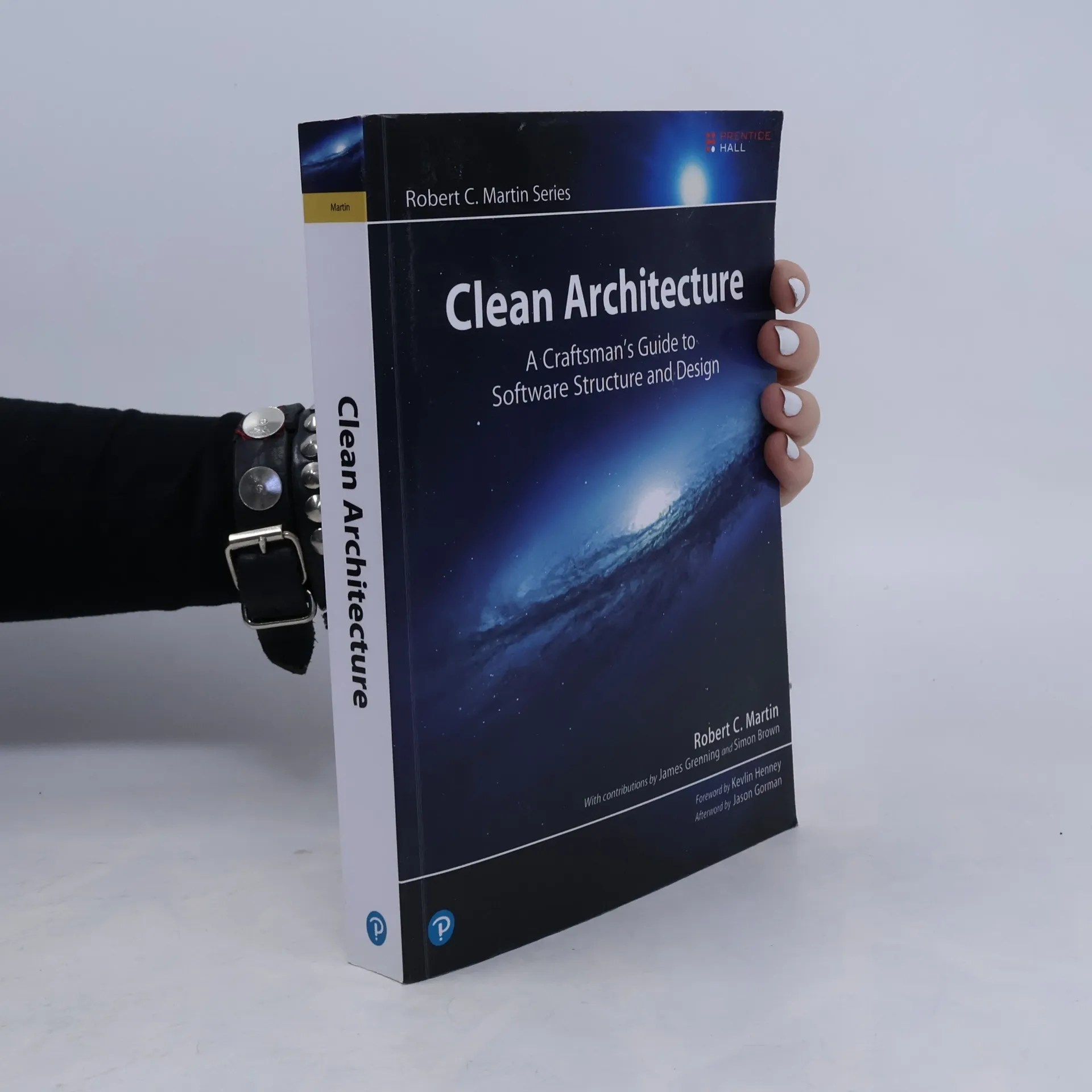
Clean architecture: a craftsman's guide to software structure and design
- 432 pages
- 16 hours of reading
Building upon the success of best-sellers The Clean Coder and Clean Code, legendary software craftsman Robert C. "Uncle Bob" Martin shows how to bring greater professionalism and discipline to application architecture and design. As with his other books, Martin's Clean Architecture doesn't merely present multiple choices and options, and say "use your best judgment": it tells you what choices to make, and why those choices are critical to your success. Martin offers direct, is essential reading for every software architect, systems analyst, system designer, and software manager-- and for any programmer who aspires to these roles or is impacted by their work.
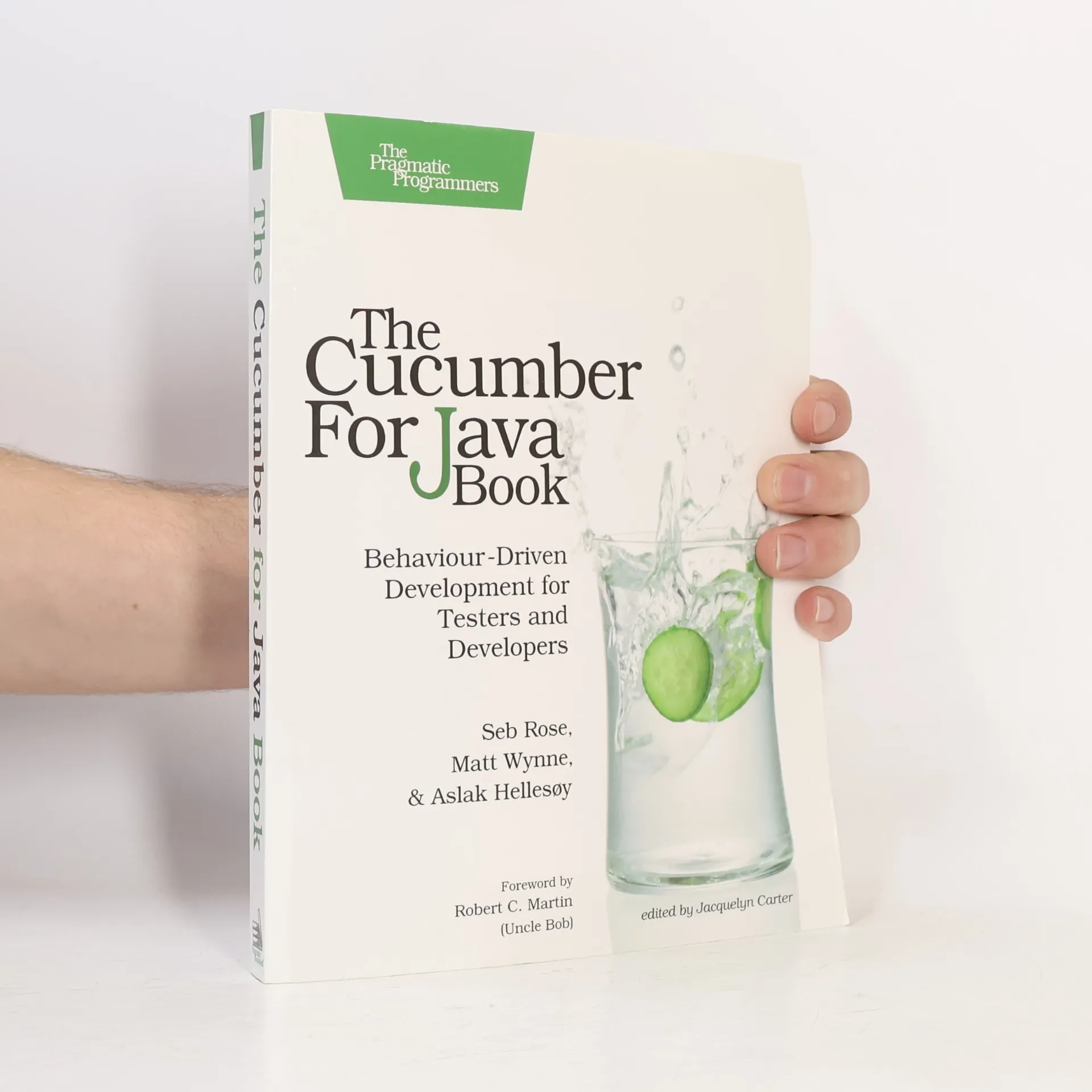
The Cucumber for Java Book
Behaviour-Driven Development for Testers and Developers
- 340 pages
- 12 hours of reading
Cucumber - the popular, open-source tool that helps teams communicate more effectively with their customers - now has a Java version, and our bestselling Cucumber Book has been updated to match.
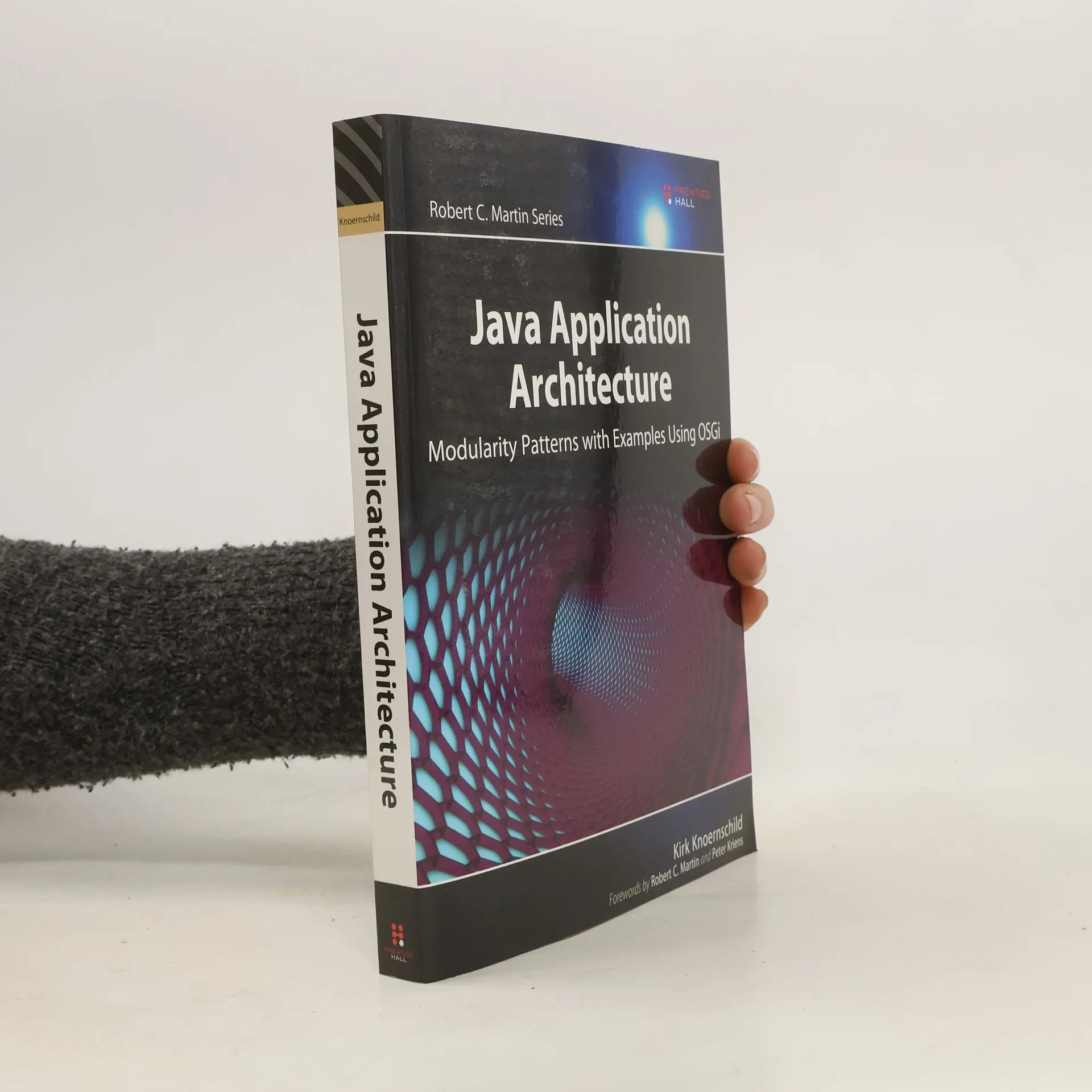
Explores how to incorporate modular design thinking into Java application development.
A practical, problem-solving approach to the fundamental concepts of Object Oriented Design and their application using C++. This book is written for the "engineer in the trenches". It is a serious guide for practitioners of Object-Oriented design. The style is narrative, and accessible for the beginner, and yet the topics are covered in enough depth to be relevant to the consumate designer. The principles of OOD explained, one by one, and then demonstrated with numerous examples and case studies
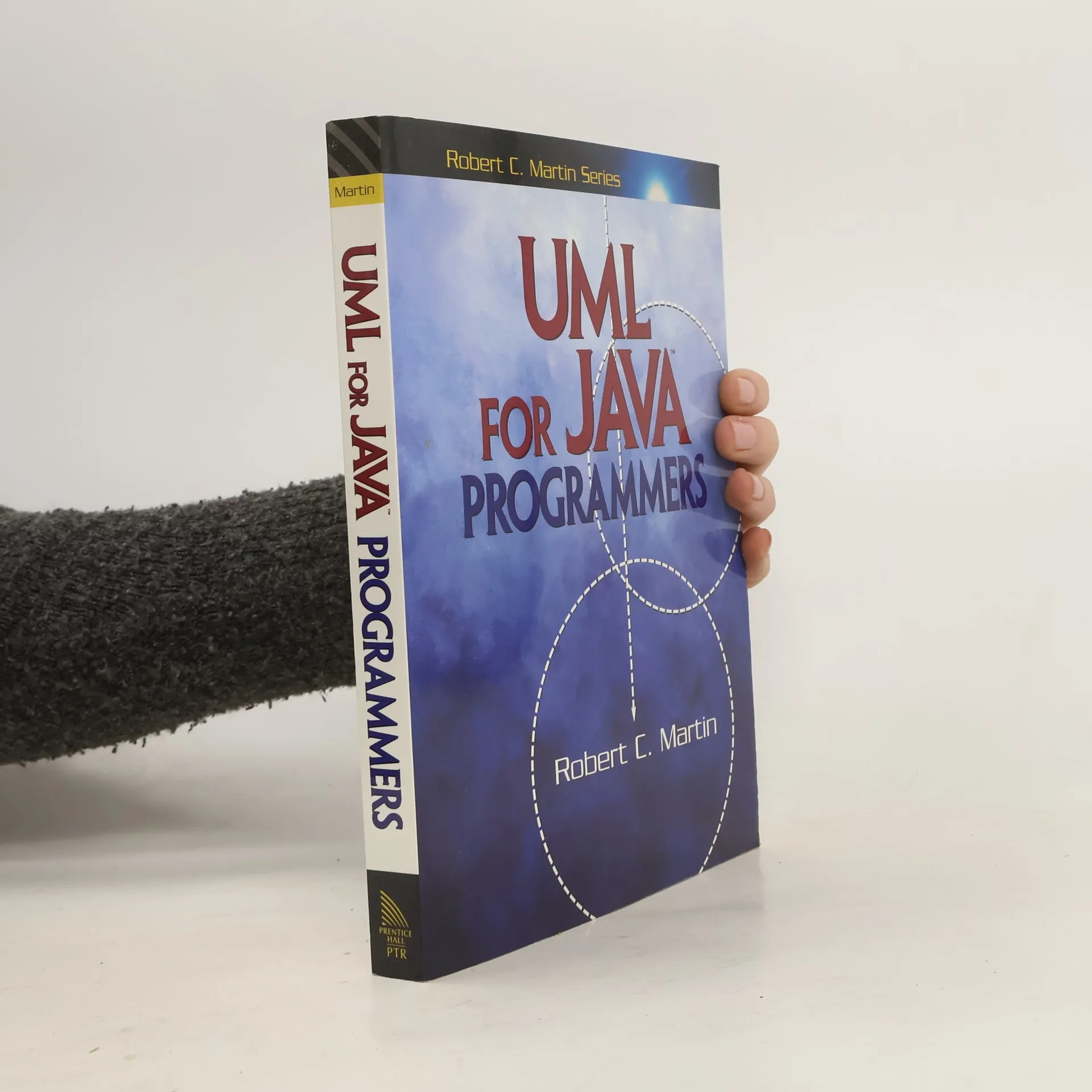
The Unified Modeling Language has become the industry standard for the expression of software designs. The Java programming language continues to grow in popularity as the language of choice for the serious application developer. Using UML and Java together would appear to be a natural marriage, one that can produce considerable benefit. However, there are nuances that the seasoned developer needs to keep in mind when using UML and Java together. Software expert Robert Martin presents a concise guide, with numerous examples, that will help the programmer leverage the power of both development concepts. The author ignores features of UML that do not apply to java programmers, saving the reader time and effort. He provides direct guidance and points the reader to real-world usage scenarios. The overall practical approach of this book brings key information related to Java to the many presentations. The result is an highly practical guide to using the UML with Java.
Focusing on practical applications, Robert C. Martin explores functional programming as a means to enhance system design for real-world customers. He contrasts traditional object-oriented structures in Java with functional programming techniques, emphasizing their respective strengths. Through accessible examples in Clojure, Martin offers developers strategies to improve code cleanliness and design discipline. He also revisits SOLID principles and Gang of Four Design Patterns, demonstrating their relevance and utility within functional programming to achieve exceptional outcomes.
Pattern languages of program design. Vol. 3
- 632 pages
- 23 hours of reading
Patterns remain one of the most important new technologies contributing to software engineering, system design, and development. All indications are that patterns will continue to grow in significance for years to come as more and more developers have come to rely on design patterns to help them deliver reusable and cost effective applications in a more timely fashion. This volume is a collection of the current best practices and trends in the patterns community. The patterns contained in this book provide effective, tested, and proven software design solutions for developers in all domains, institutions, and organizations. The third in a series of books documenting patterns for professional software developers, this volume continues the tradition of informational excellence established by the first two volumes. Pattern Languages of Program Design 3 is unique from the previous two volumes in that it includes international submissions, having gathered the best papers from both Plop '96 and EuroPLoP '96. A wide range of pattern-related topics are covered, and the patterns are arranged by topic so software engineers can easily select the patterns of greatest relevance to their needs and application domains. This book goes beyond teaching software engineers that design patterns are powerful tools to impart understanding -- it shows you where and when patterns are best applied.
Exploring the intersection of humanity and technology, this book delves into the relationship between people and robots. It presents a unique perspective on intelligence, emphasizing the importance of communication and understanding in a rapidly advancing world. The author shares insights gained from personal experiences and inventions, inviting readers to discover the potential of smart thinking. With a focus on innovation and creativity, the narrative encourages readers to engage with the ideas presented, hinting at deeper themes woven throughout the text.
Test-driven development for embedded C
- 351 pages
- 13 hours of reading
Provides information and code examples that focus on the use of TDD in embedded C programming.
Agile Software Development PNIE
- 536 pages
- 19 hours of reading
This text is designed for courses in Object-Oriented Design, C++ Intermediate Programming, and Object-Oriented Programming, targeting software engineers. It emphasizes key principles, patterns, and processes essential for managing complex operating systems and applications, while also highlighting the human element in technology. It serves as a foundational resource for students entering software engineering and as ongoing education for professionals. The content is organized into several sections: I. AGILE DEVELOPMENT covers practices like Extreme Programming, planning, testing, and refactoring. II. AGILE DESIGN introduces core principles such as the Single-Responsibility Principle, Open-Closed Principle, Liskov Substitution Principle, Dependency-Inversion Principle, and Interface-Segregation Principle. III. THE PAYROLL CASE STUDY explores various design patterns, including Command, Active Object, Template Method, Strategy, Facade, Mediator, Singleton, and Null Object, culminating in a detailed implementation of a payroll system. IV. PACKAGING THE PAYROLL SYSTEM discusses principles of package design and includes further exploration of the payroll case study. V. THE WEATHER STATION CASE STUDY examines patterns like Composite, Observer, Abstract Server, Adapter, and Proxy, applied to a weather station scenario. VI. THE ETS CASE STUDY covers Visitor and State patterns within the ETS framework. Appendices provide UML n
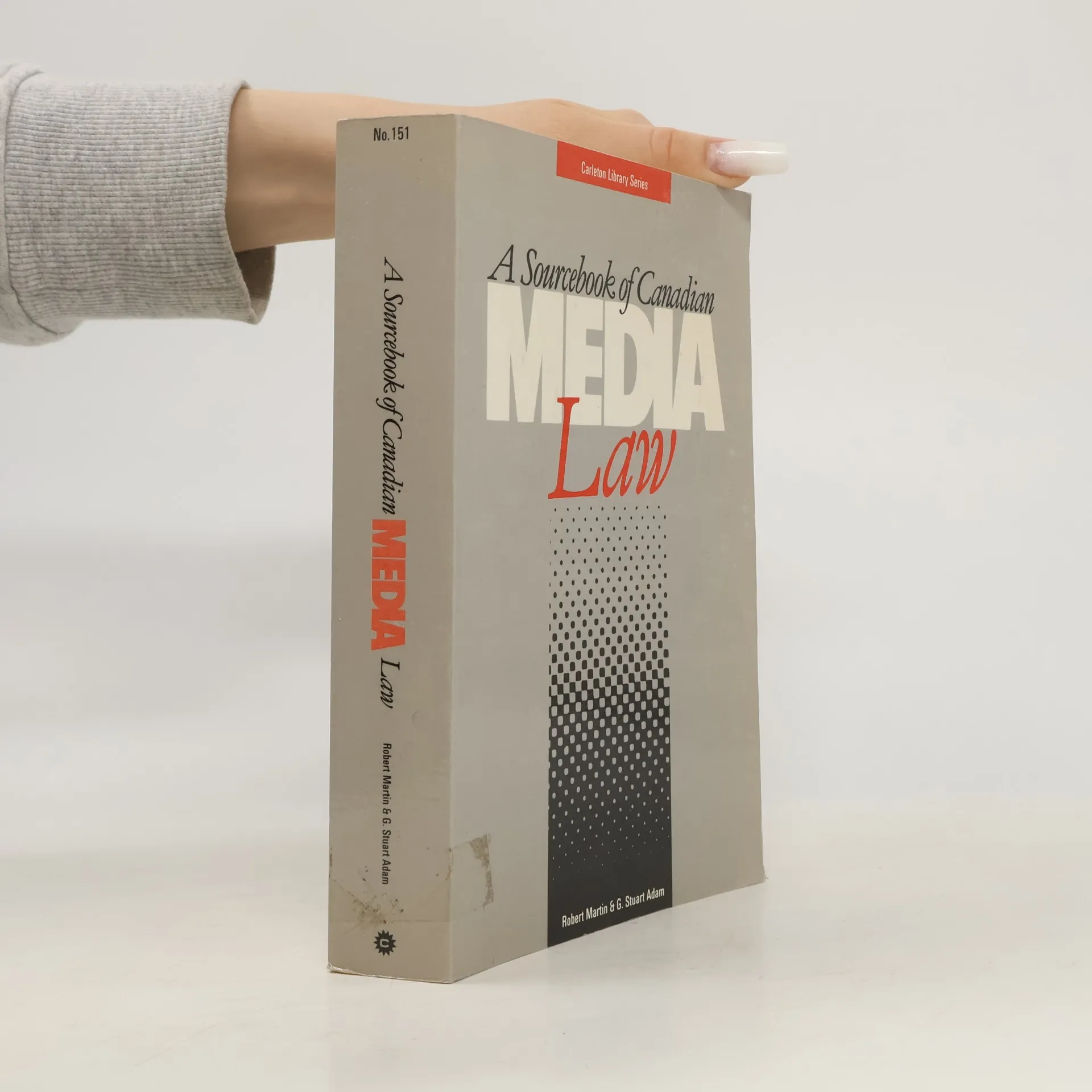
Carleton Library Series - 151: Sourcebook of Canadian Media Law
- 822 pages
- 29 hours of reading
Czysty Agile. Powrót do podstaw
- 184 pages
- 7 hours of reading
W lutym 2001 roku grupa pasjonatów programowania spotkała się w Snowbird w Utah, aby omówić efektywność tworzenia oprogramowania i wypracować nowe zasady pracy. Choć różnice w doświadczeniach i przekonaniach uczestników mogły utrudnić osiągnięcie wspólnego stanowiska, powstał Manifest Agile, który zrewolucjonizował świat oprogramowania i zyskał popularność także poza nim. Wraz ze wzrostem zainteresowania Agile, pojawiły się nieporozumienia i próby modyfikacji jego koncepcji. Książka ta stanowi niezbędny powrót do podstaw Agile, oferując klarowny opis istoty tej metodyki, która jest kluczowa dla zarządzania małymi projektami w niewielkich zespołach. Zawiera praktyczne wskazówki dotyczące poprawnej implementacji metod Agile oraz wyjaśnia zasady poszczególnych praktyk. To osobista opowieść o historii Agile i jego fundamentalnych ideach, w której omówiono, czym jest Agile, jak właściwie stosować metodykę Scrum, a także kluczowe praktyki biznesowe i techniczne. Książka podkreśla wartości i rzemiosło w pracy zwinnych zespołów, ukazując Agile jako ponadczasową ideę zwinnego rozwoju projektu.
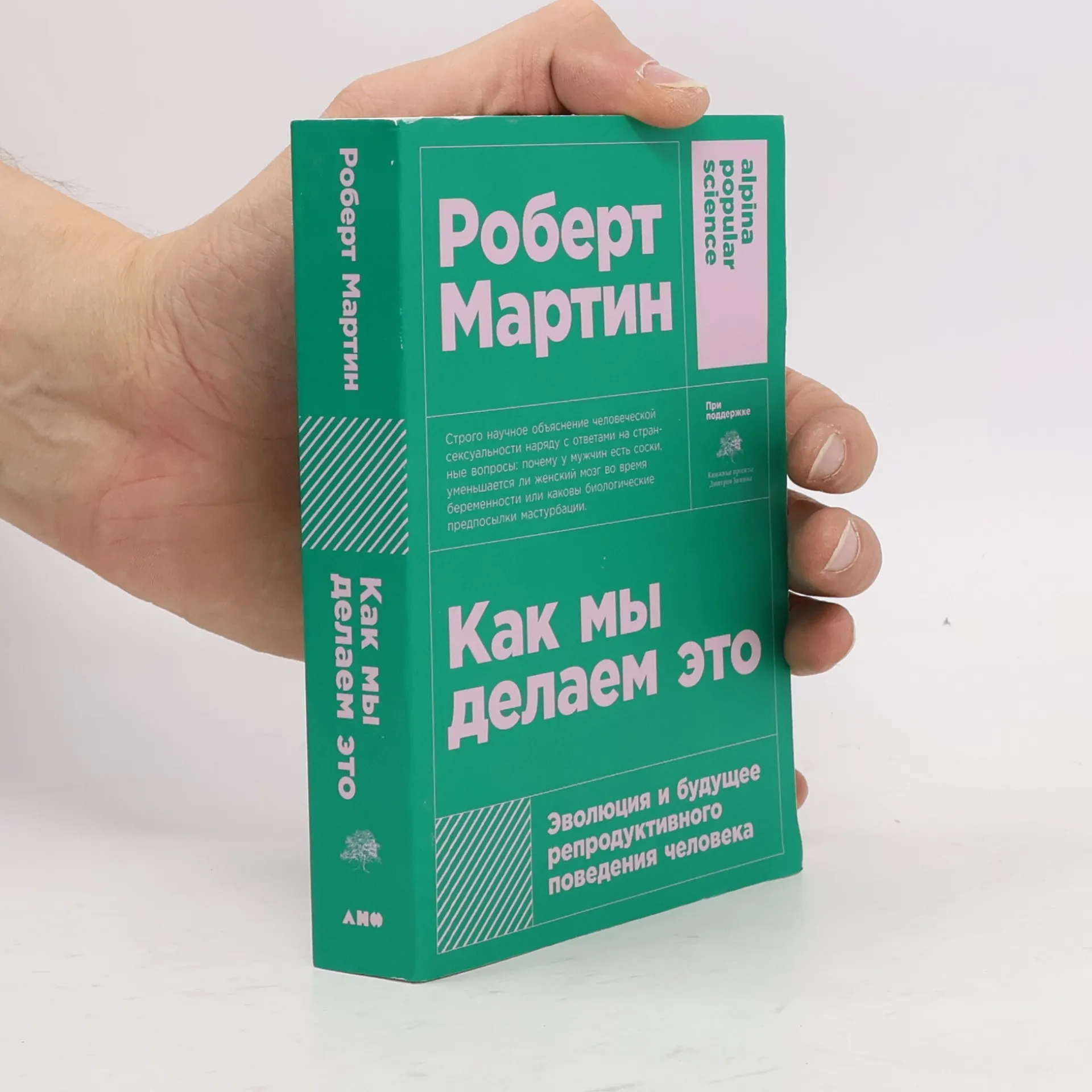
Как мы делаем это: Эволюция и будущее репродуктивного поведения человека
- 560 pages
- 20 hours of reading
Bald ist Ladenschluss
Gedichte und Erzählungen während der Schleimbeutelentzündung
- 204 pages
- 8 hours of reading
Hansi Frost ist an der Ostsee gestrandet. Sein bisherigens Leben gescheitert, Lebenspartnerin weg, Haus weg, Job weg, Freunde weg. In dieser Lage spülte es ihn vom Süden ganz in den Nordosten der Republik. Hier findet er sich in der Platte wieder. Um der Tristesse zu entkommen, flüchtet sich Hansi in Alkohol, Drogen, Affären und seinen Wahn. Langsam und zäh zieht das Leben seine Bahn. Die Ziele sind auch weg, und eigentlich will er nichts mehr werden. Gegen ein Wunder - oder zumindest eine Erleuchtung - hätte er nichts einzuwenden! Bissig, ironisch, unterkühlt und mit dem Charme der Platte, erzählt hier der Psycho Frost über unsere Zeit, in der fast nichts wirklich glänzt. Ständige Betäubung macht das Dasein erträglich - Frost, der Loser! Am Ende steht ein sinnfreies Leben.
Mannheim - Mittelpunkt der Welt
- 222 pages
- 8 hours of reading
Der Mittelpunkt der Welt liegt in Mannheim, vielen ist das nicht bekannt. Viele große Erfindungen kommen und kamen von hier.»Deshalb war's an der Zeit, des ein für alle mol zu kläre!«Folgen Sie dem Protagonisten und er zeigt Ihnen, dass es wahr ist! Begleiten Sie den Autor durch die Szenen im »Busch«, den Benzbaracken, little Istanbul und die Neckarstadt. Lassen Sie uns erfahren, was die Multi-Kulti-Szene in dieser geilen Stadt so einzigartig macht. Entdecken Sie einen unglaublichen Erfindergeist. Was geht ab?Gehen wir der Sache auf den Grund und füllen die These, dass Mannheim das Zentrum des Universums ist, mit Leben. Sehen wir uns den Mannheimer Dreck mal genau an und wagen wir einen Ausblick! Was macht die Gegenwart aus und was wird die Zukunft bringen?»Eine Hommage an eine Stadt, die so nur an der Ostseeküste entstehen konnte.«
Gute Nacht und süsse Träume
- 187 pages
- 7 hours of reading
Tränen für die Braut
- 152 pages
- 6 hours of reading
Küsse, die der Teufel gab
- 182 pages
- 7 hours of reading
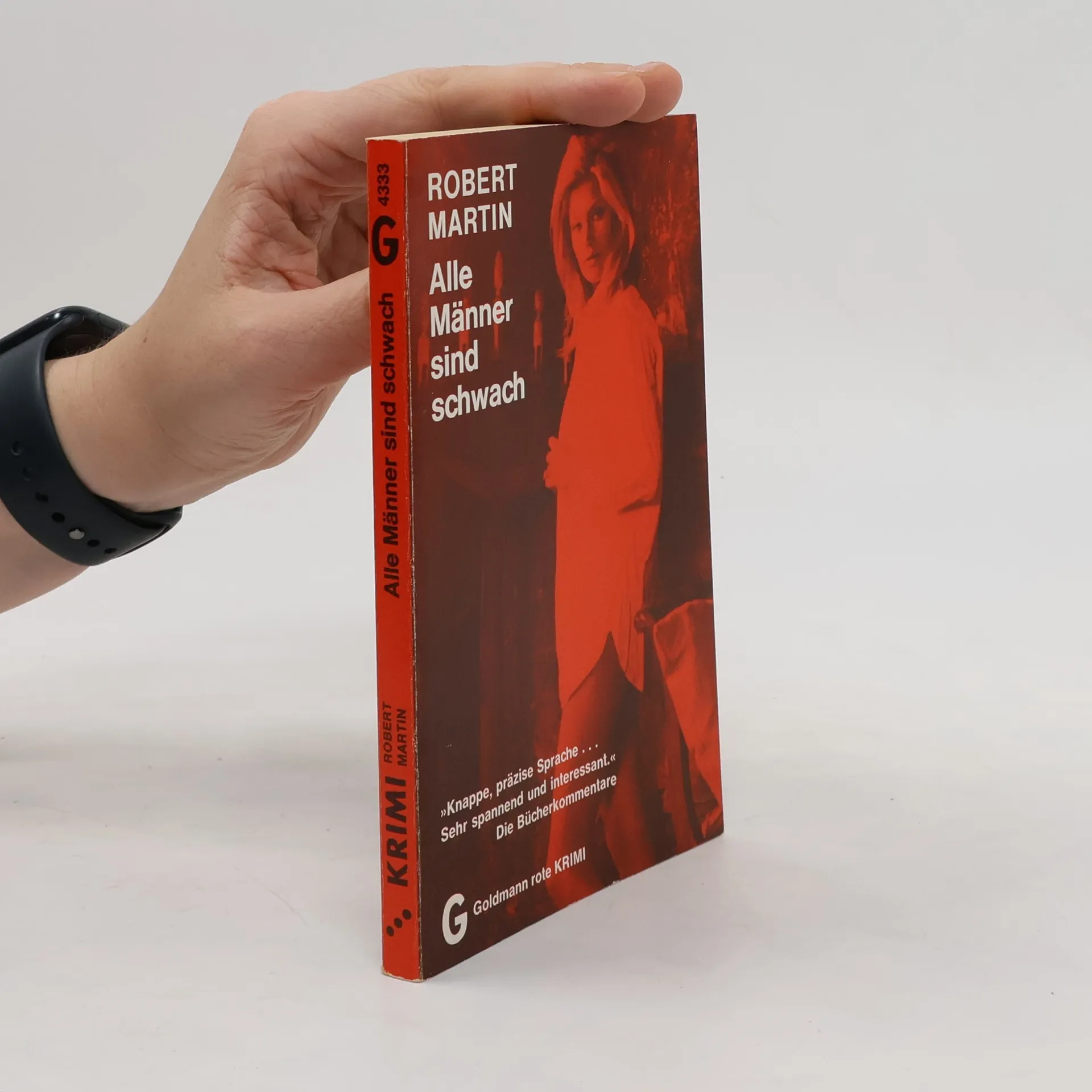
Alle Männer sind schwach
- 153 pages
- 6 hours of reading
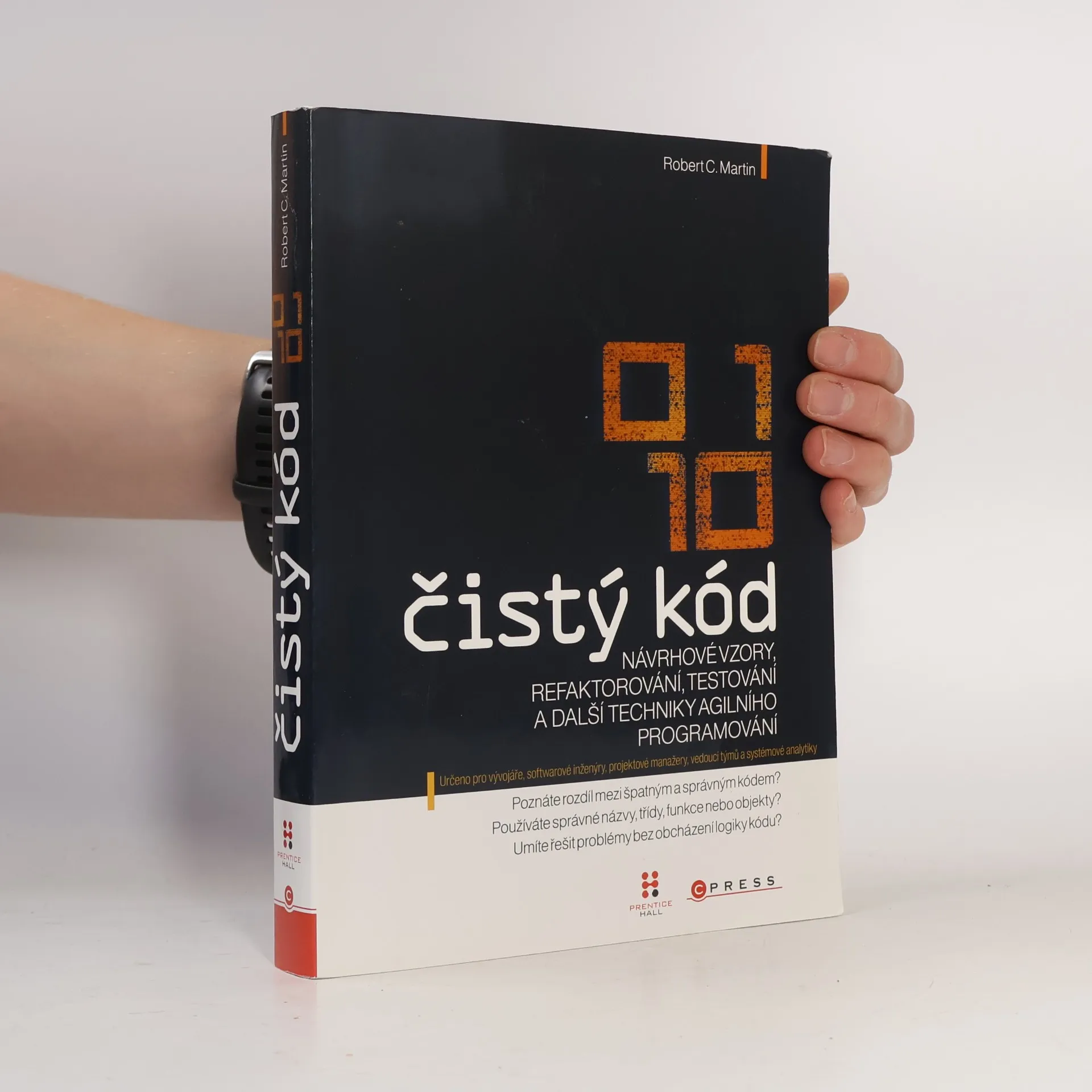
Poznáte špatný kód od dobrého? Naučte se tvořit správný a srozumitelný kód nejen pro efektivní týmovou spolupráci. Zjistěte, jak opravit špatný kód na správný. Osvojíte si tak návyky a postupy profesionálů v oboru. Kniha se v jednotlivých kapitolách zaměřuje na časté problémy, se kterými se lze setkat při psaní kódu v libovolném jazyce. Prozradí vám, čemu se vyhnout, které vlastnosti by měl kód mít, a také nabídne celou řadu profesionálních doporučení, jak průběžně zlepšovat opakovaně používaný kód. Obecné rady, které lze aplikovat na libovolný jazyk, doplňují ukázky v Javě. Publikace vás mimo jiné naučí, jak: - Vybírat srozumitelné názvy funkcí, tříd, metod a objektů - Správně rozložit funkčnost projektu mezi funkce - Vytvářet hodnotné komentáře - Formátovat kód pro co nejlepší čitelnost - Efektivně zpracovávat chyby - Testovat právě vytvářený projekt - Využít paralelního zpracování k lepšímu využití hardwaru - Zlepšit nebo opravit již vytvořený kód Publikace je určena programátorům, softwarovým inženýrům, vedoucím týmů, projektovým manažerům nebo systémovým analytikům.