Explore the latest books of this year!
Bookbot

David Flanagan

    David Flanagan is an award-winning journalist and writer who excels at deep dives into the lives and minds of his subjects. His work is characterized by keen observation and an ability to capture the complexities of human experience. Flanagan's style is both incisive and empathetic, allowing readers to form strong connections with the themes he explores. Through his writing, he offers a unique perspective on the world around us.

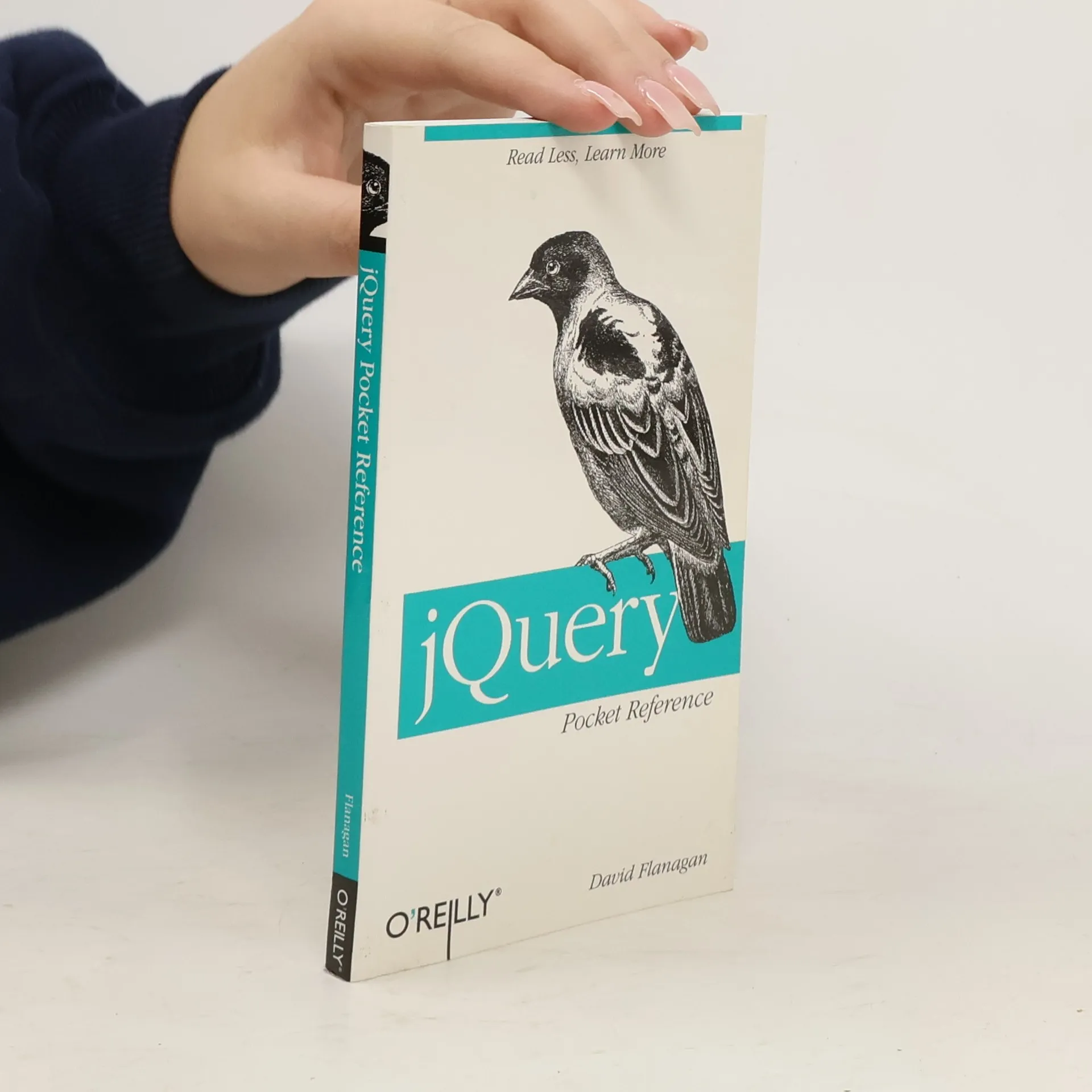
    jQuery Pocket Reference
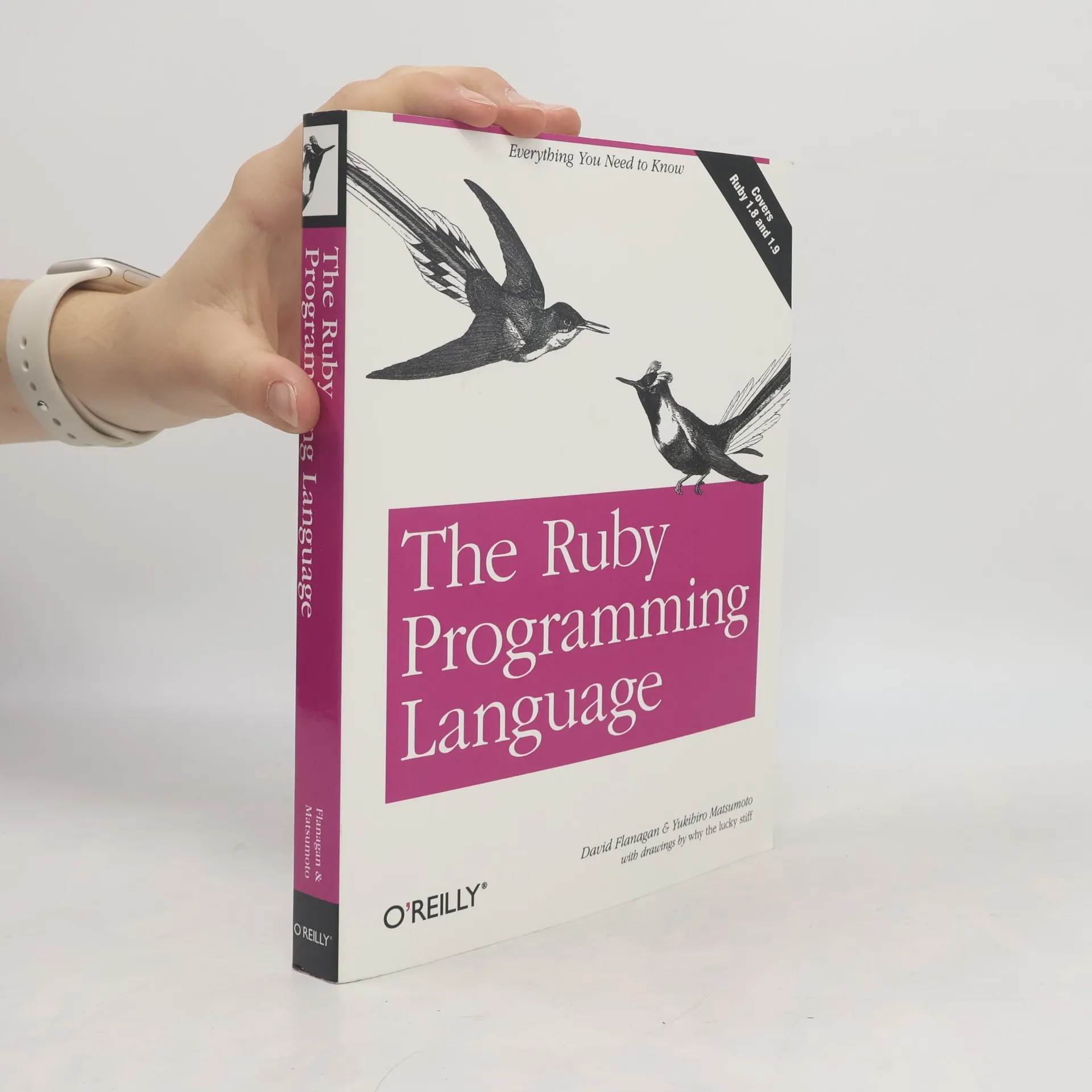
    The Ruby Programming Language
    JavaScript : the definitive guide
    JavaScript: Pocket Reference
    Javascript: The Definitive Guide
    Exploring Ireland
    • Exploring Ireland

      • 384 pages
      • 14 hours of reading

      Exploring Ireland is essential reading for anyone with an interest in the outdoors, from families looking for gentle Sunday strolls to experienced adventurers seeking out challenging hikes, paddles and cycles.

      Exploring Ireland
      5.0
    • Javascript: The Definitive Guide

      Master the World's Most-Used Programming Language

      • 706 pages
      • 25 hours of reading

      The seventh edition of this comprehensive guide updates JavaScript programming for the 2020 version, making it essential for both new and experienced developers. It introduces new chapters on classes, modules, iterators, generators, Promises, async/await, and metaprogramming. The book also features engaging example code that enhances understanding, solidifying its status as a trusted resource in the software development community for nearly 25 years.

      Javascript: The Definitive Guide
      4.4
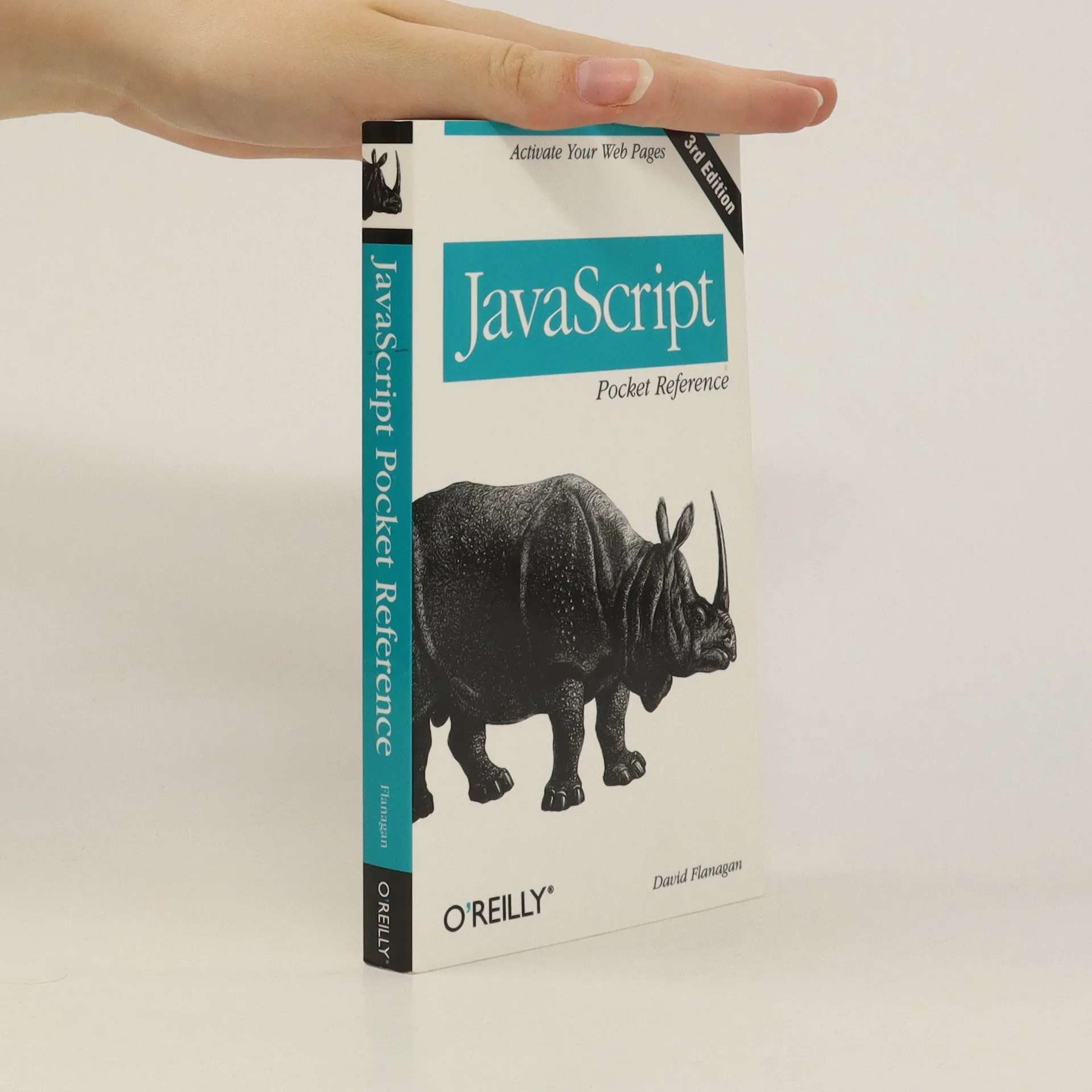
    • JavaScript: Pocket Reference

      • 265 pages
      • 10 hours of reading

      "JavaScript is the ubiquitous programming language of the Web, and for more than 15 years, JavaScript: The Definitive Guide has been the bible of JavaScript programmers around the world. Ideal for JavaScript developers at any level, this book is an all-new excerpt of The Definitive Guide, collecting the essential parts of that hefty volume into this slim yet dense pocket reference. The first 9 chapters document the latest version (ECMAScript 5) of the core JavaScript language ... The next 5 chapters document the fundamental APIs for using JavaScript with HTML5 and explain how to interact with web browser windows ; script HTML documents and document elements ;modify and apply CSS styles and classes ; respond to user input events ; communicate with web servers (and) store data locally on the user's computer." Amazon.com viewed 5/7/2020

      JavaScript: Pocket Reference
      4.1
    • JavaScript : the definitive guide

      • 1018 pages
      • 36 hours of reading

      A guide for experienced programmers demonstrates the core JavaScript language, offers examples of common tasks, and contains an extensive reference to JavaScript commands, objects, methods, and properties.

      JavaScript : the definitive guide
      4.1
    • The Ruby Programming Language

      • 304 pages
      • 11 hours of reading

      A guide to Ruby that provides coverage of versions 1.8 and 1.9 of the language. It explains the language from the bottom up: from lexical and syntactic structure to datatypes to expressions and statements and on through methods, blocks, lambdas, closures, classes and modules.

      The Ruby Programming Language
      4.1
    • jQuery Pocket Reference

      • 160 pages
      • 6 hours of reading

      If you've turned to the jQuery library to simplify common client-side JavaScript tasks, this pocket reference will help you quickly locate what you need from jQuery's vast array of functions and properties to complete your web project.

      jQuery Pocket Reference
      3.9
    • A magical and humorous adventure about a boy who has never ever slept and his how his eccentric, explorer uncle and an unlikely companion come to the rescue.

      Uncle Pete and the Boy Who Couldn't Sleep
      3.7
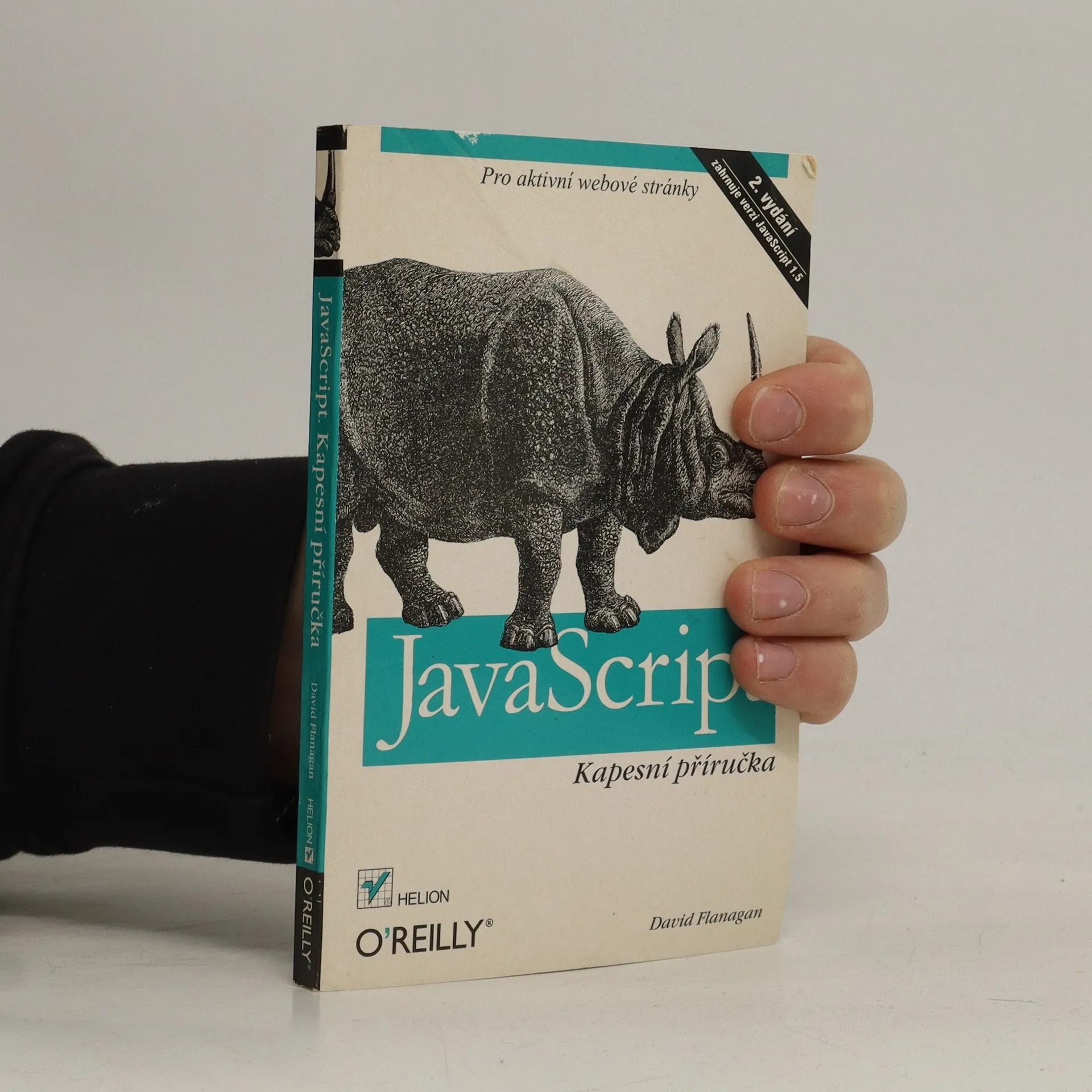
    • JavaScript, an object-based scripting language embedded in HTML, is essential for web developers, enabling the creation of dynamic, interactive applications within web browsers. As the preferred language for Dynamic HTML content, its syntax, influenced by C, C++, and Java, makes it accessible for experienced programmers, while its interpreted nature offers flexibility for newcomers. The JavaScript Pocket Reference, 2nd Edition, presents a comprehensive overview of the core language and client-side scripting environment, along with quick-reference material on essential objects, methods, and properties. This updated edition addresses JavaScript 1.5 and is particularly beneficial for developers using standards-compliant browsers like Internet Explorer 6, Netscape 7, and Mozilla. Serving as both an introduction for beginners and a quick reference for advanced users, this pocket-sized guide is portable and complements the bestselling JavaScript: The Definitive Guide, 4th Edition. O'Reilly's Pocket References are favored among developers for their concise, organized format, providing crucial details to resolve issues swiftly. When faced with challenges, the JavaScript Pocket Reference is the ideal companion to have on hand.

      JavaScript pocket reference ; [covers JavaScript 1.5]
      3.8
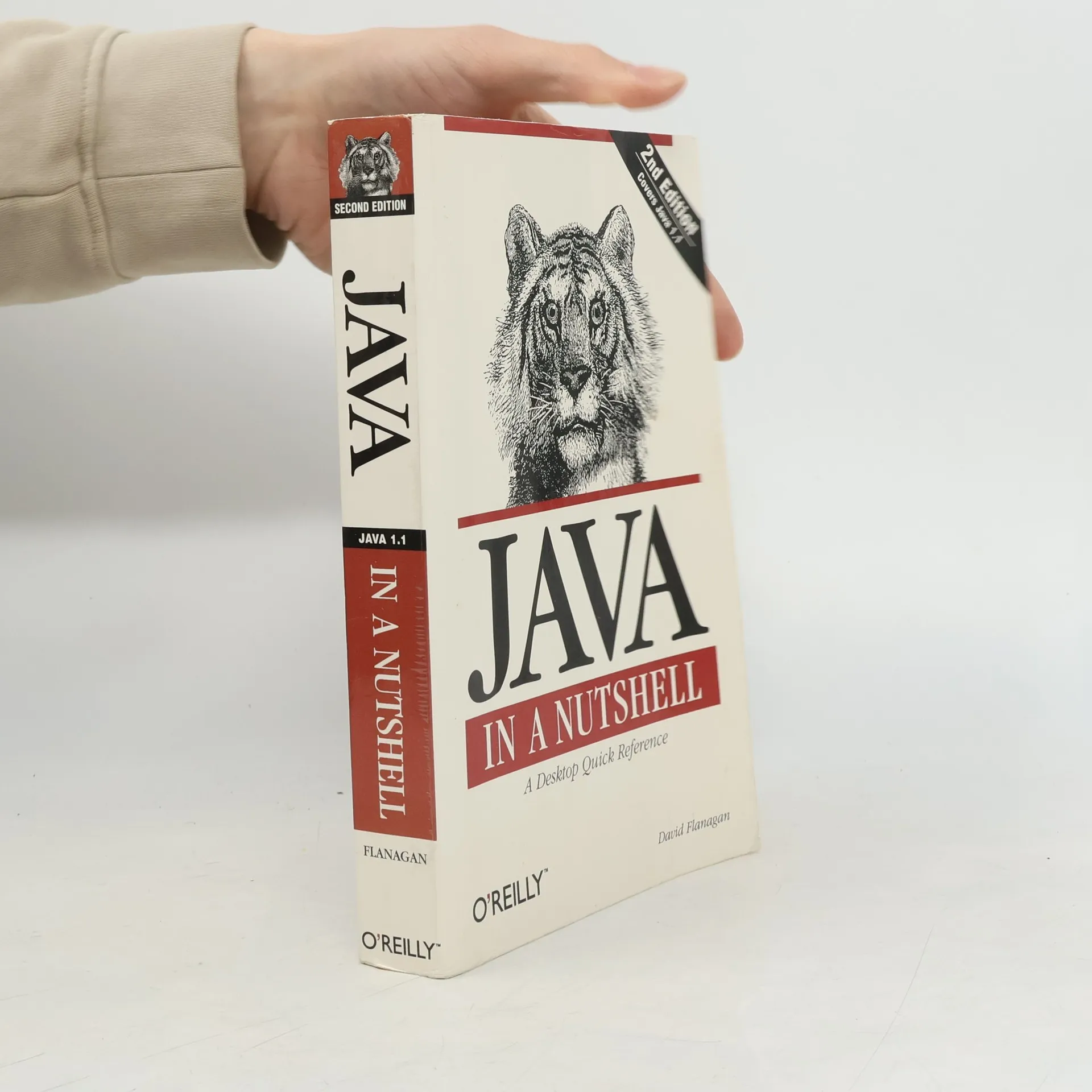
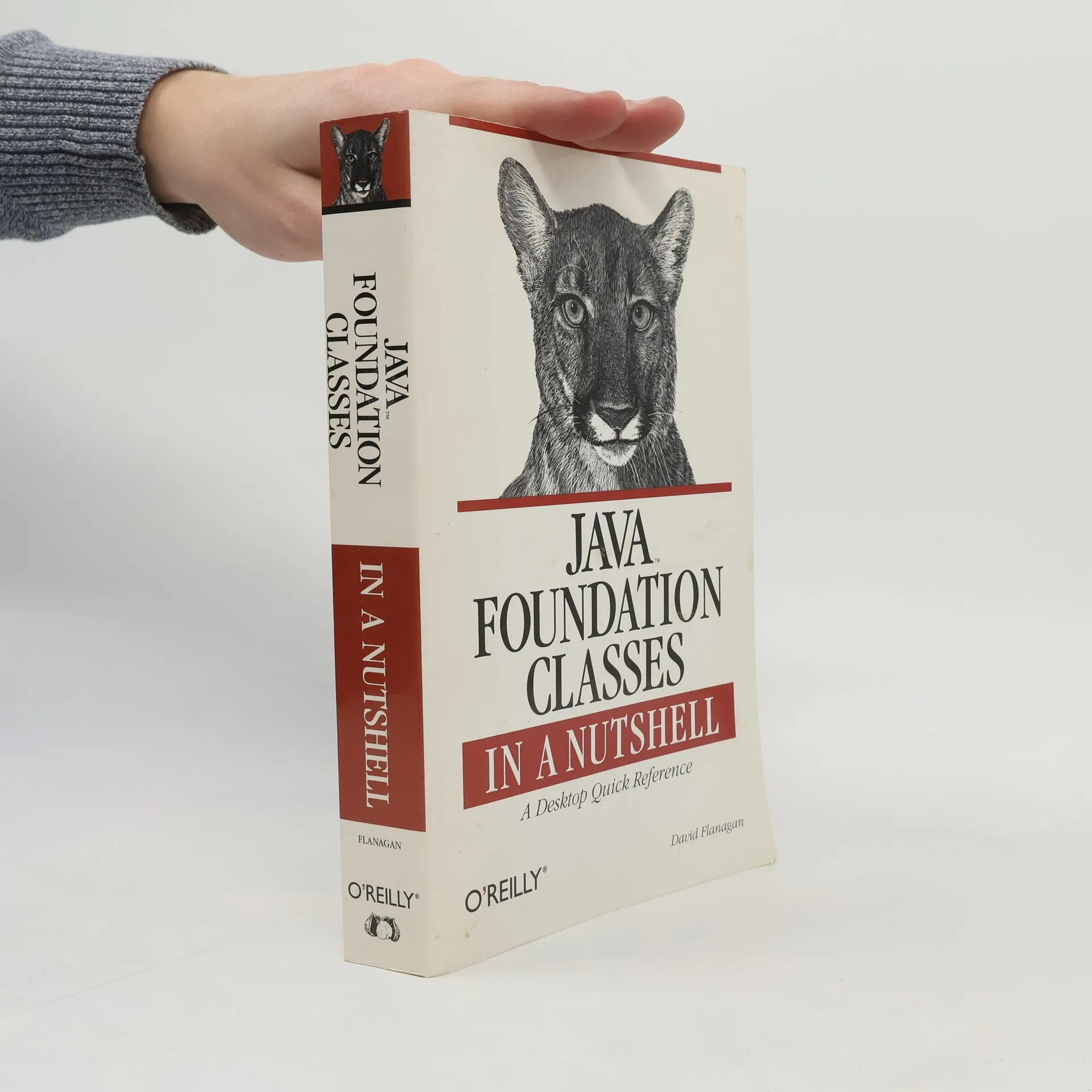
    • Java Series: Java in a Nutshell

      A Desktop Quick Reference - Covers Java 1.1 - 2nd Edition

      • 628 pages
      • 22 hours of reading

      The bestselling guide has been updated for Java 1.1, providing essential information for programmers migrating to this version or those new to Java. This second edition offers an advanced introduction for C and C++ programmers, covering all necessary aspects of the language. It includes a complete quick-reference with descriptions of all classes in the Java 1.1 API, excluding Enterprise APIs. The book thoroughly explains Java syntax, making it an indispensable quick reference for any Java programmer. This edition covers the Java Development Kit (JDK) 1.1, featuring an overview of new functionalities on a package basis. It includes a comprehensive tutorial on inner classes, detailing static member classes, member classes, local classes, and anonymous classes. Practical example programs illustrate Java 1.1 features such as object serialization, the new AWT event handling model, internationalization, and a sample Java Bean. The quick-reference section is designed for ease of use, with indicators for 1.1 material and cross-references on each page. Due to the extensive growth of Java, this volume focuses on commonly used features, with plans for future volumes covering Java Enterprise APIs and other new components as they are developed. This makes it an essential resource for all Java programmers.

      Java Series: Java in a Nutshell
      3.4