The THIEME Atlas of Anatomy series also features Neck and Internal Organs and Head and Neuroanatomy. Each atlas is available in softcover and hardcover. --Book Jacket.
Michael Schünke Books
July 23, 1950
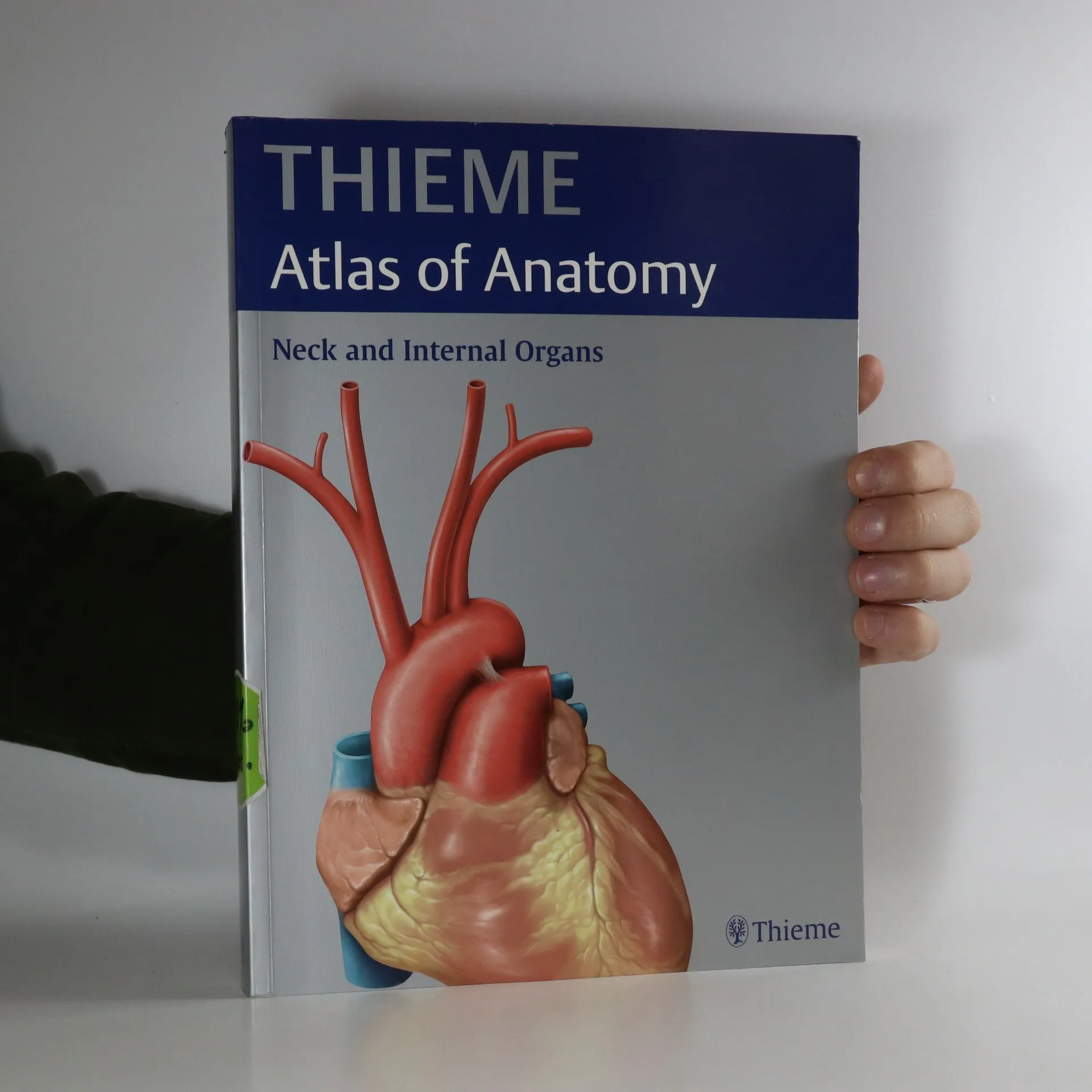
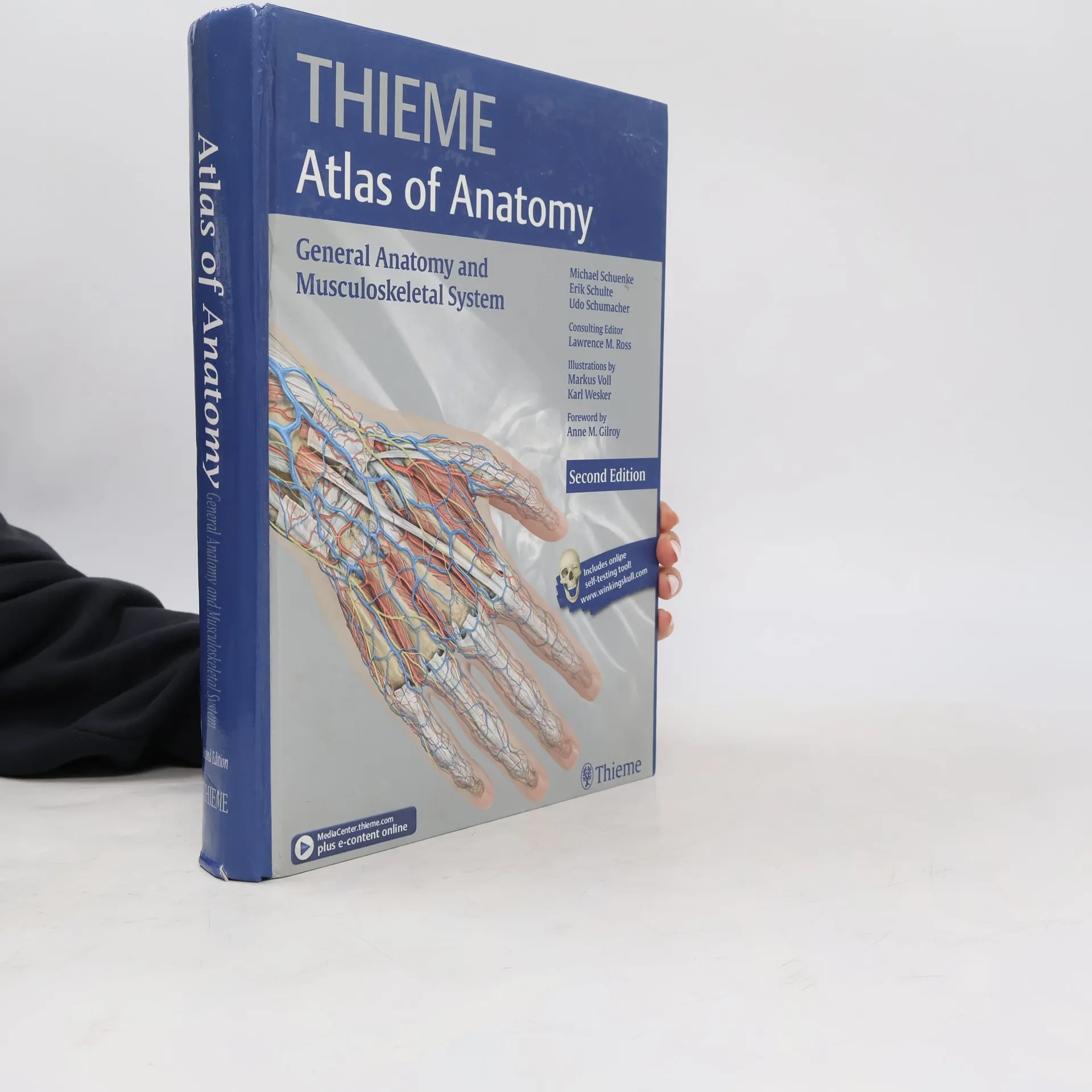
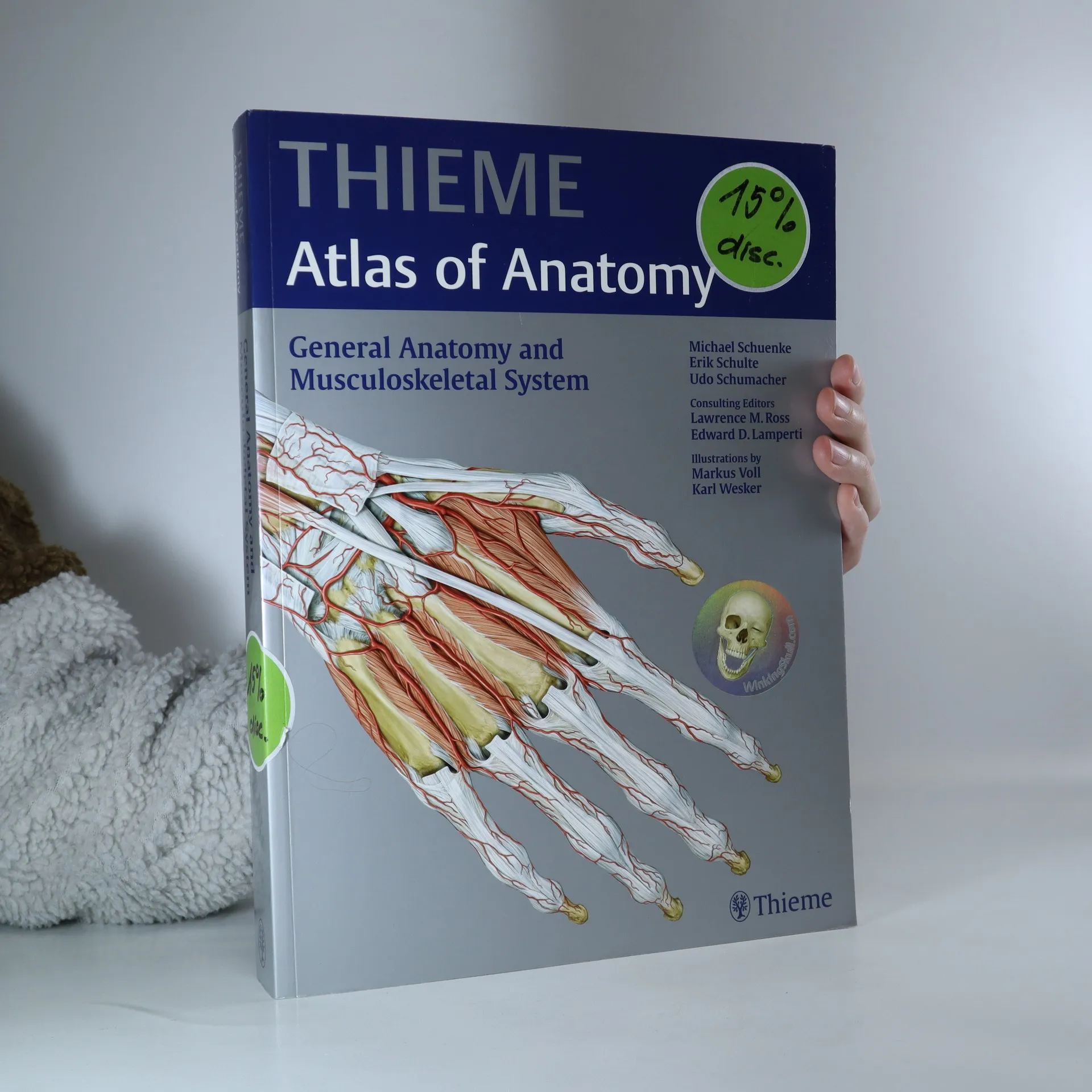
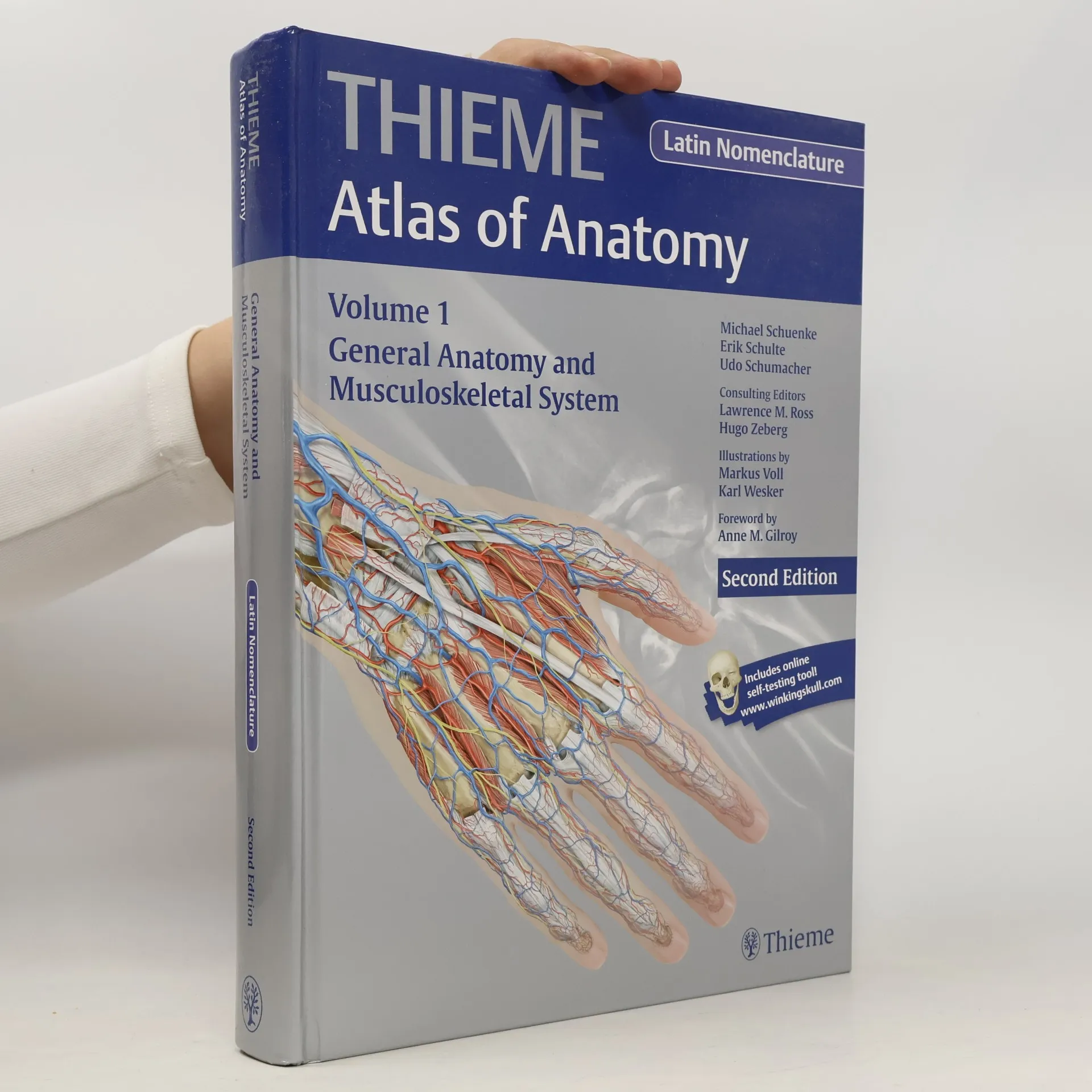
THIEME Atlas of Anatomy: General Anatomy and Musculoskeletal System
Second Edition
- 624 pages
- 22 hours of reading
Praise for the first edition highlights the impressive nature of these atlases, with illustrations regarded as real works of art. The authors have made a valuable contribution to both physical therapy and occupational therapy literature, making this series particularly beneficial for students in these fields. The second edition serves as an ideal educational resource for anatomy studies, focusing on the musculoskeletal system. Each anatomical region is systematically presented, beginning with bones, joints, and muscles, followed by vasculature and innervation, and concluding with topographic illustrations for comprehensive understanding. The atlas starts with a concise overview of development, surface anatomy, terminology, body systems, and the structure of bones, joints, muscles, and innervating nerves. Key features include expanded coverage of tissue structure, functional testing, diagnostic imaging, and musculoskeletal diseases; exquisite full-color illustrations with thorough labeling; an innovative format where each two-page spread serves as a self-contained guide; hundreds of clinical applications integrated into anatomical descriptions; summary tables for rapid review; and access to WinkingSkull.com PLUS, featuring over 500 images for labels-on and labels-off review and timed self-tests. The series also includes atlases on Neck and Internal Organs and Head and Neuroanatomy, all available in softcover.
Integrates anatomy and clinical concepts. This work is illustrated with digital watercolors, cross-sections, x-rays, and CT and MRI scans; and labeled images help you easily identify each structure. This work is useful for those who work with the human body.
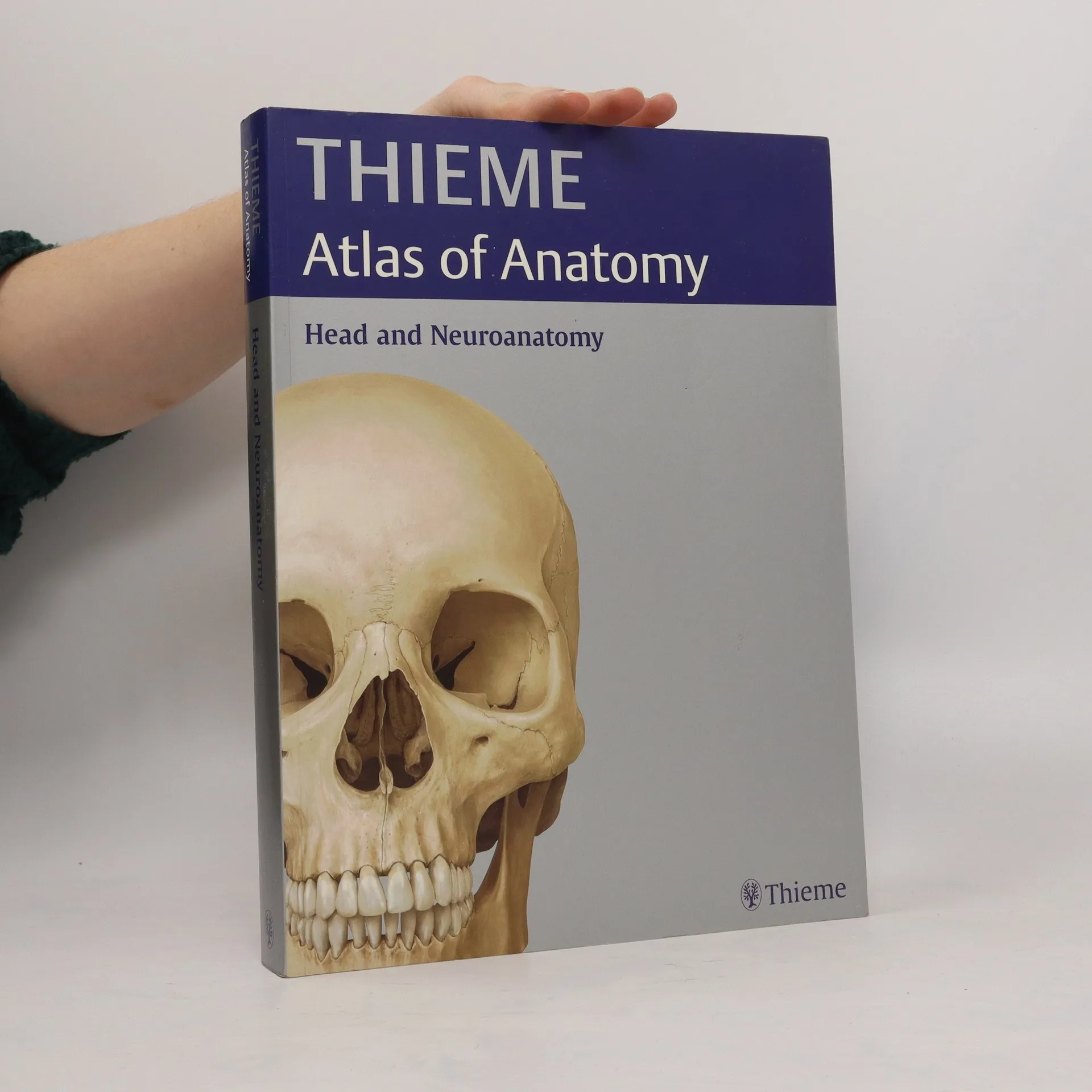
Thieme Atlas of Anatomy. Head and Neuroanatomy
- 412 pages
- 15 hours of reading
The THIEME Atlas of Anatomy integrates anatomy and clinical concepts Organized intuitively, with self-contained guides to specific topics on every two-page spread Hundreds of clinical applications integrated into the anatomical descriptions, emphasizing the vital link between anatomical structure and function Beautifully illustrated with expertly rendered digital watercolors, cross-sections, x-rays, and CT and MRI scans Clearly labeled images help you easily identify each structure Summary tables throughout ideal for rapid review Setting a new standard for the study of anatomy, the THIEME Atlas of Anatomy is more than a collection of anatomical illustrationsit is an indispensable resource for anyone who works with the human body
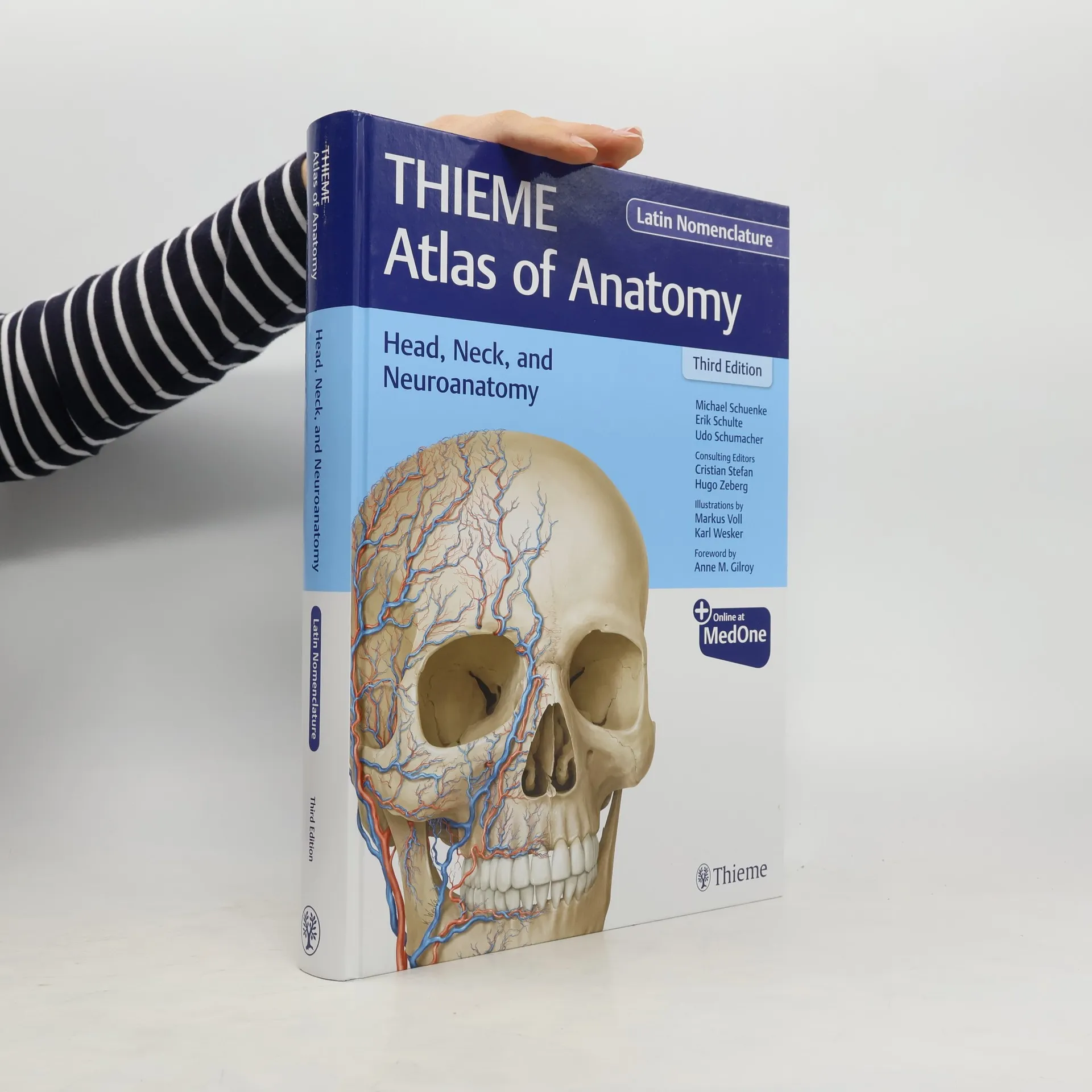
Head, Neck, and Neuroanatomy (THIEME Atlas of Anatomy), Latin Nomenclature
- 592 pages
- 21 hours of reading
Featuring exceptionally detailed anatomical illustrations, this atlas offers clinically relevant insights that enhance understanding of human anatomy. It serves as an invaluable resource for medical professionals and students alike, providing clear visuals and comprehensive information to aid in both education and practice. The remarkable clarity and precision of the illustrations make complex concepts accessible, ensuring that users can effectively apply their knowledge in clinical settings.
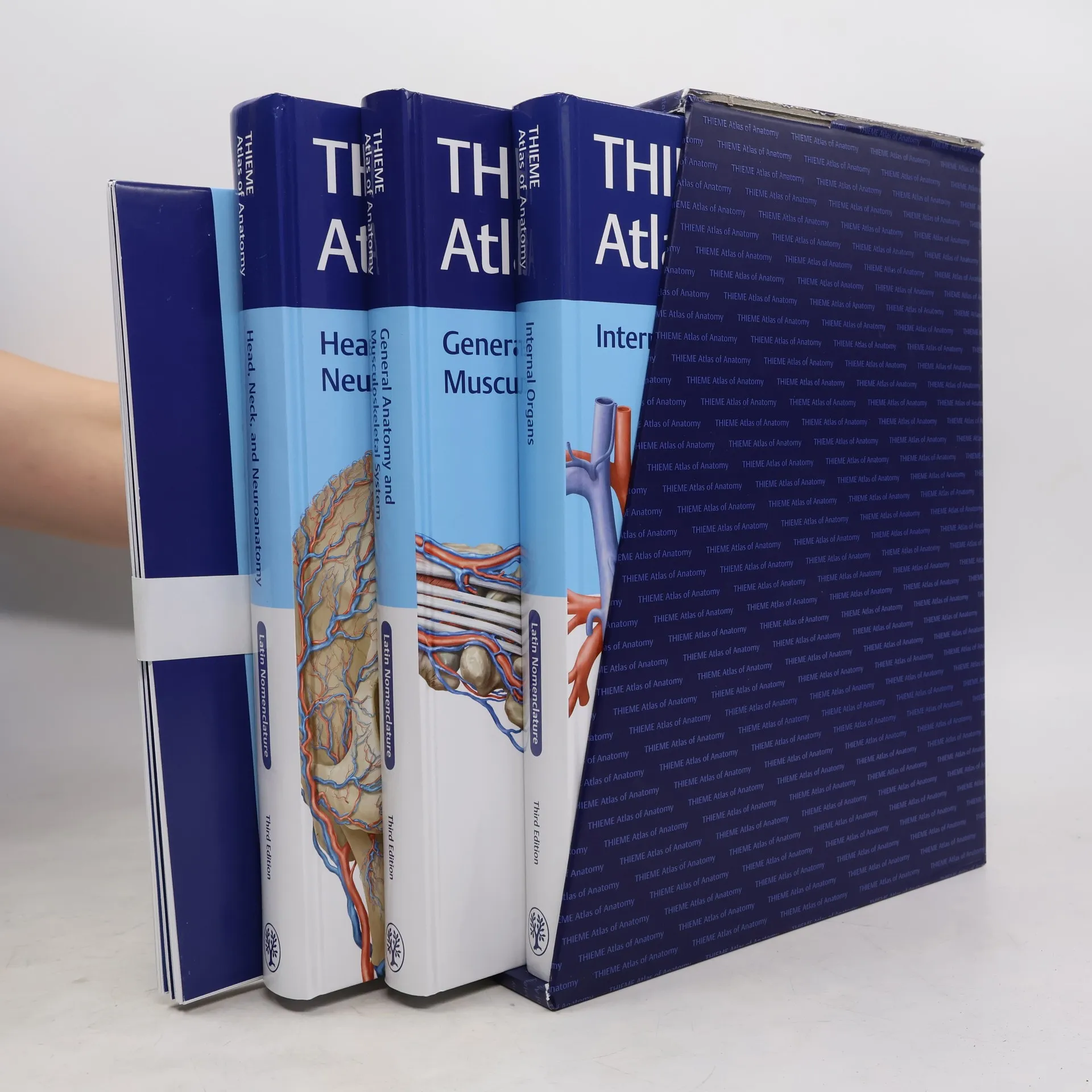
THIEME Atlas of Anatomy, Latin Nomenclature, Three Volume Set, Third Edition
- 1718 pages
- 61 hours of reading
This atlas offers an in-depth exploration of human anatomy, emphasizing clinically relevant details that enhance understanding for medical professionals. It features meticulously detailed illustrations and descriptions, making it an invaluable resource for students and practitioners alike. The focus on practical application ensures that users can effectively relate anatomical structures to clinical scenarios, fostering a deeper comprehension of the human body in a medical context.
Atlas of Anatomy - 1: General Anatomy and Musculoskeletal System
Latin Nomenclature - Second Edition
- 623 pages
- 22 hours of reading
THIEME Atlas of Anatomy: General Anatomy and Musculoskeletal System, Second Edition, Latin Nomenclature is an ideal educational tool for anyone studying musculoskeletal anatomy. Each region is presented in a manner that builds understanding: starting with bones, joints, and muscles, then vasculature and nerves, and concluding with topographic illustrations. This atlas begins with a concise overview of general anatomy and moves on to the detailed anatomy of the trunk wall, upper limb, and lower limb. Key Features: Labels and anatomic terminology are in Latin nomenclature. Expanded coverage of tissue structure and development, functional testing, diagnostic imaging, and diseases of the musculoskeletal system Exquisite full-color illustrations with clear, descriptive captions Each two-page spread is a self-contained guide to a topic Hundreds of clinical applications integrated into the anatomic descriptions, emphasizing the vital link between anatomic structure and function Access to WinkingSkull.com PLUS, with over 500 images from the book for labels-on and labels-off review and timed self-tests The THIEME Atlas of Anatomy series also features Neck and Internal Organs and Head and Neuroanatomy . Each atlas is available in softcover.
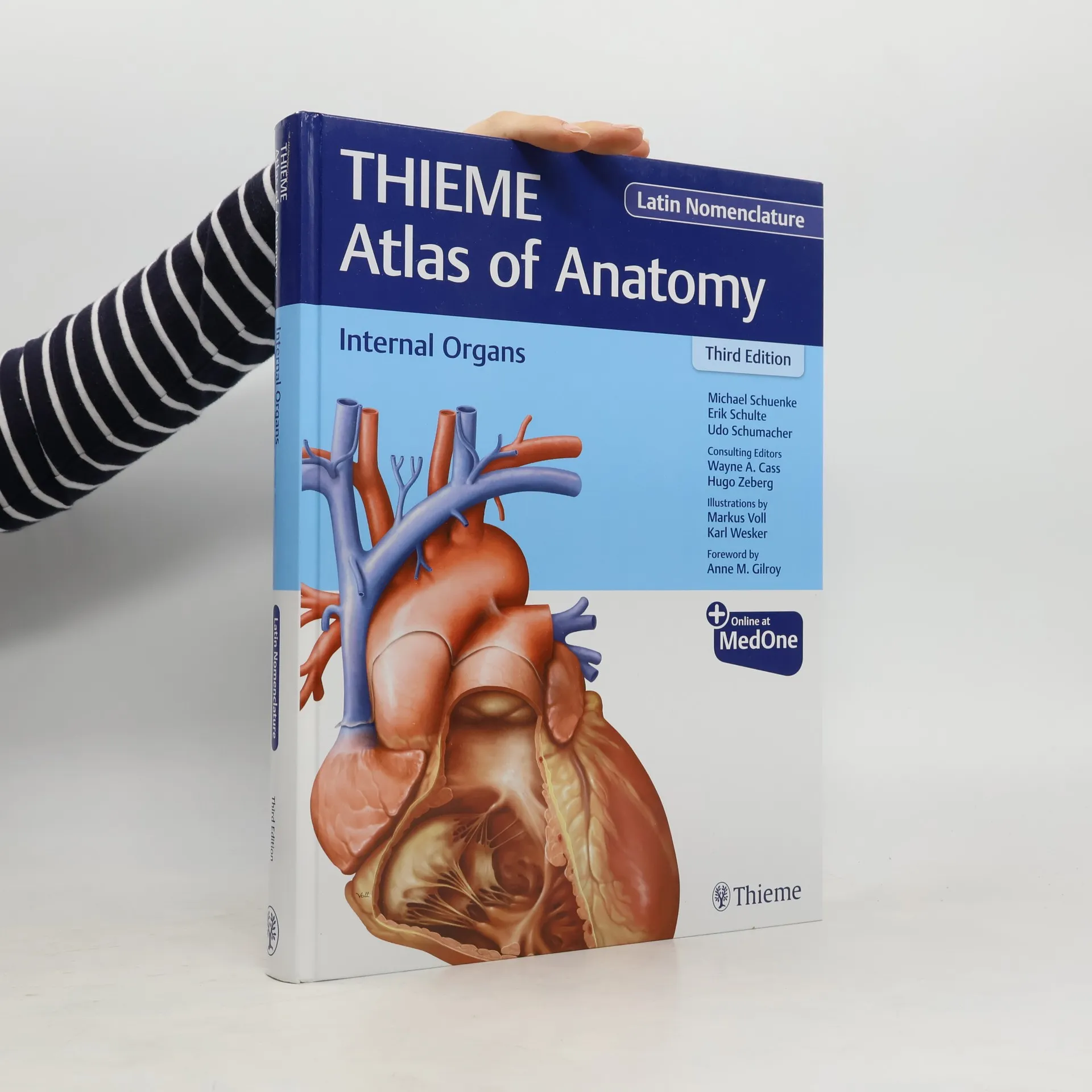
"A comprehensive educational tool that combines illustrations with explanatory text and summary tables, introducing clinical applications throughout, and presenting anatomic concepts in a step-by-step sequence that includes system-by-system and topographical views; this volume covers internal organs using Latin nomenclature labels"--
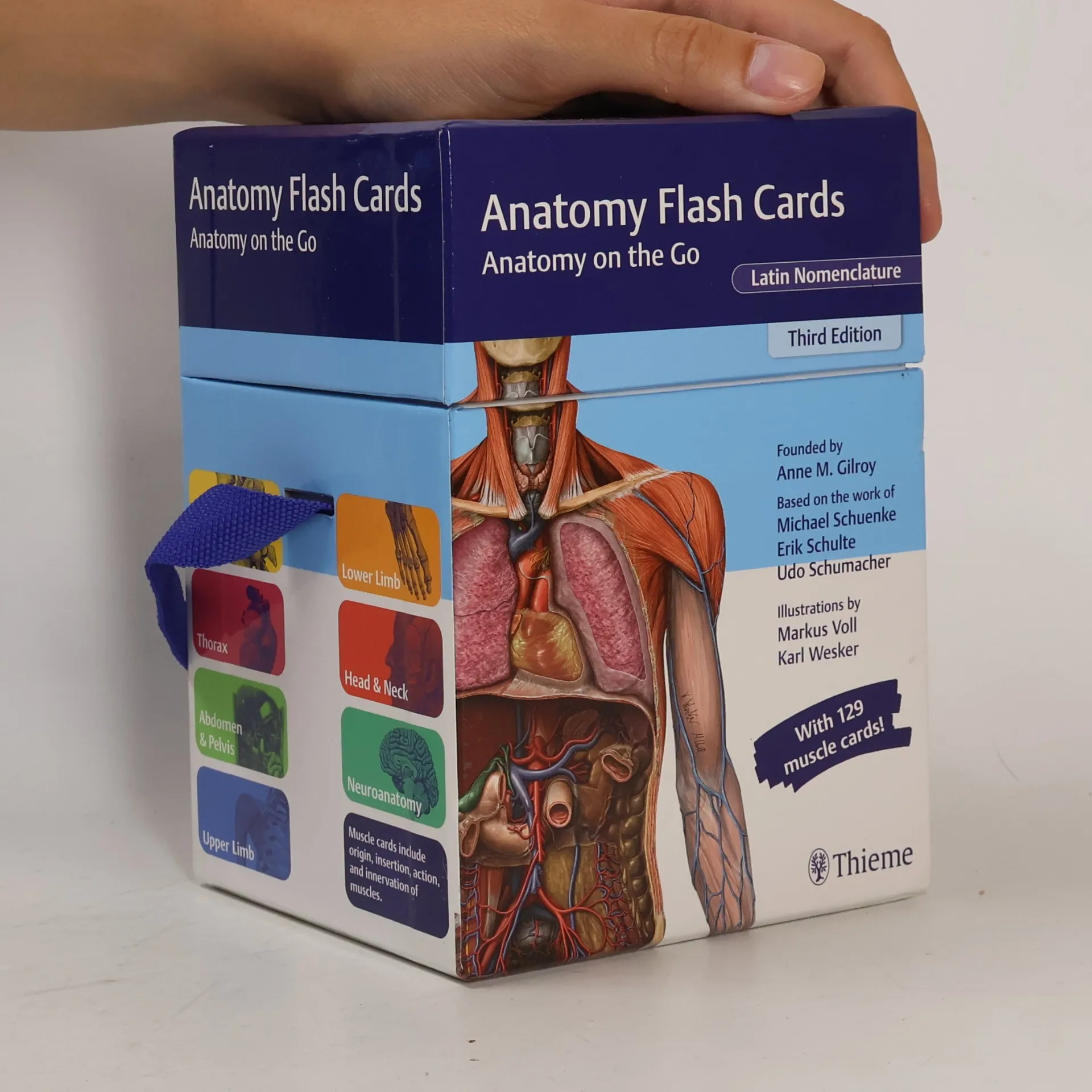
Anatomy Flash Cards, Latin Nomenclature
Anatomy on the Go - Third Edition
- 480 pages
- 17 hours of reading
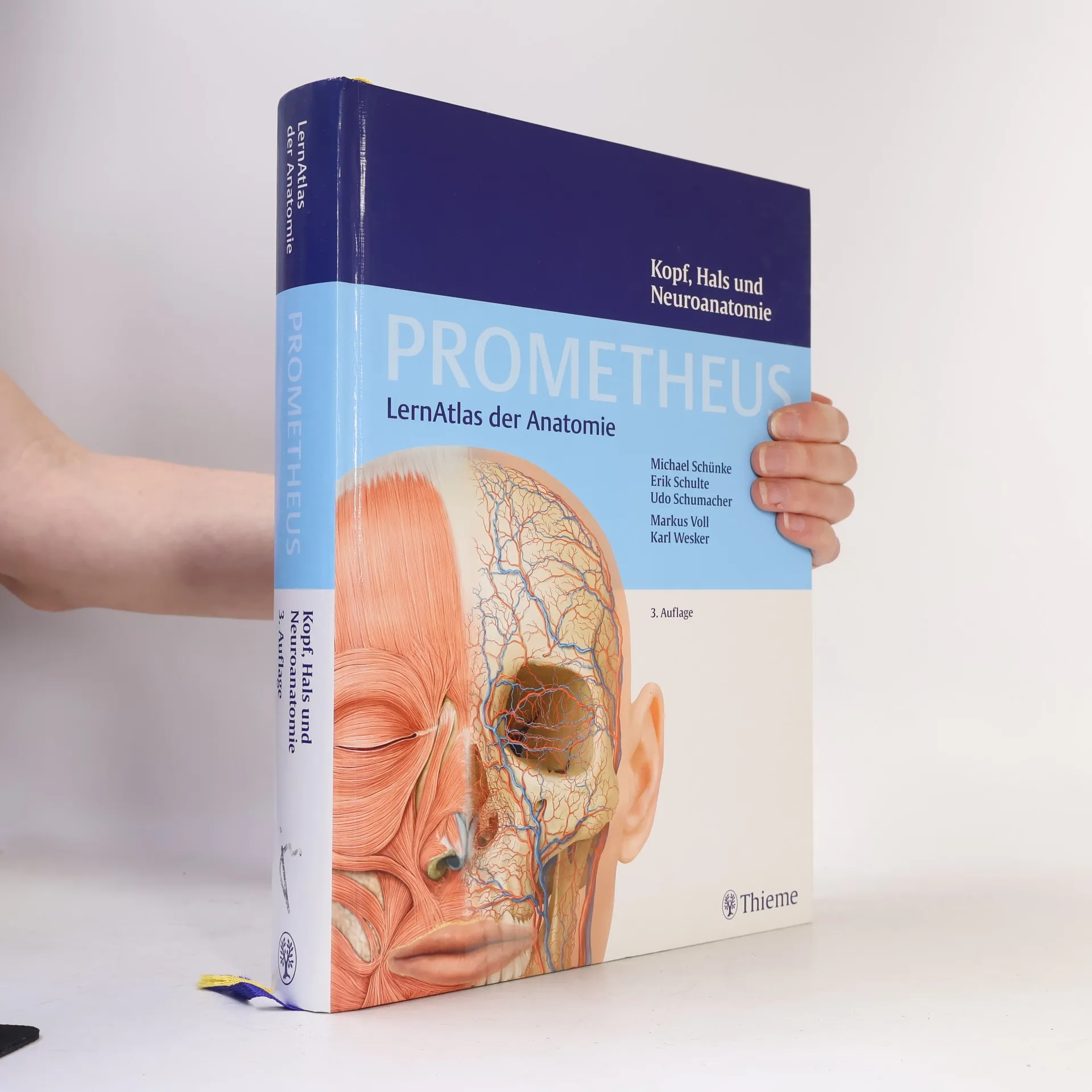
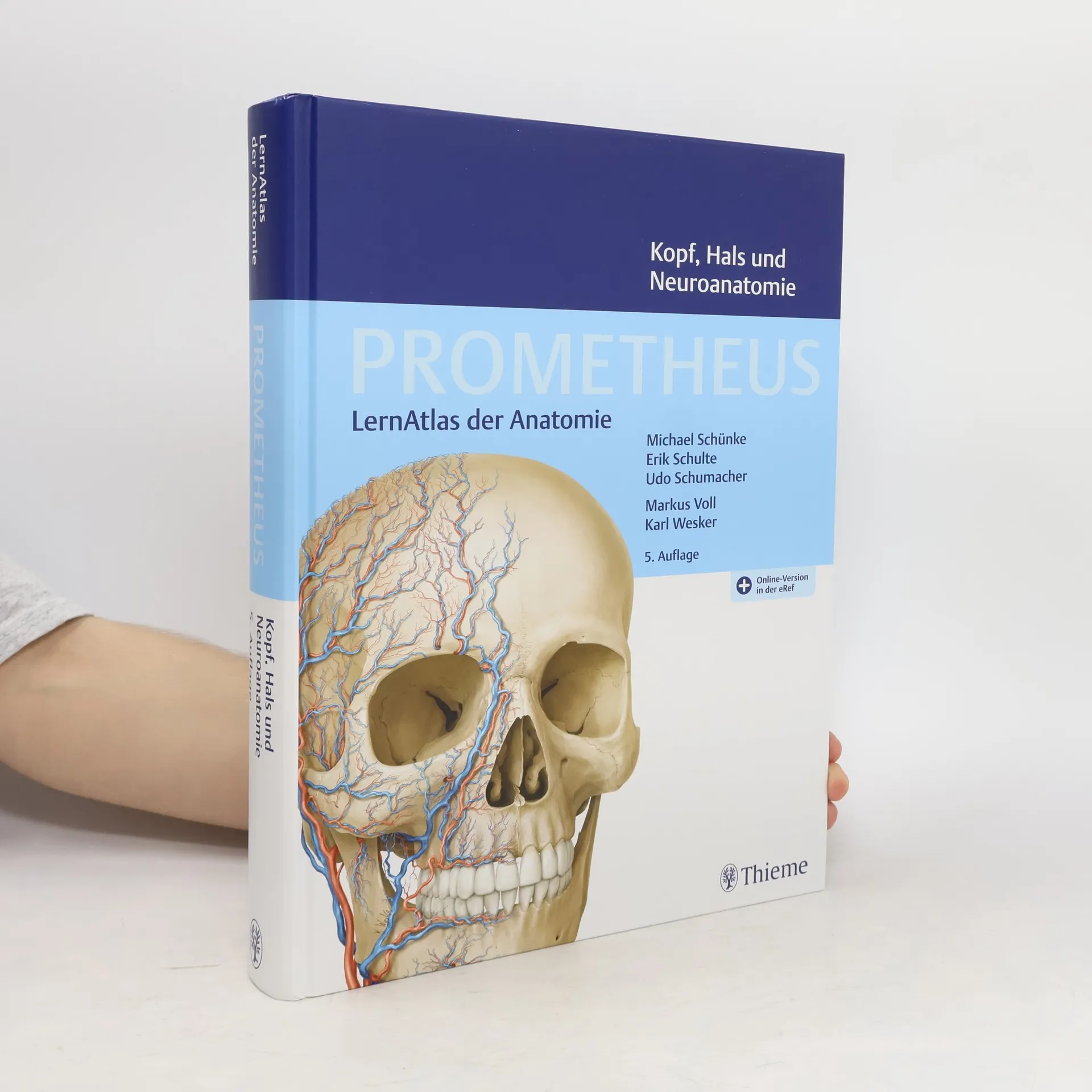
Details erkennen. Zusammenhänge begreifen. Prüfungen bestehen. PROMETHEUS verbindet einzigartige Bilder mit anschaulichen Erläuterungen. Als LernAtlas ordnet er das anatomische Wissen einprägsam in zweiseitigen Einheiten. Damit macht er das Lernen für Dich reizvoll und den Prüfungsstoff überschaubar. Der Band #Kopf, Hals und Neuroanatomie# umfasst - Knochen, Bänder, Gelenke sowie die Organe von Kopf und Hals mit ihren Leitungsbahnen und ihrer Topografie, - ein ausführliches Kapitel zu den Zähnen, - eine orientierende Einführung in die Neuroanatomie, - die Topografie und Funktion von Gehirn und Rückenmark, - Synopsen zu Bahnen, Ganglien und Hirnnervenkernen sowie - ausgewählte klinische Informationen zu Erkrankungen und Diagnoseverfahren.
Prometheus - LernKarten der Anatomie
- 734 pages
- 26 hours of reading
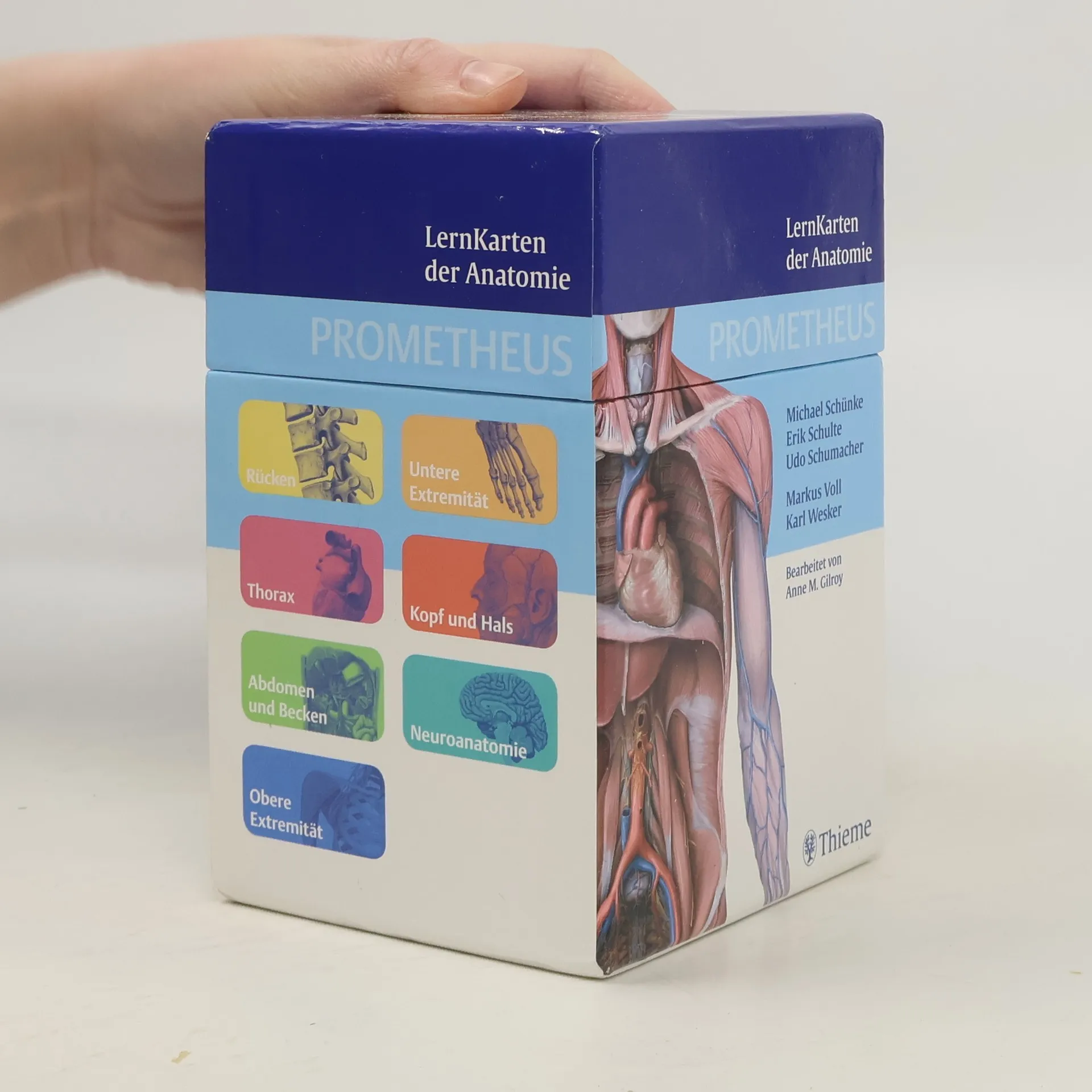
Box mit 367 Lernkarten aus den Gebieten Rücken, Thorax, Abdomen und Becken, Obere Extremität, Untere Extremität, Kopf und Hals sowie Neuroanatomie.
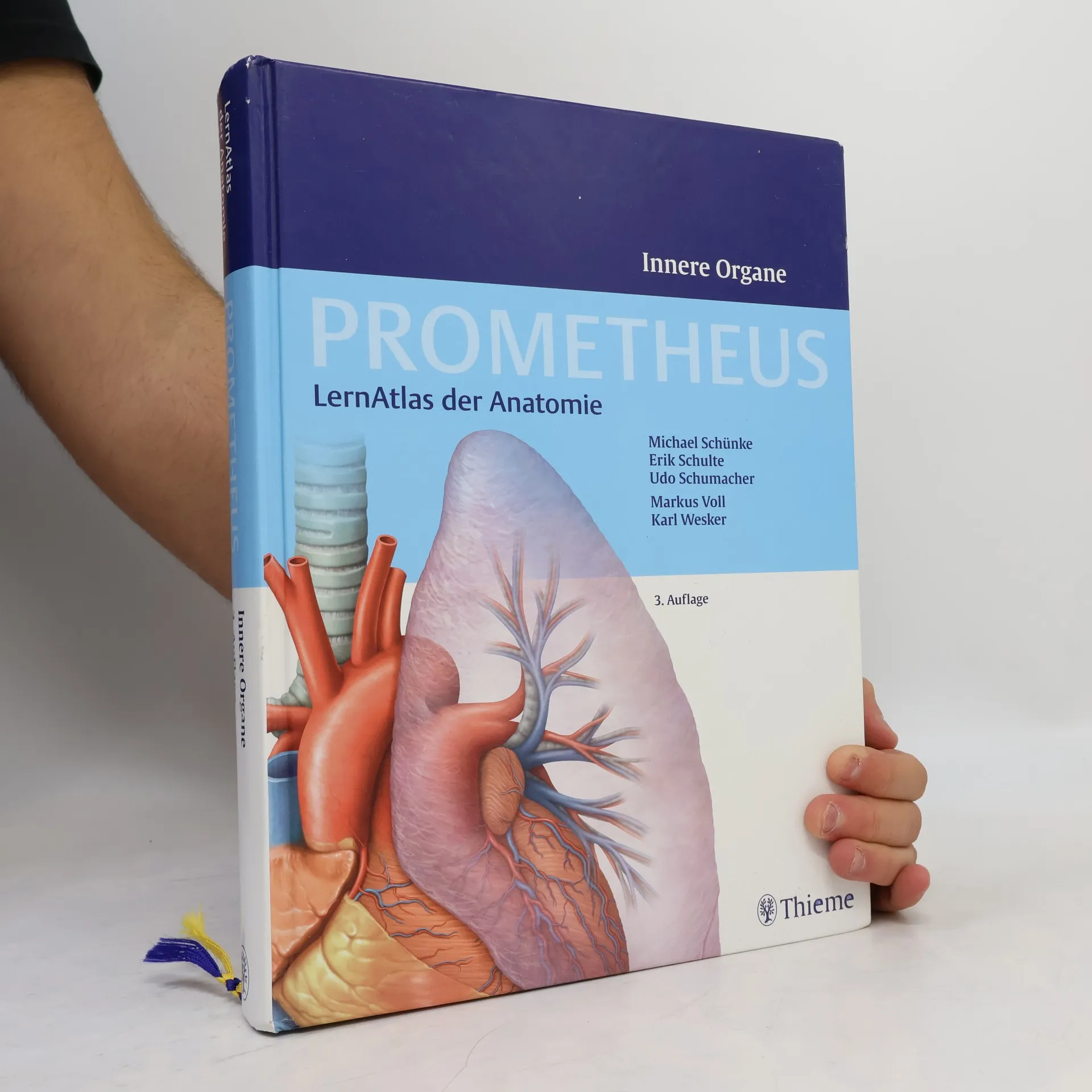
Innere Organe
- 512 pages
- 18 hours of reading
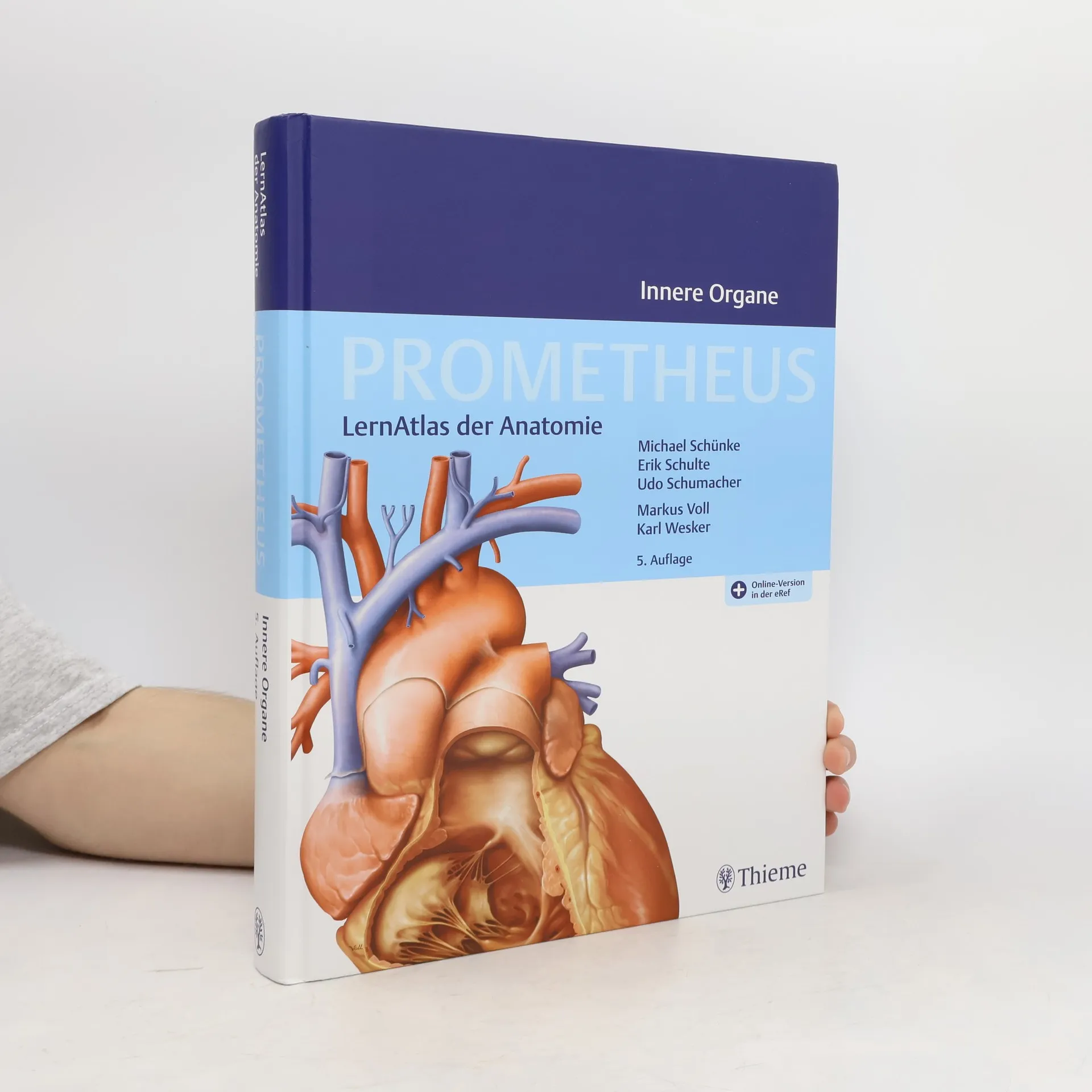
PROMETHEUS verbindet einzigartige Abbildungen mit didaktisch perfekt darauf abgestimmten Erläuterungen. Als LernAtlas ordnet er das anatomische Wissen einprägsam in doppelseitigen Einheiten. So macht das Lernen Spaß und der Prüfungsstoff wird überschaubar. Der Band Innere Organe umfasst: - Aufbau und Embryonalentwicklung der Organsysteme - Zusammensetzung und Bildung des Blutes - Organe in Thorax, Abdomen und Becken mit Leitungsbahnen und Topografie - Systematik der Organversorgung - Steckbriefe mit wesentlichen Informationen zu allen inneren Organen sowie - ausgewählte klinische Informationen zu Erkrankungen und Diagnoseverfahren. Neu in der 5.
Der Körper des Menschen
- 465 pages
- 17 hours of reading
Fundierte Inhalte im handlichen Format Die 15. Auflage stellt den Körper des Menschen kompakt und verständlich dar. Intensiv überarbeitet und aktualisiert bietet sie darüber hinaus den neuesten Wissensstand in optimal aufgelockerter und lesefreundlicher Struktur. Grafiken im lernfreundlichen Posterformat Vier Ausklapptafeln in Postergröße zum Herausnehmen und Aufhängen oder neben das Buch legen, bieten die Möglichkeit, sich intensiv mit dem Skelett, dem Gefäßsystem, dem Nervensystem, den Oberflächen und den tastbaren Knochenpunkten zu beschäftigen. Das Sachverzeichnis bietet sowohl deutsche Begriffe als auch lateinische Fachtermini. Didaktisch optimiert in Wort und Bild Definitionen und erklärende Beispiele sind deutlich hervorgehoben. Die Texte sind leicht verständlich strukturiert. Kapitel sind durch Inhaltsübersichten am Anfang und Zusammenfassungen am Ende abgerundet. Alle Grafiken sind unter den Gesichtspunkten der Verständlichkeit, des schnellen Erfassens, der Übersichtlichkeit und der Betrachterfreundlichkeit gezeichnet.
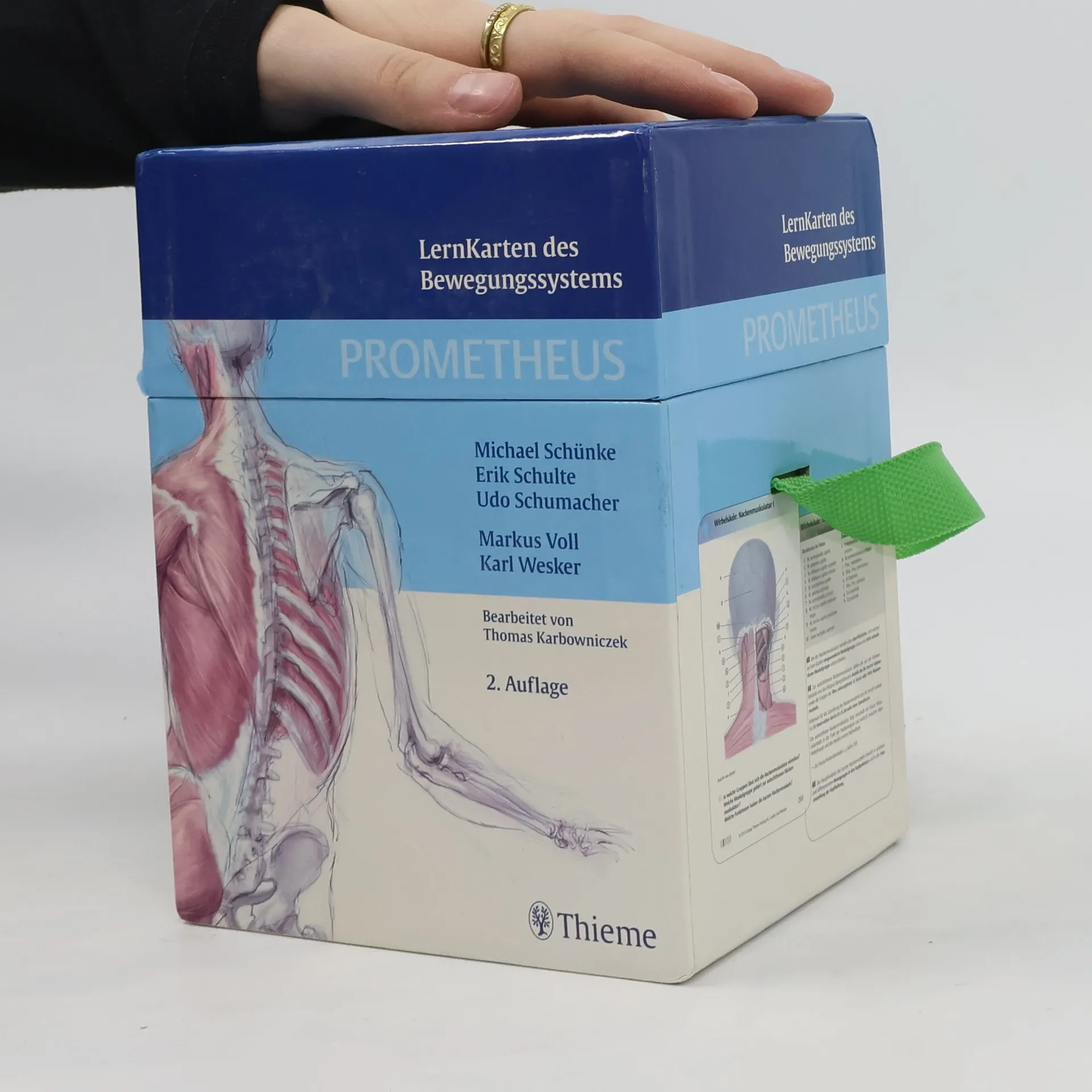
Das gesamte Bewegungssystem auf 394 Lernkarten in hervorragender PROMETHEUS-Qualität - stabil, handlich und unentbehrlich für Prüfung und Praxis. Gegliedert nach Gelenken als funktionelle Systeme aus Knochen, Bändern und Muskeln. Alle Bilder sind detailliert beschriftet. Strukturen im Fokus - testen Sie Ihr Wissen. Die Lernkarten konzentrieren sich auf die Wissensinhalte der Physiotherapie-Ausbildung und unterstützen Sie bei Ihrer Weiterbildung in der Manuellen Therapie, u. a. mit folgenden Themen: Gelenkaufbau und Gelenkmechanik, Bewegungsrichtung und Bewegungsausmaß Aufbau und Funktion des Kapsel-Band-Apparates Detaillierter Verlauf und Engstellen der Nerven Wechselwirkungen: Bewegungssystem - Vegetativum - Organe Klinische Hinweise Lerne wo und wann du willst: Du kannst die Lernkarten mit dem stabilen Metallring zusammenfassen und überall hin sicher mitnehmen.
PROMETHEUS LernPaket Anatomie. LernAtlas Anatomie
- 1742 pages
- 61 hours of reading
Das PROMETHEUS LernPaket bietet alle Bände des LernAtlas der Anatomie, über 5000 anatomische Zeichnungen und prüfungsrelevante Inhalte. Zudem enthalten ist eine limitierte Tasche aus LKW-Plane. Ideal für effektives Lernen in der Anatomie.
PROMETHEUS bietet anatomische Illustrationen und didaktische Erläuterungen, die das Lernen erleichtern. Der Band "Innere Organe" behandelt Aufbau, Embryonalentwicklung, Organsysteme und wichtige klinische Informationen. Die 6. Auflage enthält neue Abbildungen und Kapitel, sowie digitalen Zugang zu Lernmaterialien.
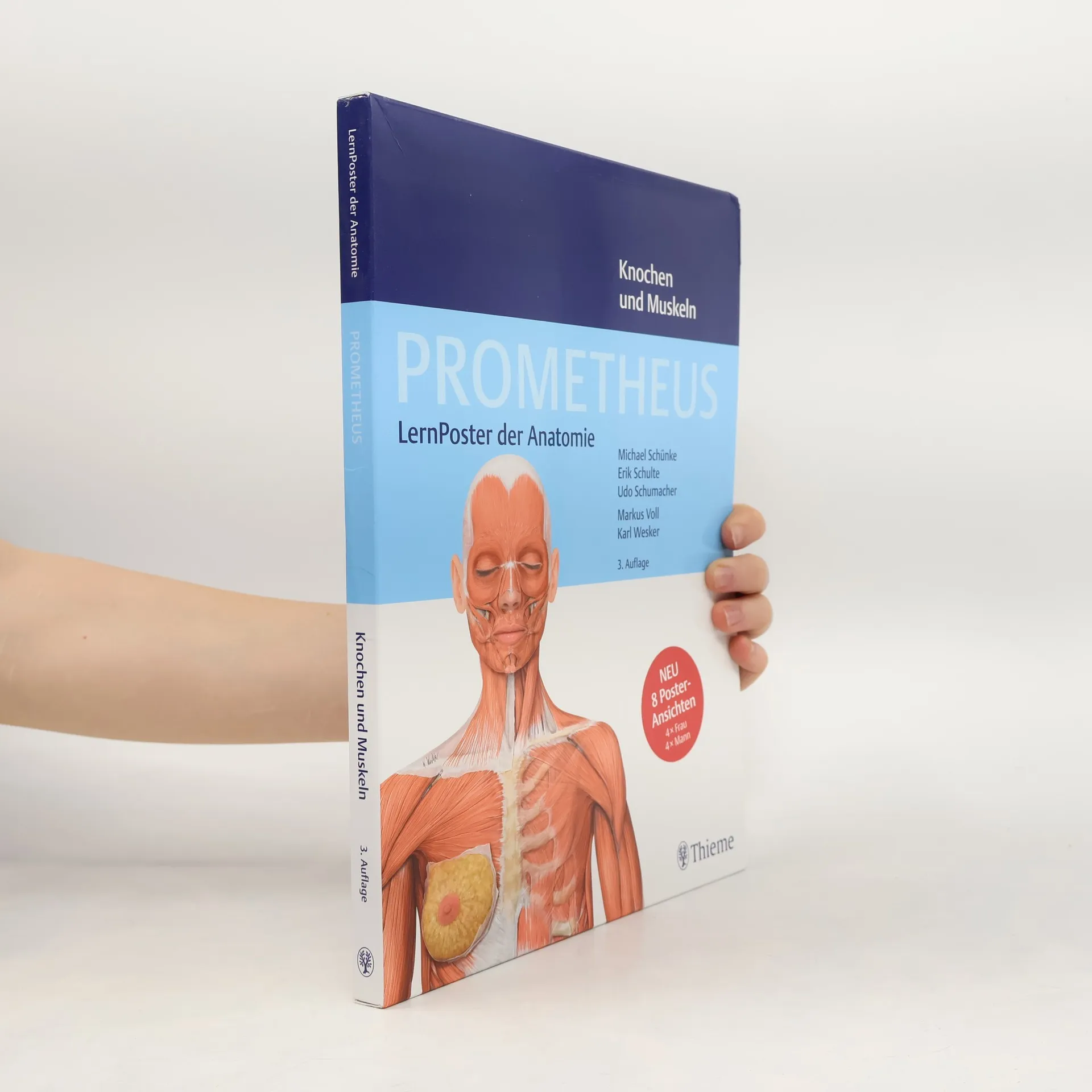
4 Poster – 4 PROMETHEUS-Bilder im Großformat 1. Skelett von vorne 2. Skelett von hinten 3. „Muskelmann“ von vorne 4. „Muskelmann“ von hinten Jeder Mensch hat mehr als 200 Knochen und 600 Muskeln. Als Mediziner sollte man sie alle kennen. Die PROMETHEUS-LernPoster machen es leicht, sich „im Vorbeigehen“ einen Überblick zu verschaffen und sich die Strukturen einzuprägen. Optisch ansprechend und fast lebensgroß. Der Lernerfolg ist garantiert.
PROMETHEUS verbindet einzigartige Abbildungen mit didaktisch perfekt darauf abgestimmten Erläuterungen. Als LernAtlas ordnet er das anatomische Wissen einprägsam in doppelseitigen Einheiten. So macht das Lernen Spaß und der Prüfungsstoff wird überschaubar. Der Band Kopf, Hals und Neuroanatomie umfasst - Knochen, Bänder, Gelenke, Muskeln sowie Organe von Kopf und Hals mit Leitungsbahnen und Topografie, - Zähne und Topografie der geöffneten Mundhöhle, - eine leicht verständliche Einführung in die Neuroanatomie, - Topografie und Funktion von Gehirn und Rückenmark, - Synopsen zu Leitungsbahnen von Orbita und Nase sowie zu Bahnen, Ganglien und Hirnnervenkernen und - ausgewählte klinische Informationen zu Erkrankungen und Diagnoseverfahren. Neu in der 5.
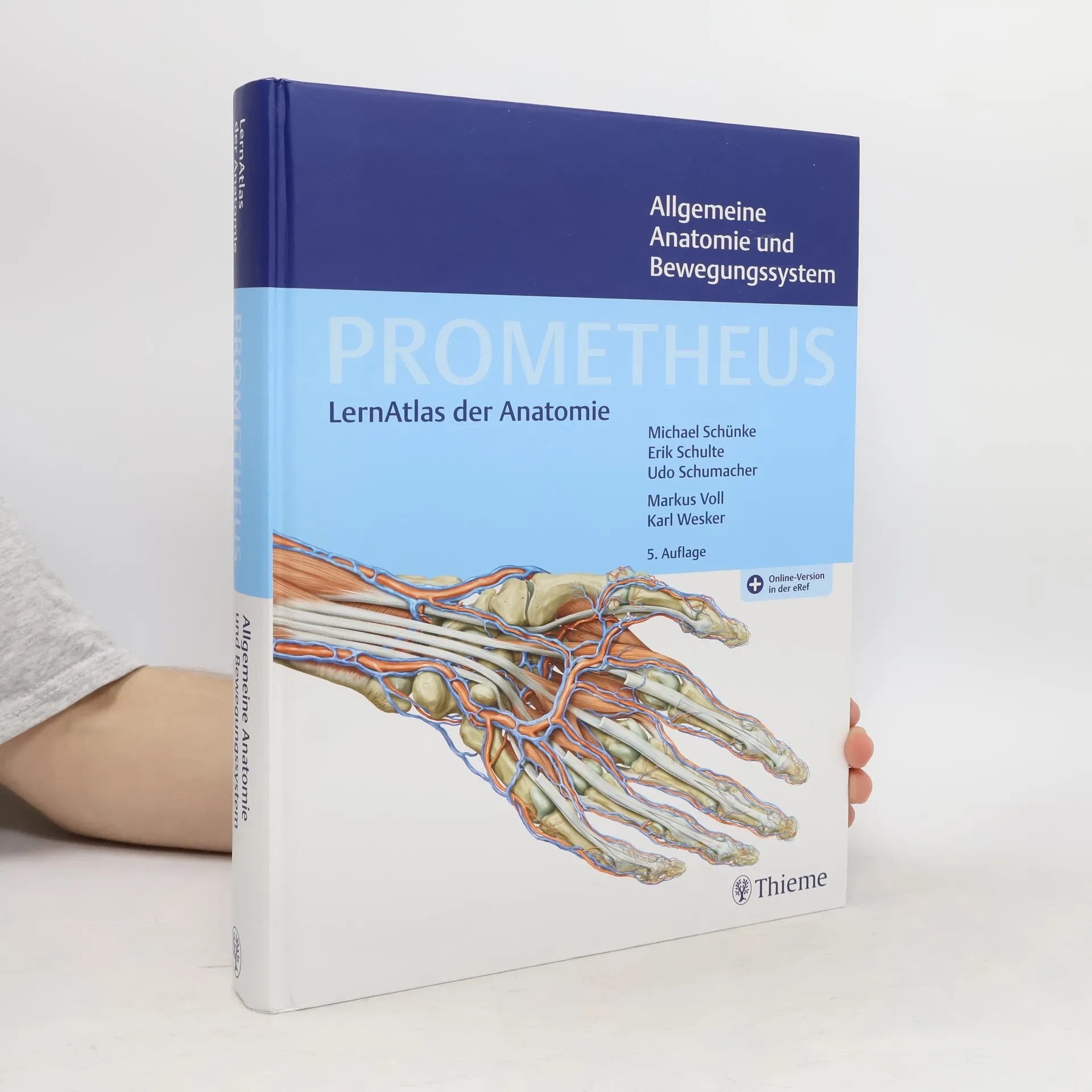
Allgemeine Anatomie und Bewegungssystem
- 632 pages
- 23 hours of reading
PROMETHEUS verbindet einzigartige Abbildungen mit didaktisch perfekt darauf abgestimmten Erläuterungen. Als LernAtlas ordnet er das anatomische Wissen einprägsam in doppelseitigen Einheiten. So macht das Lernen Spaß und der Prüfungsstoff wird überschaubar. Der Band Allgemeine Anatomie und Bewegungssysteme umfasst: - die komplette klinisch-makroskopische Anatomie - Krankheitsbilder, die sich durch anatomische Verhältnisse erklären lassen, z. B. die Arthrose - prüfungsrelevante Fakten knapp und übersichtlich in Lerntabellen zusammengefasst - fächerübergreifendes Wissen: wenn für das Verständnis sinnvoll werden zusätzliche Informationen zu Physiologie und Entwicklungsgeschichte geliefert Neu in der 5. Auflage: - inhaltliche Überarbeitung
Topografie und Funktion des Bewegungssystems
Funktionelle Anatomie für Physiotherapeuten
In "Funktionelle Anatomie" erläutert Michael Schünke die Zusammenarbeit der anatomischen Strukturen des menschlichen Bewegungsapparats. Mit Abbildungen aus PROMETHEUS und klinischen Beispielen zeigt er, wie Knochen, Muskeln und Gelenke Bewegungen ermöglichen und welche Störungen auftreten können. Die 4. Auflage bietet neue Erkenntnisse zur Anatomie und Funktion von Muskelfaszien.
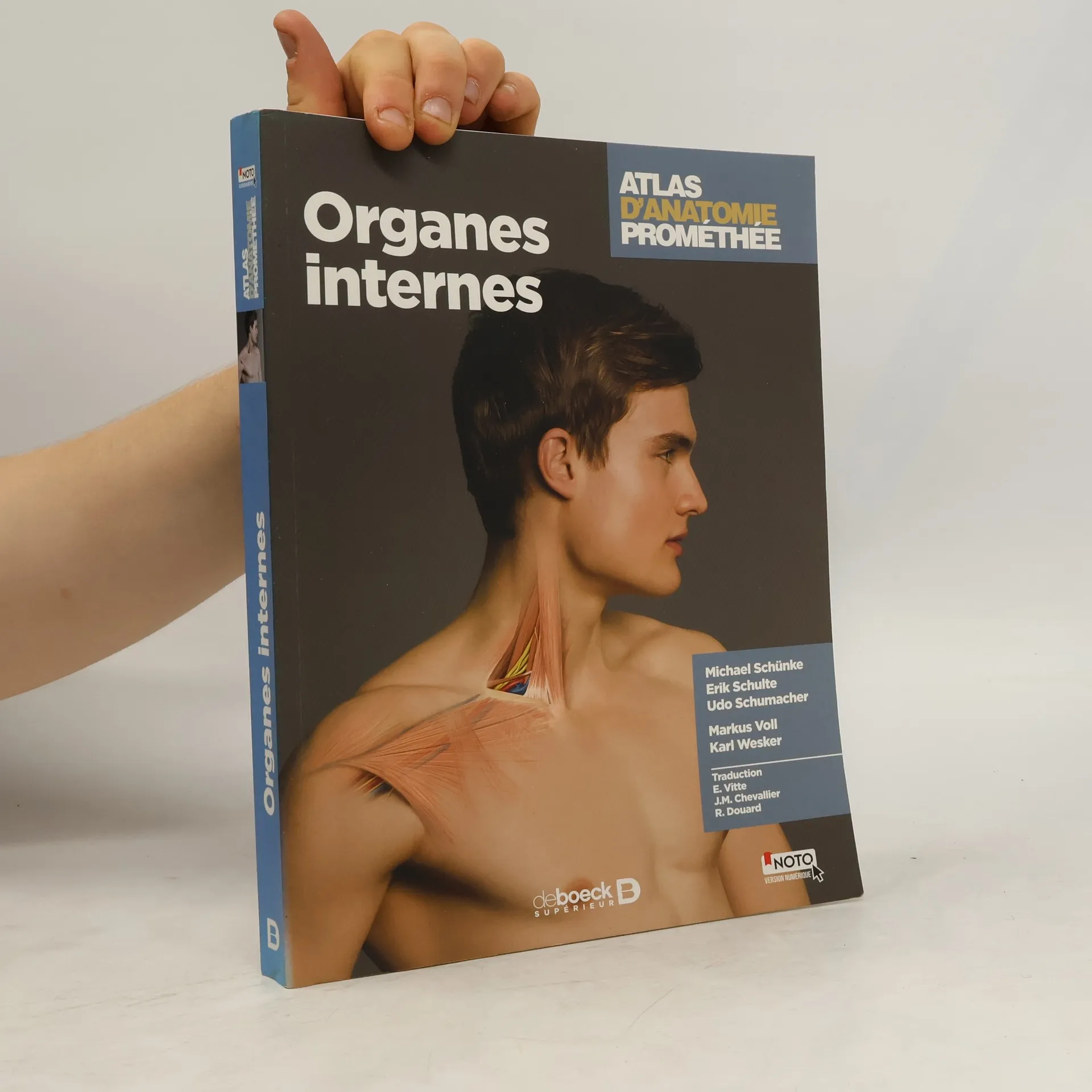
Organes internes
- 500 pages
- 18 hours of reading
« Voici un atlas d'anatomie conçu dès son origine pour devenir un outil essentiel pour les étudiants, les enseignants, les praticiens. La présentation en vis-à-vis sur deux pages, organisée autour d'une matière, permet une approche complète d'un seul coup d'oeil. 1734 illustrations en tout, assemblées dans un ordre logique, facilitent la compréhension. Des centaines d'exemples cliniques fournissent immédiatement des indications pratiques et pertinentes sur les concepts anatomiques étudiés. L'intégration d'illustrations topographiques, système par système, et des vues schématiques renforcent le rapport étroit entre structure et fonction. Tous ces atouts font de ' Prométhée ' l'ouvrage de référence pour l'étude de l'anatomie au XXIe siècle. »--
Topographie und Funktion des Bewegungssystems
- 478 pages
- 17 hours of reading
Funktionelle Anatomie – Strukturen lernen, Zusammenhänge begreifen, Profi werden! Unzählige Strukturen wirken zusammen, wenn wir uns bewegen. Wer diese Strukturen kennt, versteht die Physiotherapie und kann sie erfolgreich anwenden. Das Buch von Michael Schünke stellt Knochen, Bänder, Ursprünge und Ansätze der Muskeln nicht nur dar, sondern zeigt, wie sie funktionieren. Die klinischen Beispiele in besonders hervorgehobenen Kästen verdeutlichen, wie es sich auswirkt, wenn sie nicht funktionieren. So wird die Informationsfülle lebendig, praxisbezogen und leicht lernbar. Die neue Auflage ist vollständig überarbeitet, ergänzt und aktualisiert. Sie bietet Ihnen: - Die fantastischen farbigen Anatomiebilder der PROMETHEUS-Atlanten. - Lernboxen mit Ursprung, Ansatz und Funktion der Muskeln. - Beispiele aus der Klinik von Arthrose bis Zehendeformitäten. - Das solide Fundament für Schule und Studium der Physiotherapie. Topografie und Funktion des Bewegungssystems und Anatomie, die Spaß macht!
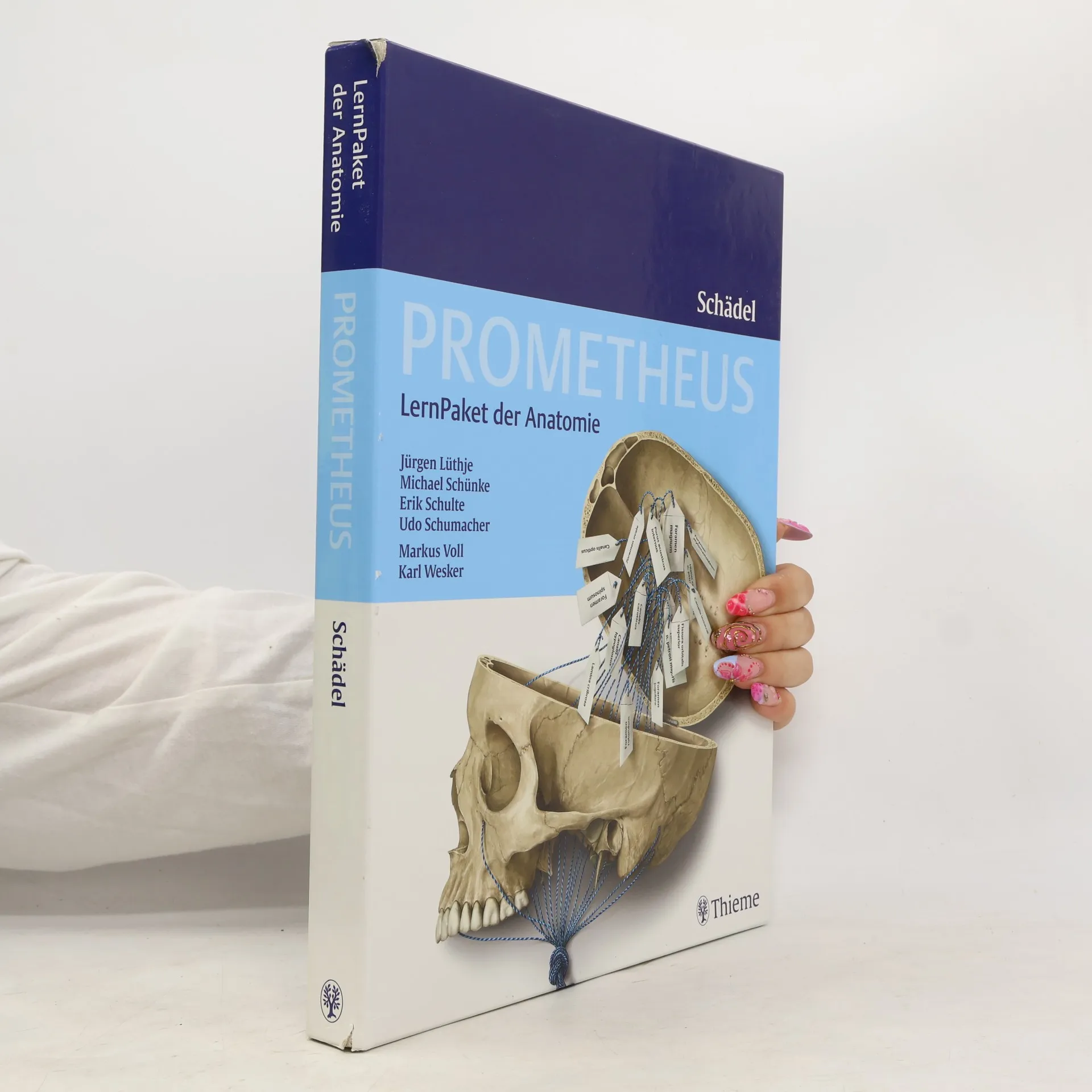
Wie heißen die Knochen des Schädels? Welche Öffnungen haben sie? Welche Arterien, Venen und Nerven ziehen durch diese Öffnungen? Und wie komme ich schnell mit den vielen neuen Begriffen klar? exzellente Bilder in Prometheus-Qualität! Antworten auf diese und weitere Fragen gibt Ihnen das LernPaket Schädel mit einer LernTafel für den Schnelleinstieg in die anatomische Terminologie, einer LernTafel Foraminologie, die alle Schädelöffnungen mit den durchziehenden Leitungsbahnen im Überblick darstellt sowie 27 LernLeporellos, die systematisch alle Knochen mit ihren Öffnungen und den wichtigsten Leitungsbahnen darstellen. Mit diesen kleinen Falttafeln prägen Sie sich die anatomischen Strukturen ein und können gleichzeitig Ihr Wissen testen. Denn die Leporellos enthalten Prüfungsfragen mit Antworten in Text und Bild. Der Schädel - eines der schwierigsten Themen im Medizinstudium - das Prometheus LernPaket, eine der leichtesten Möglichkeiten, damit fertig zu werden.
PROMETHEUS LernKarten der Anatomie
- 494 pages
- 18 hours of reading
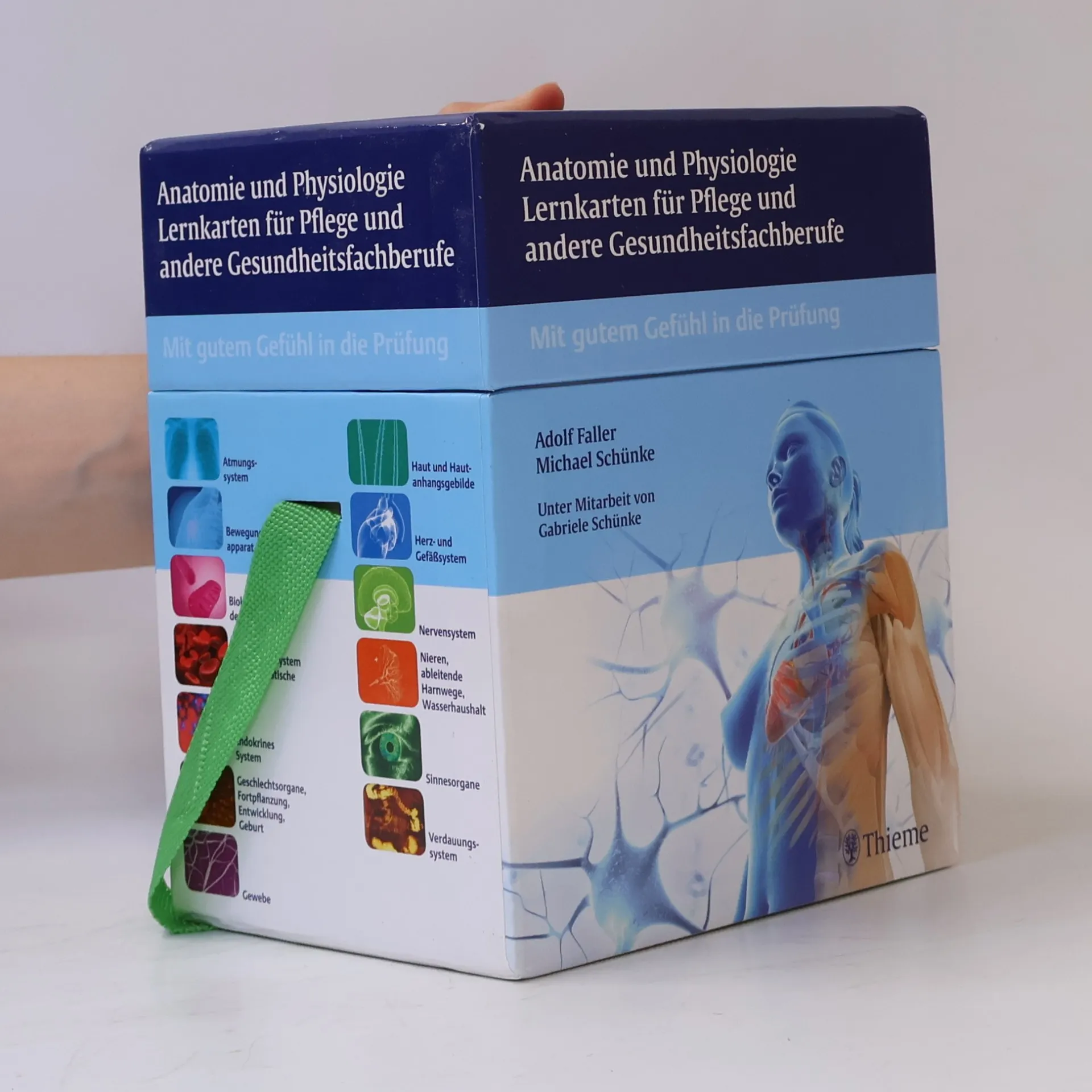
Anatomie und Physiologie
Mit gutem Gefühl in die Prüfung - Lernkarten für Pflege und andere Gesundheitsfachberufe
- 442 pages
- 16 hours of reading
Gute Karten für die Prüfung Ihre Pflegeprüfung steht bevor und Sie möchten Ihr Wissen noch einmal überprüfen? Los geht's: Die Anatomie und Physiologie Lernkarten für Pflege und andere Gesundheitsberufe helfen Ihnen! - Wissen überprüfen: alle Fragen und Antworten auf 430 Karten - Sicherheit erhalten: zusammengestellt aus den bewährten Inhalten des Lehrbuchs Faller/Schünke „Der Körper des Menschen“ - Lernen erleichtern: mithilfe hochwertiger Abbildungen Anatomie und Physiologie visuell verstehen - Prüfung meistern: Übersichtskarten zeigen die Muskulatur, das Skelett, Arterien und Venen, sowie das periphere Nervensystem des Menschen Mit 1000 Fragen und Antworten auf 430 Lernkarten geballtes Prüfungswissen aneignen und der Prüfung entgegenfiebern: Für Kurz- und Langzeitlerner in der handlichen Box - immer und überall durchstarten.
Prometheus: Lernatlas der Anatomie. Lern Paket
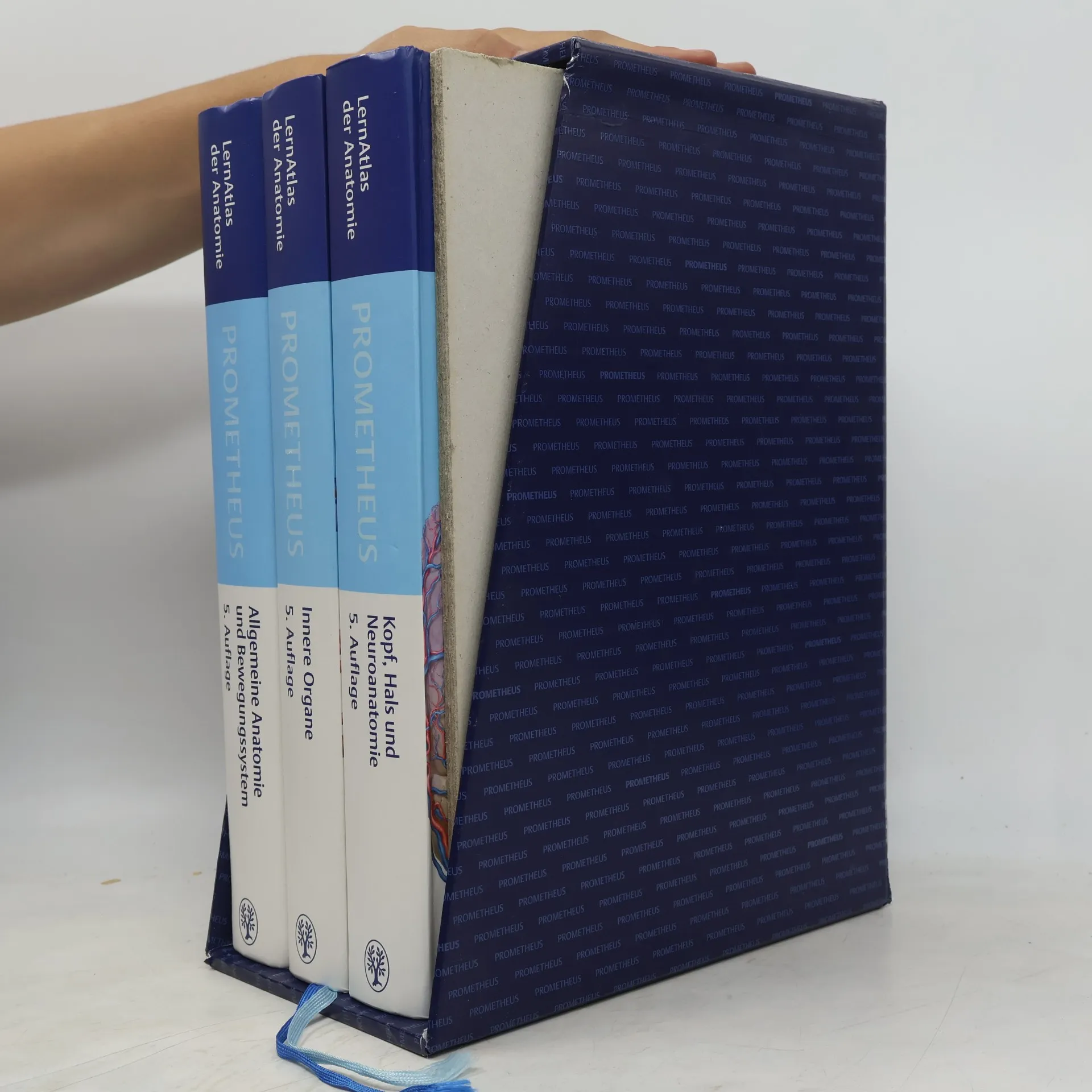
5. Auflage. Allgemeine Anatomie und Bewegungssystem. Innere Organe. Kopf, Hals und Neuroanatomie
- 3 volumes