Удивительно эрудированное развлечение, в котором просвещение и сексуальность, елизаветинская драма и современная комедия пересекаются богато и непредсказуемо. Эта история о блестящей и эксцентричной семье, судьбоносно разделенной, непременно порадует тысячи читателей.
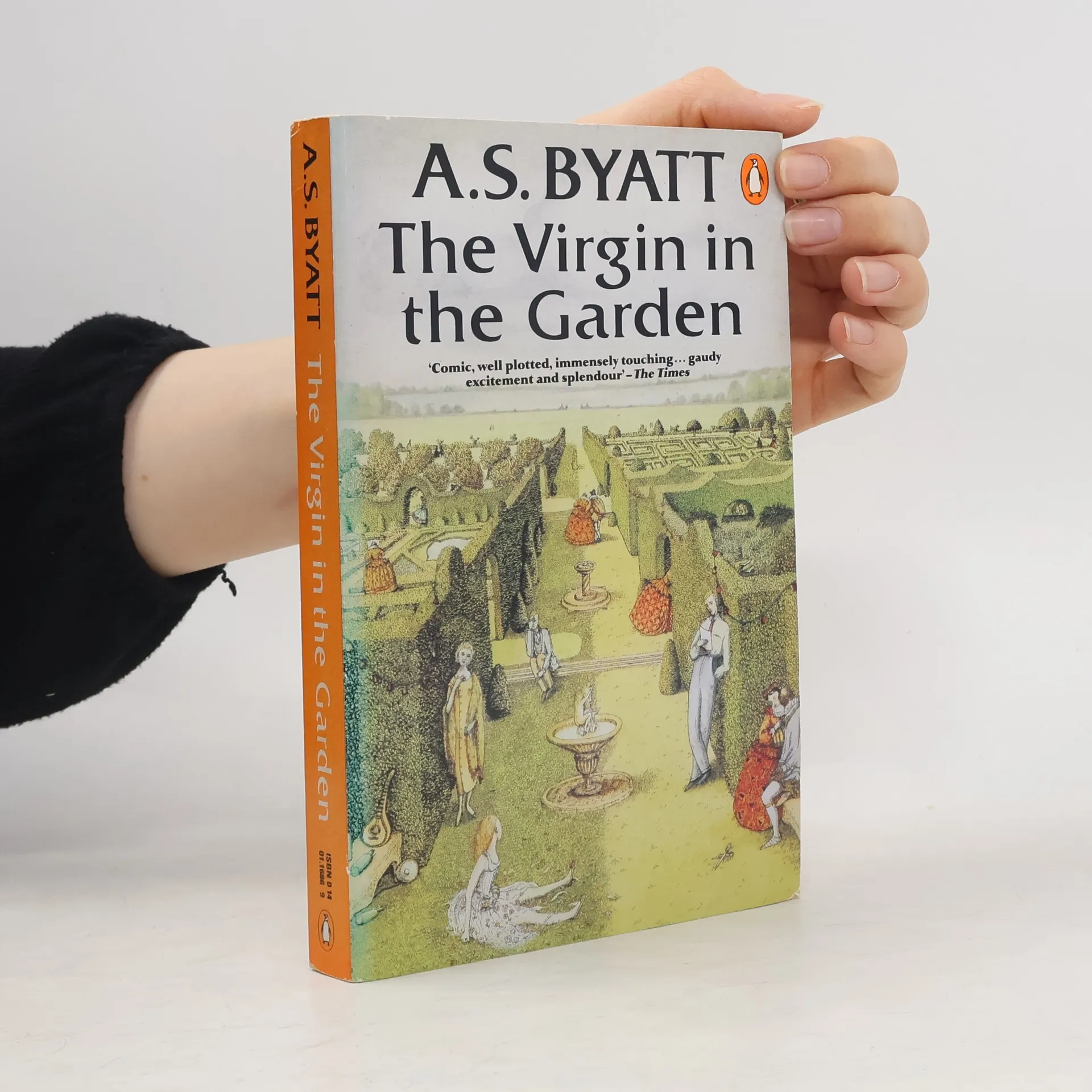
Olive Wellwood, a renowned writer, shares her life with her children, each receiving a unique private book bound in different colors. They inhabit a whimsical world in their sprawling home near Romney Marsh, intertwined with the lives of their affluent cousins, the children of a city stockbroker, and the curator's offspring from the new Victoria and Albert Museum. Each family harbors its own secrets. A young working-class boy from the potteries enters their lives, captivated by the Museum's wonders, while a German puppeteer brings unsettling tales during midsummer. Amidst this enchanting backdrop, political tensions arise, fueled by debates on class, free love, and the ideals of anarchists from Russia and Germany. The sons challenge their parents’ expectations, while the daughters aspire to independence, dreaming of careers as doctors or suffragists. This poignant saga unfolds against the sweeping currents of the era, spanning from the Kent marshes to Paris, Munich, and the Somme trenches. Born at the close of the Victorian age and growing up in the idyllic Edwardian summers, this generation remains blissfully unaware of the looming darkness. In their innocence, they face betrayal from the very adults who cherish them, making this narrative profoundly resonate as a children’s story.
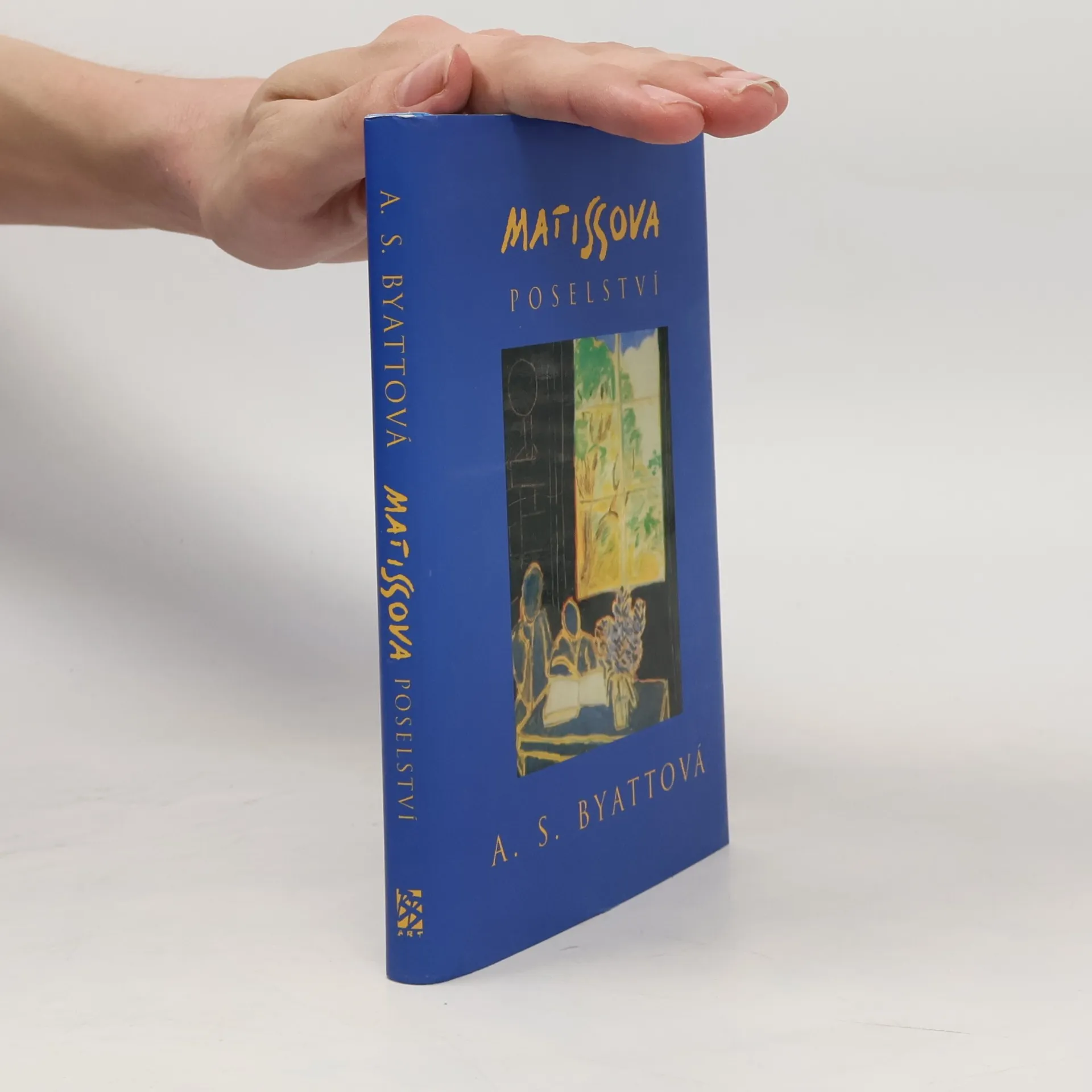
Svět tří povídek britské prozaičky A. S. Byattové se nám zprvu může zdát zvláštní a poněkud estétský. S jejich hrdinkami ale krok za krokem poznáme, že není jiný než ten, který žijeme my, jen barevnější, zabydlený rozmanitějšími tvary a bohatší obrazností. Jak jinak, když mu jako symbol i guru vládne Henri Matisse svými obrazy. Každý z nás má takový svět nadosah, jen přijmout, co nabízí umění, příroda a každý barevný den. Pro Byattovou se nepřítomnost barev rovná smrti – ovšem barvy nejsou jen to, co je venku, ale především to, co nosíme v sobě.
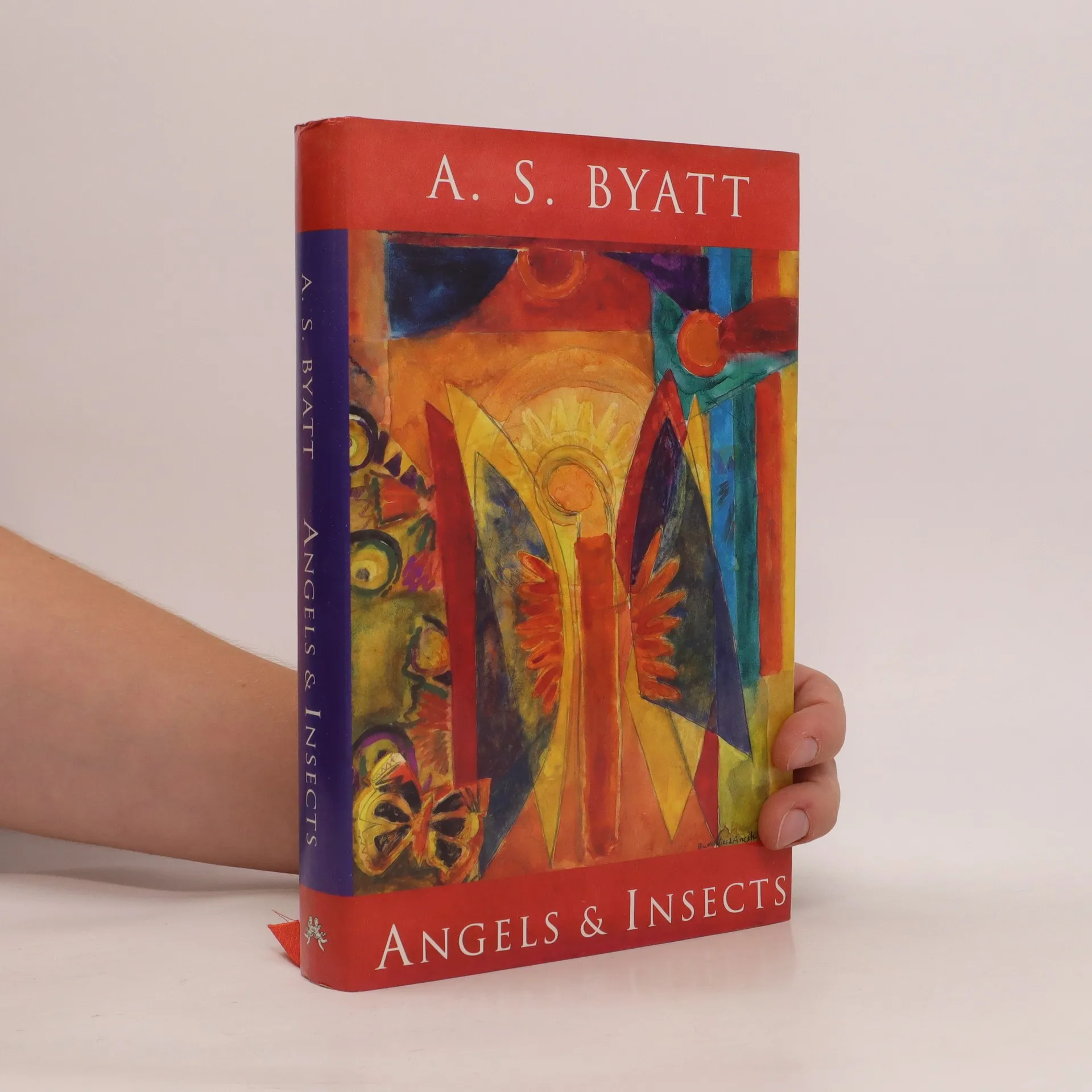
A.S. Byatt's anthology departs from her normal subject matter. As well as giving the reader a magical thrill the stories also send shivers down the spine. By turns funny, spooky, sparkling, and sad, these tales will linger in your mind forever.
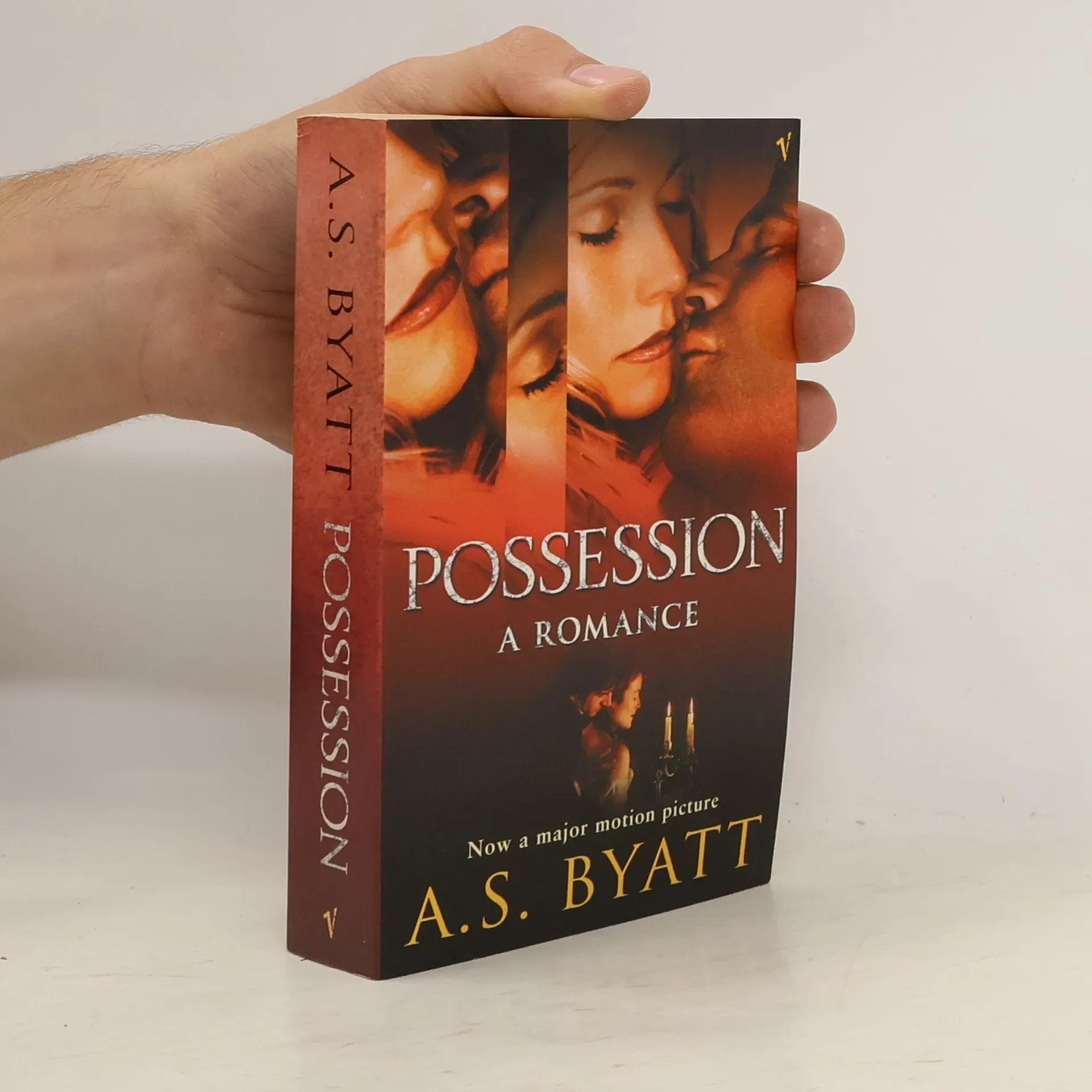
Mladý anglista Roland Mitchell objeví při studiu slavného básníka rukopisy dvou dosud neznámých dopisů. Při hledání jejich adresáta, k němuž ho žene zvědavost, se setkává s mnoha pozoruhodnými lidskými osudy, které navždy změní jeho život. Téměř se zdá, jako by historie dávného milostného vztahu začala zasahovat do současnosti. Neobyčejná literární záhada se pro hlavního hrdinu pozvolna mění v noční můru i v tajemnou výzvu osudu. Příběh s takřka detektivní zápletkou je situovaný do univerzitního prostředí a prolínají se v něm osudy několika hrdinů ve dvou časových rovinách a s vtipem a místy až karikaturním nadhledem se v něm setkávají a konfrontují základní lidské hodnoty - láska a přátelství - v rozdílném kontextu devatenáctého a dvacátého století. Kniha se stala na evropském knižním trhu literární senzací a byla označována za jeden z nejlepších anglických románů devadesátých let 20. století.
This Intoxicating Novel Stands On Its Own, While Forming A Triumphant Conclusion To A. S. Byatt'S Great Quartet Depicting The Clashing Forces In English Life From The Early 1950S To 1970. While Frederica Falls Almost By Accident Into A Career In Television In London, Tumultuous Events In Her Home County Of Yorkshire Threaten To Change Her Life, And Those Of The People She Loves. Through Her Wayward, Lovingly-Drawn Characters And Breath-Taking Twists Of Plot, Byatt Illuminates The Effervescence Of The 1960S - Both Its Excitements And Its Dangers - As No One Has Done Before. Magical And Thought-Provoking, And With Spine-Chilling Moments, A Whistling Woman Is The Ultimate Novel Of Ideas Made Flesh - Gloriously Sensual, Sexy And Scary, Bursting With Ideas, And Wonderful Humanity.
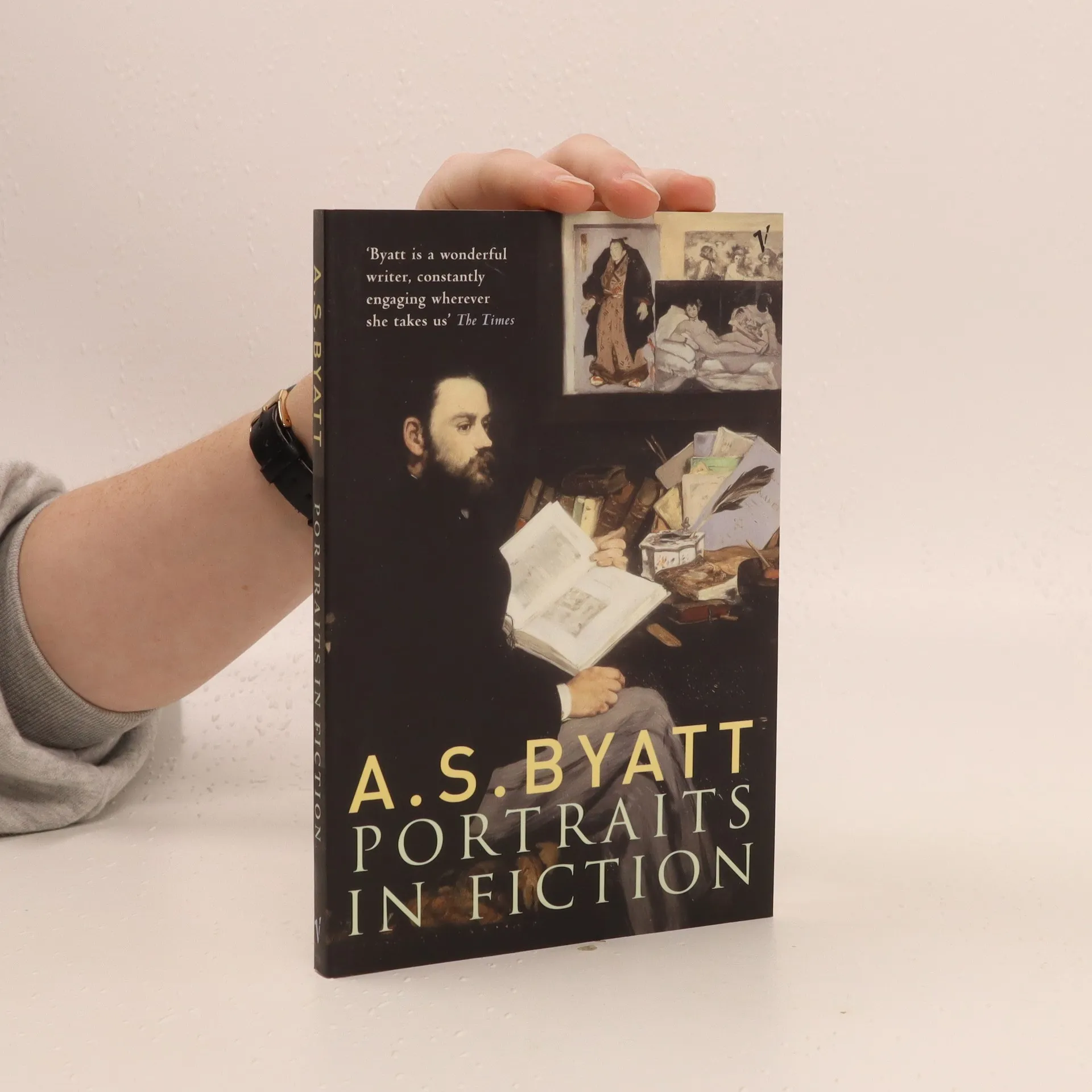
A remarkable, sumptuously illustrated exploration of the links between fiction, writers of fiction and portraits -- by the acclaimed Booker Prize winner. Portraits seem the opposite of fiction, fixed in time and space, not running with the curve of a story or a life. Yet since the birth of the novel, writers have been fascinated by portraits as icons, as motifs, as images of character and evocations of past time. A.S. Byatt delves into the complex relations between portraits and characters, and between portraits and novels as whole works of art. Her authors range from Henry James to Iris Murdoch, her artists from Holbein to Botticelli, Manet to the present day. She looks at the way writers use portraits to conjure up the past, as in Ford Madox Ford’s The Fifth Queen and Virginia Woolf’s Orlando. She explores their erotic use, the idea of painting as a sexual act, full of danger. And she examines the creation of fictional portrait painters by writers like Balzac and Zola, whose writing was closely linked, in different ways, to the art of Cézanne. A feast for the eye and for the imagination, Portraits in Fiction is a remarkable and immensely enjoyable exploration of the marriage of two great genres.
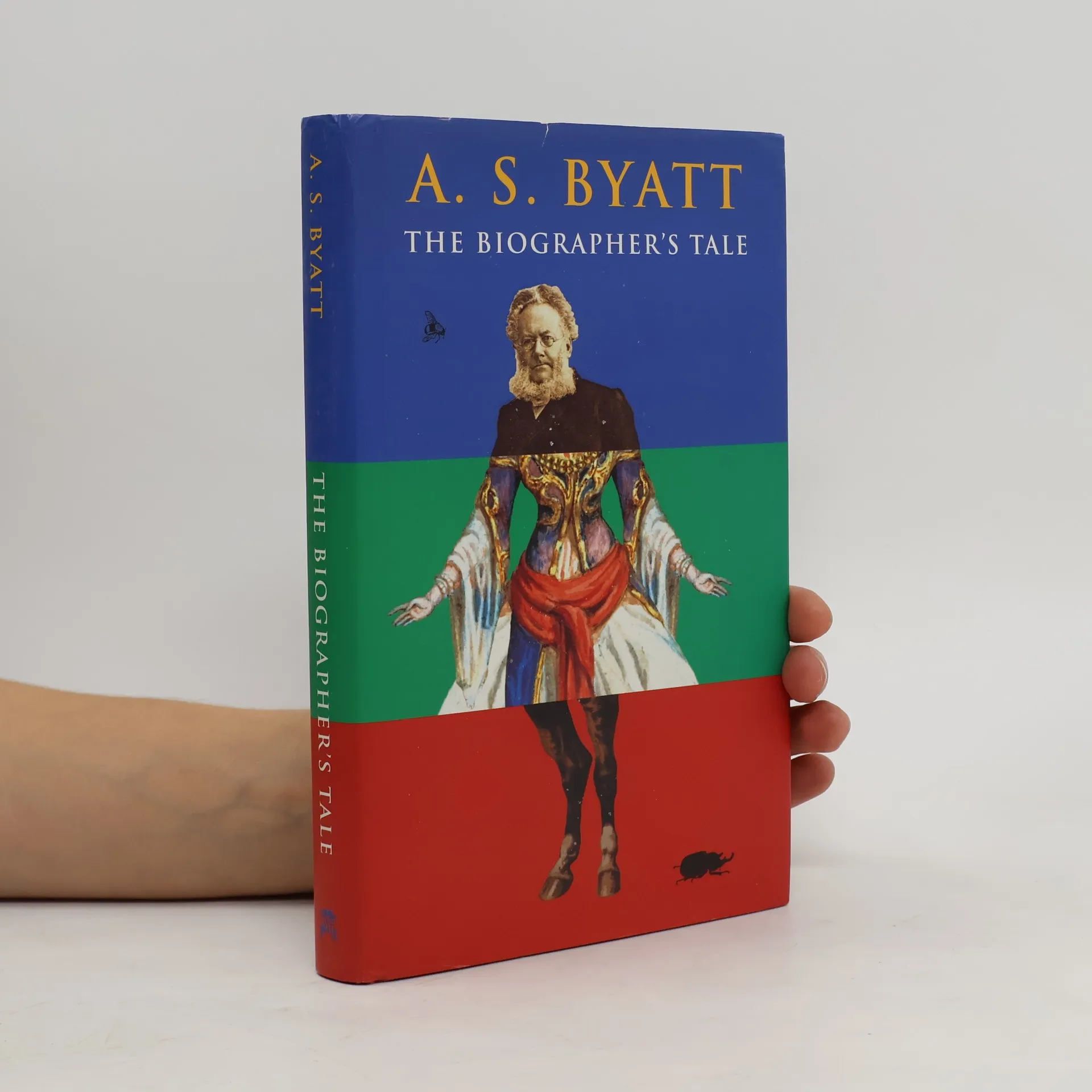
In this witty, Borges-like novel, A.S. Byatt weaves a dazzling fiction out of one man's search for fact. Fed up with stultifying criticism, Phineas G. decides to study the messiness of 'real things and facts.' Doing nothing by halves he sets out to write a biography of a great biographer. But a 'whole life' is hard to find. How do we put the idea of a person together? Everywhere he looks he finds fragments and gaps: bones and husks, boxes of marbles, collections of tools and randomly assorted photographs. Trails run cold and mysteries are unresolved. Phineas feels he is hunting shadows. Like a shaman flying across the globe, his mind tracks his subject to African deserts and Arctic maelstroms, where the shapes of myth meet the patterns of science. He meets others building wholes from bits and pieces: taxonomists, ecologists, even travel agents offering 'the trip of your dreams'. In the process he also puzzles out his own future - but what will guide him out of the labyrinth? Tantalizing, comic and rueful, The Biographer's Tale is a modern delight.
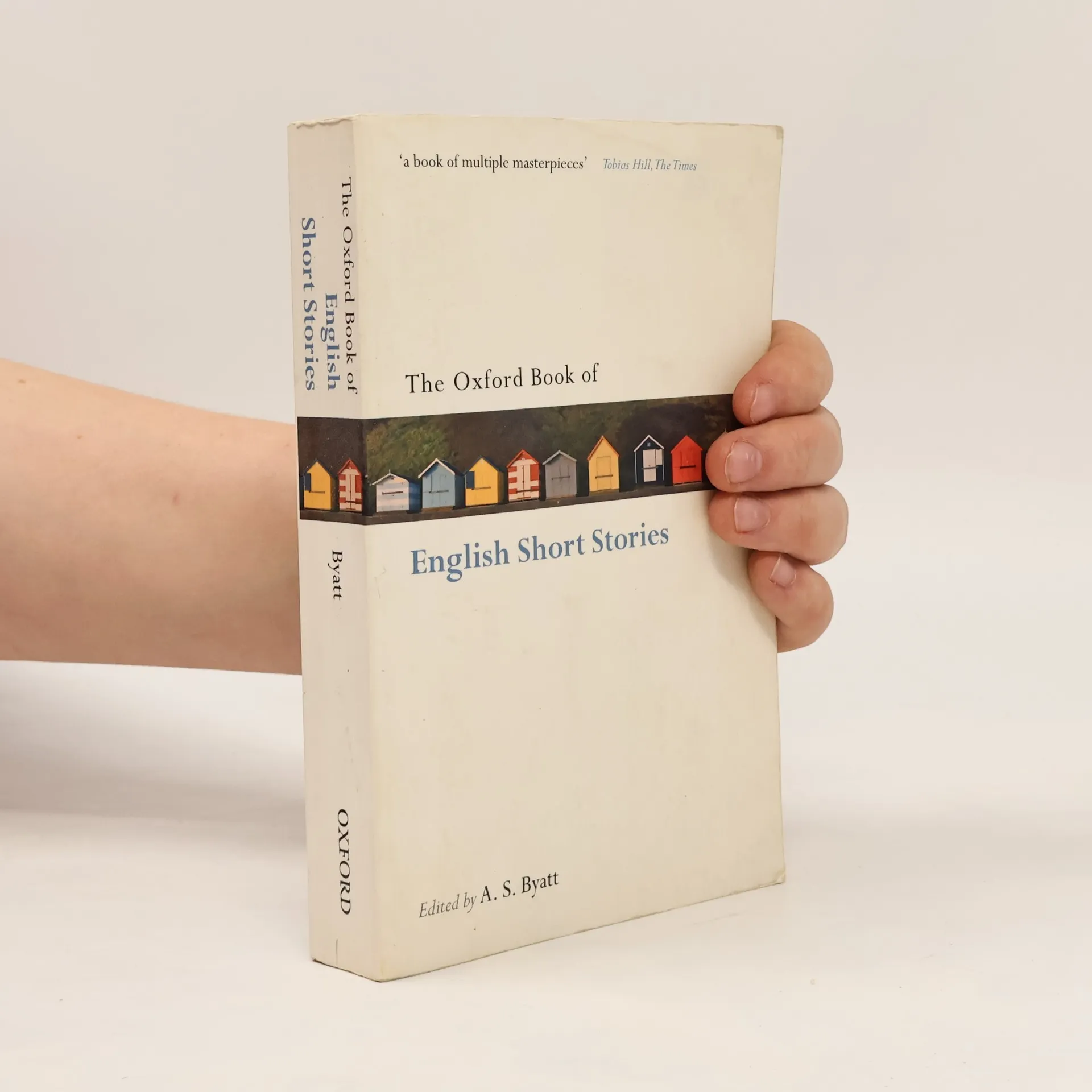
The Oxford Book of English Short Stories celebrates the excellences of the English short story. The thirty-seven stories featured here are selected from the nineteenth and twentieth centuries, by authors ranging from Dickens, Trollope, and Hardy to J. G. Ballard, Angela Carter, and Ian McEwan. They pack together comedy and tragedy, farce and delicacy, elegance and the grotesque, with language as various as the subject-matter.
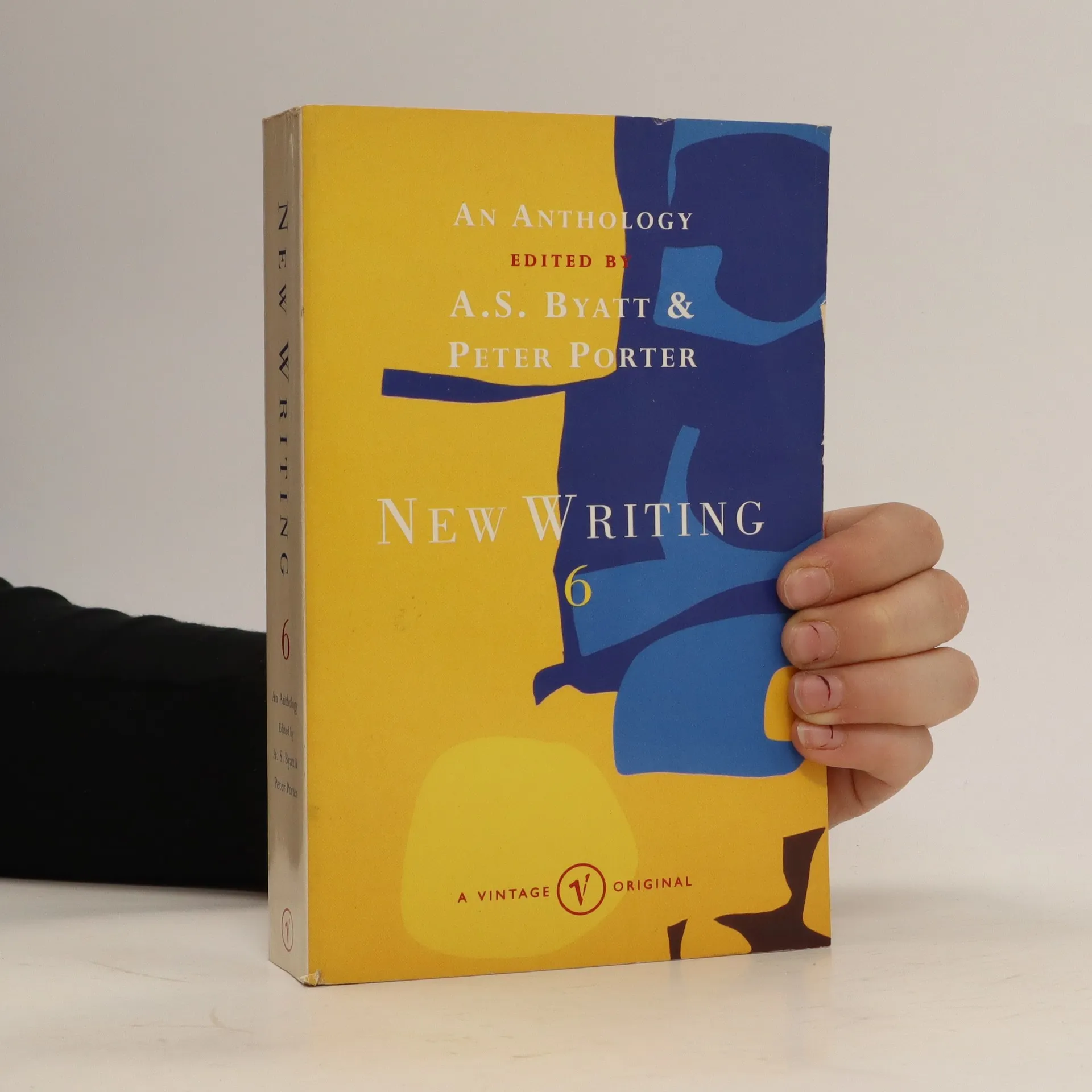
This volume is the sixth in the British Council's "New Writing" series. From some of Britain's most formidable literary talent, it places new names alongside more established ones, and offers contributions ranging from poetry to essays, and from short stories to previews of novels in progress.
In this innovative and wide-ranging book, Byatt and the psychoanalyst Ignes Sodre bring their different sensibilities to bear on six novels they have read and loved: Jane Austen's Mansfield Park , Bronte's Villette , George Elliot's Daniel Deronda , Willa Cather's The Professor's House , Iris Murdoch's An Unofficial Rose , and Toni Morrison's Beloved . The results are nothing less than an education in the ways literature grips its readers and, at times, transforms their lives. Imagining Characters is indispensable, a work of criticism that returns us to the books it discusses with renewed respect and wonder.
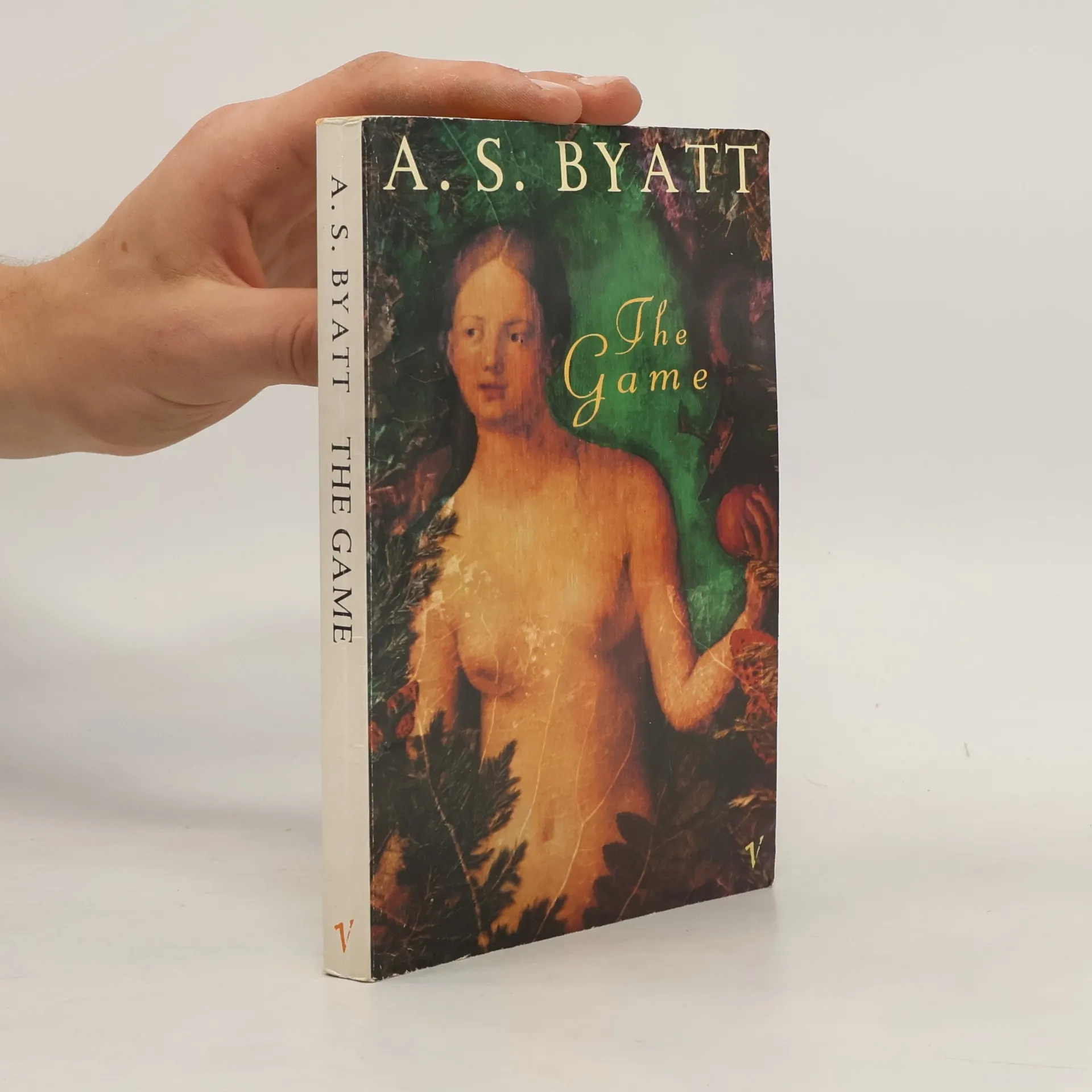
They share a set of disturbing memories of a strange childhood game and of Simon, the handsome young neighbour who loved them both. The old, wild emotions surge back, demanding and urgent, and this time the game is played out to a fatal finish.
These two novellas are set in the mid-19th-century, weaving together fact and fiction, reality and romance. "Morpho Eugenia" is a Gothic fable of the Earthly Paradise; "The Conjugal Angel" is a philosophical ghost story
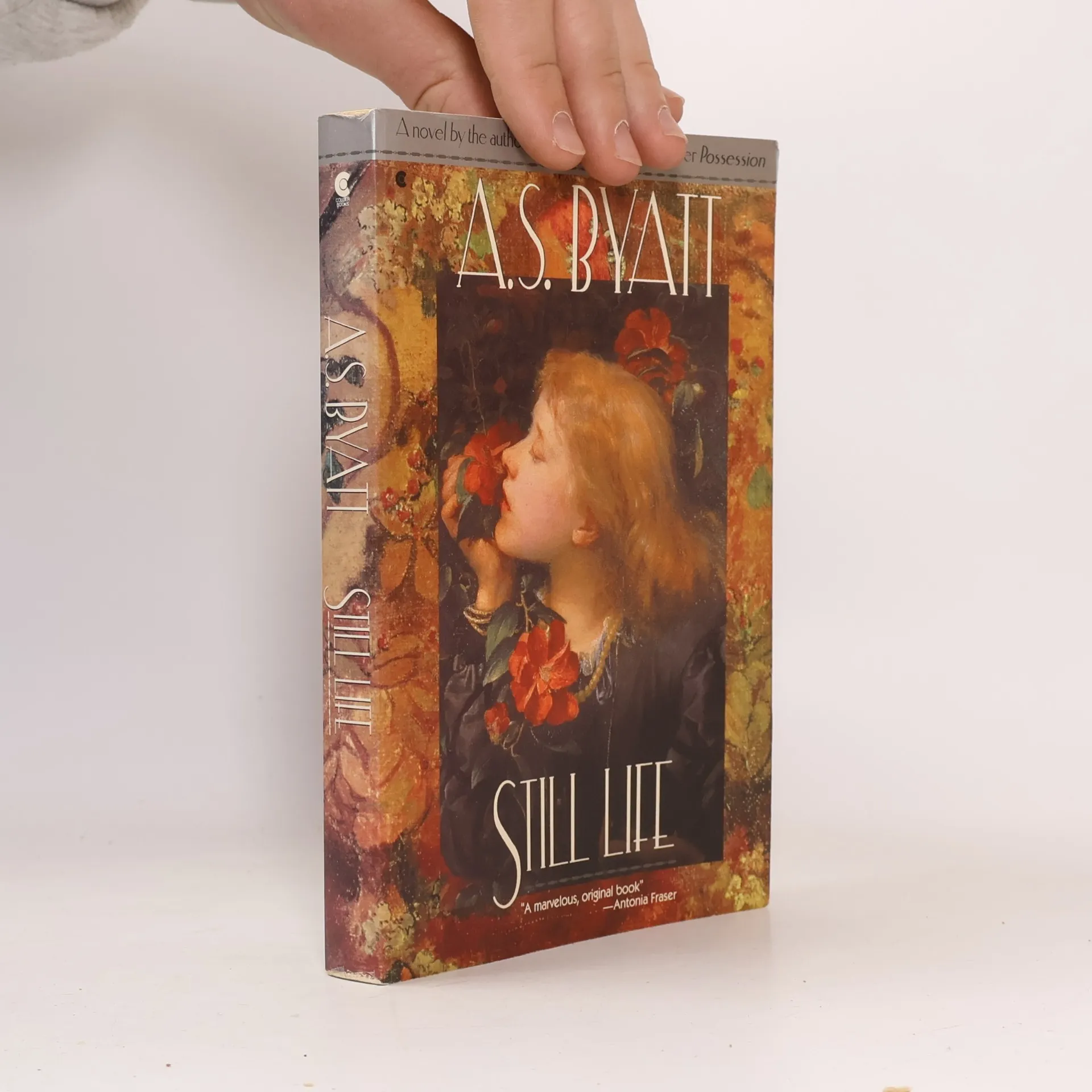
From the author of The New York Times bestseller Possession, comes a highly acclaimed novel which captures in brilliant detail the life of one extended English family--and illuminates the choices they must make between domesticity and ambition, life and art. Toni Morrison, author of Beloved, writes of Byatt: "When it comes to probing characters her scalpel is sure but gentle. She is a loving surgeon".
'Byatt has contrived a masterly ending to a fine work; intelligent, ingenious and humane, Possession bids fair to be looked back upon as one of the most memorable novels of the 1990s' Times Literary Supplement
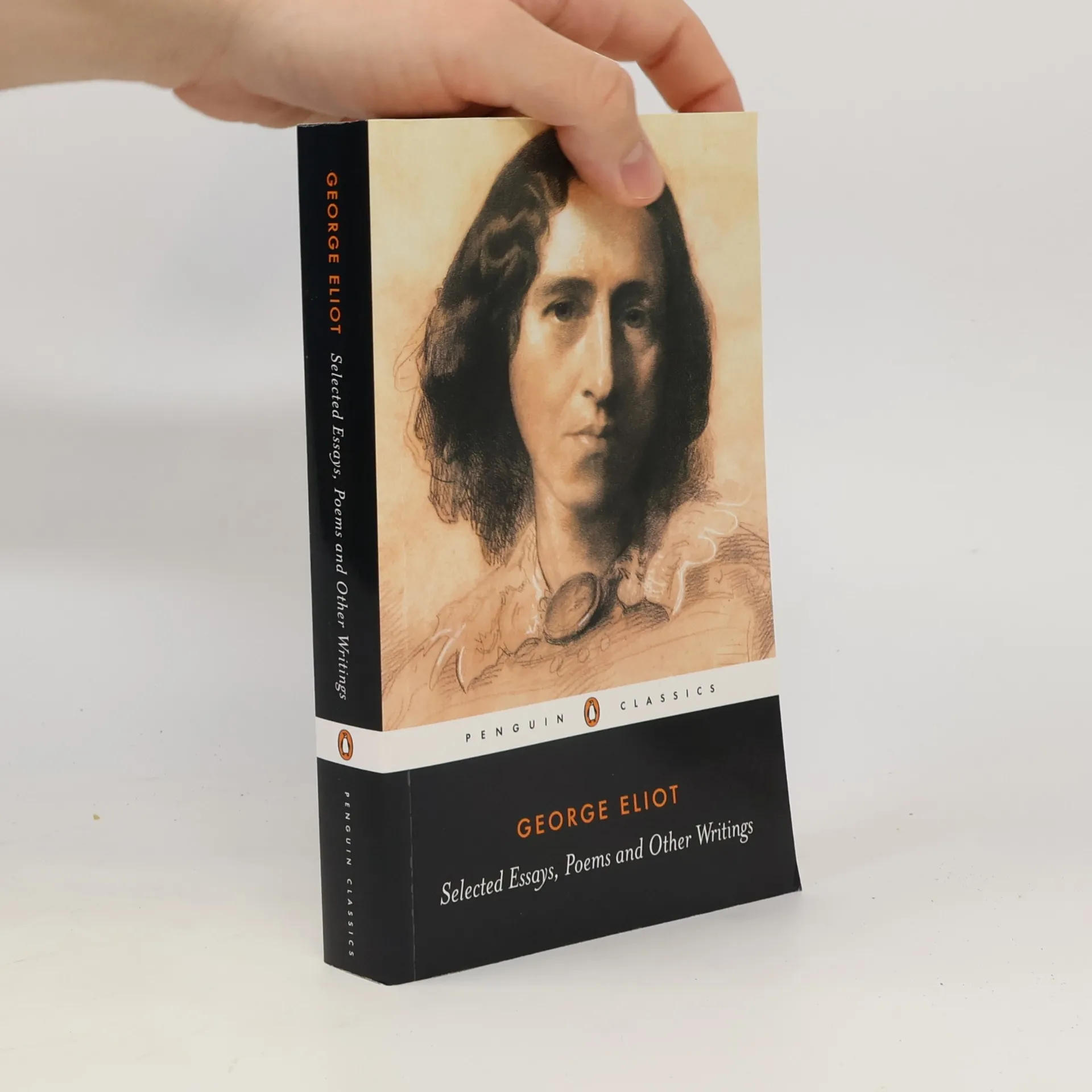
The works collected in this volume provide an illuminating introduction to George Eliot's incisive views on religion, art and science, and the nature and purpose of fiction. Essays such as 'Evangelical Teaching' show her rejecting her earlier religious beliefs, while 'Woman in France' questions conventional ideas about female virtues and marriage, and 'Notes on Form in Art' sets out theories of idealism and realism that she developed further in Middlemarch and Daniel Deronda. It also includes selections from Eliot's translations of works by Strauss and Feuerbach that challenged many ideas about Christianity; excerpts from her poems; and reviews of writers such as Wollstonecraft, Goethe and Browning. Wonderfully rich in imagery and observations, these pieces reveal the intellectual development of this most challenging and rewarding of writers.