Loretta Napoleoni is a bestselling author specializing in the economics of terrorism and its financing. Her work delves deeply into the motivations and mechanisms that drive terrorist organizations, uncovering the intricate links between economies and violence. Napoleoni draws on extensive interviews with members of terrorist groups to offer a unique perspective on these entities and their global impact. Her analyses provide readers with a penetrating understanding of international security challenges.
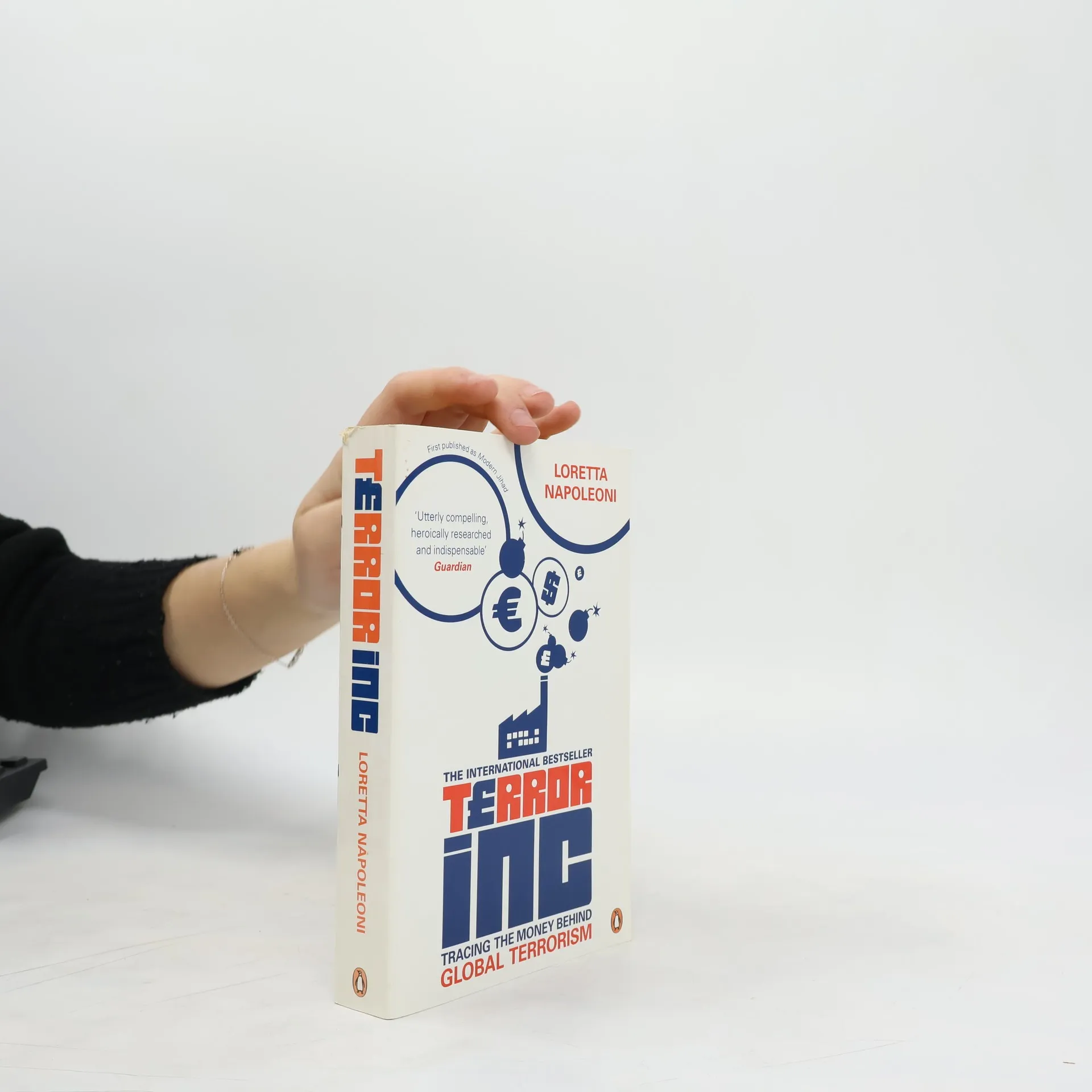
This books propels the reader into the center of illegal organizations, and explains how they fund their activities. From the PLO to Al-Qaeda to the IRA, Loretta Napoleoni maps out the arteries of an international economic system that feeds armed groups the world over. She follows the money and gets to the truth of 'the new economy of terror' - a 1.5 trillion dollar system - and assesses the full extent of the role of the West in devloping the economies of armed organizations.
"Modern Jihad is the first book to tackle the issues raised by September 11th 2001 from a specifically economic perspective. Presenting an astonishing array of evidence, taken from extensive research and interviews, the book is an account of controversial issues that lie at the heart of many of today's international problems."--Jacket.
A fascinating exploration of how the Space Barons and Techtitans—leaders of companies like Uber, Amazon, and Tesla—have co-opted technology for profit, undermining its potential for the common good while thriving on fear and consumerism. The respected Italian economist and journalist presents a bold argument about the dangers of rapid technological transformation to our future. Initially, the internet promised to be a great equalizer, yet the financial bailouts led to the rise of Techtitans, who embraced swift change while depriving workers of rights and amassing unprecedented wealth. The emergence of the gig economy, marketed as a path to autonomy, turned out to be a mere illusion. Major tech players like Google, Facebook, and Apple never aimed to democratize; instead, they established themselves as the ultimate gatekeepers of technology. As artificial intelligence disrupts the labor market, companies like Uber minimize labor costs at the expense of workers' rights. Napoleoni describes this as the birth of a new paradigm amid extraordinary change, resulting in anxiety and paralysis from events like the FTX collapse and the war in Ukraine. With technological advancements accelerating beyond our capacity to cope, we must advocate for the common good to tackle pressing issues like global warming and the moral void of capitalism. Napoleoni provides insights on how to navigate these challenges.
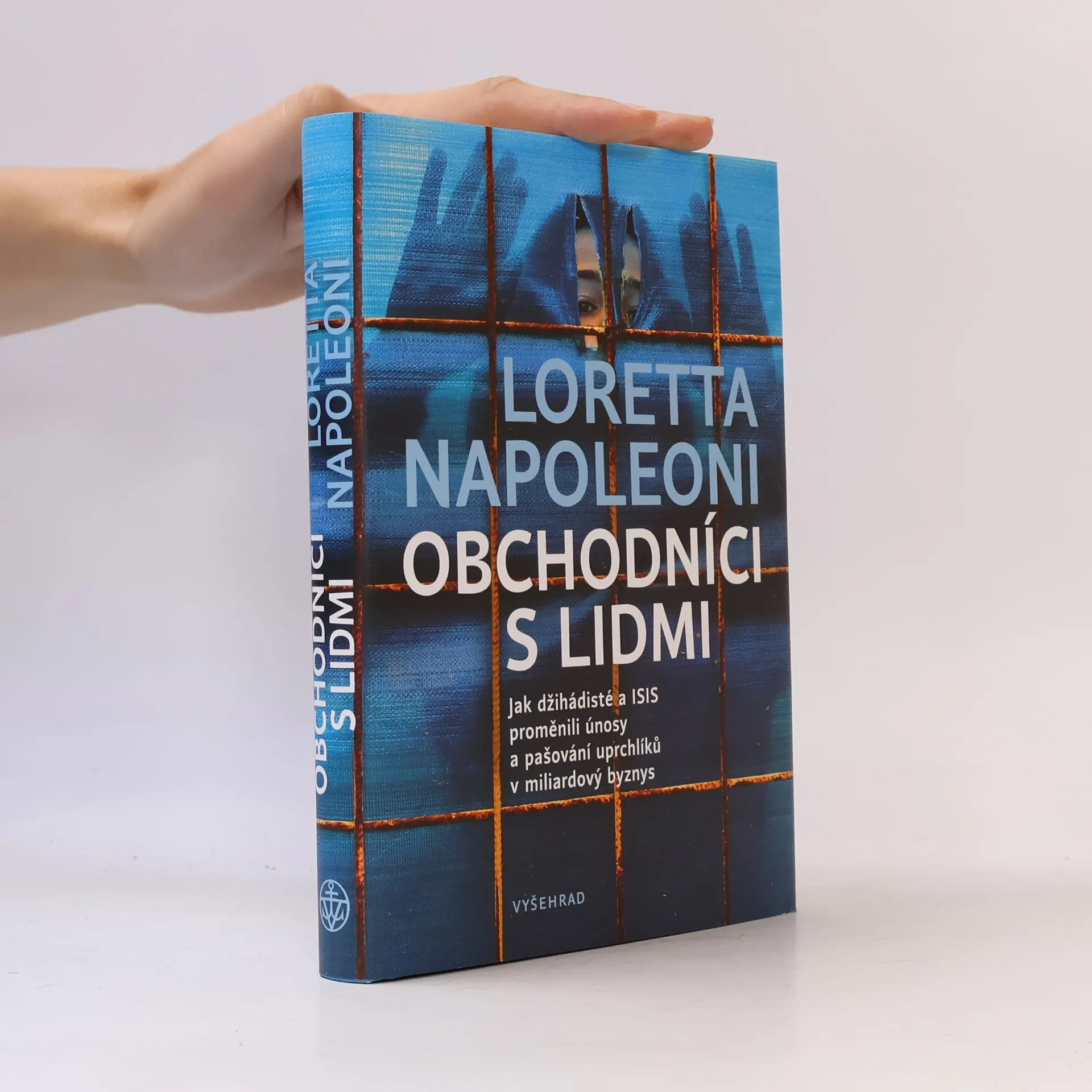
A powerful underground business is delivering thousands of refugees daily along the Mediterranean coasts of Europe, driven by a new breed of criminals emerging from the political chaos of post-9/11 foreign policy and the Arab Spring. These "merchants of men" are linked to jihadist organizations like al Qaeda in the Maghreb and have thrived on smuggling cocaine and kidnapping Westerners. The destabilization of Syria and Iraq, along with the rise of ISIS, has opened new avenues for profit, including trafficking millions of refugees and selling Western hostages to jihadist groups. The kidnapping industry has surpassed the illegal drug trade, generating hundreds of billions of dollars annually. This narrative draws on exclusive insights from hostage negotiators, counter-terrorism experts, security service members, and former hostages. Readers will learn how prevention and rescue protocols vary by abduction type and target, gaining a deeper understanding of the experiences of kidnapping victims. The West's historical role in creating political chaos raises questions about its current position as a buyer in the refugee market. As Europe faces a surge of migrants, the demand is for skilled, educated individuals, prompting urgent inquiries about the implications of this crisis.
The book explores the intricate relationship between the war on terror and the global economic crisis, highlighting how military actions and policies, such as the Patriot Act, inadvertently fueled the black market and increased oil prices, leading to widespread economic instability. Napoleoni argues that the U.S. response to 9/11 has significant ties to the financial turmoil, suggesting that without acknowledging these connections, society risks remaining trapped in a cycle of debt and recession. The narrative spans global locations, revealing overlooked implications of political decisions.
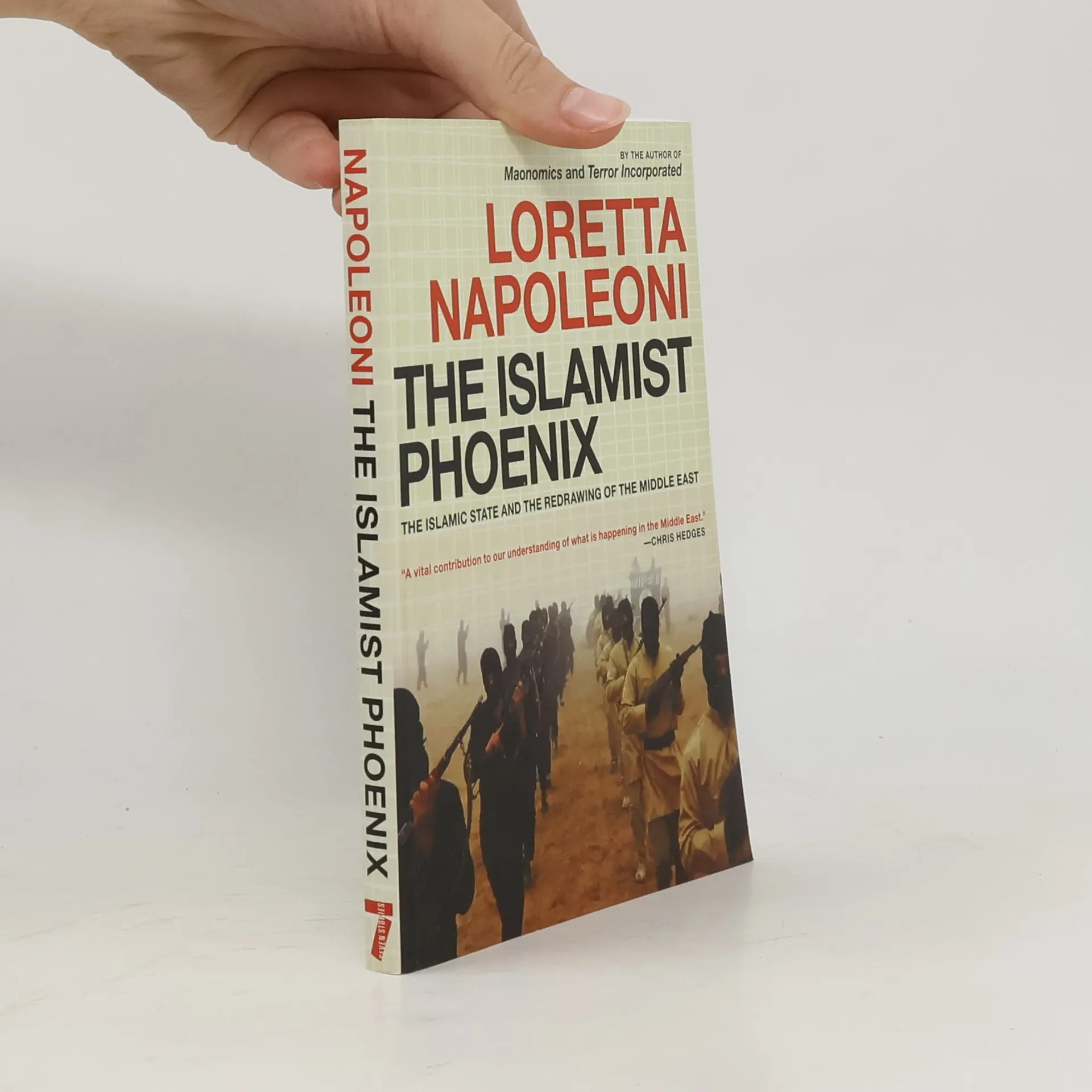
From its birth in the late 1990s as the jihadist dream of terrorist leader Abu Musab al Zarqawi, the Islamic State (known by a variety of names, including ISIS, ISIL, and al Qaeda in Iraq) has grown into a massive enterprise, redrawing national borders across the Middle East and subjecting an area larger than the United Kingdom to its own vicious brand of Sharia law. In The Islamist Phoenix, world-renowned terrorism expert Loretta Napoleoni takes us beyond the headlines, demonstrating that while Western media portrays the Islamic State as little more than a gang of thugs on a winning streak, the organization is proposing a new model for nation building. Waging a traditional war of conquest to carve out the 21st-century version of the original Caliphate, IS uses modern technology to recruit and fundraise while engaging the local population in the day-to-day running of the new state. Rising from the ashes of failing jihadist enterprises, the Islamic State has shown a deep understanding of Middle Eastern politics, fully exploiting proxy war and shell-state tactics. This is not another terrorist network but a formidable enemy in tune with the new modernity of the current world disorder. As Napoleoni writes, "Ignoring these facts is more than misleading and superficial, it is dangerous. 'Know your enemy' remains the most important adage in the fight against terrorism." From the eBook edition.
Wie Stricken uns durchs Leben begleitet und miteinander verbindet
Warum Stricken uns stark und glücklich macht Loretta Napoleoni beschwört das Stricken als wertvolles Band zwischen Menschen: So wie sie selbst das Stricken als Kind von ihrer Großmutter gelernt und dabei viel von ihr über das Leben und die Welt erfahren hat, hat Napoleoni es an ihre Patentochter weitergegeben. In ihrem sehr persönlichen Buch beschreibt sie nicht nur, wie Stricken Menschen und Generationen einander näher bringt, sondern auch wie es der Seele Trost spendet und mitunter sogar therapeutische Wirkung entfaltet. Sie erzählt Geschichte und Geschichten, in denen das Stricken eine Rolle spielt, und schildert vielfältige kulturelle Traditionen, die sich mit dem Stricken verbinden. Durchgehend farbig illustriert und um 10 originelle Strickanleitungen ergänzt, ist Napoleonis Liebeserklärung an das Stricken das ideale Geschenk für alle, die leidenschaftlich gerne zu Nadeln und Wolle greifen. Ausstattung: mit zahlreichen farbigen Abb.
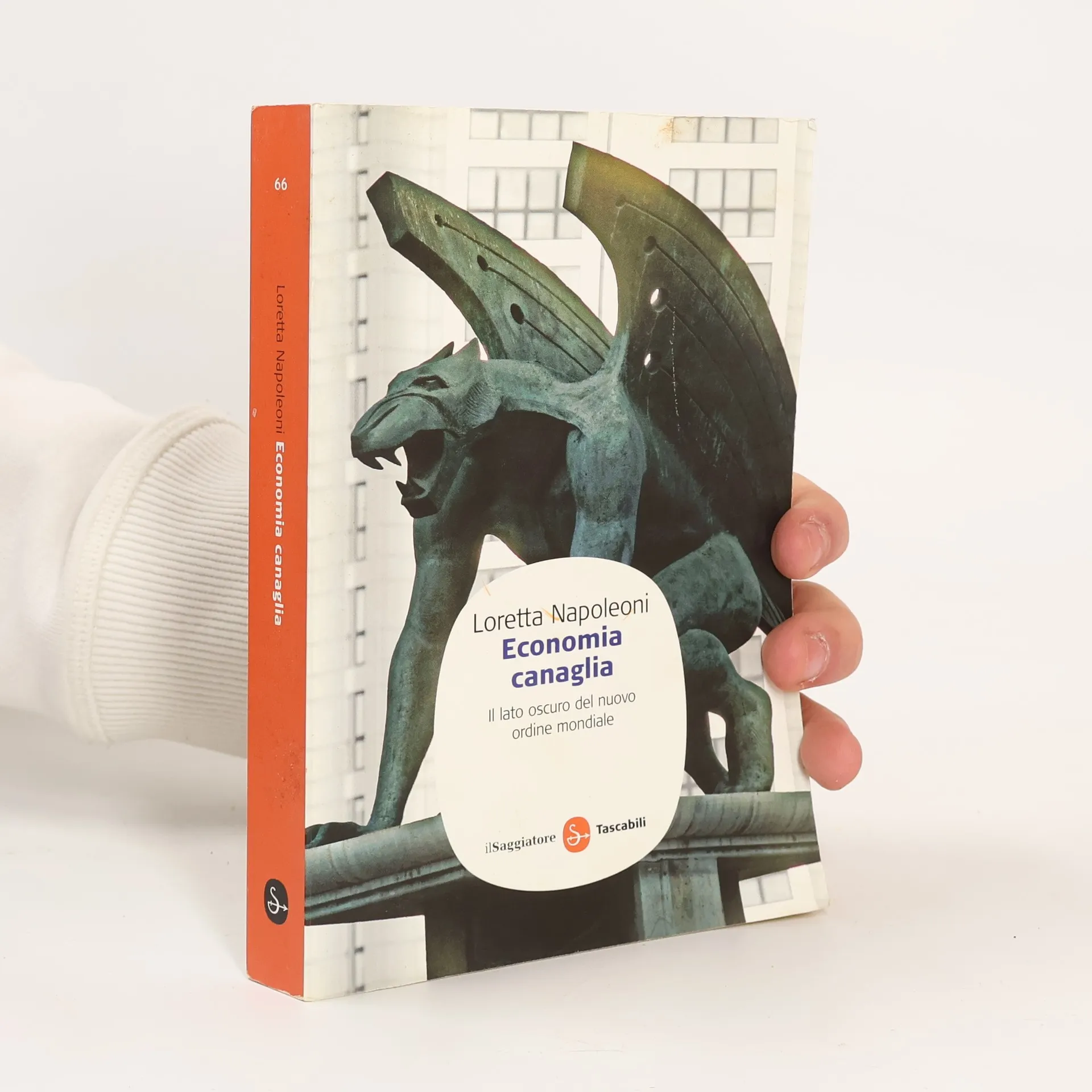
Un viaggio sconvolgente nel nuovo ordine mondiale, governato da forze economiche inarrestabili che stanno cambiando radicalmente le nostre vite. Loretta Napoleoni sviscera le cause dei principali eventi contemporanei – dalla costruzione dell’impero economico cinese all’ascesa della finanza islamica fino al disastro dei mutui americani – ma soprattutto ne svela il lato più oscuro che rischia di spazzare via secoli di conquiste sociali e trasformare il ceto medio occidentale nel proletariato mondiale. Lo stato-mercato non ha né gli strumenti né la volontà per arginare questo processo, solo il consumatore possiede la forza necessaria, ma per usarla deve essere consapevole del pericolo che corre.
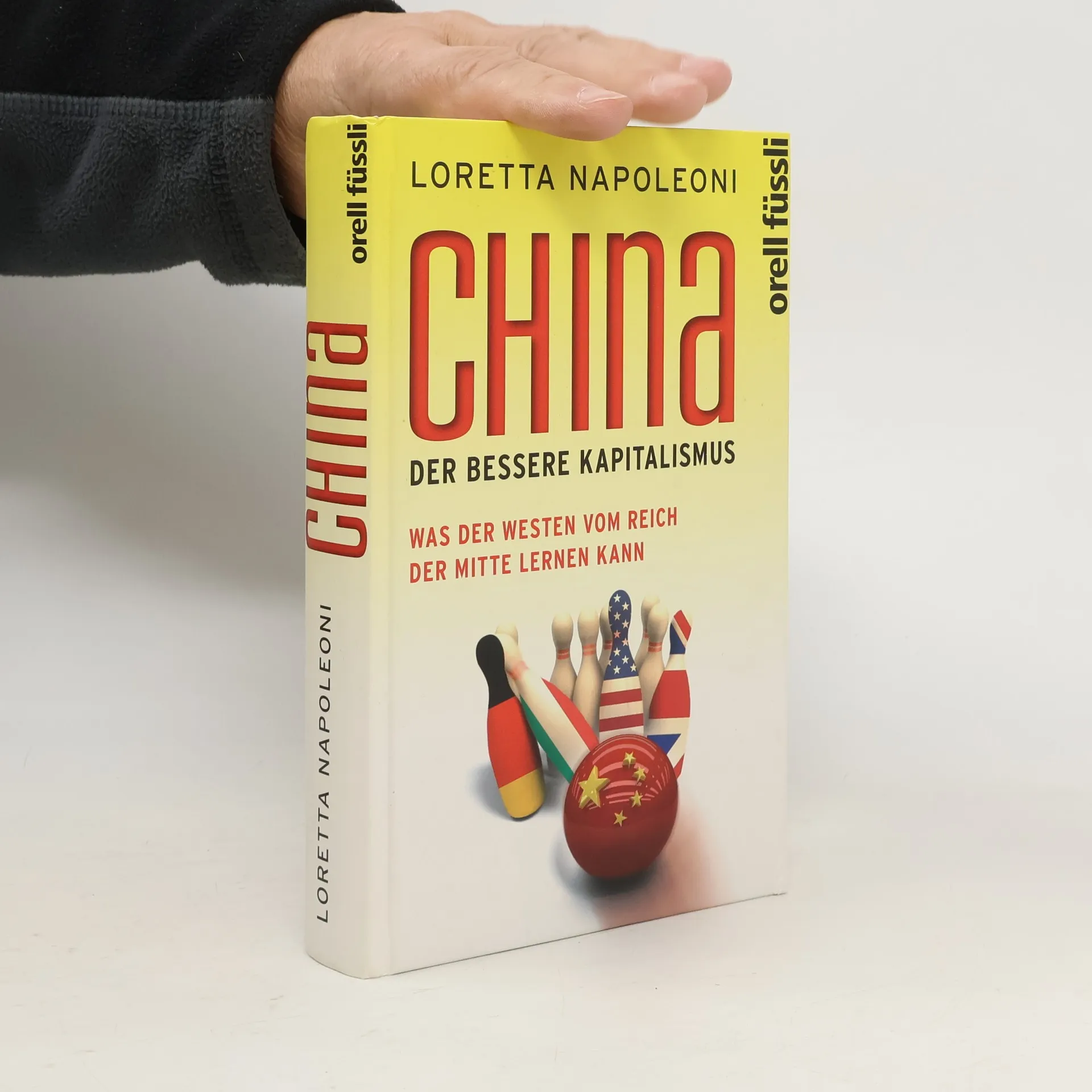
Der Westen begegnet China noch immer mit Vorurteilen. Dabei wäre es höchste Zeit umzudenken. Während bei uns die Wirtschaft außer Rand und Band gerät, hat in China der Staat noch immer die Zügel in der Hand. Ist mehr staatliche Lenkung das Erfolgsmodell des 21. Jahrhunderts? Siegte mit dem Ende des Kalten Krieges der westliche Kapitalismus über den Kommunismus? Keineswegs, sagt Loretta Napoleoni. Mit dem Ende des Kalten Krieges setzte vielmehr der Untergang des westlichen Kapitalismus ein – und der Sieg der sozialistischen Marktwirtschaft mit profitorientiertem Denken. In ihrem Buch zeichnet die Bestseller-Autorin den unaufhaltsamen Aufstieg des chinesischen Wirtschaftswunders nach und vergleicht dieses mit den maroden Verhältnissen im Westen. Loretta Napoleoni stellt viele westliche Gewissheiten infrage: Was verstehen wir tatsächlich unter Demokratie? Wie 'gerecht' ist unsere Gesellschaft? Wie stark wird unsere Politik von der Wirtschaft und den Medien gesteuert? China hat uns einiges voraus. Der Westen hat es nur noch nicht bemerkt. Höchste Zeit für dieses aufrüttelnde Buch.
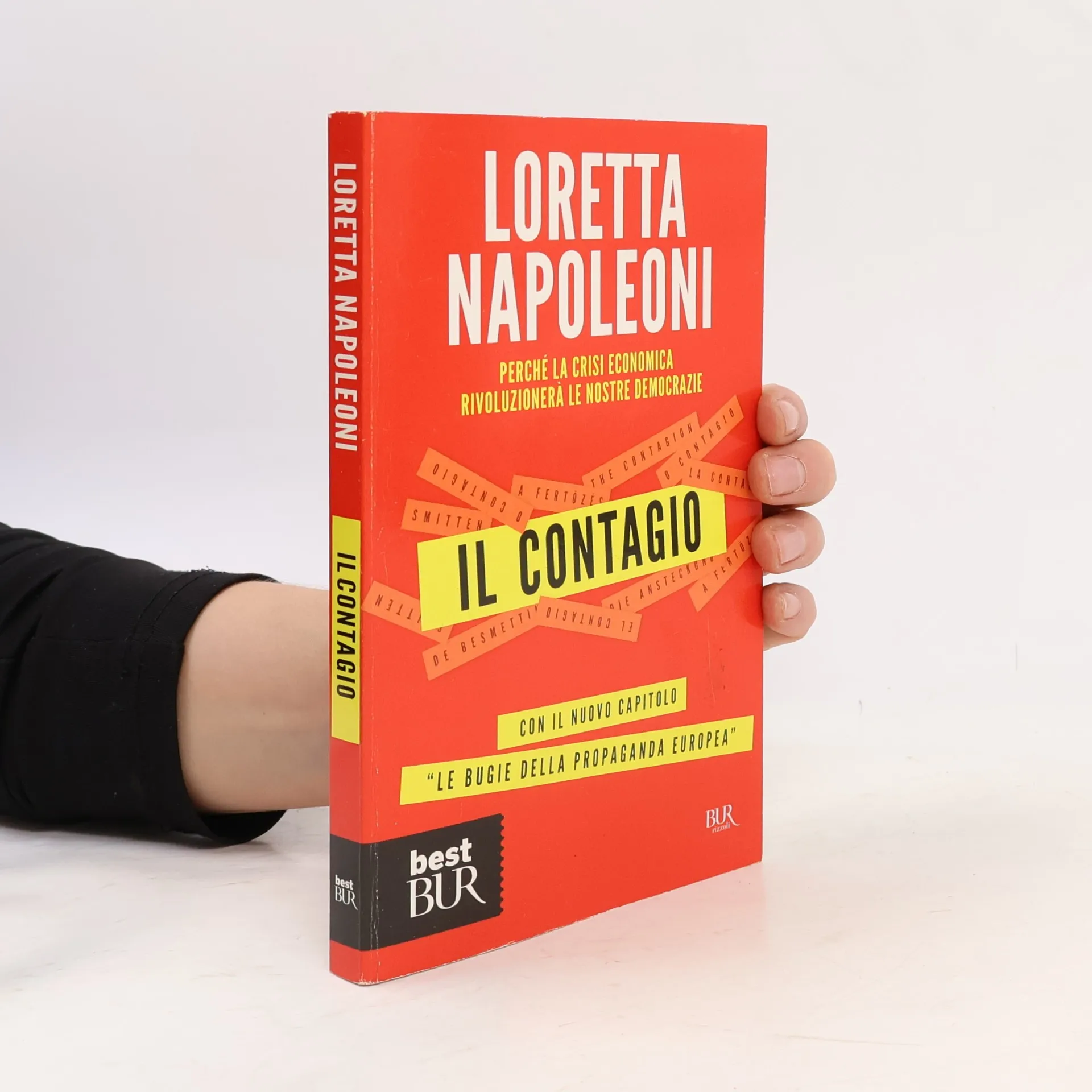
Riprendiamoci la politica, l'economia, un lavoro, una vita dignitosa: è questo il grido che si leva unanime dalle sponde del Mediterraneo. La crisi attuale, erede di catastrofi passate come quelle in Argentina e nei mercati asiatici, non è casuale. È l'alleanza tra una politica corrotta e una finanza avida che ha sequestrato la nostra democrazia, portandoci verso la rovina. Le istituzioni di controllo, come la Banca Centrale Europea e il Fondo Monetario Internazionale, contribuiscono a peggiorare la situazione. Dalla primavera araba, che ha abbattuto i regimi di Tunisia ed Egitto, emerge una nuova ondata di protesta e impegno. La rivoluzione si diffonde in Europa, con movimenti come gli Indignados in Spagna, le mobilitazioni in Grecia e in Italia, dove il popolo Viola e il movimento "Se non ora quando?" si fanno sentire. La parola d'ordine è: Basta! I protagonisti principali sono i giovani, a cui la politica ha riservato precarietà, disoccupazione e povertà. I Paesi affacciati sul Mediterraneo condividono economie malate, oligarchie corrotte e un sistema che privilegia pochi a scapito della maggioranza.
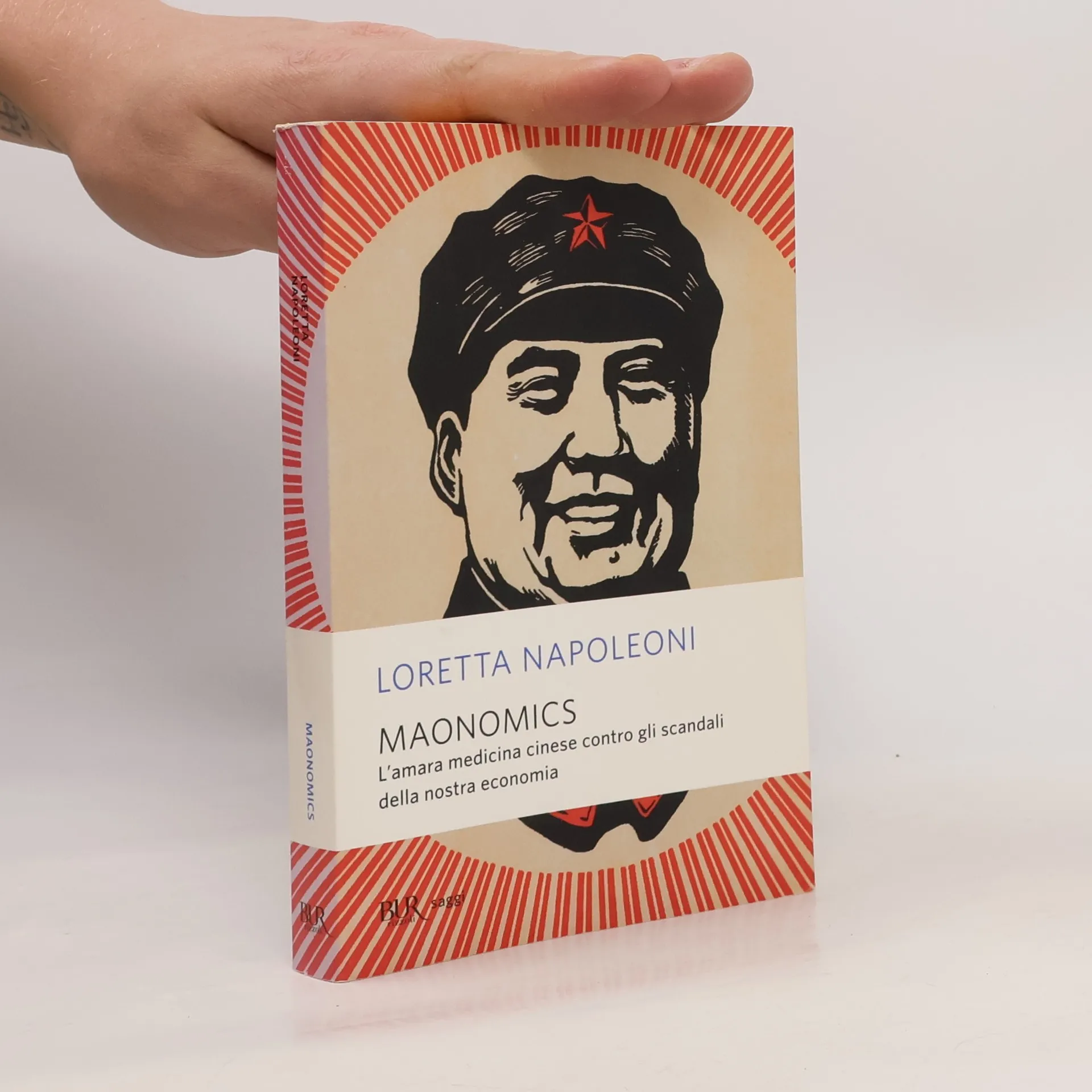
Made in China è presente su un numero sempre maggiore di beni che acquistiamo. Dalla fine della Guerra Fredda, la Cina ha sviluppato un sistema economico che supera il capitalismo delle democrazie occidentali. Mai prima d'ora il mondo ha visto uno sviluppo così rapido o così tante persone sollevate dalla povertà in così poco tempo. Loretta Napoleoni confronta come la Cina applica il capitalismo con la politica nel mondo occidentale dettata da Ronald Reagan e Margaret Thatcher all'inizio degli anni '80. Si sostiene spesso che la democrazia sia una condizione necessaria per il benessere economico. Ma cosa succede se i regimi autoritari sono più efficaci? Come sarà quindi il nostro futuro?
Mezi břehy Středozemního moře probíhá rafinovaná a skrytá obchodní výměna. Zbožím jsou uprchlíci ze zbídačelých a násilím zasažených zemí Evropy a Asie, obchodníky džihádisté různého ražení. Tento nový a mimořádně nebezpečný druh organizovaného zločinu se zrodil z neúspěchů západní zahraniční politiky, "války proti teroru", po 11. září 2011 a ze ztroskotání tzv. arabského jara. Obchodníci s lidmi těží z destabilizace celých států a oblastí, od severní Afriky po Levantu. Jsou propojeni s mezinárodními džihádistickými organizacemi, jako jsou různé odnože al-‑Qá‘idy nebo Islámský stát (Dá‘iš) v Sýrii a Iráku. Loretta Napoleoni, expertka na problematiku financování terorismu, sleduje počátky džihádistického byznysu ve formě pašování kokainu ze západní Afriky, únosů cizinců v oblasti subsaharské Afriky a poté organizovaného obchodu s uprchlíky v posledních několika letech. Kniha je založena na zkušenostech těch, kdo se podíleli na vyjednávání o výkupném za unesené Evropany, protiteroristických expertů i bývalých rukojmí teroristů. Přináší nový pohled na jedno z nejnaléhavějších témat dneška.
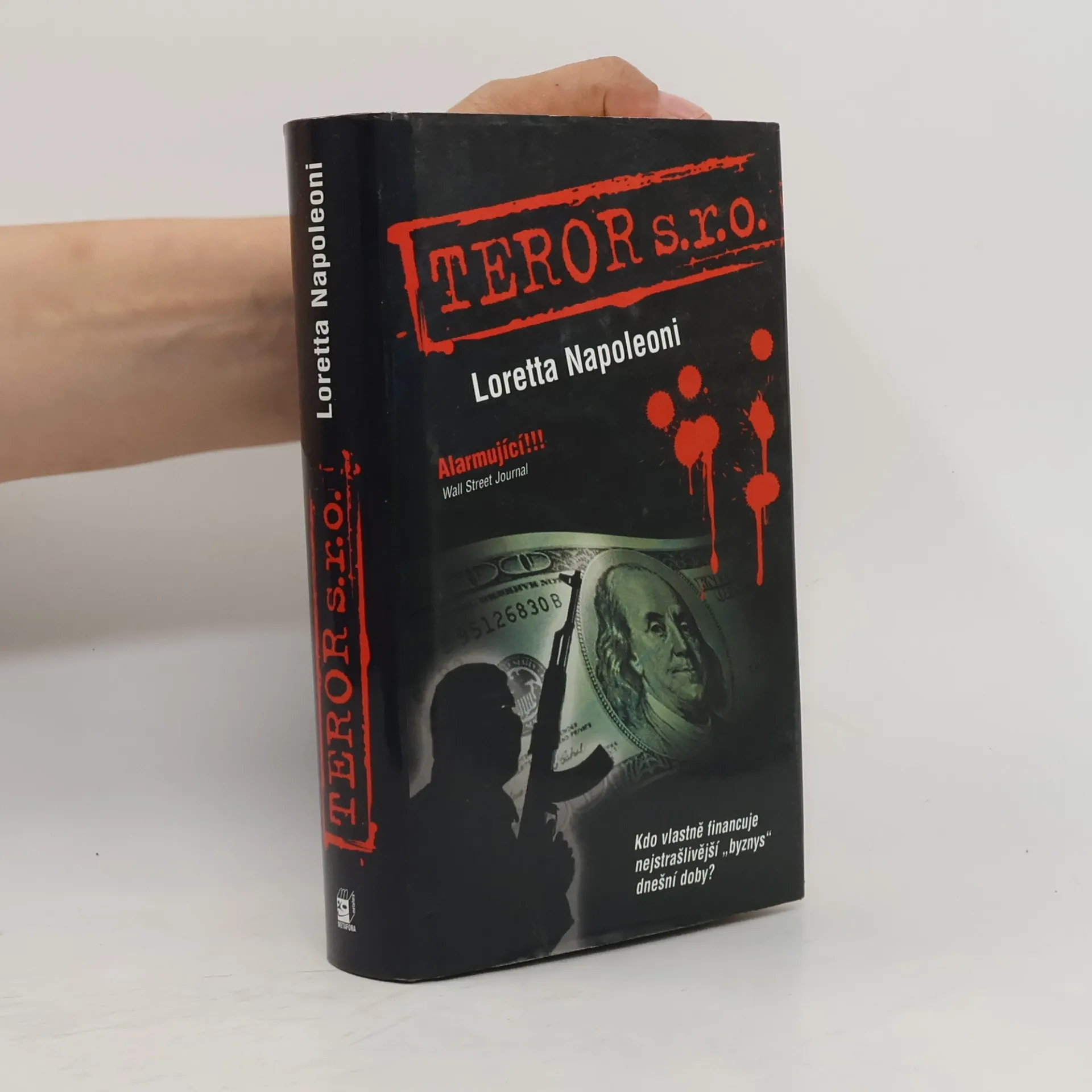
V novinách, v televizi, na ulici i v domácnostech, všude se dnes hovoří o terorismu. Málokdo však ví, že k tomuto zlověstnému pojmu nepatří zdaleka jen bombové útoky, o jakých se dozví celý svět, nýbrž složitě propletená síť finančních a politických vztahů, o nichž se naopak nedozví skoro nikdo. A pokud i vás někdy napadlo lidově řečeno „kdo tohle všechno platí“, kniha Loretty Napoleniové nabízí na tuto otázku perfektně zpracované odpovědi. Napoleoniová se ve své převratné práci nezaměřuje na náboženské ani kulturní rozdíly, ale odvážně zkoumá výraznou roli Západu na rozvoji ekonomik ozbrojených skupin a poskytuje nám cenné poznatky o skutečných příčinách, které „Východ“ a „Západ“ rozdělují. Kniha přináší ohromující množství důkazů a poskytuje čtenáři fascinující zprávu o složitých problémech, které jsou skutečným jádrem nejvážnější hrozby, které Západ čelí.
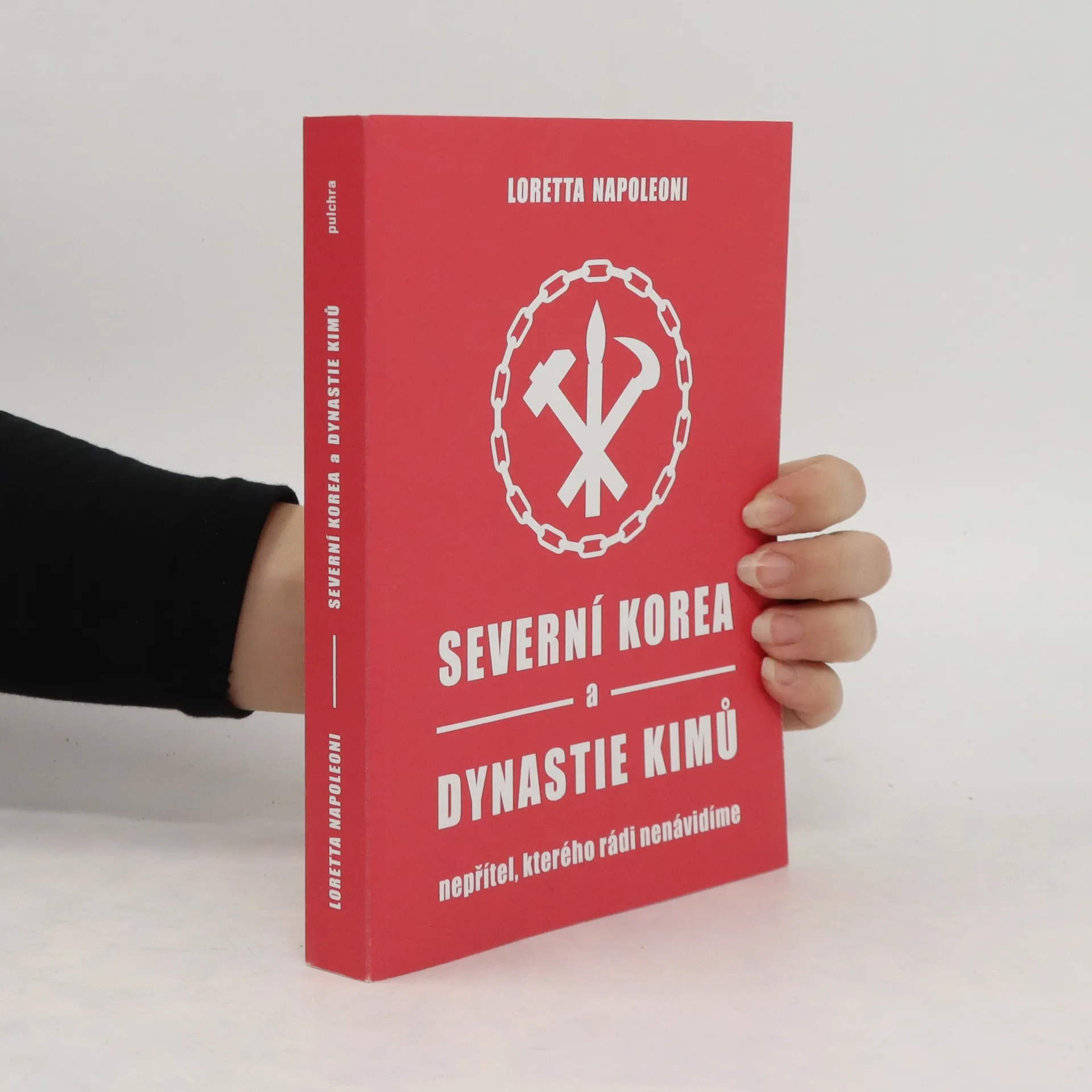
O Severní Koreji a vládnoucí dynastii Kimů máme omezené znalosti. Média často vykreslují tuto zemi jako uzavřenou říši zla, která hrozí jadernými zbraněmi. Autorka se snaží hlouběji porozumět korejskému systému a odhalit, proč je Severní Korea taková, jaká je. Kim Čong-un se jeví jako tyran, jehož výhrůžky jsou nevyzpytatelné a situace v zemi se zdá být chaotická. Napoleoni se však snaží překročit tradiční pohledy a neomezuje se na euro-americké principy demokracie. Nepodporuje jednoduché rozdělení na dobro a zlo, ale zkoumá, zda je obraz Severní Koreje takový, jaký nám předkládají média. Její kniha obsahuje informace a svědectví diplomatů, disidentů a odborníků a hledá odpovědi v fascinujícím příběhu dvou Korejí a konfliktu studené války. Analyzuje excentrickou realitu severokorejského totalitarismu a snaží se pochopit myšlení národa ovlivněného ideologií čučche, která je zásadní pro vysvětlení psychologického stavu Kimových „poddaných“. Také se zabývá temnou sítí počítačových zločinů, které jsou připisovány Severní Koreji.