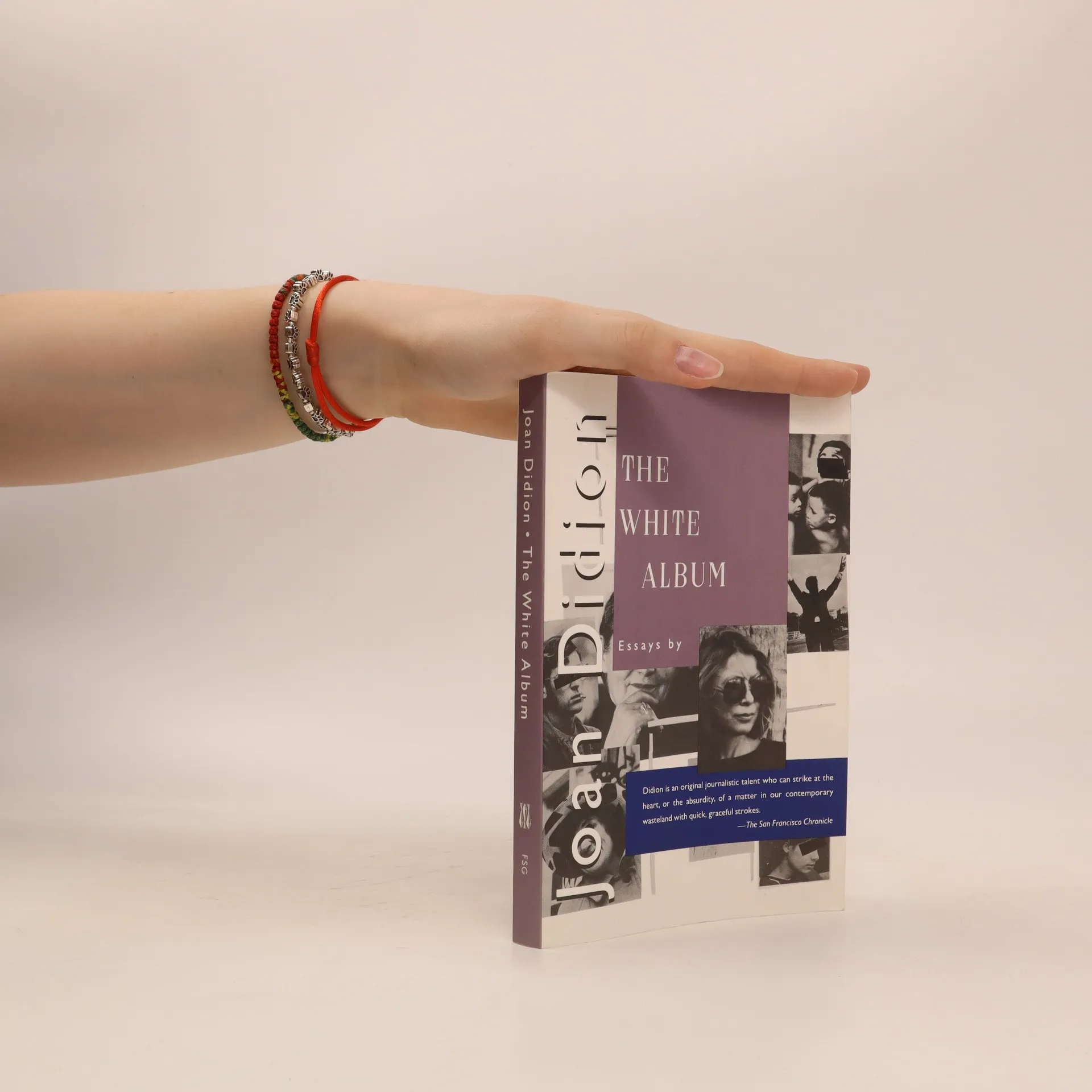
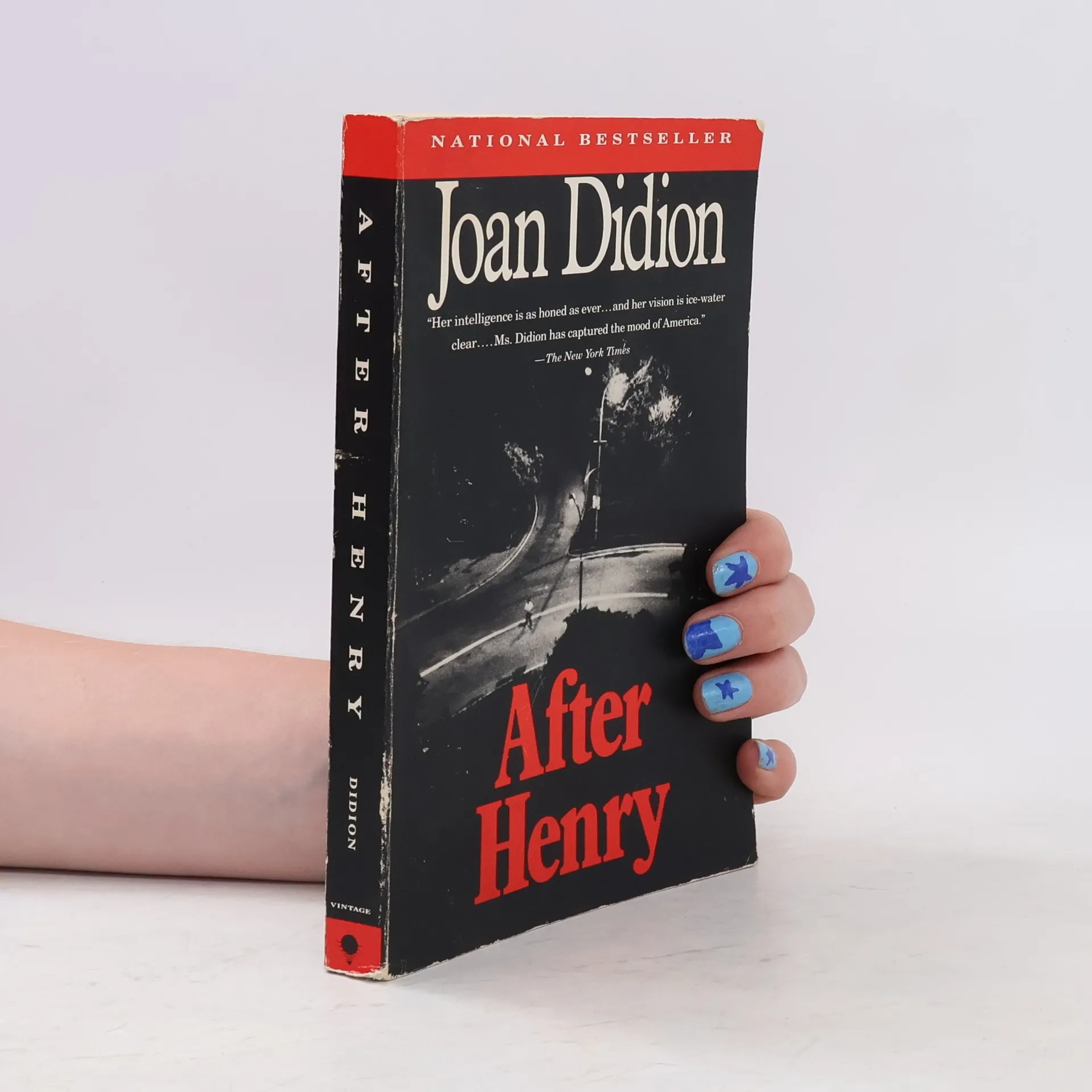
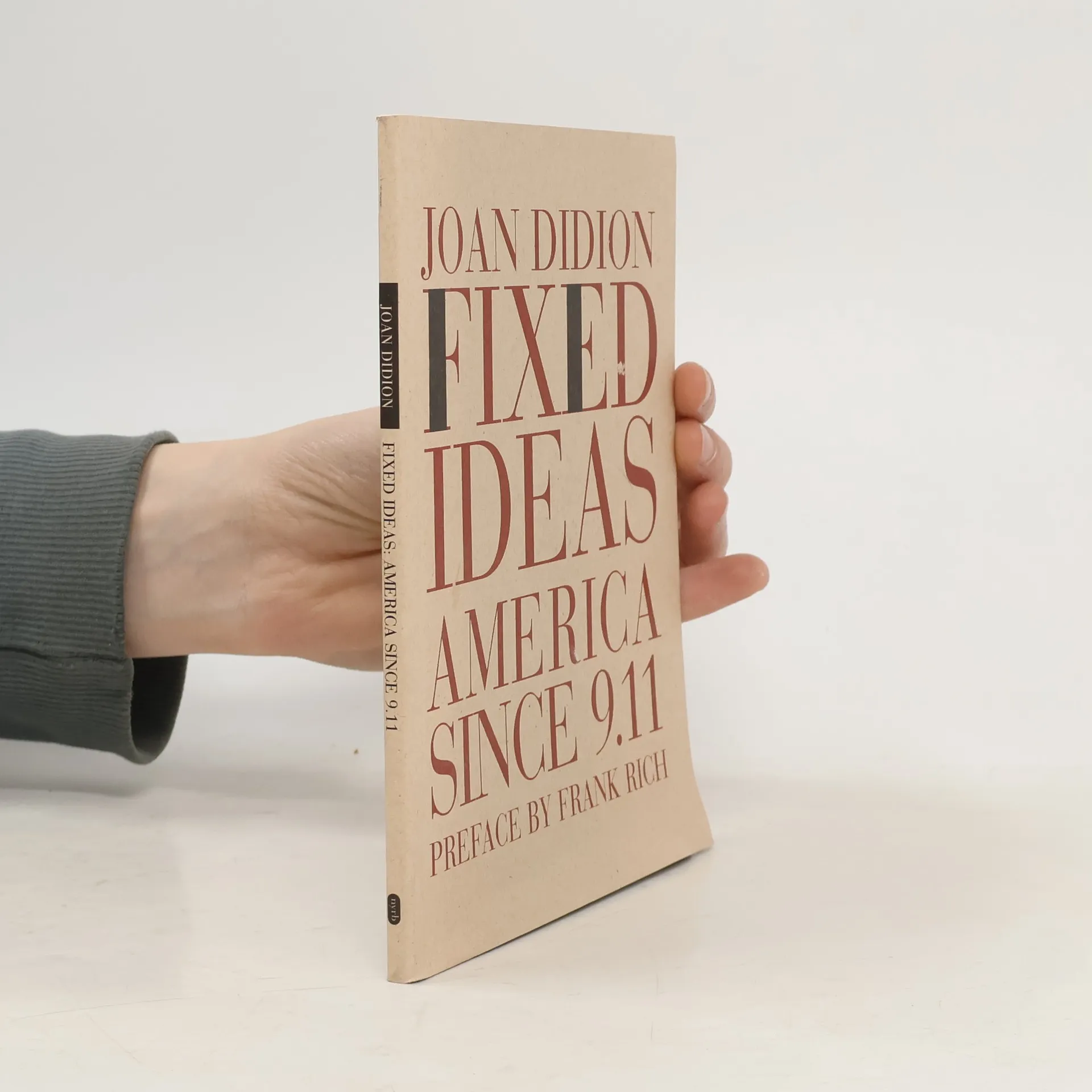
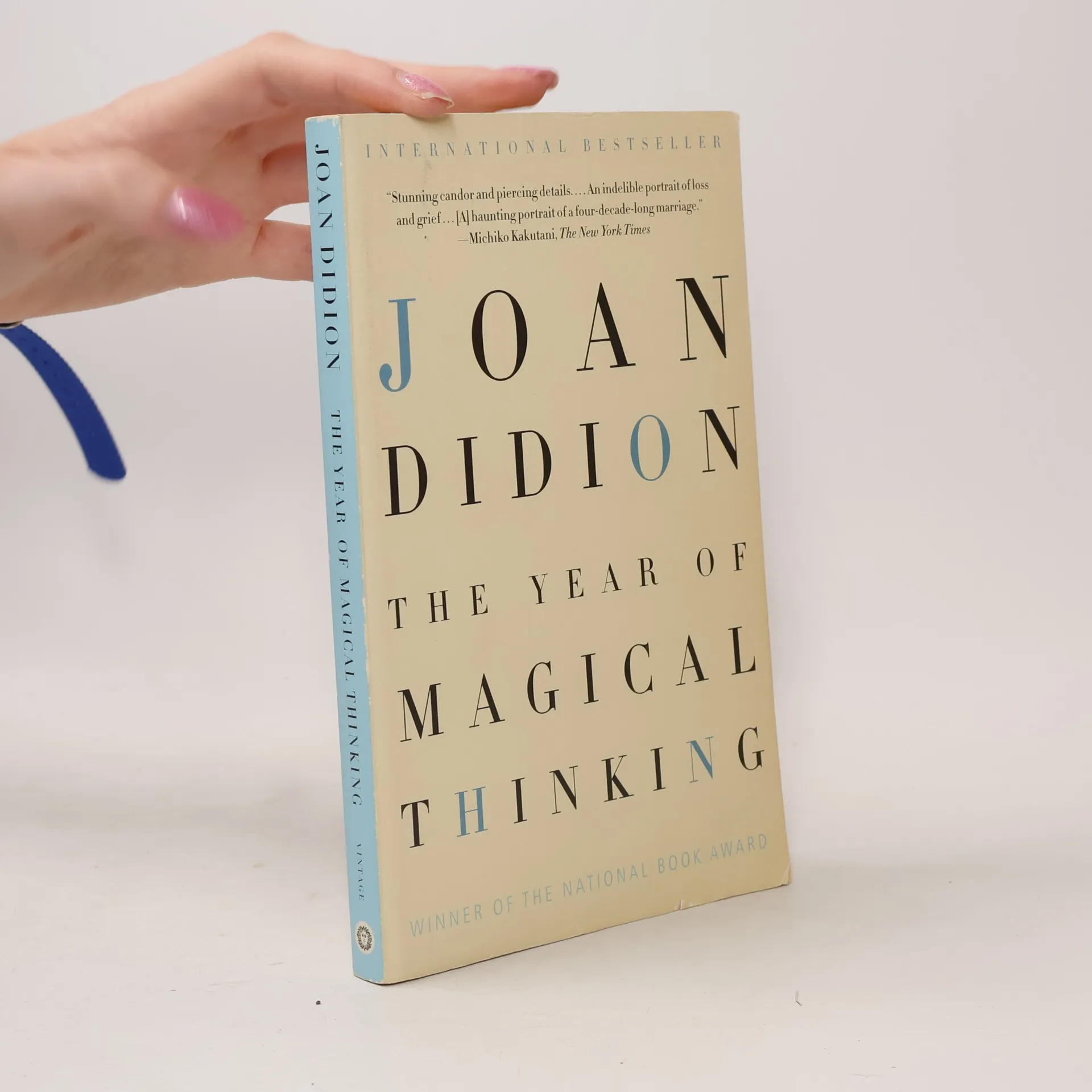
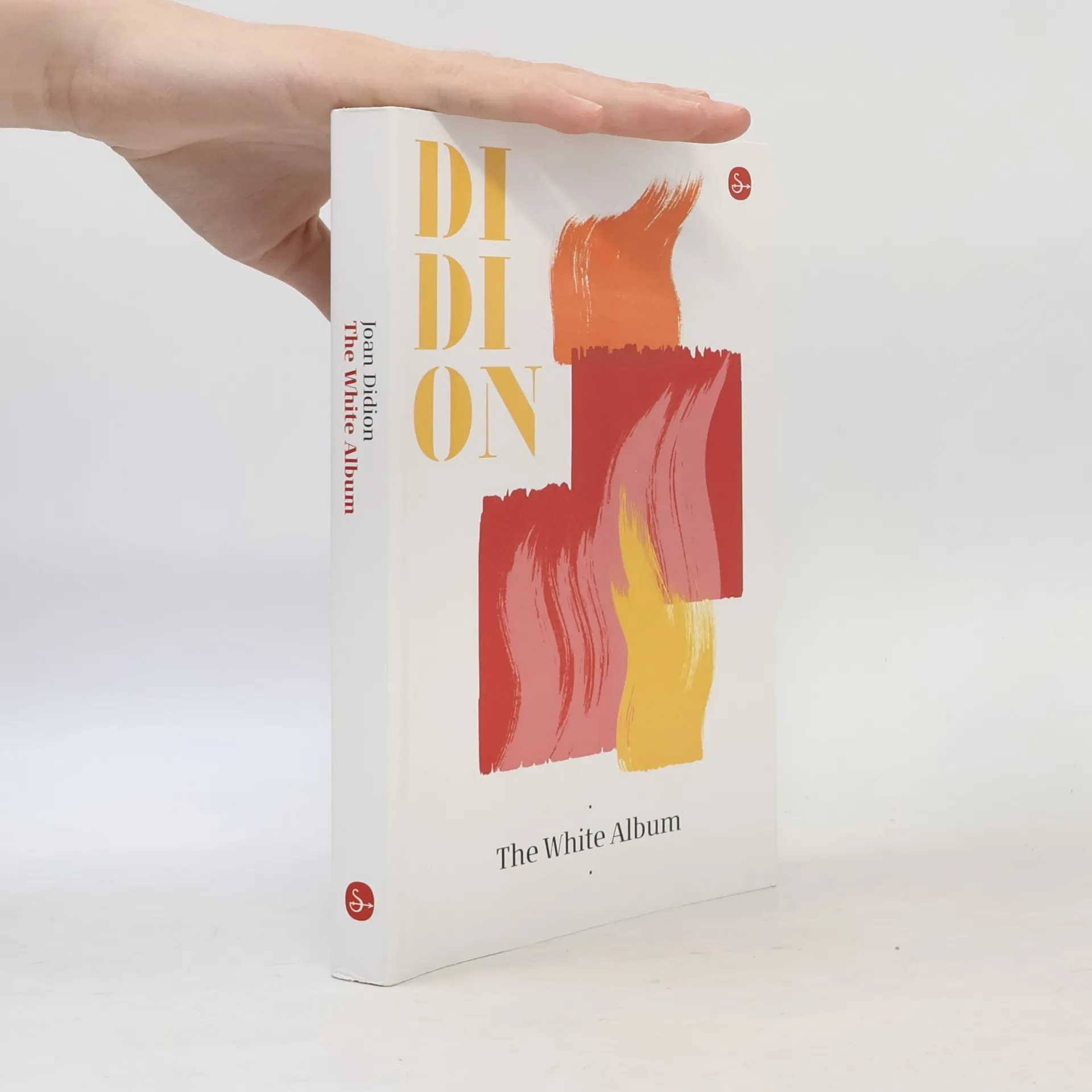
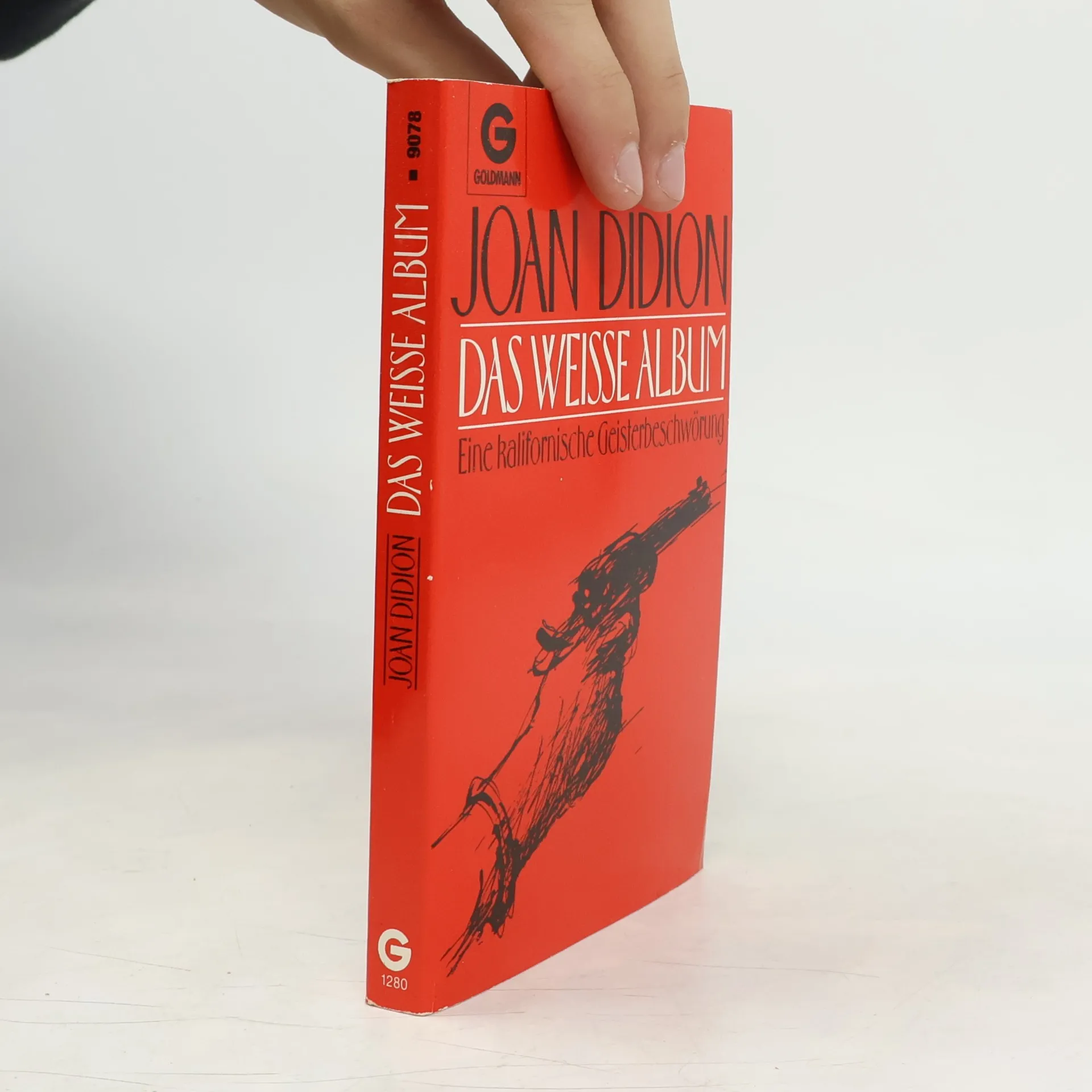
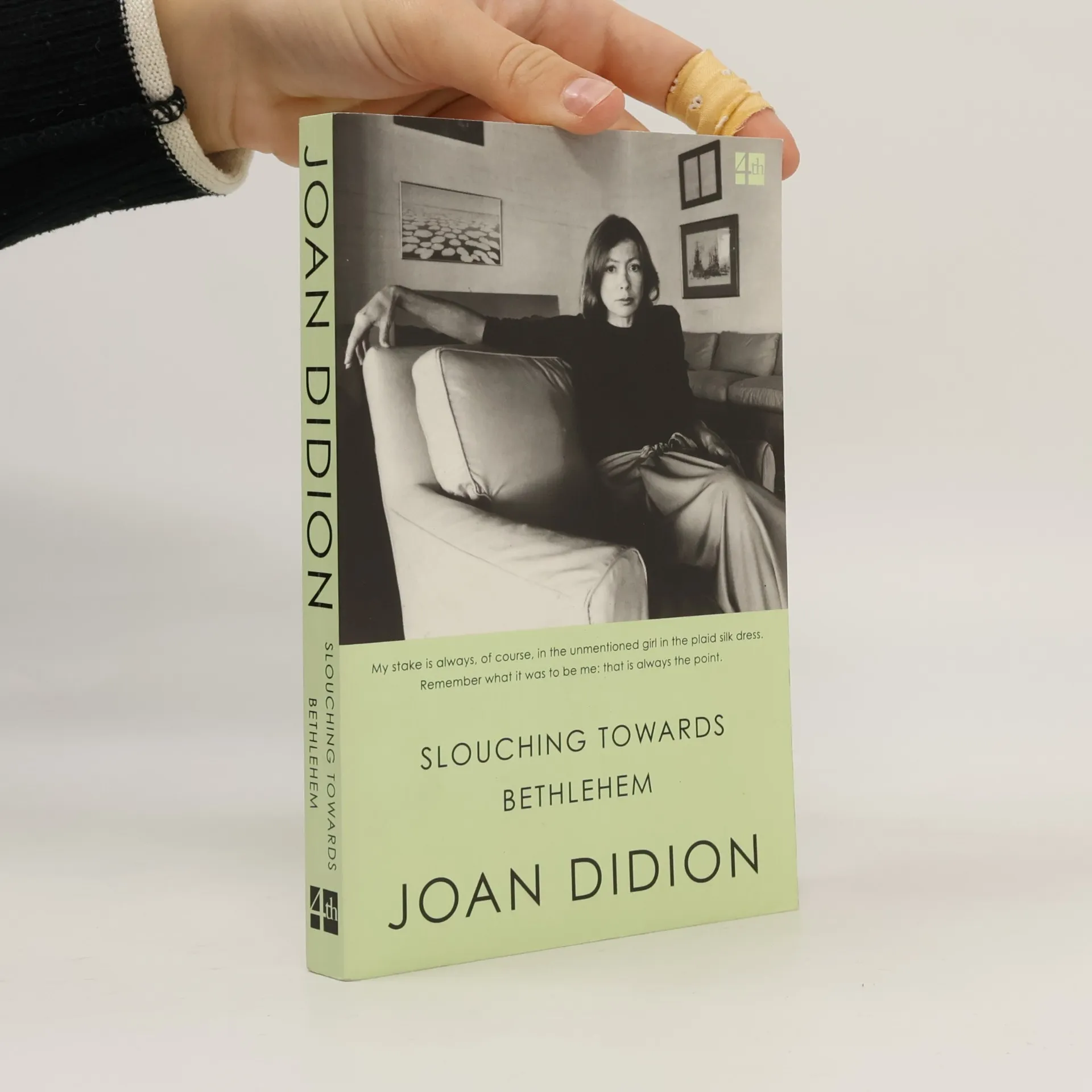
Joan Didion’s incomparable and distinctive essays and journalism are admired for their acute, incisive observations and their spare, elegant style. Now the seven books of nonfiction that appeared between 1968 and 2003 have been brought together into one thrilling collection.Slouching Towards Bethlehem captures the counterculture of the sixties, its mood and lifestyle, as symbolized by California, Joan Baez, Haight-Ashbury. The White Album covers the revolutionary politics and the “contemporary wasteland” of the late sixties and early seventies, in pieces on the Manson family, the Black Panthers, and Hollywood. Salvador is a riveting look at the social and political landscape of civil war. Miami exposes the secret role this largely Latin city played in the Cold War, from the Bay of Pigs through Watergate. In After Henry Didion reports on the Reagans, Patty Hearst, and the Central Park jogger case. The eight essays in Political Fictions–on censorship in the media, Gingrich, Clinton, Starr, and “compassionate conservatism,” among others–show us how we got to the political scene of today. And in Where I Was From Didion shows that California was never the land of the golden dream.
Joan Didion Books
Joan Didion is celebrated for her novels and literary journalism. Her works delve into the disintegration of American morals and cultural chaos, with individual and social fragmentation serving as overriding themes. A pervasive sense of anxiety or dread underscores much of her writing, reflecting a sharp observation of the human condition.


Joan Didion: What She Means
- 128 pages
- 5 hours of reading
Exploring Joan Didion's life and work, Hilton Als presents a chronological mosaic that captures the complexities of her identity as a writer influenced by both coasts of America. The narrative reflects Didion's critical yet affectionate view of her native California and her insightful observations on the political landscape from New York. The book features contributions from 50 artists across various mediums, alongside three previously uncollected texts by Didion, enriching the understanding of her impact on literature and culture.
The collection features Joan Didion's final four nonfiction works, showcasing her poignant reflections on grief, identity, and the American experience. "The Year of Magical Thinking" delves into her personal journey through loss, while "Blue Nights" explores themes of aging and memory. "South and West" offers observations from a road trip, and "Let Me Tell You What I Mean" presents a series of essays that highlight Didion's keen insights and distinctive voice, making this omnibus a significant addition to her literary legacy.
Joan Didion: Memoirs & Later Writings (Loa #386)
Political Fictions / Fixed Ideas / Where I Was from / The Year of Magical Thinking (Memoir & Play) / Blue Nights / South and West
- 855 pages
- 30 hours of reading
The collection features the powerful and haunting works from the later phase of a renowned writer's career. This definitive three-volume edition by the Library of America includes the final seven books, showcasing her unique voice and profound insights. Readers can expect a deep exploration of themes such as memory, loss, and the complexities of modern life, reflecting the author's unmatched literary talent and emotional depth.
Live and Learn
- 575 pages
- 21 hours of reading
This comprehensive edition brings together for the first time three seminal collections by legendary essayist and journalist Joan Didion: Slouching toward Bethlehem, White Album and Sentimental Journeys. Prefaced with a new introduction by Joan Didion.
Slouching Towards Bethlehem
- 256 pages
- 9 hours of reading
Classic literary journalism which defined, for many, the state of America during the upheaval of the Sixties Revolution "It was not a country in open revolution. It was not a country under enemy siege. It was the United States of America in the cold late spring of 1967, and the market was steady and the GNP high and a great many articulate people seemed to have a sense of high social purpose and it might have been a spring of brave hopes and national promise, but it was not..." "So physically small, so temperamentally unobtrusive, and so neurotically inarticulate" that people tended to forget that her presence ran counter to their best interests, Joan Didion slipped herself into the heart of the Sixties Revolution, only to slip out again with this savage masterpiece, which, since first publication in 1968, has been acknowledged as an unparalleled report on the state of America during those curious days. Now that some of the posturing and pronouncements of those times are being recycled, Didion's sobering reflections are timely once again: 'the future always looks good in the golden land, because no one remembers the past."
Joan Didion: The Last Interview
- 192 pages
- 7 hours of reading
"Some writers define a generation. Some a genre. Joan Didion did both, and much more. Didion rose to prominence with her nonfiction collection, Slouching Towards Bethlehem, and she quickly became the writer who captured the zeitgeist of the washed-out, acid hangover of the 60s. But as a bicoastal writer of fiction and nonfiction whose writing ranged from personal essays and raw, intimate memoirs to reportage on international affairs and social justice, Didion is much harder to pin down than her reputation might suggest. This collection encompasses it all, in conversations that delve into her underappreciated mid-career works, her influences, the loss of her husband and daughter, and her most infamous essays. Far from the evasive, terse minimalist that has come to dominate the image of Joan Didion, what this collection reveals is a warm, thoughtful woman whose well earned legacy promises to live on for readers and writers for many generations to come."-- Provided by publisher
The White Album
- 224 pages
- 8 hours of reading
Essays on the author's experiences with American culture in the 1960s and 1970s.
NATIONAL BESTSELLER • Didion's "reportorial pieces afford the pleasures of literature.... She is an expert geographer of the landscape of American public culture" (The New York Times Book Review). Here, the National Book Award–winning author of The Year of Magical Thinking covers ground from Washington to Los Angeles, from a TV producer's gargantuan "manor" to the racial battlefields of New York's criminal courts. At each stop she uncovers the mythic narratives that elude other observers: Didion tells us about the fantasies the media construct around crime victims and presidential candidates; she gives us new interpretations of the stories of Nancy Reagan and Patty Hearst; she charts America's rollercoaster ride through evanescent booms and hard times that won't go away. A bracing amalgam of skepticism and sympathy, After Henry is further proof of Joan Didion's infallible radar for the true spirit of our age.
In Fixed Ideas Joan Didion describes how, since September 11, 2001, there has been a determined effort by the administration to promote an imperial America--a "New Unilateralism"--and how, in many parts of America, there is now a "disconnect" between the government and citizens."[Americans] recognized even then [immediately after 9/11], with flames still visible in lower Manhattan, that the words 'bipartisanship' and 'national unity' had come to mean acquiescence to the administration's preexisting agenda--for example the imperative for further tax cuts, the necessity for Arctic drilling, the systematic elimination of regulatory and union protections, even the funding for the missile shield."Frank Rich in his preface notes: "The reassuring point of the fixed ideas was to suppress other ideas that might prompt questions or fears about either the logic or hidden political agendas of those conducting what CNN branded as 'America's New War.'"He adds, "This White House is famously secretive and on-message, but its skills go beyond that. It knows the power of narrative, especially a single narrative with clear-cut heroes and evildoers, and it knows how to drown out any distracting subplots before they undermine the main story."Book and cover design by Milton Glaser, Inc.
The Year of Magical Thinking
- 312 pages
- 11 hours of reading
'An act of consummate literary bravery, a writer known for her clarity allowing us to watch her mind as it becomes clouded with grief.' From one of America's iconic writers, a stunning book of electric honesty and passion. Joan Didion explores an intensely personal yet universal experience: a portrait of a marriage–and a life, in good times and bad–that will speak to anyone who has ever loved a husband or wife or child. Several days before Christmas 2003, John Gregory Dunne and Joan Didion saw their only daughter, Quintana, fall ill with what seemed at first flu, then pneumonia, then complete septic shock. She was put into an induced coma and placed on life support. Days later–the night before New Year's Eve–the Dunnes were just sitting down to dinner after visiting the hospital when John Gregory Dunne suffered a massive and fatal coronary. In a second, this close, symbiotic partnership of forty years was over. Four weeks later, their daughter pulled through. Two months after that, arriving at LAX, she collapsed and underwent six hours of brain surgery at UCLA Medical Center to relieve a massive hematoma. This powerful book is Didion's attempt to make sense of the "weeks and then months that cut loose any fixed idea I ever had about death, about illness . . . about marriage and children and memory . . . about the shallowness of sanity, about life itself."
Play It As It Lays
- 300 pages
- 11 hours of reading
A ruthless and unflinching examination of American life in the late 1960s, from the author of The Year of Magical Thinking.
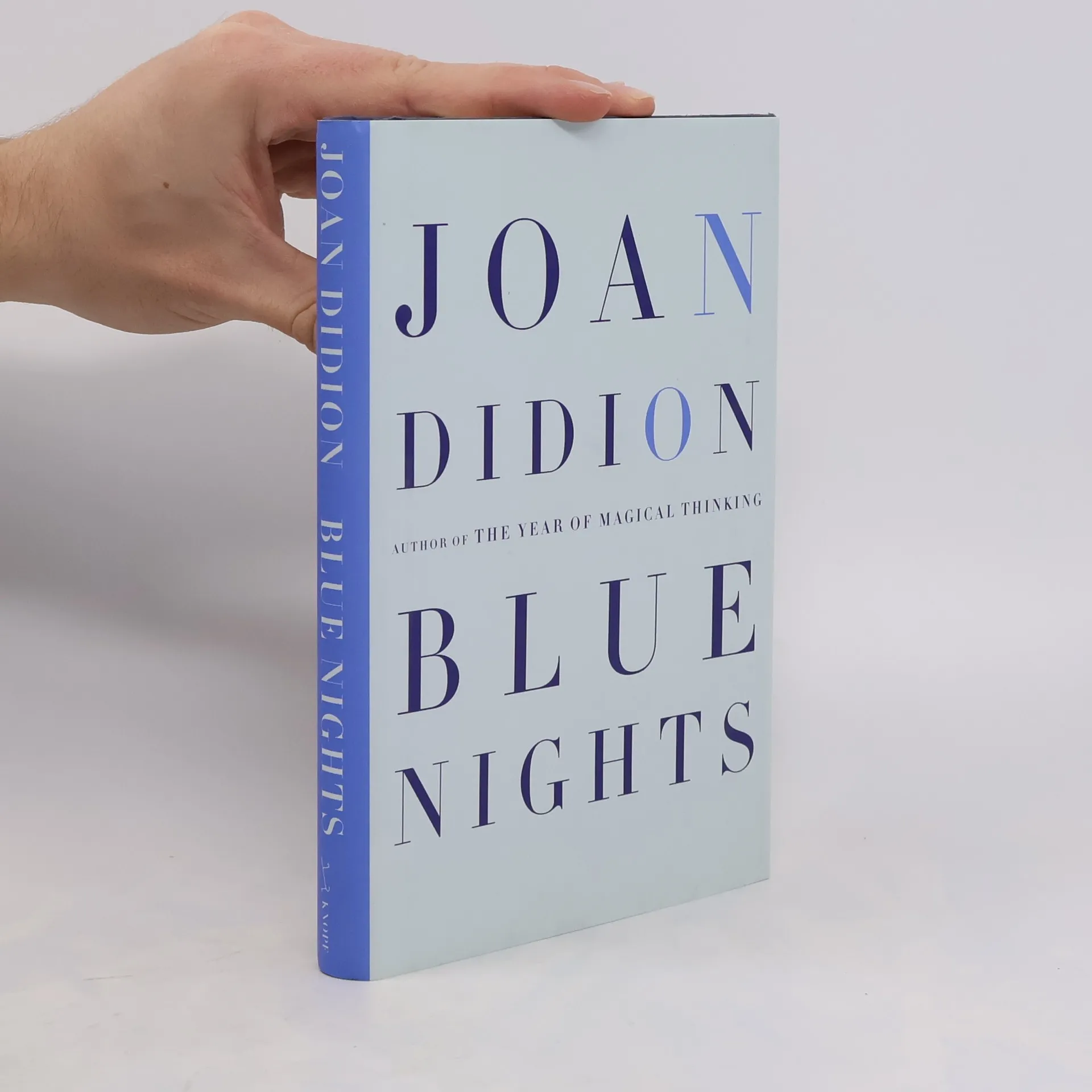
Blue Nights
- 188 pages
- 7 hours of reading
From one of our most powerful writers, a work of stunning frankness about losing a daughter. Richly textured with bits of her own childhood and married life with her husband, John Gregory Dunne, and daughter, Quintana Roo, this new book by Joan Didion examines her thoughts, fears, and doubts regarding having children, illness, and growing old. Blue Nights opens on July 26, 2010, as Didion thinks back to Quintana’s wedding in New York seven years before. Today would be her wedding anniversary. This fact triggers vivid snapshots of Quintana’s childhood—in Malibu, in Brentwood, at school in Holmby Hills. Reflecting on her daughter but also on her role as a parent, Didion asks the candid questions any parent might about how she feels she failed either because cues were not taken or perhaps displaced. “How could I have missed what was clearly there to be seen?” Finally, perhaps we all remain unknown to each other. Seamlessly woven in are incidents Didion sees as underscoring her own age, something she finds hard to acknowledge, much less accept. Blue Nights—the long, light evening hours that signal the summer solstice, “the opposite of the dying of the brightness, but also its warning”—like The Year of Magical Thinking before it, is an iconic book of incisive and electric honesty, haunting and profoundly moving.
NATIONAL BESTSELLER • In these coolly observant essays, the iconic bestselling writer looks at the American political process and at "that handful of insiders who invent, year in and year out, the narrative of public life."Through the deconstruction of the sound bites and photo ops of three presidential campaigns, one presidential impeachment, and an unforgettable sex scandal, Didion reveals the mechanics of American politics. She tells us the uncomfortable truth about the way we vote, the candidates we vote for, and the people who tell us to vote for them. These pieces build, one on the other, into a disturbing portrait of the American political landscape, providing essential reading on our democracy.
The iconic writer's electrifying first novel is a story of marriage, murder and betrayal that only she could tell with such nuance, sympathy, and suspense—f rom the bestselling, award-winning author of The Year of Magical Thinking and Let Me Tell You What I Mean.Everett McClellan and his wife, Lily, are the great-grandchildren of pioneers, and what happens to them is a tragic epilogue to the pioneer experience—a haunting portrait of a marriage whose wrong turns and betrayals are at once absolutely idiosyncratic and a razor-sharp commentary on the history of California.
Democracy
- 222 pages
- 8 hours of reading
This tale of love and murder revolves around Inez Christian Victor, the wife of a man who wants to be President of the United States
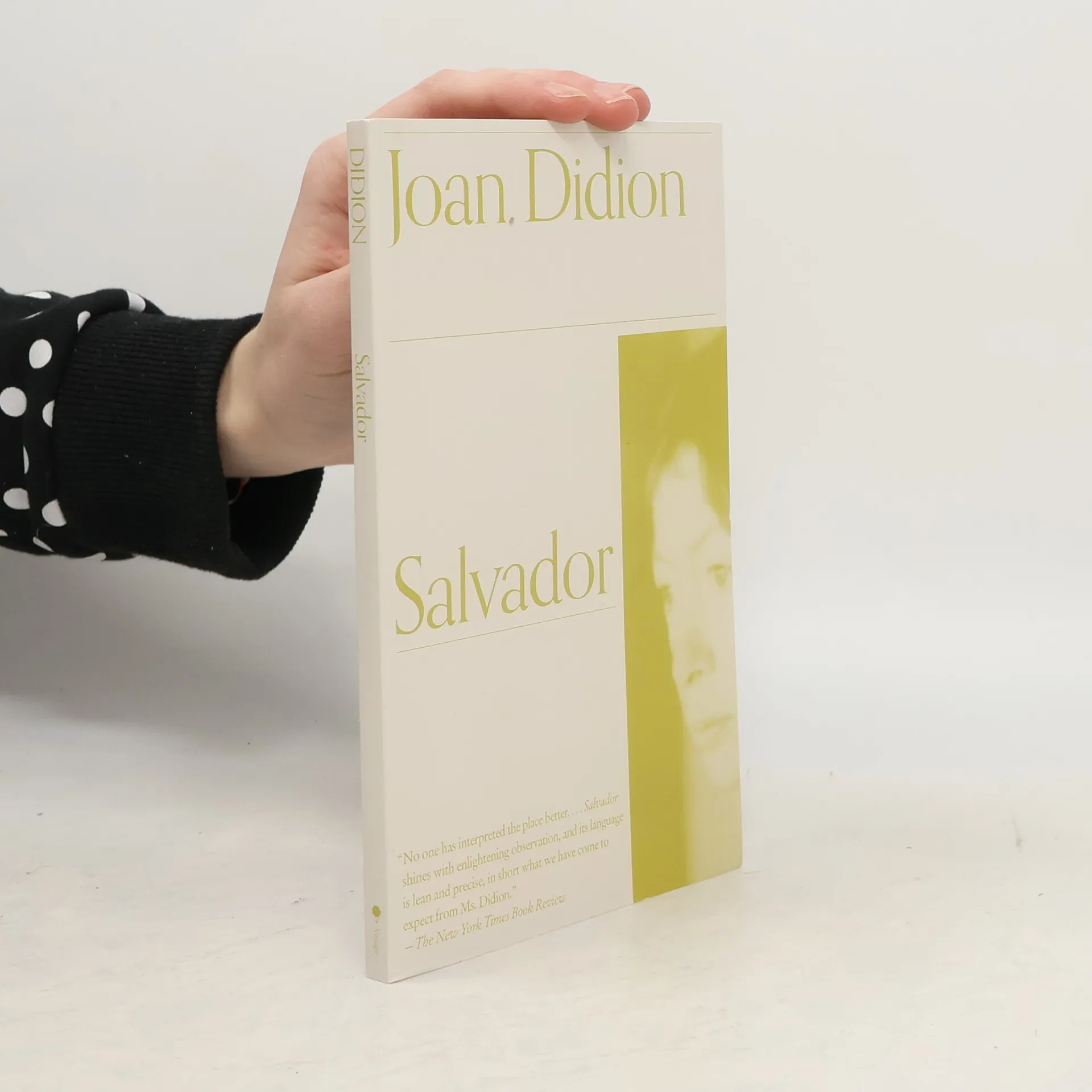
"Terror is the given of the place." The place is El Salvador in 1982, at the ghastly height of its civil war. Didion "brings the country to life" (The New York Times), delivering an anatomy of a particular brand of political terror—its mechanisms, rationales, and intimate relation to United States foreign policy. As ash travels from battlefields to body dumps, Didion interviews a puppet president, and considers the distinctly Salvadoran grammar of the verb "to disappear." Here, the bestselling, award-winning author of The Year of Magical Thinking and Let Me Tell You What I Mean gives us a book that is germane to any country in which bloodshed has become a standard tool of politics.
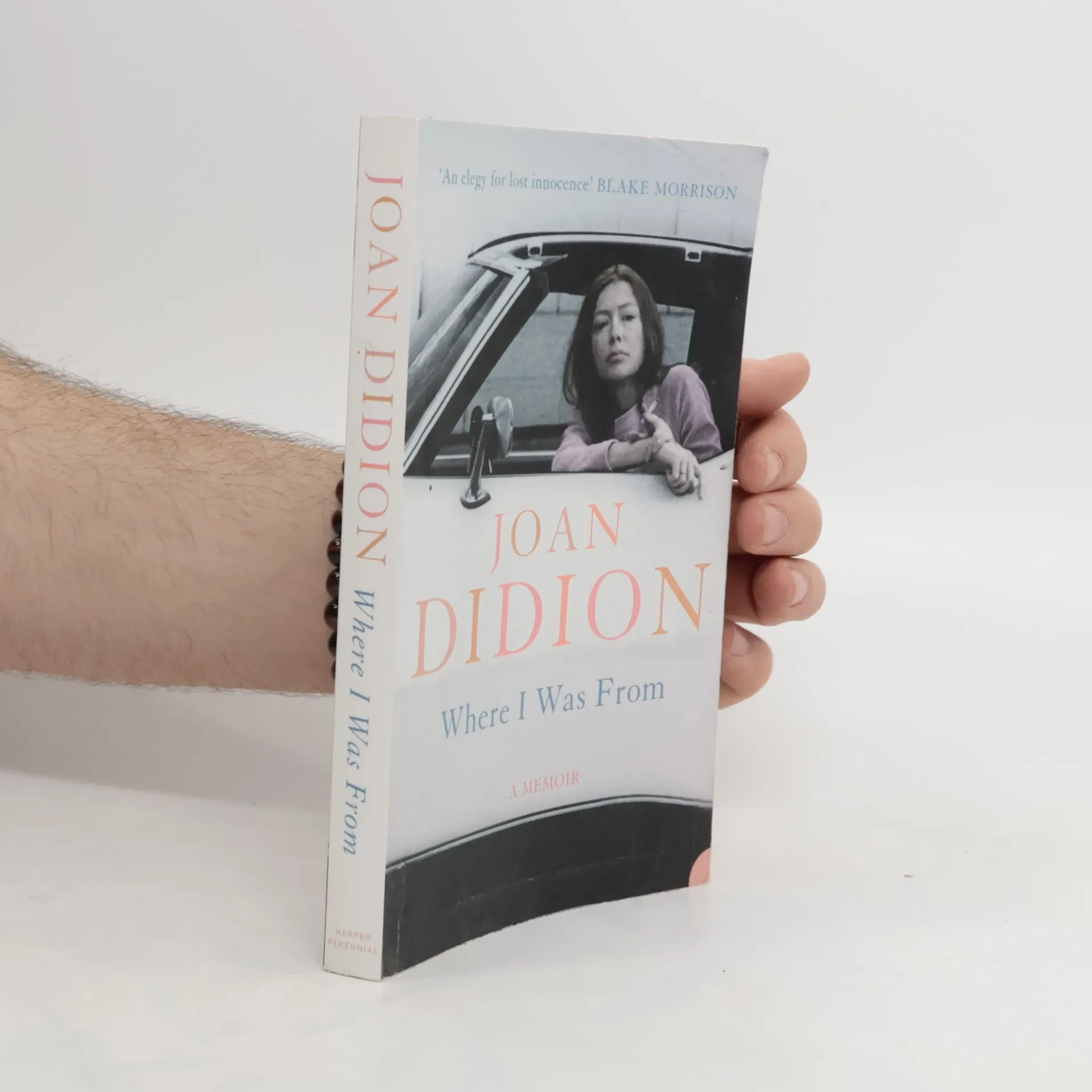
A memoir of land, family and perseverance from one of the most influential writers in America.
A Book of Common Prayer
- 300 pages
- 11 hours of reading
An engrossing examination of political and personal life in Central America, from the award-winning author of The Year of Magical Thinking. Writing with the economical swiftness and concentrated perception that has made her one of America's most distinguished writers, Joan Didion creates a gleaming novel of innocence and evil.
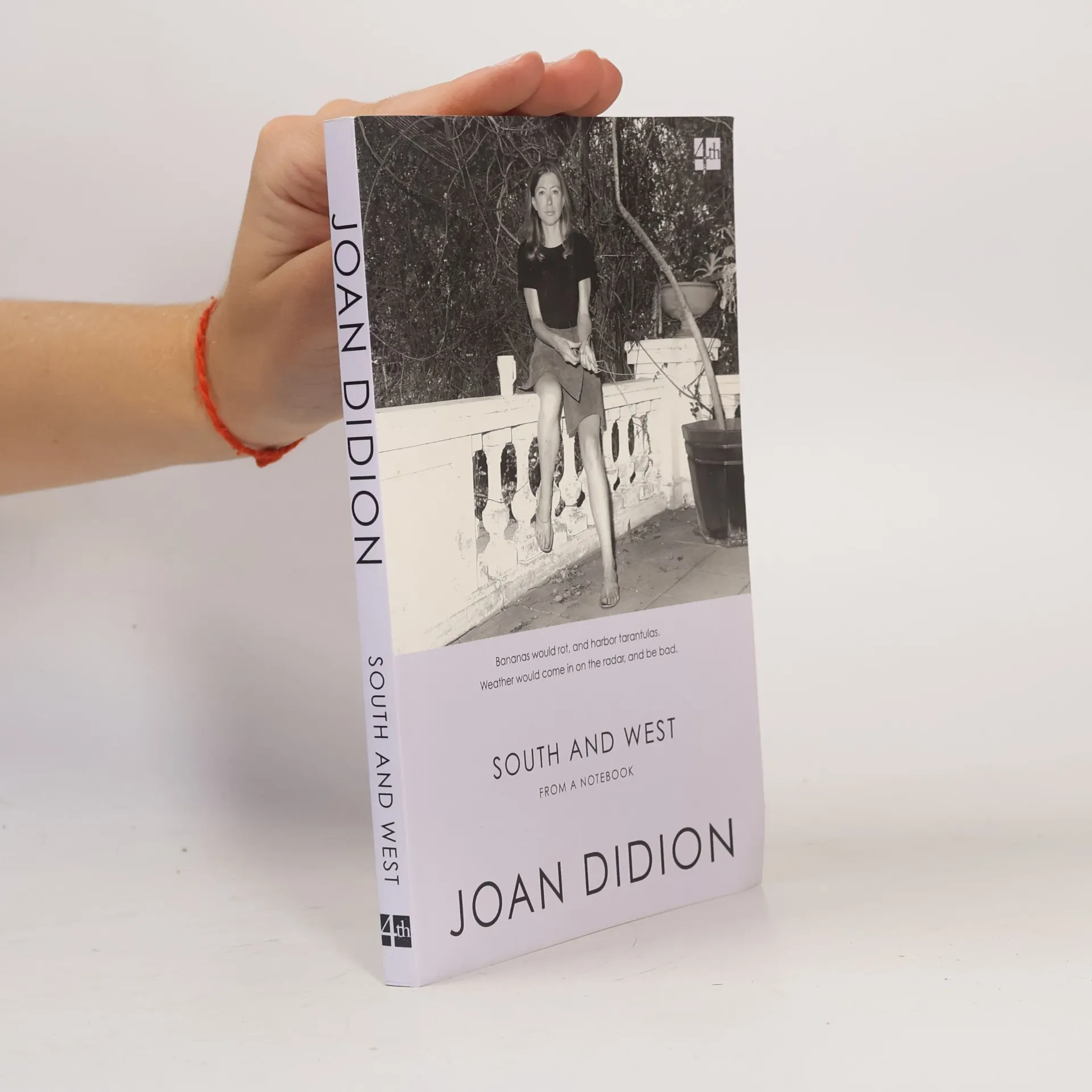
South And West
- 160 pages
- 6 hours of reading
From one of the most important chroniclers of our time, come two extended excerpts from her never-before-seen notebooks-writings that offer an illuminating glimpse into the mind and process of a legendary writer. Joan Didion has always kept notebooks: of overheard dialogue, observations, interviews, drafts of essays and articles.
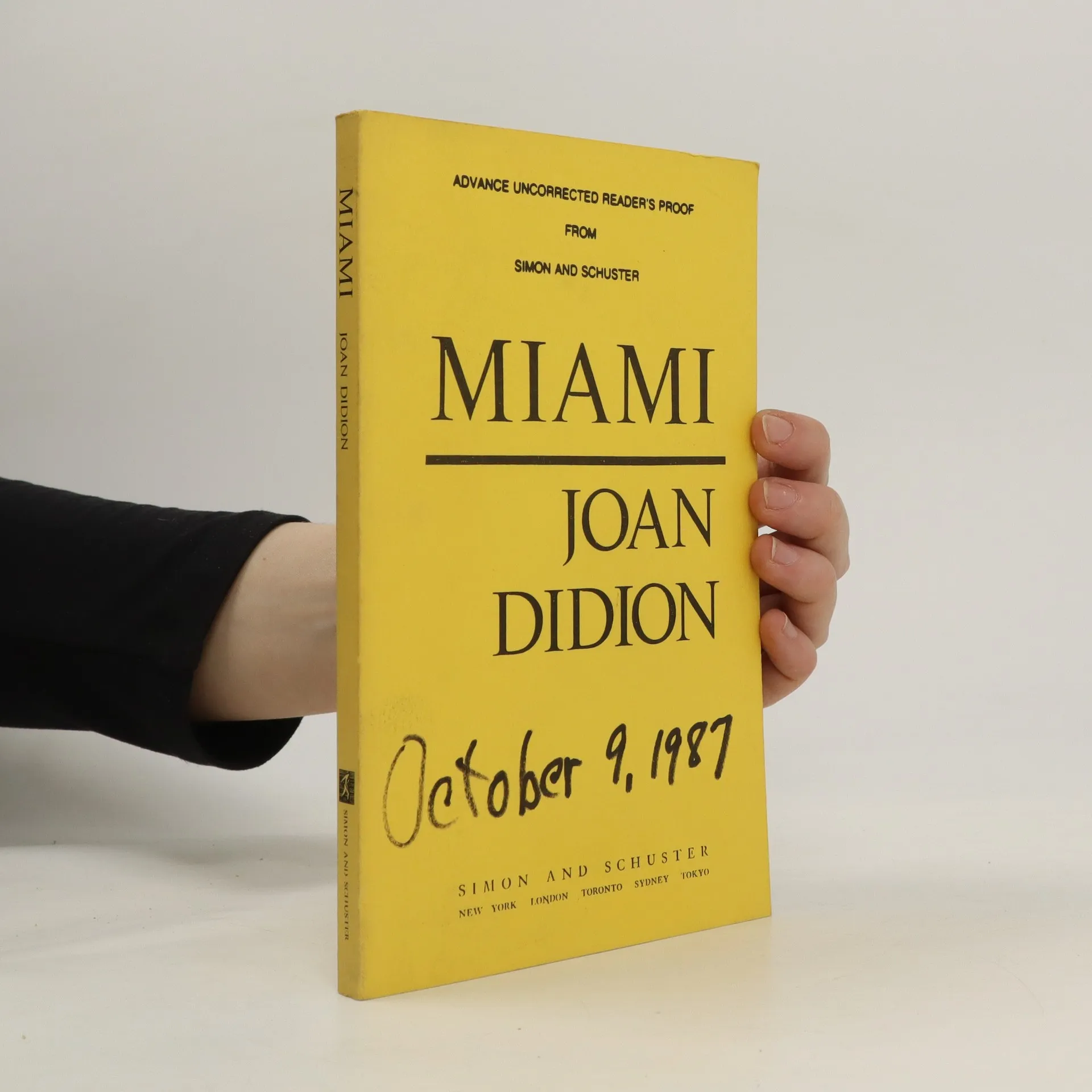
Miami
- 238 pages
- 9 hours of reading
Reportage resists easy definition and comes in many forms - travel essay, narrative history, autobiography - but at its finest it reveals hidden truths about people and events that have shaped the world we know. This new series, hailed as 'a wonderful idea' by Don DeLillo, both restores to print and introduces for the first time some of the greatest works of the genre. A surprising portrait of the pastel city, a masterly study of Cuban immigration and exile, and a sly account of vile moments in the Cold War. Miami may be the sunniest place in America but this is Didion's darkest book, in which she explores American efforts to overthrow the Castro regime, Miami's civic corruption, and racist treatment of its large black community.
Let Me Tell You What I Mean
- 192 pages
- 7 hours of reading
Twelve early pieces never before collected that offer an illuminating glimpse into the mind and process of Joan Didion.
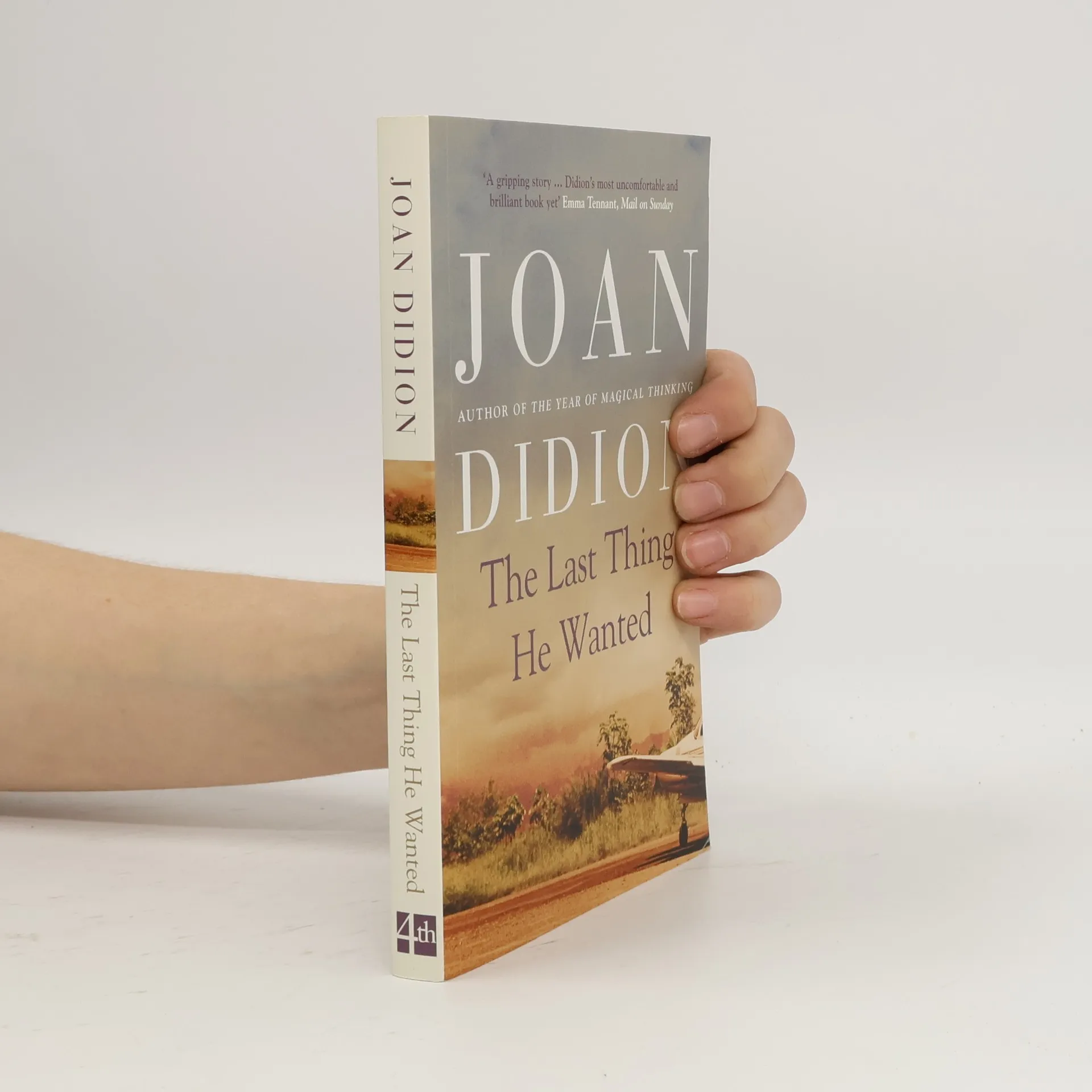
The Last Thing He Wanted
- 238 pages
- 9 hours of reading
It is 1984. Elena McMahon, estranged from her powerful husband in California and reporting from the presidential election campaign, makes her way to Florida to see her evasive, gruff father, who does deals. Through him, she finds herself in a situation in Central America, where things were hotting up again, knowing neither what to expect, what to demand, nor what to call achievement.
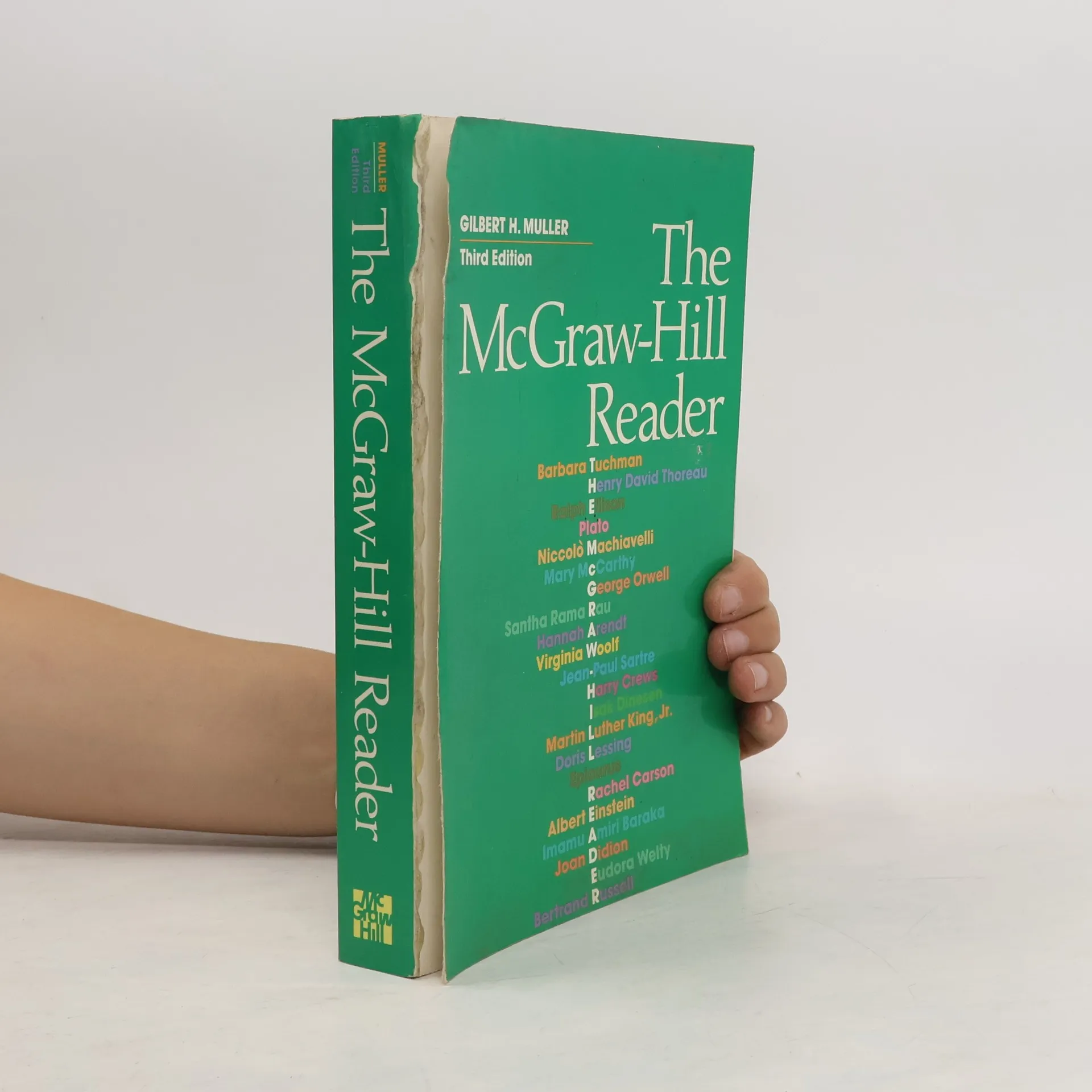
The McGraw-Hill Reader: Third Edition
- 725 pages
- 26 hours of reading
Approaching a liberal arts tradition in the classroom, across the curriculum, and beyond, The McGraw-Hill Reader offers rich and diverse readings in education, the social sciences, business and economics, the humanities, and the sciences. This new eleventh edition offers a new focus on reading and composing across various media; it includes over 100 selections from prominent thinkers and writers; each essay was chosen to provoke critical thought and encourage effective writing.
The collection showcases Joan Didion's profound exploration of grief, identity, and American culture through her final four nonfiction works. In "The Year of Magical Thinking," she confronts personal loss, while "Blue Nights" reflects on her daughter's passing. "South and West" offers insights into two distinct American regions, and "Let Me Tell You What I Mean" compiles her notable essays. Didion's writing serves as a lens to understand her thoughts and the world, demonstrating her exceptional talent as a prose stylist and social commentator.
Kultová, kánonická, kľúčová prvá kniha esejí Joan Didion Vlečie sa do Betlehema zachytáva USA šesťdesiatych rokov v okamihu, keď sa starý poriadok rozpadá a nový sa ešte len bolestivo rodí. Prvýkrát vyšla v zlomovom roku 1968 a kritika ju označila za jedno z najlepších diel v krajine. Didion píše o San Franciscu, Johnovi Waynovi, Howardovi Hughesovi či o nevinnosti, ktorá sa mení na nepokoj, jazykom zároveň chladným aj hypnotickým. Jej texty nie sú len svedectvom jednej osoby, ale aj presným portrétom krajiny a spoločnosti v stave zneistenia. Vlečie sa do Betlehema je zásadná kniha modernej americkej literatúry a dôkaz, že esej môže byť rovnako prenikavá ako román. „Celé leto fúkal horúci vietor. Fúkal s takou silou a vytrvalosťou, až sa zdalo, že do augusta nafúka všetok prach z Kansasu do Colorada..."
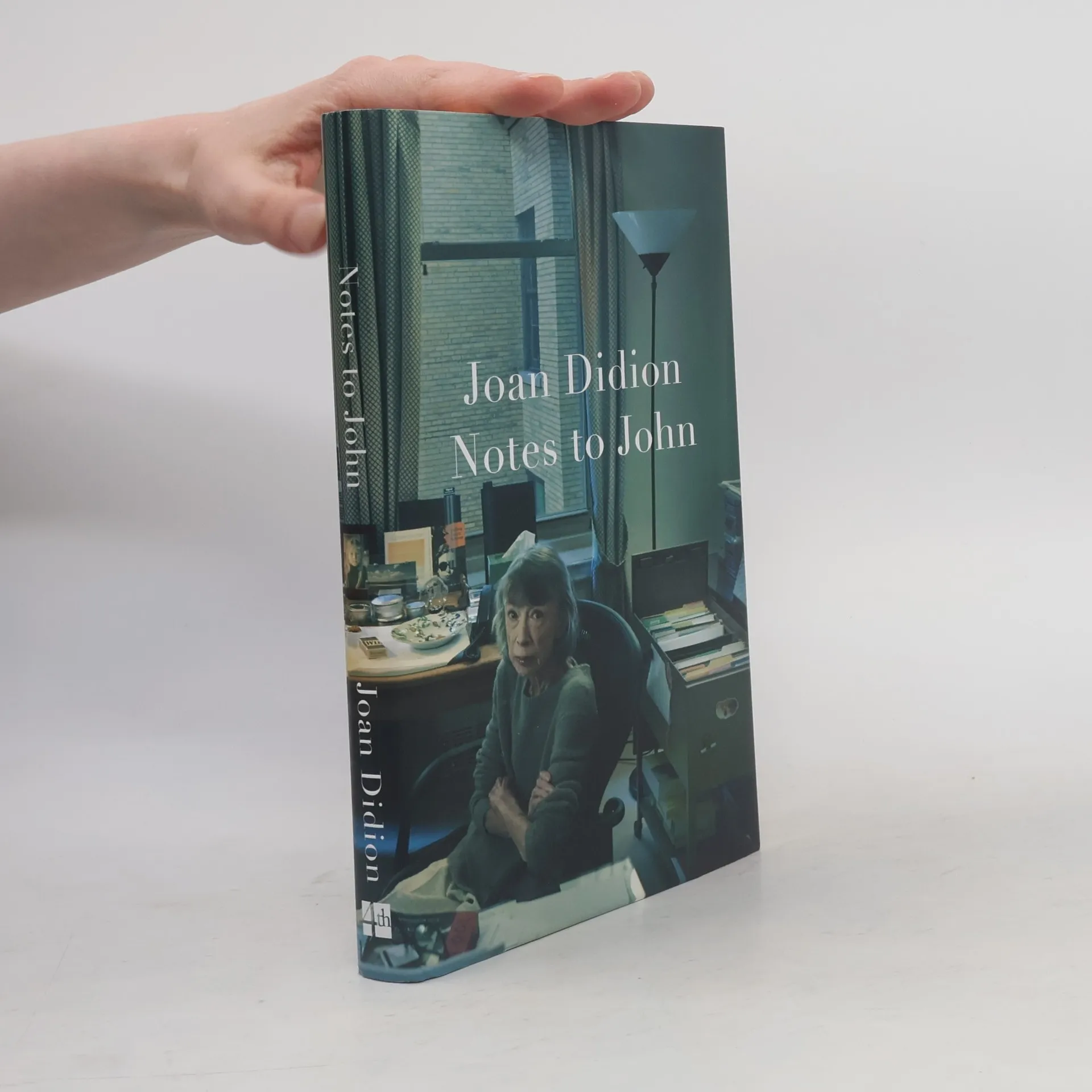
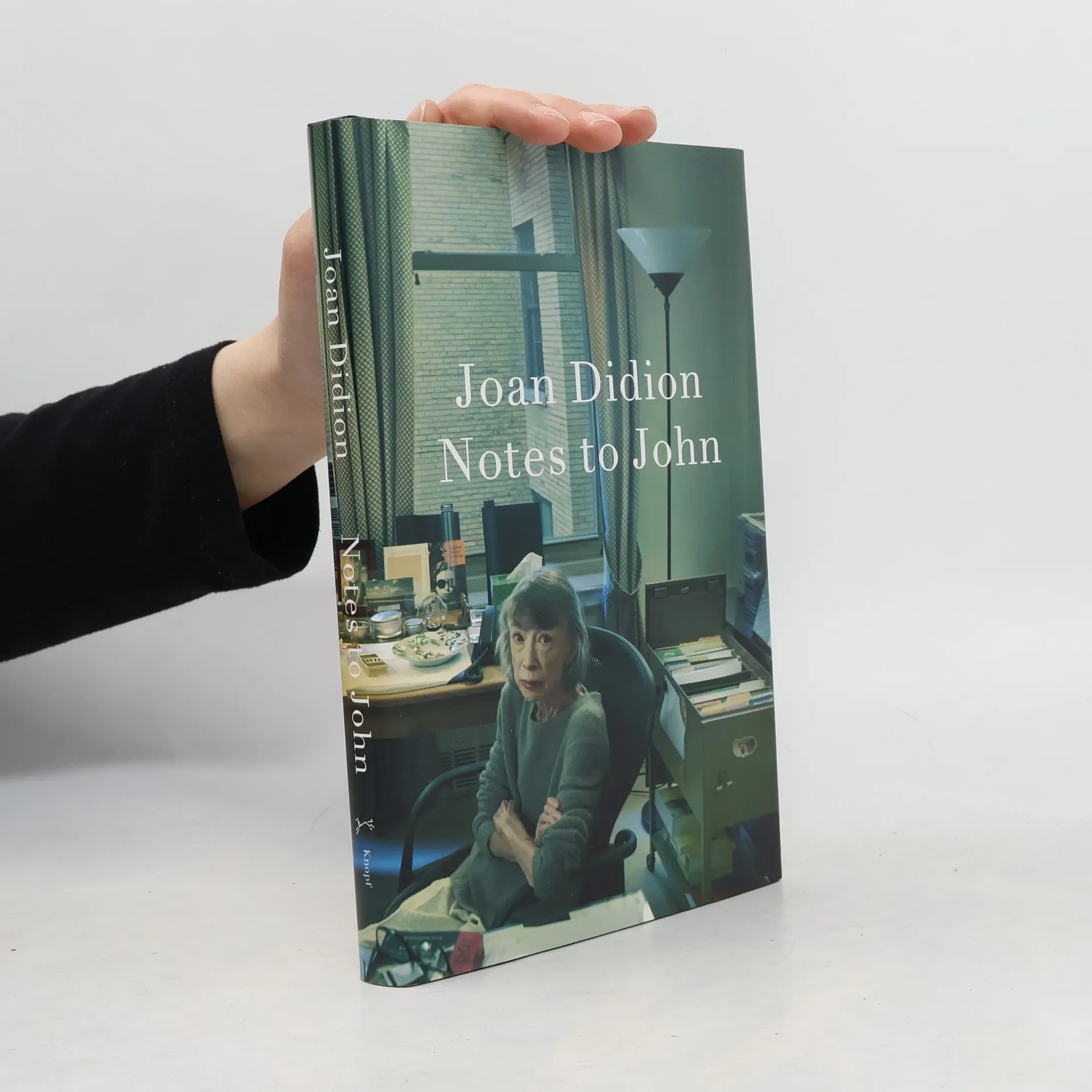
Notes to John
The New York Times Bestselling Newly Discovered Journal from the Author of The Year of Magical Thinking
- 224 pages
- 8 hours of reading
Notes to John
- 225 pages
- 8 hours of reading
An extraordinary work from the author of The Year of Magical Thinking and Blue Nights In November 1999, Joan Didion began seeing a psychiatrist because, as she wrote to a friend, her family had had “a rough few years.” She described the sessions in a journal she created for her husband, John Gregory Dunne. For several months, Didion recorded conversations with the psychiatrist in meticulous detail. The initial sessions focused on alcoholism, adoption, depression, anxiety, guilt, and the heartbreaking complexities of her relationship with her daughter, Quintana. The subjects evolved to include her work, which she was finding difficult to maintain for sustained periods. There were discussions about her own childhood—misunderstandings and lack of communication with her mother and father, her early tendency to anticipate catastrophe—and the question of legacy, or, as she put it, “what it’s been worth.” The analysis would continue for more than a decade. Didion’s journal was crafted with the singular intelligence, precision, and elegance that characterize all of her writing. It is an unprecedently intimate account that reveals sides of her that were unknown, but the voice is unmistakably hers—questioning, courageous, and clear in the face of a wrenchingly painful journey.
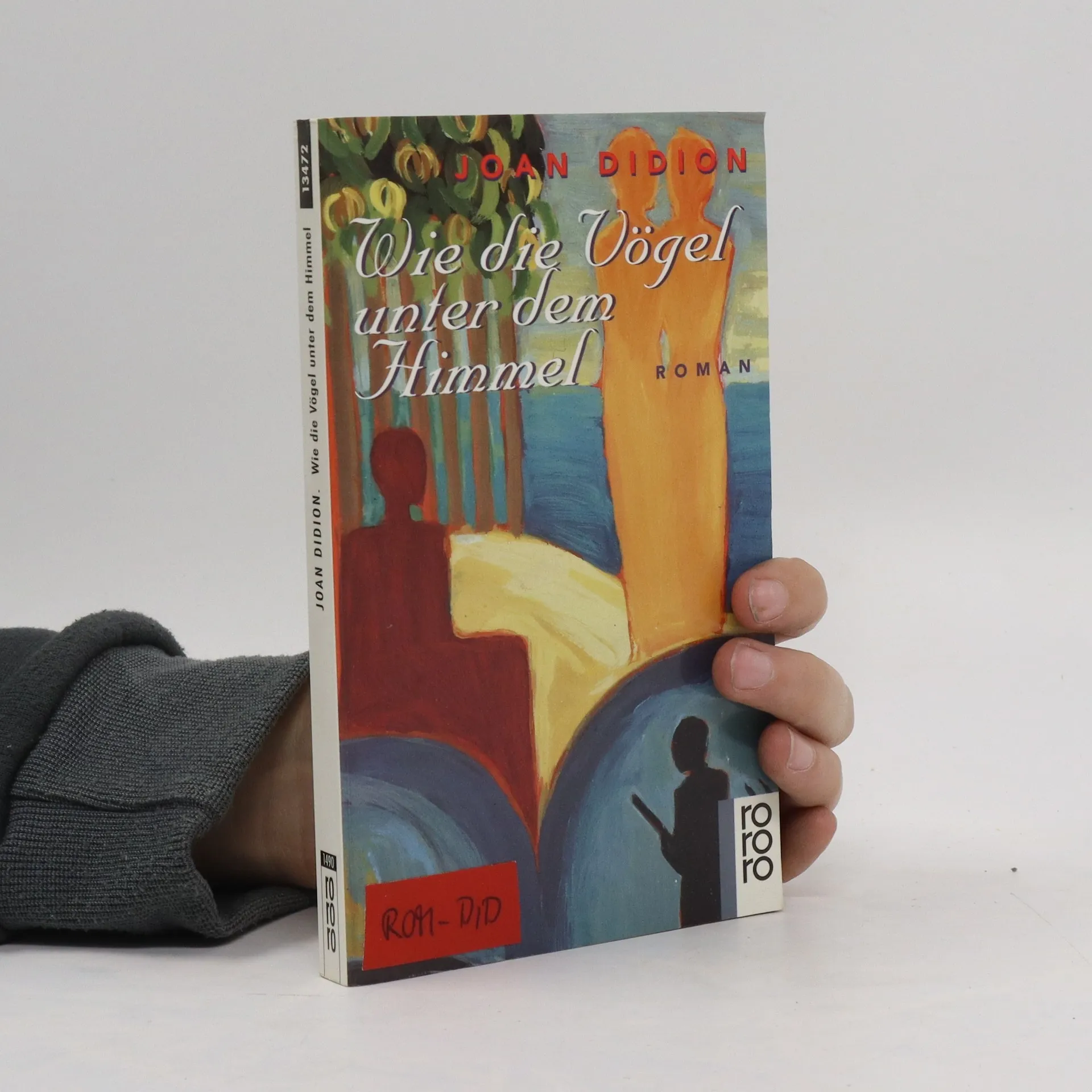
Wie die Vögel unter dem Himmel
- 269 pages
- 10 hours of reading
Gibt es Unschuld in einer Welt voller Gewalt? Die Amerikanerin Charlotte Douglas hat zwei gescheiterte Ehen hinter sich, ihre Tochter ist mit einer Guerillatruppe in den Untergrund gegangen. Dennoch ist Charlottes Vertrauen in die gutbürgerliche Welt durch nichts zu erschüttern. In der vagen Hoffnung, wieder mit ihrer Tochter vereint zu werden, reist sie in eine scheiternde mittelamerikanische Republik. Zwischen Dinnerpartys, Wohltätigkeitsarbeit und gedankenlosen Affären übersieht sie geflissentlich, was sich vor ihren Augen abspielt und droht, sie mit in den Abgrund zu reißen: Eine Spirale der sinnlosen Gewalt. Ein bedeutender und zeitloser Roman über die schicksalhafte Verknüpfung von Politischem und Privatem.
Das weiße Album
Der Klassiker des 20. Jahrhunderts, der die Literaturlandschaft bis heute prägt
»Diese Sammlung kritischer Reportagen über die späten Sechzigerjahre in ihrem Heimatstaat Kalifornien, machte Didion zum Star des New Journalism.« Süddeutsche Zeitung Das weiße Album ist ein essenzielles Werk und ein Klassiker der amerikanischen Autobiografie. In ihren Essays untersucht Joan Didion mit der ihr eigenen Klarsicht Akteure, Schlüsselereignisse, Bewegungen und Trends der Sechzigerjahre – darunter Charles Manson, die Black Panther und Shopping Malls. Aus einer intellektuellen Verstörung heraus schreibt sie über den American Dream, einen Traum, der auch im Scheitern nichts von seiner Faszinationskraft eingebüßt hat.
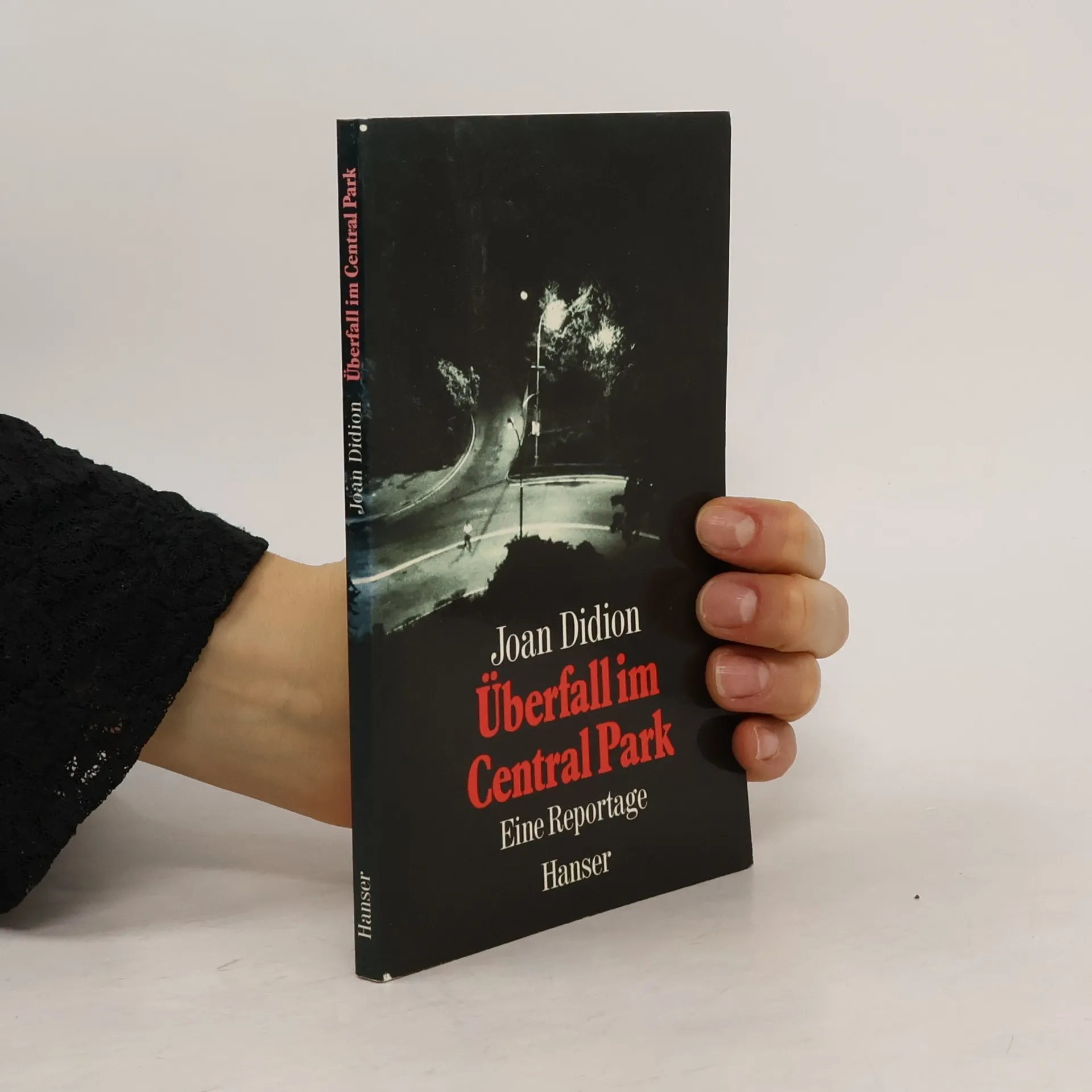
Überfall im Central Park
- 81 pages
- 3 hours of reading
Monatelang wird New York von einem Prozeß in Atem gehalten, in dem die Stadt auf der Anklagebank sitzt: Vor dem Richter stehen sechs farbige Jugendliche, die im April 1989 eine junge Frau im Central Park vergewaltigt und beinahe totgeschlagen hatten. Doch es ging um mehr als um das Verbrechen an einer einzelnen Frau. Die attraktive, vielversprechende Jungmanagerin wurde zur Stellvertreterin der New Yorker erhöht, die gegen das Böse verteidigt werden mußte. Sie und die jugendlichen Angeklagten wurden zum Symbol dessen, was New York zu einer unregierbar gewordenen Stadt gemacht hat: Gewalt, Korruption, Rassenspannungen. Eindringlicher und spannender als in der Reportage von Joan Didion kann nicht geschildert werden, was sich ereignet, wenn ein Verbrechen eine politische und soziale Explosion bewirkt.
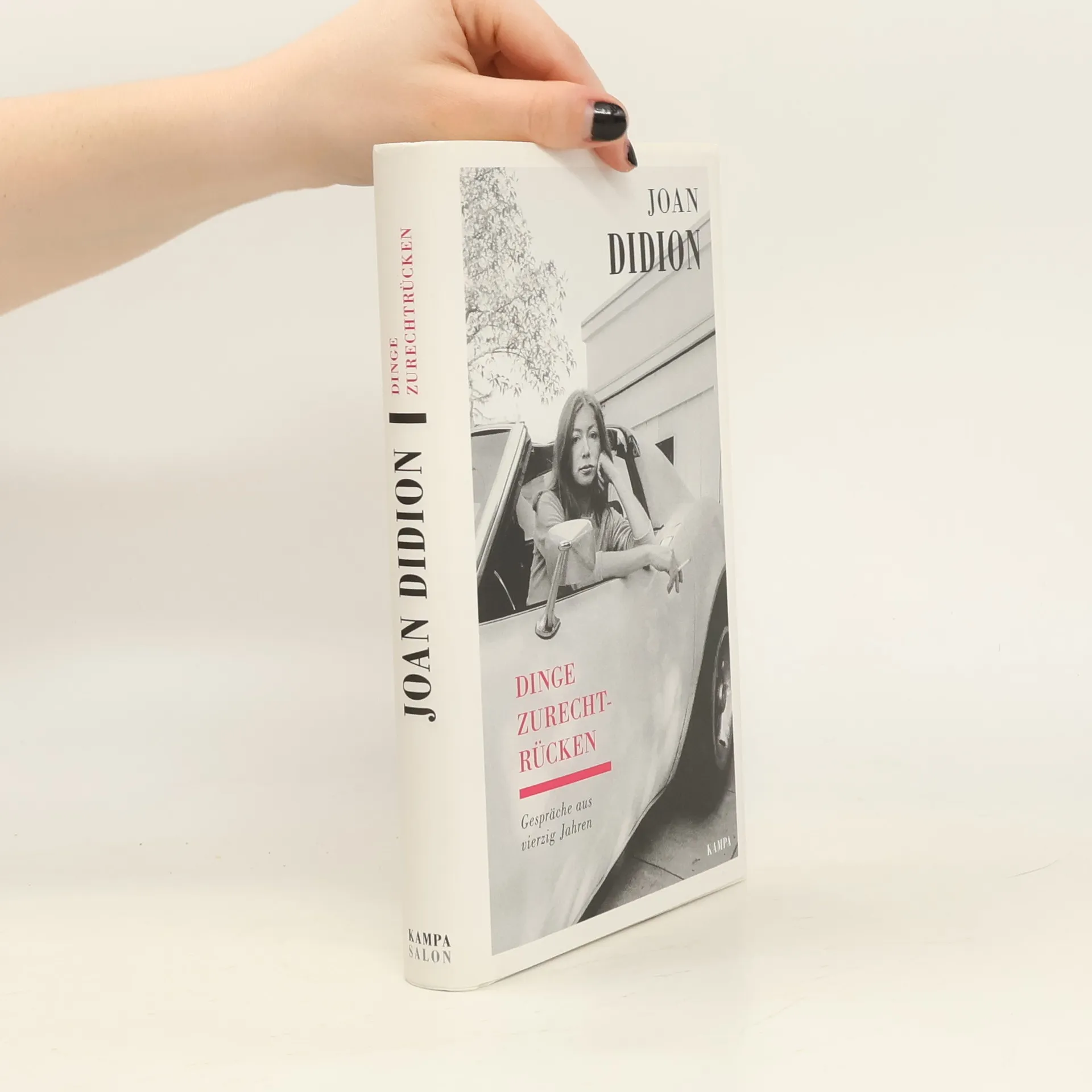
Dieser Band versammelt die besten Gespräche der »Schriftstellerin und Ikone« (The New Yorker) aus vier Jahrzehnten. Joan Didion erzählt von ihrer Kindheit in Sacramento, ihrer Studienzeit in Berkeley, den Jahren in New York und Los Angeles. Sie denkt nach über ihre Ehe mit dem Schriftsteller John Gregory Dunne, seinen unerwarteten Tod und den ihrer Tochter Quintana, nur zwei Jahre später – Schicksalsschläge, die sie in ihren Erinnerungsbüchern Das Jahr magischen Denkens und Blaue Stunden verarbeitete, die schon jetzt als Meilensteine des Genres gelten. Aber natürlich geht es in diesen Gesprächen auch um Literatur, um das Schreiben von Romanen, das dem nicht-fiktionaler Texte so gar nicht gleicht, um das Schreiben als Akt der Notwehr, um Politik und Engagement, Sonnenuntergänge an der kalifornischen Küste, lange Spaziergänge durch New York und vieles mehr. Ein reiches Leben ist hier zu besichtigen und das Werk einer Frau, deren Stil wegweisend war, so wie ihr Erscheinungsbild: Noch im Alter von über achtzig Jahren wirkte Didion in einer Anzeige der Modemarke Céline als Testimonial. »Didion still glitters«, schrieb die New York Times.
Menschen am Fluss. Roman | Das beeindruckende Debüt der Ikone wiederaufgelegt
- 336 pages
- 12 hours of reading
Joan Didions beeindruckendes Debüt erzählt von Everett McClelland, der den Liebhaber seiner Frau erschießt, um seine Ehe zu retten. Dies markiert den Höhepunkt einer jahrzehntelangen Rivalität zwischen mächtigen Farmerfamilien im Sacramento Valley und entfaltet eine archaische Familiengeschichte in der rauen Schönheit Kaliforniens.
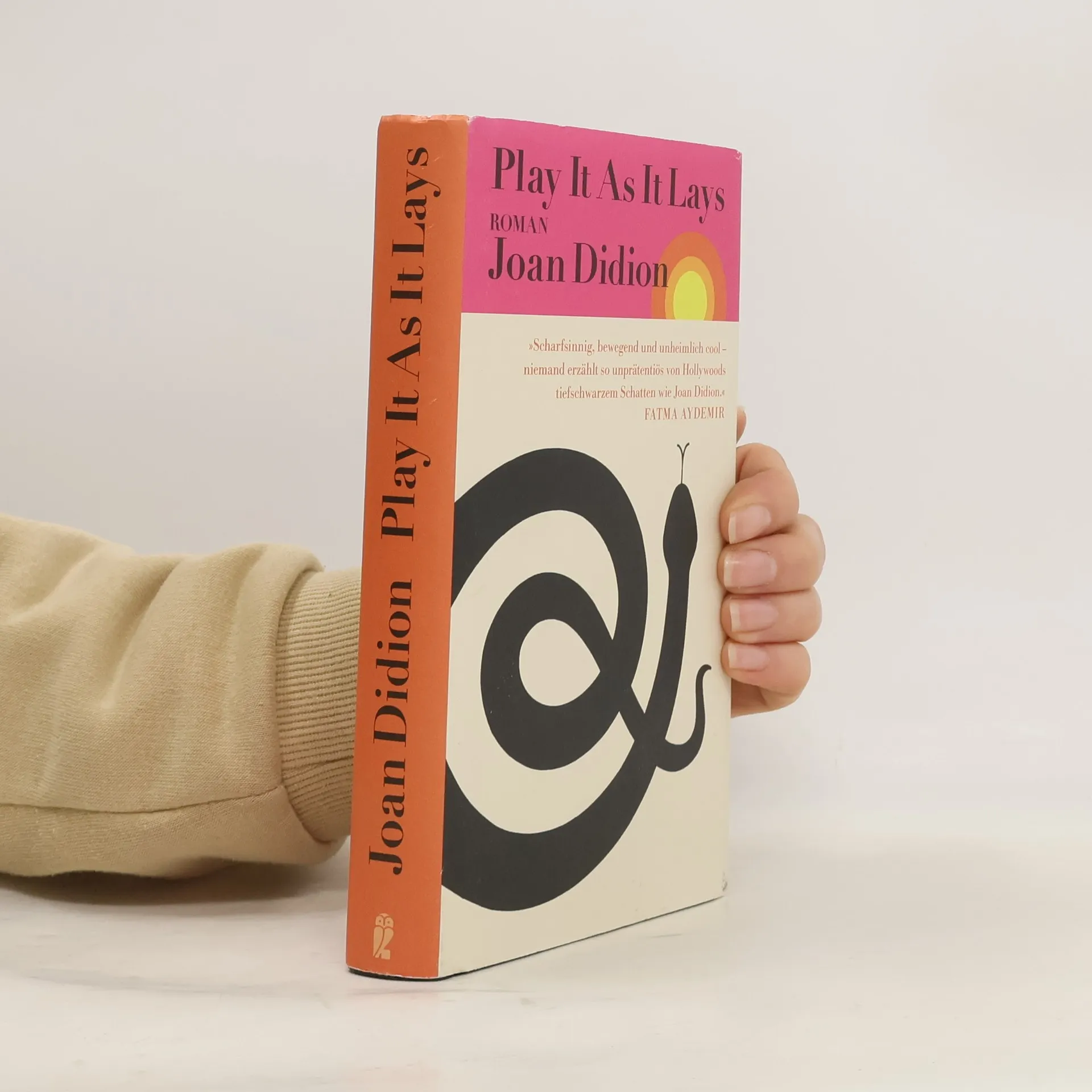
Play It As It Lays
Roman | Ein Klassiker der feministischen Literatur - »Scharfsinnig, bewegend und unheimlich cool.« Fatma Aydemir
- 240 pages
- 9 hours of reading
Ein flimmernder, schonungsloser und geradezu unheimlicher Roman über die Suche nach dem richtigen Leben im falschen Maria Wyeth ist eine Modellegende und ein Filmstar. Doch im Los Angeles der Sechzigerjahre verliert sie die Kontrolle über ihr eigenes Leben. Ihre geistig beeinträchtigte Tochter wird ihr weggenommen. Ihre zerrüttete Ehe ist nicht mehr zu retten, und ihre katastrophalen Liebesaffären und vermeintlichen Freundschaften bieten wenig Trost. Jeden Morgen um halb 10 Uhr steigt sie in ihr Auto und donnert über den Highway – auf der Überholspur und mit laut aufgedrehtem Radio, bis sich „irgendwo im Nirgendwo, wo der makellos brennende Beton einfach aufhört“ das Gefühl der Leere verflüchtigt. »Scharfsinnig, bewegend und unheimlich cool - niemand erzählt so unprätentiös von Hollywoods tiefschwarzem Schatten wie Joan Didion.« Fatma Aydemir
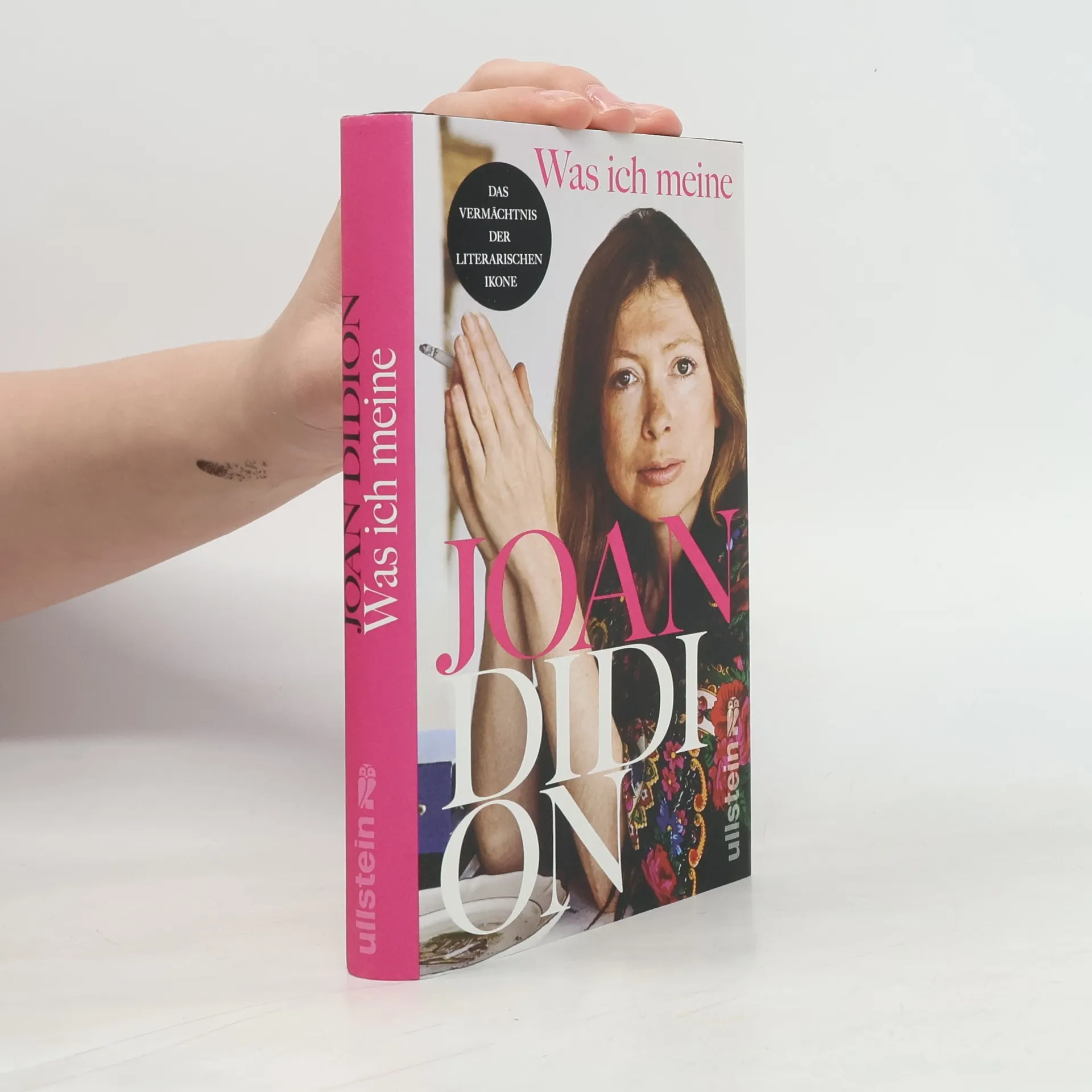
Was ich meine
»Ein einzigartiges Werk, das einen immer wieder regelrecht sprachlos zurücklässt.« Daniel Schreiber
»Ein weiterer Gewinn einer unverzichtbaren Autorin.« Kirkus Review Zwölf zentrale und zeitlose Essays aus dem frühen Werk der Schriftstellerin zeigen Joan Didion als brillante Zeitzeugin. Von ihrer Bewunderung für Hemingways Sprache bis hin zur Ergründung ihrer eigenen Selbstzweifel, als junge Frau nicht in Stanford angenommen worden zu sein, ist jeder Text ein intellektuelles Vergnügen. Von der Autorin selbst ausgewählt lernen wir in ihnen ihr Amerika kennen und die junge Frau, die auf dem Weg ist, eine Ikone der amerikanischen Literatur zu werden. Ihre Essays sind prägnant, elegant und verblüffend vorausschauend. »Je kürzer ihre Essays sind, umso bemerkenswerter erscheinen sie mir: Ein Satz von Didion ist immer ein Wunderwerk magischen Denkens.« The Guardian
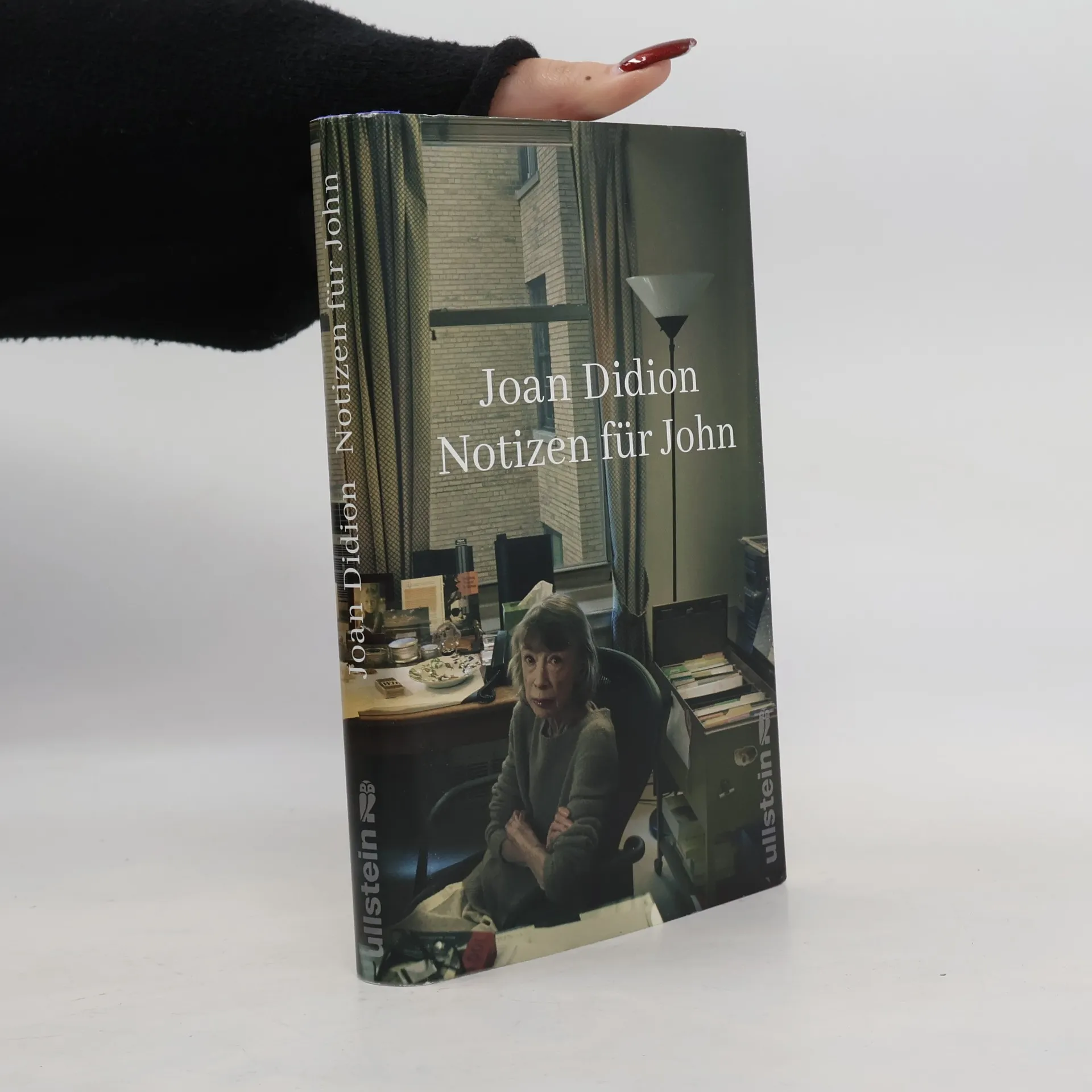
Zeilen für John
Ein außergewöhnliches Werk der literarischen Ikone und Autorin von "Das Jahr magischen Denkens"
- 180 pages
- 7 hours of reading
Ein außergewöhnliches Werk der Autorin von Das Jahr magischen Denkens und Blaue Stunden Im November 1999 begann Joan Didion, einen Psychiater aufzusuchen, weil ihre Familie, wie sie einem Freund schrieb, „ein paar harte Jahre“ hinter sich hatte. Die wöchentlichen Sitzungen notierte sie in einem Tagebuch, das sie für ihren Ehemann John Gregory Dunne anlegte. Ihre Gedanken und Gespräche kreisen um das herzzereißend komplexe Verhältnis zu ihrer Tochter Quintana, um die Alkoholsucht ihrer Tochter, um die Prägungen durch ihre Kernfamilie, ihr literarisches Schaffen und nicht weniger als die Frage nach ihrem Vermächtnis, oder, wie Didion sagte, "was es wert gewesen ist." In Zeilen für John erforscht Joan Didion mit der für ihr Werk typischen Aufrichtigkeit, Präzision und Klarheit ihr Vermächtnis. Sie hinterlässt eine unvergleichlich intime und ehrliche Betrachtung der Elternschaft.
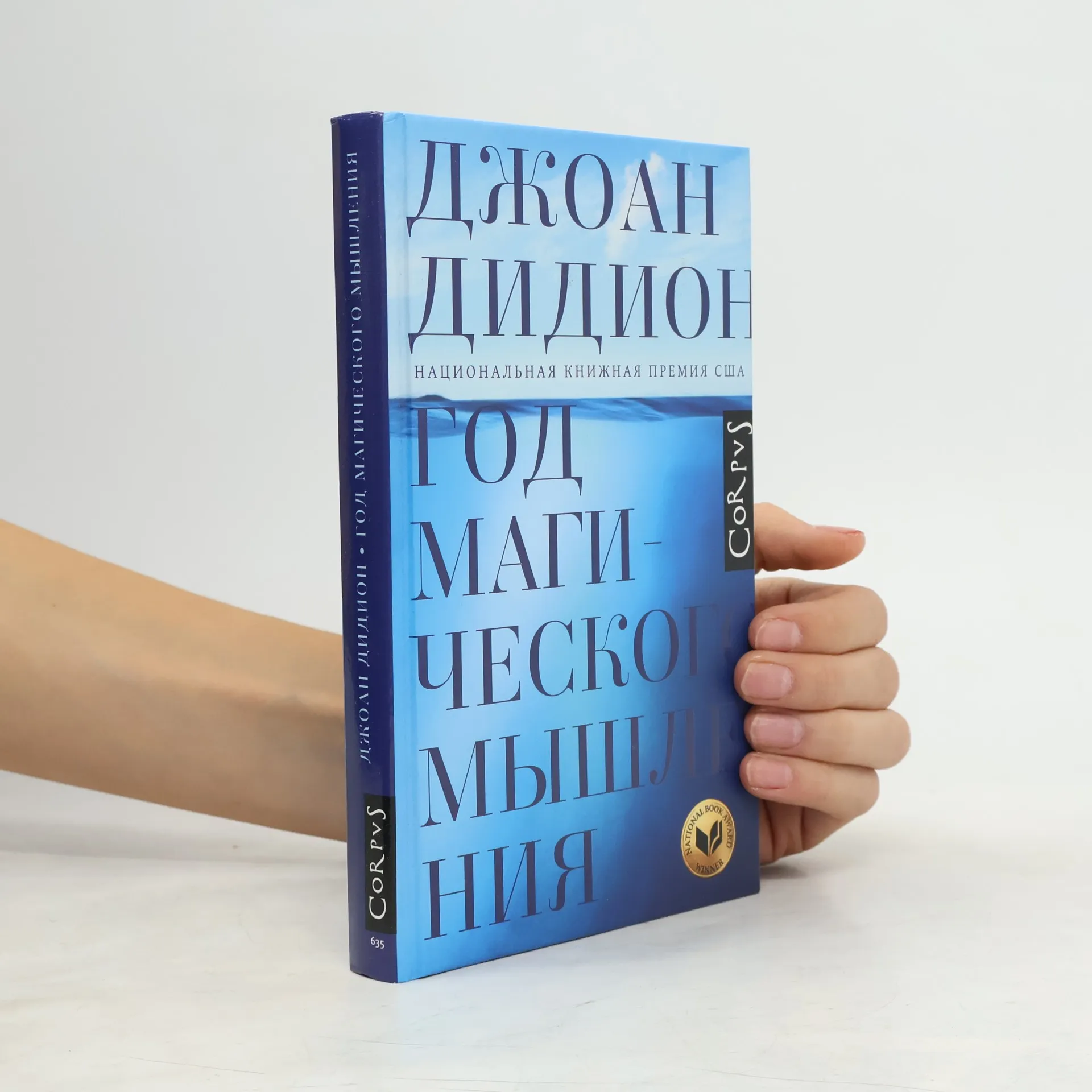
Год магического мышления
- 224 pages
- 8 hours of reading
"Известная писательница Джоан Дидион прожила со своим мужем, писателем Джоном Грегори Данном более сорока лет. В радости и согласии. И вот в одно совершенно обычное утро, накануне нового 2004 года они сели ужинать в просторной гостиной их уютной нью-йоркской квартиры. И в это мгновение мир изменился навсегда. Обширный инфаркт, скорая помощь, больница и не оставляющий никаких шансов вердикт врача. Всё. Так начался самый сложный год в жизни Джоан: год, когда она будет пытаться осмыслить и принять случившееся, вглядываться в прошлое в поисках предвещающих трагедию знамений и все глубже и глубже погружаться в пучину мистических переживаний, загадочных совпадений, магических знаков и измененного восприятия действительности." --
The White Album
- 240 pages
- 9 hours of reading