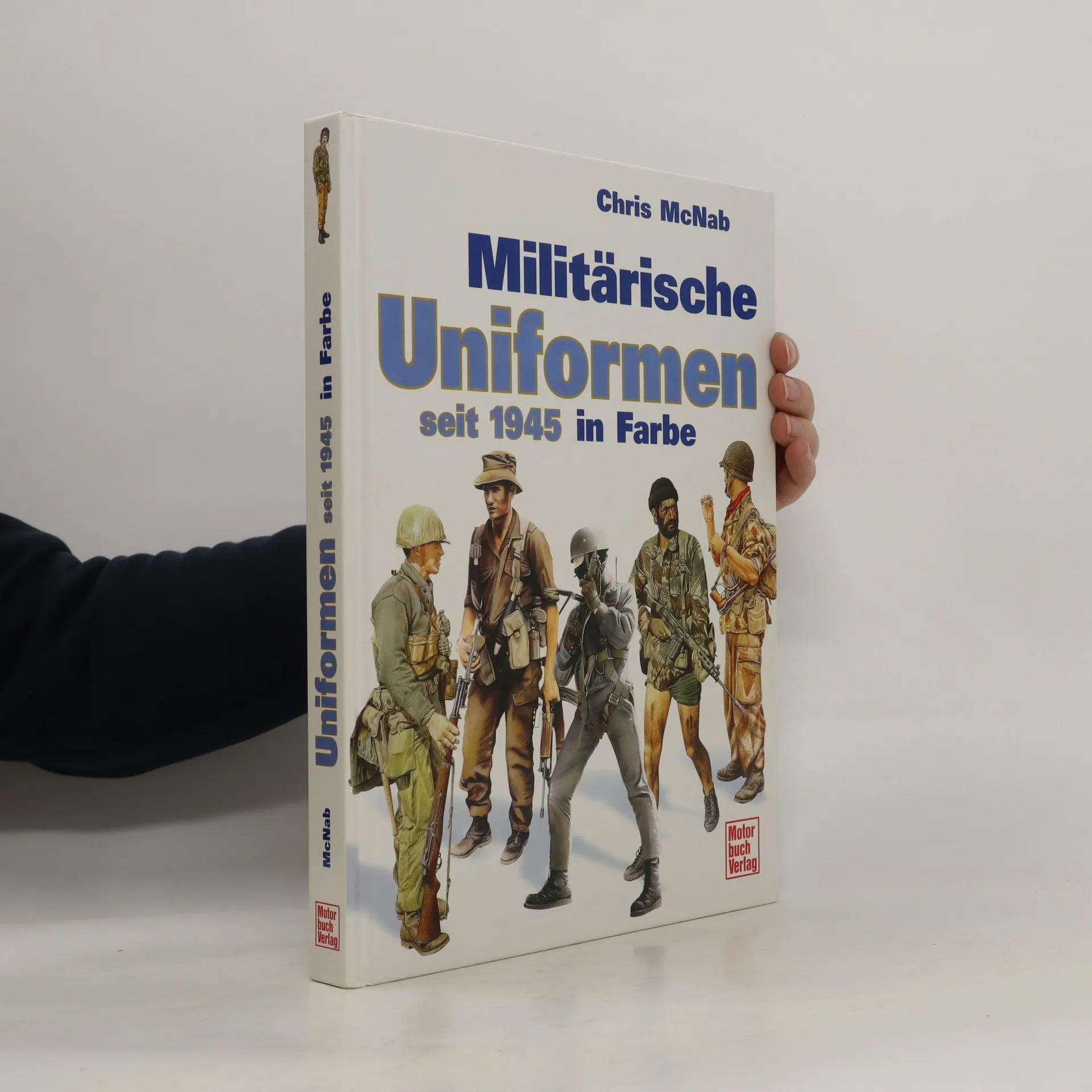
20th Century Military Uniforms
- 320 pages
- 12 hours of reading
Describes 300 uniforms from the last century of armed forces from around the world. Includes hundreds of full-color illustrations.


Dr Chris McNab is a historian specializing in military history, with a career spanning over two decades and more than a hundred books to his name.


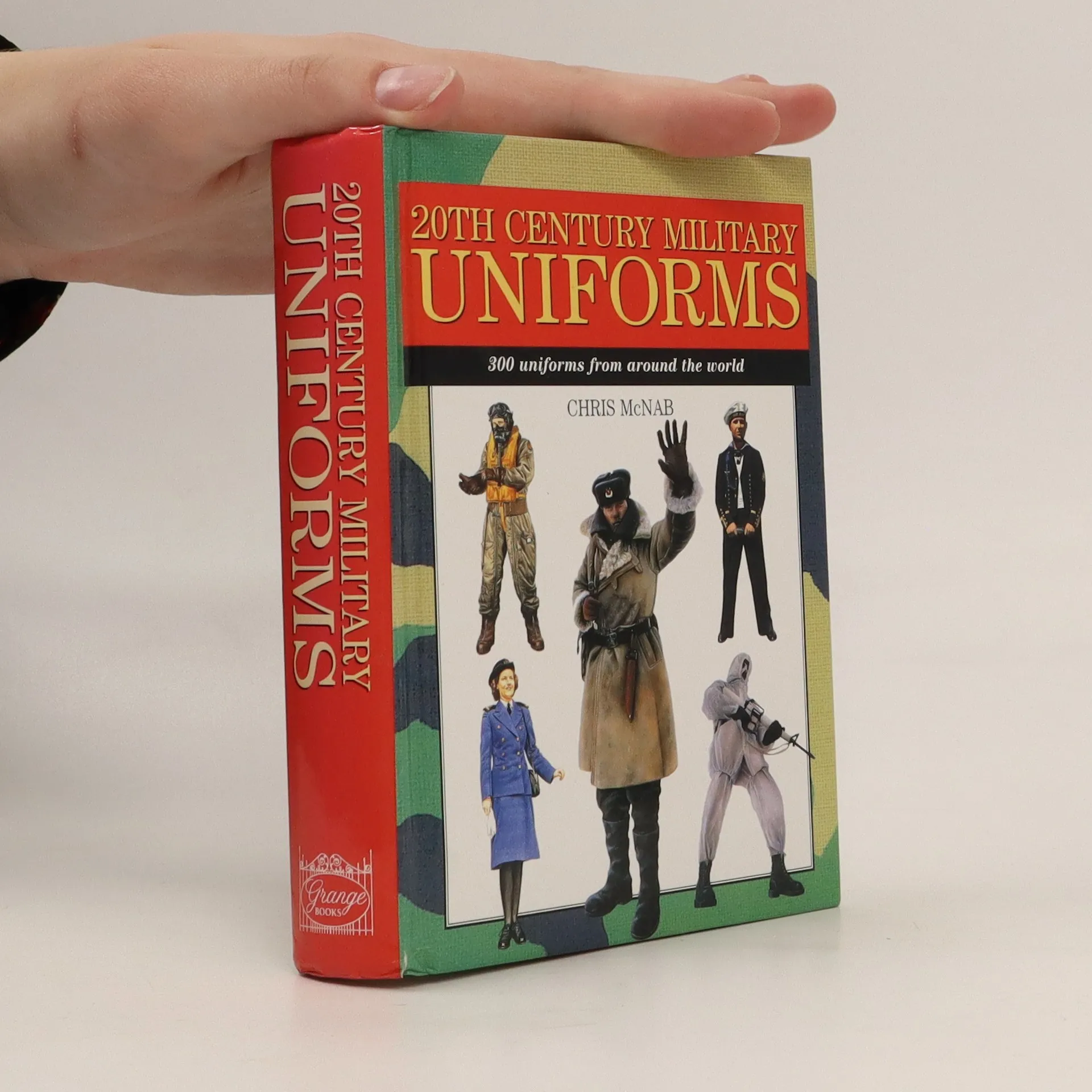
Describes 300 uniforms from the last century of armed forces from around the world. Includes hundreds of full-color illustrations.
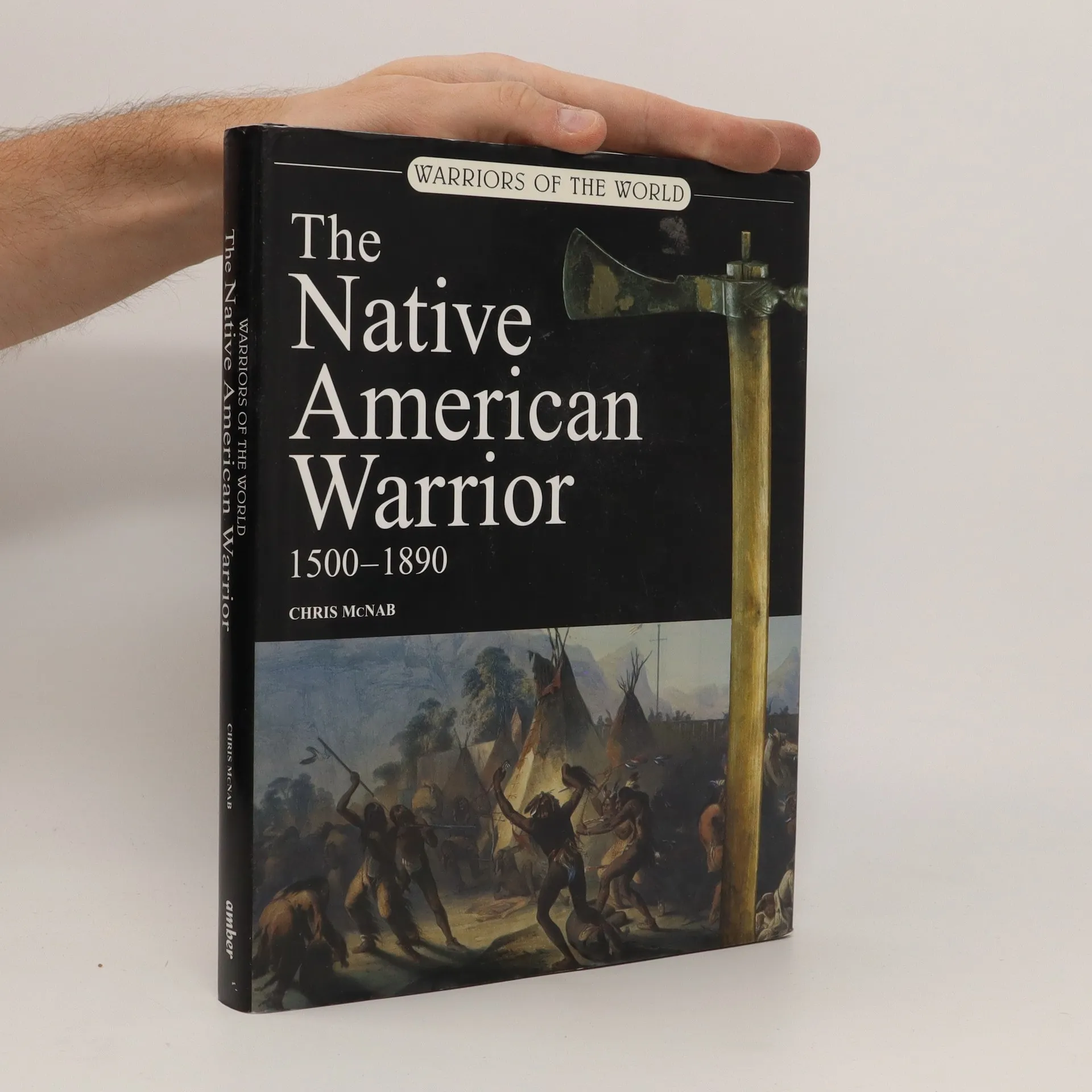
This work exaines the various tribes of Native Americans that fought both themselves and the various European colonizers across the North American continent, and how the equipment and training of the braves within each tribe developed over time.
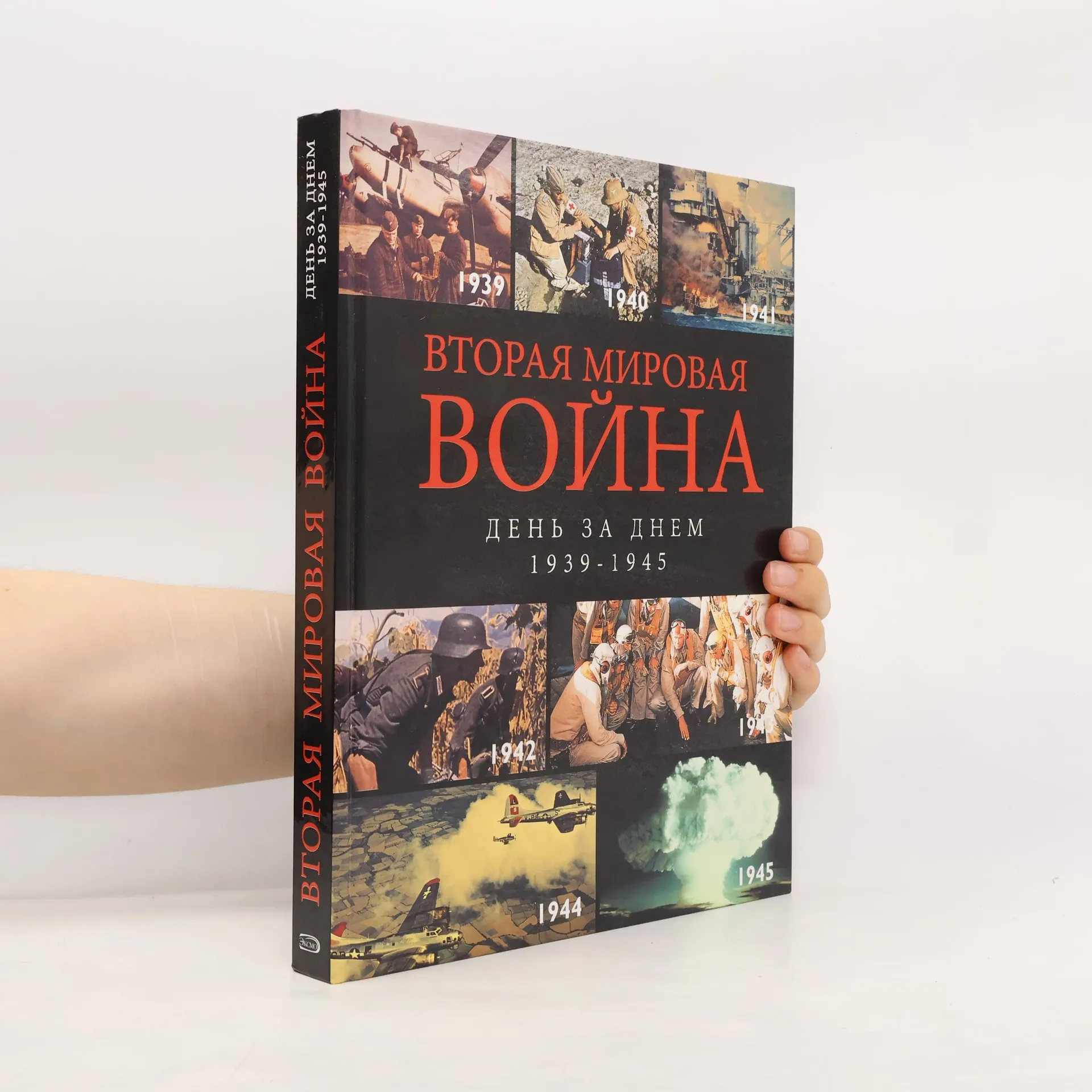
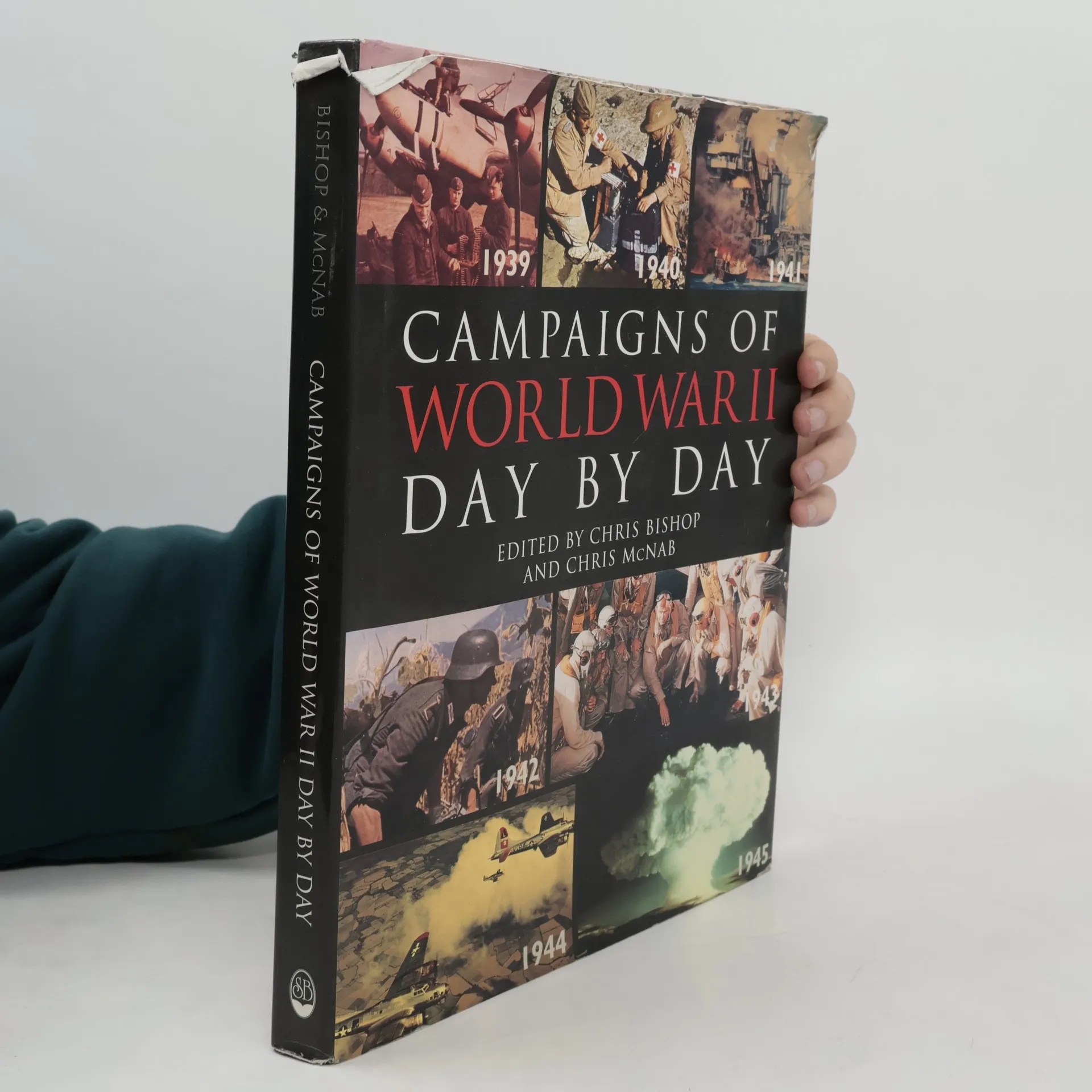
The invasion of Poland, the Fall of France, the Battle of Britain, the North Africa campaign, the siege of Stalingrad, Pearl Harbor, Midway, New Guinea, Guadalcanal, the Russian offensive at Kursk, Normandy, the Ardennes offensive, Leyte Gulf, Iwo Jima, and Okinawa. These and dozens more campaigns of World War II are chronicled with concise narrative and complemented with richly captioned photos and full-color maps. Every major battle between 1939 and the surrender of the Nazis and Japanese in 1945 is recounted in this exciting volume. Readers will find comprehensive coverage of both the Atlantic and Pacific theaters, exhaustive chronologies presenting detailed accounts of each campaign's progress, and superb illustrations, including 300 historic photos, detailed battle maps, and newspaper front pages. The full story of World War II is presented in two parts under the general headings: "The War in Europe" and "The War in the Pacific." A total of 57 military campaigns are recounted in a dramatic volume that deserves a place in the personal library of every military history buff and every student of twentieth-century history.
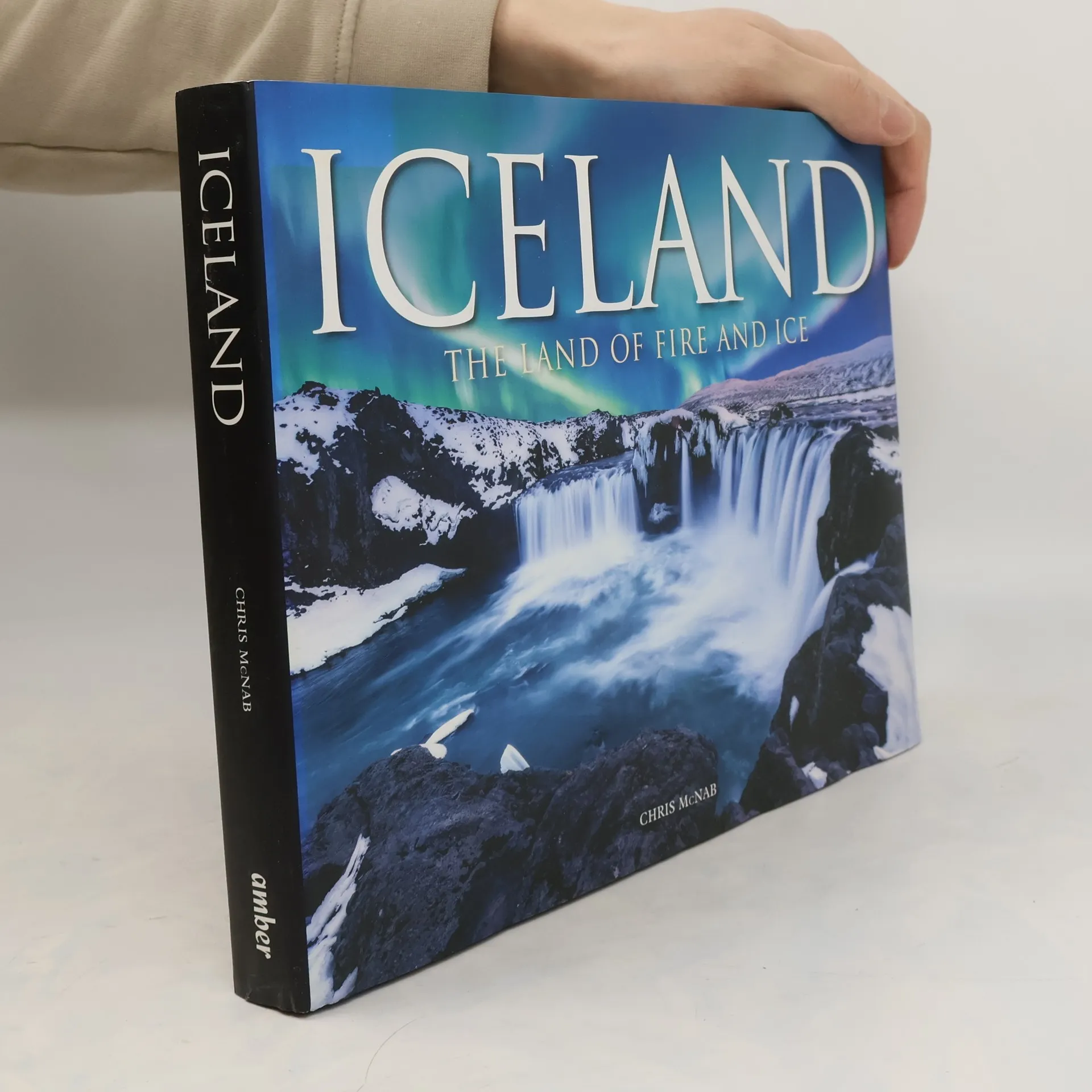
From volcanoes and lava flows to geysers and geothermal pools, from bird life to whale-watching, from national parks, verdant valleys to inland tundra, and from how waterfalls are used for hydro-electric power to Reykjavik's city life, Iceland is packed with 200 spectacular colour photographs.
The complete and illustrated history of Russia's armed forces from the Russian Revolution until the present day, covering both their involvement in pivotal historical events and in current controversial conflicts. From the chaos of the civil war to the political maneuvering of the Cold War, Russia's armed forces have shaped the future not only of Russia but of countless other countries around the globe. The Great Bear at War: The Russian and Soviet Army, 1917–Present explores the development and struggles of Soviet and Russian armed forces across the numerous conflicts which mark its history. It charts the great historical events that have defined the Red/Russian Army, especially World War II and the Cold War, but also the post-communist insurgencies and wars in which the Russian military has redeveloped its outlook and mission. The post-Soviet development of the Russian military into a modern force is explored in detail, including its controversial campaigns in Chechnya (1999–2009) and Georgia (2008). Sewn into the narrative are details about the equipment, uniforms, training, service conditions, and weaponry of the Soviet/Russian soldiers, bringing personal experience and technological context to the broader history. At a time when the world is closely focused upon Russian military behavior, The Great Bear at War is both timely and fascinating.
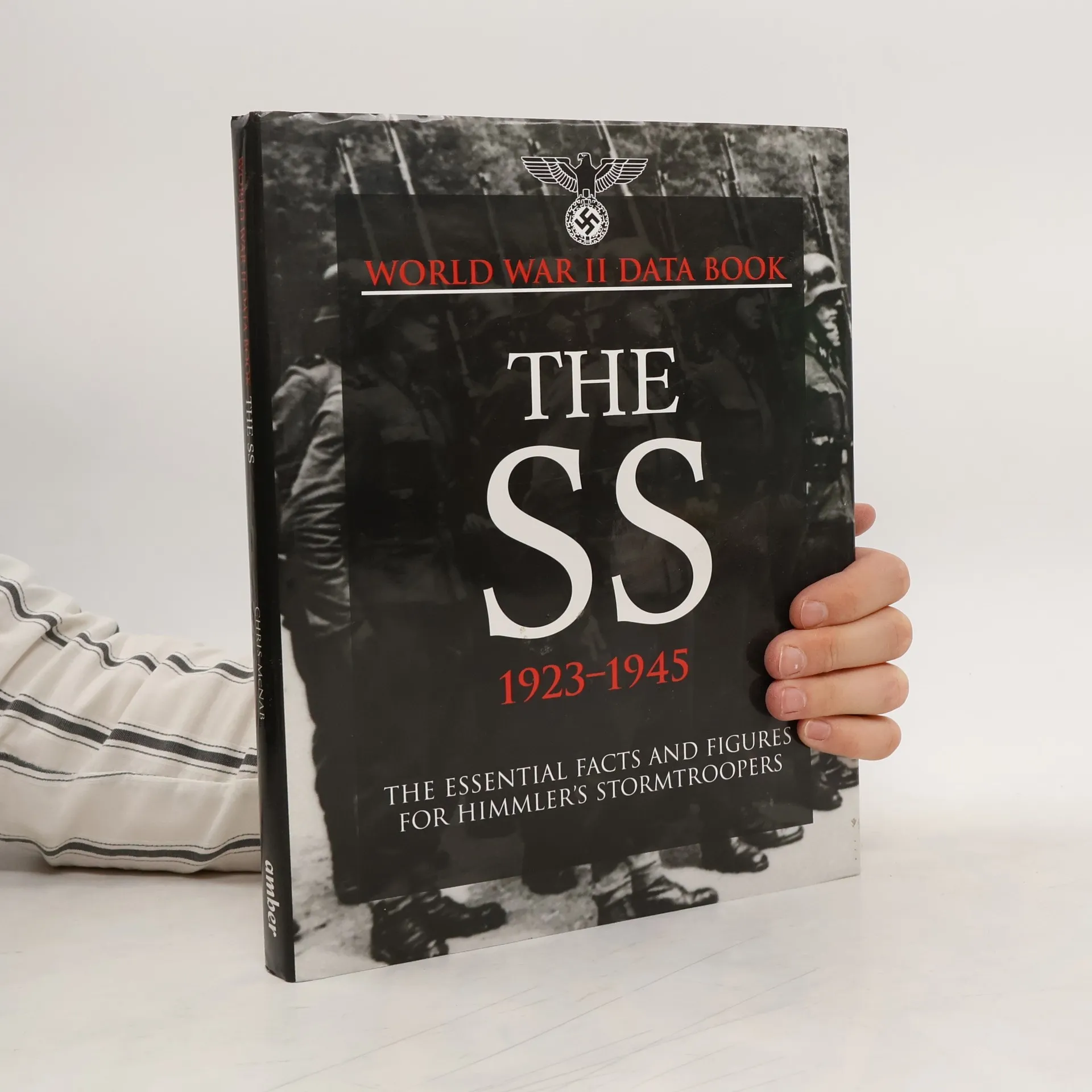
Broken down by key constituent parts, such as the police, concentration camps, security services, Waffen-SS, slave labour, Einsatzgruppen and so forth, The SS 1923-1945 includes exhaustive reference tables, diagrams, maps and charts, presenting all the core subject information in easy-to-follow formats.
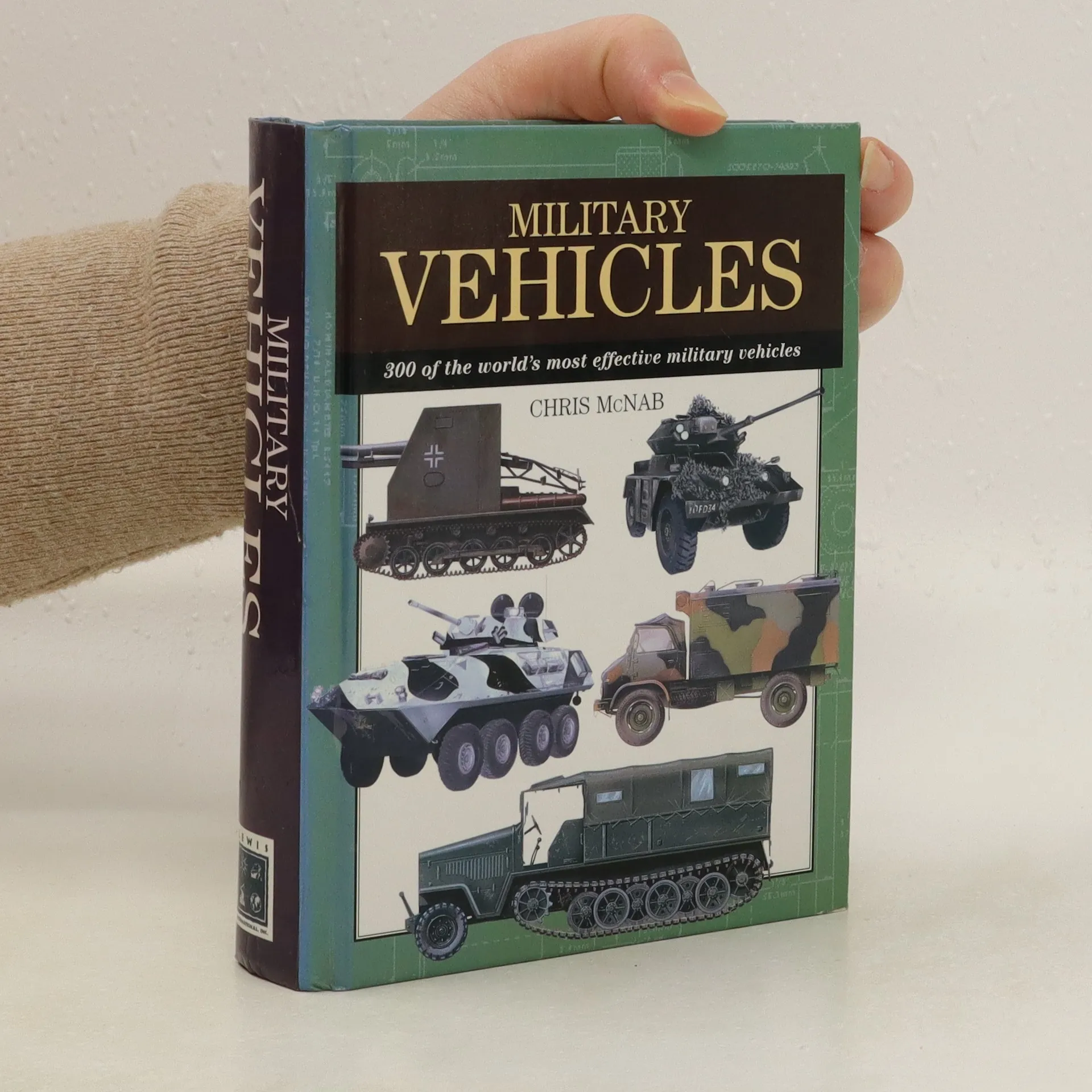
Military Vehicles is a comprehensive guide to the world of military mobility in the twentieth century and beyond. In 300 detailed entries, it explores the combat, transport and utility vehicles which have supported military units form WWI to present day. Categories inclued armored personnel carriers, armored cars, anti-aircraft vehicles, tank destroyers, trucks and transporters, amphibious vehicles, self propelled artillery and more. Military Vehicles covers the development of these powerful weapons of war, from early iron-colad monsters such as the German Bussing A5P and the Russian Garford-Putilow armored cars to advanced machines such as the Italian MICV Dardo and theh German LGS Fennek reconnasaince vehicle. Each Vehicle featured is illustrated by a full-color side-profile artwork. The service history and key features of the vehicle are explained, and a detailed specification table lists the country of origin, crew, weight, dimensions, armour, armament, powerplant and performance. Military Vehicles also features and introductory history of the development of military vehicles from 1900 to the present and a full glossary of technical terms and abbreviations.
Native American culture is founded on stories told orally and handed down through the generations, outlining myths that reveal the origin of a tribe, legends that chronicle heroes who fought the gods, stories that tell of malevolent trickster spirits, and canny morality tales for the ages. In Native American Myths & Legends you can read about characters such as Old Man, Rabbit Boy, Blue Jay (the trickster bird), the Double-Faced Ghost, the Splinter-Foot Girl and Mondawmin, the Corn Spirit. You will also discover the meaning of the Potlatch Feast, the legend of the Great Turtle and the myth of the Bear Foster-Son. The book is divided into seven chapters, covering creation myths; people, family and culture; the natural world; ghosts and spirits; gods, demons and heroes; love, morality and death; and warfare. Illustrated with 180 photographs and artworks, Native American Myths & Legends is an exciting and informative exploration of the beliefs and culture of North America’s first inhabitants.
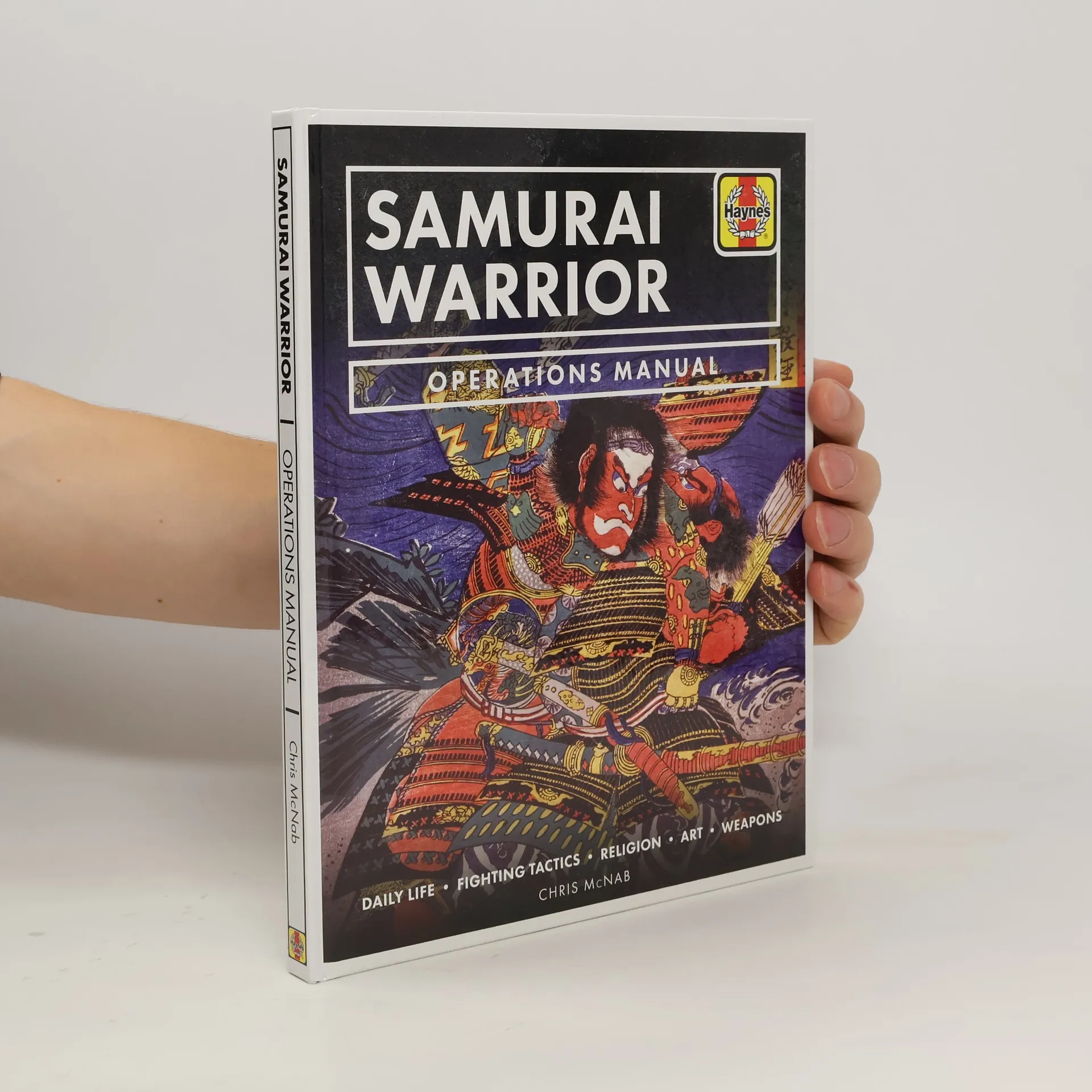
This book explains every aspect of the samurai life, from their role as imperial palace guards through to the peak of their power and influence. It includes detail on their military training and fighting techniques, their literacy and artistic sensibilities, attitudes to women, ritual suicide, and much more.
This lavishly illustrated full-color hardback delves into the dark yet compelling narrative of warfare, tracing its evolution from prehistoric tribal disputes to modern counter-insurgency and hybrid conflicts. Central to this exploration are two key elements: technology—encompassing weapons, vehicles, and systems—and tactics. The book outlines the development of military forces, detailing how primitive tribal war parties transformed into seasonal levies, feudal armies, professional standing forces, and mass conscription units with structured organization. The narrative interweaves the conflicts that have reshaped history, ranging from localized insurgencies to global wars, providing summaries and insights while highlighting the human drama of warfare. It offers first-hand perspectives on the experiences of combatants and civilians caught in turmoil. Additionally, it covers the evolution of naval warfare and the rise of aerial combat in the 20th century, culminating in the contemporary use of unmanned aerial vehicles (UAVs). Brilliantly illustrated with full-color artwork, maps, and photographs, this work is both authoritative and accessible, presenting a comprehensive overview of warfare and its impact on our world. The Sirius Visual Reference Library enhances this experience with beautifully illustrated guides on various scientific and historical topics, featuring maps, timelines, and photographs.
What is the key to Jeff Bezos's success? This biography takes a deep-dive into his career and the decisions he made to become the world's most successful business magnate.Entrepreneur and e-commerce pioneer Jeff Bezos is a success story of the business world. The executive chairman of Amazon and founder of Blue Origin, he became the first centibillionaire on the Forbes wealth index and one of the world's most recognisable names in modern history. This book explores his empire of achievement and how his vision and hands-on efforts have led him from a start-up in his garage to his legacy today.Featuring photographs which chronicle his rise to success, this book is fascinating read for aspiring entrepreneurs or anyone looking to build a successful business.
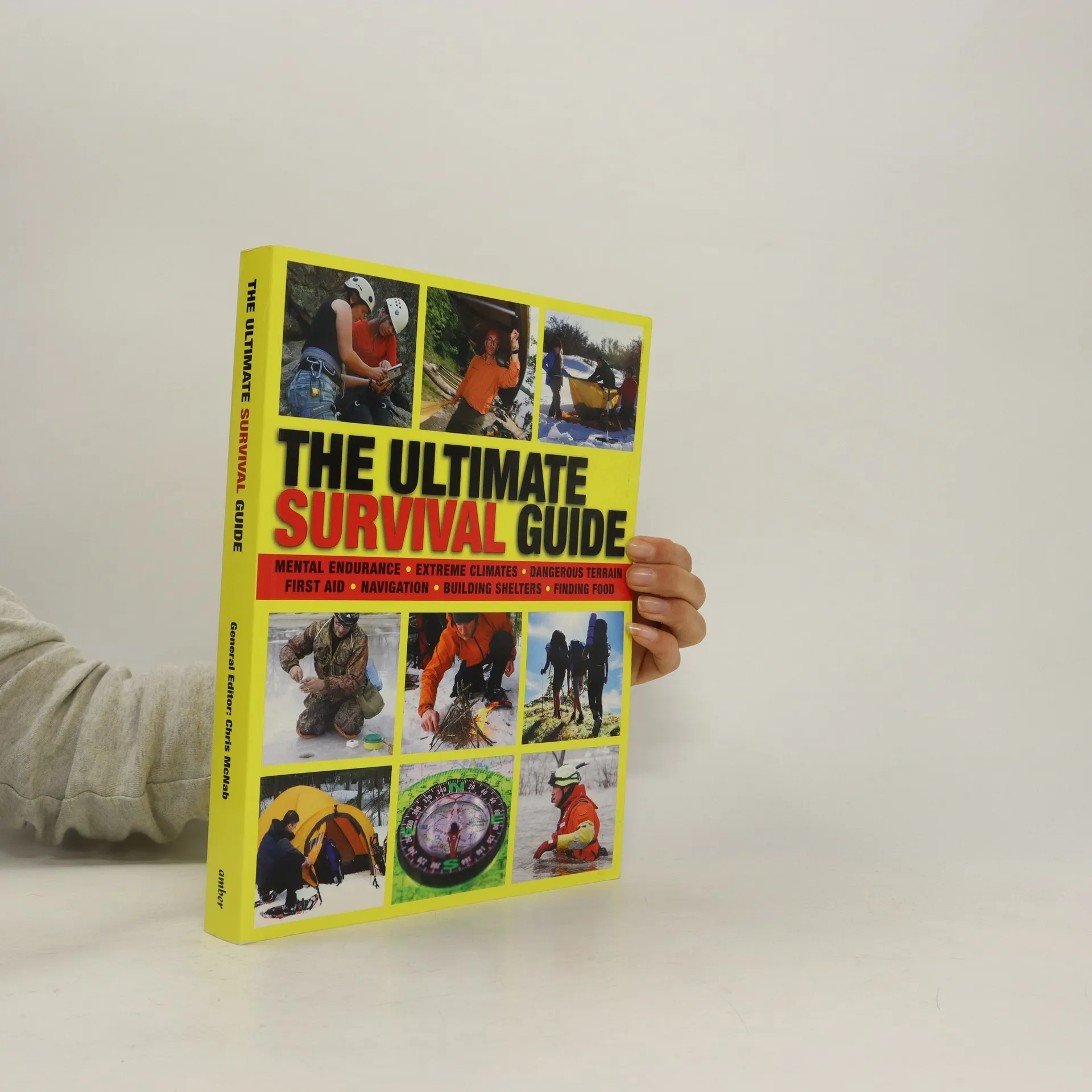
The world is a hostile environment, capable of throwing the unexpected at you at any moment. Bringing together the knowledge gained by those who have learnt it the hard way, The Ultimate Survival Guide is the only book you will ever need. Personal grit and courage count for a lot, but if you don t know how to find food and water, make shelter, light fires, and apply basic first-aid, amongst many other skills, your chances of survival can be slim.For every scenario that you might find yourself in, from the humid heat of the tropics to the frozen poles, The Ultimate Survival Guide teaches you the fundamental survival techniques you need to survive without external help, and often without specialized equipment. Relying on the experiences of those who have survived in harsh situations themselves, the book tells you how to find food, water and shelter, and how to make back to safety if necessary.Illustrated throughout with easy to follow artworks demonstrating how to perform essential survival tasks, The Ultimate Survival Guide requires no previous knowledge or experience, but will give you the core skills you need to survive, whatever the world might throw at you."
Charting the journey from Stanford PhD students to tech giants, this biography explores Sergey Brin and Larry Page's creation of Google and its evolution into a global powerhouse. It delves into their innovative search engine technology, business model, and the impact of their work on artificial intelligence and data collection. Accompanied by photographs, the book serves as an inspiring resource for aspiring entrepreneurs and those interested in successful business ventures. Part of the Sirius Biographies series, it highlights the lives and legacies of influential figures in various fields.
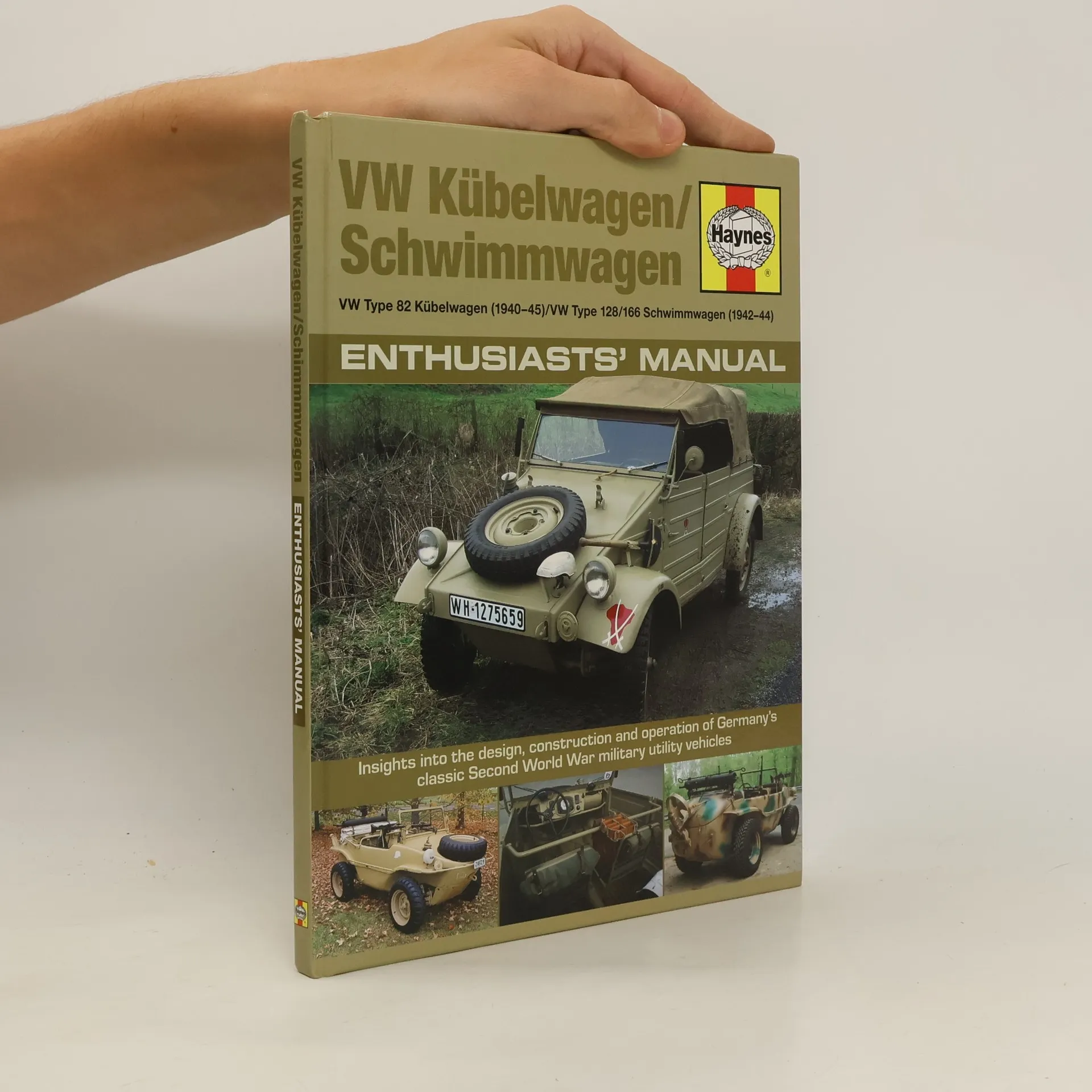
Few war films made about the 1939-45 period are complete without sight of a boxy little Kubelwagen light utility vehicle being smartly driven by a German officer.
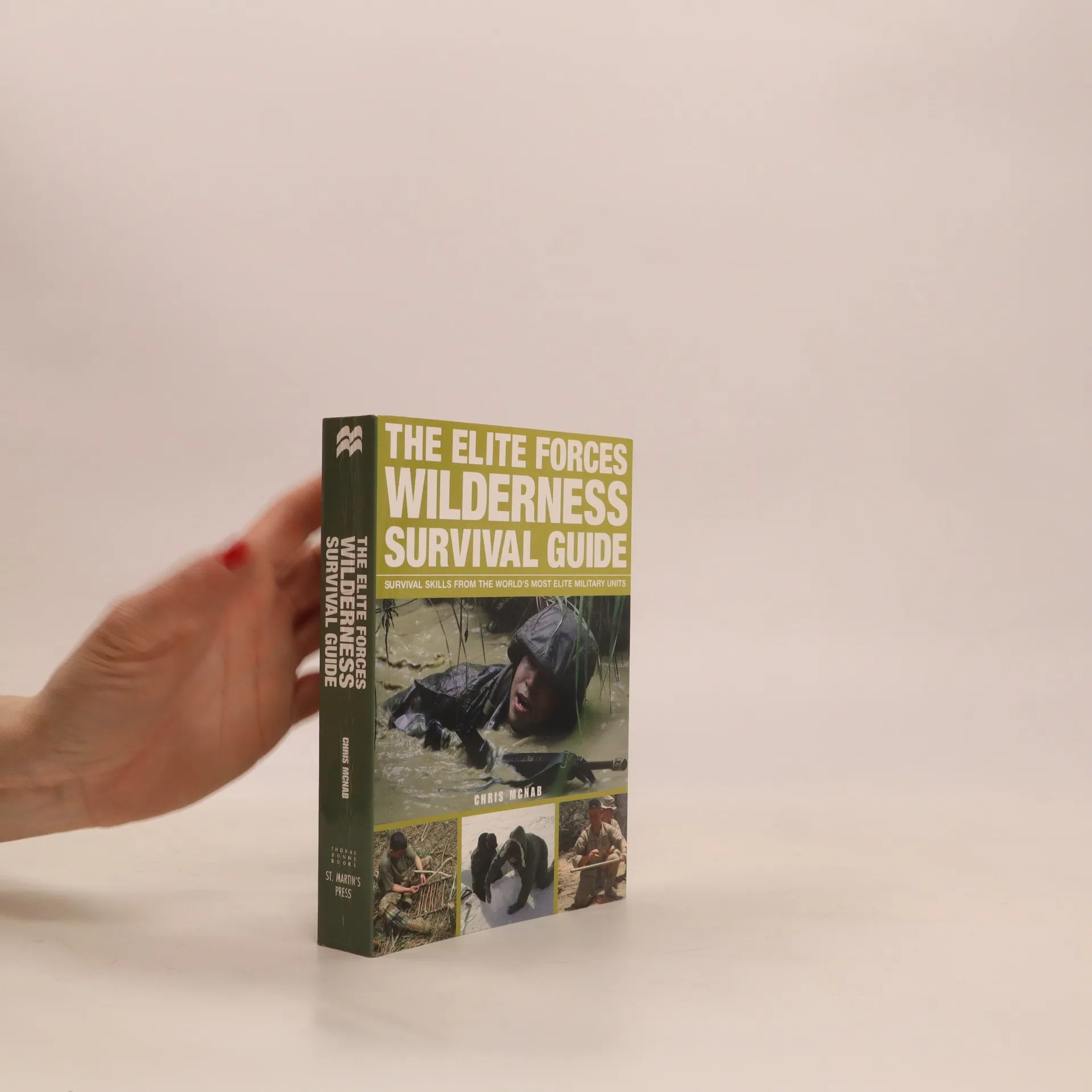
The Elite Forces Wilderness Survival Guide introduces the core skills needed to survive in a wilderness environment. With tips and techniques based on special forces practice, the book is divided into seven convenient chapters, dealing with equipment and clothing, water and plant food, hunting and cooking, shelter and camp skills, dangers, first aid, and navigation. Clearly illustrated throughout, the book offers useful tips on a vast array of topics, including: *packing a survival kit *finding water *foraging for plant food *avoiding poisonous plants *building a snow shelter *making a fire plow *tracking animals *making a bird trap *mountain climbing *controlling bleeding *finding a pulse *navigating without a map With more than 250 easy-to-follow artworks and handy pull-out lists of key tips, The Elite Forces Wilderness Survival Guide is the definitive pocket guide for anyone stranded in the wilderness—it could save your life.
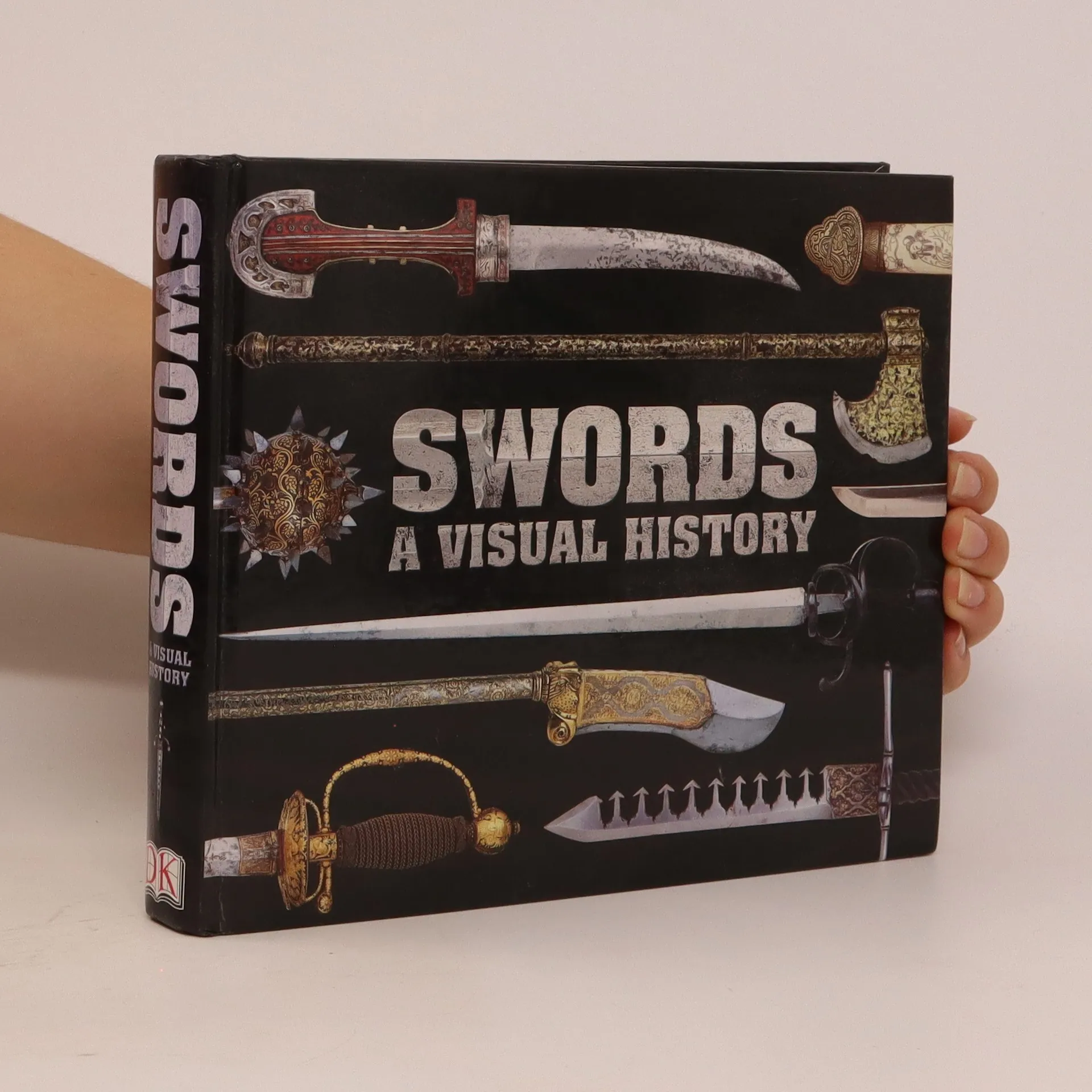
This is the ultimate record of swords through the ages. From knives and daggers to bayonets and axes, it is a cutting-edge guide to over 300 of the most important edged weapons from the last 5,000 years. Discover revealing features on twenty 'iconic' swords from the short gladius of the Roman Legionary to the North American Bowie knife. You'll learn all about legendary warriors and witness the cut-and-thrust of deadly sword duels. Find out about how weapons were made and where, plus admire ceremonial weapons, made for display, not war. Meet famous warriors through history and the weapons they used, from the finely crafted swords of the Japanese samurai to the brutal bayonet of the World War I infantryman. It's the essential visual history of swords.
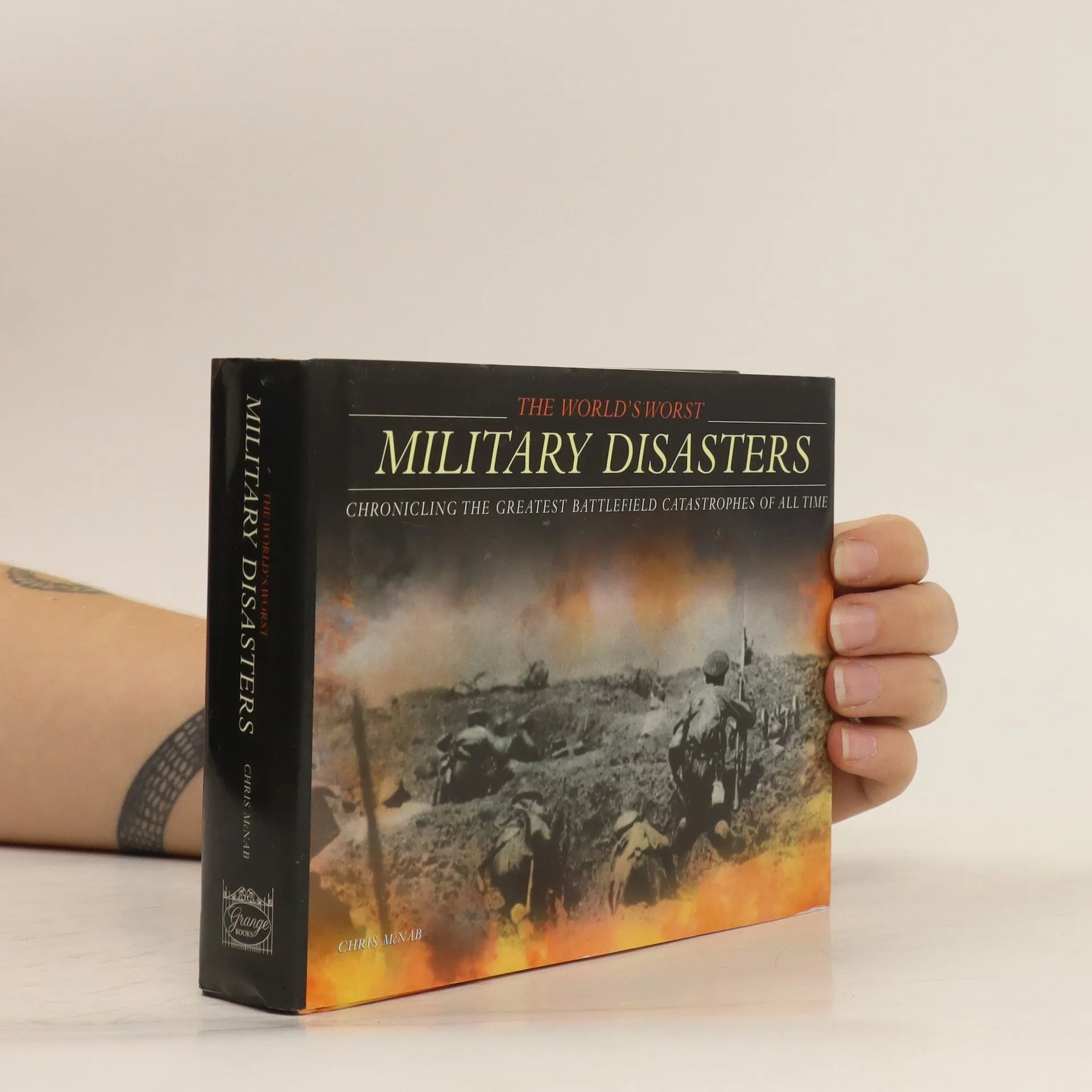
Looking at some of the worst battlefield defeats in military history, this book features doomed campaigns such as Little Big Horn and Operation Eagle Claw, as well as examining the critical flaws in the battle plans.
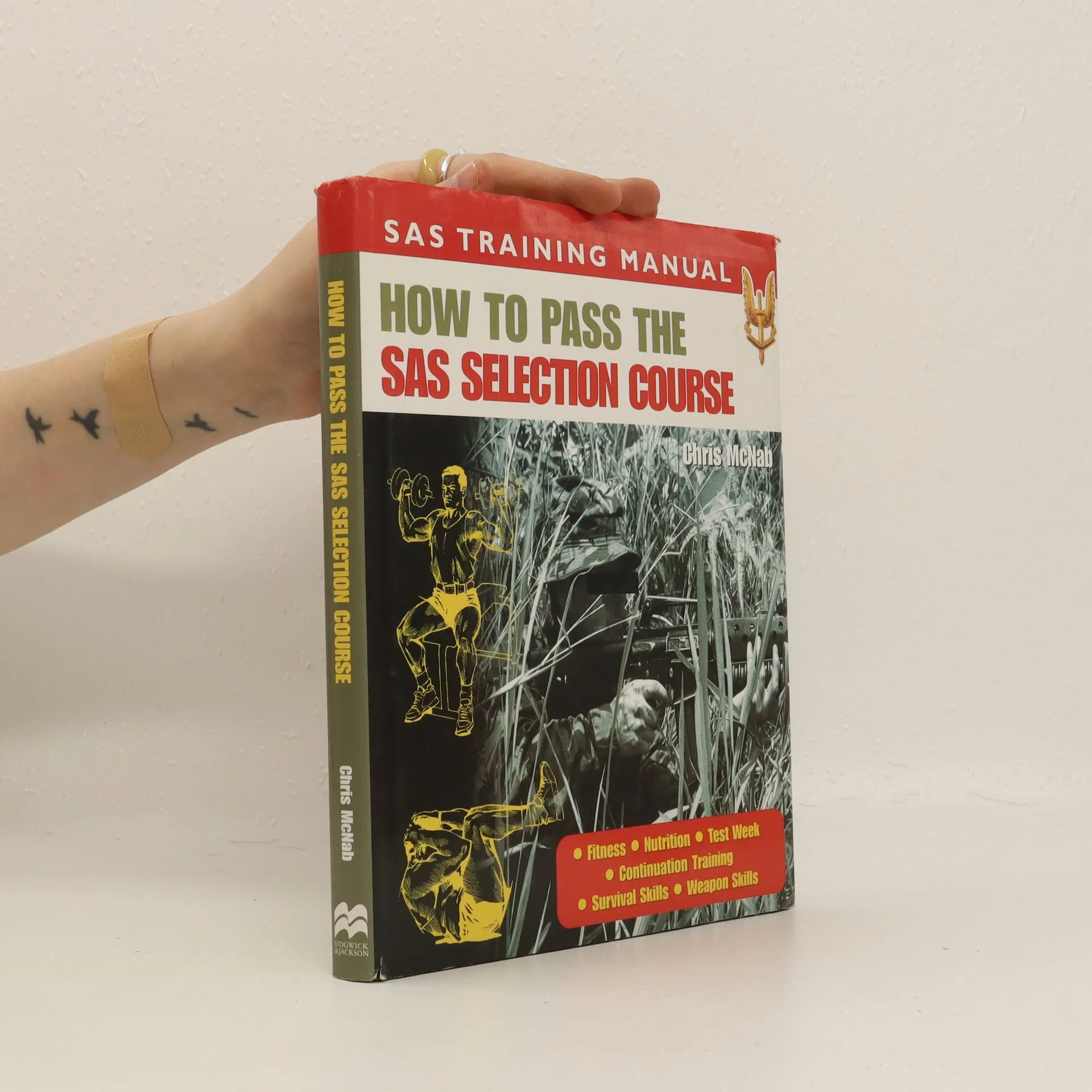
One of the most gruelling physical and mental challenges there is, the SAS selection process is designed to weed out unsuitable candidates and push the successful applicants to the very limits. This book takes a soldier's view of the process, describing the build-up to the test, the gruelling endurance march and continuation training, during which the candidates surviving selection are taught all the basics they need to become good SAS soldiers.
SURVIVE HARSH TERRAIN, EXTREME CONDITIONS AND LIFE-THREATENING SITUATIONSPacked with tips, tricks, and clear instructions, Special Forces Survival Guide presents the vital techniques used by the world's best trained soldiers to stay alive in the wild, including how •Find Food and Water•Build Shelter•Start a Fire•Craft Tools and Weapons•Navigate without a Compass•Signal for Help and First AidThis book presents the field-tested skills of the most elite commandos including •Navy SEALs•Army Rangers•Delta Force•Green Berets•Royal Marines•French Foreign Legion•Australian SAS
In his richly illustrated commemoration of this bloodiest of battles, Chris McNab brings to life the Passchendaele story using fact boxes, maps and poignant first-person accounts, while images from AirSeaLand Photos provide a stark, moving look at the horrific conditions men of all sides were tasked to fight in.
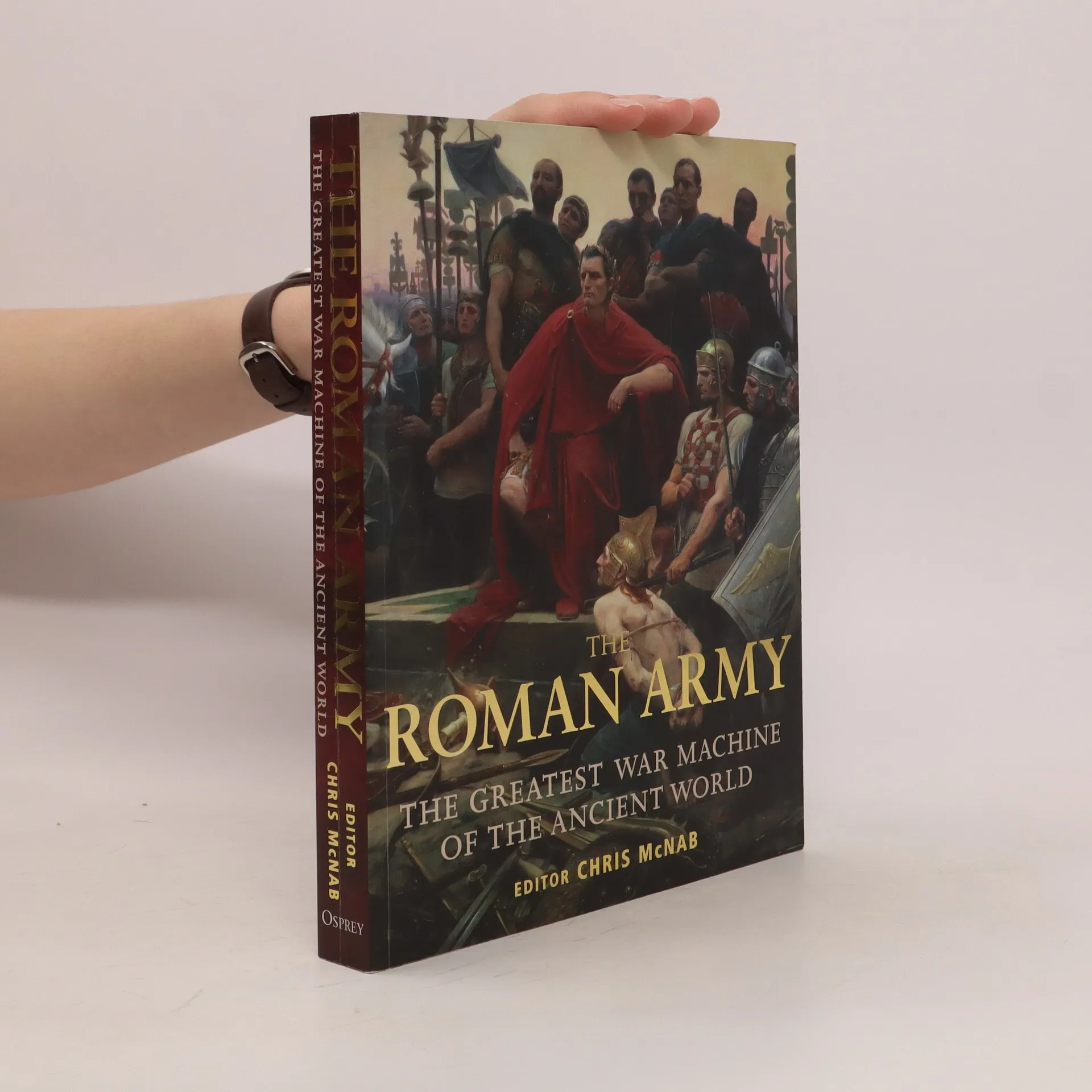
The image of the Roman legionary is as familiar today as it was to the citizens - and enemies - of the vast Roman Empire two thousand years ago. This book goes beyond the stereotypes found in popular culture to examine the Roman Army from the first armed citizens of the early Republic through the glorious heights of the Imperial legions to the shameful defeats inflicted upon the late Roman Army by the Goths and Huns. Tracing the development of tactics, equipment and training, this work provides a detailed insight into the military force that enable Rome to become the greatest empire the world has ever seen. As well as describing the changes in the army over the centuries, The Roman Army also sheds light on the talented men who led these soldiers in battle and the momentous battles fought, including Cannae, Pharsalus, and Adrianople. Illustrated with detailed maps, artwork and photographs, this volume provides a complete reference to the Roman Army from the 8th century BC to the period after the fall of the Western Roman Empire in the 5th century AD. Hardback edition ISBN: 9781849081627
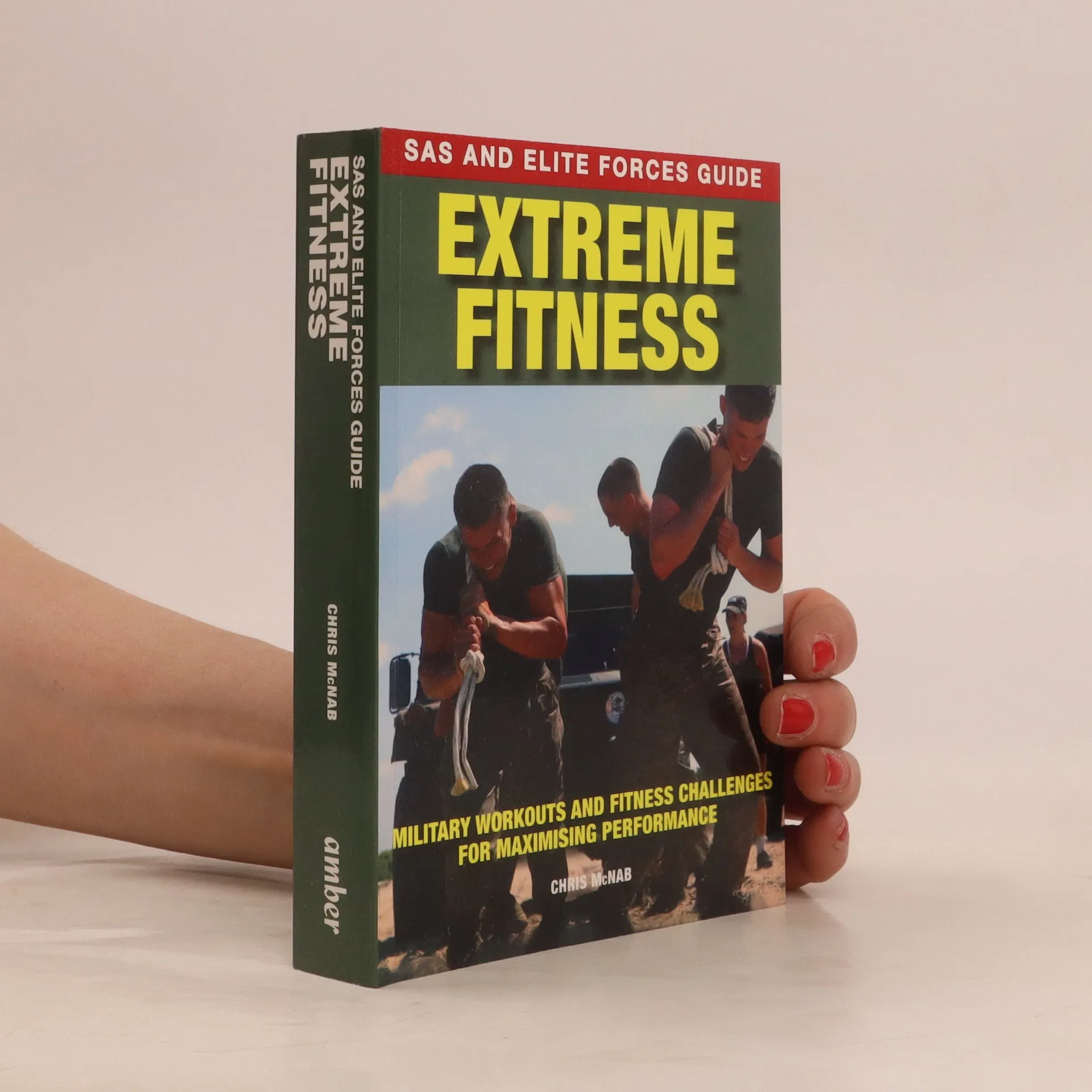
Special forces soldiers are not only ultimate warriors, they also have fitness and endurance levels equivalent, even beyond, world-class athletes. 'Extreme Fitness' is a guide for those wanting to use military expertise to take their fitness to the maximum.
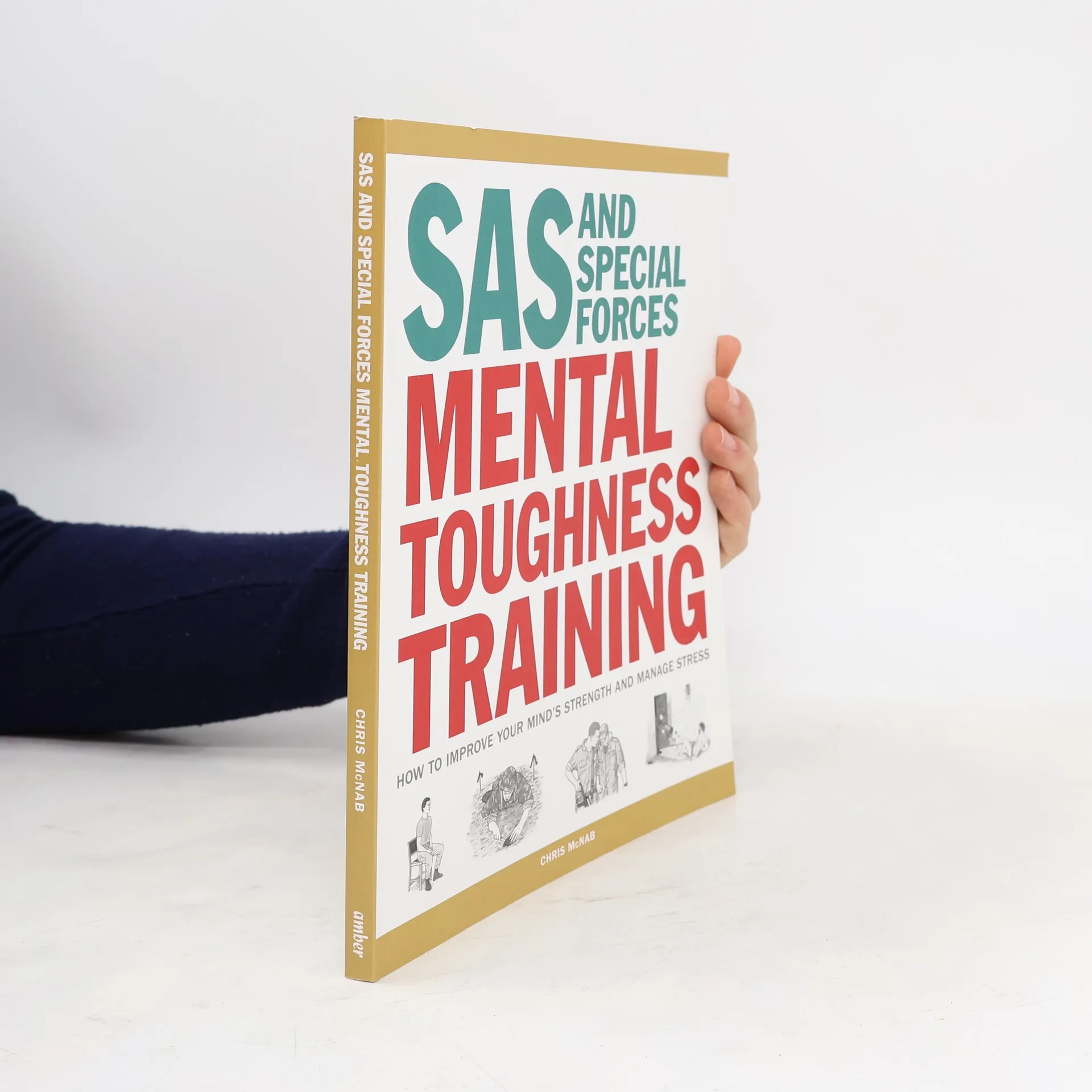
SAS Mental Toughness Training is an essential guide to testing and improving mental agility and resilience.
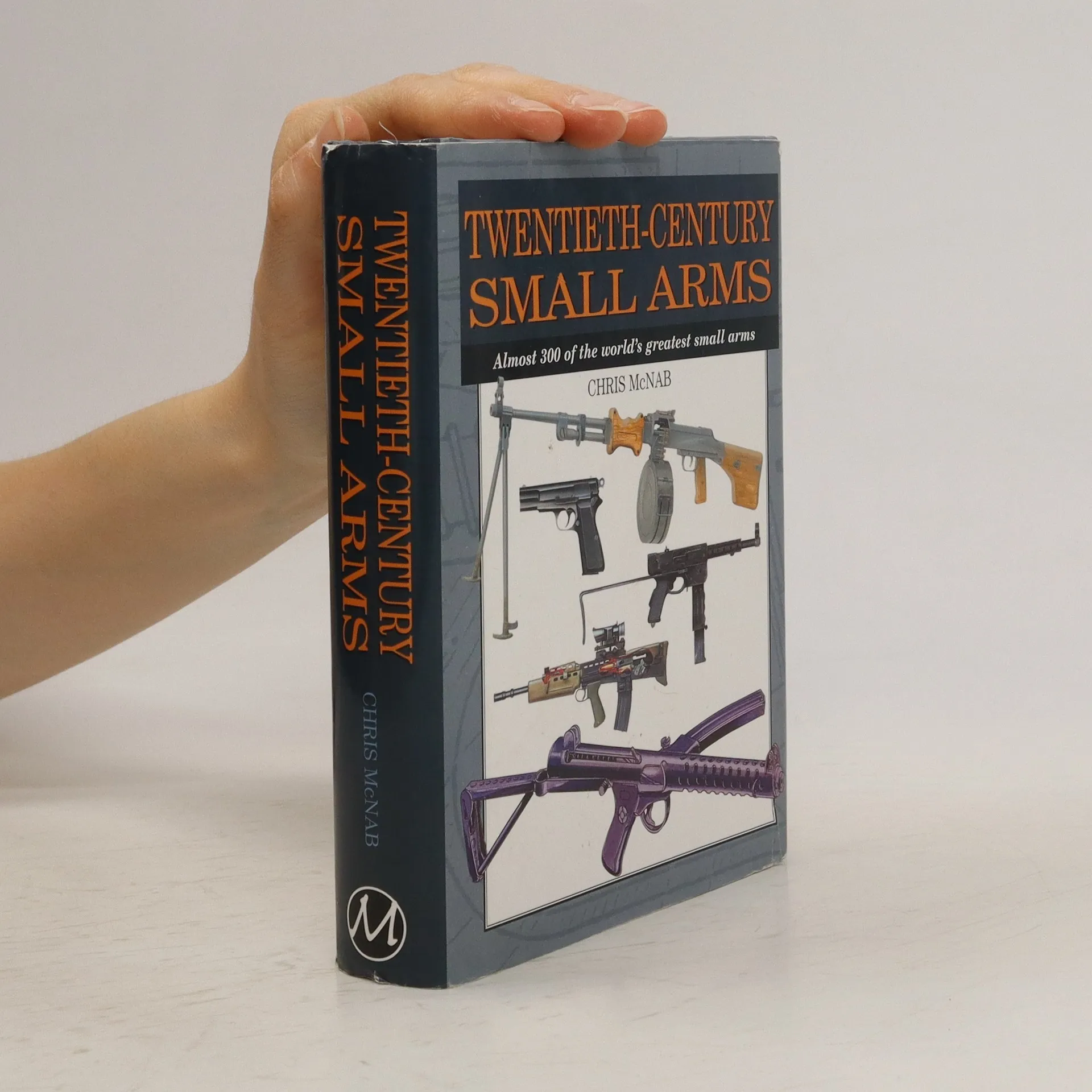
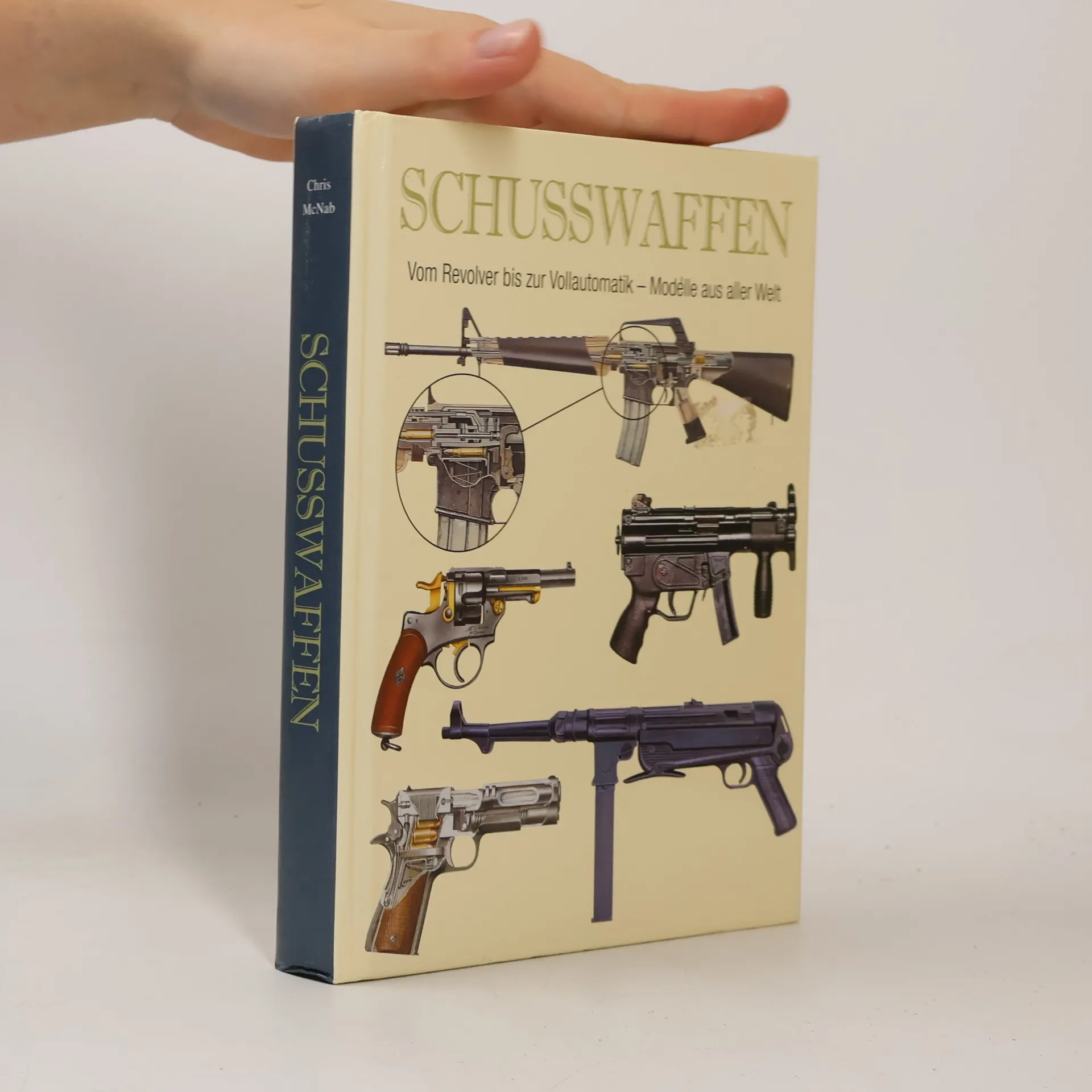
Almost 300 small arms featured from the twentieth century, each one illustrated by a full-color artwork ...
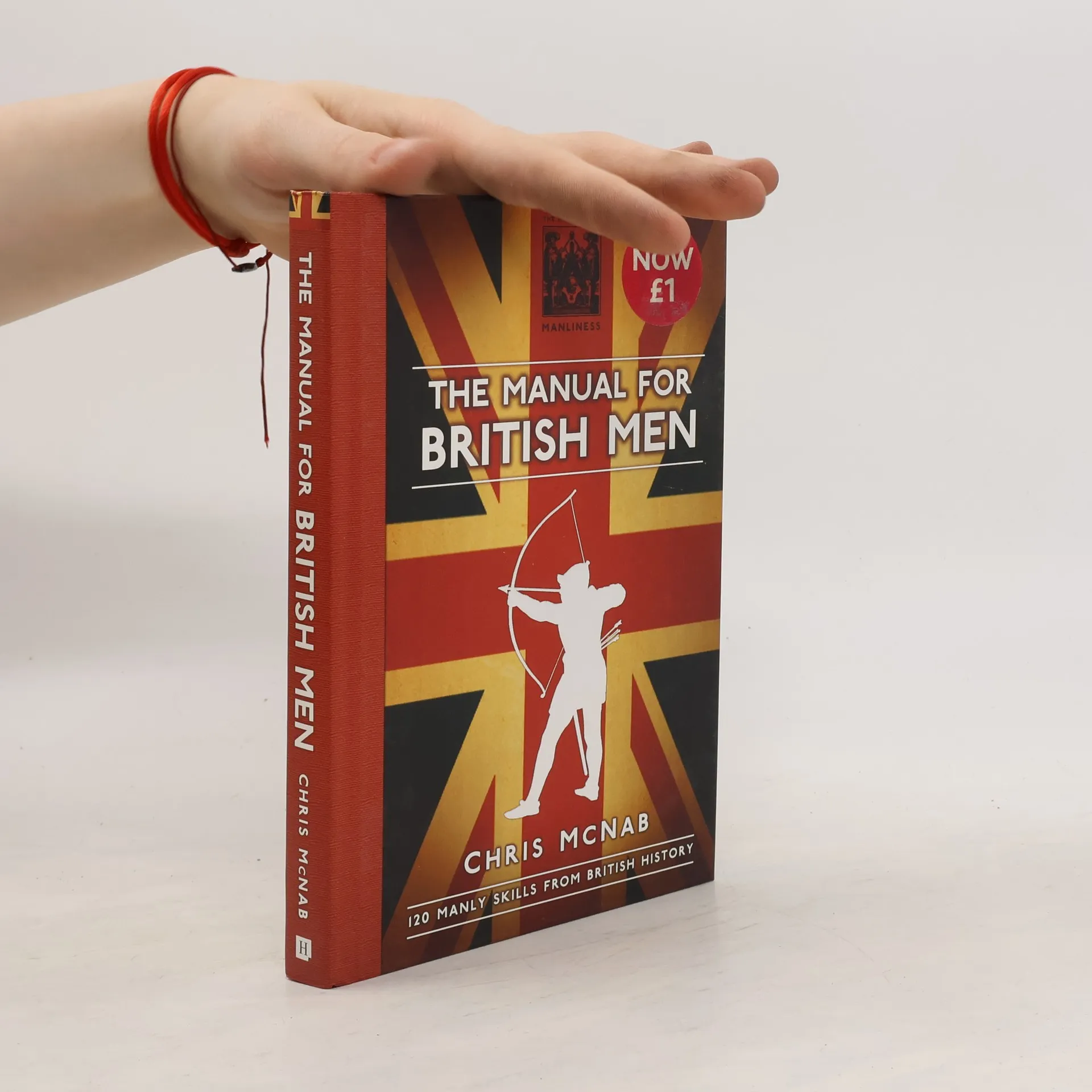
The contents include day-to-day skills such as how to besiege a castle, fire a longbow, correctly clean a maxim machine gun and capture an enemy trench; and domestic essentials such as how to hunt, kill, clean and cook a wild boar.Airmen and soldiers, knights and pages, gentlemen and rogues: to you we say pip pip, and what what!
"Endurance Techniques" covers everything a combat soldier needs to know about mental toughness and endurance.
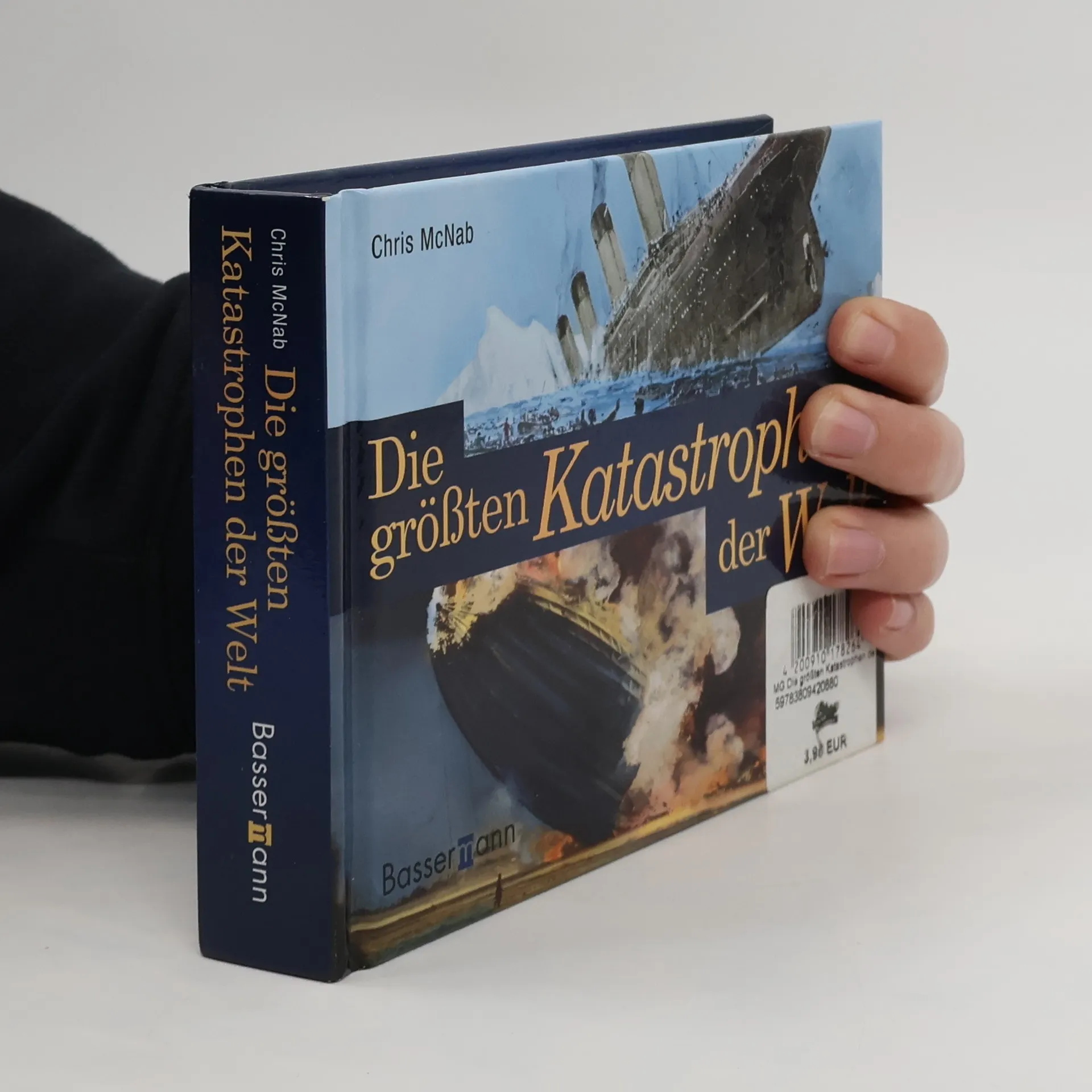
Chronicling the Greatest Catastrophes of All Time
This book looks at the most significant natural and man-made disasters in world history, from those almost lost in the mists of time, such as the Great Flood and the extinction of the dinosaurs, through earthqukes, volcanoes, plagues, genocides, shipwrecks and train crashes.
From Ancient Warfare to the Global Conflicts of the 21st Century
The book delves into the evolution of warfare, tracing its origins from prehistoric tribal conflicts to modern hybrid warfare. Central to this narrative are advancements in technology and tactics, highlighting the transformation from primitive war parties to organized standing armies. It examines significant conflicts that have altered history while offering personal perspectives on the experiences of combatants and civilians. Richly illustrated with maps and photographs, this comprehensive volume is part of the Sirius Visual Reference Library, known for its engaging visual elements.
Explore the extraordinary journey of Bill Gates, from a curious young programmer to the co-founder of Microsoft and a leading philanthropist. This biography highlights key moments in his career, showcasing his innovation and business strategies that revolutionized the personal computer industry. It also delves into his philanthropic efforts through the Bill & Melinda Gates Foundation. With thorough research and engaging storytelling, the book offers insights and lessons for aspiring entrepreneurs and leaders, making it a compelling read for anyone interested in impactful success.
Highly illustrated, Native American Myths is an exploration of the beliefs and culture of North America's first inhabitants divided into seven chapters, covering creation myths; people, family and culture; the natural world; ghosts and spirits; gods, demons and heroes; love, morality and death; and warfare.
This volume offers useful advice on how to evade capture and, if that fails, how to escape. The key topics include the will to survive; handling stress in captivity; escape techniques; survival in a variety of environments; how to forage for food; and much more.
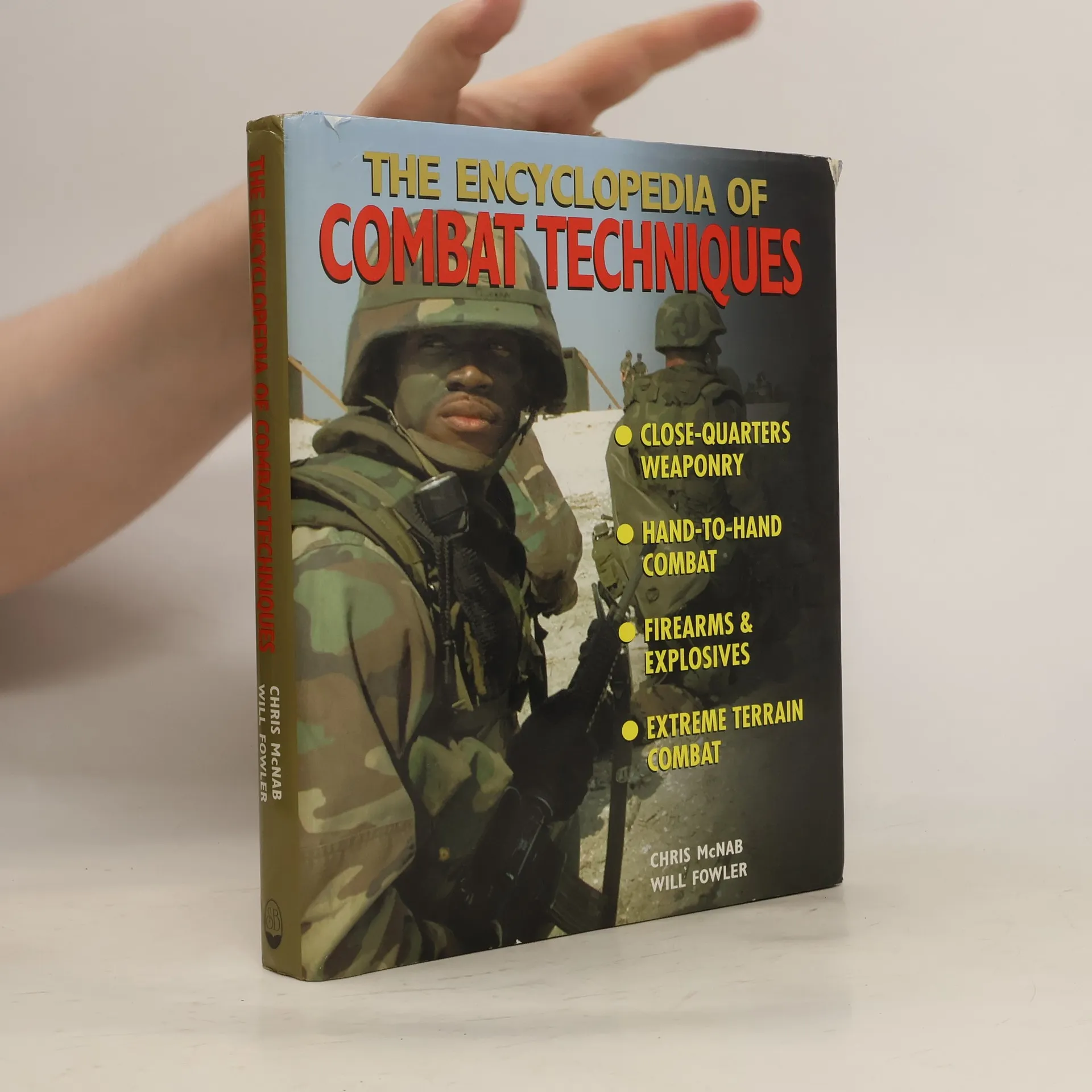
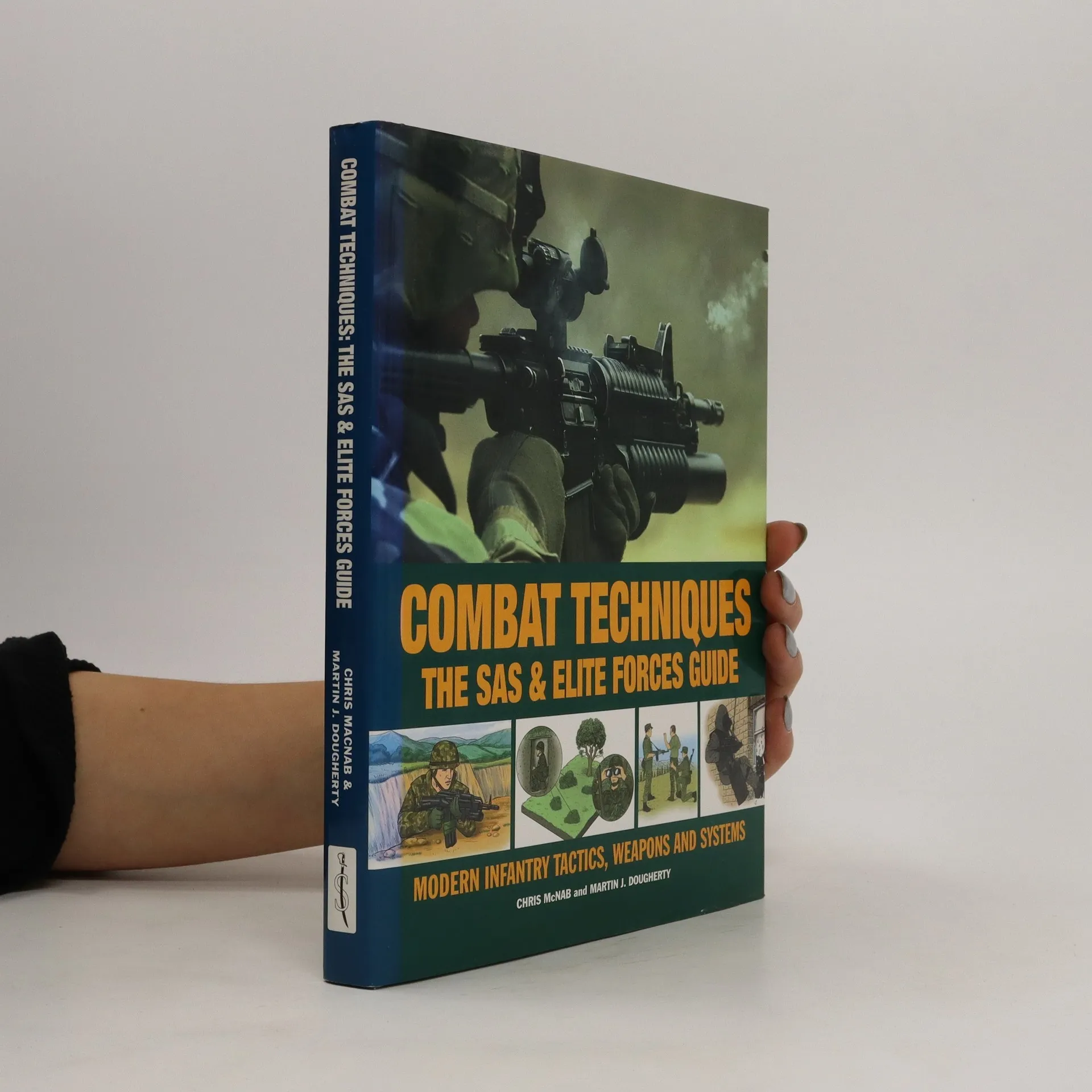
This book is the most complete reference work on tactical procedures available today. Illustrated with action photographs and detailed artworks, it provides a thorough insight into how the soldiers of today's armies would fight in any combat scenario they encountered. All aspects of the battlefield are covered, detailing the various forces and assets at a battlefield commander's disposal, showing how tactics have changed since the end of World War II, and examining a huge range of tactical procedures, from hand-to-hand combat, to controlling an air strike or firing an anti-tank weapon, hostage-rescue situations, fighting in urban or extreme terrain, amphibious assaults, and evading capture. Using over 150 colour photographs and artworks, "The Elite Forces Handbook of Combat Techniques" shows men and equipment of modern armies from around the world, and, with the help of an authoritative text, demonstrates how they would fight on a battlefield today.
Broken down by campaign, German Kriegsmarine in WWII illustrates the strengths and organizational structures of the Third Reich's naval forces, building into a detailed compendium of information. Full-colour order of battle tree diagrams and organizational diagrams show the types and numbers of ships involved in specific operations.
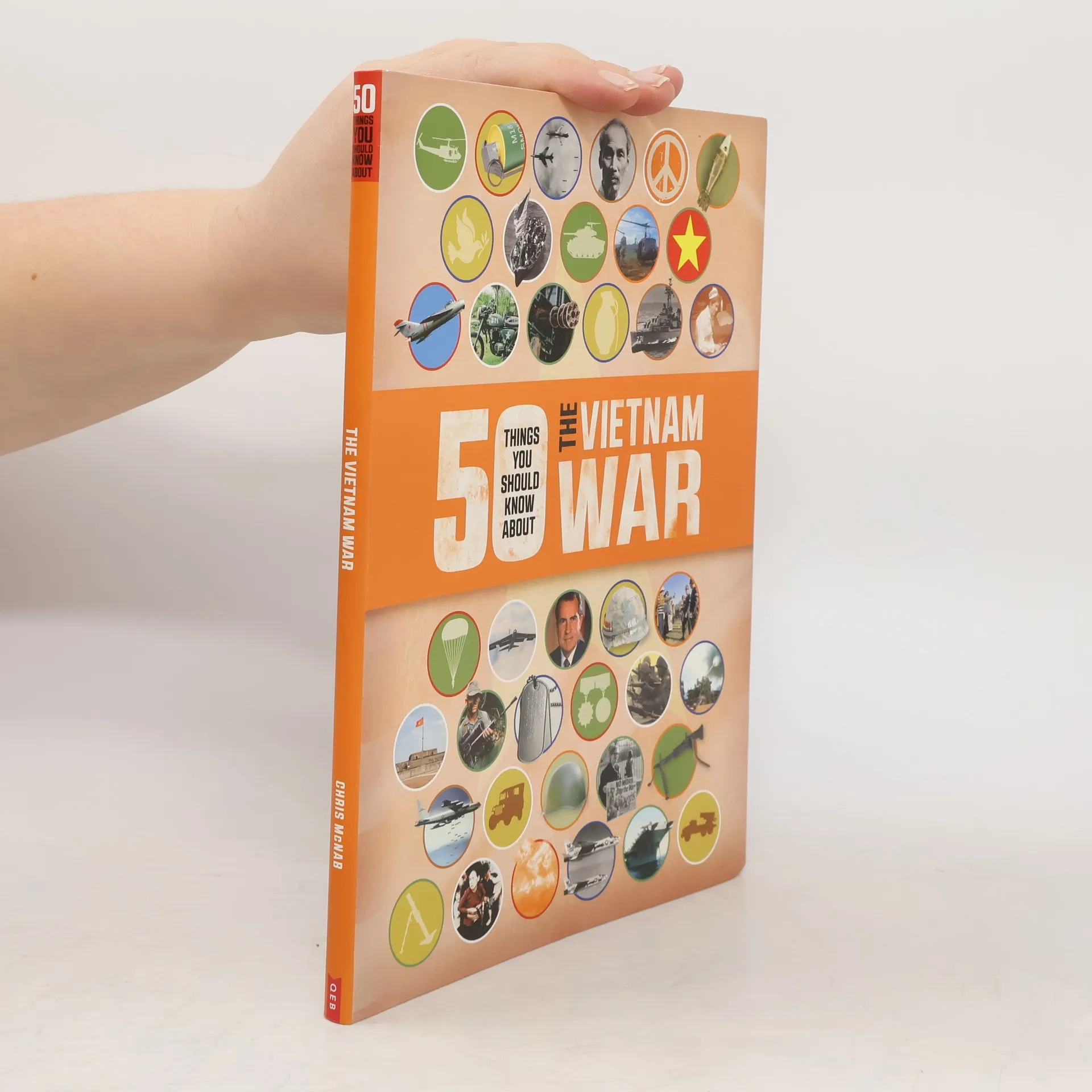
This new title from the 50 Things You Should Know About series is packed full of infographics, illustrations, maps, and color photographs from the period. Not only identifying major political and military figures from both sides of the conflict with the 'Who's Who' pages, this title also documents the significance of medical workers, protesters, and civilians caught in the crossfire. Photos of memorabilia, such as patches, pins, and bracelets, add a personal aspect to the war.
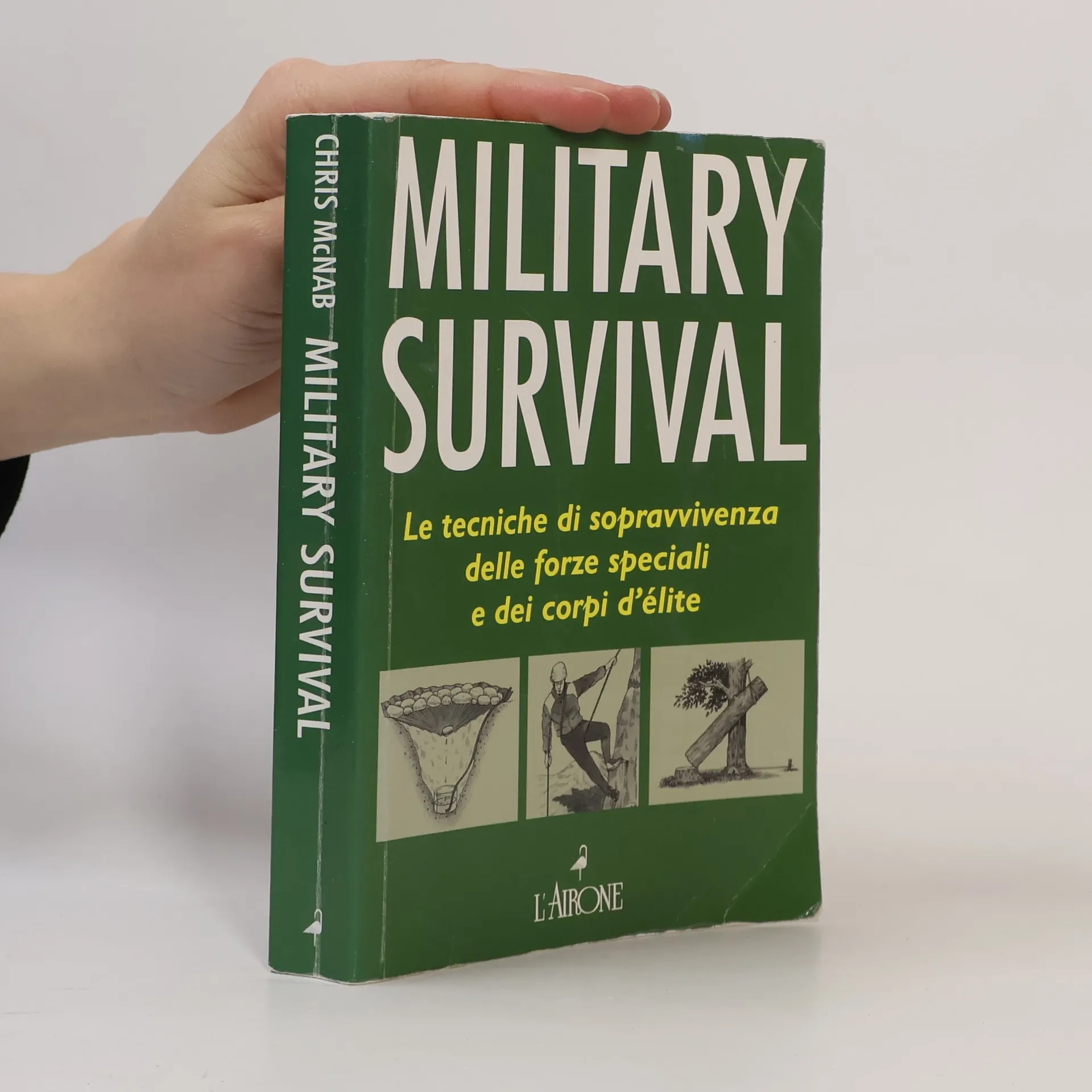
Predisporre trappole per animali, fabbricare attrezzi da caccia, accendere un fuoco di segnalazione, costruire un igloo, curare punture d'insetti o morsi di serpenti, scalare montagne, spostarsi senza l'ausilio delle stelle, prevedere il tempo, fare segnali terra-aria... Le tecniche di sopravvivenza non solo rappresentano una risorsa indispensabile per gli escursionisti amanti della natura selvaggia ma,anche al di fuori di contesti "estremi", possono diventare la chiave di volta per trarsi fuori da molte situazioni d'emergenza. Questo volume, con oltre 300 disegni, spiega nel dettaglio tutte le tecniche seguite dai più importi corpi d'elite del mondo. Gli stessi che quotidianamente si confrontano con ambienti ostili e imprevisti di ogni genere e devono quindi poter sempre contare su procedure sicure, sperimentate e davvero efficaci.
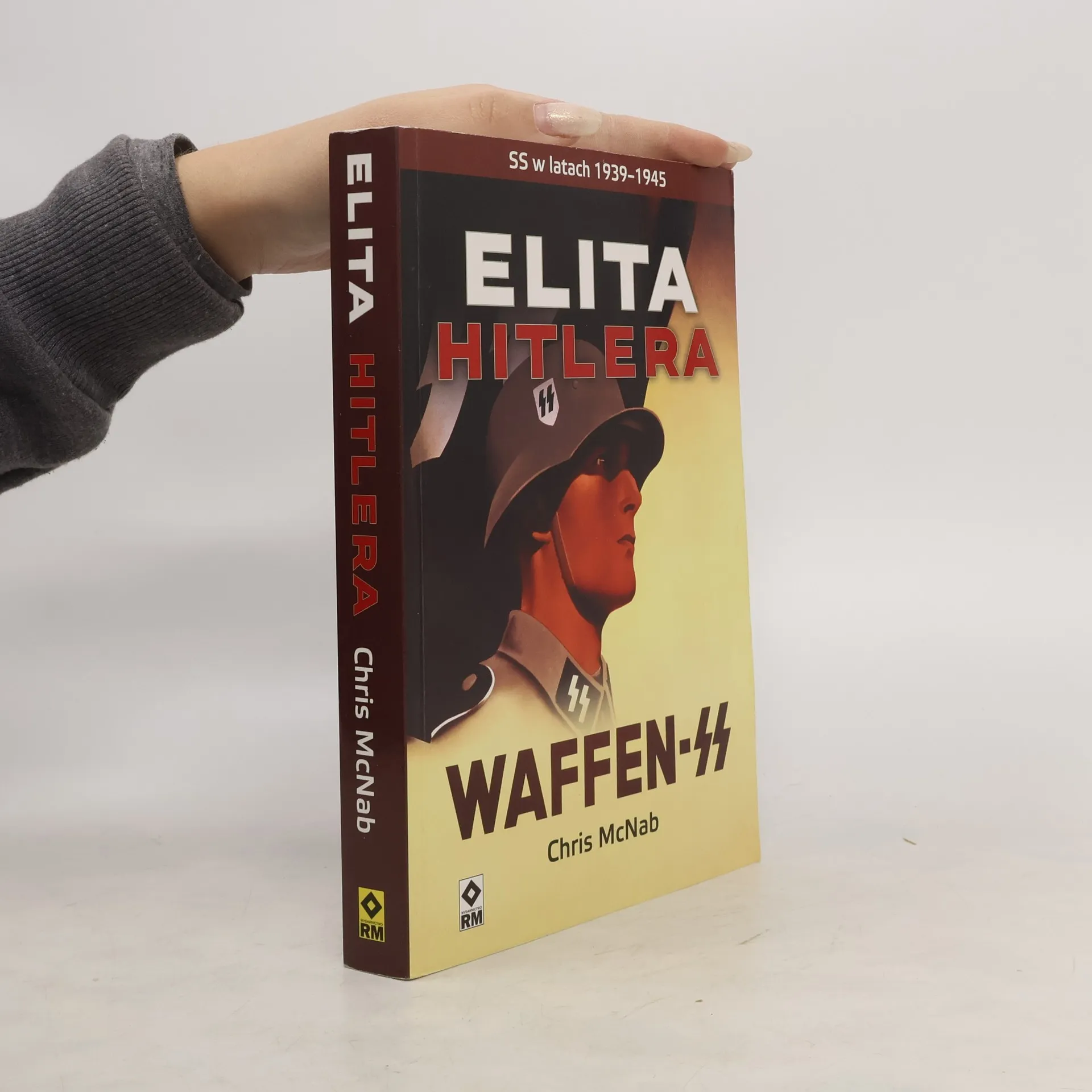
Ta bogato ilustrowana książka to nowa historia SS ? ukochanej a zarazem najbardziej zbrodniczej i okrytej największą niesławą formacji militarnej Hitlera.Autor ? znakomity znawca historii militarnej oraz techniki wojskowej ? przestawia dzieje powstania i rozwoju SS oraz jej udział w wojennych zmaganiach w ramach sił zbrojnych Trzeciej Rzeszy.Od skromnych początk�w w latach 20. w roli straży przybocznej Hitlera SS szybko rozrosła się w wielką organizację militarną skupiającą setki tysięcy ludzi, kt�ra wystawiła własną armię (Waffen-SS) liczącą prawie 40 dywizji, a jej policyjne ramię (Allgemeine-SS) prowadziło zbrodniczą politykę rasową.
Ein verlassenes Dorf in der Türkei - verfallene Häuser und leere Straßen. Eine menschenleere Insel im Süden Japans. Häuser unter einer Decke von Vulkanasche in Chile. Eine neue Stadt in Spanien mit halbfertigen Bauten und Häusern, die niemand kauft. Wo sind die Menschen hin? Und warum kommen sie nicht wieder? Dieses Buch stellt Geisterstädte in der ganzen Welt vor. Sie wurden nach Natur- oder Umweltkatastrophen von ihren Bewohnern verlassen, sind vom Krieg gezeichnet oder ganz einfach stille Zeugen des wirtschaftlichen Wandels. 160 bemerkenswerte Fotos erzählen die Geschichten dieser vergessenen Orte.
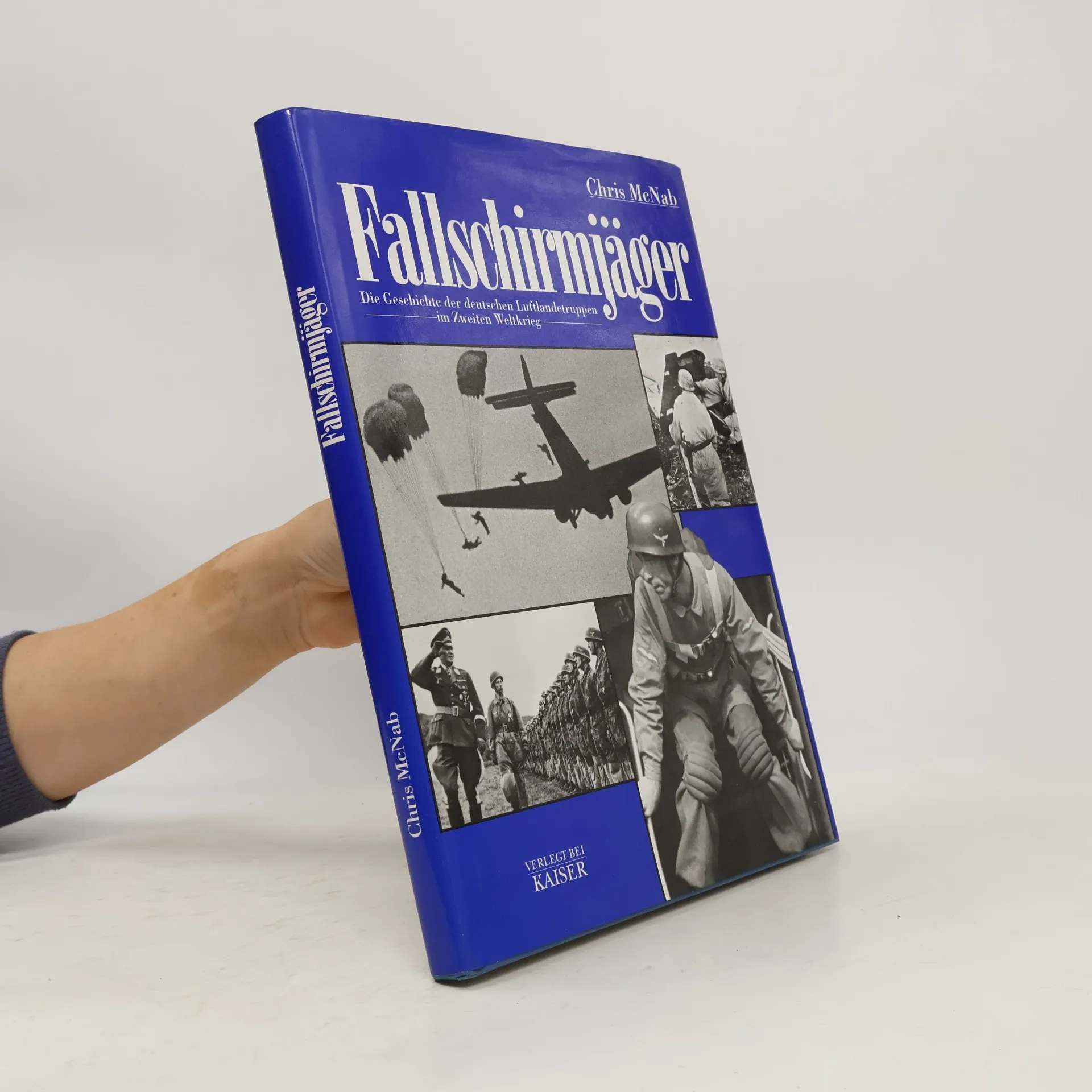
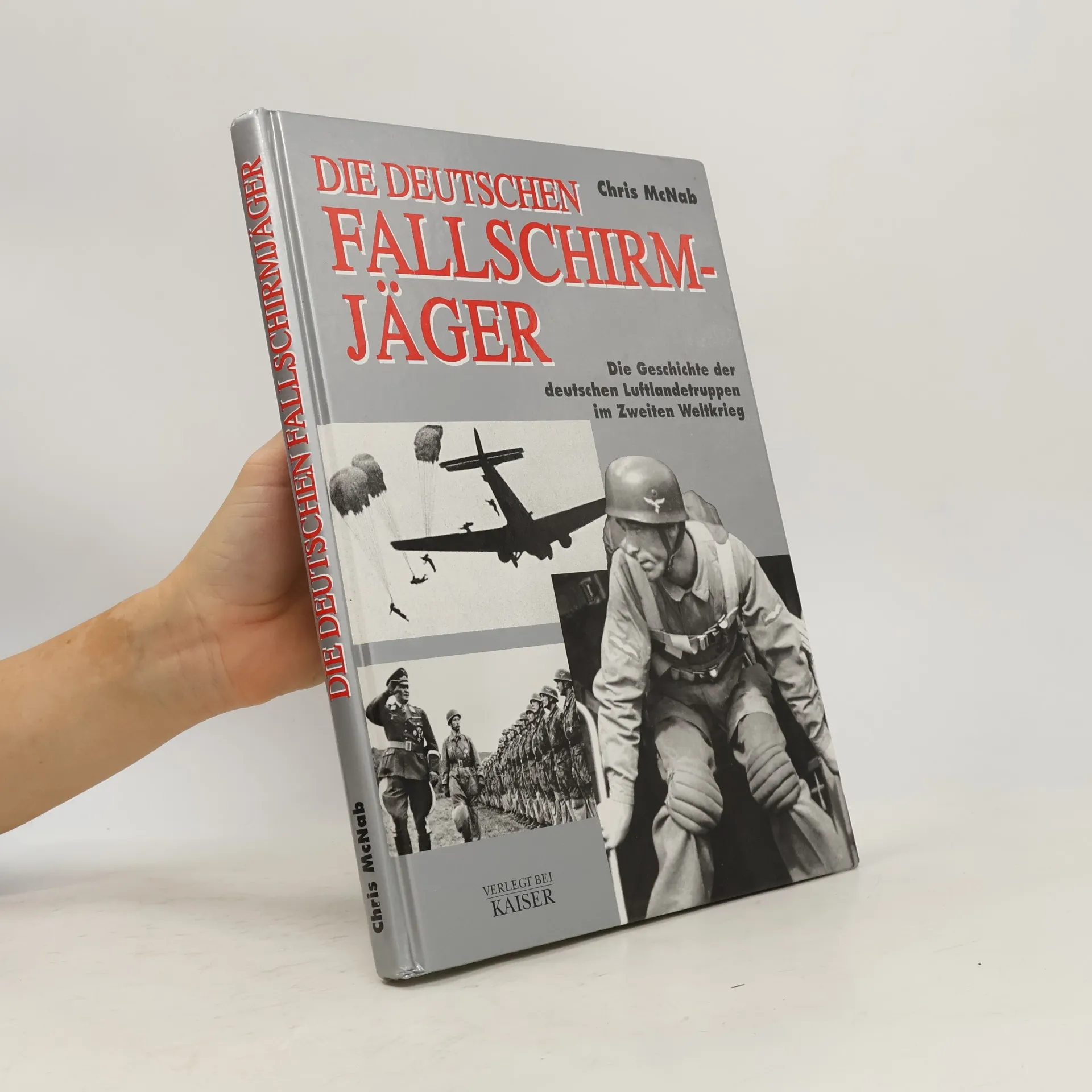
Der Bildband “Fallschirmjäger” bietet einen umfassenden Überblick über die Entstehung und die Kampfeinsätze der Truppe. Selten veröffentlichte Aufnahmen dokumentieren ihre spektakulären Luftlandungen in den Niederlanden zu Beginn der westlichen Feldzüge, den verlustreichen Einsatz auf Kreta sowie die wagemutigen Einsätze am Monte Rotondo und am Gran Sasso gegen Ende des Krieges. Aufgrund ihrer hohen Einsatzbereitschaft wurden die Fallschirmjäger jedoch oft nicht in ihrer ursprünglichen Funktion eingesetzt, sondern als Eliteinfanteristen geschätzt, die in Krisensituationen agierten. Sie kämpften an verschiedenen Fronten, darunter die Ostfront, Nordafrika, Italien und Frankreich, wo sie heroischen Widerstand leisteten, während die Alliierten den Verlauf des Krieges bestimmten. Ihre enormen Verluste zeugen von der entscheidenden Rolle, die sie bei der Unterstützung anderer Einheiten in kritischen Momenten spielten. Trotz der hohen Dezimierung wurden sie immer wieder neu formiert und kämpften bis zur letzten Phase des Krieges, als die Alliierten Berlin umzingelten. Ergänzt durch über 200 Fotos von ihren Einsätzen schildert ein Militärhistoriker die bemerkenswerte Geschichte dieser Truppe, deren Tapferkeit weit über die bloße Erfüllung ihrer Pflicht hinausging.
Faszinierende Fotos zeigen Wracks in riesiger Vielfalt: Schiffe, Flugzeuge, Autos, Lokomotiven ... Der Historiker Chris McNab versammelt in diesem Bildband Fundstücke aus aller Welt, zu denen es auch viele Geschichten zu erzählen gibt. Und nicht zuletzt wird deutlich, wie sehr diese ausrangierten und zurückgelassenen Überbleibsel menschlicher Schöpferkraft einen ganz eigenen Zauber ausüben können.
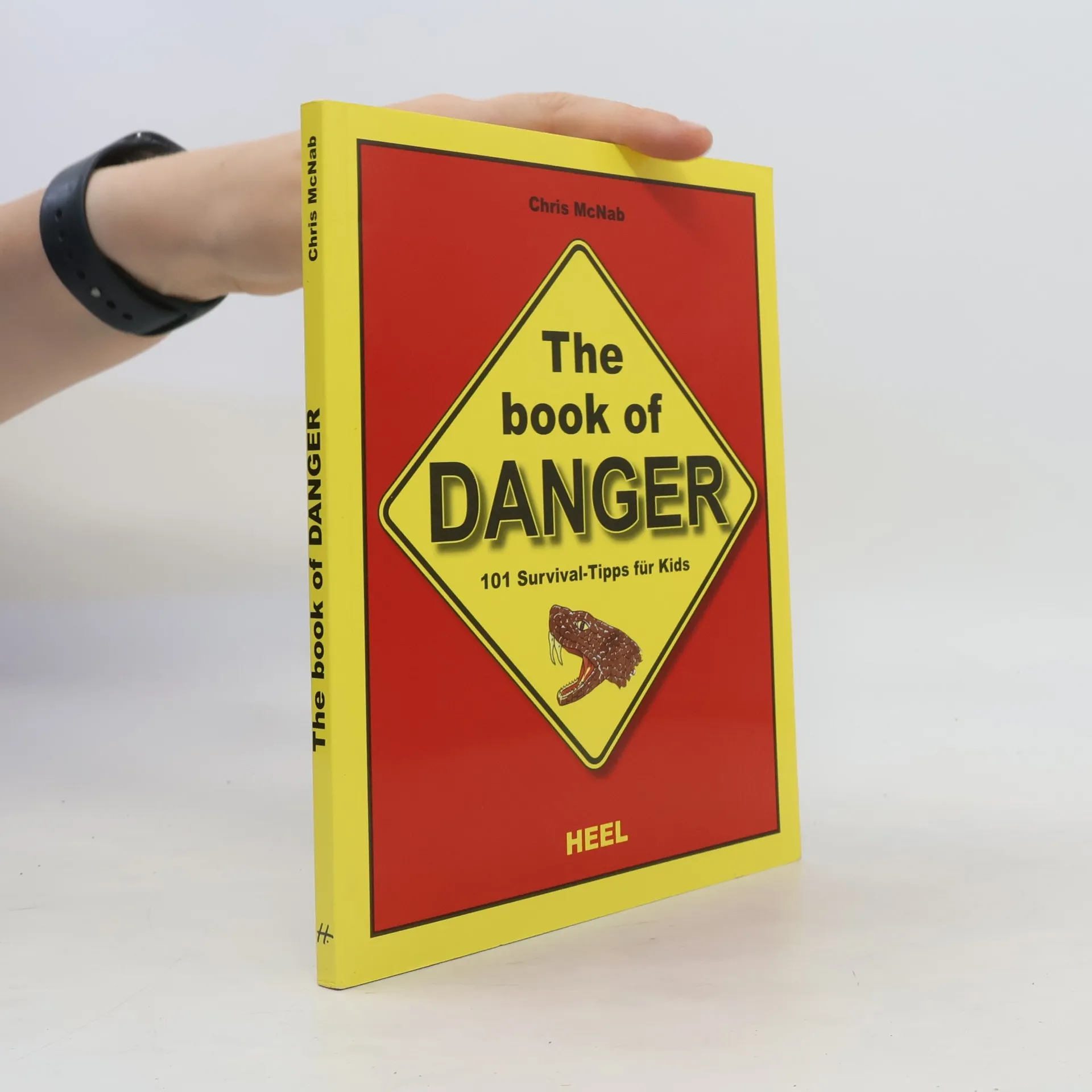
Sind Sie vorbereitet, wenn es darauf ankommt? Dieses umfassende Survival-Handbuch bietet 101 anschaulich illustrierte Techniken zum Überleben in der Wildnis und ist der ideale Begleiter für Abenteuer, egal ob beim Camping oder bei mehrtägigen Expeditionen. Erfahren Sie, wie Sie sich auf den Ernstfall wappnen, und erhalten Sie praxiserprobte Methoden für das Überleben fernab von Zivilisation. Themen wie Notfallvorbereitung, Wasser finden, Unterschlupf bauen, Feuer entfachen, Werkzeuge und Fallen herstellen, Jagen, essbare Pflanzen identifizieren, Wildnis-Kochen, richtige Bekleidung, Orientierung sowie Wundversorgung werden behandelt. Viele Tipps werden durch kurze, wahre Überlebensgeschichten ergänzt, die informativ und unterhaltsam sind. In Anbetracht der jüngsten Ereignisse ist das Bewusstsein für Krisenvorsorge gestiegen, und die Vorbereitung auf Notfälle ist wichtiger denn je. Viele Menschen verfügen nicht mehr über das nötige Wissen, um in Krisensituationen zu handeln. Dieses Buch vermittelt Ihnen die Fähigkeiten, um in einem Notfall zu überleben, ohne auf Zivilisation angewiesen zu sein. Über 100 farbige Illustrationen machen die Tipps nachvollziehbar und helfen Ihnen, die Kontrolle über Ihr Leben und die Versorgung Ihrer Familie zu sichern. Werden Sie zum Survival-Experten!
Der Bildband “Fallschirmjäger” bietet einen umfassenden Überblick über die Entstehung und die Kampfeinsätze der Truppe während des Krieges. Selten veröffentlichte Aufnahmen dokumentieren ihre spektakulären Luftlandungen in den Niederlanden, den verlustreichen Einsatz auf Kreta sowie die wagemutigen Einsätze am Monte Rotondo und am Gran Sasso. Trotz ihrer hohen Einsatzbereitschaft wurden die Fallschirmjäger oft nicht in ihrer ursprünglichen Funktion eingesetzt, sondern aufgrund ihrer hervorragenden Kampfleistungen geschätzt. Sie agierten als eine Art “Krisenfeuerwehr”, eine Elite von Infanteristen, die an verschiedenen Fronten, darunter die Ostfront, Nordafrika, Italien und Frankreich, stets im Einsatz war. Besonders bemerkenswert ist ihr heldenhafter Widerstand, als die Alliierten nach der Invasion den Verlauf des Krieges bestimmten. Die enormen Verluste zeugen von ihrer entscheidenden Rolle in kritischen Situationen, wo sie immer wieder neu formiert wurden und selbst unter den letzten deutschen Einheiten kämpften, während die Alliierten Berlin umzingelten. Ergänzt durch über 200 Fotos schildert ein Militärhistoriker die Geschichte dieser Truppe, deren Tapferkeit weit über die reine Pflichterfüllung hinausging.
Nicht schön, aber faszinierend Dieses Buch stellt einige der größten Katastrophen aller Zeiten vor, sowohl Tragödien, die fast im Nebel der Zeit verschwunden sind, als auch moderne Katastrophen, einschließlich Seuchen, Erdbeben, Vulkanausbrüche, Völkermorde, Überschwemmungen sowie Flugzeug- und Zugunglücke. Die fesselnde Berichte analysieren die Vorgeschichte, den Ablauf und den Umfang der Katastrophe in allen Einzelheiten und schildern die verheerenden Folgen. Sie erfahren vom Massaker zu Mailand im 6. Jahrhundert, vom großen Feuer in London (1666), vom historischen Erdbeben in San Francisco (1906) und vom verheerenden Tsunami Ende 2004 u. a. Zahlreiche Illustrationen erwecken die Tragödien zum Leben.
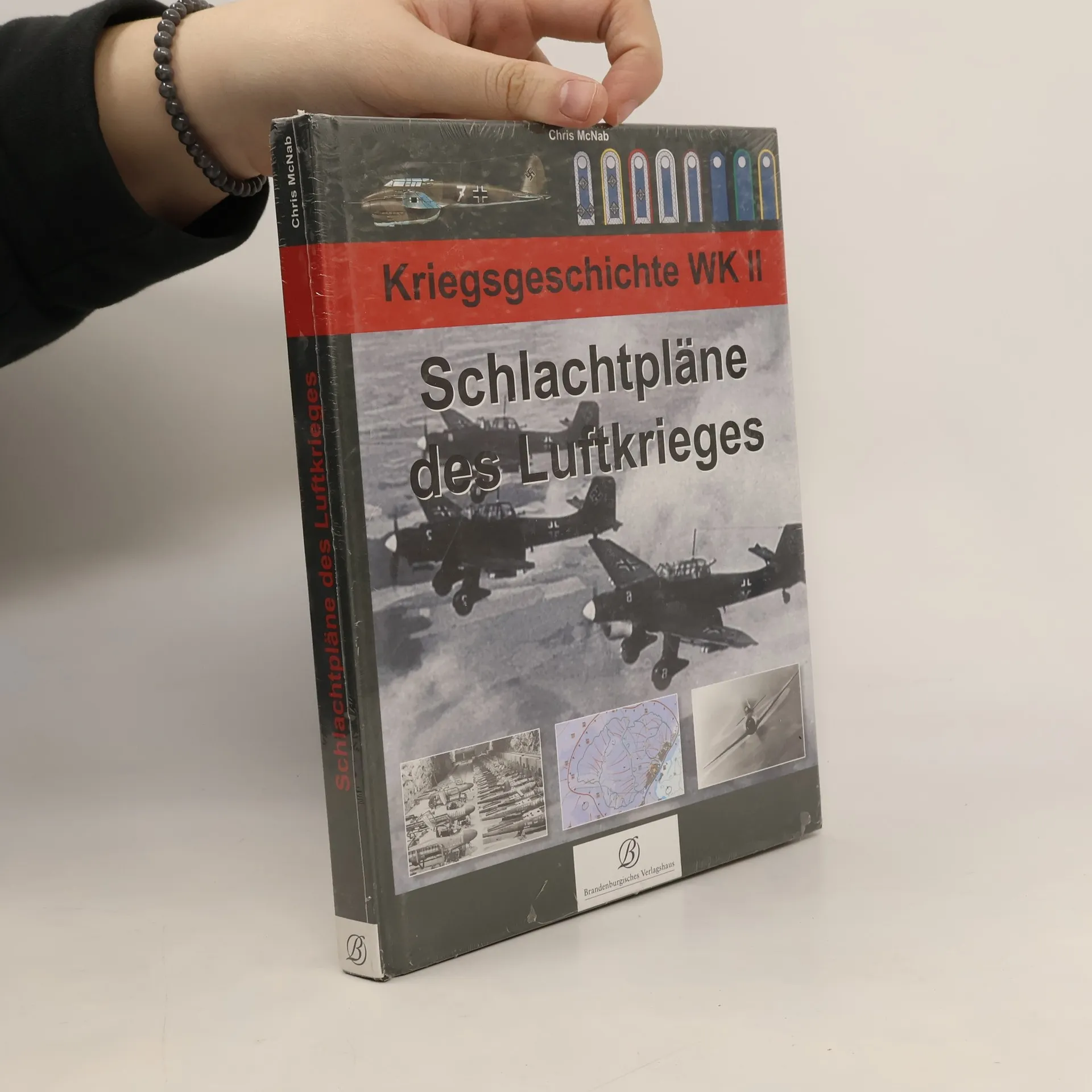
Die deutsche Luftwaffe spielte eine bedeutende Rolle in Kriegsführung der Wehrmacht im 2. Weltkrieg: Dieser Band illustriert die Stärken und Strukturen der Luftwaffe, zeigt ihre Taktiken, Organisation und Verwaltung. Illustriert anhand zahlreicher Tabellen und mit Archivbildern ausgestattet, bietet dieser Bildband einen umfangreichen und kritischen Einblick in dieses Kapitel der deutschen Kriegsgeschichte. • Zahlreiche farbige Gefechtskarten • Wissenswertes für alle Geschichtsinteressierte • Einblick in die Kriegstaktik der wichtigsten Luftschlachten
Es gibt wahrscheinlich kaum ein Kind, das nicht schon einmal davon geträumt hat, im Wald zu übernachten, dabei ohne Streichholz oder Benzinfeuerzeug lodernde Flammen zu erzeugen, um darüber einen selbst geangelten Fisch zu grillen. All diese Situationen - und 98 weitere - sind in diesem praxisnahen Outdoor-Survival-Buch zusammengestellt.
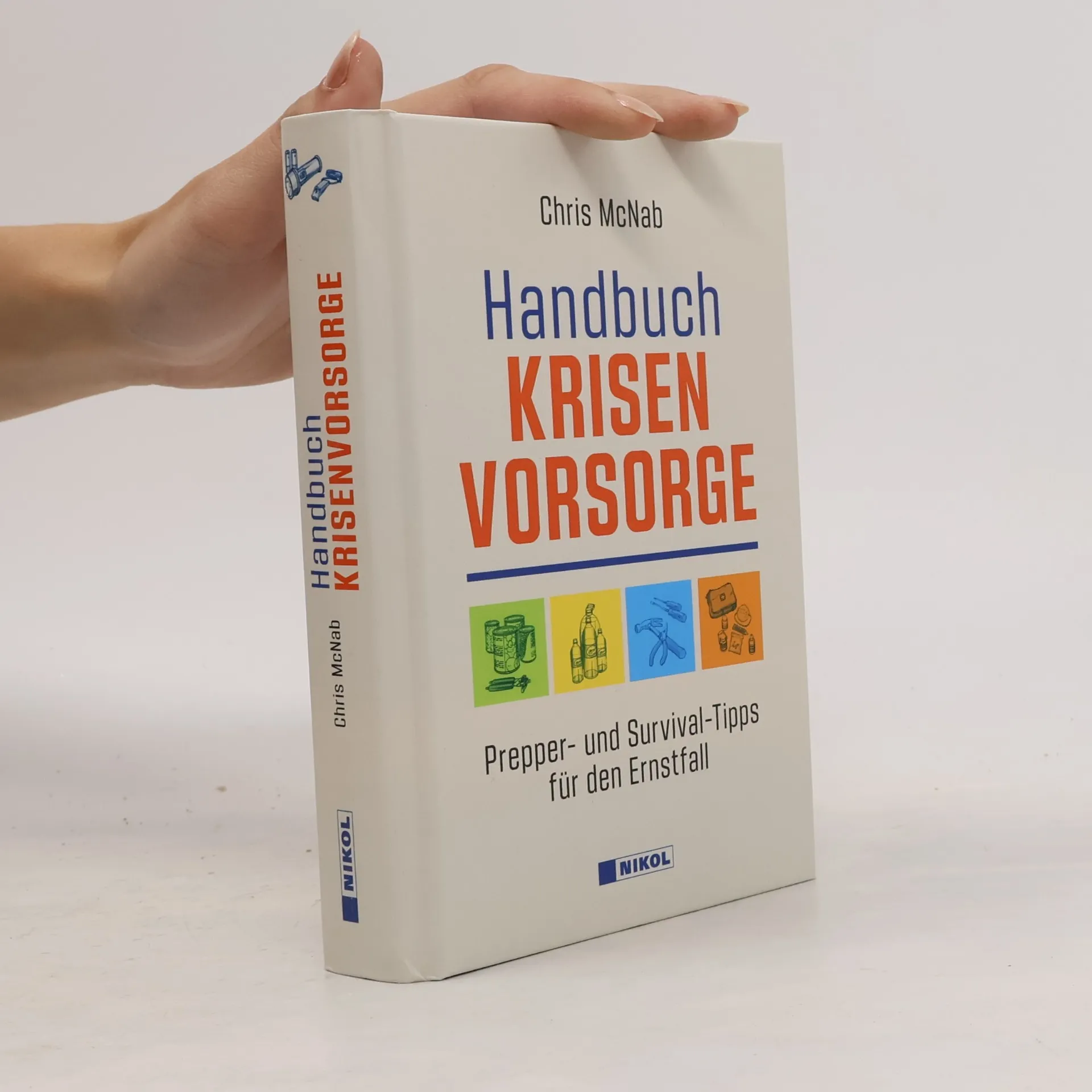
Naturkatastrophen, bei denen Tausende, wenn nicht Millionen von Menschen ums Leben kommen, hat es im Laufe der Geschichte immer wieder gegeben. Wirbelstürme, Überschwemmungen, Erdbeben, Tsunamis, Pandemien – sie alle haben Verwüstungen angerichtet. Dennoch sind die Menschen und die Behörden selten auf diese schrecklichen Ereignisse vorbereitet. Das »Handbuch Krisenvorsorge« zeigt Ihnen, wie Sie sich darauf vorbereiten und sicherstellen können, dass Sie die Krise effektiv bewältigen, wenn die Katastrophe eintritt. Das Handbuch deckt alle Eventualitäten ab, darunter: - Das eigene Zuhause absichern - Installation einer autarken Stromversorgung - Einen Bunker bauen - Lebensmittelvorräte anlegen - Wasser im Freien finden - Jagen, Fischen und Vorratshaltung - Erkennen von Bedrohungen - Selbstverteidigungstechniken - Auf schlechtes Wetter vorbereiten - Erste Hilfe im Notfall - Verhalten bei Pandemien
Unter Druck die Nerven bewahren: Dieses Handbuch zeigt, wie sich die militärischen Eliteeinheiten der SAS mentales und körperliches Durchhaltevermögen erarbeiten. Der Leser erhält einfache Schritt-für-Schritt-Anleitungen, wie er seine Ausdauer und Stärke aufbauen kann, wie seine Lebensqualität davon profitiert und wie ein psychologischer Vorteil gegenüber dem Gegner erlangt werden kann. Zudem werden körperliche Übungen, Trainingsprogramme, Mentaltechniken, Survival- und Nahkampftechniken sowie Ratschläge zu Ernährung und Regeneration vorgestellt.
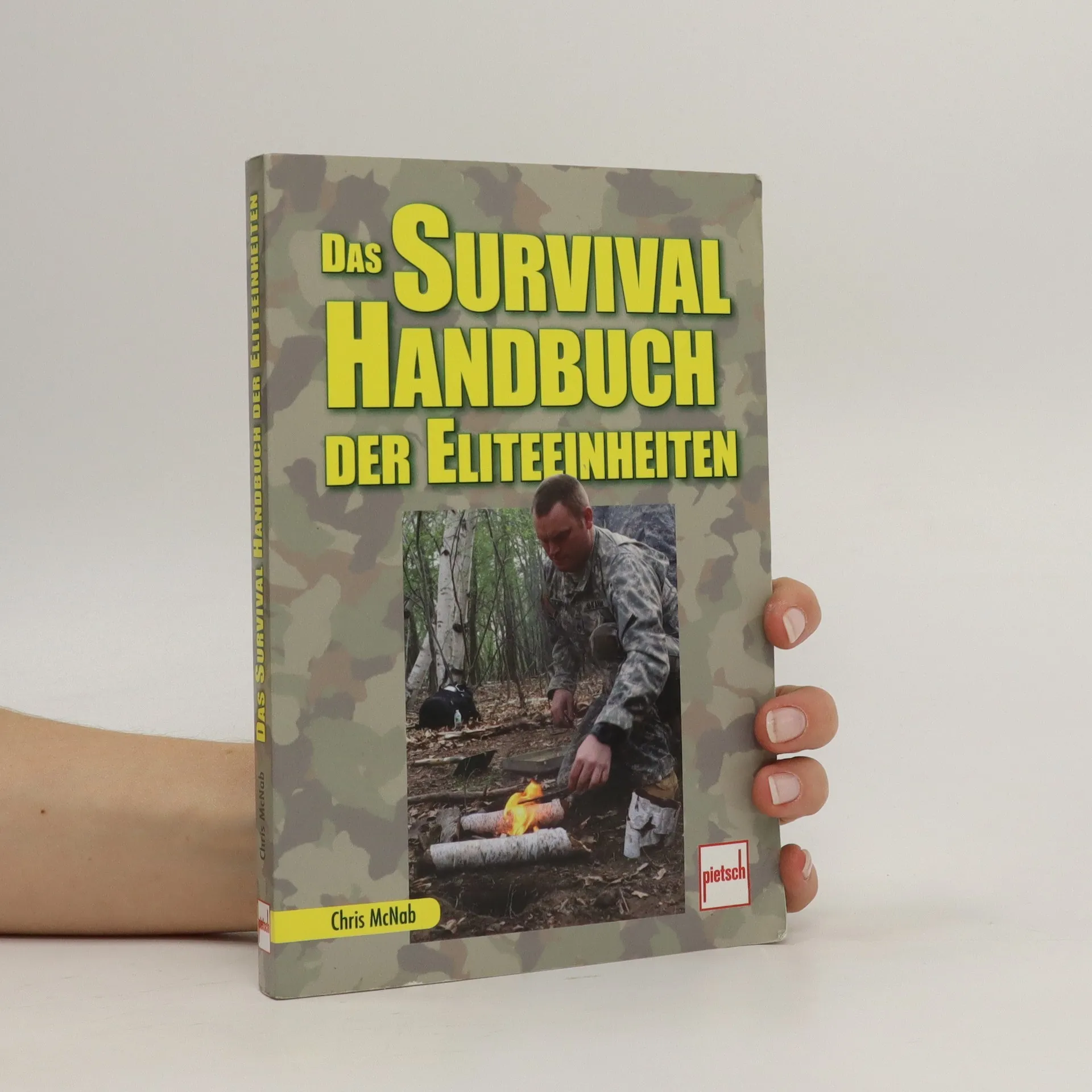
Die Hohe Kunst des Überlebens - keiner beherrscht sie so gut wie die Eliteeinheiten dieser Welt. Bei den Angehörigen des britischen SAS, der amerikanischen Green Berets, der französischen Fremdenlegion und der russischen Speznas gehört das Überleben in jeder Klimazone der Erde zur Ausbildung. Mit diesem Buch können Hiker, Trekker, Expeditionsteilnehmer und Camper vom Know-how dieser Spezialisten profitieren und sich entsprechende Kenntnisse aneignen. Von der Ausrüstung und Bekleidung über tierische und pflanzliche Nahrung aus der Natur, Feuermachen und Einrichtung eines Lagers, Gefahren in der Wildnis und Erste Hilfe bis zu Navigation und Fortbewegung werden alle wichtigen Themen behandelt.
Die Hohe Kunst des Überlebens wird von Eliteeinheiten weltweit in verschiedenen Klimazonen beherrscht. Zivilisten können nun von ihrem Wissen profitieren. Experten haben die Ausbildungsplätze dieser Spezialeinheiten analysiert und die Erkenntnisse in dieser Buchreihe zusammengefasst. Der Band vermittelt essenzielle Kenntnisse, um in unwirtlichem Gelände von der Natur zu leben. Er erklärt, wie man Wasser findet, sammelt, aufbereitet und lagert, sowie wie man eine ausgewogene Ernährung sicherstellt, um Mangelerscheinungen zu vermeiden. Zudem wird erläutert, wie man essbare Pflanzen erkennt und von giftigen unterscheidet, Tiere aufspürt, jagt oder fängt und wie man Nahrung richtig zubereitet. Die Nutzung geeigneter Hilfsmittel erleichtert das Überleben im Freien erheblich. Chris McNab beschreibt auch, wie man Pfeil und Bogen selbst herstellt oder Feuer ohne Feuerzeug oder Streichhölzer entfacht. Ein eigenes Kapitel widmet sich dem Überleben in extremen Regionen wie der Arktis, den Tropen oder der Wüste. Das Buch umfasst eine Einführung, Grundlagen, Wassersuche, essbare Pflanzen und Tiere, Jagen, Feuermachen, sowie spezielle Überlebenstechniken für verschiedene Klimazonen. Ein Glossar und Index runden den Inhalt ab.
Der Autor zeigt Schritt für Schritt, wie man eine Vielzahl von Verletzungen und anderen Notfällen behandelt - von der Reinigung einer einfachen Wunde bis hin zur Bettung eines gebrochenen Nackens. Darüber hinaus beschreibt er, wie man mit extremen klimatischen Bedingungen und Temperaturen umgeht oder mit den unterschiedlichsten Krankheiten fertig wird. Zusätzliche Tipps für die Vermeidung von Unfällen helfen, sich auf fast jeden medizinischen Notfall vorzubereiten.
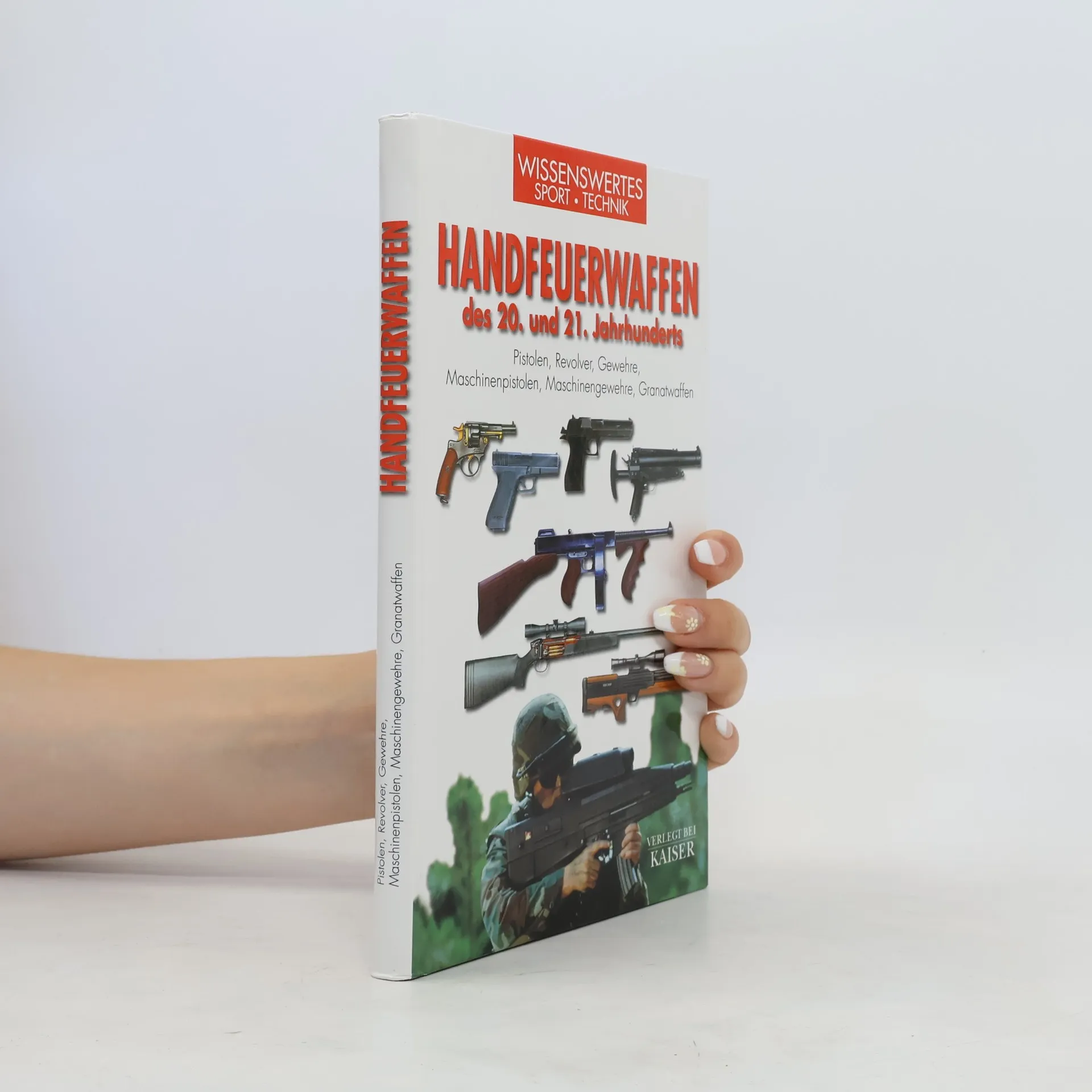
Nahezu 300 der bekanntesten Handfeuerwaffen der letzten 100 Jahre in Wort und Bild Die wichtigsten technischen Daten, wie Größe, Gewicht, ver-wendete Munition, Schussweite und weitere Details auf einen Blick Entstehungsgeschichte und Entwicklung der einzelnen Hand-feuerwaffen Ausführliches Glossar und Index
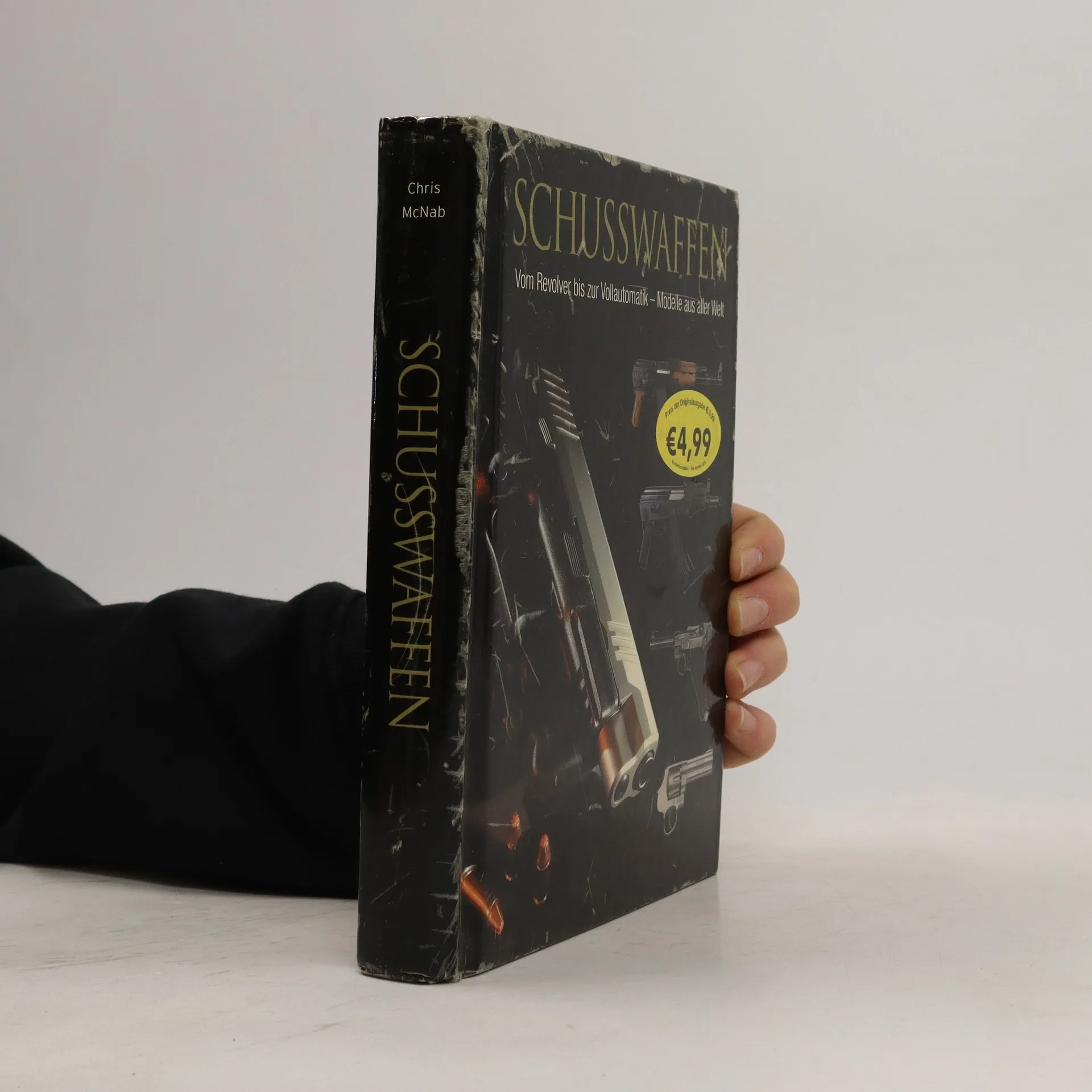
Dieses sorgfältig recherchierte und von Fachleuten bearbeitete Buch bietet einen ausführlichen historischen Überblick über die bedeutendsten Feuerwaffen vom Mittelalter bis heute. Jede Waffe wird mit einem Foto oder einer Illustration und vollständigen Spezifikationen vorgestellt. Die Sammlung umfasst 350 Waffen aus fünf Kategorien: Faustfeuerwaffen, Musketen & Gewehre, Maschinenpistolen, Maschinengewehre und Flinten. Technische Zeichnungen und Schnittbilder zeigen im Detail, wie Handfeuerwaffen funktionieren.
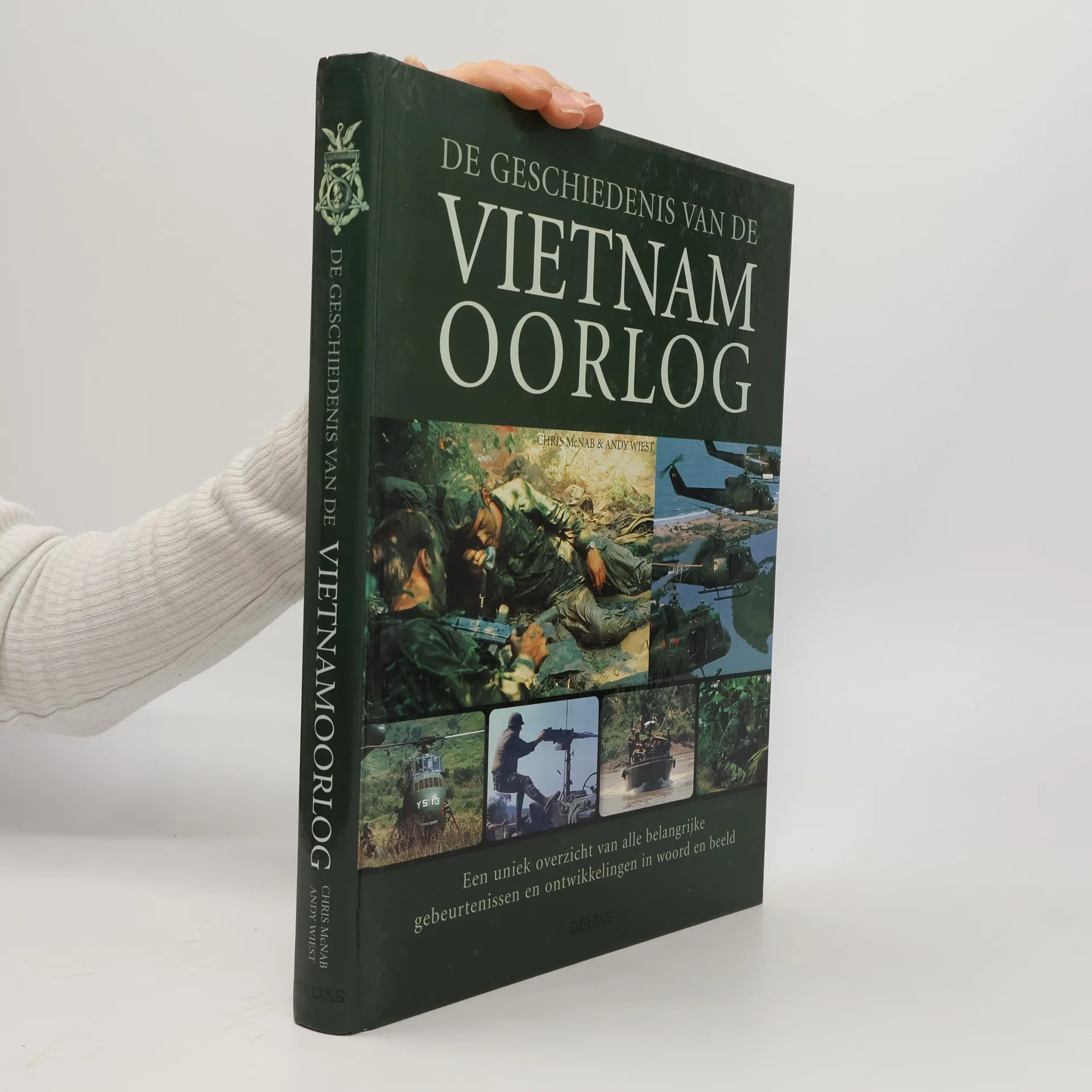
het tragische relaas van alle belangrijke ontwikkelingen en gebeurtenissen
Einleitung Vom Ersten Weltkrieg zum Zweiten Weltkrieg Gatling-Maschinenwaffe (1878) Mauser C/96 Selbstladepistole (1895) SMLE Repetiergewehr (1903) M1903 Springfield Repetiergewehr (1903) Pistole Parabellum Selbstladepistole (1908) Colt M1911 Selbstladepistole (1911) Lewis leichtes Maschinengewehr (1911) Winchester Modell 12 Kampfflinte (1912) Vickers schweres Maschinengewehr (1912) Bergmann MP 18 Maschinenpistole (1918) MG M1919 Browning mittleres Maschinengewehr (1919) MP Thompson M1928 Maschinenpistole (1928) M2 Browning .50 cal schweres Maschinengewehr (1933) Karabiner K98k Repetiergewehr (1935) Und viele mehr ...
Een uniek overzicht van alle belangrijke gebeurtenissen en ontwikkelingen in woord en beeld
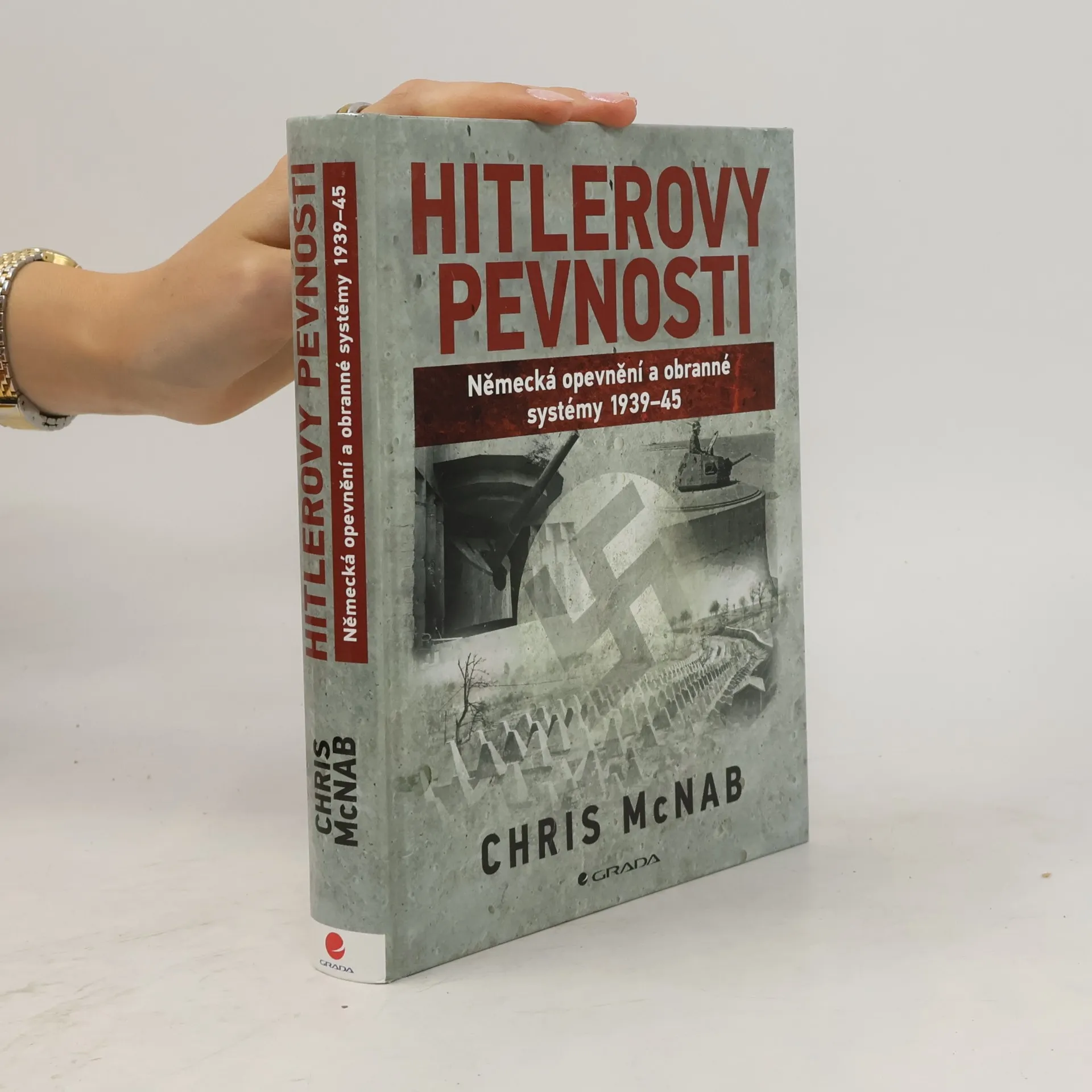
Německá opevnění a obranné systémy 1939–45 Pohromadě a přehledně v této knize najdete informace o německém pevnostním systému vybudovaném v období druhé světové války v Německu a v celé tehdy okupované Evropě. Zahrnuty jsou bunkry různých typů, baterie, opevněné kryty, polní opevnění, palebná postavení, opevněná velitelská stanoviště, ponorkové bunkry atd. atd., které výmluvně dokládají vývoj strategického a taktického myšlení nacistického velení a zároveň odrážejí vývoj událostí na východní a západní frontě. Zvláštní důraz je kladen na podrobný popis všech Hitlerových hlavních stanů, na jejich vnitřní členění a život v nich. Vše je bohatě obrazově zdokumentováno prostřednictvím dobových černobílých fotografií i později zhotovených fotografií barevných, nechybí četná schémata, mapy a kresby průřezů. Pozůstatky opevnění můžete nalézt i dneska na široké škále míst, kniha je tedy zároveň i vaším spolehlivým průvodcem.
Kniha podává v šesti kapitolách přehled o současných moderních palných zbraních a o bojové taktice a strategii pěchoty. Rozebírána je podpora pěchoty v podobě dělostřelectva, obrněných vozidel či letounů. Samostatná kapitola pojednává o specifikách zvláštních bojových prostředí a terénů. Živé současnosti jsou věnovány závěrečné oddíly knihy, které pojednávají o boji jednotek speciálního určení v různých konfliktech v současném světě. Tyto kapitoly se vztahují k záchraně rukojmích, taktice odstřelovačů, k boji s partyzány a povstalci nebo s teroristy. Fotografie, nákresy a v rámečku příklady z konkrétních bojových akcí v různých zemích. Kniha pojednává o bojové síle a taktice pěchoty a její podpoře těžkými zbraněmi. Zvláštní pozornost je věnována úloze zvláštních jednotek v současných konfliktech, v boji s teroristy a povstalci.
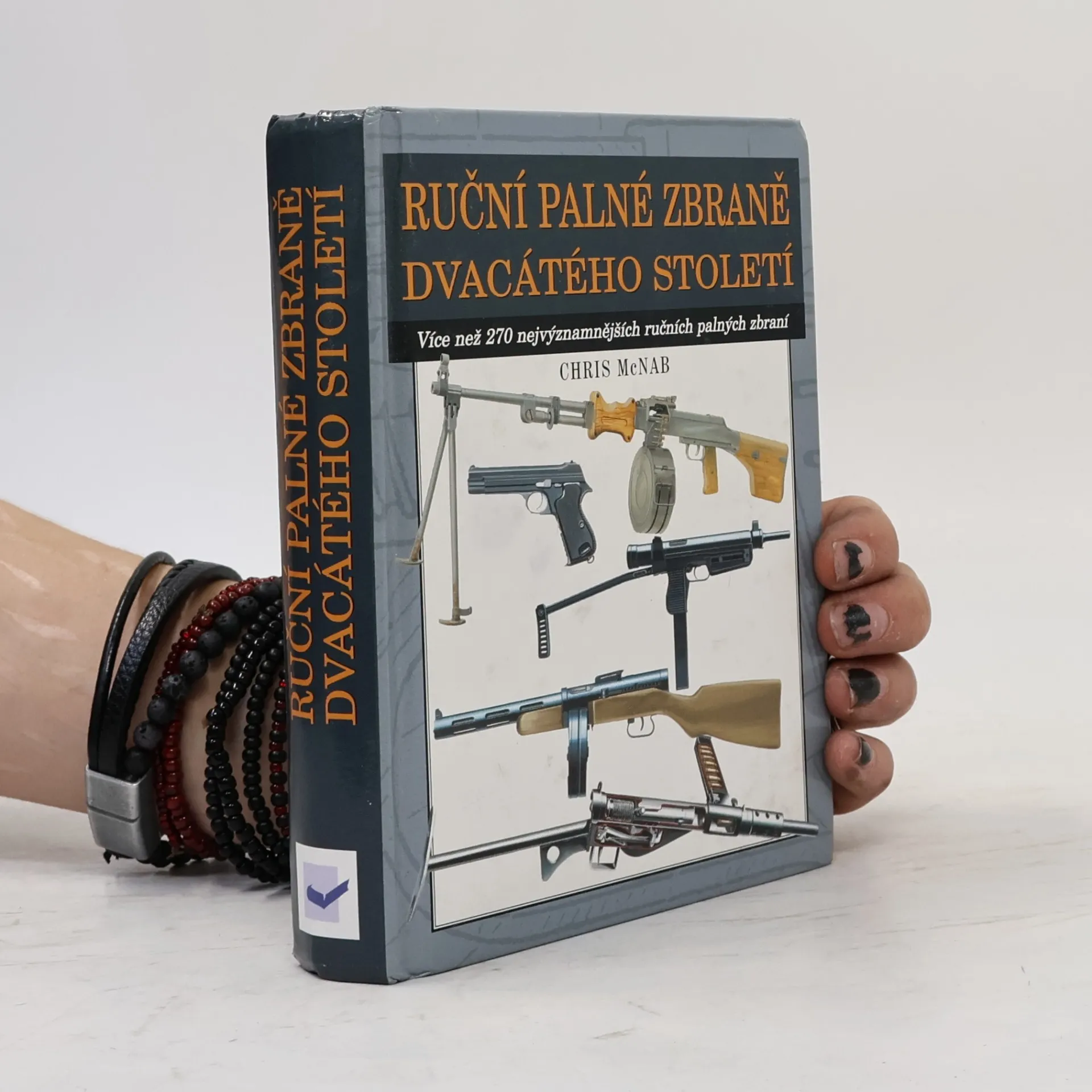
Více než 270 nejvýznamnějších ručních palných zbraní
V 21. století budou věda a technologie stále více pronikat do našeho běžného života. To před nás a naše děti klade mnoho nových výzev nejen v oblasti životního prostředí, ale i v oblasti etické a morální. Osvojení si vědeckých poznatků je tedy základní věc, kterou budou muset děti zvládnout, a proto potřebují snadný přístup k vědomostem z různých oborů, které jim pomohou žít ve stále náročnějším světě.
Příručka obsahuje téměř 300 významných typů ručních palných zbraní 20. století. V úvodu autor jen velmi krátce rekapituluje vývoj ručních palných zbraní v 19., ale zejména ve 20. století. V sedmi základních kapitolách ( pistole a revolvery, samopaly, kulomety, opakovací pušky, samočinné pušky, brokovnice a granátomety) jsou jednotlivé typy zbraní řazeny podle zemí původu. Barevné kresby, někdy řezy, jsou doplněny stručným, ale obsažným textem o vývoji, technickém řešení či uplatnění zbraně. Samozřejmostí jsou základní technické údaje: ráže, hmotnost, systém závěru, účinný dostřel a další.
Příručka obsahuje téměř 300 významných typů ručních palných zbraní 20. století. V úvodu autor jen velmi krátce rekapituluje vývoj ručních palných zbraní v 19., ale zejména ve 20. století. V sedmi základních kapitolách ( pistole a revolvery, samopaly, kulomety, opakovací pušky, samočinné pušky, brokovnice a granátomety) jsou jednotlivé typy zbraní řazeny podle zemí původu. Barevné kresby, někdy řezy, jsou doplněny stručným, ale obsažným textem o vývoji, technickém řešení či uplatnění zbraně. Samozřejmostí jsou základní technické údaje: ráže, hmotnost, systém závěru, účinný dostřel a další.
Manuál Jak přežít cokoli a kdekoli přináší praktické zkušenosti armádních elitních jednotek z život ohrožujících situací. Je určen nejen zájemcům z řad ozbrojených a bezpečnostních složek a agentur, ale i všem vyznavačům aktivního pobytu v přírodě a dobrodruhům, kteří vyhledávají nebezpečné situace. Autor zkompletoval různá doporučení a tipy na možnosti sebeobrany a přežití ve městě i v přírodě, radí, jak se ubránit napadení v dopravních prostředcích, v budovách, v autě i jak se ochránit před různými formami nebezpečí, s nimiž se můžeme setkat v divoké přírodě, ve vodě, na poušti, na horách, ve vedru i v zimě, jak najít vodu, jak si obstarat potravu i jak sám sobě poskytnout první pomoc. Každá z více než 500 praktických technik je popsána v jednoduchých a srozumitelných krocích a vyobrazena na více než 500 ilustracích.
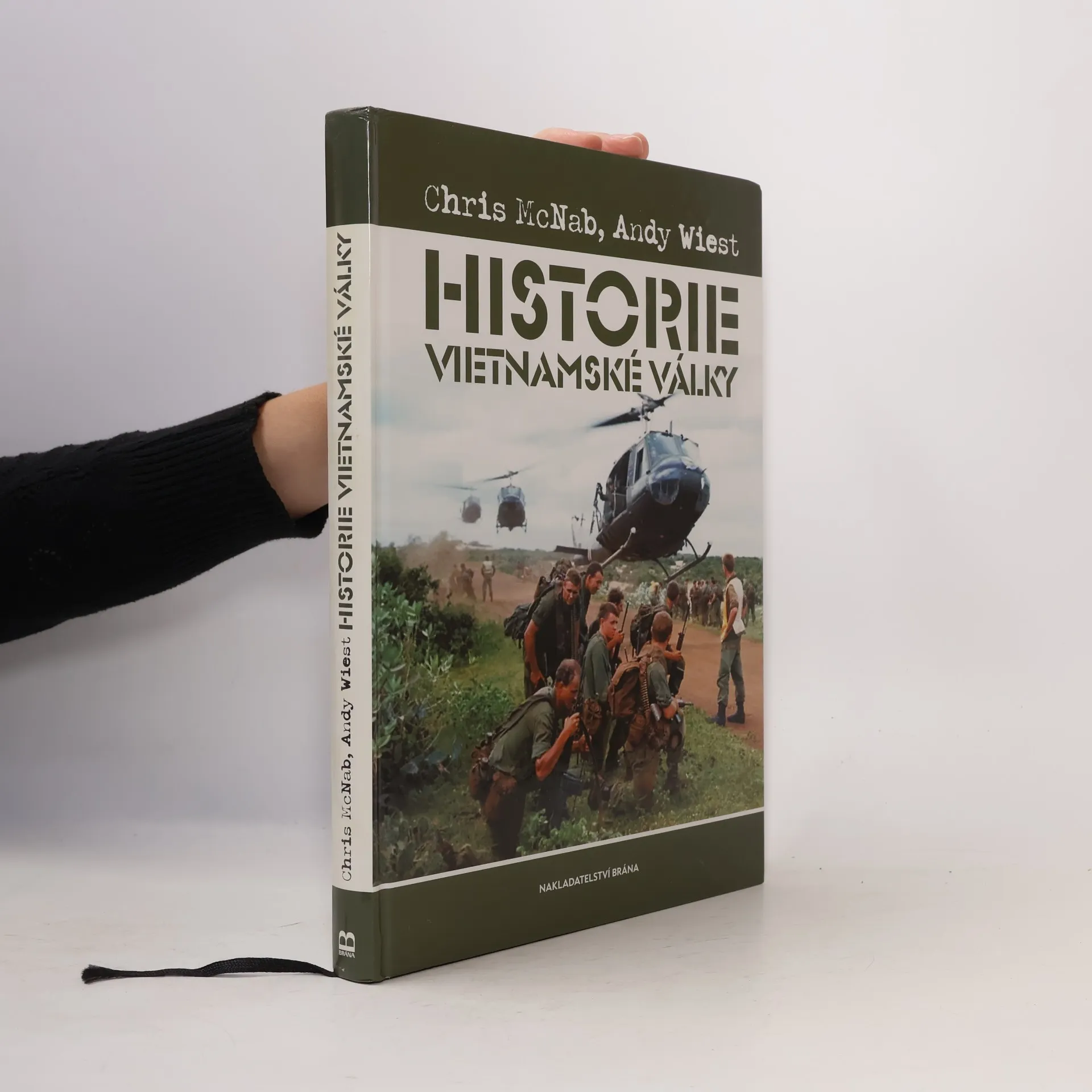
Přehled dějin války ve Vietnamu od 2. poloviny 40. let 20. století po dobytí Jižního Vietnamu roku 1975. Podrobná historie dlouhodobého konfliktu v jihovýchodní Asii od první války Francie v Indočíně až po zapojení jejích spojenců do války ve Vietnamu. Kniha obsahuje čtrnáct chronologicky řazených kapitol mapujících vývoj tohoto tragického a finančně náročného konfliktu a je doplněna více než čtyřiceti podrobnými popisy významných událostí a také životopisy nejvýznamnějších osobností, které konflikt zásadně ovlivnily. - Kompletně zpracovaná historie vietnamské války - Známé i doposud nepublikované fotografie - Graficky zpracované mapy největších bitev
Obsažný a praktický průvodce úskalími první pomoci v terénu. Pomocí této knihy se naučíte klíčové techniky diagnostiky, resuscitace a léčby šoku. Zvládnete ošetřit různé rány a řešit situace, které v přírodě mohou nastat. Najdete zde podrobné ilustrace a více než 150 cíleně zaměřených kreseb.
SOS je dokonalou příručkou umožňující přežití ve městě, čtenář v ní dostáva k dispozici celou řadu tipů a rad, jak "přežít" na ulici velkoměsta a vypořádat se s většinou problémů, které se před ním mohou vynořit. Například jak vyváznout z hořícího domu, jak se vypořádat s veřejnou dopravou, jak být bezpečný na silnici či jak se vyhnout nebezpečí ze strany teroristů. Skvělým doplňkem je 120 černobílých ilustrací, které v kombinaci s textem dělají z knihy ideálního průvodce pro přežití ve velkoměstě, a to jak pro stálého obyvatele, tak i pro příležitostného návštěvníka.
Kniha je určena nejen všem obyvatelům metropolí, ale také všem cestovatelům - a těm možná ještě více - kteří velká města navštěvují. Kniha vás připraví na řadu nebezpečných situací, poradí jak reagovat a jak se s nimi pokud možno bez úhony vypořádat. Nabízí řadu tipů včetně toho, jak se vyhnout výtržnostem, jak se bránit napadení, co dělat, a hlavně co a kdy nedělat, a jak se chovat třeba v případě požárů nebo při teroristickém útoku. A také vás naučí to hlavní. Být ostražitý.
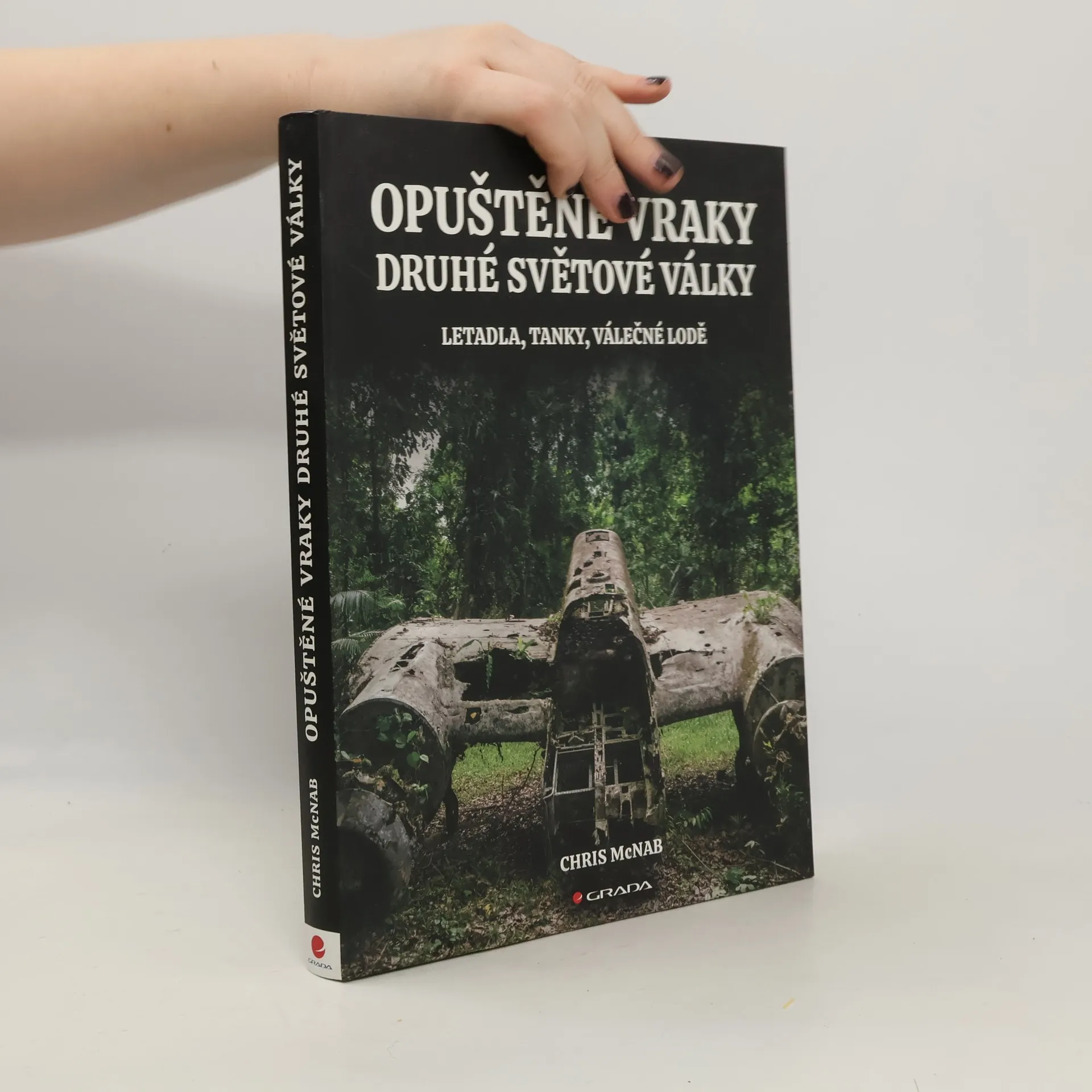
Tato výpravná obrazová publikace se podstatně liší od běžných děl o historii druhé světové války. Je to fotoalbum s minimem textu a více než dvěma sty překvapivými fotografiemi chátrajících zbraní a výzbroje, které po sobě zanechaly bojující strany na všech kontinentech, kromě Antarktidy. Po úvodu následují fotografie ze všech válečných front, od Evropy přes Středozemí a Střední východ až po Asii a Tichomoří, dokumentující obrovské množství zbraní, munice a vojenských artefaktů. Kapitola o amerických kontinentech ukazuje pobřežní opevnění a vraky letadel, které se zřítily při cvičných letech. Působivost artefaktů, od samopalu PPŠ-41 po torza opuštěných vozidel a ponorkové bunkry, umocňuje jejich zrezivělost a pokrytí mořskými živočichy. Tyto trosky a omšelé betonové stavby vyvolávají silný pocit zmaru a připomínají tragédii konfliktu, který skončil před více než pětasedmdesáti lety. Fotografie opuštěných zbraní v této knize vypovídají o hrdinství a utrpení mužů, kteří s nimi bojovali a často umírali, a to více než nablýskané exponáty ve vojenských muzeích.
Přežití je souboj s osobními potřebami. Umění přežít spočívá ve dvou dovednostech - obstarání potravy a nalezení vody. Autor ve své knize předkládá rady jako např. jak rozdělat oheň bez pomoci zápalek, objasňuje též, jak stopovat a lovit zvěř, dále radí jak si postavit přístřeší i jak si vyrobit různé jednoduché nástroje, které pomohou při shánění potravy a přípravě úkrytu. Kniha s více než 120 ilustracemi se skládá z 10 kapitol, z nichž každá obsahuje mnoho dalších tipů, rad a praktických informací, které jsou nutné k přežití. Speciální kapitoly jsou věnovány tomu, jak přežít v polárním prostředí, na poušti, na moři i v tropech.
Organizace a přehled bojových operací německého válečného letectva za druhé světové války.
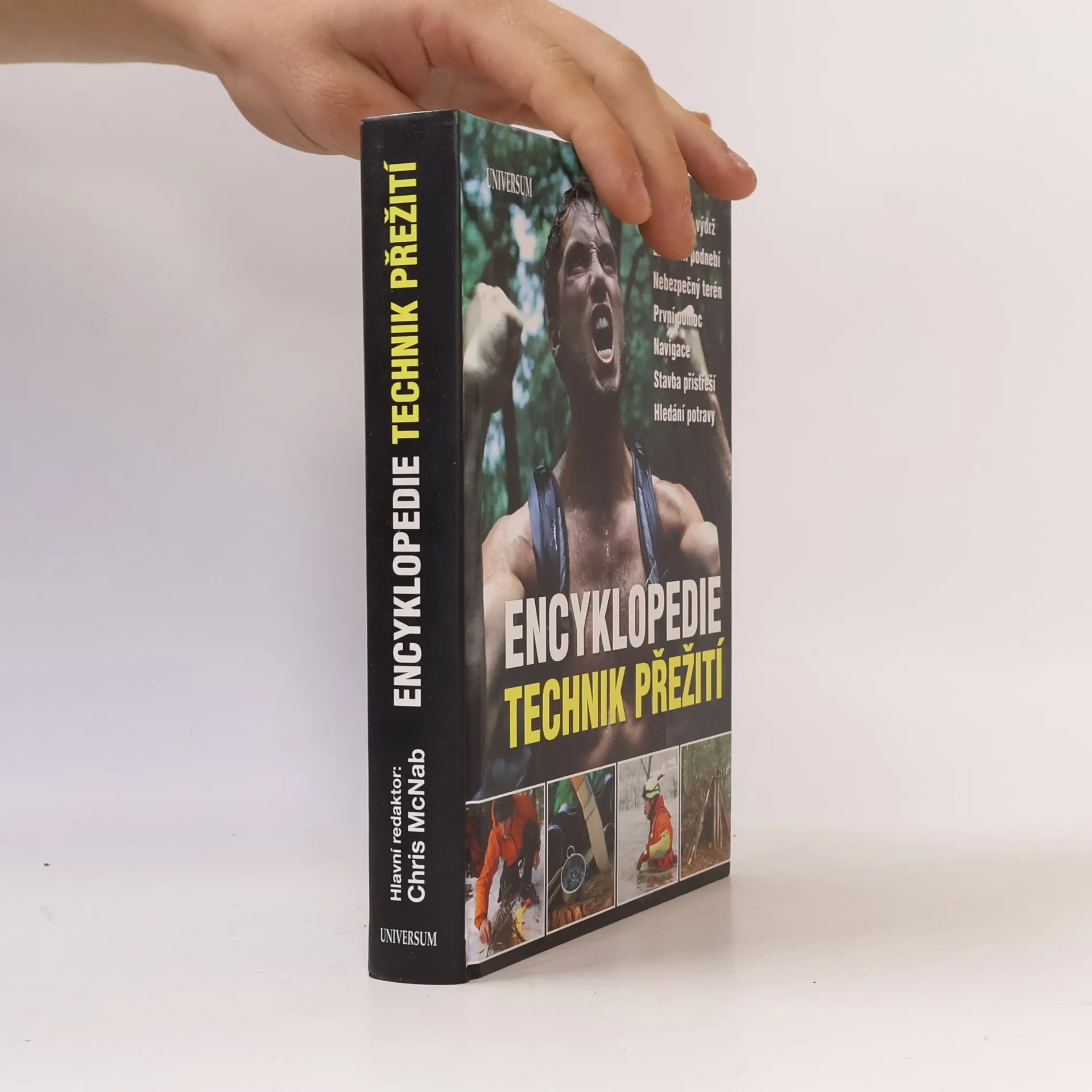
Rozsáhlá encyklopedie informací o tom, jak přežít cokoli a kdekoli. Zahrnuje nejen rady a techniky, jak si poradit v extrémních klimatických podmínkách, zorientovat se v nebezpečném terénu, rozdělat oheň, získat přístřeší a najít potravu v přírodě, ale také zásady soběstačnosti a dlouhodobého přežití v domácích podmínkách – například po přírodní katastrofě nebo teroristickém útoku.
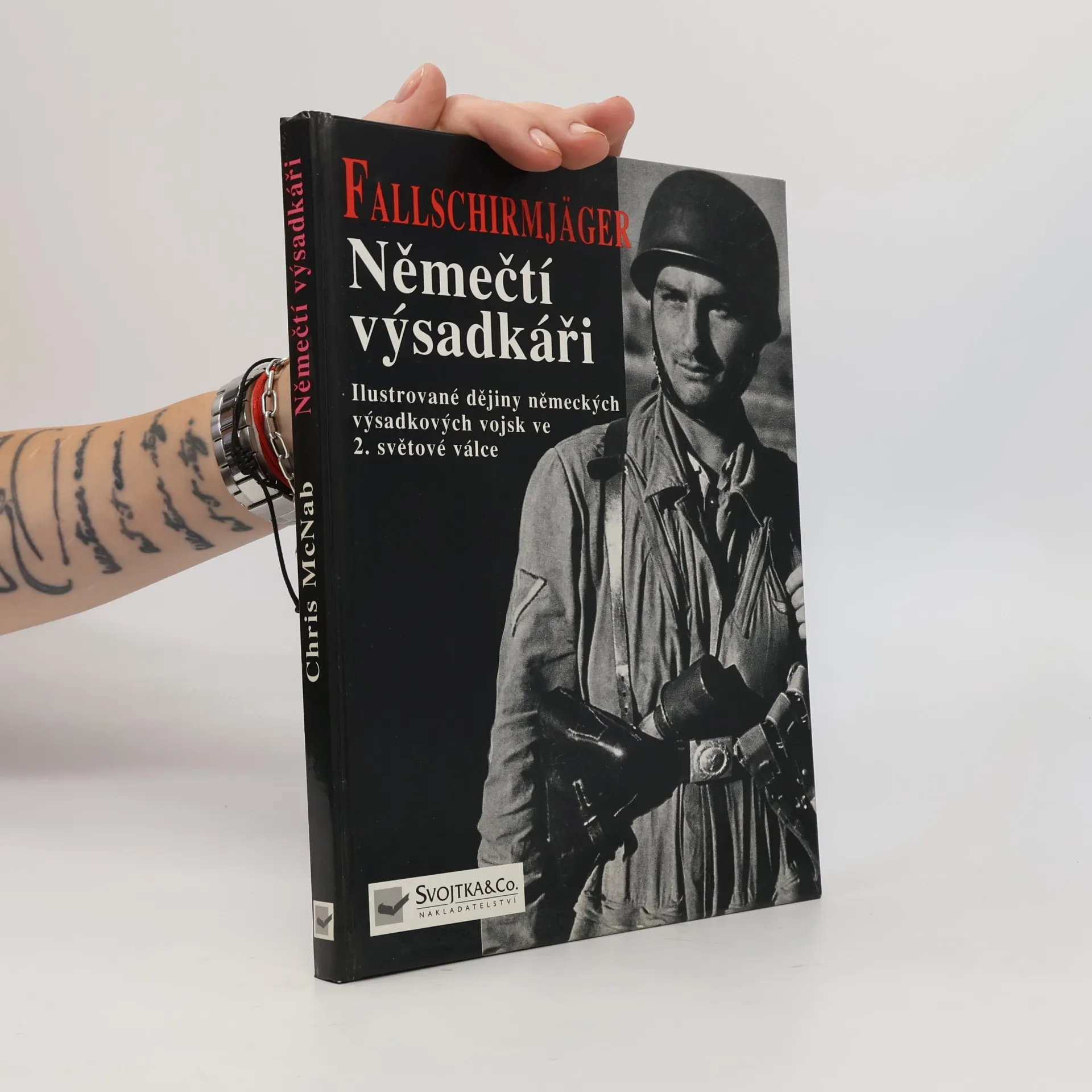
Ilustrované dějiny německých výsadkových vojsk ve 2. světové válce.
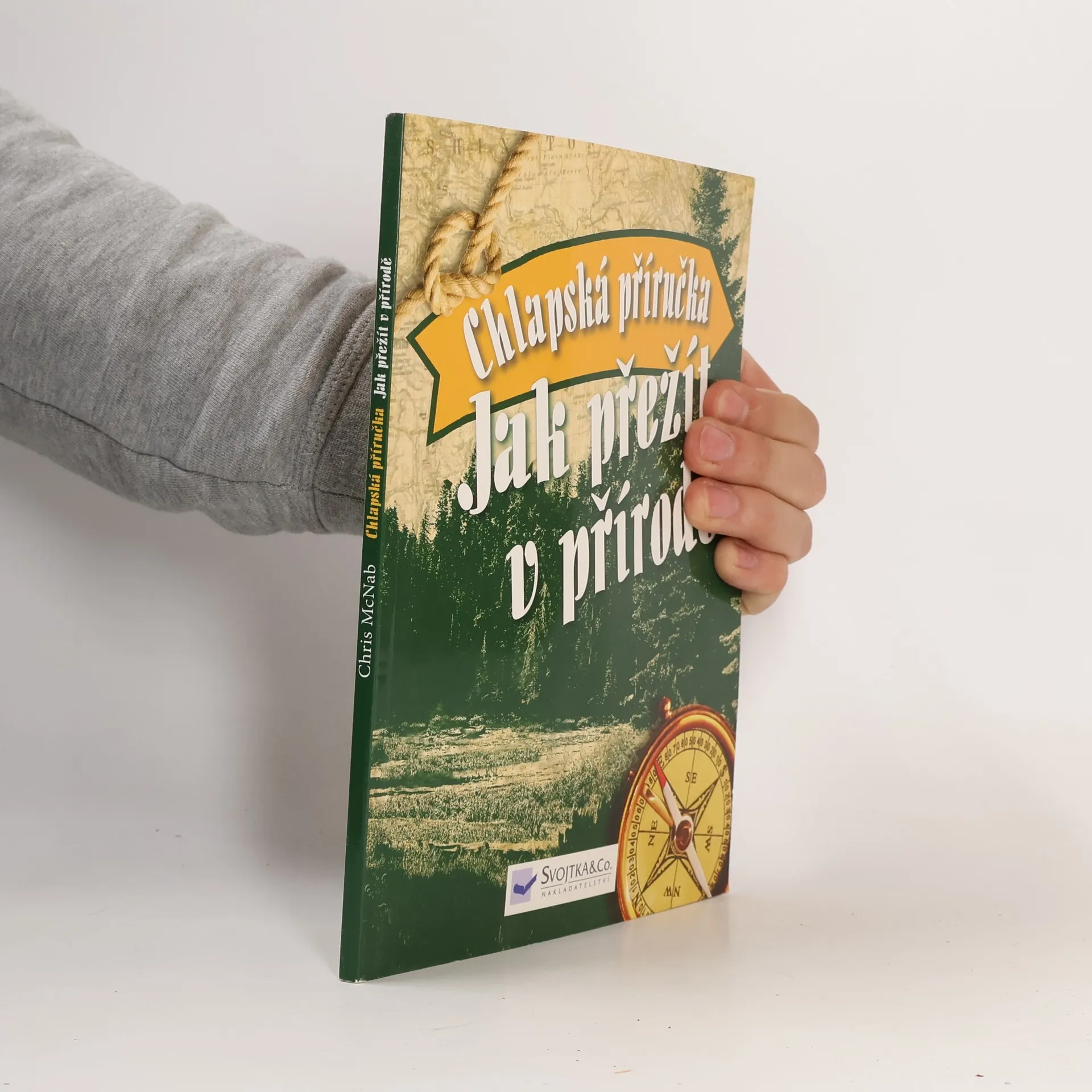
V této knize naleznete užitečné návody pro přežití v přírodě. Dozvíte se, jak: nastražit pasti na zvířata, zhotovit lovecké nástroje, rozdělat signalizační oheň, postavit iglů, ošetřit žihadlo, slézt skálu, zorientovat se v terénu, připravit si jídlo ze zvěřiny, odhadnout počasí, vysílat signály letadlům a mnohé další. Návody doplňuje přes 300 názorných kreseb. Stejné postupy se učí i vojáci speciálních jednotek. Rozměry knihy vám umožní vzít si jí s sebou na cesty do přírody.
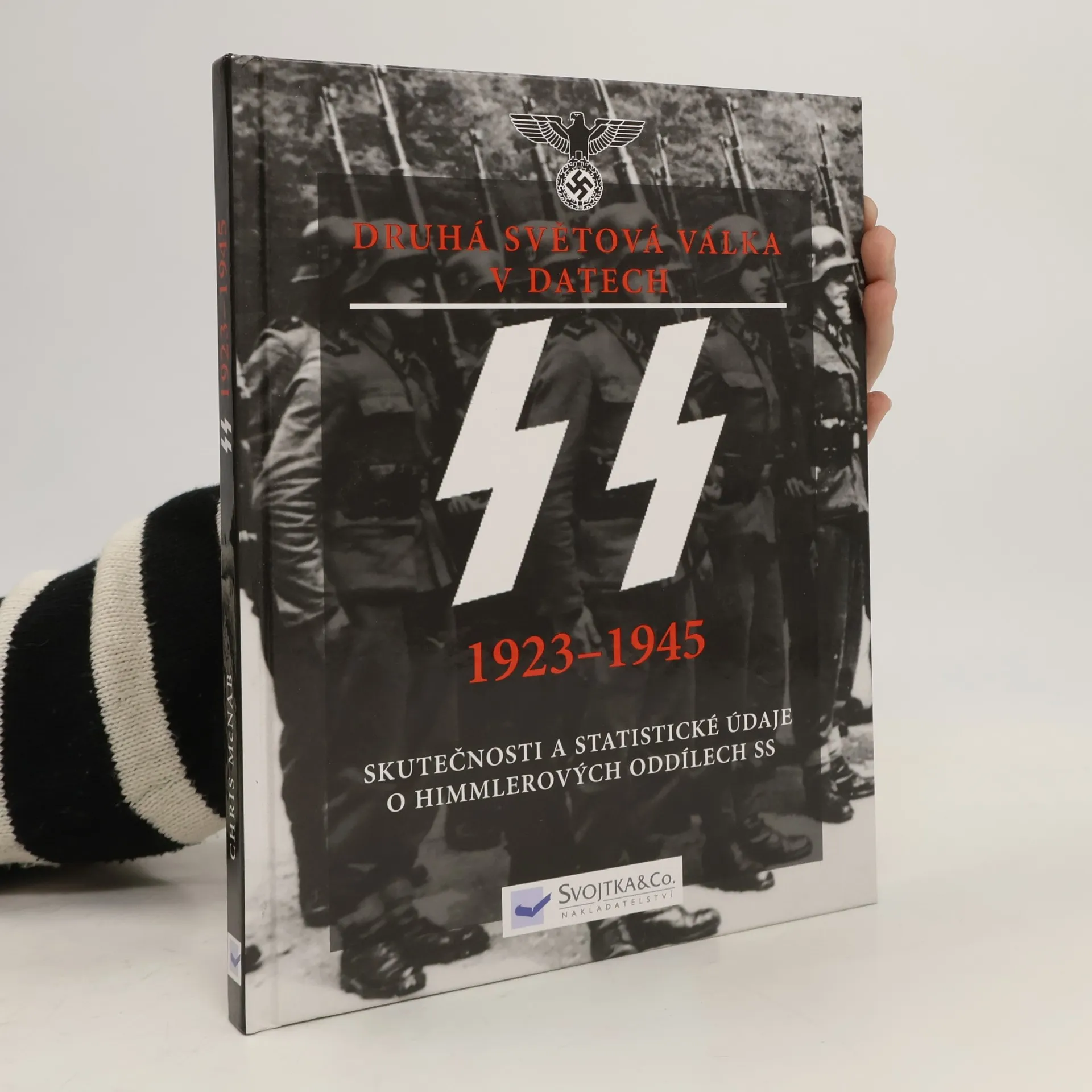
V této knize najdete základní údaje o všech aspektech SS, které jsou zde rozděleny do tematických kapitol popisujících historii této nechvalně proslulé organizace: Allgemeine-SS, vznik a vývoj ozbrojených SS (Waffen-SS), komanda smrti a policejní složky (včetně gestapa). Základní fakta a číselné údaje najdete v přehledných a snadno srozumitelných tabulkách, digramech, grafech a mapách. Kniha obsahuje i podrobné statistické údaje, které pomohou čtenáři rychle pochopit strukturu, organizaci a vývoj SS.
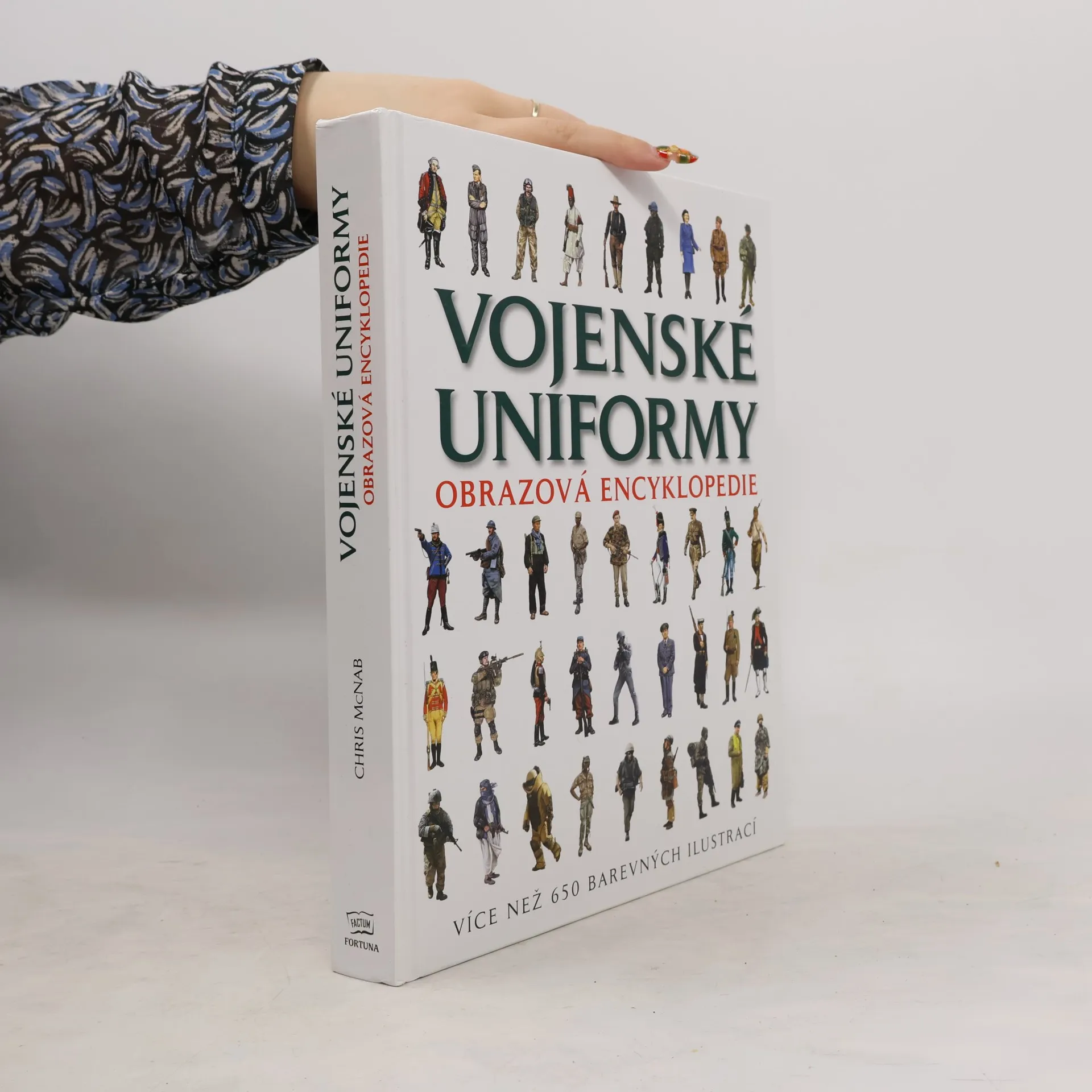
Obrazová encyklopedie vojenských uniforem od 18. století až do současnosti.
Kniha Glock: Světová pistole čtenáře provede historií pistole od původního návrhu až po definitivní podobu zbraně, která dobyla světové trhy. Pozornost je věnována mnoha variantám a rážím, počínaje Glockem 17 až po poslední čtvrtou generaci modelů. Knihu ilustruje více než 200 barevných fotografií a technických kreseb. Výklad provází přehledy základních technických parametrů.
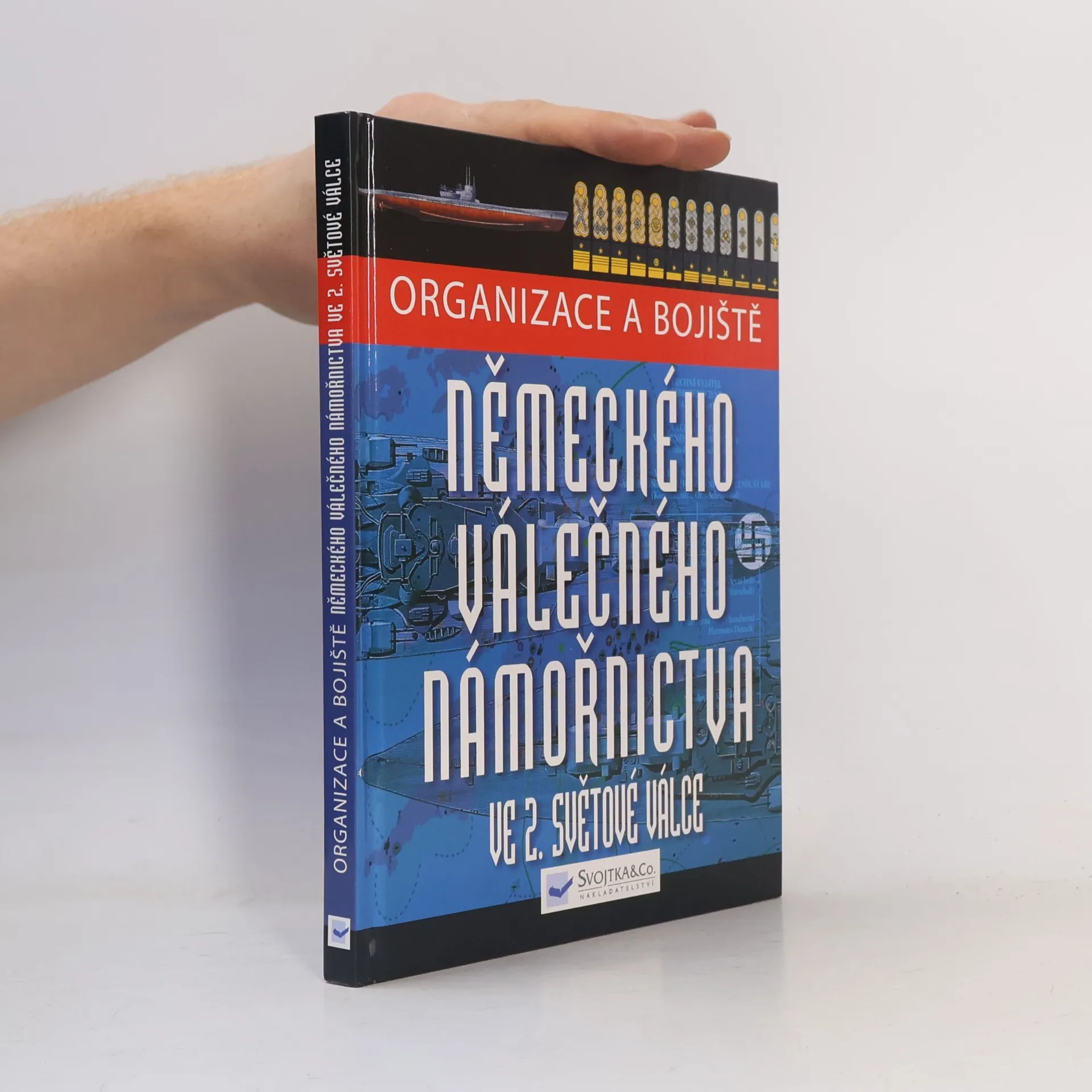
Organizační struktura a přehled bojových akcí německého válečného námořnictva mezi lety 1939 až 1945.
Nabídka je ohromná: pěší turistika, trekking, vysokohorská turistika, cesty za dobrodružstvím, divoká voda, jízda na horských kolech nebo lezecké túry. Pobyt a pohyb v přírodě jsou stále oblíbenější. Čím extrémnější zážitek, čím vzdálenější místo, tím se stává větší výzvou i větším dobrodružstvím. Jak se mám připravit? Co si s sebou vzít? Čím se tam budu živit? Kde budu spát? Co udělám v nečekaných nebo nouzových situacích? Na tyto a mnohé další otázky vám odpoví naše kniha. Plánování cesty, vybavení, jídlo, život v divočině, nečekaná nebezpečí a jak je přežít – tato kniha je obsáhlý a nevyčerpatelný zdroj informací při intenzivních zážitcích v přírodě i při zvládání extrémních situací. Pro některé čtenáře může být rozhodujícím impulzem k nádherným toulkám přírodou. Jiným může zachránit v rozhodující situaci život. Ostatní jednoduše ocení dobrého rádce, který jim řekne, jak si zahřát nohy...
Připravte sebe i svůj domov na krizové situace! V této příručce najdete jasné a srozumitelné postupy doplněné více než 150 černobílými obrázky. Kapesní formát.