Molecular Biology of the Cell
- 1392 pages
- 49 hours of reading
DVD contains: chapters 21-25- Multicellular Systems; Figures and tables in PowerPoint and JPEG formats; Panels in PDF format; over 130 movies ; Cell biology interactive media player


John Wilson, most famously associated with the pseudonym Christopher North, was a Scottish advocate, literary critic, and author. He held the position of professor of Moral Philosophy at the University of Edinburgh. His writings are frequently identified with Blackwood's Edinburgh Magazine. Wilson's work explored themes of literary criticism and philosophical inquiry.


DVD contains: chapters 21-25- Multicellular Systems; Figures and tables in PowerPoint and JPEG formats; Panels in PDF format; over 130 movies ; Cell biology interactive media player
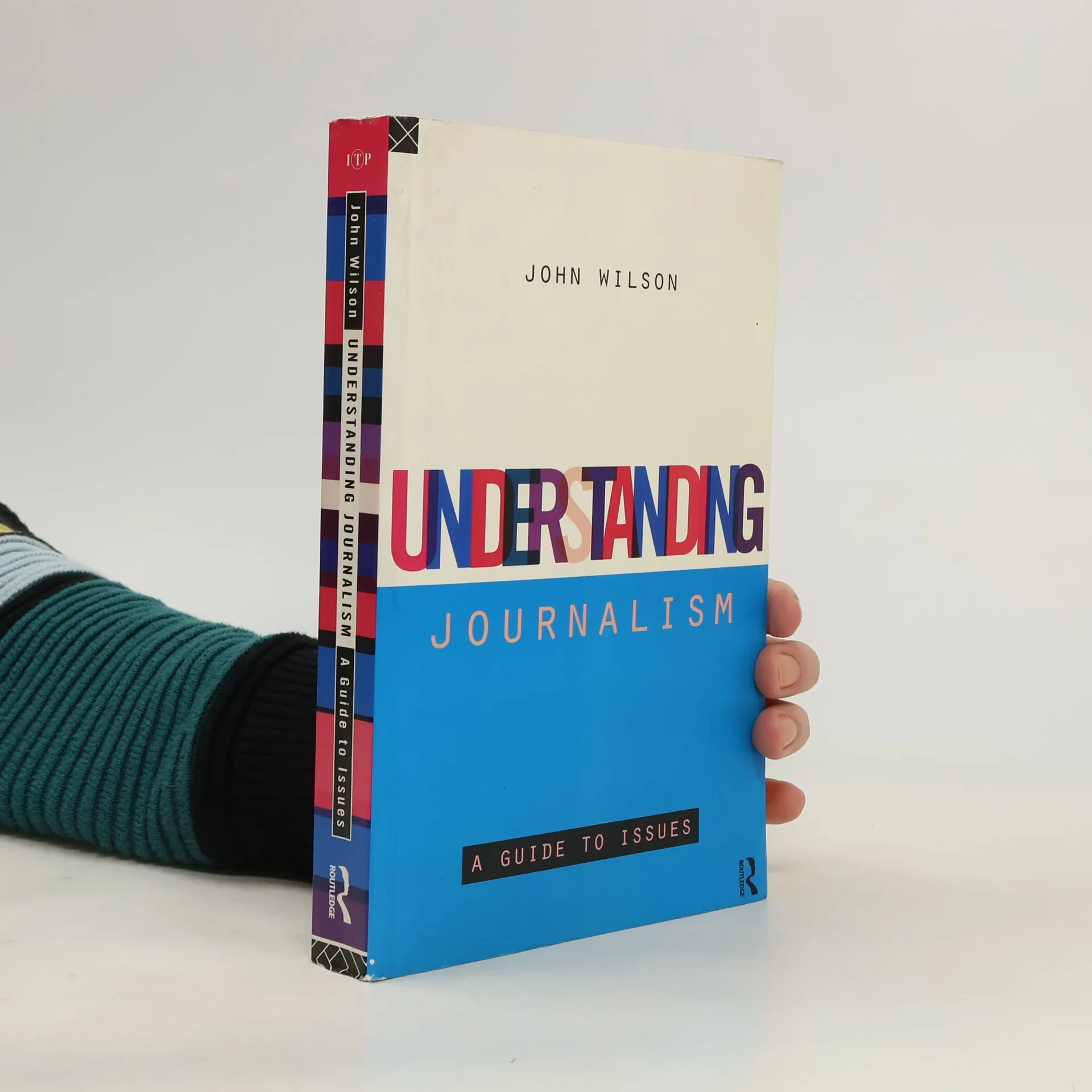
Aimed at those entering the profession of journalism, this book contains pithy definitions and sensitive explanations of a wide range of key journalistic topics.
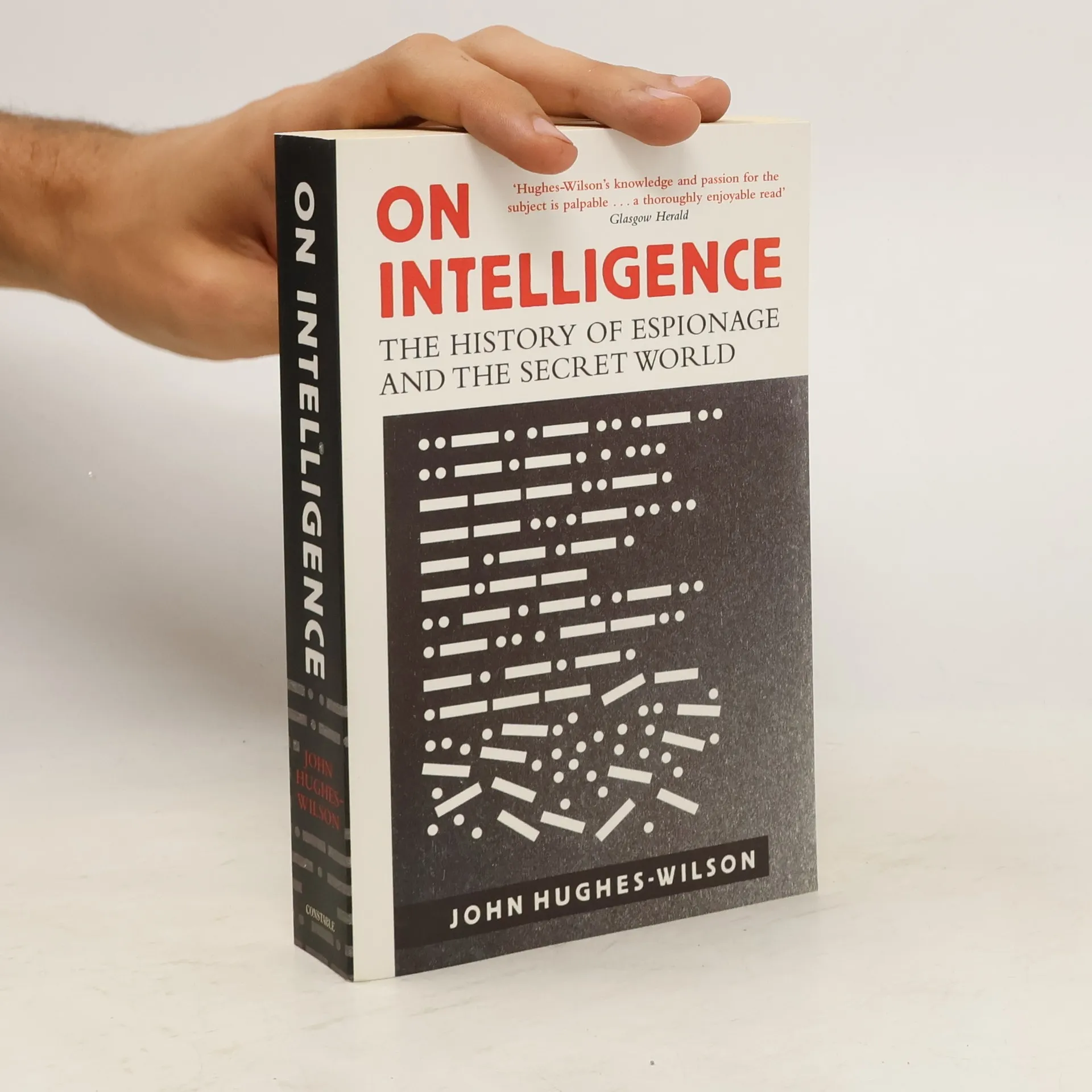
This book is a professional military-intelligence officer's and a controversial insider's view of some of the greatest intelligence blunders of recent history. It includes the serious developments in government misuse of intelligence in the recent war with Iraq. Colonel John Hughes-Wilson analyses not just the events that conspire to cause disaster, but why crucial intelligence is so often ignored, misunderstood or spun by politicians and seasoned generals alike. This book analyses: how Hitler's intelligence staff misled him in a bid to outfox their Nazi Party rivals; the bureaucratic bungling behind Pearl Harbor; how in-fighting within American intelligence ensured they were taken off guard by the Viet Cong's 1968 Tet Offensive; how over confidence, political interference and deception facilitated Egypt and Syria's 1973 surprise attack on Israel; why a handful of marines and a London taxicab were all Britain had to defend the Falklands; the mistaken intelligence that allowed Saddam Hussein to remain in power until the second Iraq War of 2003; the truth behind the US failure to run a terrorist warning system before the 9/11 WTC bombing; and how governments are increasingly pressurising intelligence agencies to 'spin' the party-political line.
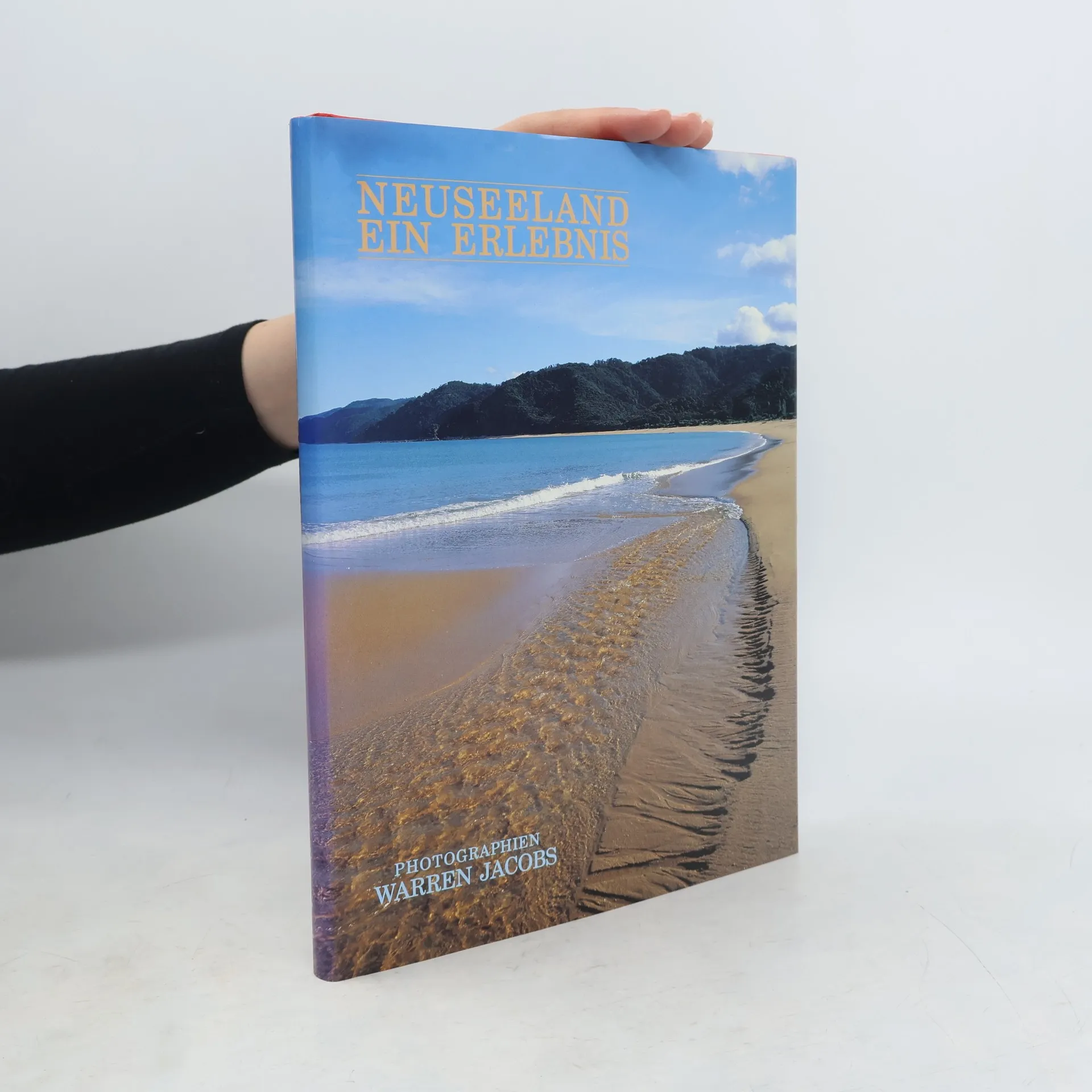
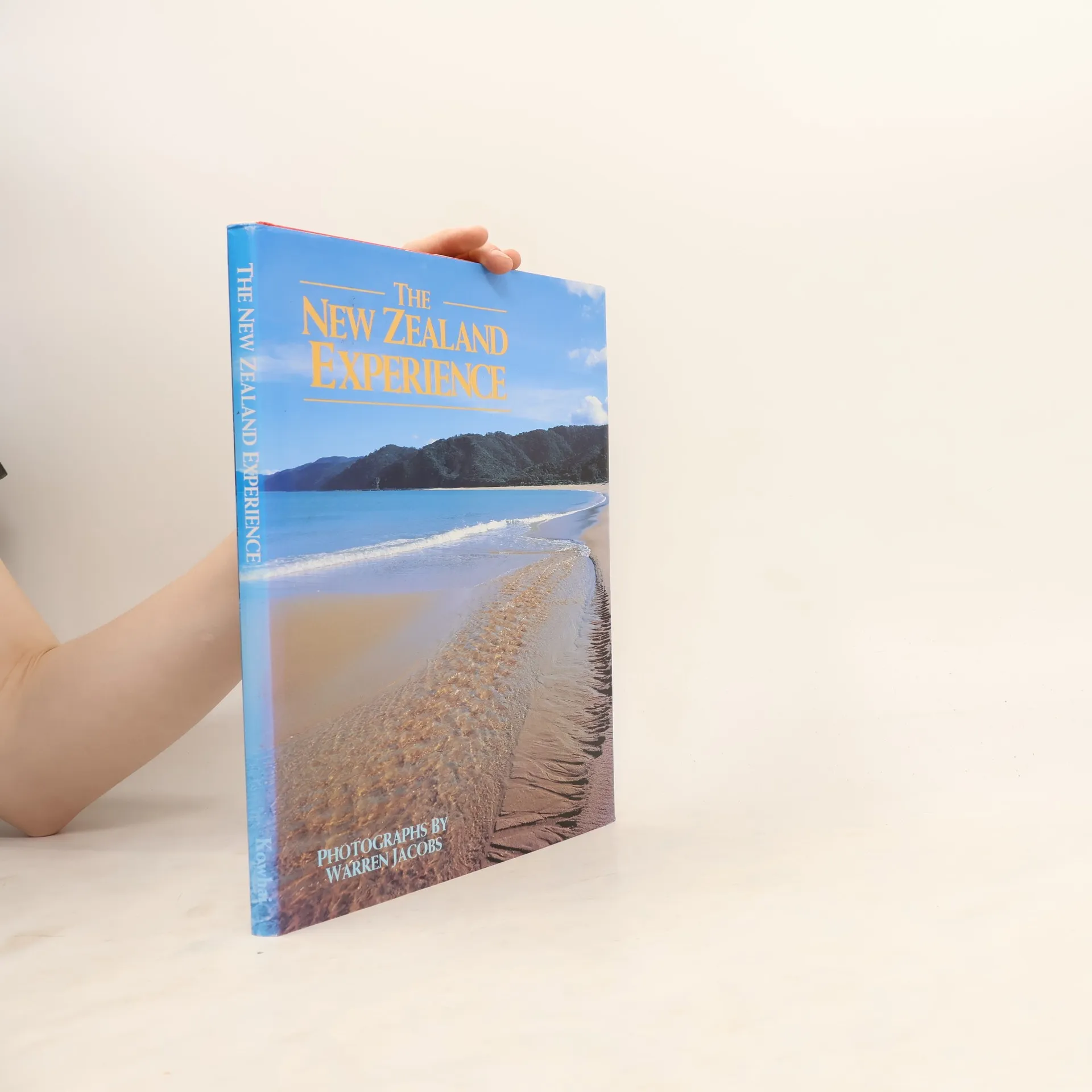
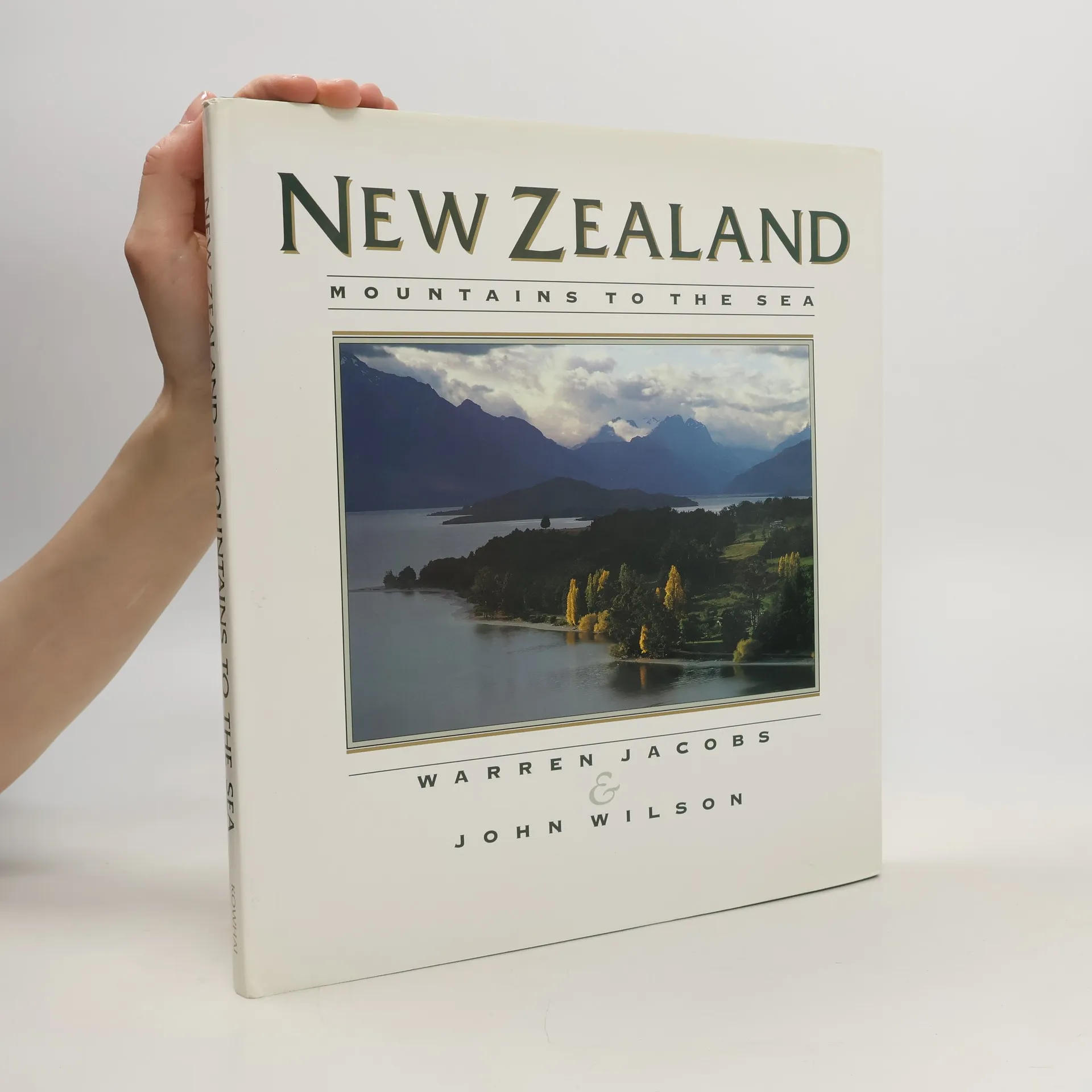
A portrayal of a country with rich and diverse landscapes. There are snow-capped mountains that thrust into startling blue skies; mountains of fire, that are centrepieces of a thermal wonderland, clothed in densely green rainforests; tranquil lakes, surrounded by mountains or fringed with luxuriant bush; rivers that rage through frightening gorges, then flow peacefully between gentle hills; clean pasture, on the river flats and hills, grazed year-round by sheep and cattle; and sweeps of sandy beach, and bold rocky headlands washed by restless seas. The photographs in this volume seek to capture the uniqueness and grandeur, the beauty and drama, of New Zealand's magnificent landscapes, from its lofty mountains to its dramatic coasts.
Pictorial presentation of New Zealand with short text descriptions.
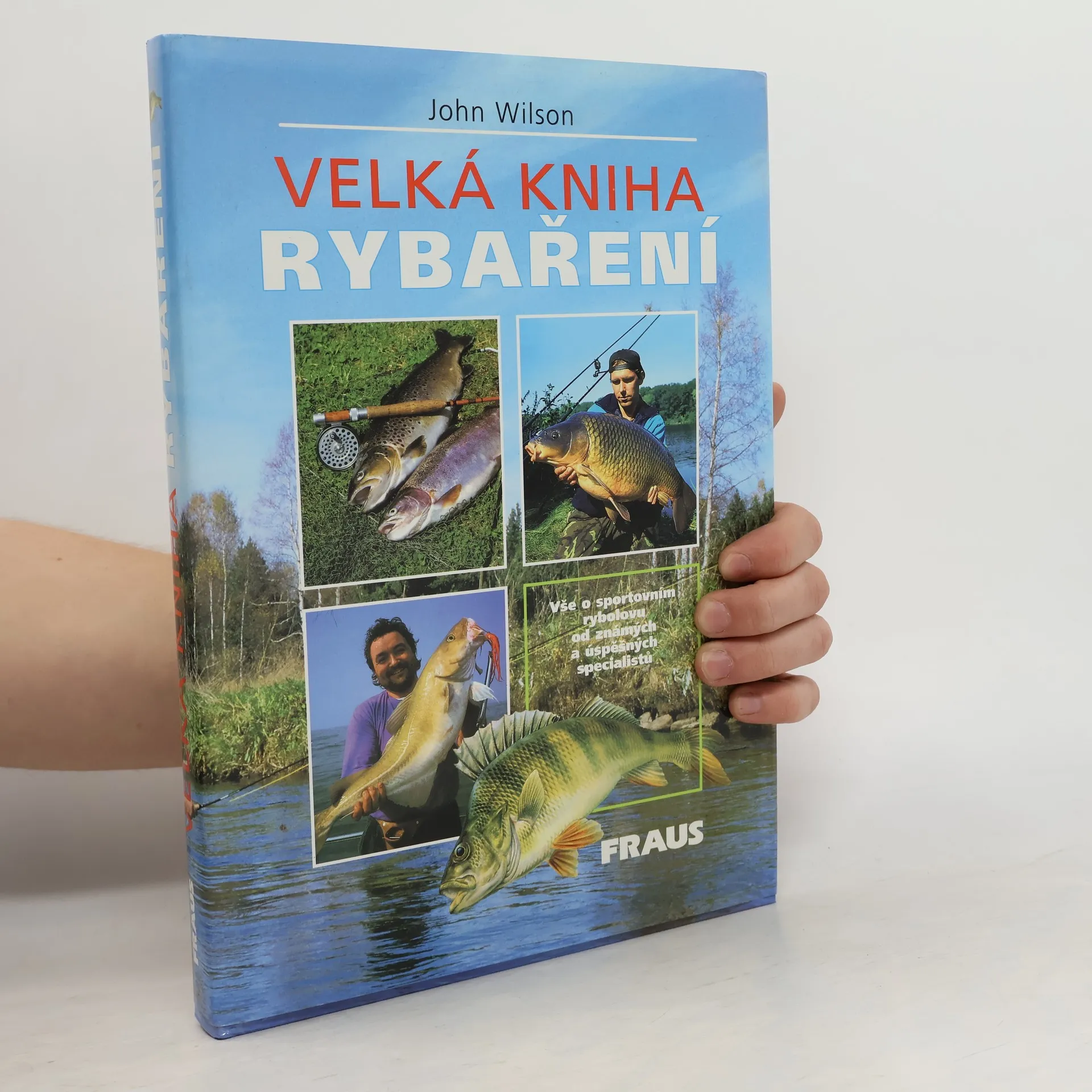
This guide to fishing shows the reader how to fish, what to fish for and where to find fish. The first section looks at tackle, while other sections look at the different kinds of bait, as well as including a guide to the fish most commonly sought by anglers in Europe and North America.
Originally published in 1856, this reprint offers readers a chance to explore the themes and narratives of its time. The book presents a unique perspective on the historical context, reflecting the social and cultural dynamics of the era. With its authentic language and style, it serves as a valuable resource for understanding the period's literature and thought. This edition preserves the original's essence, making it a significant addition to any literary collection.
Originally published in 1857, this reprint preserves the historical significance and original content of the work. It offers readers a glimpse into the themes, language, and cultural context of the time, making it a valuable addition for those interested in classic literature and the evolution of storytelling. The reissue aims to maintain the integrity of the author's vision while providing modern readers with access to this timeless piece.
The book, originally published in 1856, offers a reprint that preserves the historical context and themes of its time. It presents a unique perspective on the era's societal norms and challenges, providing readers with an authentic glimpse into the past. The narrative is enriched by its original language and style, making it a valuable resource for those interested in historical literature and the evolution of storytelling. This edition invites both new readers and returning fans to explore its timeless relevance.
This clear, step-by-step book explores and tests the idea of management style.
Wie können wir lieben, wenn wir keine einigermaßen klare Vorstellung davon haben, was Liebe ist? John Wilson nähert sich dem Phänomen Liebe vom Standpunkt der analytischen Philosophie. Er bemüht sich um eine Klärung der relevanten Vorstellungen und Begriffe, die wir mit Liebe in Verbindung bringen. Er legt dar, daß wahre Liebe letztlich auf einer einzigen Grundhaltung beruht, auch wenn man unterschiedliche Aspekte dieser Haltung beschreiben oder analysieren kann.
De politie staat voor een raadsel als een aantal mannen op verschillende plaatsen door bizarre ongelukken om het leven komen.
Příběh Johna Wilsona o osvobození od kriminálního života, závislosti na alkoholu a drogách je stěží uvěřitelný, ale absolutně pravdivý. Jediný trestný čin který nespáchal byla vražda, a byla to jedině Boží milost která ho od toho uchránila. Johnův příběh ukazuje, že když do situace zasáhne Bůh, neexistuje něco jako beznadějný případ.
Význam vojenských zpravodajských služeb není třeba zdůrazňovat, neboť jejich poznatky sehrály významnou roli v řadě vojenských střetnutí jak v historii, tak v nedávné minulosti. Tato kniha přináší pohled dlouholetého aktivního příslušníka vojenských výzvědných služeb do zákulisí největších omylů vojenských výzvědných a zpravodajských služeb (D-Day, Barbarossa, Pearl Harbor, Singapur, Dieppe, ofenziva "Tet", Falklandy, Záliv ad.) včetně jejich znepokojujícího zneužívání mnohými současnými vládami, jak tomu bylo například během války v Iráku.
Vše o sportovním rybolovu od známých a úspěšných specialistů.