The Handbook of Latin American Environmental Aesthetics offers a comprehensive overview of Latin American aesthetic and conceptual production addressing the more-than-human environment at the intersection between art, activism, and critique. Fields include literature, performance, film, and other audiovisual media as well as their interactions with community activisms. Scholars who have helped establish environmental approaches in the field as well as emergent critical voices revisit key concepts such as ecocriticism, (post-)extractivism, and multinaturalism, while opening new avenues of dialogue with areas including critical race theory and ethnicity, energy humanities, queer-*trans studies, and infrastructure studies, among others. This volume both traces these genealogies and maps out key positions in this increasingly central field of Latin Americanism, at the same time as they relate it to the environmental humanities at large. By showing how artistic and literary productions illuminate critical zones of environmental thought, articulating urgent social and material issues with cultural archives, historical approaches and conceptual interventions, this volume offers cutting-edge critical tools for approaching literature and the arts from new angles that call into question the nature/culture boundary.
Jens Andermann Books


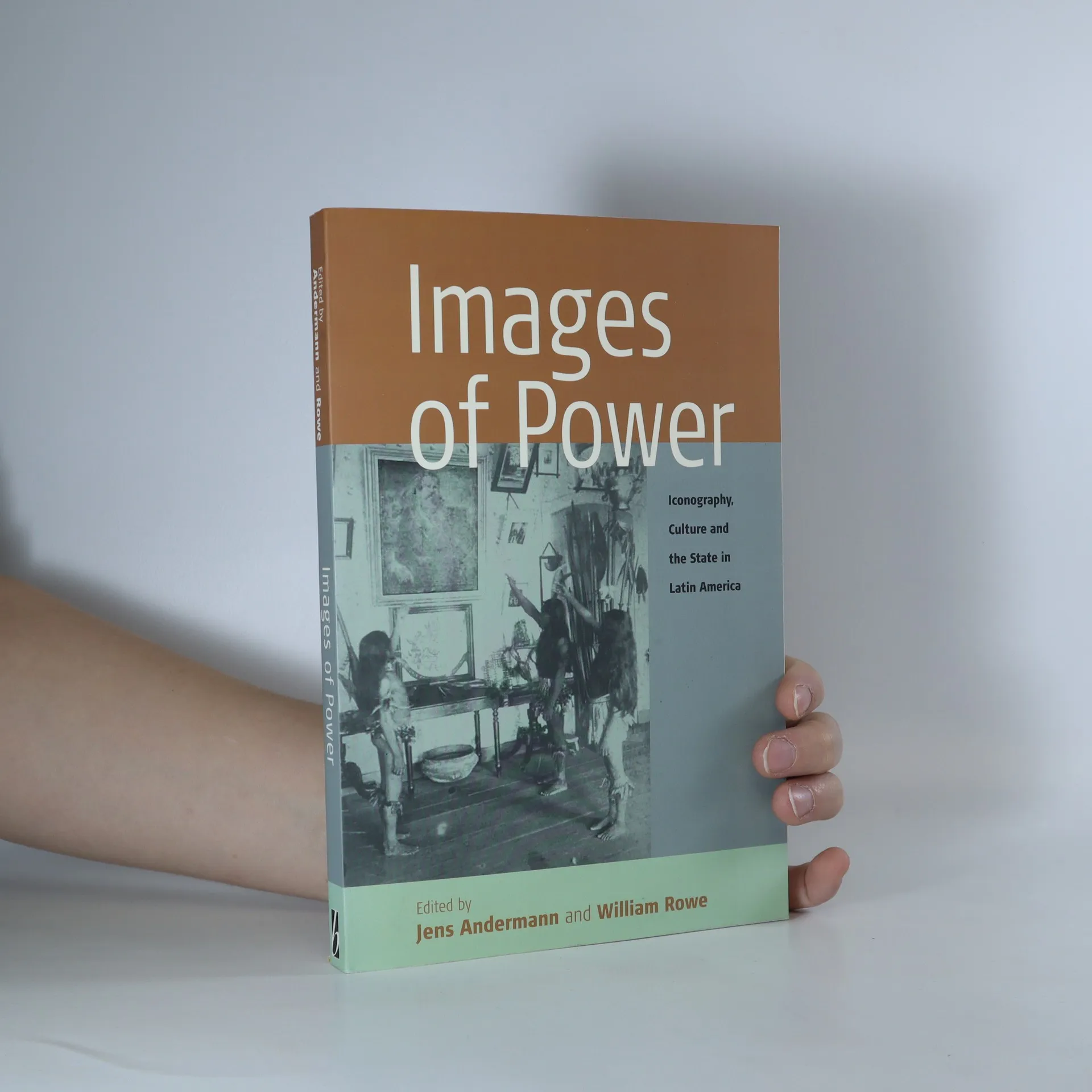
In Latin America, where even today writing has remained a restricted form of expression, the task of generating consent and imposing the emergent nation-state as the exclusive form of the political, was largely conferred to the image. Furthermore, at the moment of its historical demise, the new, 'postmodern' forms of sovereignty appear to rely even more heavily on visual discourses of power. However, a critique of the iconography of the modern state-form has been missing. This volume is the first concerted attempt by cultural, historical and visual scholars to address the political dimension of visual culture in Latin America, in a comparative perspective spanning various regions and historical stages. The case studies are divided into four sections, analysing the formation of a public sphere, the visual politics of avant-garde art, the impact of mass society on political iconography, and the consolidation and crisis of territory as a key icon of the state.