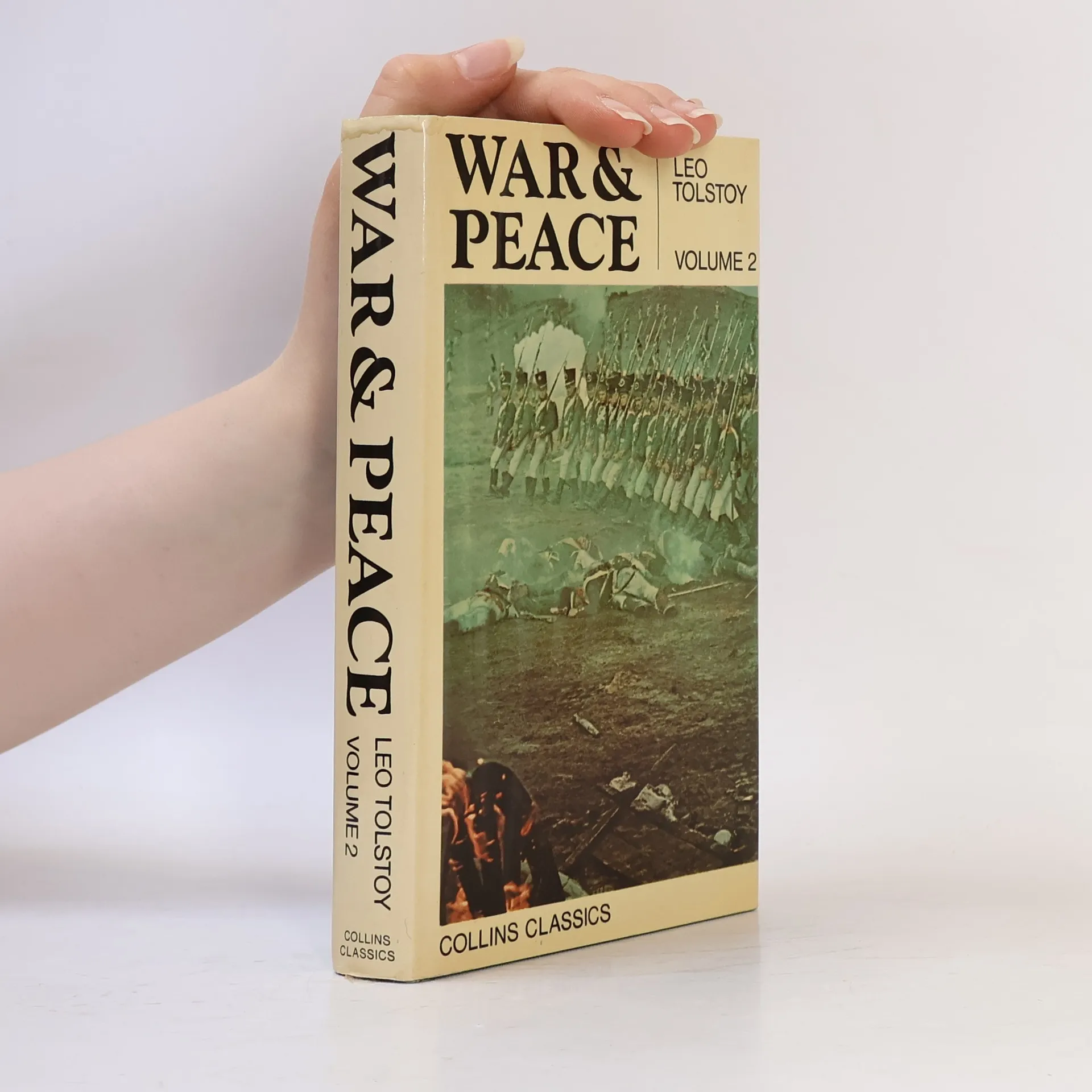
War and Peace 2
- 736 pages
- 26 hours of reading
One of Penguin Classics's most popular translations- now also in our elegant black spine dress


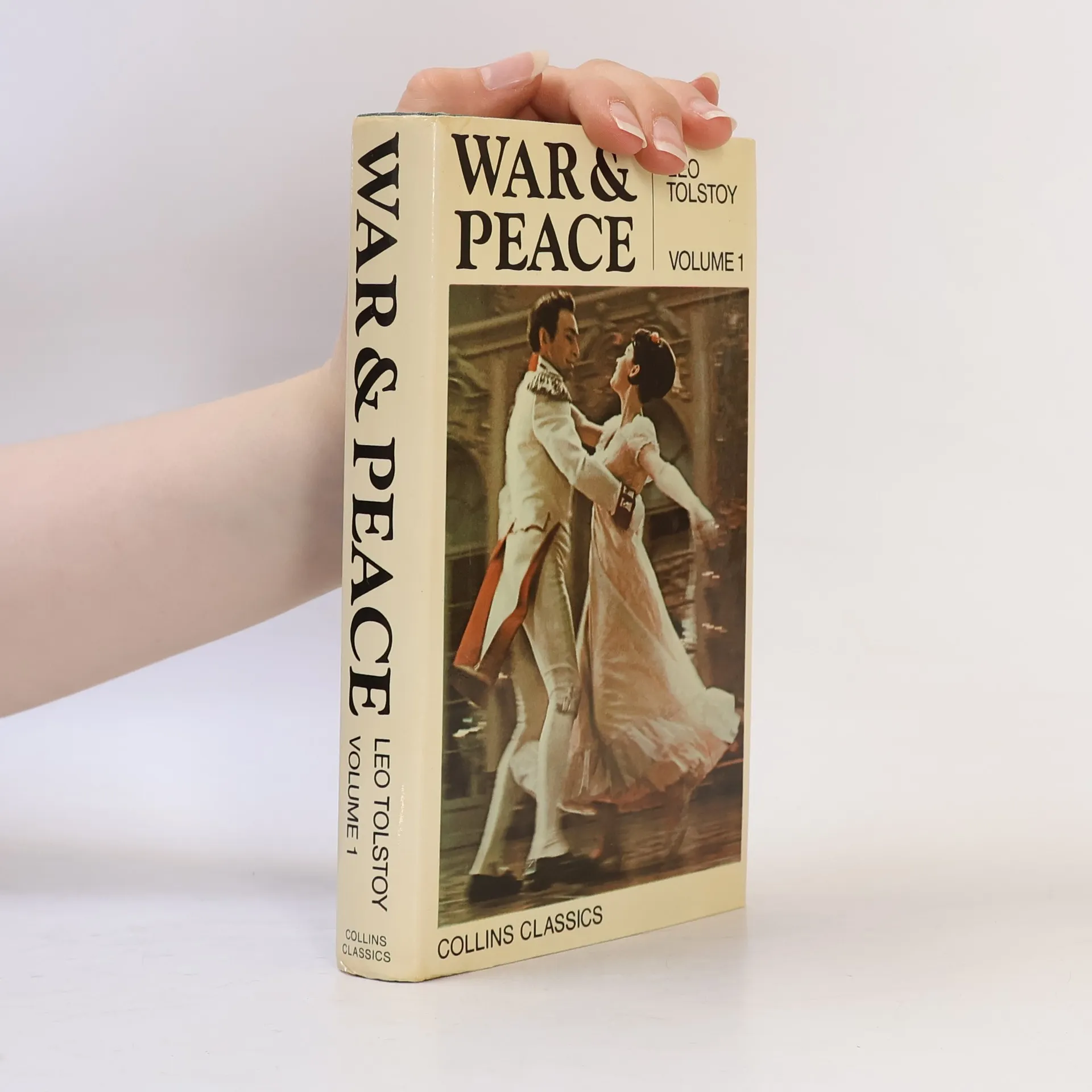



One of Penguin Classics's most popular translations- now also in our elegant black spine dress
A middle-aged judge who had never thought about his own mortality, must readjust his thinking when he learns he has a terminal illness
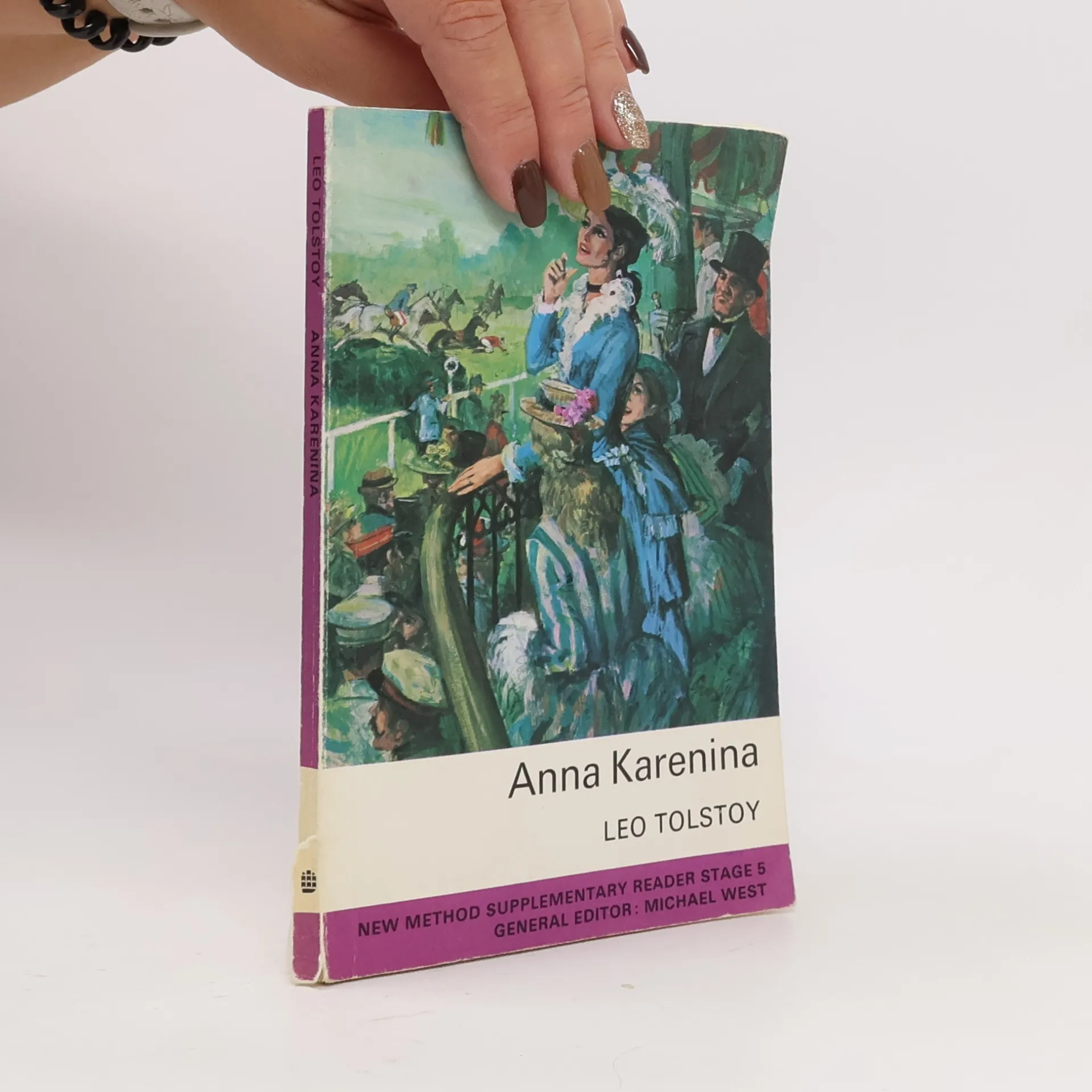
Anna Karenina is one of the loved and memorable heroines of literature. Her overwhelming charm dominates a novel of unparalleled richness and density. This book addresses the very nature of society at various levels - of destiny, death, human relationships and the irreconcilable contradictions of existence.
Recognized for its cultural significance, this work contributes to the foundational knowledge of civilization. It has garnered attention from scholars for its important themes and insights, reflecting key aspects of historical and societal development.
At a glittering society party in St Petersburg in 1805, conversations are dominated by the prospect of war. Terros swiftly engulfs the country as Napoleon's army marches on Rusia, and the lives of three young people are changed for ever. The stories of quixotic Pierre, cynical Andrey and impetuous Natasha interweave with a huge cast, from aristocrats and peasants to soldiers and Napoleon himself. in War and Peace (1863-9), Tolstoy entwines grand themes - conflict and love, birth and death, free will and fate - with unforgettable scenes of nineteenth-century Russia, to create a magnificent epic of human life in all its imperfection and grandeur.
War and Peace broadly focuses on Napoleon’s invasion of Russia in 1812 and follows three of the most well-known characters in Pierre Bezukhov, the illegitimate son of a count who is fighting for his inheritance and yearning for spiritual fulfillment; Prince Andrei Bolkonsky, who leaves his family behind to fight in the war against Napoleon; and Natasha Rostov, the beautiful young daughter of a nobleman who intrigues both men.As Napoleon’s army invades, Tolstoy brilliantly follows characters from diverse backgrounds—peasants and nobility, civilians and soldiers—as they struggle with the problems unique to their era, their history, and their culture. And as the novel progresses, these characters transcend their specificity, becoming some of the most moving—and human—figures in world literature.