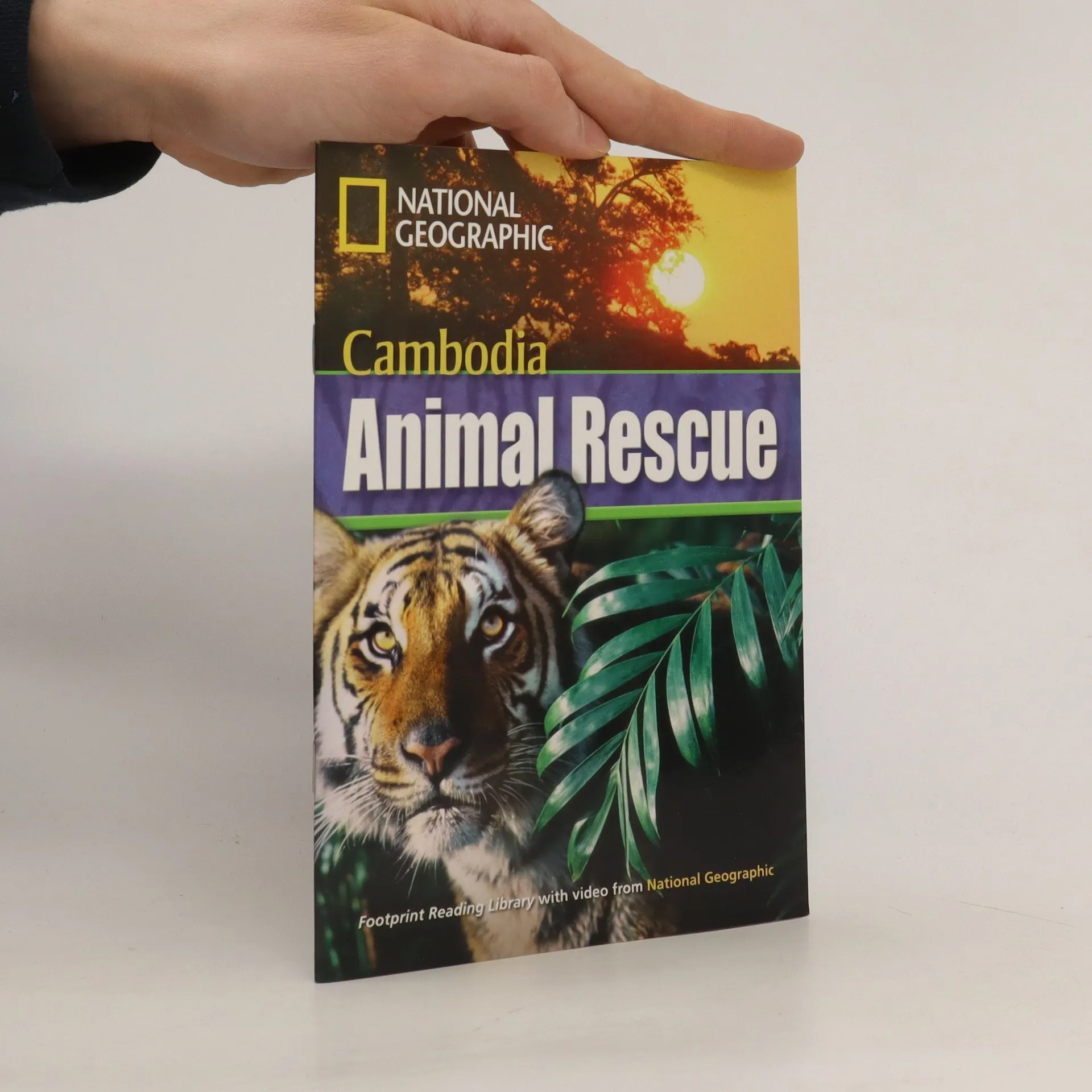
In some areas of Cambodia, there are few people around. Because of this, people go there to catch and kill animals illegally for food or to sell. If these animals don’t get help, there will soon be none left! Who will save the animals before it’s too late?
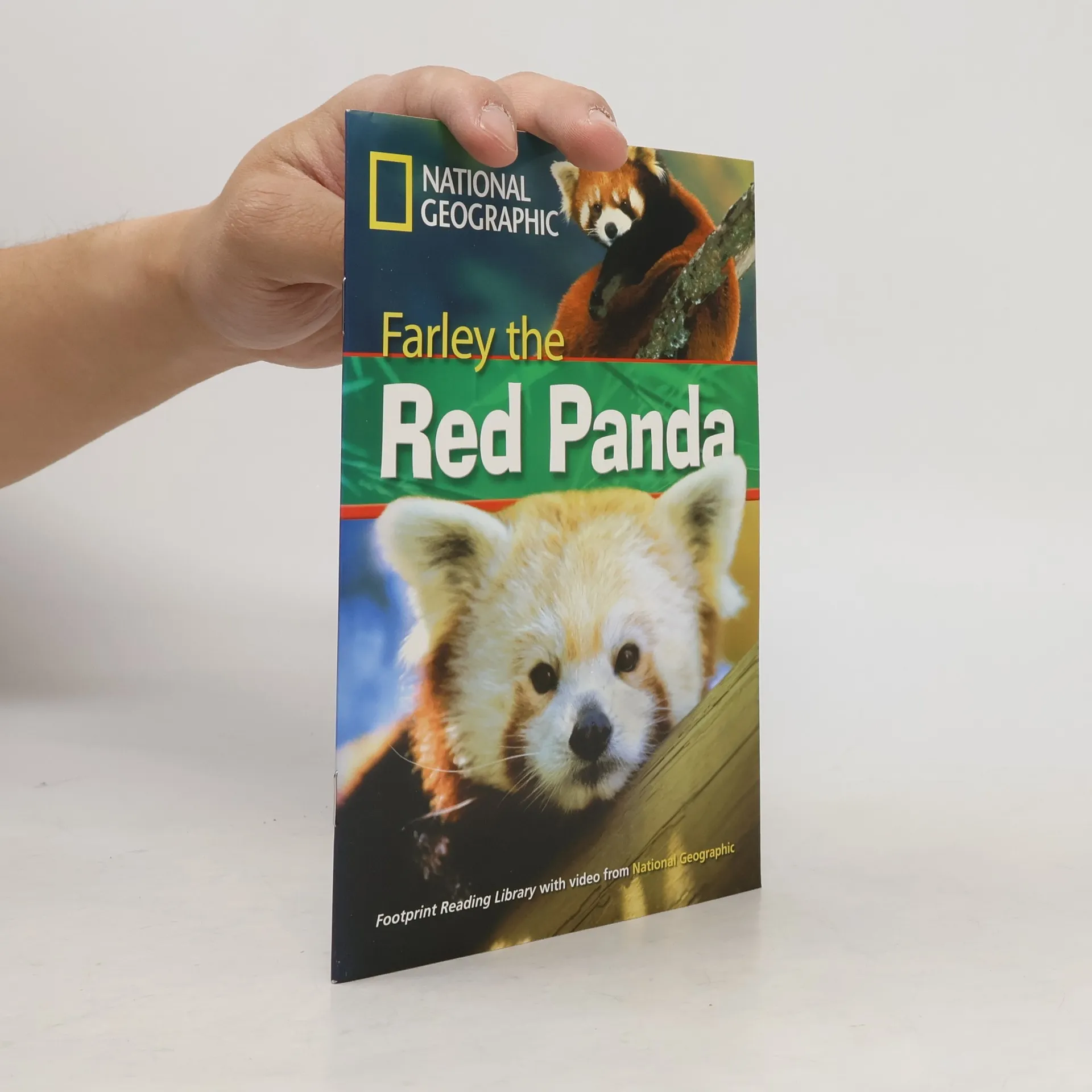
At America's San Diego Zoo, they have a new special animal. It's a "red panda" named "Farley." Life hasn't been easy for Farley. He's had some big problems. He also has some big changes ahead! What kind problems did Farley have? What's going to happen to him?
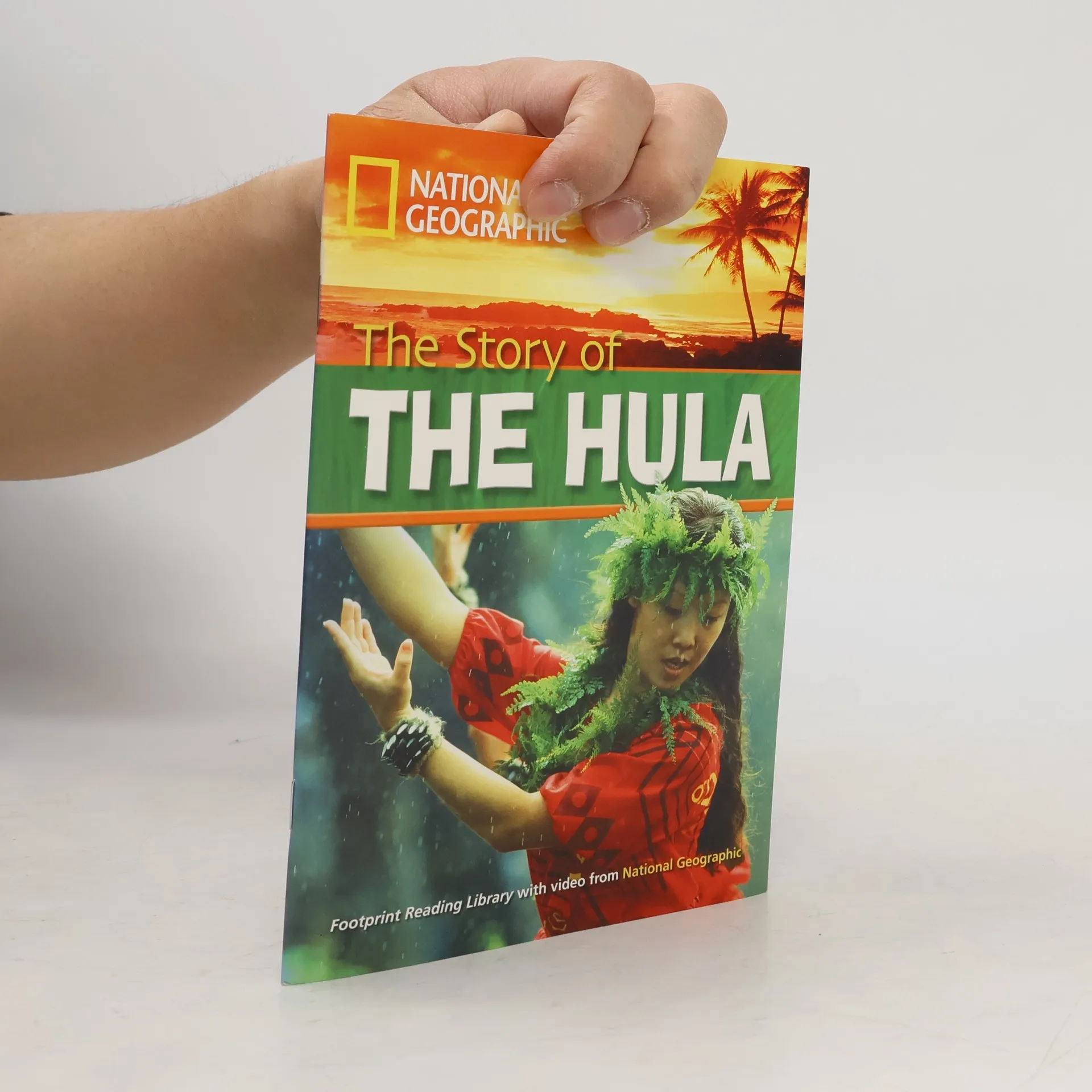
Long ago, people in Hawaii performed a special dance called the hula. Then, for more than 60 years, the dance was not allowed. Finally, after many years, a king returned the hula dance to the people. Why was the hula not allowed? What is special about the hula?
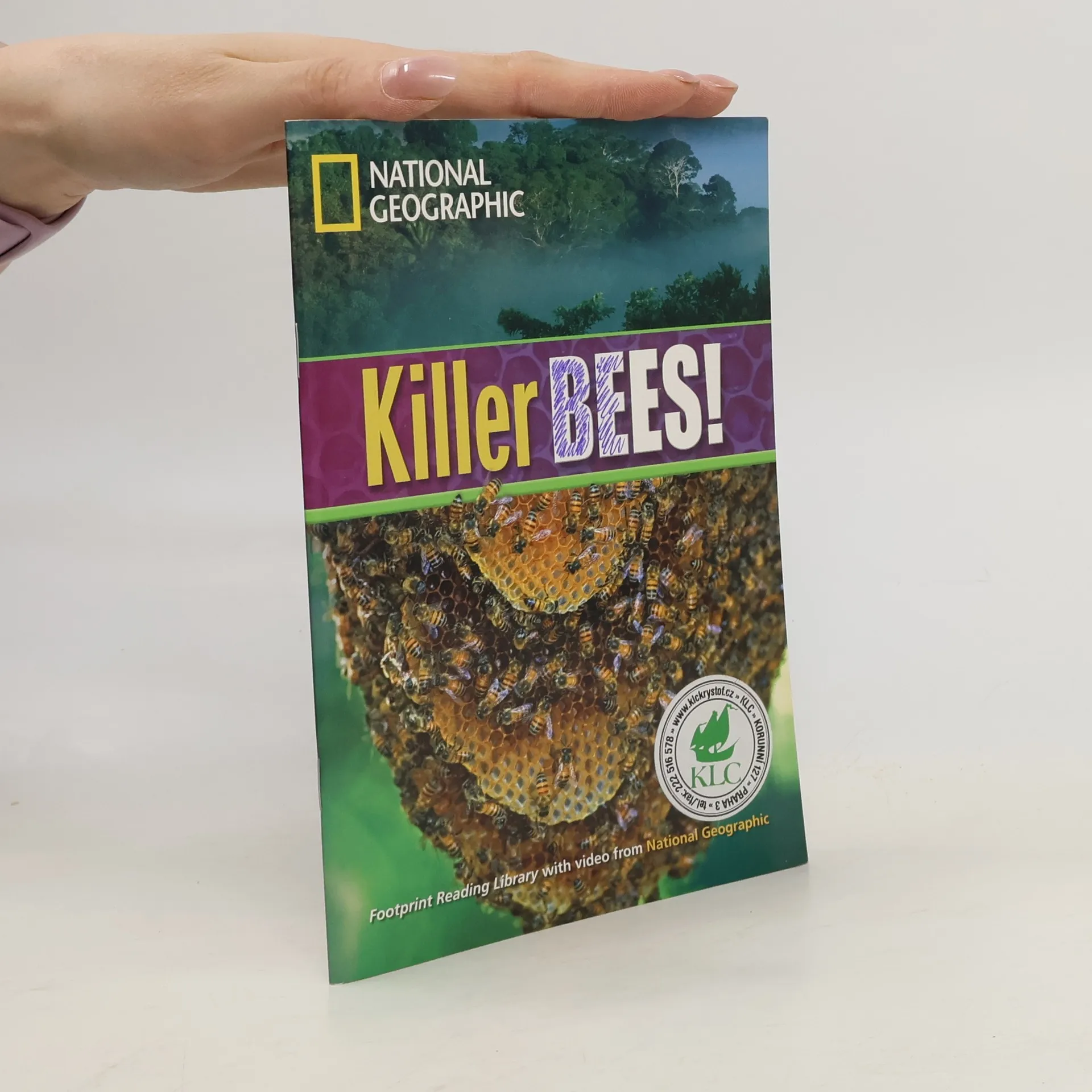
The native bees of Central America are important for farmers, the rain forests, and food production. However, a new kind of killer bee is moving in and taking over the rain forests. What will happen to the native bees? Can the killer bees be stopped?
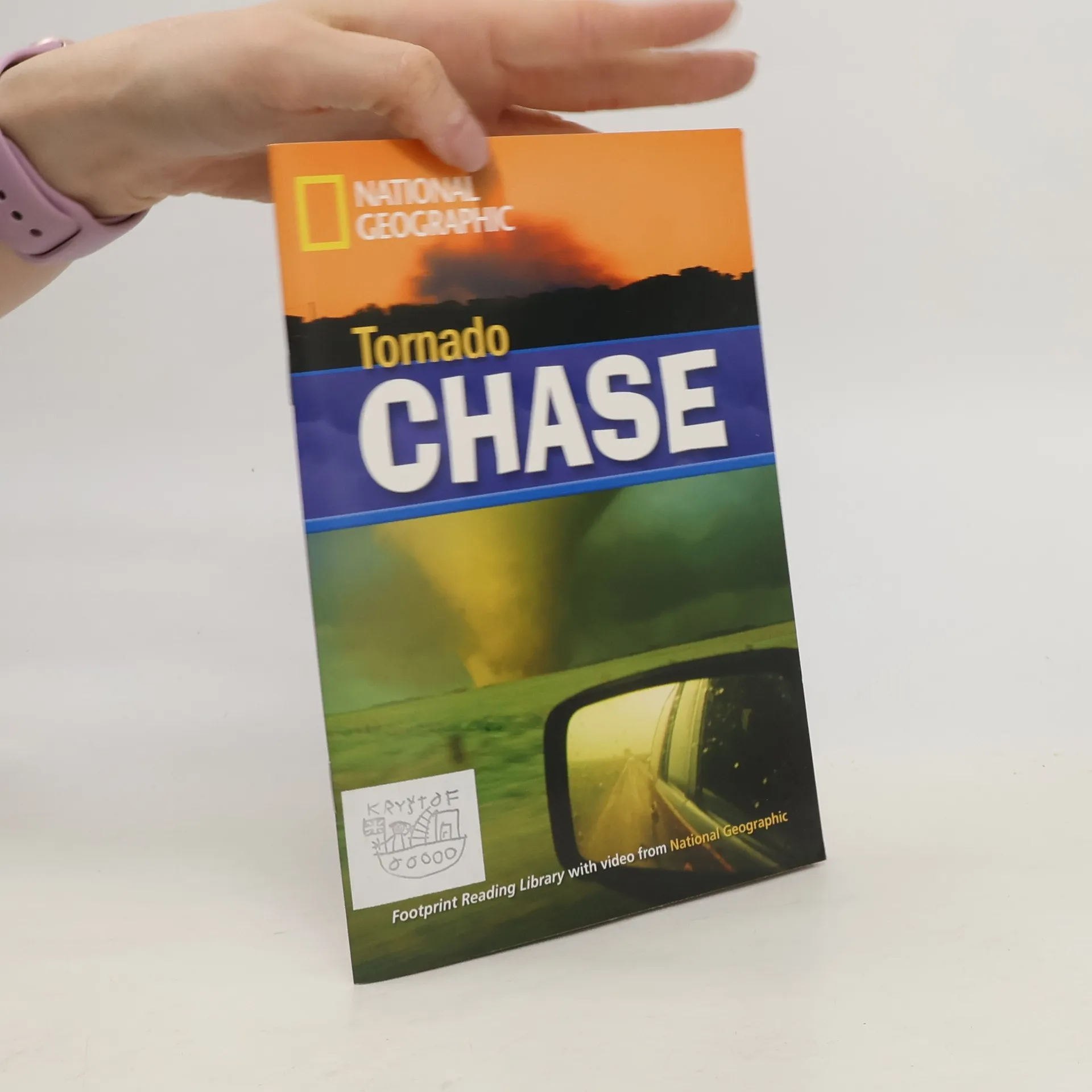
The weather on Earth is always changing. One day it's cloudy, the next day it's sunny, and the day after that - who knows? Well, meteorologists do! Meteorologists are scientists that can predict the weather. But how do they do it? What causes these weather changes?
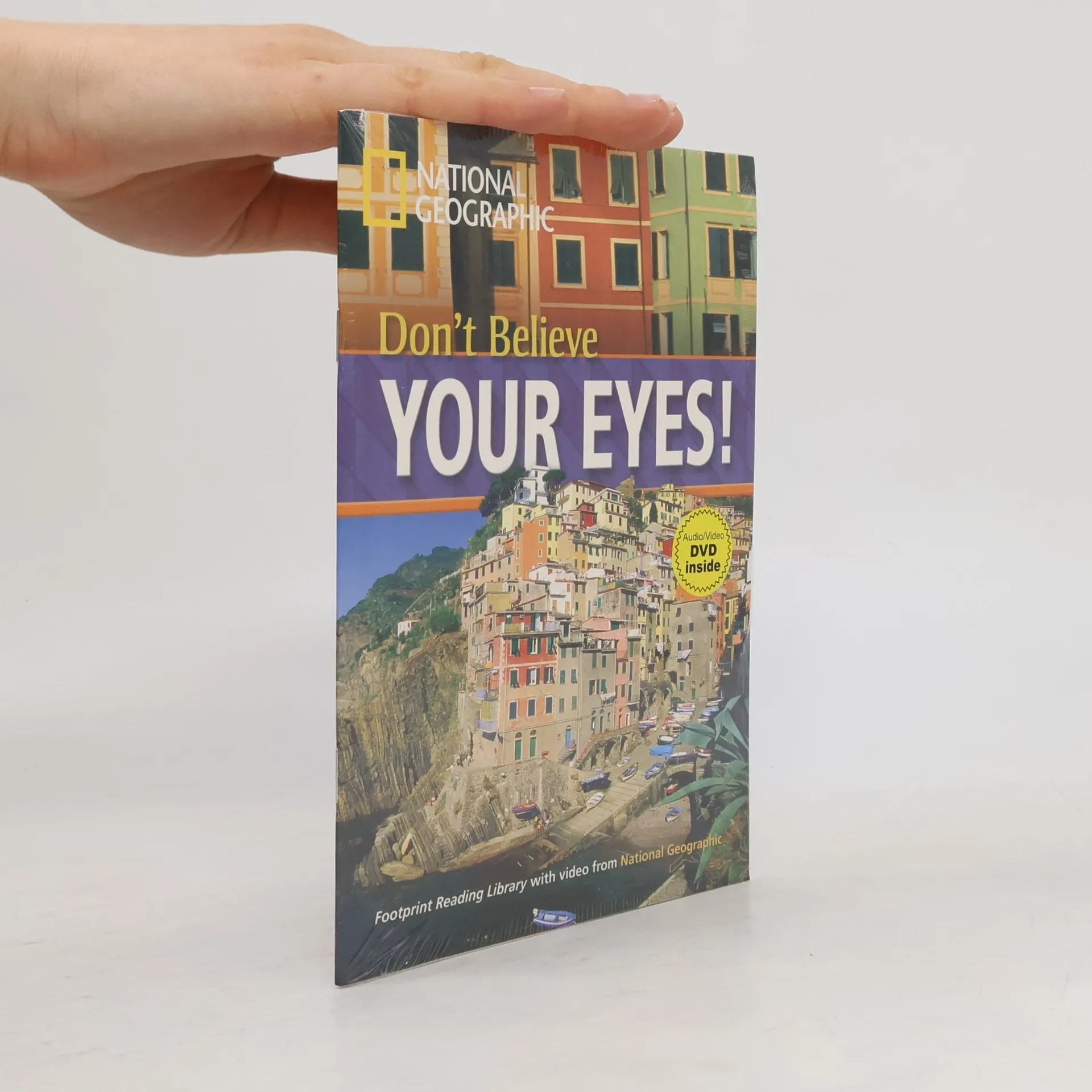
Footprint Reading Library 1600 - Book With Multi-ROM
24 pages
1 hour of reading
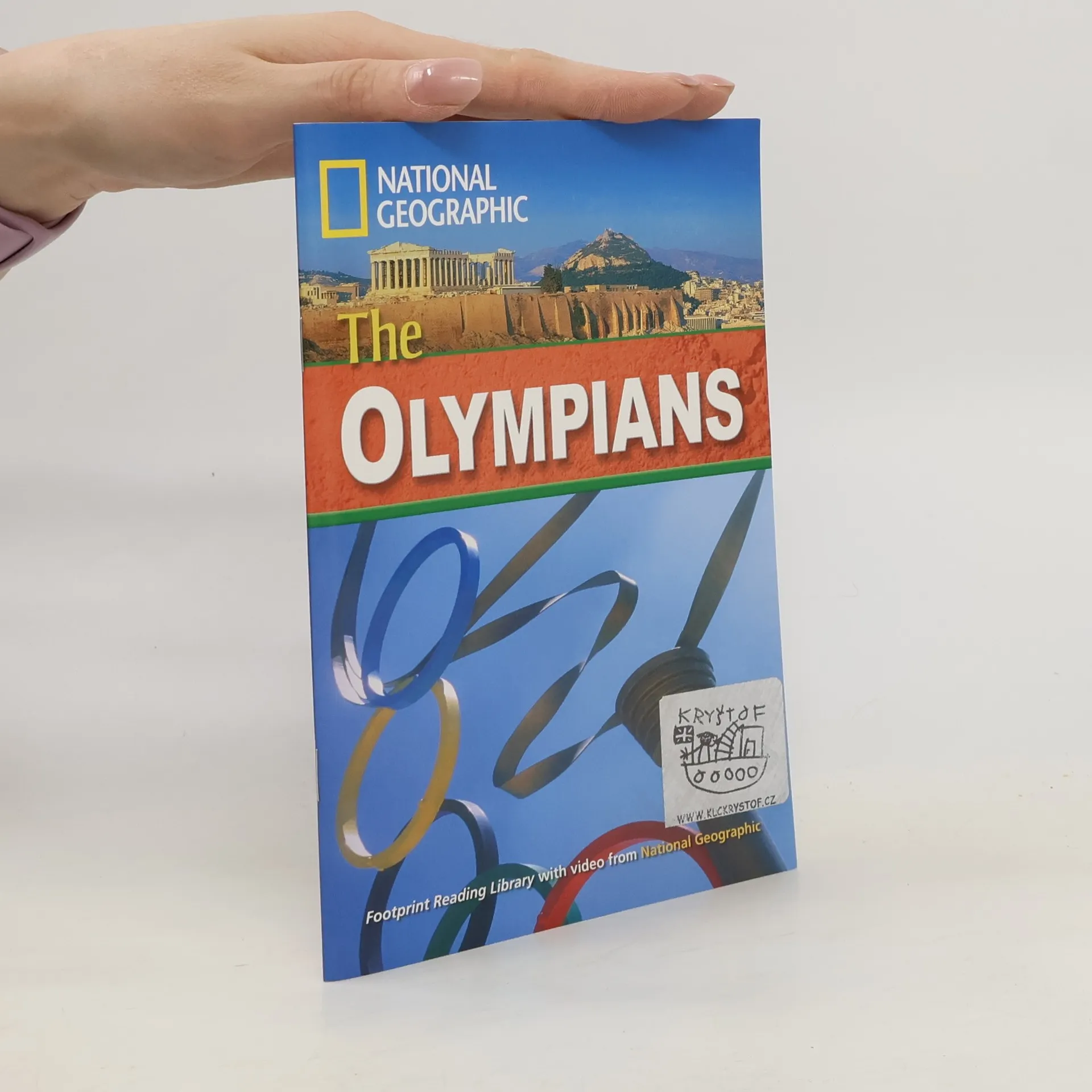
The Olympic Games originated in ancient Greece where men from all over competed in sporting events. Over the centuries, the Olympic Games have developed and today top players from around the world compete to try and achieve their dream of winning an Olympic gold medal.
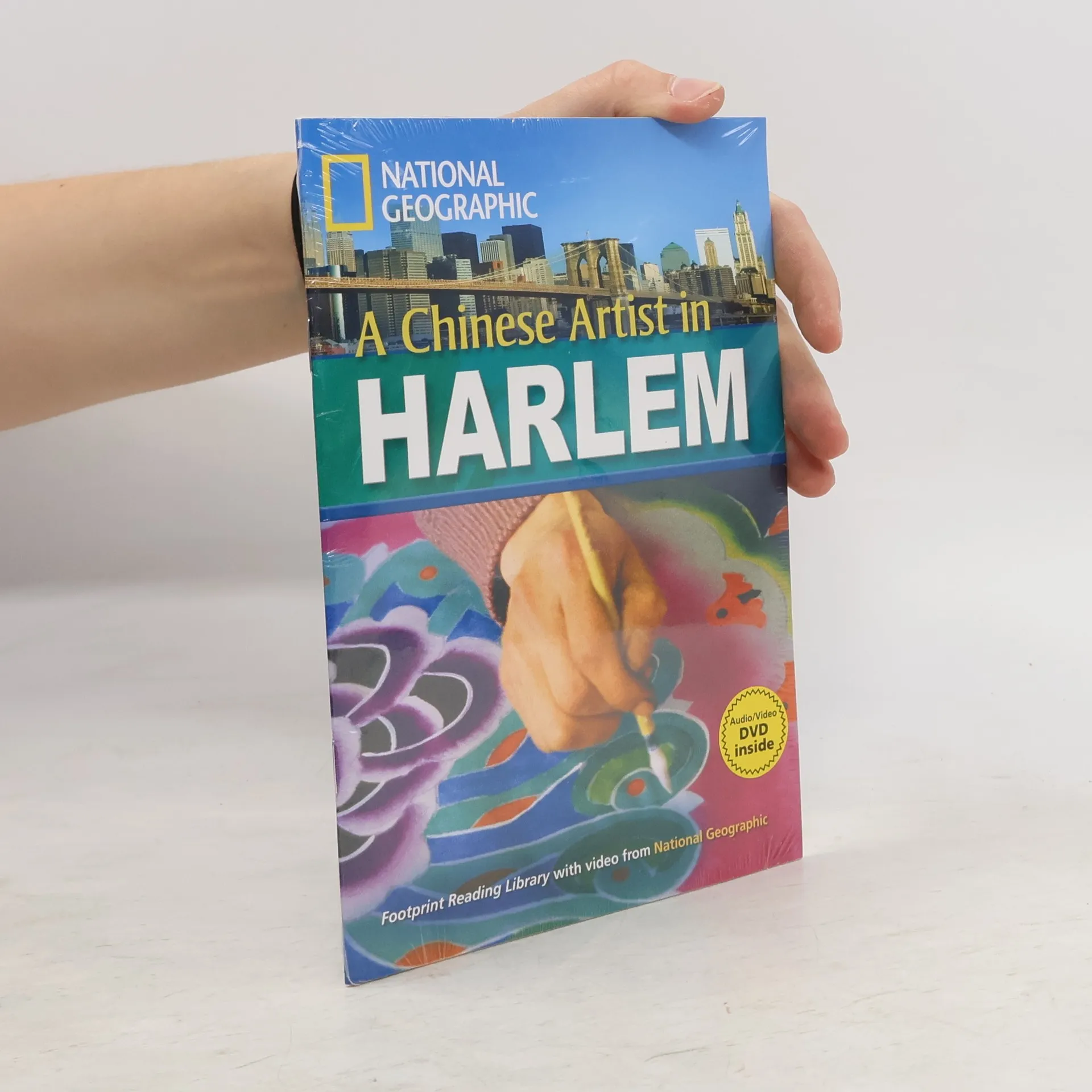
Ming is an artist from China who now lives and works in New York City. He teaches children in the public school system how to draw and paint. However, he also teaches them something else that's very important. What does Ming teach the children and why is it so important?
Most people enjoy the sport of sky diving because they get to fall at extremely high speeds, but some people want to go even faster. One man is even experimenting with various methods of increasing his speed. What is he doing to go faster? Is it working?
Welcome to the sights and sounds of the world with the Footprint Reading Library, a unique series of graded readers for learners of English. This series offers fascinating stories from the four corners of our world, and develops the language and skills needed to understand non-fiction.- A rich selection of engaging non-fiction readers, grouped into five themes: Incredible Animals, Fascinating Places, Remarkable People, Exciting Activities, Amazing Science- One hundred individual readers, graded at eight levels from pre-intermediate to advanced, covering 800 to 3,000 headwords.- Each reader is available with or without a DVD-ROM containing both video and audio content for that reader.- Carefully-controlled grammar syllabus covers the most typically-taught structures in course books.- Teacher support includes an Audio Program, DVDs, Teacher's Books and Assessment CD-ROMs with ExamView®
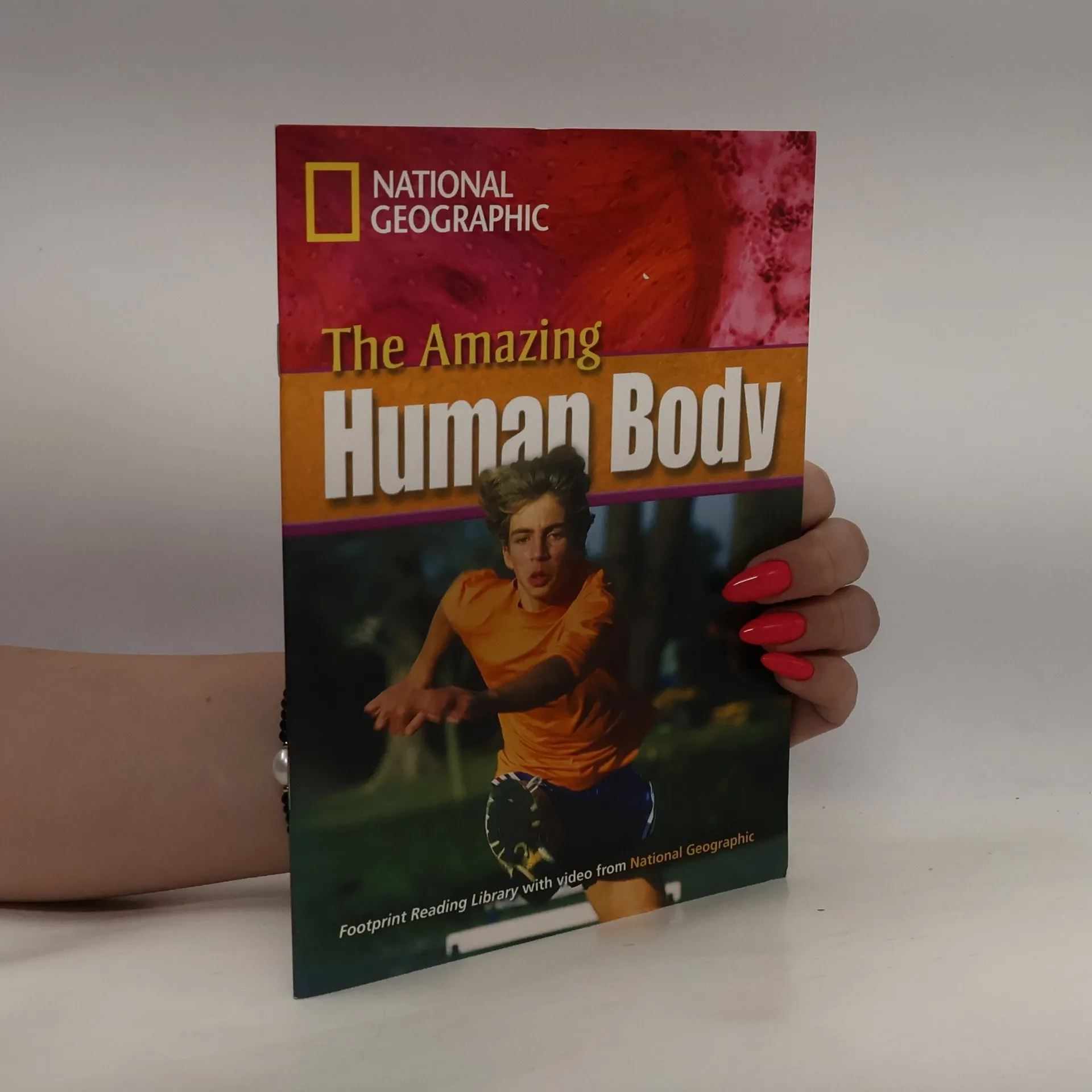
The human body is an amazing 'machine' made up of different systems that allow us to do things like run, eat, and even breath. These systems work together to keep the body functioning normally and healthily. How does the human body actually work? What jobs do the systems perform?
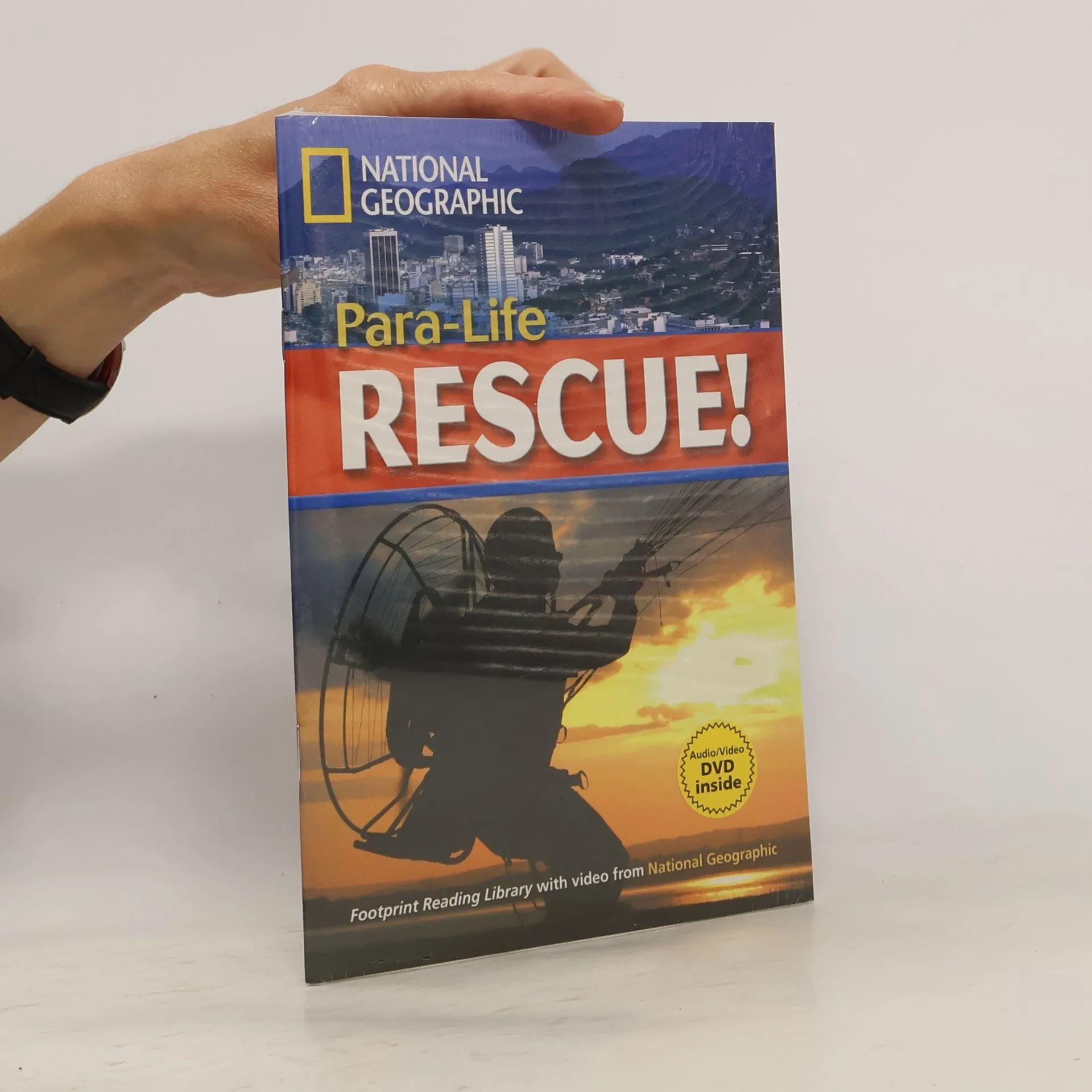
In Brazil, a man has discovered a new way of saving, or rescuing, people from drowning in the ocean. This new rescue method involves a person using a motor-powered aircraft to work with lifeguards on the beach. How do these people work together? Is this an effective way of saving lives?
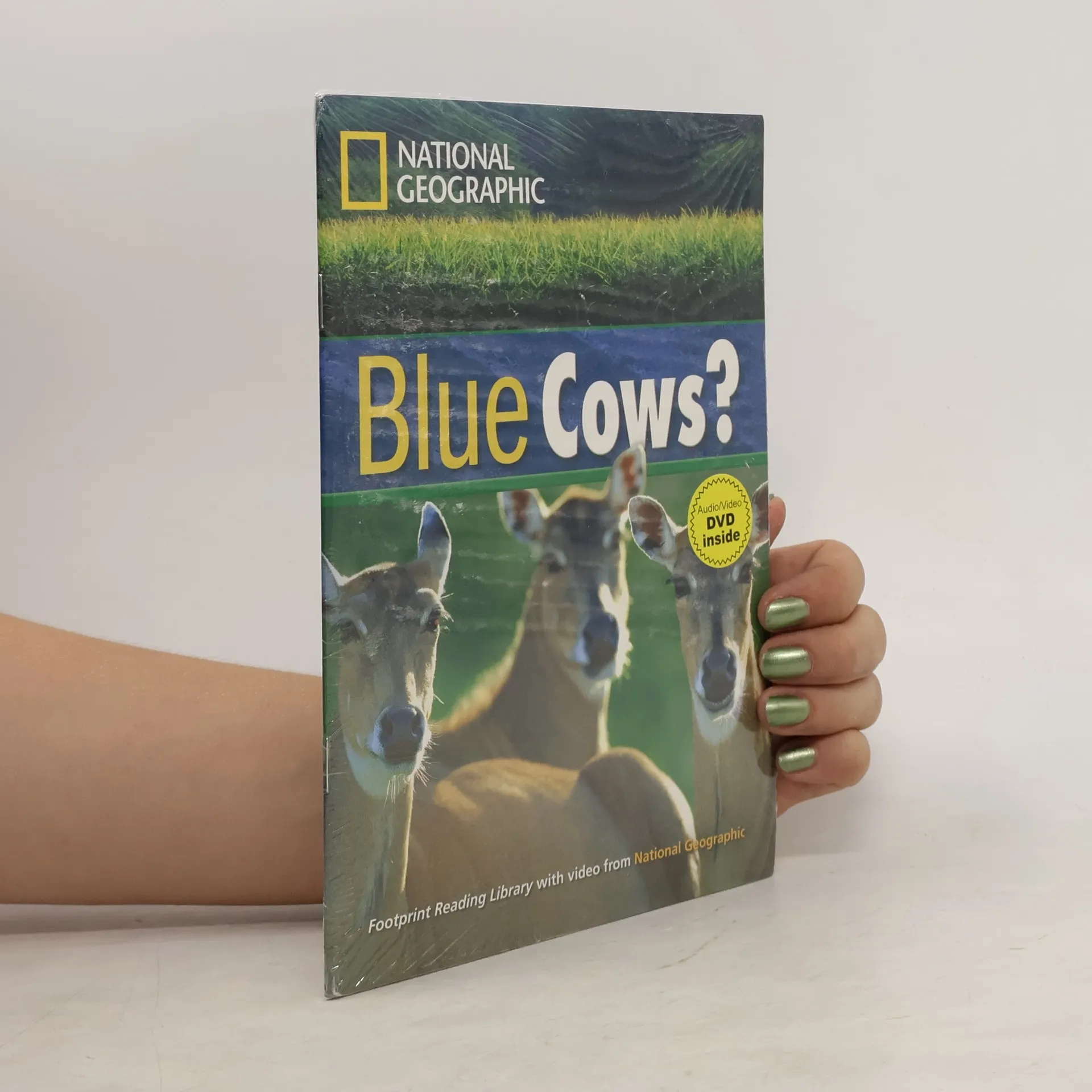
Farmers in India are having a serious problem. A local animal is eating their food. However, the farmers cannot hurt the animal because it has a special name. How can a name protect an animal? What will the farmers do?
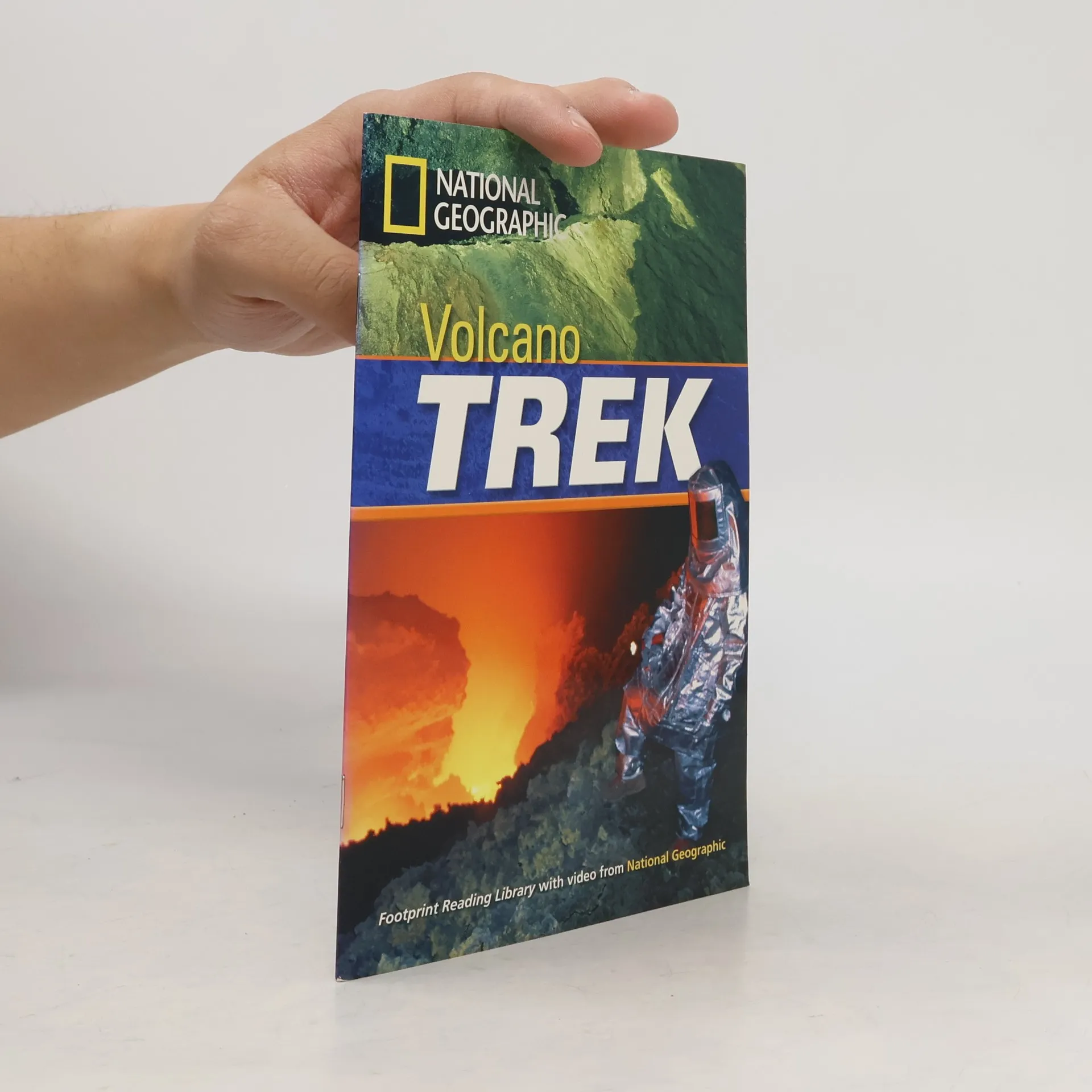
Two scientists are travelling in Ethiopia to study a very old volcano. Volcanoes can be dangerous, because they have hot, melted rock inside. But they also offer important information. Will the scientists make it safely to the volcano? What will they learn?
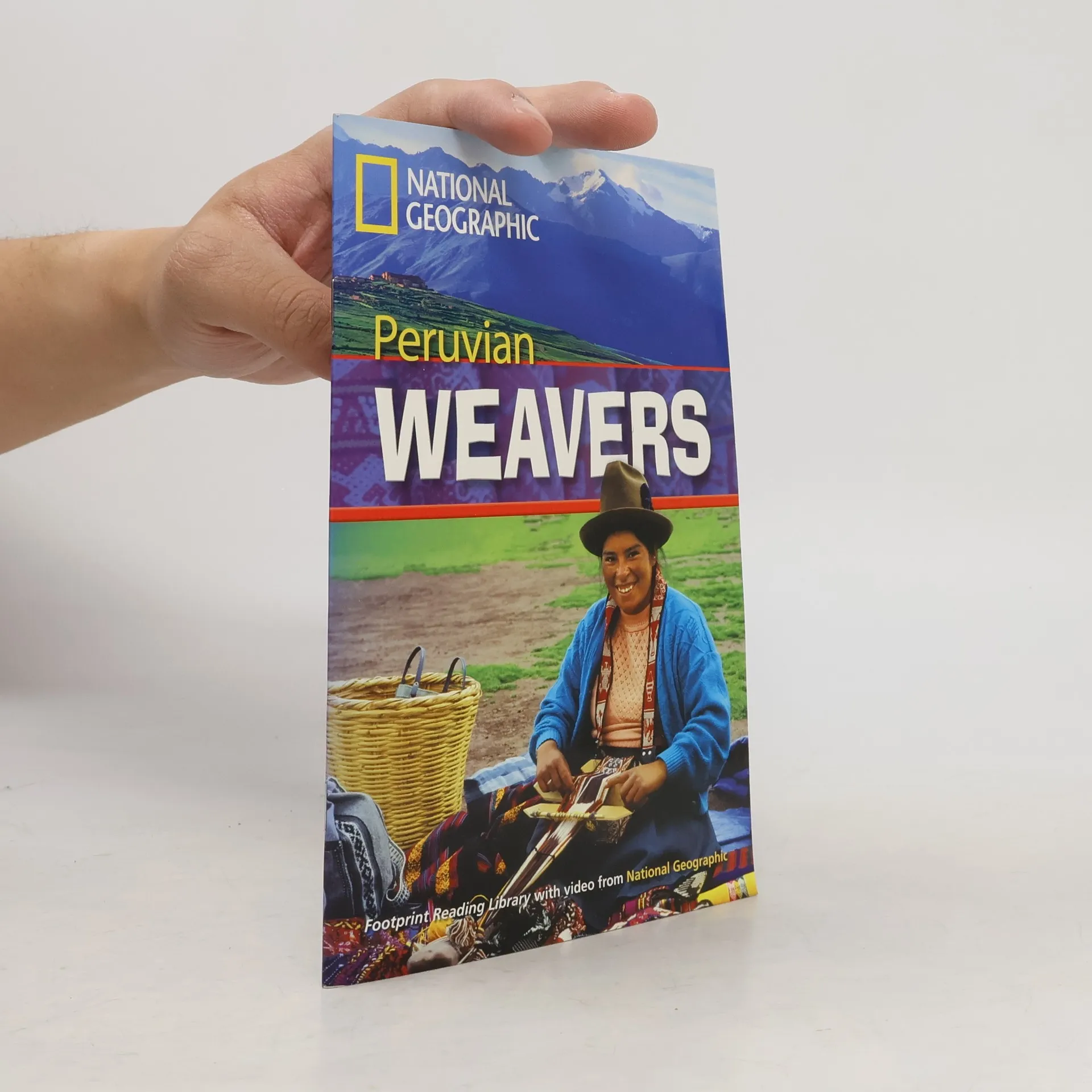
In the village of Chinchero, Peru, weaving is an important tradition. Weavers use animal hair to make beautiful cloth. They have always used this cloth to stay warm. However, now they are also selling it to make money. How will this affect the local people and economy?
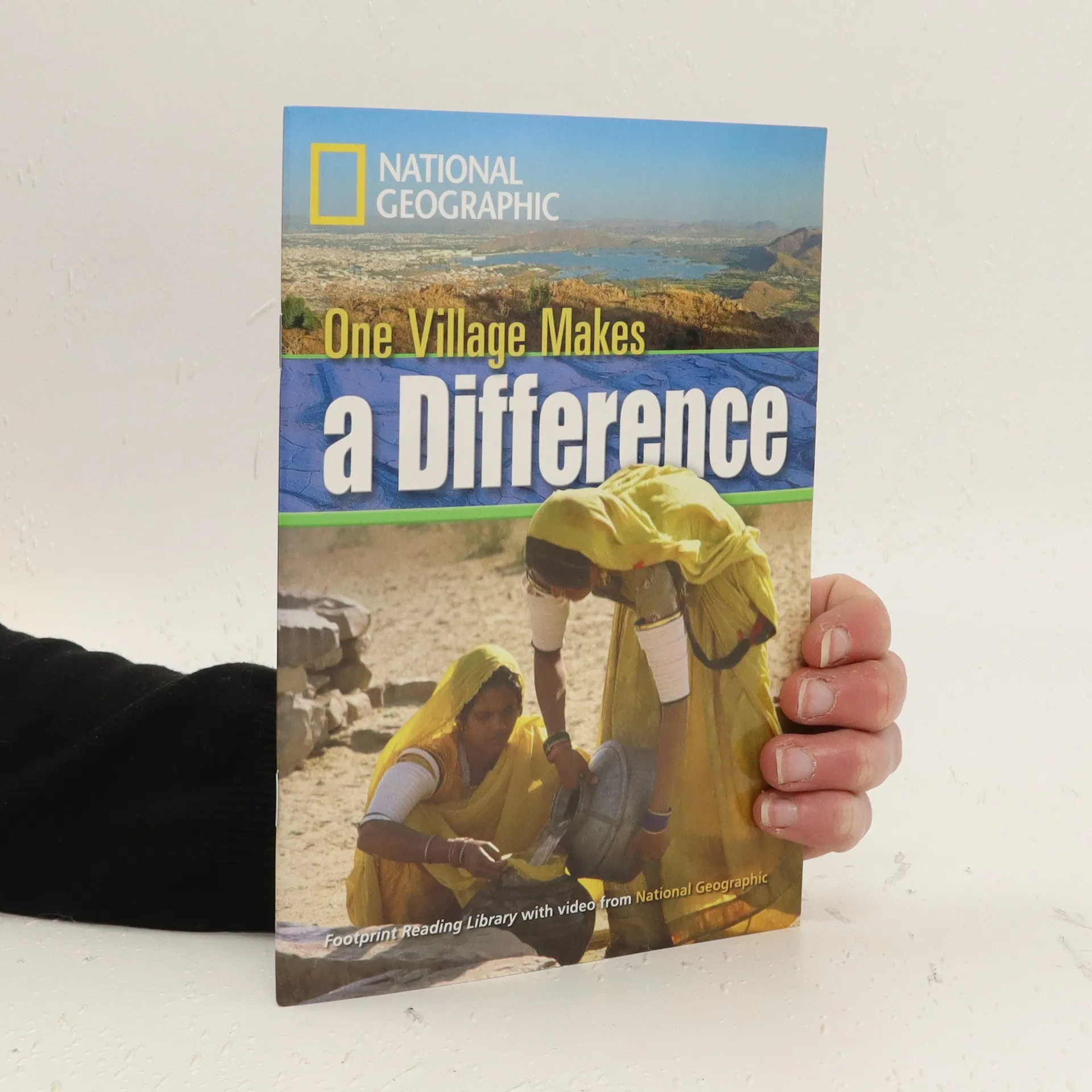
People everywhere need water for drinking, washing and other activities. In India there is not always enough water for everybody. Now, a group of villages is trying a different method to get water. Will they get the water they need? Can one village make a difference?
"The Footprint Reading Library" is the first non-fiction reading series for English language learners to present real-world stories in print, audio, and video. This series offers fascinating stories and facts from across the planet, and develops the language and skills needed to understand non-fiction writing. It offers a rich selection of engaging non-fiction, grouped into five Incredible Animals, Fascinating Places, Remarkable People, Exciting Activities, and Amazing Science. One hundred individual readers are graded into eight levels - from pre-intermediate to advanced. It ranges from 800 to 3,000 headwords.
A non-fiction reading series for English language learners to present real-world stories in print, audio and video. It offers facts from across the globe, and develops skills needed to grasp non-fiction writing. It's grouped into five themes: Incredible Animals, Fascinating Places, Remarkable People, Exciting Activities, and Amazing Science.
Part of the Footprint Reading Library series, this work includes: a step-by-step lesson planner for each title; photocopiable worksheets that provide complete teaching instructions; and, photocopiable quizzes. It features five themes: Incredible Animals, Fascinating Places, Remarkable People, Exciting Activities, and Amazing Science.
A non-fiction reading series for English language learners that present real-world stories in print, audio, and video. It offers a selection of non-fiction, grouped into five themes Incredible Animals, Fascinating Places, Remarkable People, Exciting Activities, and Amazing Science.
A non-fiction reading series for English language learners to present real-world stories in print, audio and video. It offers facts from across the globe, and develops skills needed to grasp non-fiction writing. It is grouped into five themes: Incredible Animals, Fascinating Places, Remarkable People, Exciting Activities, and Amazing Science.
Part of the "Footprint Reading Library" series, this work includes: a step-by-step lesson planner for each title; photocopiable worksheets that provide complete teaching instructions; and, photocopiable quizzes. It features five themes: Incredible Animals, Fascinating Places, Remarkable People, Exciting Activities, and Amazing Science.
This is a rich selection of engaging non-fiction, grouped into five Incredible Animals, Fascinating Places, Remarkable People, Exciting Activities, and Amazing Science. The features one hundred individual readers, graded into eight levels - from Pre-Intermediate to Advanced - and ranging from 800 to 3,000 headword; carefully-controlled grammar syllabus that covers the most typically taught structures in coursebooks; audio programme containing the full text of each reader; and, teacher support materials, including Teacher's Manuals and ExamView[registered] Pro Assessment CD-ROM. "The Teacher's Book" available for every level, a step-by-step lesson planner for each title; photocopiable worksheets that provide complete teaching instructions, answer keys, a grammar presentation, and additional research and communicative activities; and, photocopiable quizzes. An ExamView[registered] Pro CD-ROM is also available for every level.