
Charles Ryder, a lonely student at Oxford, is captivated by the outrageous and decadent Sebastian Flyte. Invited to Brideshead, Sebastian's magnificent family home, Charles welcomes the attentions of its eccentric, artistic inhabitants the Marchmains, becoming infatuated with them and the life of privilege they inhabit - in particular, with Sebastian's remote sister, Julia. But, as duty and desire, faith and happiness come into conflict, and the Marchmains struggle to find their place in a changing world, Charles eventually comes to recognize his spiritual and social distance from them.

Harry Brockway Book order (chronological)


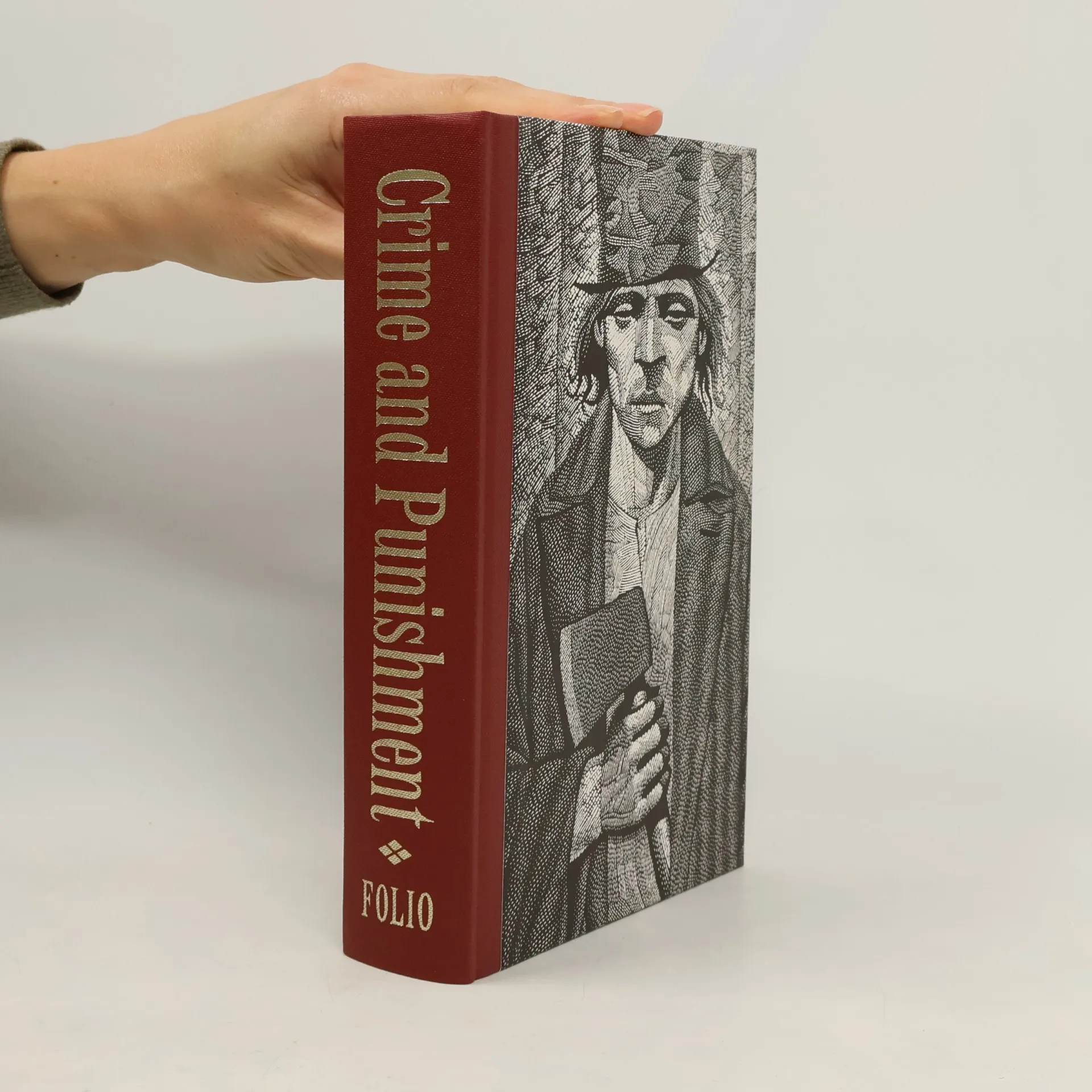
A thrilling study of guilt and power, the Penguin Classics edition of Fyodor Dostoyevsky's Crime and Punishment is translated with an introduction and notes by David McDuff. Raskolnikov, a destitute and desperate former student, wanders through the slums of St Petersburg and commits a random murder without remorse or regret. He imagines himself to be a great man, a Napoleon: acting for a higher purpose beyond conventional moral law. But as he embarks on a dangerous game of cat and mouse with Porfiry, a suspicious detective, Raskolnikov is pursued by the growing voice of his conscience and finds the noose of his own guilt tightening around his neck. Only Sonya, a downtrodden prostitute, can offer the chance of redemption. As the ensuing investigation and trial reveal the true identity of the murderer, Dostoyevsky's dark masterpiece evokes a world where the lines between innocence and corruption, good and evil, blur and everyone's faith in humanity is tested. This vivid translation by David McDuff has been acclaimed as the most accessible version of Dostoyevsky's great novel, rendering its dialogue with a unique force and naturalism.
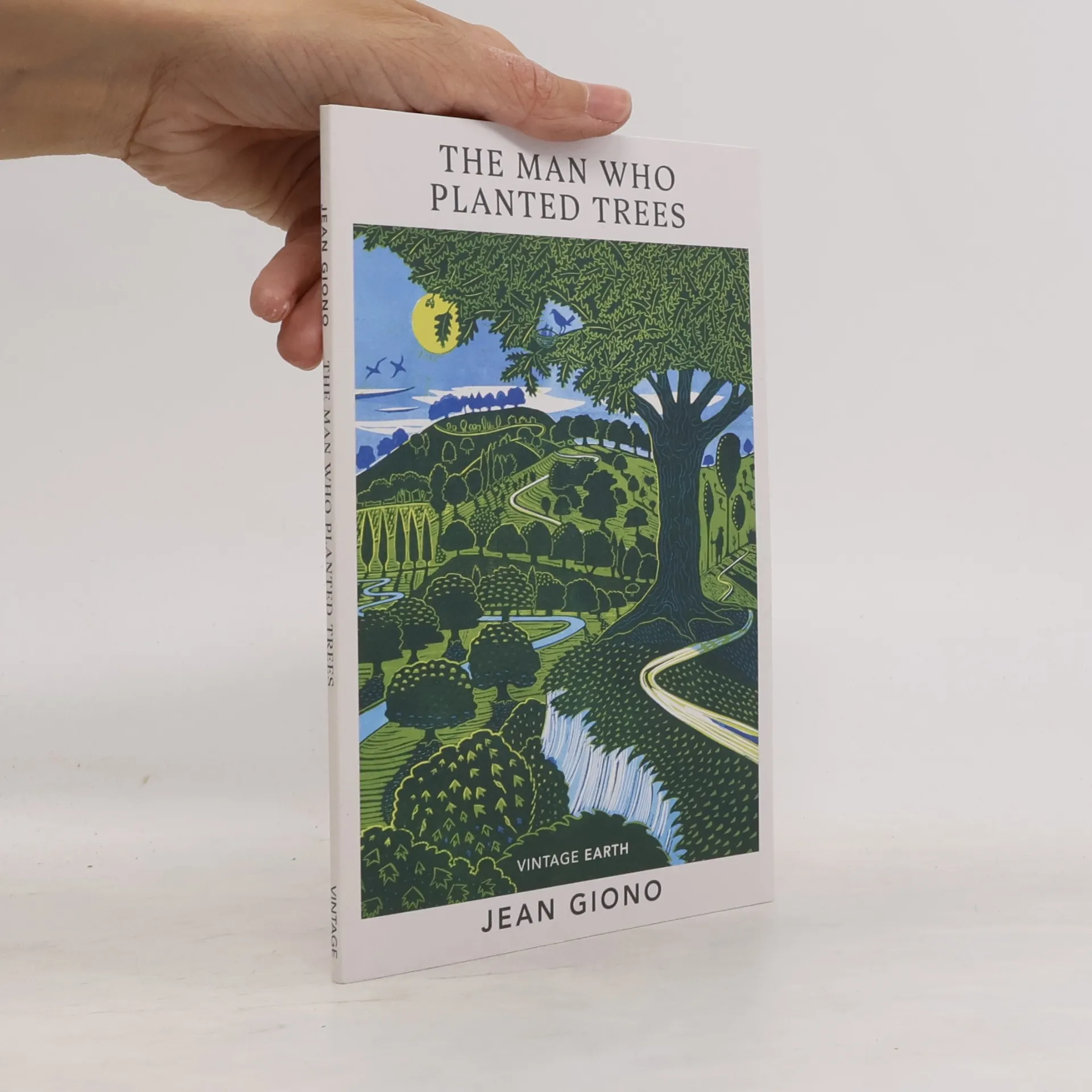
A beautiful gift edition of this classic fable about one man's quest to create a forest. In 1910, while hiking through the wild lavender in a wind-swept, desolate valley in Provence, a man comes across a shepherd called Elzéard Bouffier. Staying with him, he watches Elzéard sorting and then planting hundreds of acorns as he walks through the wilderness. Ten years later, after the war, he visits the shepherd again and sees the young forest he has created spreading slowly over the valley. Elzéard's solitary, silent work continues and the narrator returns year after year to see the miracle he is gradually creating: a verdant, green landscape that is a testament to one man's creative instinct.