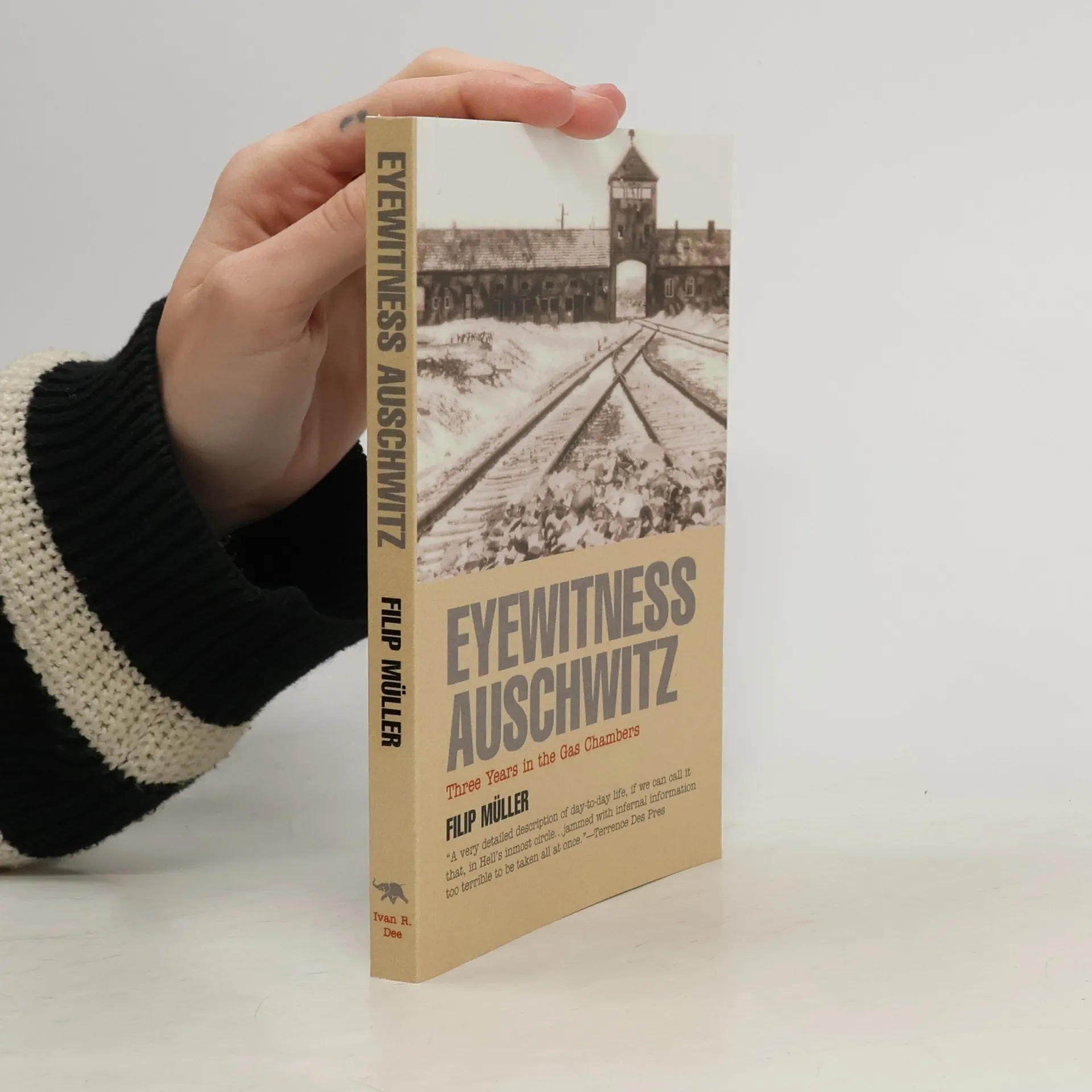
Filip Müller was among the very few Sonderkommando survivors of Auschwitz. His testimony from within the extermination camp, where he was forced to participate in the cremation of victims, stands as a key document of the Holocaust. Müller's prose is marked by its raw honesty and an unwavering commitment to remembering those who perished. His work serves as a vital warning against hatred and a testament to the resilience of the human spirit in the face of unimaginable brutality.
Filip Muller came to Auschwitz with one of the earliest transports from Slovakia in April 1942 and began working in the gassing installations and crematoria in May. He was still alive when the gassings ceased in November 1944. He saw millions come and disappear; by sheer luck he survived. Muller is neither a historian nor a psychologist; he is a source--one of the few prisoners who saw the Jewish people die and lived to tell about it. Eyewitness Auschwitz is one of the key documents of the Holocaust.
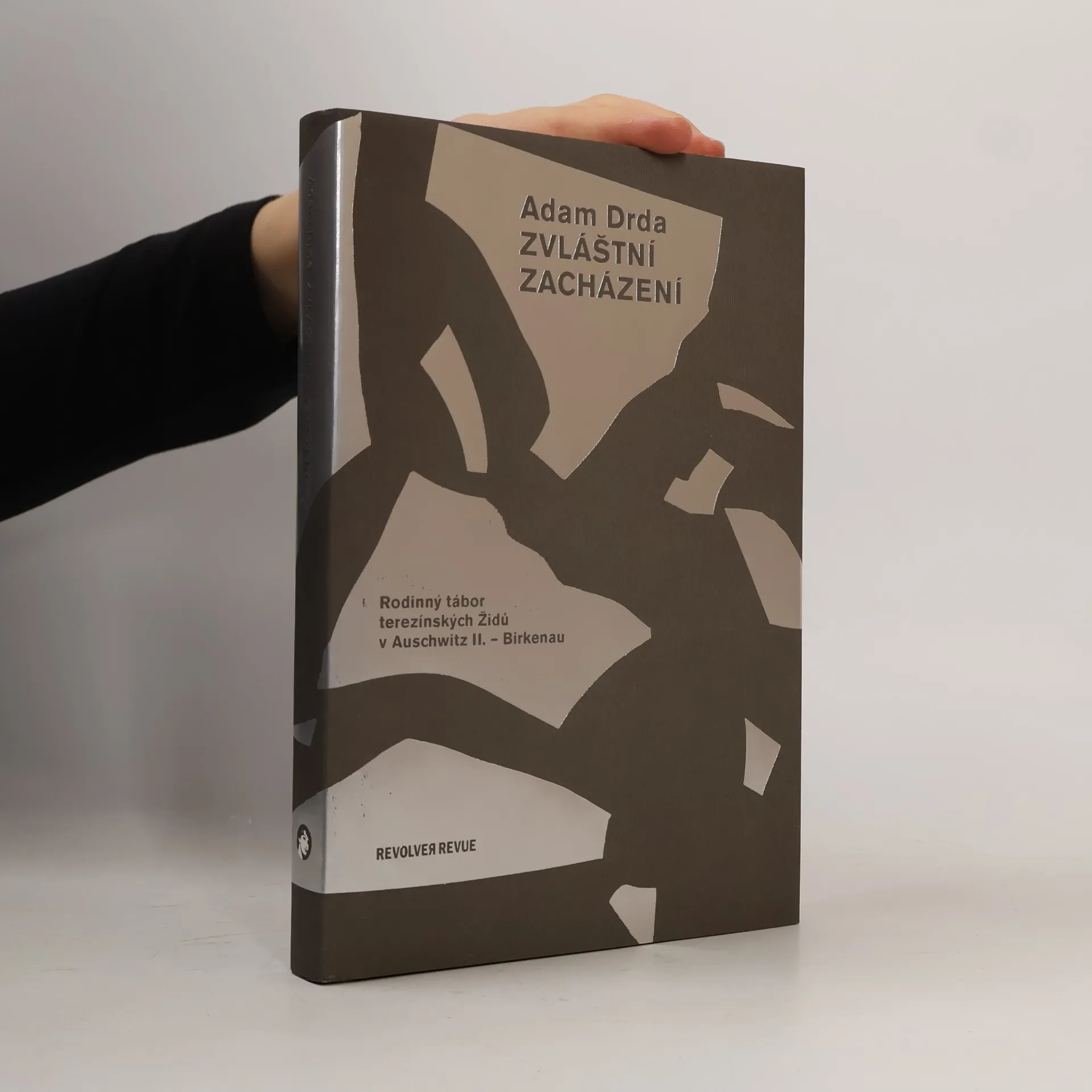
Podtitul: Rodinný tábor terezínských Židů v Auschwitz II. – Birkenau
Šoa, nacistické vyhlazování Židů, je v Čechách často vnímána jako něco cizorodého, nikoli jako nedílná součást národní tragédie. Zatímco příběh Lidic je známý, málokdo ví, že v noci z 8. na 9. března 1944 bylo v plynových komorách zavražděno téměř čtyři tisíce Židů z terezínského rodinného tábora v Osvětimi-Birkenau. Tato událost, spolu s dalšími vraždami v červenci téhož roku, představuje největší masovou vraždu českých občanů během druhé světové války. Rodinný tábor byl zřízen nacisty v Birkenau v září 1943 a jeho prvními obyvateli byli Židé z Čech a Moravy deportovaní z ghetta Terezín. Tito lidé byli podrobeni šestiměsíční karanténě, po níž mělo následovat Sonderbehandlung, což v nacistické terminologii znamenalo smrt v plynové komoře. Karanténní lhůta vypršela v březnu 1944.
Kniha Adama Drdy dokumentuje historii rodinného tábora na základě vzpomínek několika desítek přeživších a obsahuje dobové snímky a fotografie Radovana Kodery, které zachycují zbytky rodinného tábora v Osvětimi-Birkenau.