This author explores the profound connections between art, history, and human civilization. His work delves into how artifacts and artworks narrate the stories of the past, shape our present, and influence our future. With an emphasis on universal themes and a global perspective, he seeks to uncover how humanity's shared heritage, through art, transcends cultural and national boundaries.
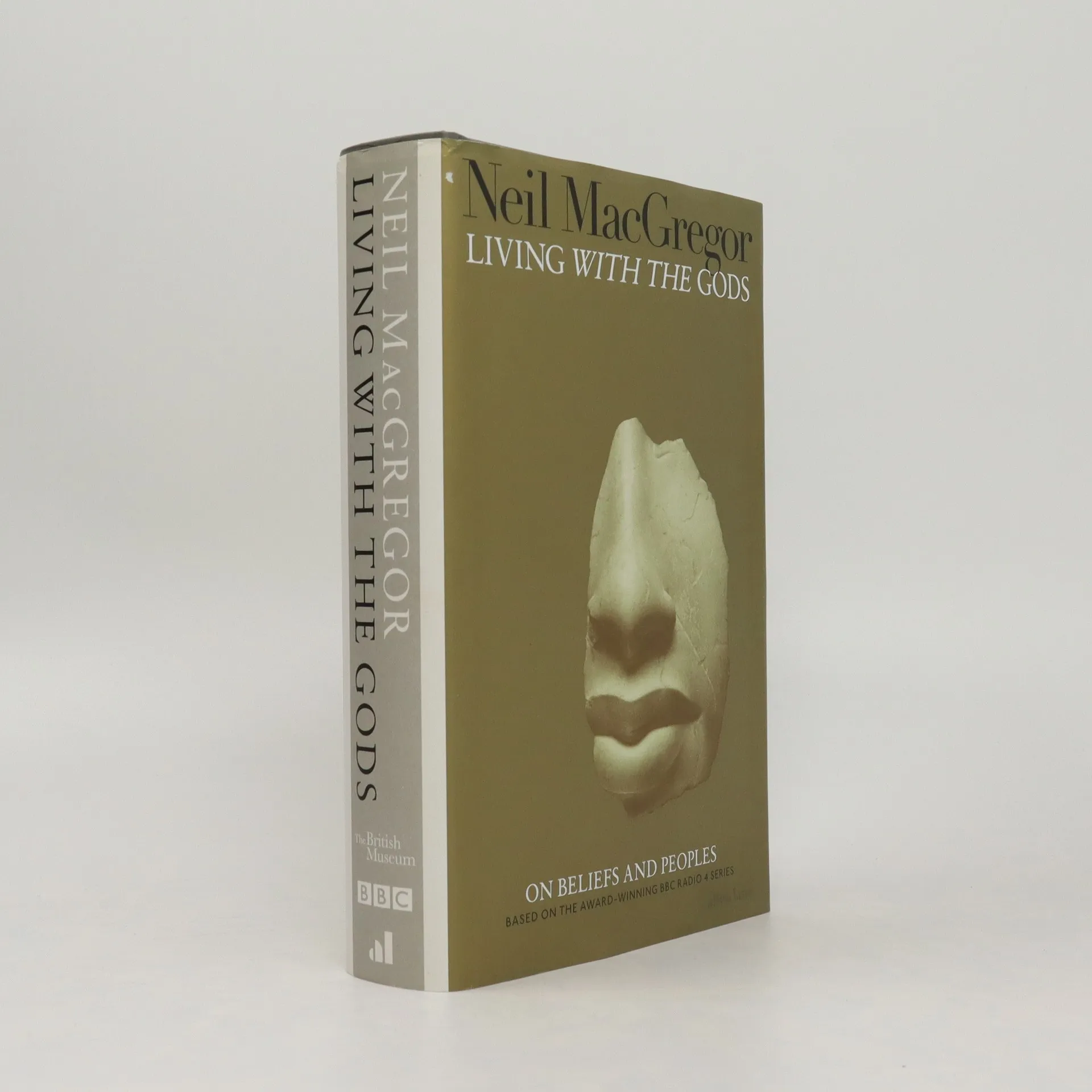
Traces the ways in which different societies have understood and articulated their places in the cosmic scheme. It examines mankind's beliefs not from the perspective of institutional religions but according to how shared narratives have shaped societies - and what happens when different narratives run up against each other
Neil MacGregor offers a unique perspective on Germany's history and collective imagination in this compact hardcover edition. For the past 140 years, Germany has been a central power in continental Europe, and the emergence of a new German state 25 years ago raises questions about our understanding of this nation and its identity. MacGregor contends that, unlike other European countries, Germany lacks a coherent, overarching historical narrative due to its unstable geography and history. He begins with the fifteenth-century invention of modern printing by Gutenberg and selects various objects, ideas, people, and places that reflect Germany's collective imagination. This work presents a dramatically different view of Germany, moving beyond the typical focus on the War and the Wall to explore the country's rich and complex history. Critics praise MacGregor as a cultural polymath, with one noting that anyone seeking to understand Germany should read this book. Another highlights the dazzling history portrayed, from sausages and porcelain to the Bauhaus, emphasizing that the illustrations alone inspire a desire to visit Germany.
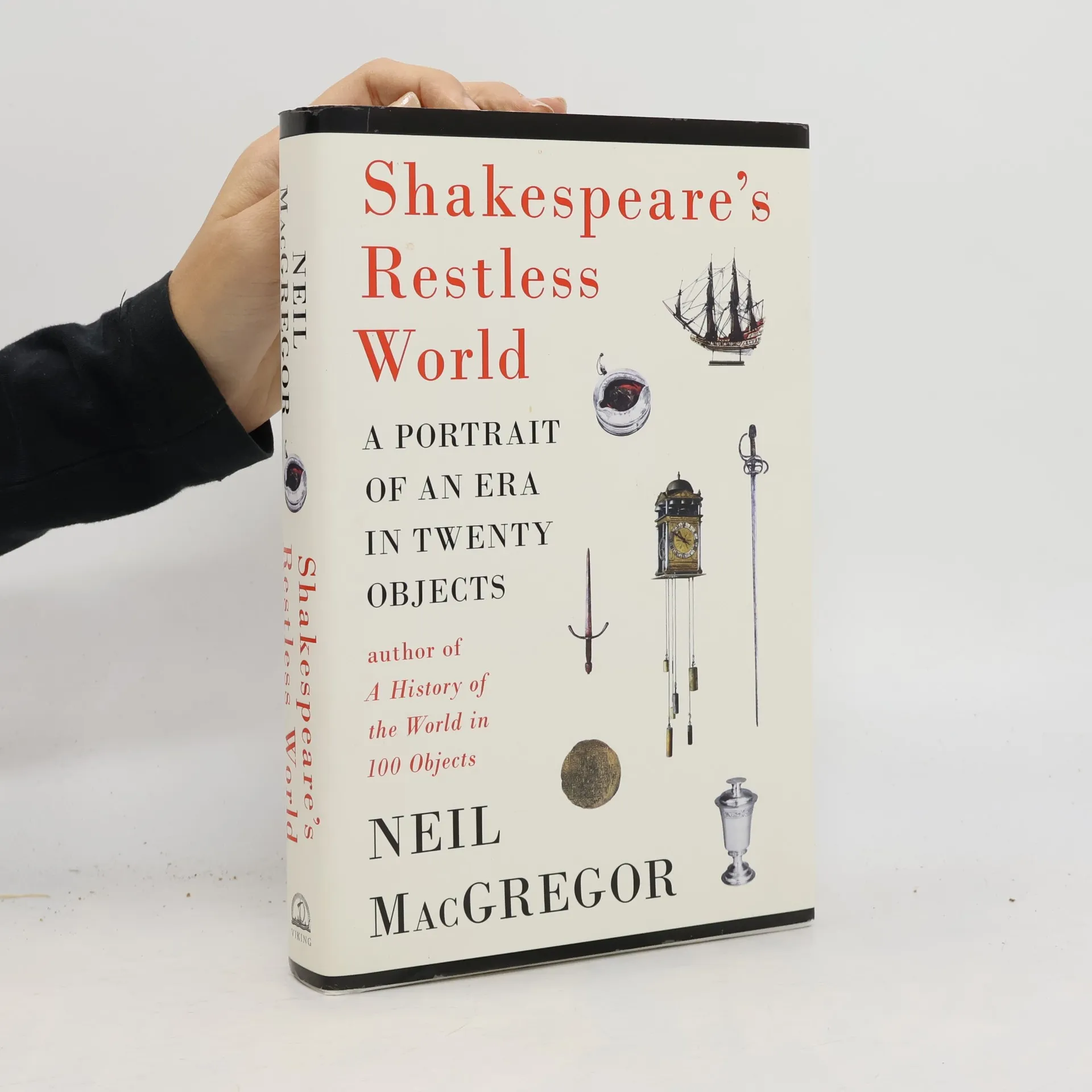
The New York Times bestselling author of A History of the World in 100 Objects brings the world of Shakespeare and the Tudor era of Elizabeth I into focus. Shakespeare’s characters, like Hamlet and Macbeth, resonate with us, reflecting our own complexities. Yet, their world was both familiar and distinctly different from ours. In this remarkable historical reconstruction, Neil MacGregor and his team at the British Museum, in collaboration with the Royal Shakespeare Company and the BBC, present twenty objects that embody Shakespeare’s universe. This work serves as a perfect complement to MacGregor’s previous bestseller, highlighting a pivotal moment in human history. Illustrated with over one hundred vibrant color photographs, it invites readers to experience life during a time of significant change, as discoveries in science and technology reshaped the known world. Sir Francis Drake’s circumnavigation map offers insight into the age of exploration, while a bishop’s cup symbolizes a key act in Christendom. MacGregor, who pioneered a new way of narrating history through artifacts, now focuses on a subject that has captivated him since childhood, revealing Shakespeare and his world in an enlightening new perspective.
In 2010, the BBC and the British Museum embarked on an ambitious project: to tell the story of two million years of human history using 100 objects selected from the Museum’s vast and renowned collection. Presented by the British Museum’s Director Neil MacGregor, each episode focuses on a single object—from a Stone Age tool to a solar-powered lamp—and explains its significance in human history. Music, interviews with specialists and quotations from written texts enrich the listener’s experience. On each CD, objects from a similar period of history are grouped together to explore a common theme and make connections across the world. Seen in this way, history is a kaleidoscope: shifting, interlinked, constantly surprising, and shaping our world in ways that most of us have never imagined. This box set also includes an illustrated booklet with additional background information and photographs, and each CD includes PDF images of the featured objects. 20 CDs. 25 hrs.
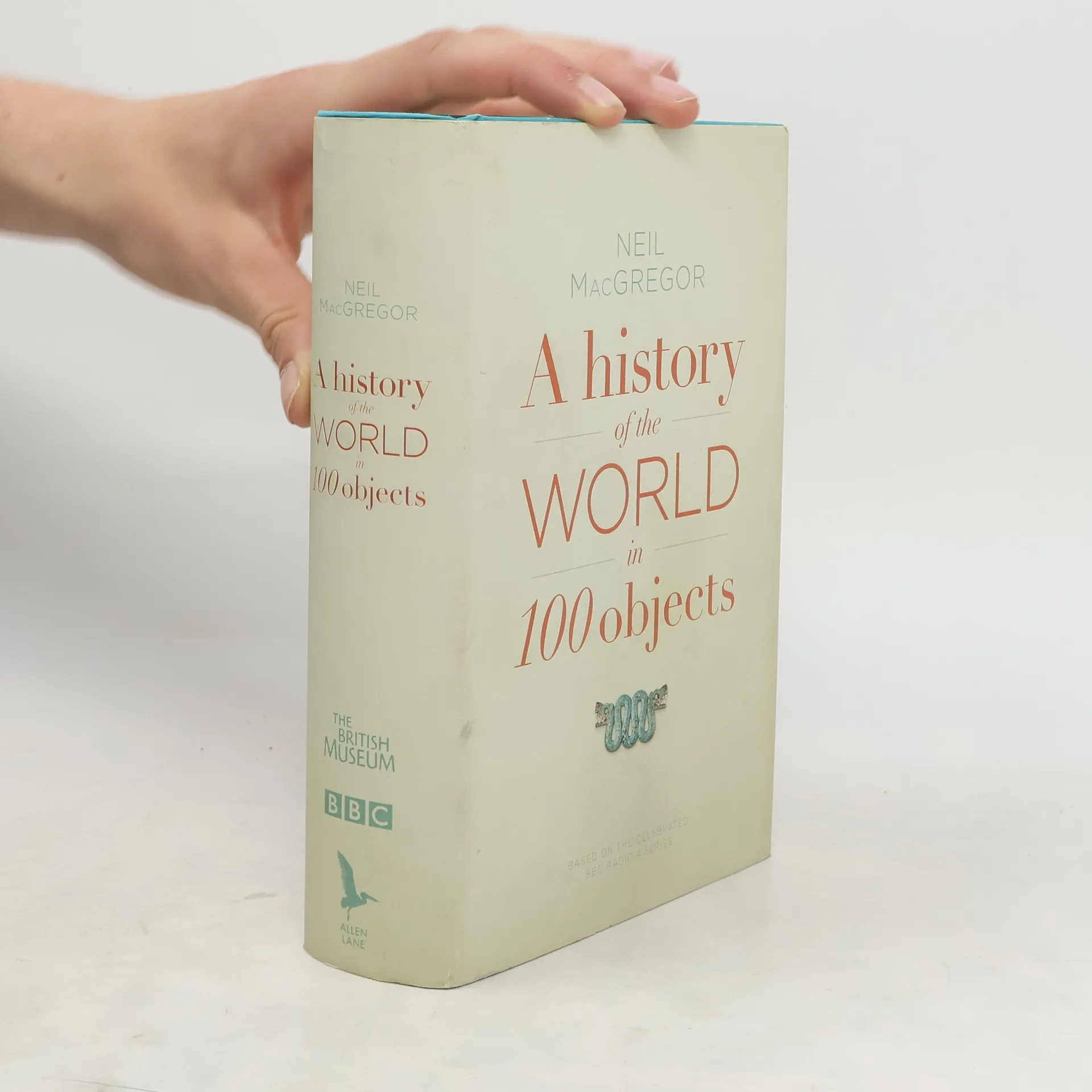
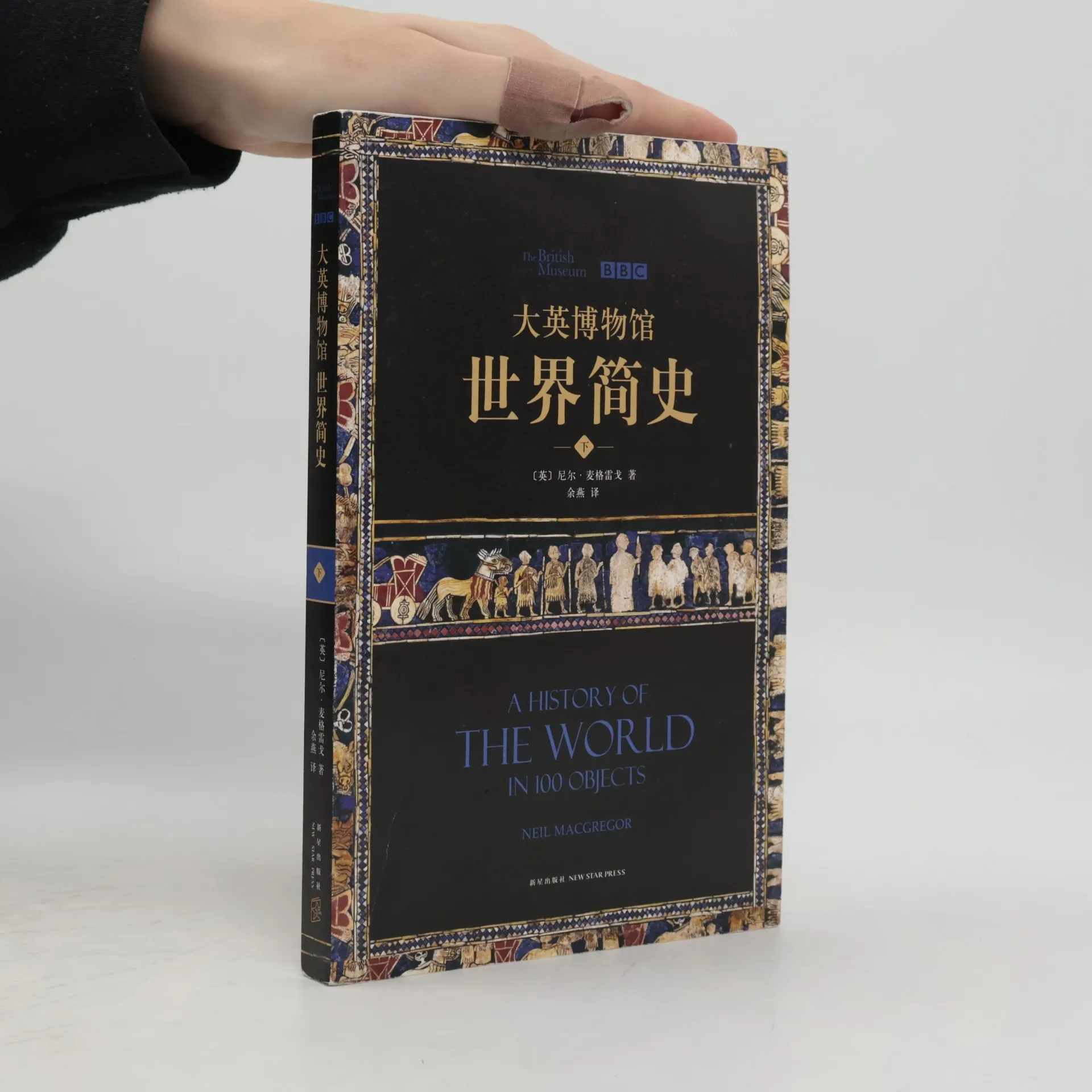
This book takes a dramatically original approach to the history of humanity, using objects which previous civilisations have left behind them, often accidentally, as prisms through which we can explore past worlds and the lives of the men and women who lived in them. The book's range is enormous. It begins with one of the earliest surviving objects made by human hands, a chopping tool from the Olduvai gorge in Africa, and ends with an object from the 21st century which represents the world we live in today. Neil MacGregor's aim is not simply to describe these remarkable things, but to show us their significance - how a stone pillar tells us about a great Indian emperor preaching tolerance to his people, how Spanish pieces of eight tell us about the beginning of a global currency or how an early Victorian tea-set tells us about the impact of empire. Each chapter immerses the reader in a past civilisation accompanied by an exceptionally well-informed guide. Seen through this lens, history is a kaleidoscope - shifting, interconnected, constantly surprising, and shaping our world today in ways that most of us have never imagined. An intellectual and visual feast, it is one of the most engrossing and unusual history books published in years.
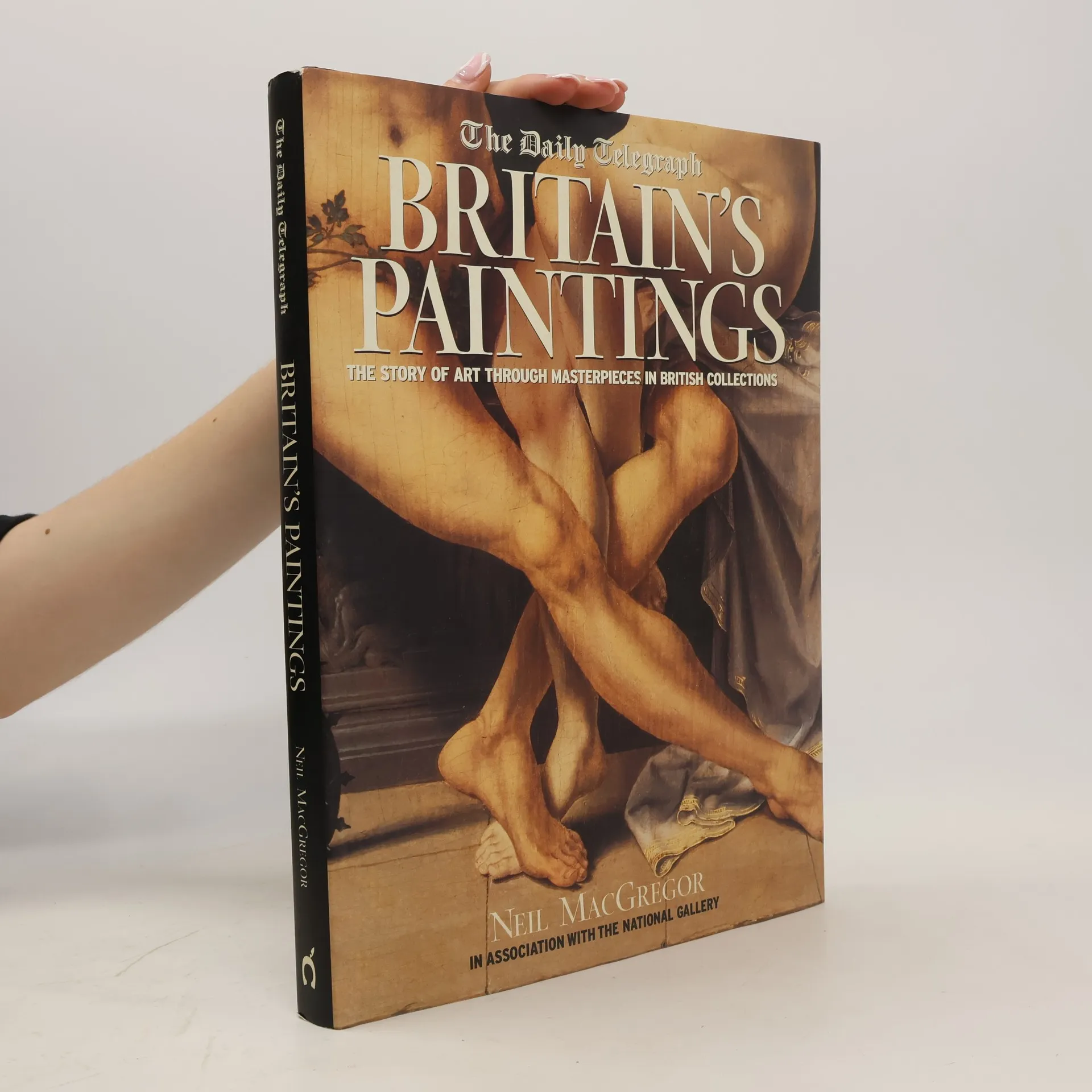
Britain has one of the world's finest collections of Western art. From Raphael to Reynolds, from Botticelli to Bacon, amazing paintings grace the walls of our galleries, museums, historic houses and palaces. Neil MacGregor has set out to demonstrate the richness of the paintings that this country enjoys. The book is arranged by theme as opposed to chronology, identifying the major ideas that have inspired artists all over the world for many centuries. There is also a richly illustrated chronology of artists complete with biographical notes and where they can be seen in Britain as well as a comprehensive guide to the Galleries of England, Scotland and Wales.
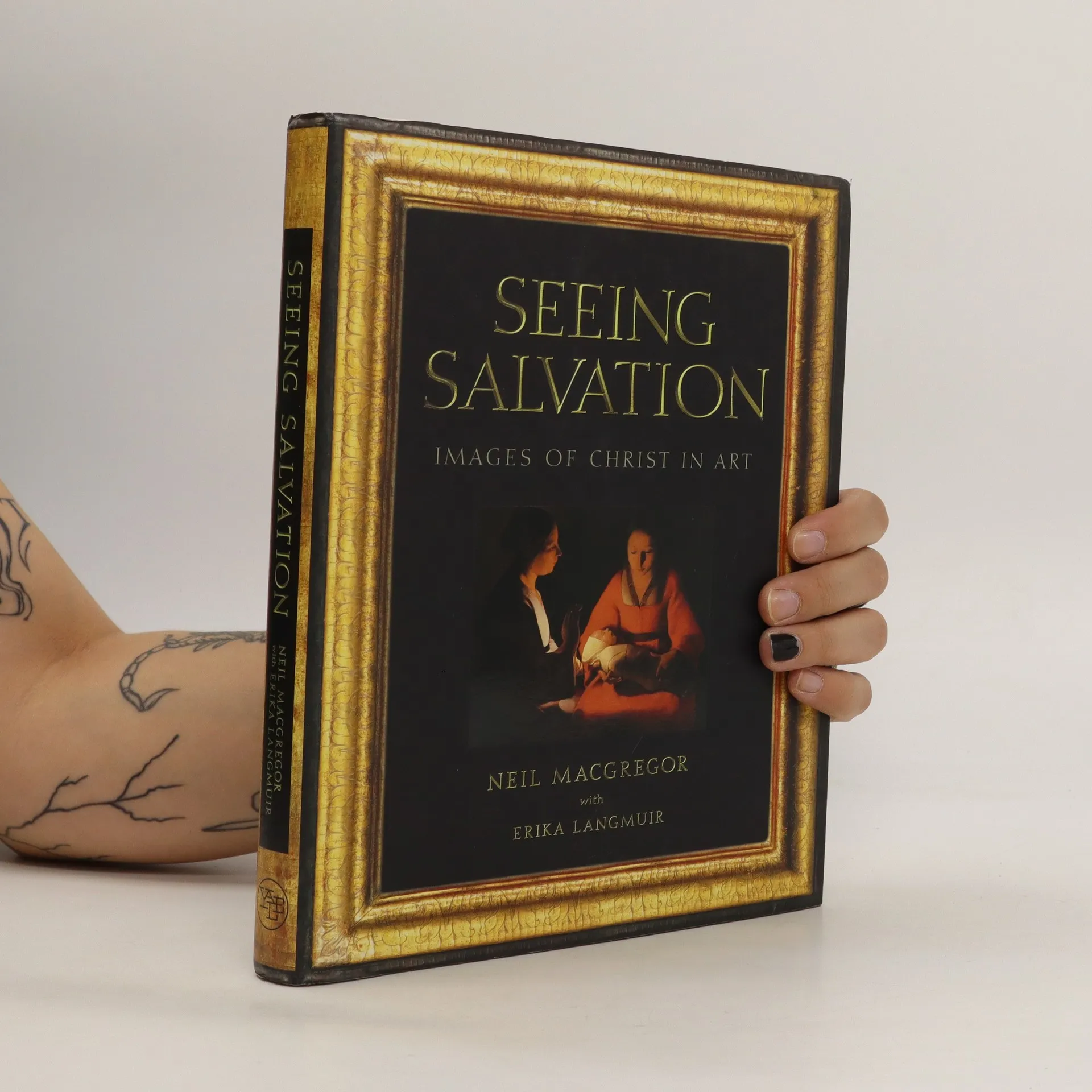
The life and death of Christ have profoundly influenced Western European art for nearly two millennia, allowing artists to explore universal themes of love, hope, heroism, and suffering. Without contemporary descriptions of Jesus' appearance, his portrayal in art has varied, reflecting the spiritual perspectives of artists, the desires of patrons, and the needs of viewers. In this richly illustrated work, Neil MacGregor examines how artists from diverse cultures and eras have depicted Christ's story, tracing the evolution of his recognizable image. He explores representations in high art and popular craft found in galleries, churches, museums, and even market stalls, illustrating the development of Christian culture since Christ's birth. MacGregor highlights how certain artworks reveal societal views of Christ and the creators' inner struggles. For instance, Michelangelo's successive Pieta sculptures document his evolving faith and personal anguish, while Rembrandt's revisions of his Crucifixion etching reflect his changing perceptions and a more somber outlook on life. Ultimately, MacGregor asserts that images of Christ continue to resonate powerfully with both believers and nonbelievers, offering valuable insights into our lives today, just as they did when created.
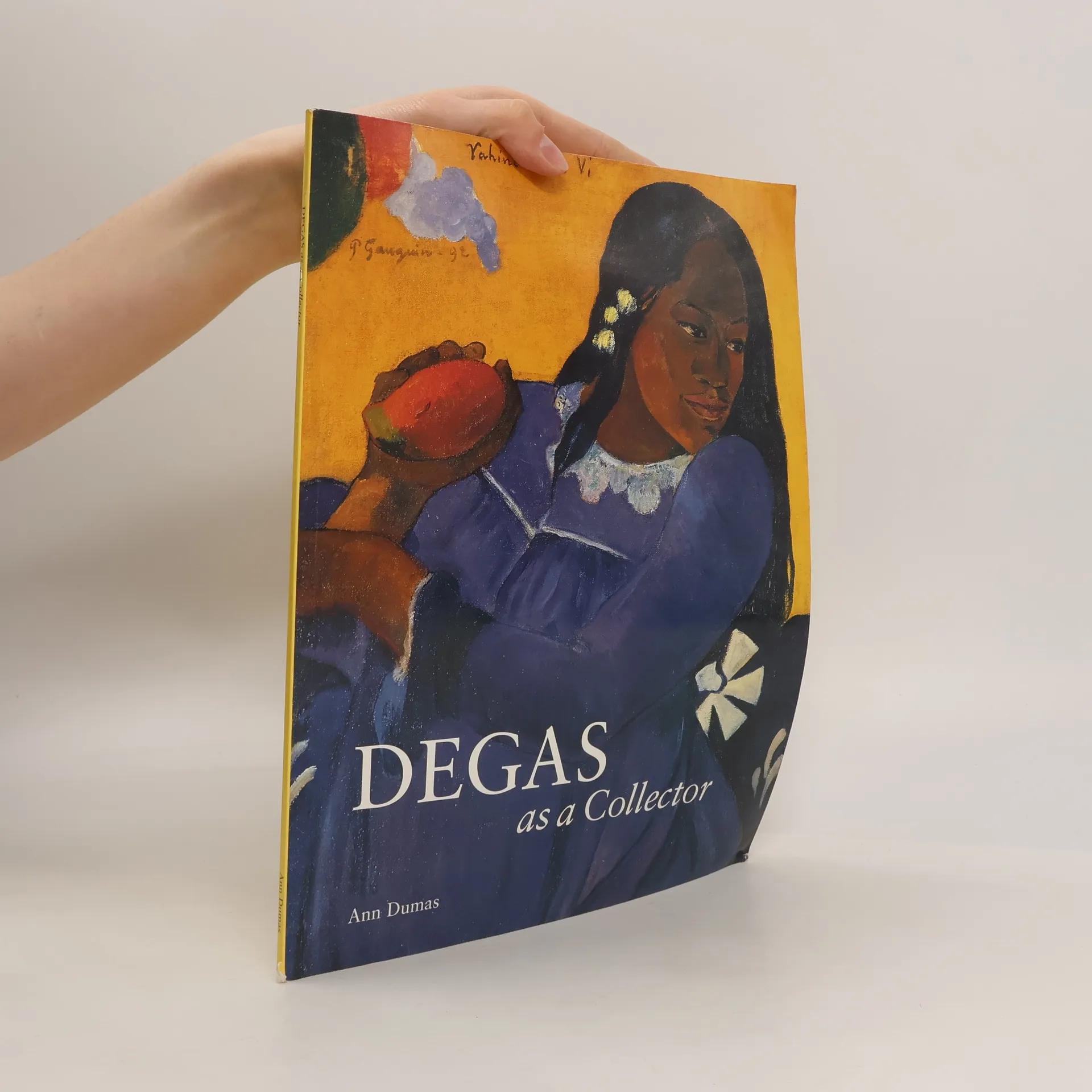
RO60110628. DEGAS AS A COLLECTOR. 1996. In-4. Broché. Bon état, Couv. convenable, Dos satisfaisant, Intérieur frais. 77 pages. Photo en couleur en frontispice. Illustré de nombreuses photos en couleur et en noir et blanc, dans et hors texte. Texte sur 3 colonnes.. . . . Classification Dewey : 420-Langue anglaise. Anglo-saxon