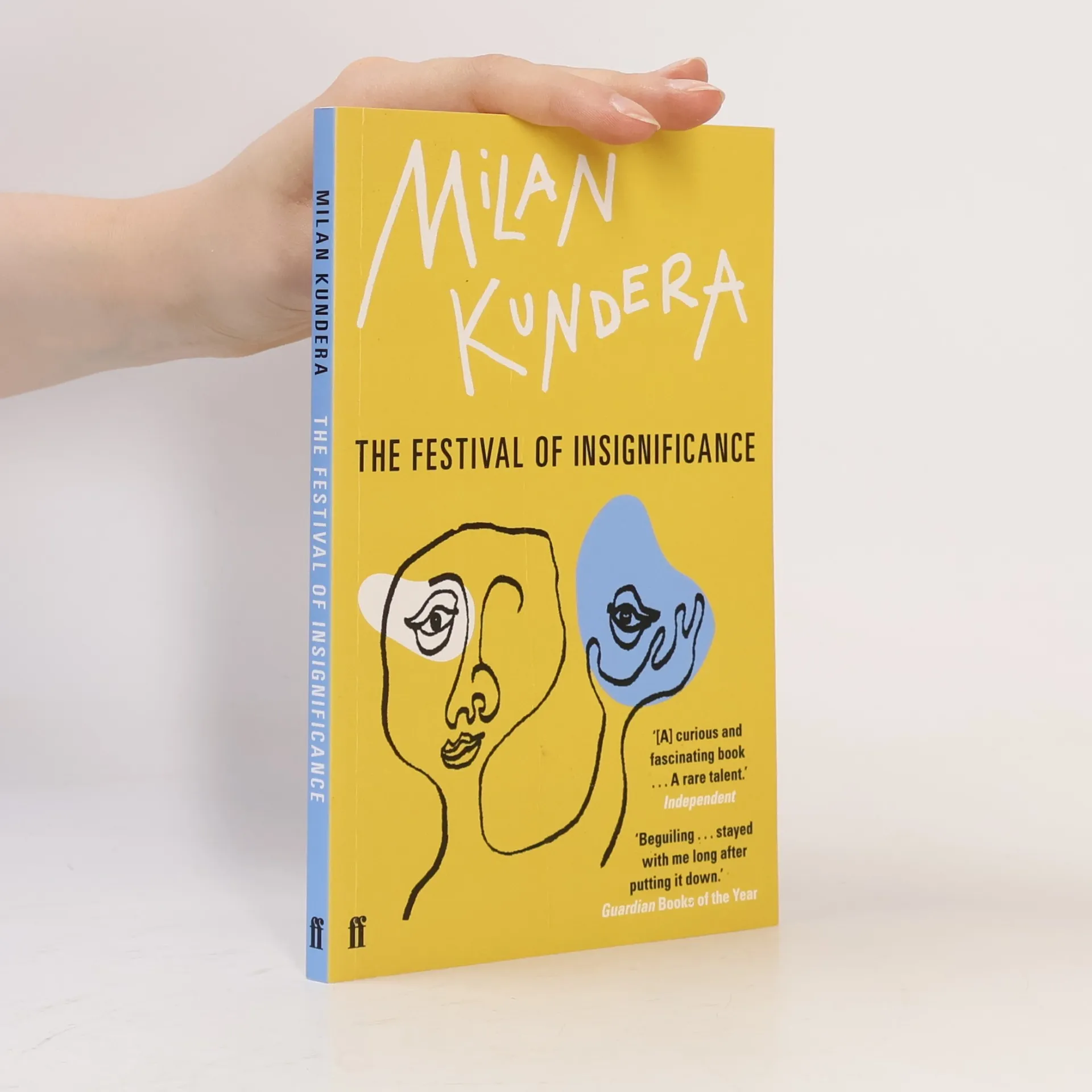
Four friends in contemporary Paris who encounter one another at parties and at the Luxembourg Gardens and talk about sex, history, art, politics, and the meaning of life
Linda Asher Book order


- 2015
- 2006
The Curtain
- 176 pages
- 7 hours of reading
"A magic curtain, woven of legends, hung before the world," writes Milan Kundera in The Curtain, his fascinating new book on the art of the novel. "Cervantes sent Don Quixote journeying and tore through the curtain. The world opened before the knight-errant in all the comical nakedness of its prose." For Kundera, that curtain represents a ready-made perception of the world that each of us has—a pre-interpreted world. The job of the novelist, he argues, is to rip through the curtain and reveal what it hides. In this entertaining and always stimulating essay, Kundera cleverly sketches out his personal view of the history and value of the novel in Western civilization. Too often, he suggests, a novel is thought about only within the confines of the language and nation of its origin, when in fact the novel's development has always occurred across borders: Laurence Sterne learned from Rabelais, Henry Fielding from Cervantes, Joyce from Flaubert, García Márquez from Kafka. The real work of a novel is not bound up in the specifics of any one language: what makes a novel matter is its ability to reveal some previously unknown aspect of our existence. In The Curtain, Kundera skillfully describes how the best novels do just that.
- 2002
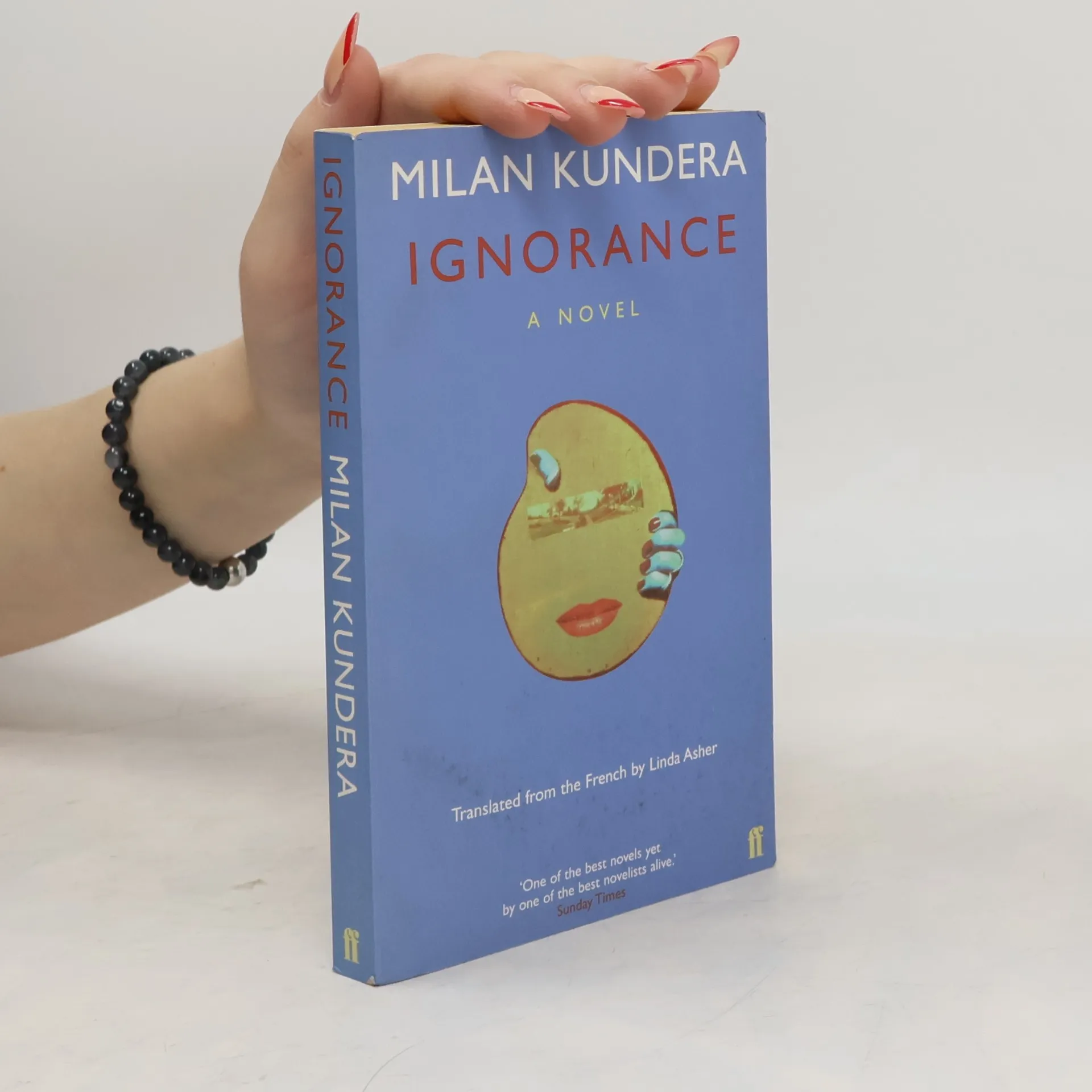
A man and a woman meet by chance while returning to their homeland, which they had abandoned twenty years earlier when they chose to become exiles. Will they manage to pick up the thread of their strange love story, interrupted almost as soon as it began and then lost in the tides of history? The truth is that after such a long absence "their memories no longer match." We always believe that our memories coincide with those of the person we loved, that we experienced the same thing. But this is just an illusion. Then again, what can we expect of our weak memory? It records only "an insignificant, minuscule particle" of the past, "and no one knows why it's this bit and not any other bit." We live our lives sunk in a vast forgetting, a fact we refuse to recognize. Only those who return after twenty years, like Odysseus returning to his native Ithaca, can be dazzled and astounded by observing the goddess of ignorance firsthand. Milan Kundera is the only author today who can take such dizzying concepts as absence, memory, forgetting, and ignorance, and transform them into material for a novel, masterfully orchestrating them into a polyphonic and moving work.
- 1998
A novel by the author of The Unbearable Lightness of Being. A moment of confusion sets in motion a complex chain of events which crosses and recrosses the divide between fantasy and reality.
- 1996
Testaments Betrayed
- 256 pages
- 9 hours of reading
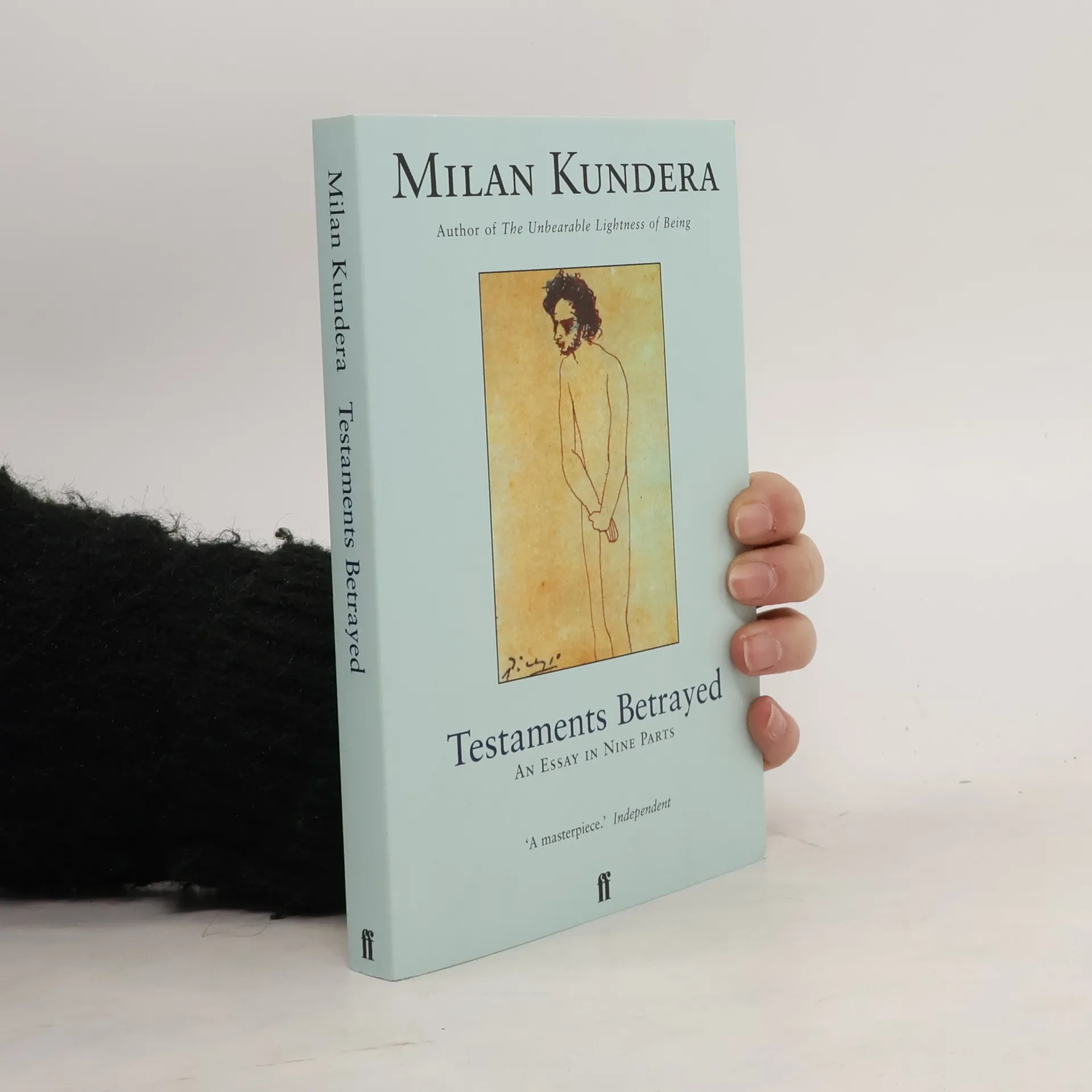
Kundera's essay has been written like a novel. In the course of nine separate sections, the same characters meet and cross paths with each other. Stravinsky and Kafka with their odd friends Ansermet and Brod; Hemingway with his biographer; Janácek with his little nation; and Rabelais with his heirs - the great novelists. In the light of their wisdom this book examines some of the great situations of our time. The moral trial of the twentieth century's art, from Celine to Mayakovsky; the passage of time which blurs the boundaries between the 'I' of the present day and the 'I' of the past; modesty as an essential concept in an age based on the individual and indiscretion which, as it becomes the habit and the norm, heralds the twilight of individualism; the testaments, the betrayed testaments - of Europe, of art, of the art of the novel and of artists.
- 1996
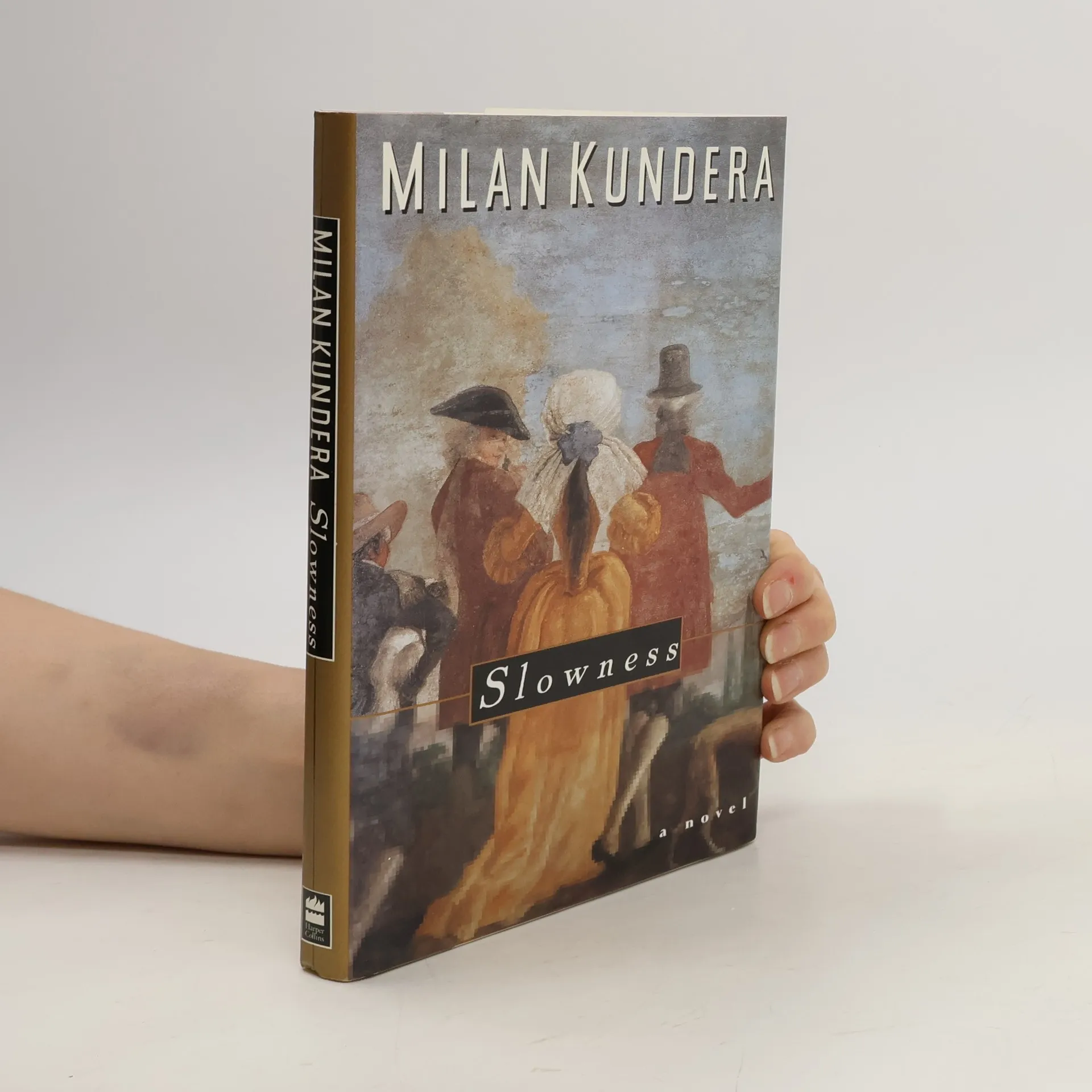
Readers are taken through a midsummer's night in which two tales of seduction, separated by more than 200 years, interweave and oscillate between the sublime and the ridiculous. They provide merely a narrative framework for Kundera's novel, within which is condensed existential analysis.
- 1986
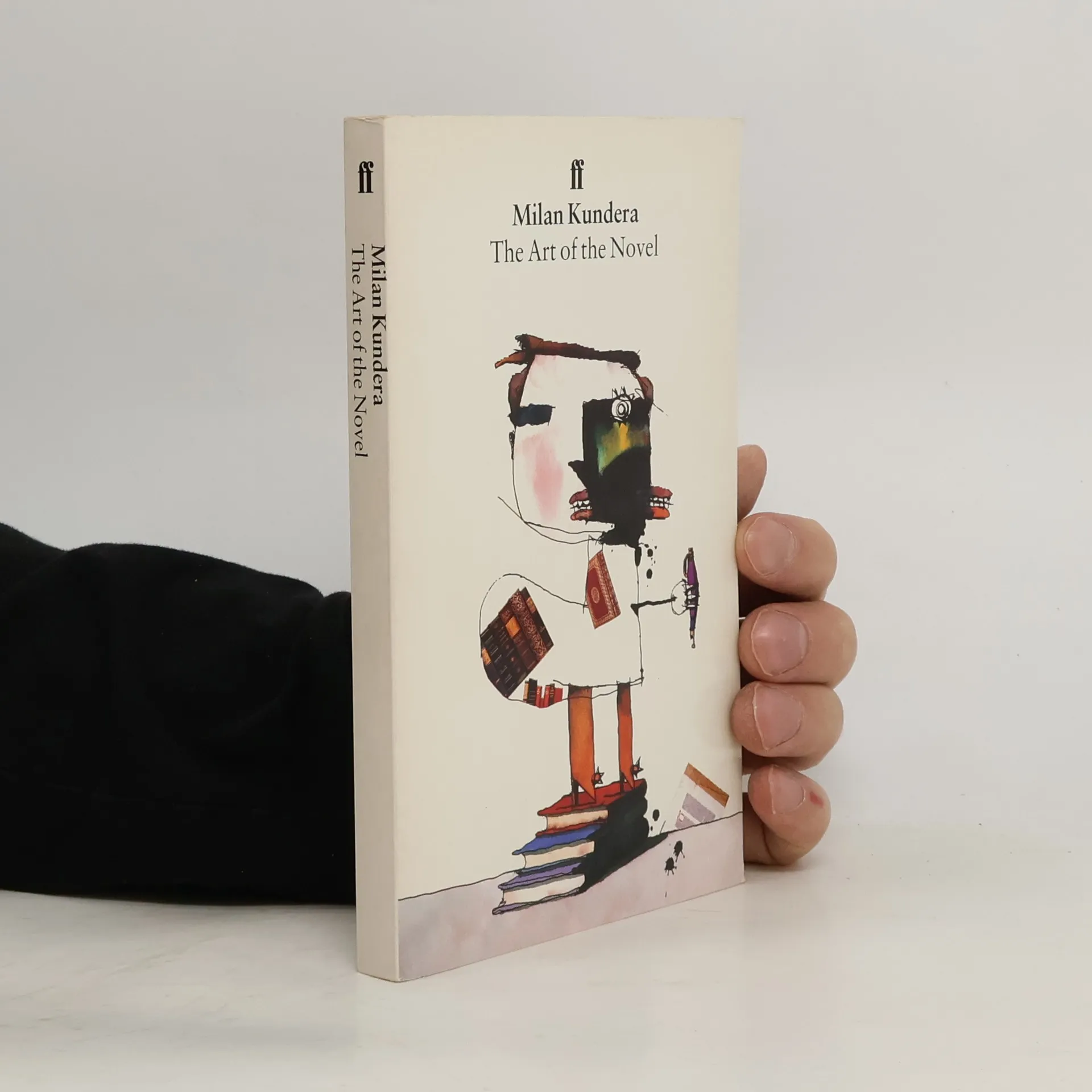
In this first work of nonfiction, Milan Kundera offers a "practitioner's confession" on the art of the novel. "Every novelist's work contains an implicit vision of the history of the novel, an idea of what the novel is," Kundrea writes. "I have tried to express here the idea of the novel that is inherent in my own novels." Kundrea brilliantly examines the work of such important and diverse figures as Rabelais, Cervantes, Sterne, Diderot, Flaubert, Tolstoy, and Musil. He is especially penetrating on "perhaps the least known of all the great novelists of our time," Herman Broch, and his exploration of the world of Kafka's novels vividly reveals the comic terror of Kafka's bureaucratized universe. Kundrea's discussion of his own work includes his views on the role of historical events in fiction, the meaning of action, and the creation of character in the postpsychological novel. His reflections on the state of the modern European novel in an era of "terminal paradoxes" are as witty, original, and far-reaching as his unique fiction.