Traces the author's experiences as a mathematics wizard, author, inventor, hedge-fund manager, and card-counter who revealed casino-beating strategies, invented the first wearable computer, and launched a Wall Street revolution
Nassim Nicholas Taleb Books
September 12, 1960
Nassim Nicholas Taleb is the author of the monumental essay collection, the Incerto, an exploration of opacity, luck, uncertainty, and decision-making in a world we don't fully understand. Drawing from his background as a risk-taker and now a researcher, Taleb delves into the practical problems of probability and risk. His work, presented as a personal essay interwoven with autobiographical elements, stories, and philosophical reflections, offers a unique perspective on the complexities of modern life. He focuses on systems that can benefit from disorder and unpredictability.


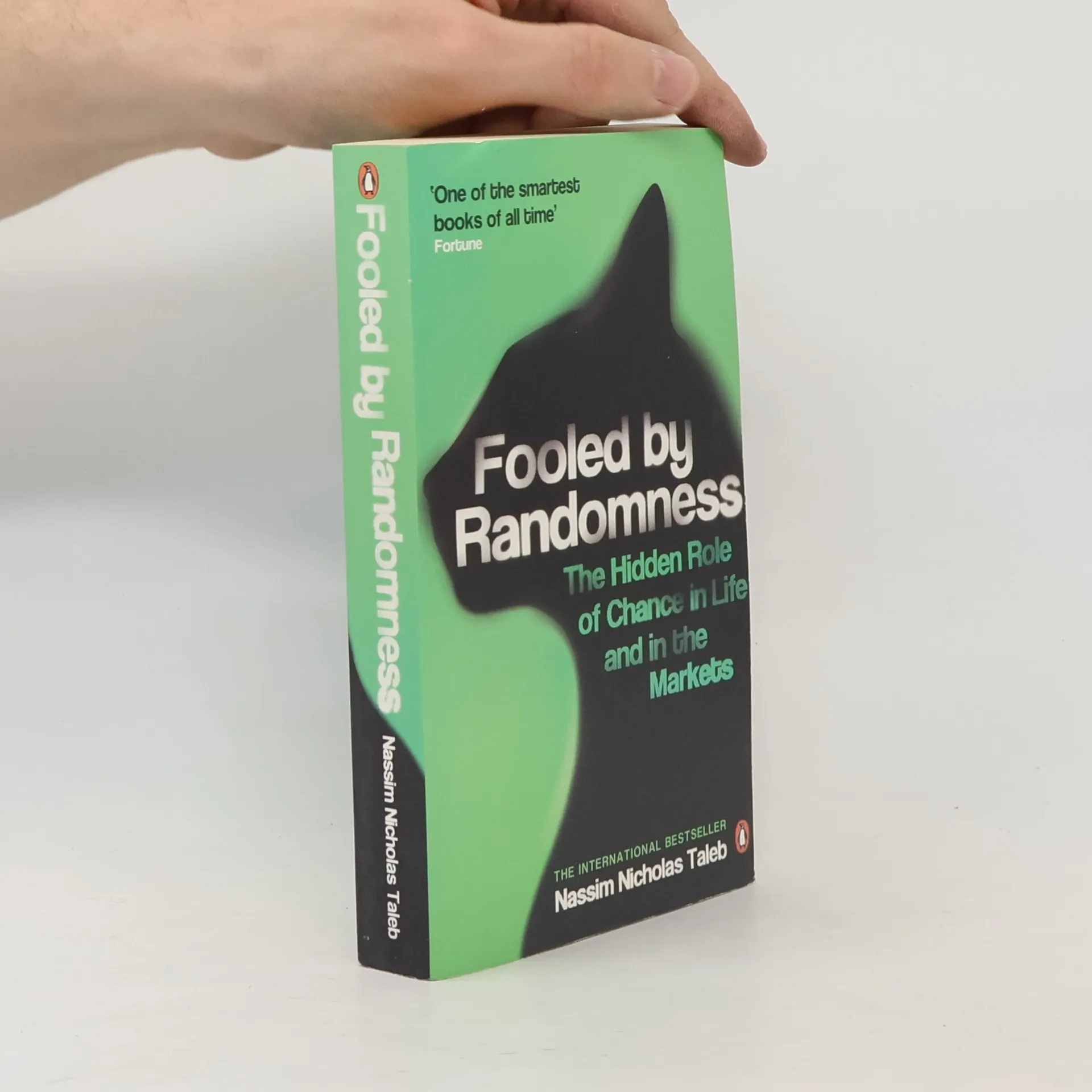

Fooled by randomness : the hidden role of chance in life and in the markets
- 316 pages
- 12 hours of reading
This is a book about luck. More specifically, it is a book about how we perceive luck, twist it around and regard it as intention or purpose.
Antifragile
- 544 pages
- 20 hours of reading
"The acclaimed author of the influential bestseller The Black Swan, Nicholas Nassim Taleb takes a next big step with a deceptively simple concept: the "antifragile." Like the Greek hydra that grows two heads for each one it loses, people, systems, and institutions that are antifragile not only withstand shocks, they benefit from them. In a modern world dominated by chaos and uncertainty, Antifragile is a revolutionary vision from one of the most subversive and important thinkers of our time
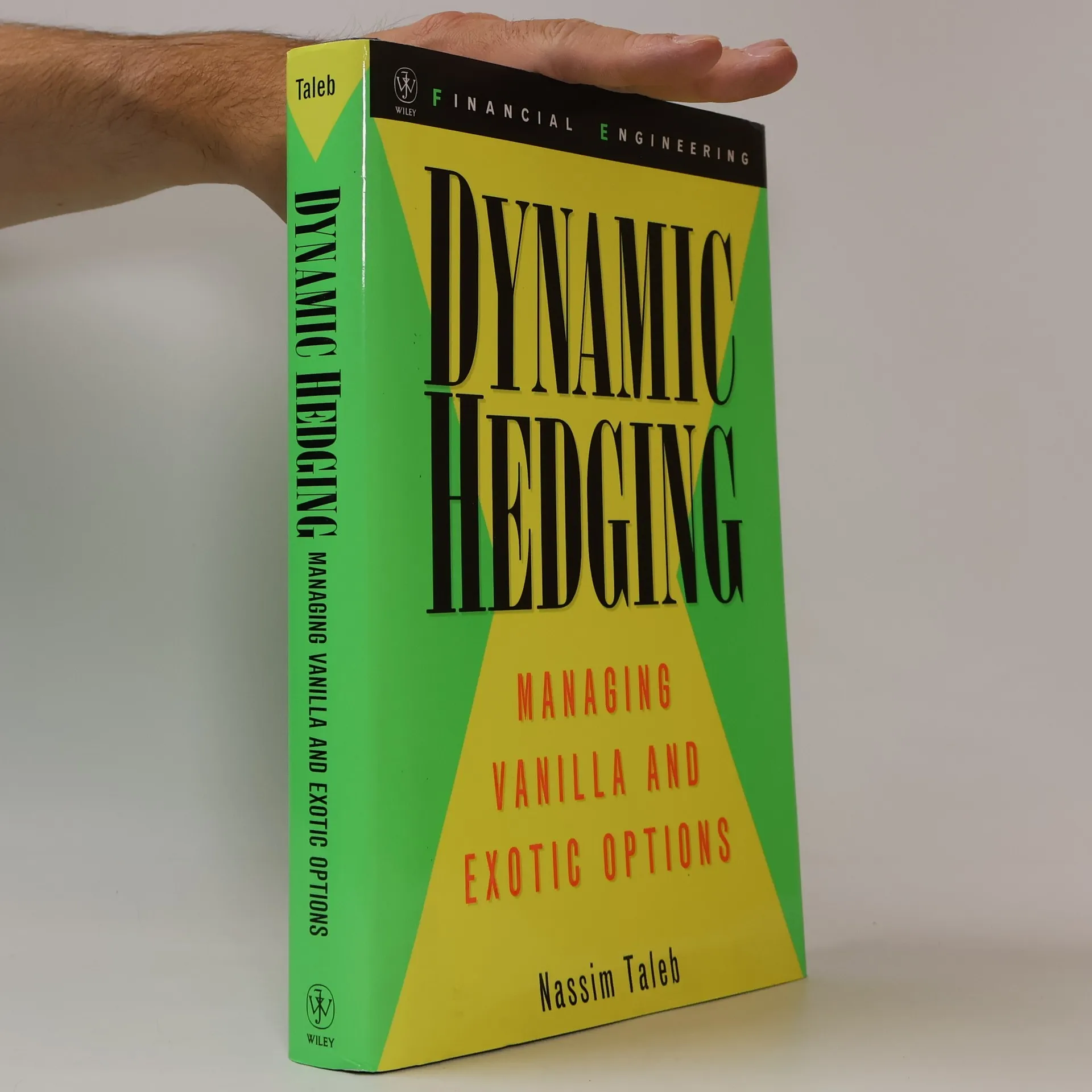
Dynamic Hedging is an essential guide to managing derivatives risk, offering a practical approach for portfolios with nonlinear securities. It presents insights from the perspective of option market makers and arbitrage operators. Authored by an experienced trader with theoretical expertise, it adapts option theory to real-world scenarios, addressing the limitations of traditional mathematical models in capturing market exposure. Nassim Taleb explores both on-model and off-model derivatives risks, discussing critical concepts in accessible language. Key topics include the generalized option, which covers all convex payoff instruments, and trading techniques for exotic options like binary, barrier, multi-asset, and Asian options, while considering the complexities of actual distributions. The book examines market dynamics from a practitioner's viewpoint, addressing liquidity issues, portfolio insurance, volatility surfaces, and the shortcomings of value at risk methods. It introduces new risk detection tools, including higher moment analysis and nonparametric techniques, while emphasizing the path dependence of dynamically hedged options. Filled with practical tools, market anecdotes, and concise risk management rules, it also presents fundamental derivatives mathematics in intuitive terms, making it a valuable resource for practitioners.
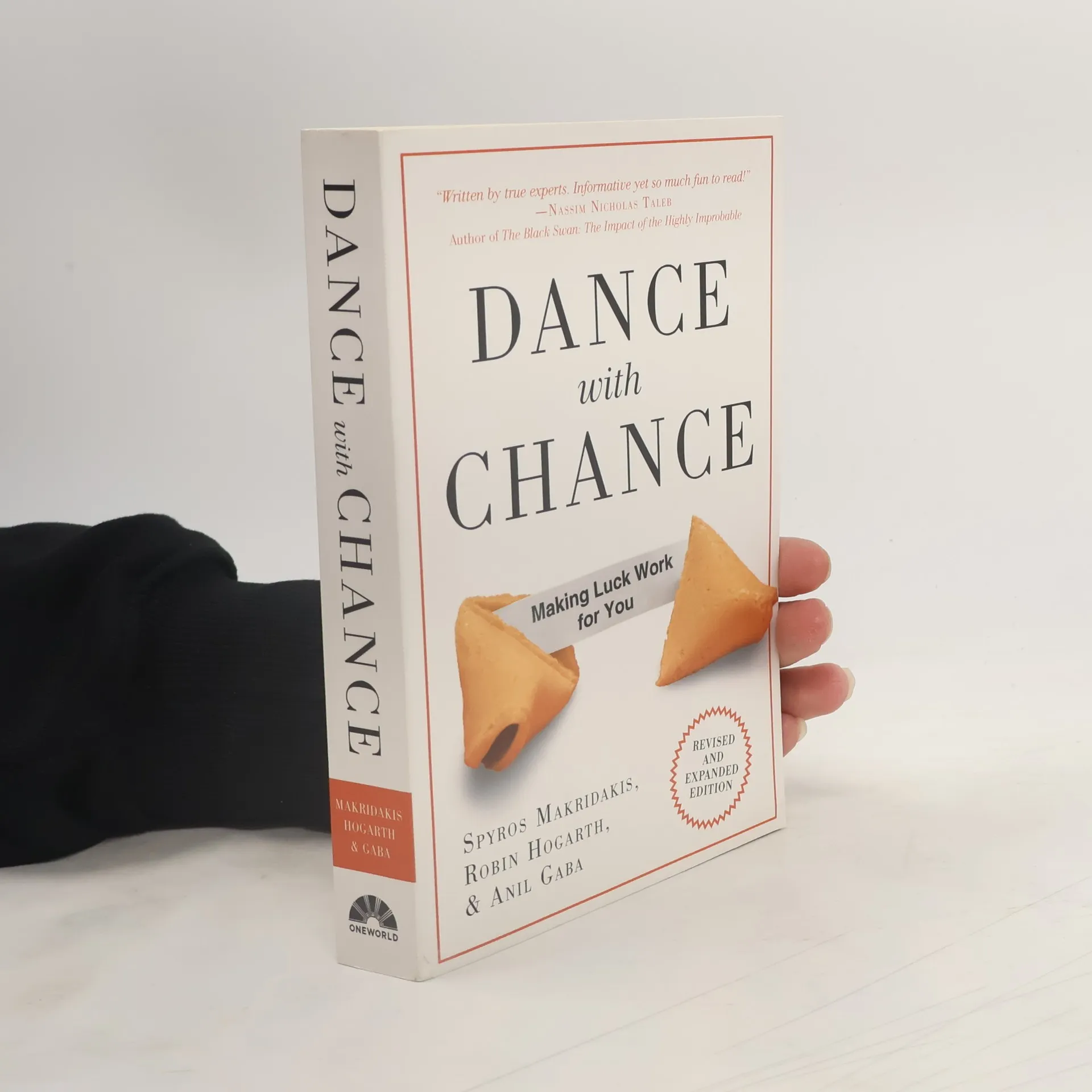
Dance with Chance
Making Luck Work for You - Revised and Expanded Edition
- 384 pages
- 14 hours of reading
A gripping tale of how even experts misread the role of chance - from the stock market to doctors' surgeries - "Dance With Chance" argues that we all fall foul of the 'The Illusion of Control', meaning that we underestimate the role of luck in our lives. The authors argue that by understanding how uncertainty operates, we can make palpable improvements to our health, wealth, happiness and careers.
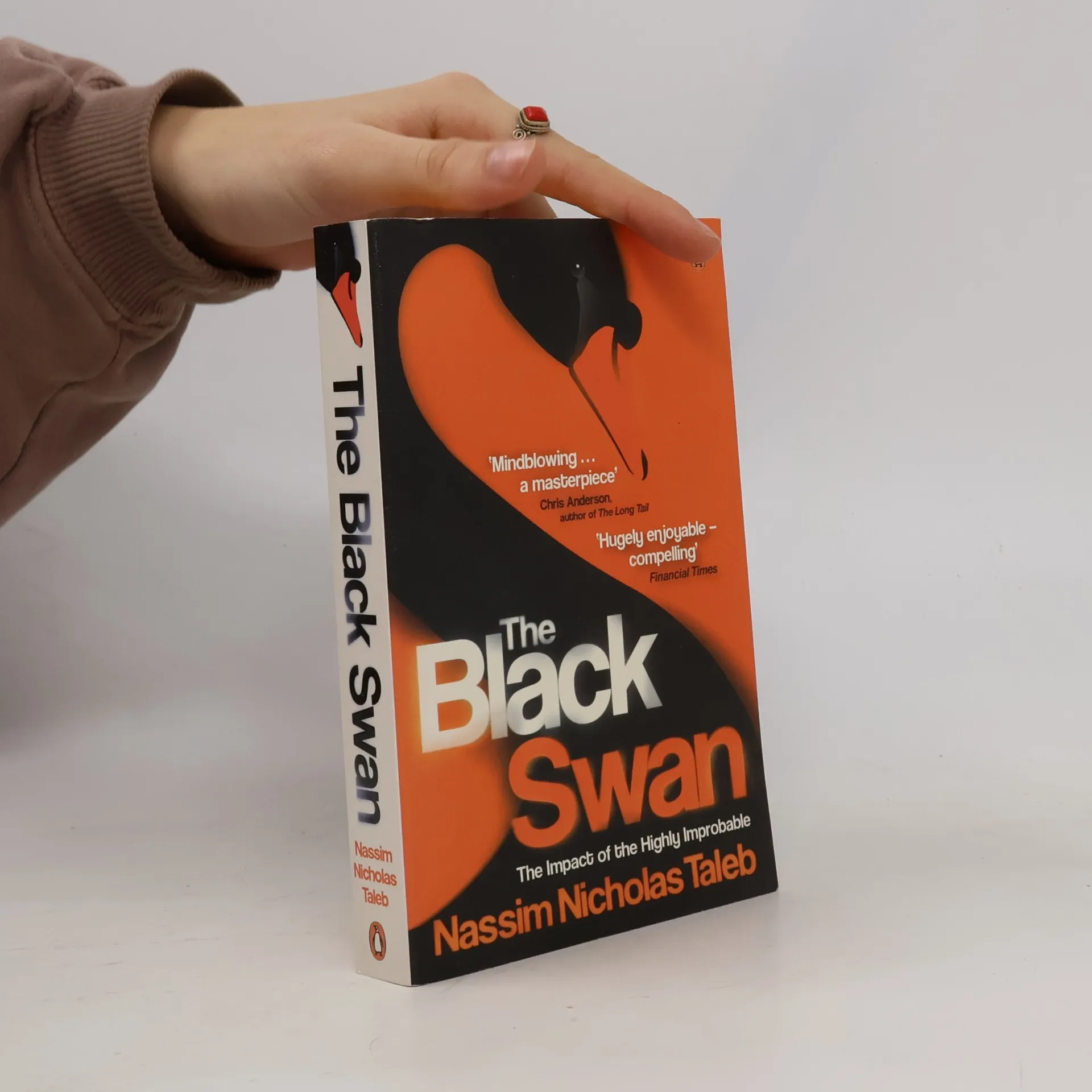
The Black Swan
- 480 pages
- 17 hours of reading
From the critically acclaimed author of Fooled by Randomness, a book about the impact of improbable events on every aspect of life.
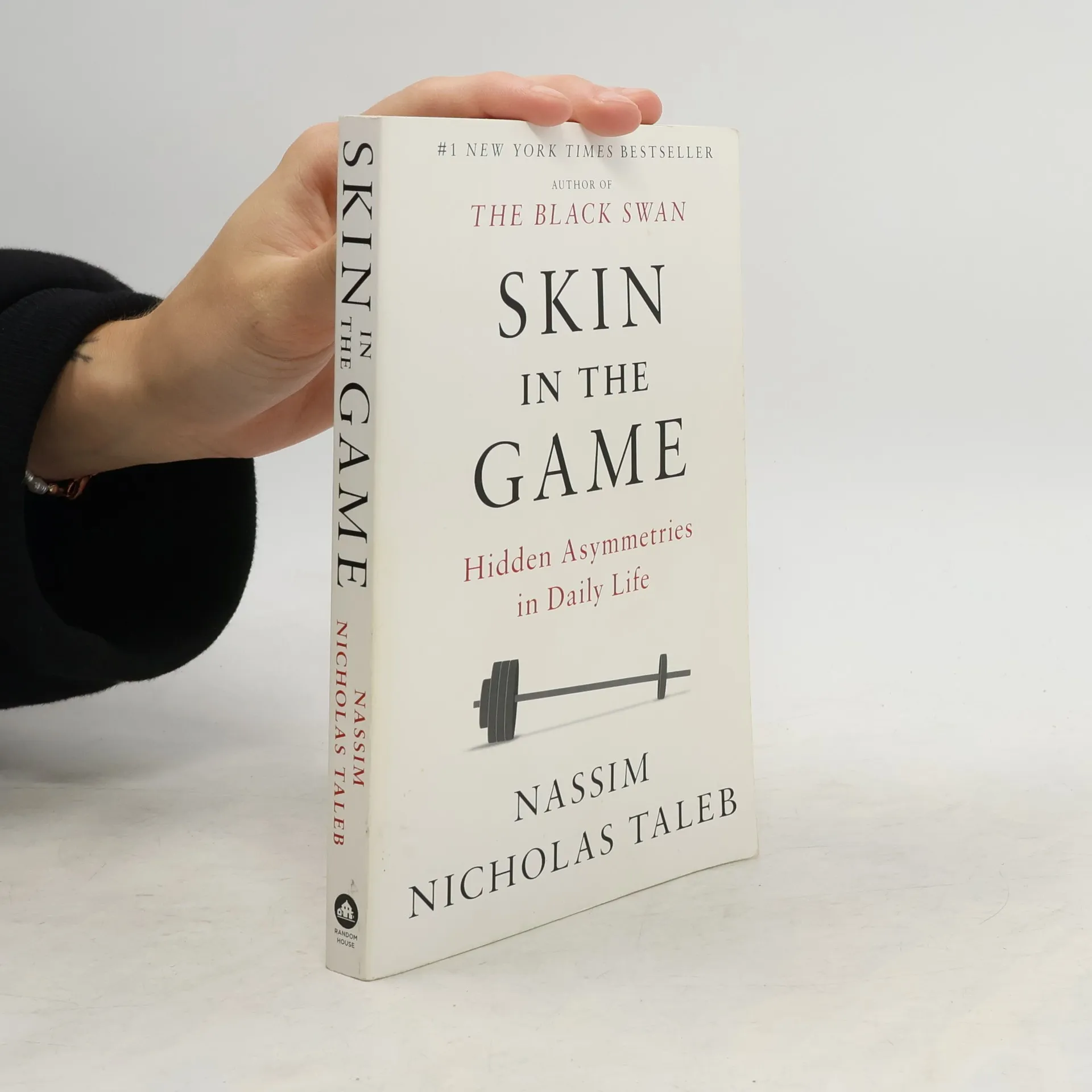
Skin in the Game. Hidden Asymmetries in Daily Life
- 304 pages
- 11 hours of reading
The phrase "skin in the game" is one we have often heard but have rarely stopped to truly dissect. It is the backbone of risk management, but it's also an astonishingly complex worldview that applies to all aspects of our lives. Nassim Nicholas Taleb pulls on everything from Antaeus the Giant to Hammurabi to Donald Trump to Seneca to the ethics of disagreement to create a tapestry for understanding our world in a brand new way. Among his insights: For social justice, focus on symmetry and risk sharing -- Ethical rules aren't universal -- Minorities, not majorities, run the world -- You can be an intellectual yet still be an idiot -- Beware of complicated solutions (that someone was paid to find) -- True religion is commitment, not just faith
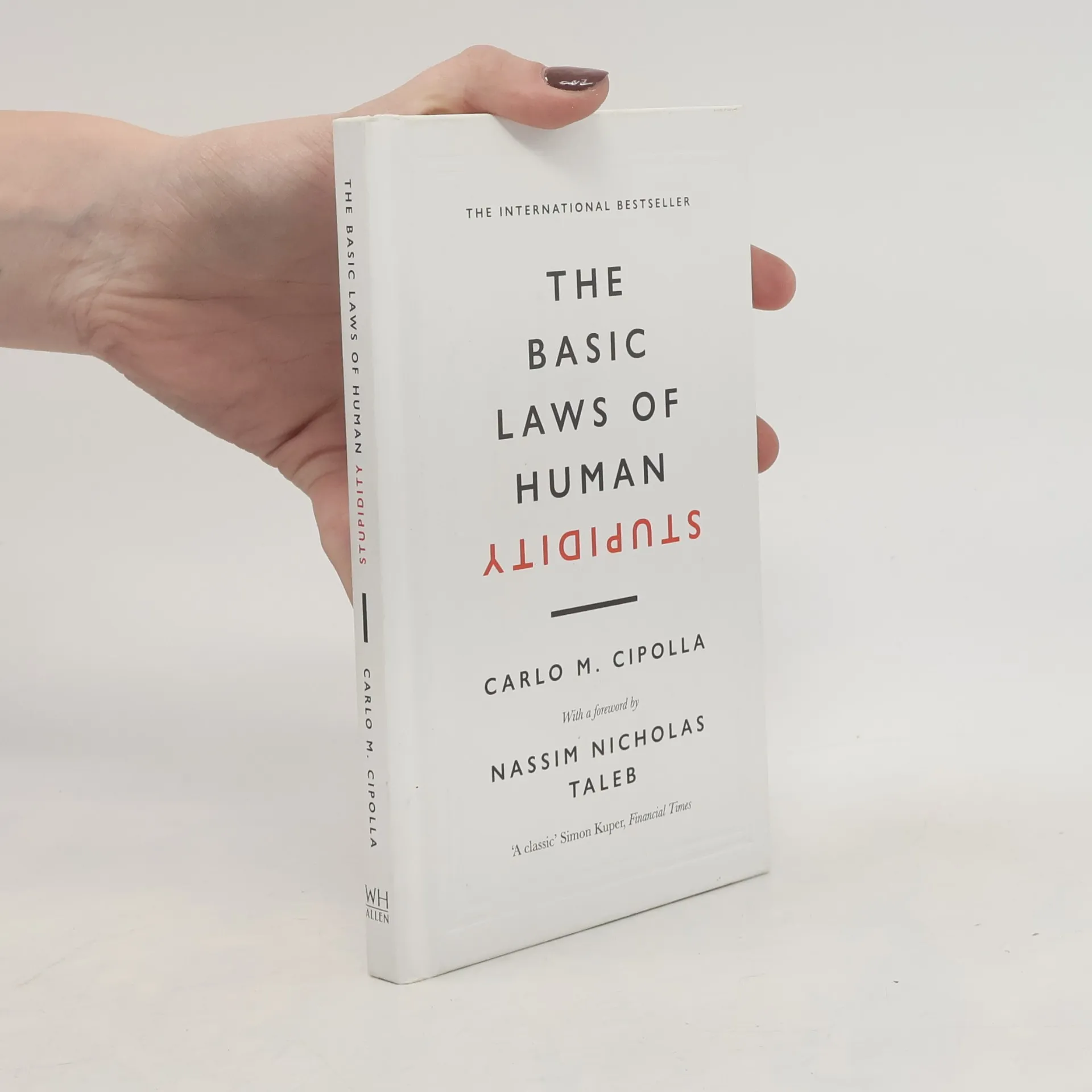
The basic laws of human stupidity
- 96 pages
- 4 hours of reading
The perfect gift to get you through the work Christmas party, family board game blow ups and dinner with the in-laws. 'A classic' - Simon Kuper, Financial Times 'This is brilliant' - James O'Brien, author of How to be Right The five laws that confirm our worst fears: stupid people can and do rule the world. Since time immemorial, a powerful dark force has hindered the growth of human welfare and happiness. It is more powerful than the Mafia or the military. It has global catastrophic effects and can be found anywhere from the world's most powerful boardrooms to your local pub. This is the immensely powerful force of human stupidity. Seeing the shambolic state of human affairs, and sensing the dark force at work behind it, Carlo M. Cipolla, the late, noted professor of economic history at the University of California, Berkeley, created a vitally important economic model that would allow us to detect, know and neutralise this threat: The Basic Laws of Human Stupidity. If you've ever found yourself despairing at the ubiquity of stupidity among even the most 'intellectual' of people, then this hilarious, timely and slightly alarming little book is for you. Arm yourself in the face of baffling political realities, unreasonable colleagues or the unbridled misery of Christmas day with the in-laws with the first and only economic model for stupidity.
The Bed of Procrustes
- 112 pages
- 4 hours of reading
By the author of the modern classic The Black Swan, this collection of aphorisms and meditations expresses Taleb's view of modern civilization's hubristic side effects--modifying humans to satisfy technology, blaming reality for not fitting economic models, inventing diseases to sell drugs, defining intelligence as what can be tested in a classroom, and convincing people that employment is not slavery
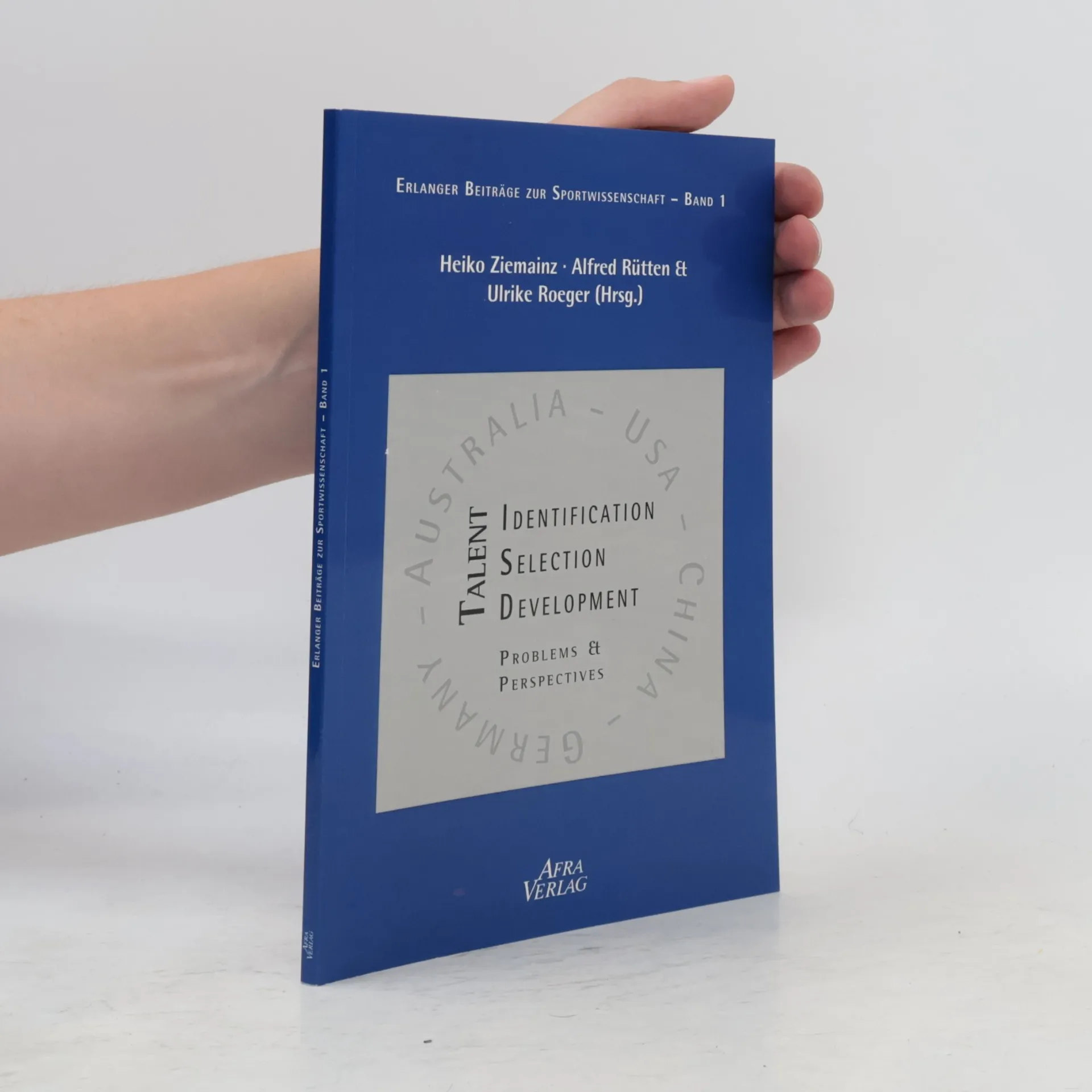
Erlanger Beiträge zur Sportwissenschaft - 1: Talent Identification, Selection, Development
Problems & Perspectives - Australia, USA, China, Germany
- 86 pages
- 4 hours of reading
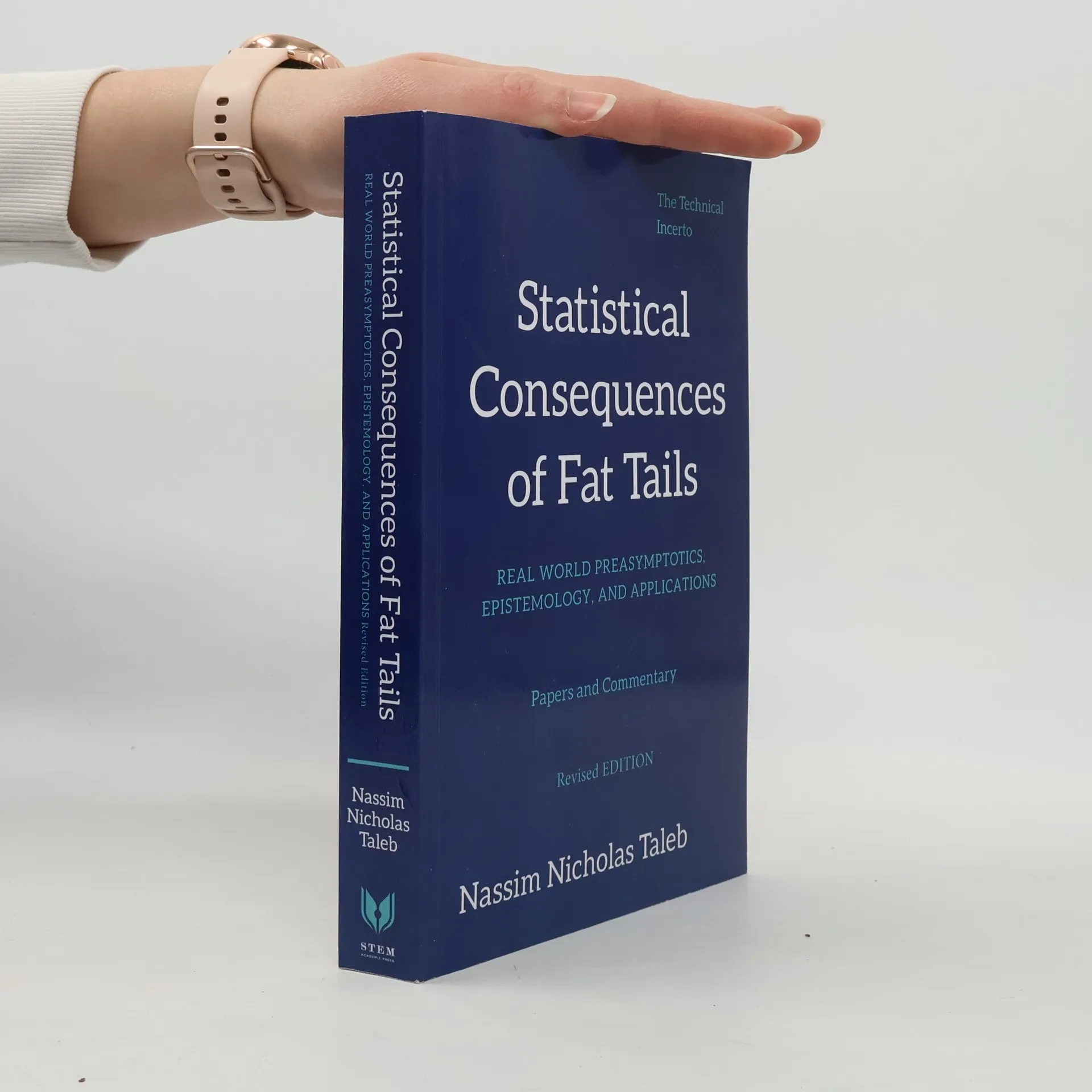
Technical Incerto: Statistical Consequences of Fat Tails
Real World Preasymptotics, Epistemology, and Applications (Revised Edition)
- 473 pages
- 17 hours of reading
The monograph investigates the misapplication of conventional statistical techniques to fat tailed distributions and looks for remedies, when possible.Switching from thin tailed to fat tailed distributions requires more than "changing the color of the dress". Traditional asymptotics deal mainly with either n=1 or n=?, and the real world is in between, under of the "laws of the medium numbers" --which vary widely across specific distributions. Both the law of large numbers and the generalized central limit mechanisms operate in highly idiosyncratic ways outside the standard Gaussian or Levy-Stable basins of convergence.A few examples:+ The sample mean is rarely in line with the population mean, with effect on "naive empiricism", but can be sometimes be estimated via parametric methods.+ The "empirical distribution" is rarely empirical.+ Parameter uncertainty has compounding effects on statistical metrics.+ Dimension reduction (principal components) fails.+ Inequality estimators (GINI or quantile contributions) are not additive and produce wrong results.+ Many "biases" found in psychology become entirely rational under more sophisticated probability distributions+ Most of the failures of financial economics, econometrics, and behavioral economics can be attributed to using the wrong distributions.This book, the first volume of the Technical Incerto, weaves a narrative around published journal articles.
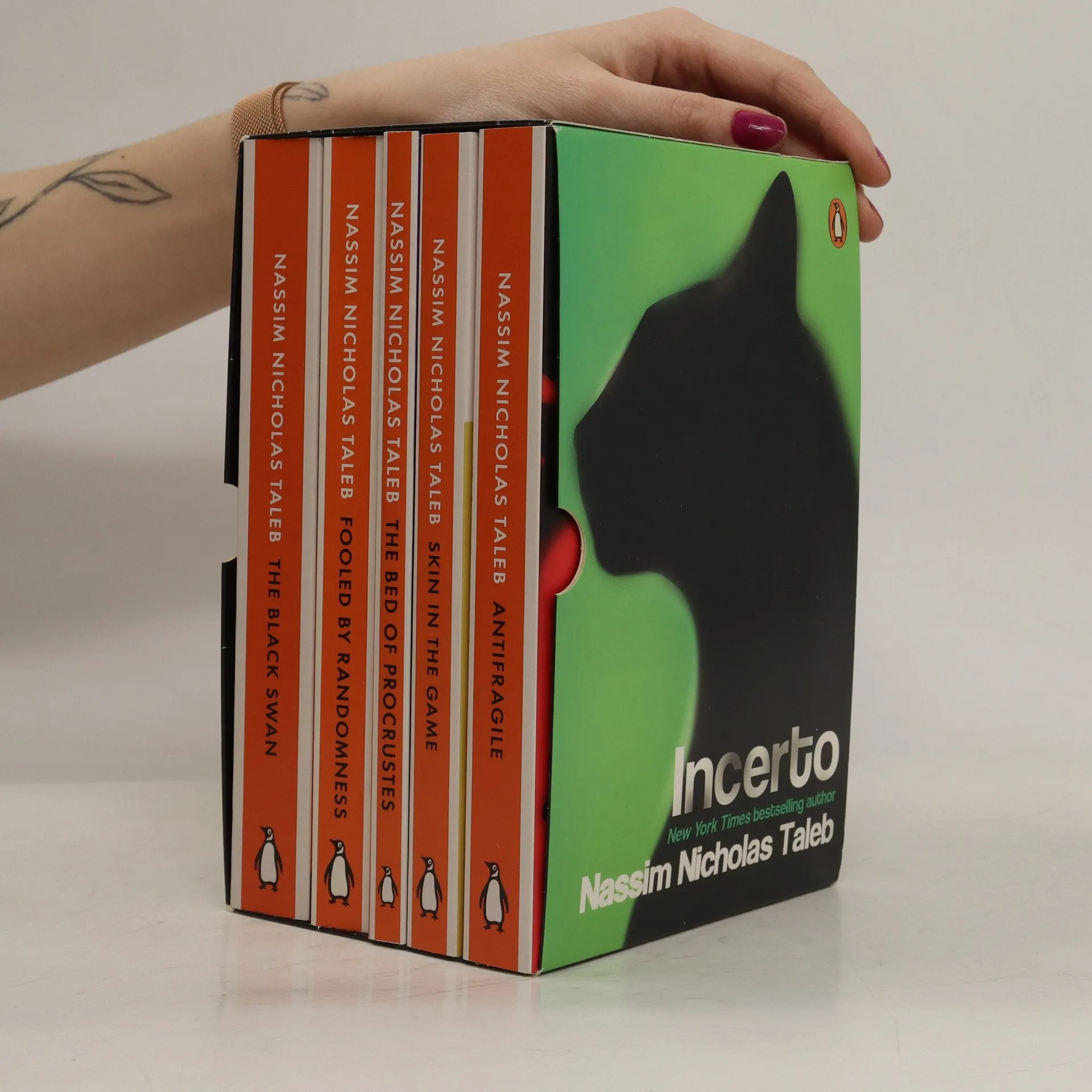
Incerto Box Set
- 400 pages
- 14 hours of reading
New York Times bestselling author Nassim Taleb's landmark Incerto series - Antifragile, The Black Swan, Fooled by Randomness, The Bed of Procrustes - gathered together for the first time, in a beautifully designed box set.
Incerto 1-5 Box Set
- 5 volumes
Nassim Taleb's five landmark bestselling books have changed the way millions see the world and think about uncertainty, chance, volatility, and risk. They can be read individually but are also written to complement each other and actually comprise a single work: The Incerto. This boxed set is newly designed and offers readers one of the most significant intellectual projects of our time.
Die "Incerto-Reihe" von Nassim Nicholas Taleb, die die Werke "Der Schwarze Schwan", "Narren des Zufalls", "Antifragilität" und das "Kleine Handbuch für den Umgang mit Unwissen" umfasst, untersucht die Rolle von Glück, Unsicherheit und Risiko in einer komplexen Welt. Daniel Kahneman beschreibt Talebs Einfluss auf seine Weltsicht.
Во что мы верим, но не можем доказать. Интеллектуалы XXI века о современной науке
- 340 pages
- 12 hours of reading
О чем книга О самых невероятных, оригинальных научно-фантастических идеях, которые в будущем, возможно, станут реальностью. О том, как самые разные ученые, оказывается, способны поверить в любые гипотезы и поведать всем нам о своих идеях, связанных с новыми областями эволюционной биологии, генетики, компьютерных наук, нейрофизиологии, психологии и физики... Почему книга достойна прочтения Лучшие умы XXI века предлагают необычное видение возможностей науки и технического прогресса. Книга отвечает на самые разные вопросы, - начиная с того, что же такое сознание человека, и кончая тем, одиноки ли мы во Вселенной, - интересующие не только мировое научное сообщество, но и каждого из нас. Ведь все мы, так или иначе, задаемся вопросами мироздания. Уникальная возможность познакомиться с тем, каким образом ученые сегодня находят путь к истине. Для кого эта книга Для всех, кто чувствует ритм нашего времени - времени научно-технического бума, и кому интересно узнать, во что можно и нужно верить, даже если это пока еще не доказано.
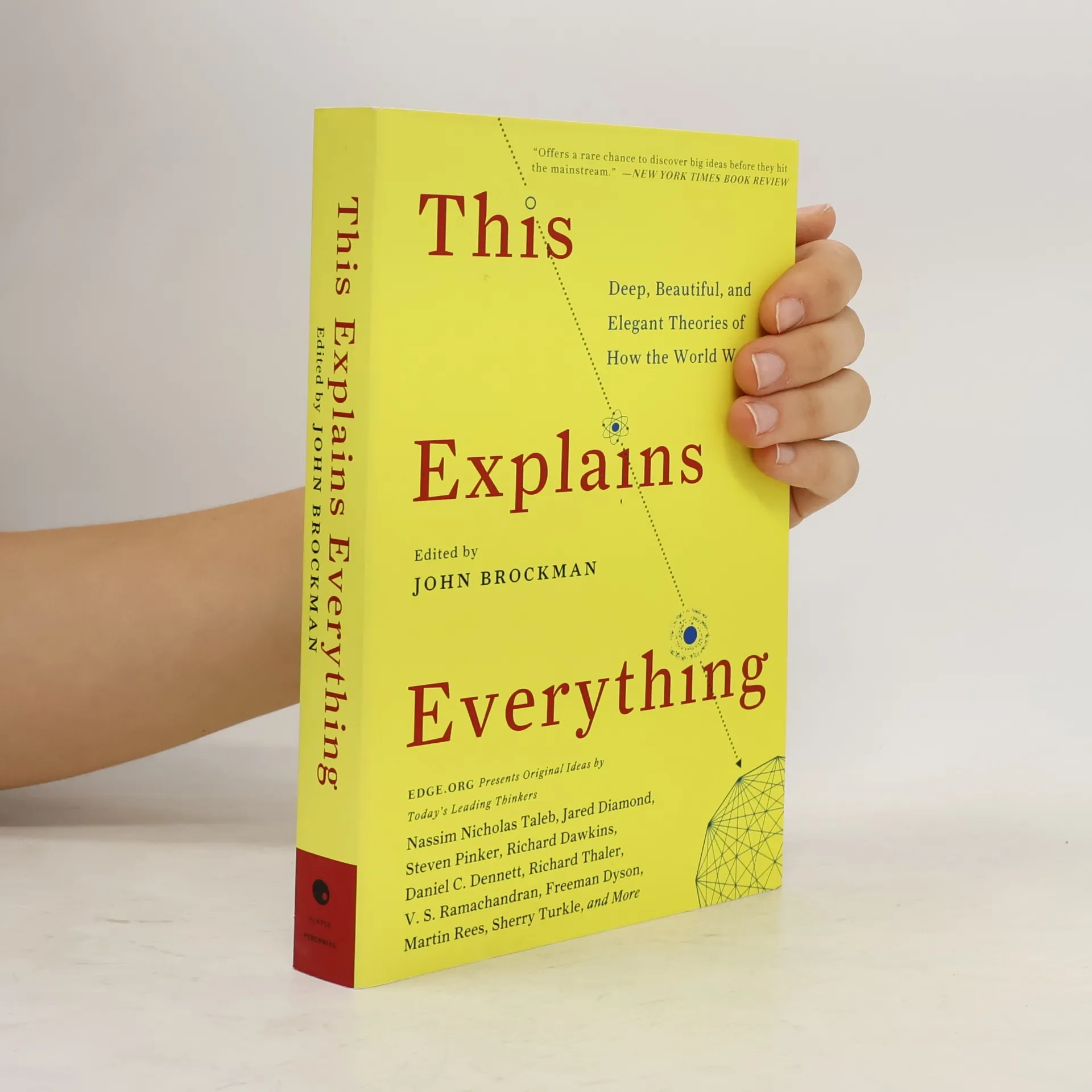
This explains everything : deep, beautiful, and elegant theories of how the world woks
- 432 pages
- 16 hours of reading
In This Explains Everything, John Brockman, founder and publisher of Edge.org, asked experts in numerous fields and disciplines to come up with their favorite explanations for everyday occurrences. Why do we recognize patterns? Is there such a thing as positive stress? Are we genetically programmed to be in conflict with each other? Those are just some of the 150 questions that the world's best scientific minds answer with elegant simplicity. With contributions from Jared Diamond, Richard Dawkins, Nassim Taleb, Brian Eno, Steven Pinker, and more, everything is explained in fun, uncomplicated terms that make the most complex concepts easy to comprehend.
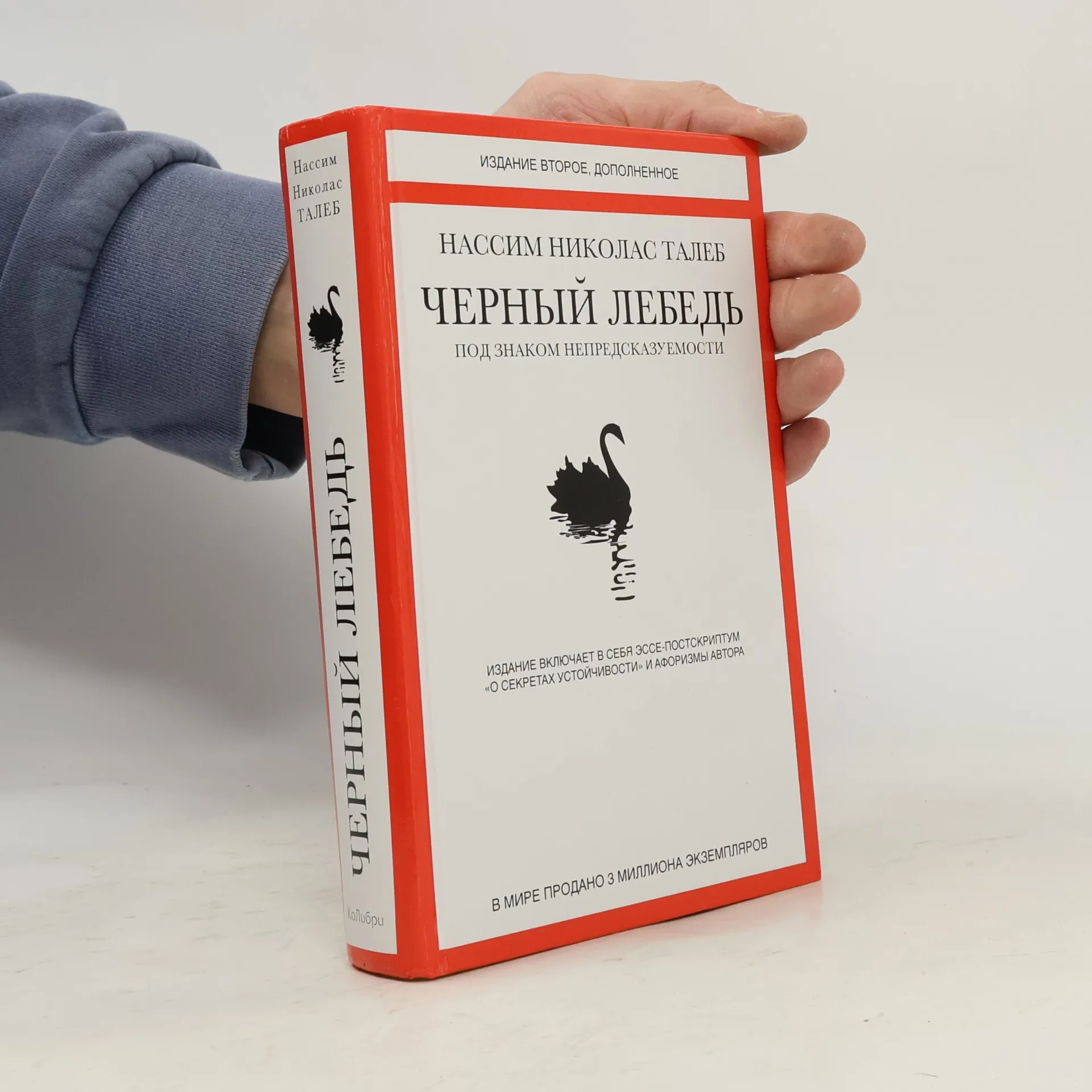
За одно только последнее десятилетие человечество пережило ряд тяжелейших катастроф, потрясений и катаклизмов, не укладывающихся в рамки самых фантастических предсказаний. Пятидесятидвухлетний ливанец, выпускник Сорбонны и нью-йоркский финансовый гуру Нассим Талеб называет такие непрогнозируемые события Черными лебедями. Он убежден: именно они дают толчок как истории в целом, так и существованию каждого отдельного человека. И чтобы преуспеть, надо быть к ним готовыми. Сразу после выхода "Черного лебедя" автор блестяще продемонстрировал свою "не-теорию" на практике: на фоне финансового кризиса компания Талеба заработала (а не потеряла!) для инвесторов полмиллиарда долларов. Но его труд - не учебник по экономике. Это размышления очень незаурядного человека о жизни и о том, как найти в ней свое место. В написанном им позже эссе-постскриптуме "О секретах устойчивости" Талеб дает остроумный отпор тем экономистам-ортодоксам, которые приняли созданное им анти-учение в штыки. Вошедшее в книгу собрание афоризмов Нассима Талеба "Прокрустово ложе" - это блестящая квинтэссенция его оригинальных идей.