

Explore the latest books of this year!
Bookbot

Julian C. Richards

    Blood of the Vikings
    Stonehenge
    Magic Stones
    Pakistan's ISI
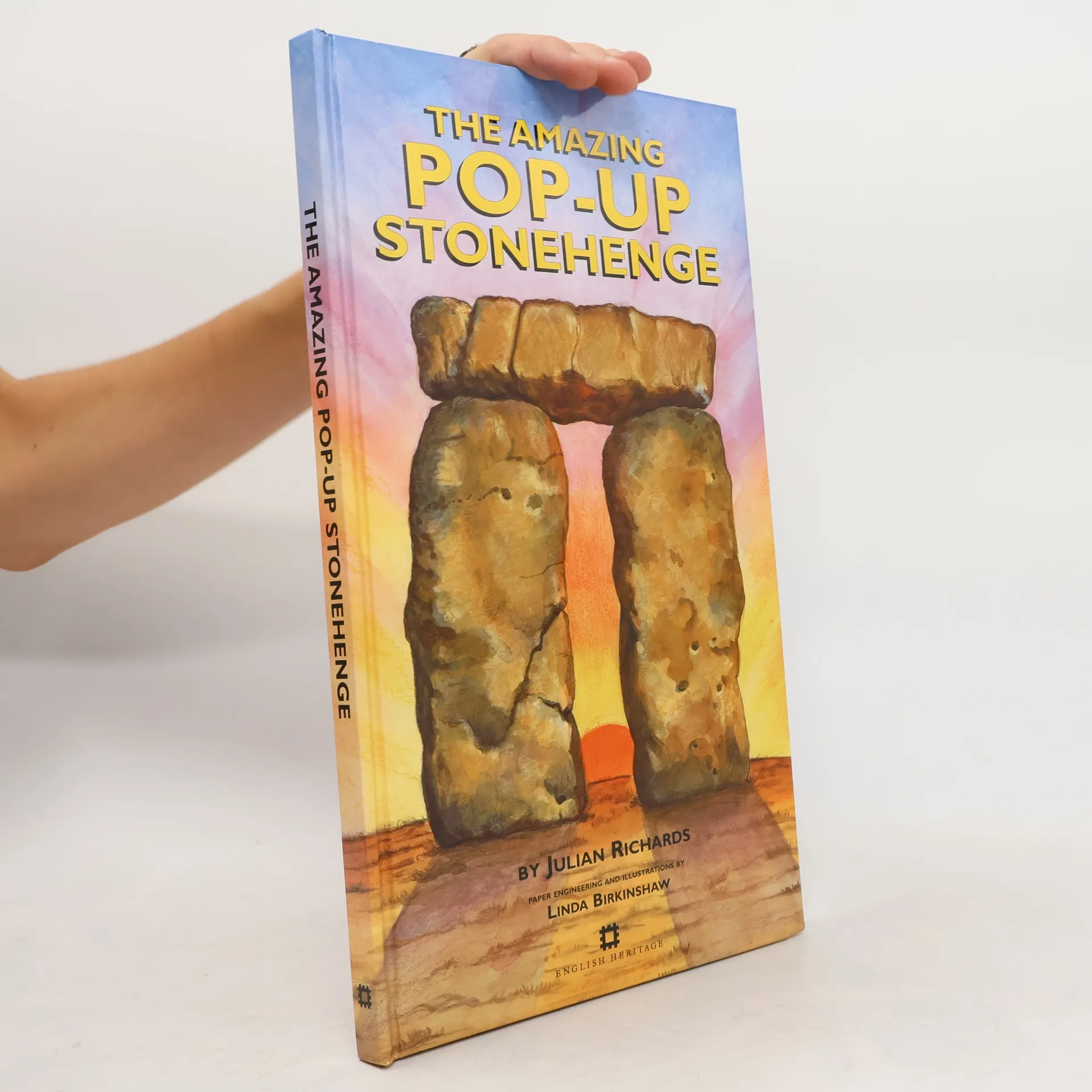
    The Amazing Pop-up Stonehenge
    WJEC/Eduqas GCSE Music Student Book: Revised Edition
    • Pakistan's ISI

      A Concise History of the Inter-Services Intelligence Directorate

      • 208 pages
      • 8 hours of reading

      The book explores the history and evolution of the Inter-Services Intelligence Directorate (ISI) in Pakistan, established after the 1947 Partition. It details the ISI's rise as a powerful intelligence agency, known for its extensive human intelligence networks and covert operations, particularly against India. The agency's dual role as a key ally to the West during the Cold War and a tool for military regimes highlights its complex nature. As Pakistan faces rising challenges, the ISI's influence raises critical questions for its political landscape and international relations.

      Pakistan's ISI2024
      4.1
    • The Revised Edition of this popular Student Book covers the WJEC/Eduqas amended GCSE Music specifications for first teaching from September 2020. Endorsed by WJEC.

      WJEC/Eduqas GCSE Music Student Book: Revised Edition2021
      5.0
    • Magic Stones

      • 303 pages
      • 11 hours of reading

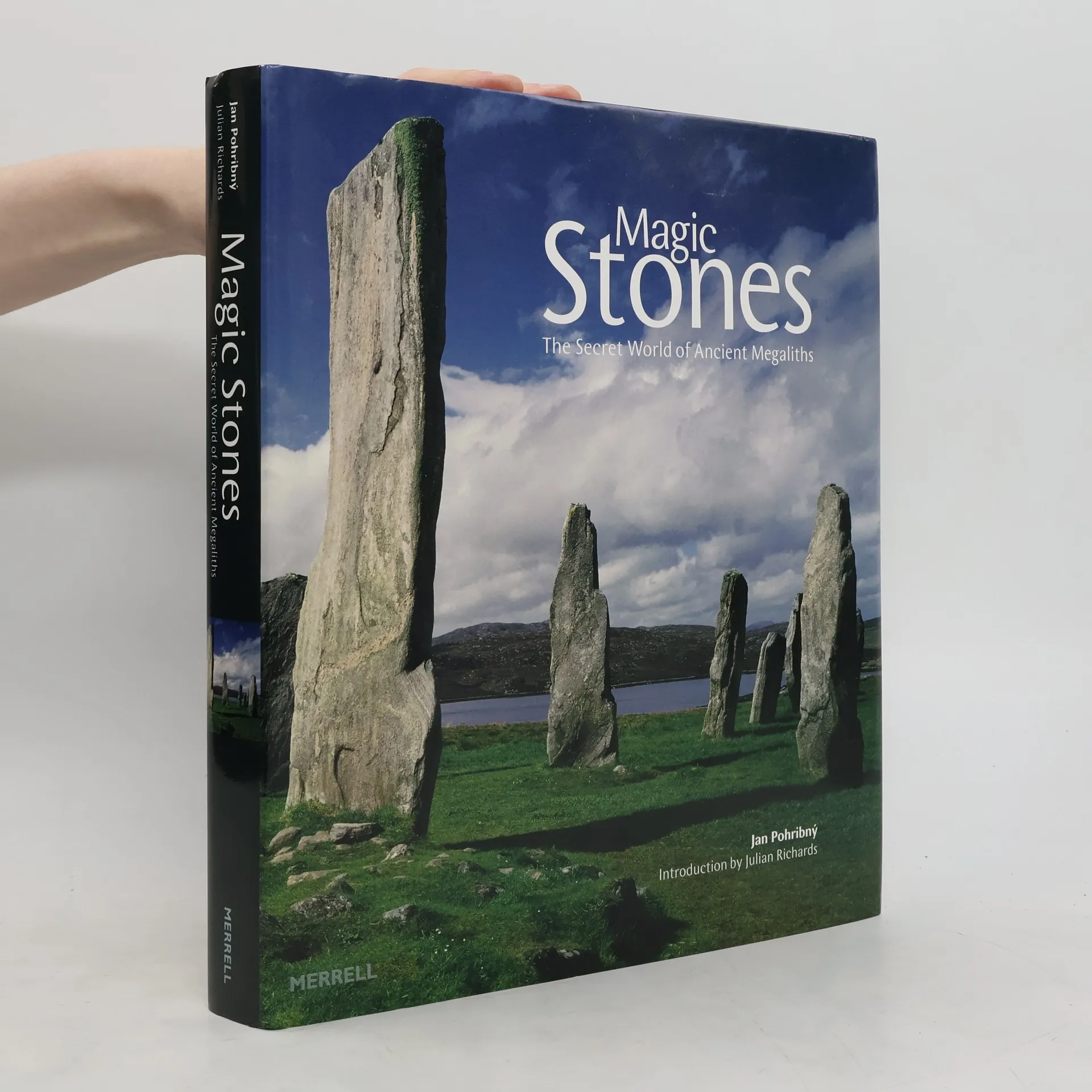
      "Magic Stones" documents, in stunning and evocative photographs, our ancestors' obsession with stone. Throughout Europe stone has been used to create dwellings for the living and the dead, as a canvas for our earliest art, to celebrate the heavens and in ways that are still, even today, beyond our understanding. From the sun-drenched temples of Malta and the great tombs and alignments of Brittany to the labyrinths of icy Finland, this fascinating book explores these stones in their landscape, as part of nature and as a powerful reminder that, thousands of years on, they still hold a certain magic and mystery. This is the most wide-ranging photographic record of ancient European stone structures published to date. It is an inspirational celebration of the beliefs and achievements of our ancient ancestors. It features an authoritative introduction by leading archaeologist Julian Richards.

      Magic Stones2007
      4.2
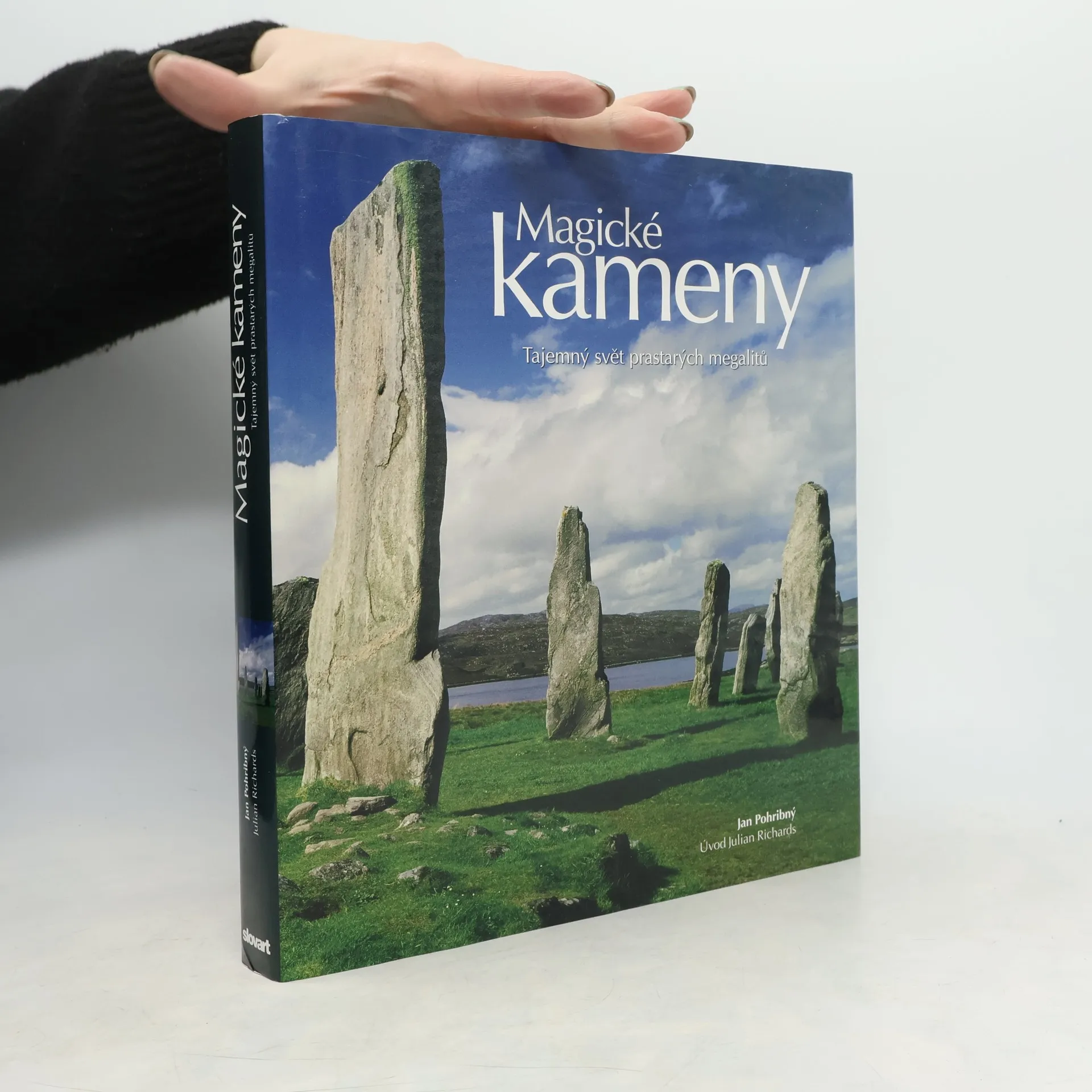
    • Vzrušující dobrodružná pouť po stopách našich dávných předků a jejich posedlosti týkající se kamene. S více než 250 nádhernými barevnými fotografiemi jsou Magické kameny nejrozsáhlejší fotografickou knihou zabývající se megalitickými monumenty, která kdy byla v Evropě publikována. Evropské megalitické monumenty patří mezi nejstarší a nejtajemnější stavby na světě. Naši dávní předci používali kámen mnoha způsoby: nejen na stavbu svých obydlí a příbytků mrtvých, ale také jako plátna pro své posvátné umění i coby označení a na oslavu země, jejíž neoddělitelnou součástí byli. Díky vzrušujícím a okouzlujícím fotografiím uznávaného českého fotografa Jana Pohribného podávají Magické kameny svědectví o lidské posedlosti kamenem. S více než 250 nádhernými barevnými fotografiemi megalitických nalezišť po celé Evropě a se zasvěceným úvodním slovem Juliana Richardse Magické kameny jistě osloví každého se zájmem o archeologii nebo o mytické aspekty těchto kamenných připomínek naší dávné minulosti.

      Magické kameny. Tajemný svět prastarých megalitů2007
      5.0
    • `Innovative paper technology' is here applied to Britain's greatest prehistoric wonder, with text by TV archaeologist and Stonehenge expert Julian Richards.

      The Amazing Pop-up Stonehenge2005
      4.3
    • Stonehenge

      The Story So Far

      • 256 pages
      • 9 hours of reading

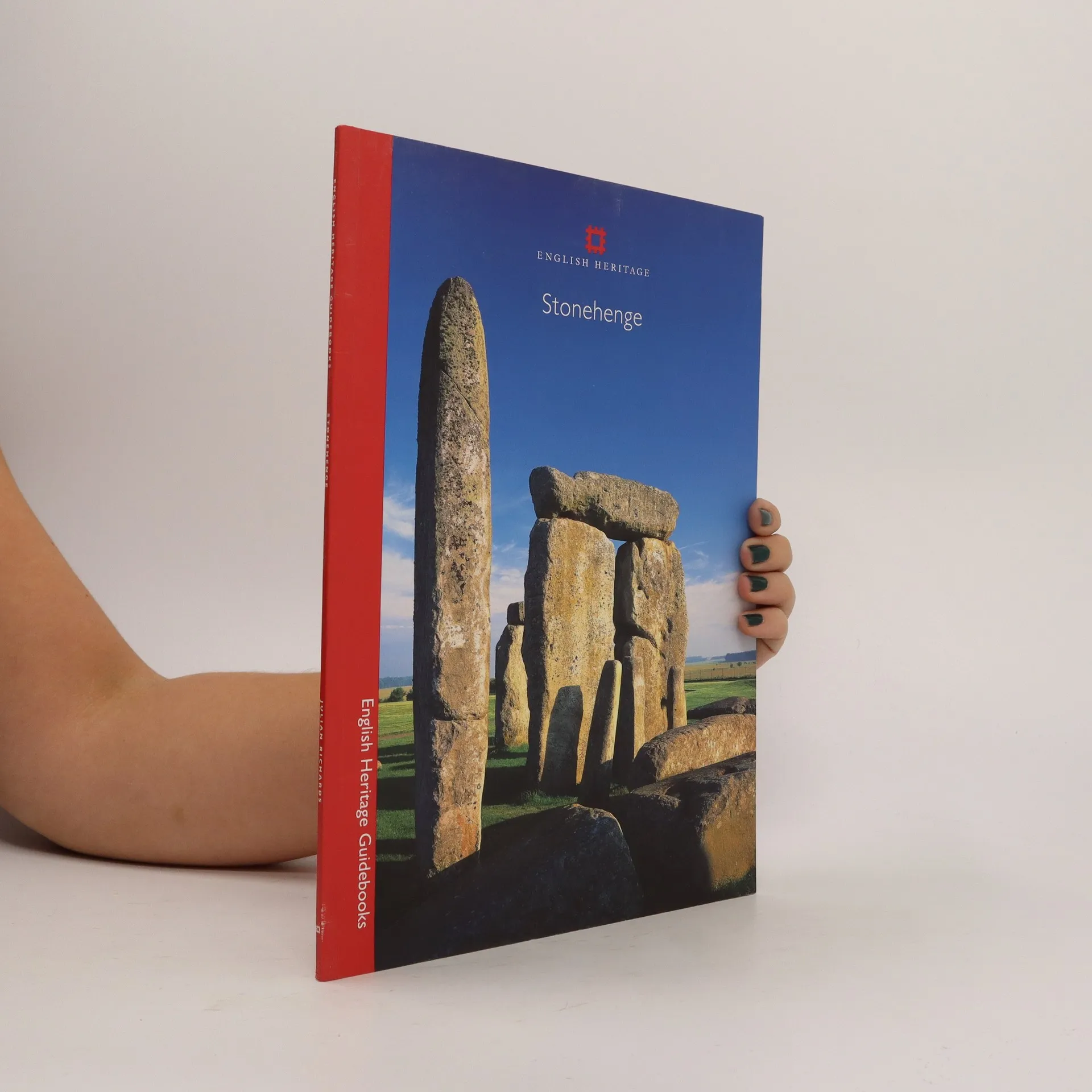
      Stonehenge is, and always will be, not only the ultimate symbol of prehistoric achievement but one of the past's most enduring mysteries. In " The Story So Far", Julian Richards - archaeologist, broadcaster and Stonehenge fanatic - takes a fresh and very personal look at his favourite ancient monument. After introducing Stonehenge and its surrounding ancient landscape, the first section outlines its history, from magic and Merlin to the obsessive diggers of the 19th century. The 20th century is a story of collapse and restoration, of changing ownership and conflict, of botched excavations and the final triumph of science in unlocking some of the stones' most closely guarded secrets. Science provides the answers to some of the big when was Stonehenge built? Who built it and how? And, perhaps most difficult of all, why? The final section takes the reader back to the Age of Stonehenge, and using all of the accumulated evidence of centuries of exploration, tells the unfolding story of Britain's greatest prehistoric temple and its builders.

      Stonehenge2005
      3.9
    • Blood of the Vikings

      • 250 pages
      • 9 hours of reading

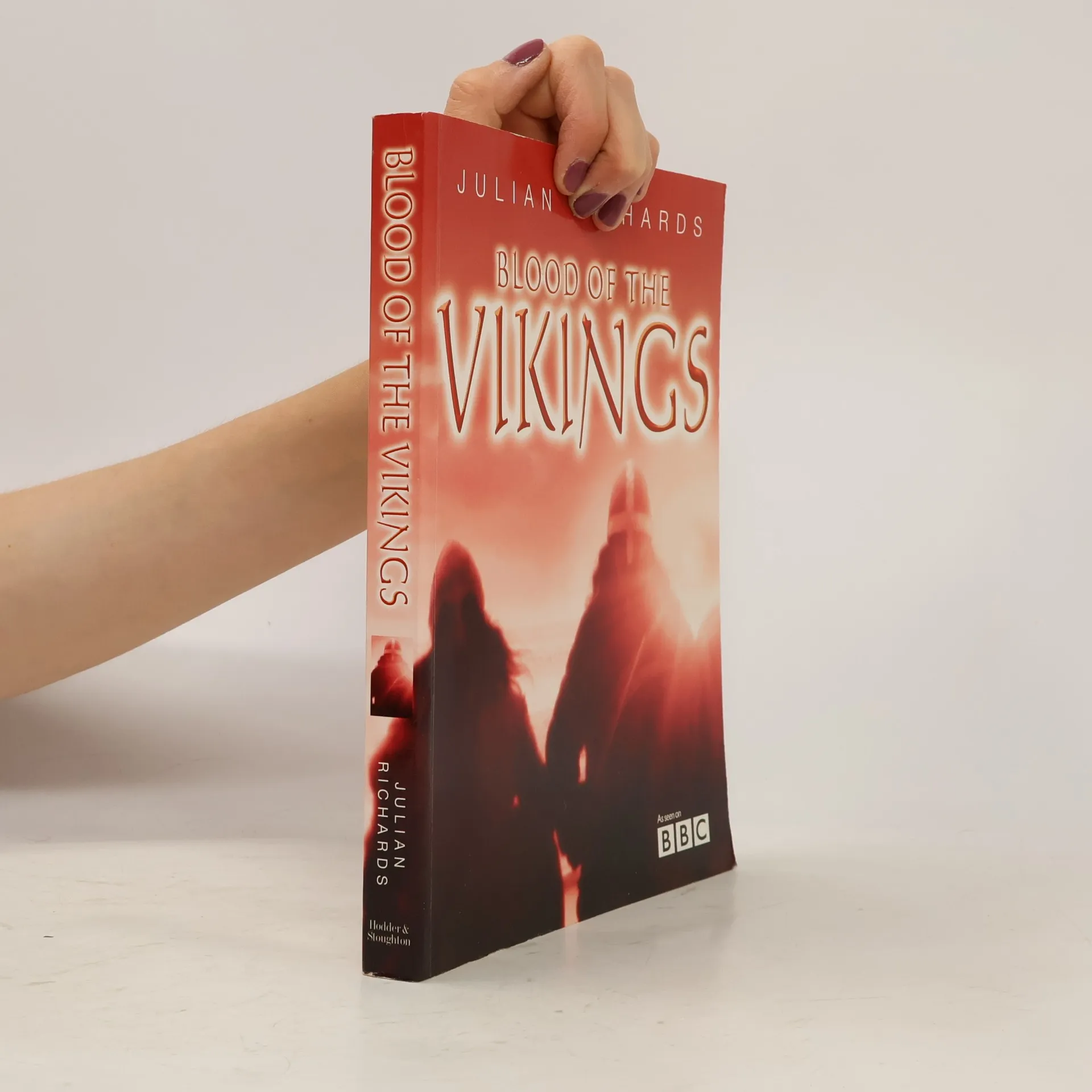
      In several BBC episodes of *Meet the Ancestors*, Julian Richards enthusiastically explores the past and advocates for imaginative reconstructions of ancient lives. In *Blood of the Vikings*, the companion book to another BBC series, he delves into the reality behind the common perception of Vikings as savage warriors who ruthlessly raided settlements in the 9th and 10th centuries. The book reflects his travels for the TV series, featuring his inquisitive presence in various locations, including a Norwegian replica of a Viking house, the Orkneys, and Dublin, where Viking legacies persist. However, it transcends being merely a series companion. As an archaeologist primarily focused on prehistoric Britain, Richards admits he began the project with limited knowledge of Vikings but quickly became well-versed. At its core, the book offers more than just a narrative of his journeys to Viking sites; it presents an engaging and personal account of Viking history and culture, particularly the conflict between Danish Vikings and King Alfred's Wessex, which significantly influenced the formation of an "English" identity. It also illustrates, alongside DNA findings, that a trace of Viking heritage exists in all British bloodlines.

      Blood of the Vikings2001
      3.5