
Explore the latest books of this year!
Bookbot

Ricardo Piglia

    Ricardo Piglia stands as one of contemporary Argentina's foremost literary voices. His writing delves into the intricate tapestry of identity and memory, often exploring the profound connections between history and personal experience. Through innovative narrative techniques, Piglia draws readers into the depths of human consciousness, examining the complexities of the human condition. His significant contributions offer a compelling lens through which to view Latin American literature and culture.

    Ricardo Piglia
    Plata quemada
    Der letzte Leser
    Falscher Name
    Ins Weiße zielen
    The Way Out
    The Diaries of Emilio Renzi
    • The Diaries of Emilio Renzi

      • 480 pages
      • 17 hours of reading

      Sixty years in the making and the capstone of a monumental literary career, The Diaries of Emilio Renzi: A Day in the Life is the final volume of the autobiographical trilogy from the author who is considered Borges’ heir and the vanguard of the Post-Boom generation of Latin American literature.How could we define a perfect day? Maybe it would be better to say: how could I narrate a perfect day?Is that why I write a diary? To capture—or reread—one of those days of unexpected happiness?The final installment of Ricardo Piglia’s lifelong compilation of journals completes the seemingly impossible project of documenting the entire life of a writer. A Day in the Life picks up the thread of Piglia’s life in the 1980s until his death from ALS in 2017. Emilio Renzi, Piglia’s literary alter ego, navigates the tumultuous ups and downs of a post-Peronist Argentina filled with political unrest, economic instability, and a burgeoning literary scene ready to make its mark on the rest of the world and escape the shadows of legendary authors Jorge Luis Borges and Roberto Arlt.
      The Diaries of Emilio Renzi2020
      4.4
    • The Way Out

      • 304 pages
      • 11 hours of reading

      In the mid-1990s, Emilio Renzi leaves his unstable life in Argentina to take a visiting position at a prestigious university in New Jersey. Settling in for a semester of academic quietude, he is unexpectedly swept up in a secret romance with his colleague, the brilliant and enigmatic Ida Brown. But their clandestine relationship is cut brutally short by an apparent car accident. Discontented with the police's lackluster inquiries into Ida's death, Renzi begins his own investigation. His suspicions are piqued as details emerge about a bizarre string of attacks targeting scientists and researchers. Then a radical manifesto appears in the press threatening continued violence. As he delves deeper into Ida Brown's past, Renzi discovers a link between her and the terrorist that sets him on a path of no return: he must discover once and for all whether she was a victim or accomplice. Renzi's quest for truth exposes a darker side of humanity that will force him to confront the systems and culture that could produce such a misguided killer.

      The Way Out2014
      3.7
    • Wieso musste Tony Durán sterben? In seinem lang erwarteten neuen Roman entführt uns Ricardo Piglia in die trügerische Ruhe der argentinischen Provinz. Während alle Welt glaubt, der schwule Japaner Yoshio habe den Ausländer Durán getötet, entwickelt Kommissar Croce mit Hilfe des aus Buenos Aires angereisten Journalisten Renzi seine eigene Theorie: Waren es wirklich nur die körperlichen Reize der Zwillingsschwestern Ada und Sofía Belladona, die Durán in die Pampa gelockt haben? Was hatten deren Vater und Bruder, die Besitzer der hiesigen Fabrik, mit dem Opfer zu schaffen? Was hat es mit dem Erbe der irischen Mutter der Zwillinge auf sich? Und was nur hat Cueto, der aalglatte Staatsanwalt und Intimfeind Croces, zu verbergen? Piglia bietet alles auf, was das Genre des Kriminalromans hergibt – um die Gemeinplätze der Gattung am Ende auszuhebeln und zu zeigen, dass nichts so ist, wie es scheint. Dabei gelingt ihm die Quadratur des Kreises: ein Buch, das sich liest wie ein Krimi – und doch keiner ist.

      Ins Weiße zielen2010
      4.0
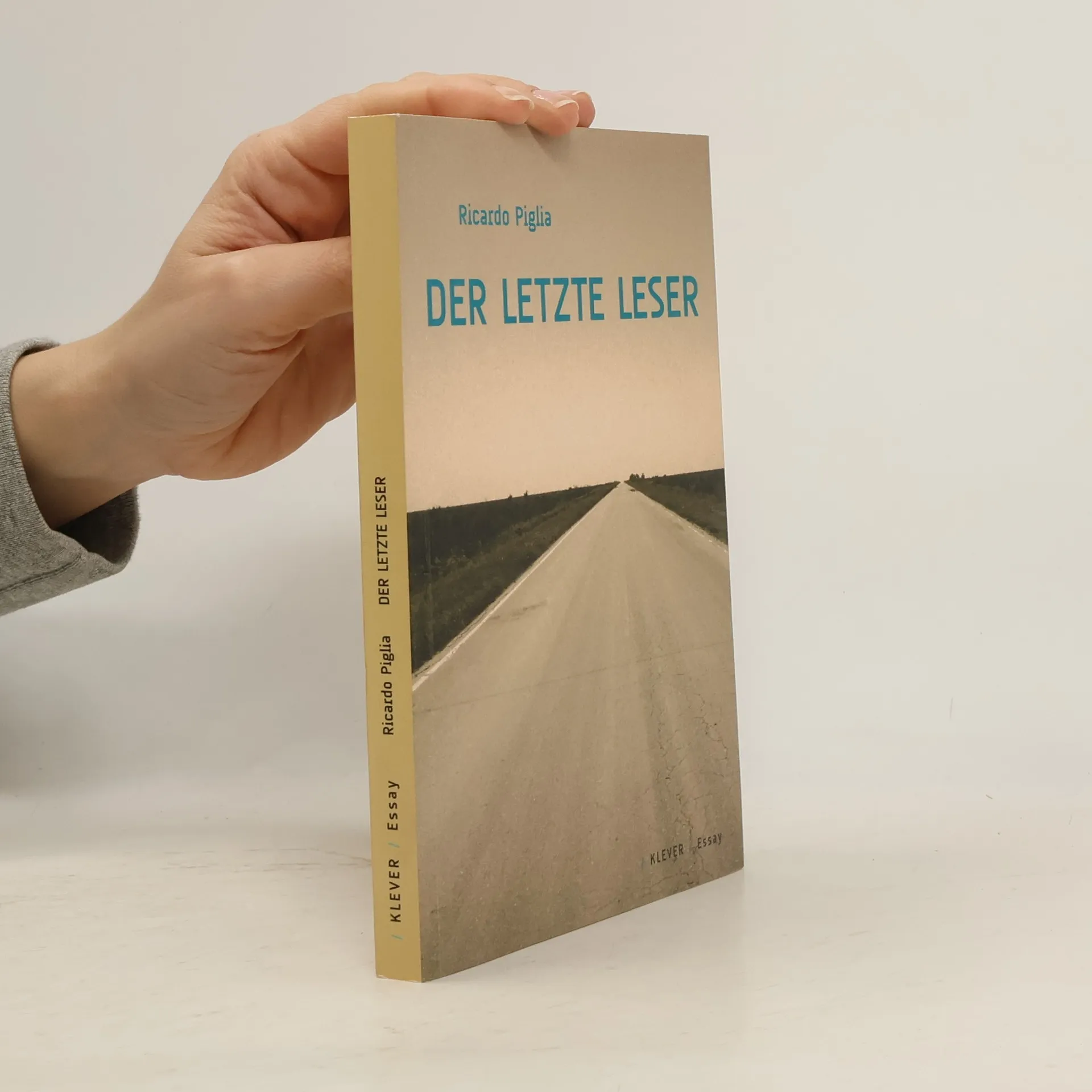
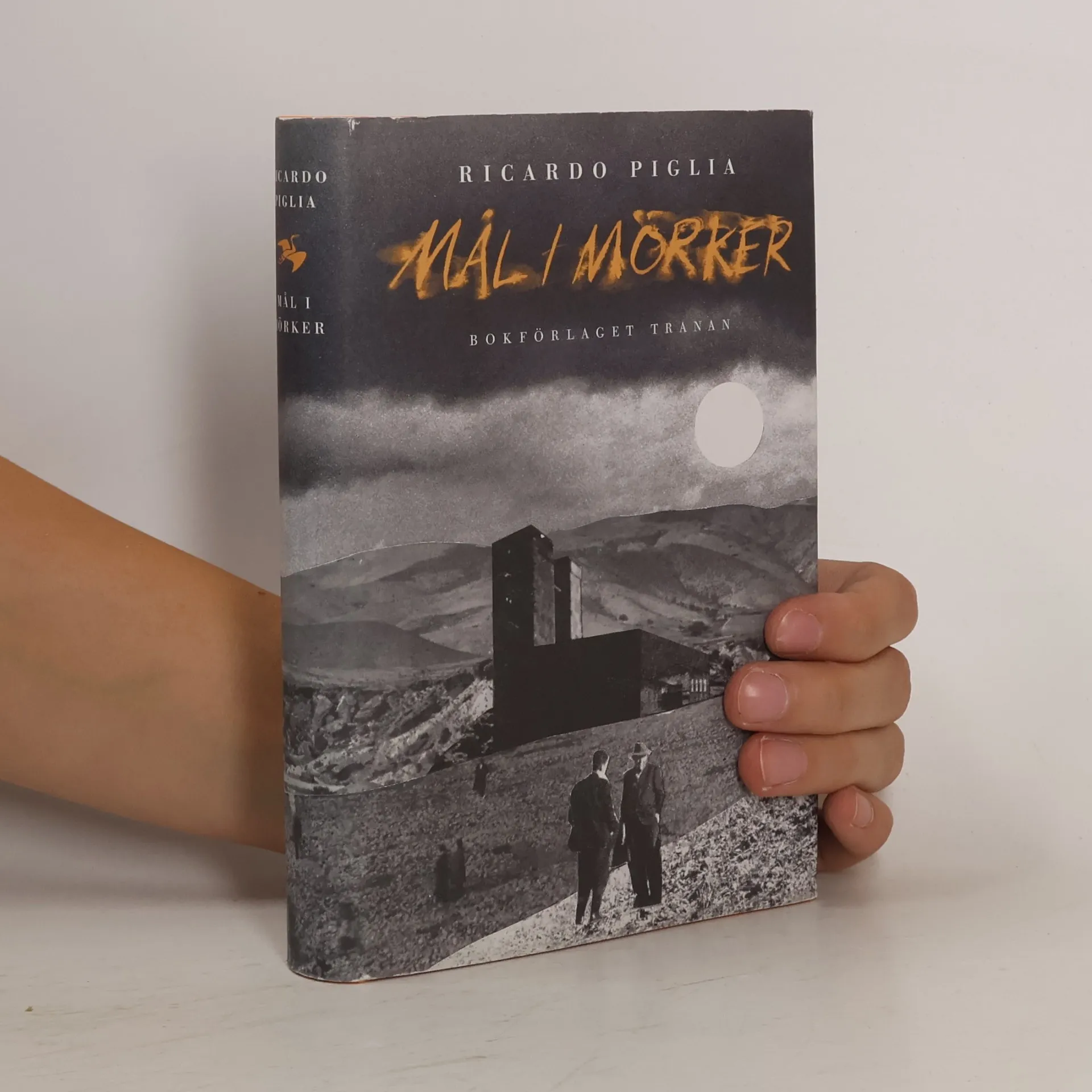
    • Der letzte Leser

      • 208 pages
      • 8 hours of reading

      „Der letzte Leser“ ist eine ebenso wahre wie fiktive Geschichte des Lesens. Zu Beginn erklärt Piglia: „Wir werden uns nicht so sehr damit beschäftigen, was Lesen ist, sondern mit dem Leser selbst (wo er liest, wozu, unter welchen Umständen, welche Geschichte trägt er mit sich?).“ Mit fortschreitender Lektüre sieht man sich von Figuren umgeben, die, nicht ausschließlich real oder fiktiv, Bestandteile eines fesselnden literarischen Universums sind. So tauchen neben Joyce, Kafka, Borges und Che Guevara auch Bartleby, Hamlet und Don Quijote auf. Literarische Anspielungen und Anekdoten bilden neben fundierten Interpretationen ein dyna- misch alternierendes Wechselspiel quer durch den literarischen Horizont des 20. Jahrhunderts. „Der letzte Leser“ ist nicht nur ein originell komponiertes Buch, es ist eine Einladung, in die Privatbibliothek eines bedeutenden hispanoamerikanischen Schriftstellers einzutauchen.

      Der letzte Leser2005
      4.2
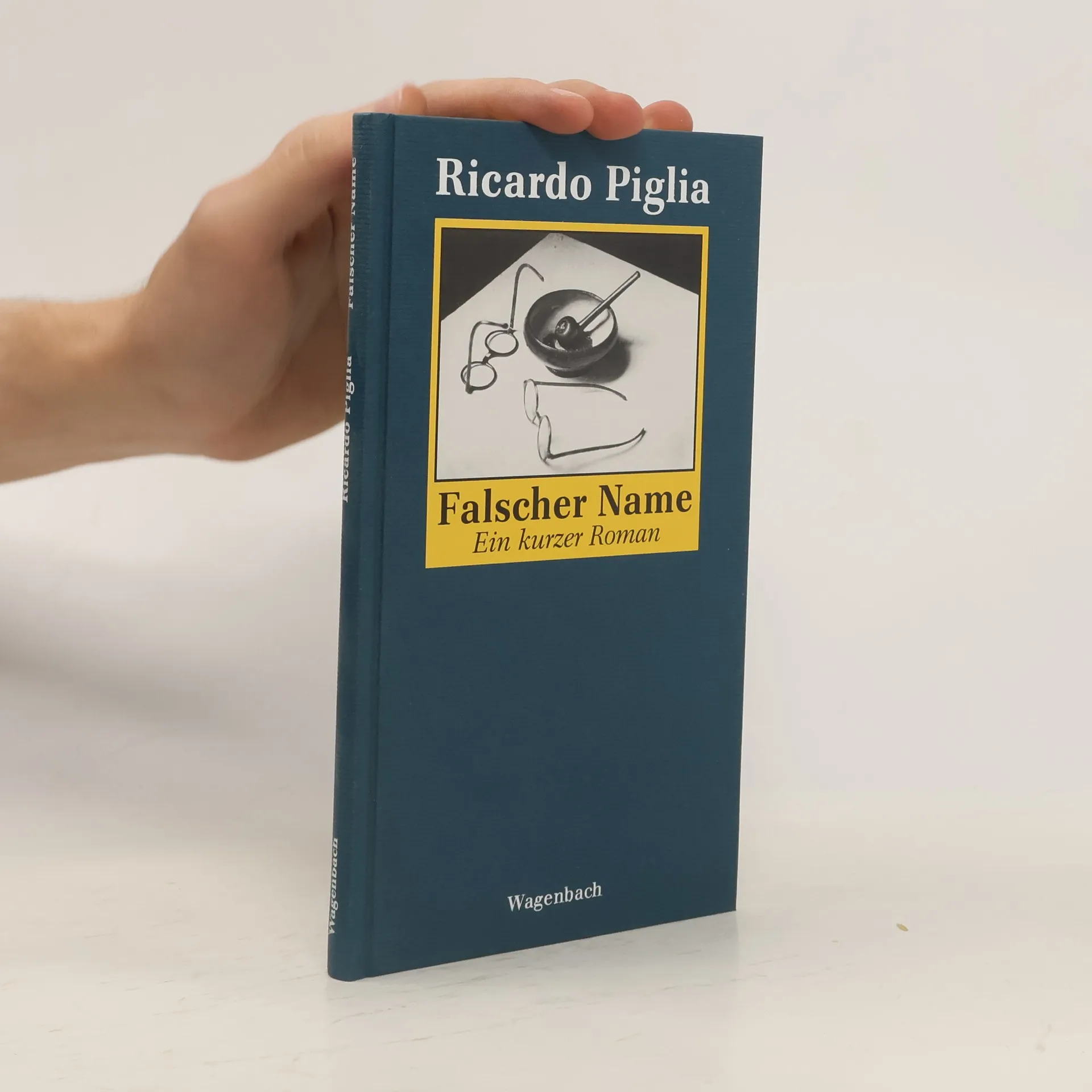
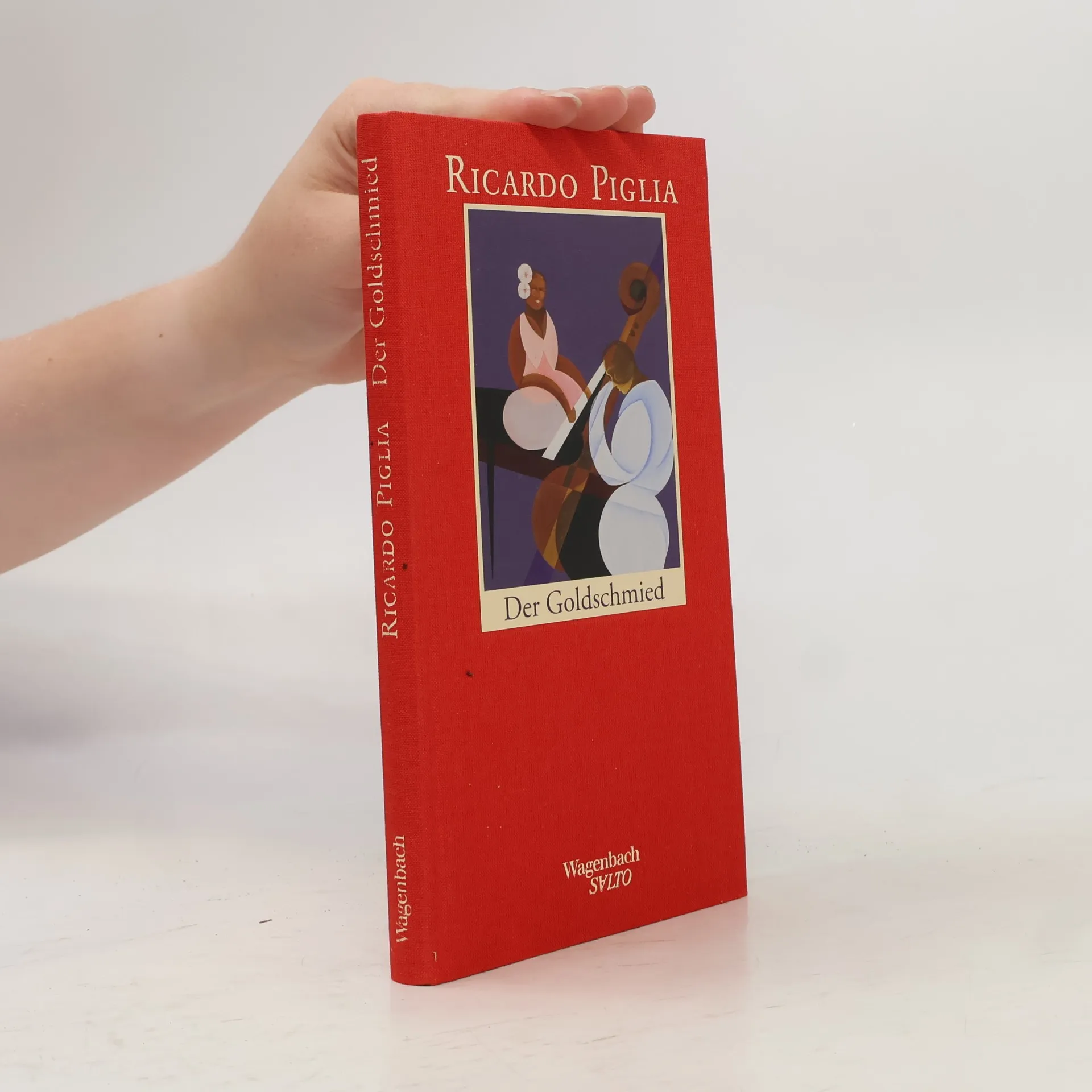
    • Falscher Name

      Hommage an Roberto Arlt

      Die spannende Suche nach einer unveröffentlichten Erzählung des legendären argentinischen Schriftstellers Roberto Arlt und die Präsentation des glücklichen Fundes: Alles wahr oder alles erfunden? »Ich habe die einzige Erzählung von Arlt entdeckt, die nach seinem Tod unveröffentlicht geblieben ist«, behauptet der Protagonist dieses Kurzromans. Sein Name lautet wie der des Autors: Ricardo Piglia. Dieser Piglia stieß auf ein Notizbuch des berühmten Roberto Arlt, das den Plan einer Erzählung mit dem Titel »Luba« enthält. Bei seiner Suche nach diesem unbekannten Text sieht er sich in geradezu kriminelle Machenschaften verwickelt, bis er am Ende dem mitfiebernden Leser im Anhang eine vollständige Fassung der Erzählung präsentieren kann. Nur: eine Erzählung »Luba« von Roberto Arlt gibt es nicht. Was im Anhang präsentiert wird, ist eine im Stil von Arlt geschriebene Erzählung des Autors Ricardo Piglia. Piglias Kurzroman ist ein virtuoses Spiel mit Wahrheit und Fiktion, eine wunderbare Mischung verschiedenster Genres. Es ist die schönste Hommage, die er Roberto Arlt machen konnte.

      Falscher Name2003
      4.0
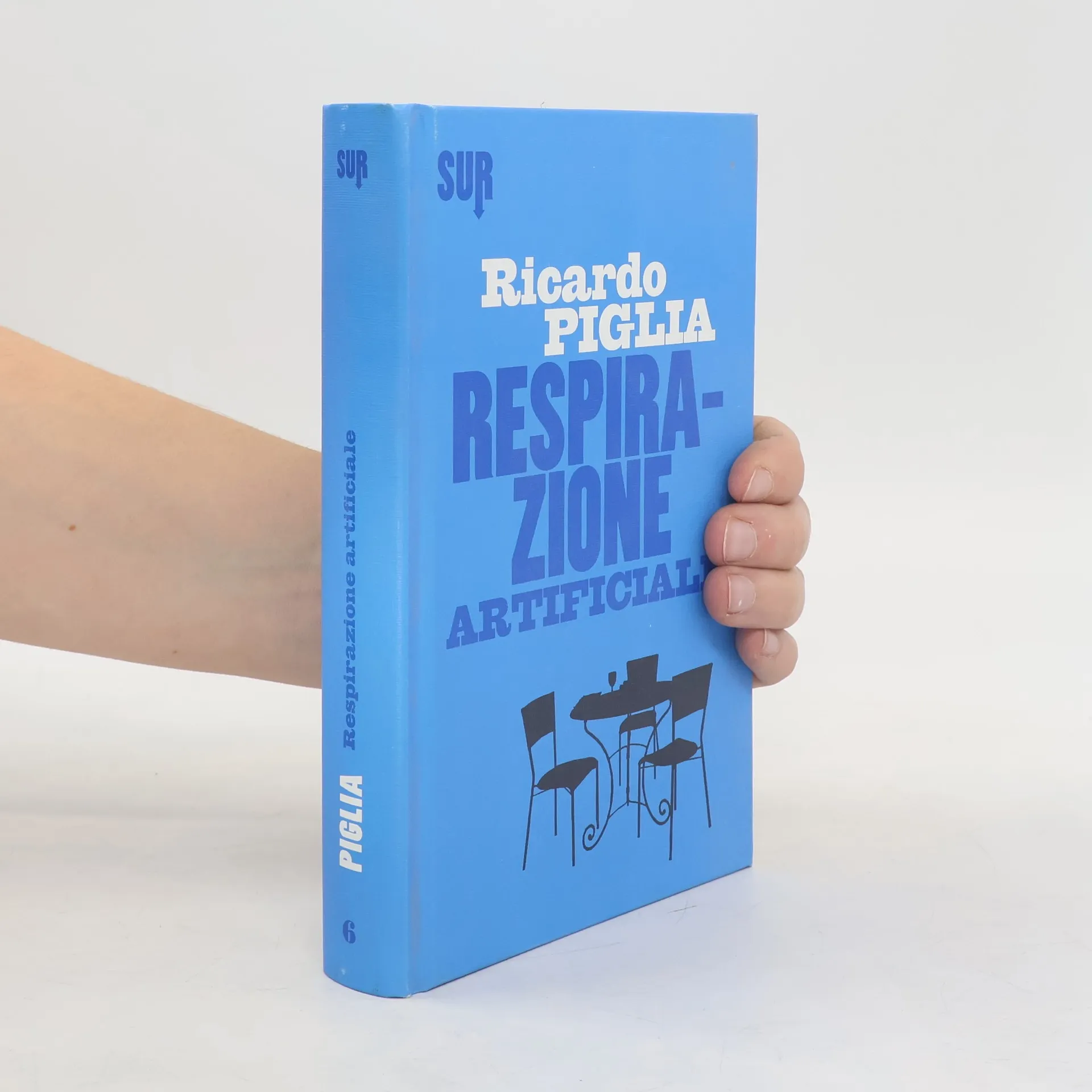
    • Respirazione artificiale

      • 279 pages
      • 10 hours of reading

      Lo scrittore Emilio Renzi ha svelato nel suo romanzo un segreto di famiglia. Dopo la pubblicazione, riceve una lettera dello zio, Marcelo Maggi detto «il professore», che a sua volta sta scrivendo una inchiesta scomoda, a causa della quale teme per la propria vita. Maggi invita Renzi a raggiungerlo per consegliargli l’archivio dei documenti che ha raccolto. Nella lunga notte trascorsa in attesa del professore, Renzi incontra una serie di personaggi memorabili con i cui racconti mette insieme il puzzle della vita e del lavoro di Maggi. Respirazione artificiale è un libro di culto, uno dei pochi grandi capolavori pubblicati in Argentina durante gli anni della dittatura, di cui il genio di Ricardo Piglia costruisce una potente metafora celandola sotto il velo del romanzo poliziesco e della storia familiare.

      Respirazione artificiale2002
      3.8
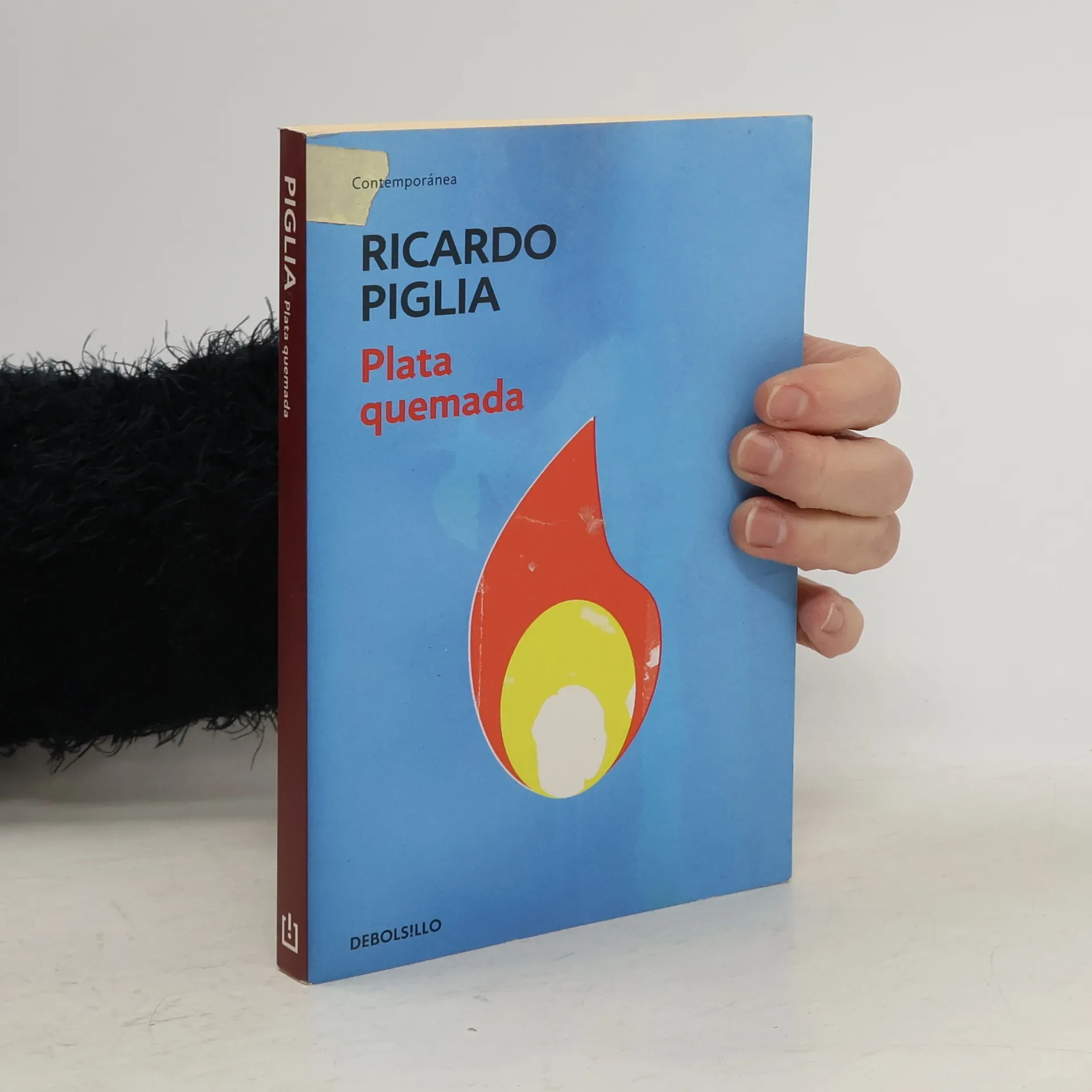
    • Plata quemada

      • 176 pages
      • 7 hours of reading

      Ricardo Piglia hace una reconstrucción ficcionada y caleidoscópica de un atraco que tuvo lugar en 1965 en la provincia de Buenos Aires. Una banda criminal, conchabada con policías y políticos corruptos, prepara el asalto a un furgón que contiene un botín millonario. Tras el golpe, abandonan a sus cómplices y huyen al norte con el dinero. Pero la ley, los medios de comunicación y los traicionados los perseguirán hasta el asedio último y sangriento en un edificio de Montevideo. Plata quemada es una historia estremecedora en la que la violencia no tiene límites, una narración coral con personajes inolvidables, un drama dominado por las pasiones humanas más oscuras: la traición, la avaricia, la corrupción, el miedo y la desesperación.

      Plata quemada2001
      3.8