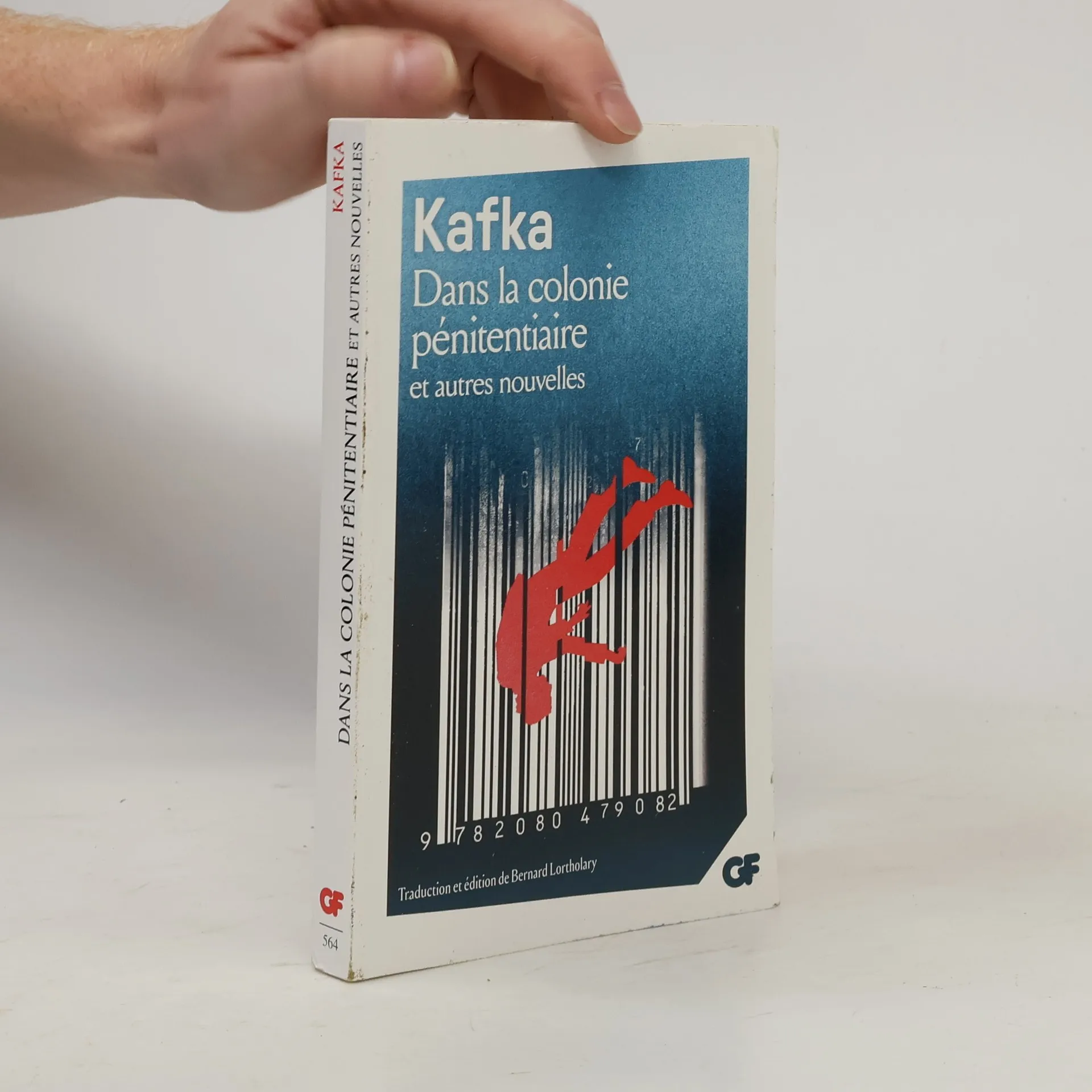
Dans la colonie pénitentiaire et autres nouvelles
- 224 pages
- 8 hours of reading




Schlink, internationally acclaimed and bestselling author of "The Reader, " brings a sleek concision and moral acuity to these seven tales of modern men uneasily suspended between the desire for love and the impulse toward flight. Brooding, comic, and filled with psychological suspense, "Plights of Love" is nothing less than masterful.
Film tie-in edition of Bernhard Schlink's exceptionally powerful novel - 'A thriller, a love story and a deeply moving examination of a German conscience' [Independent on Saturday]
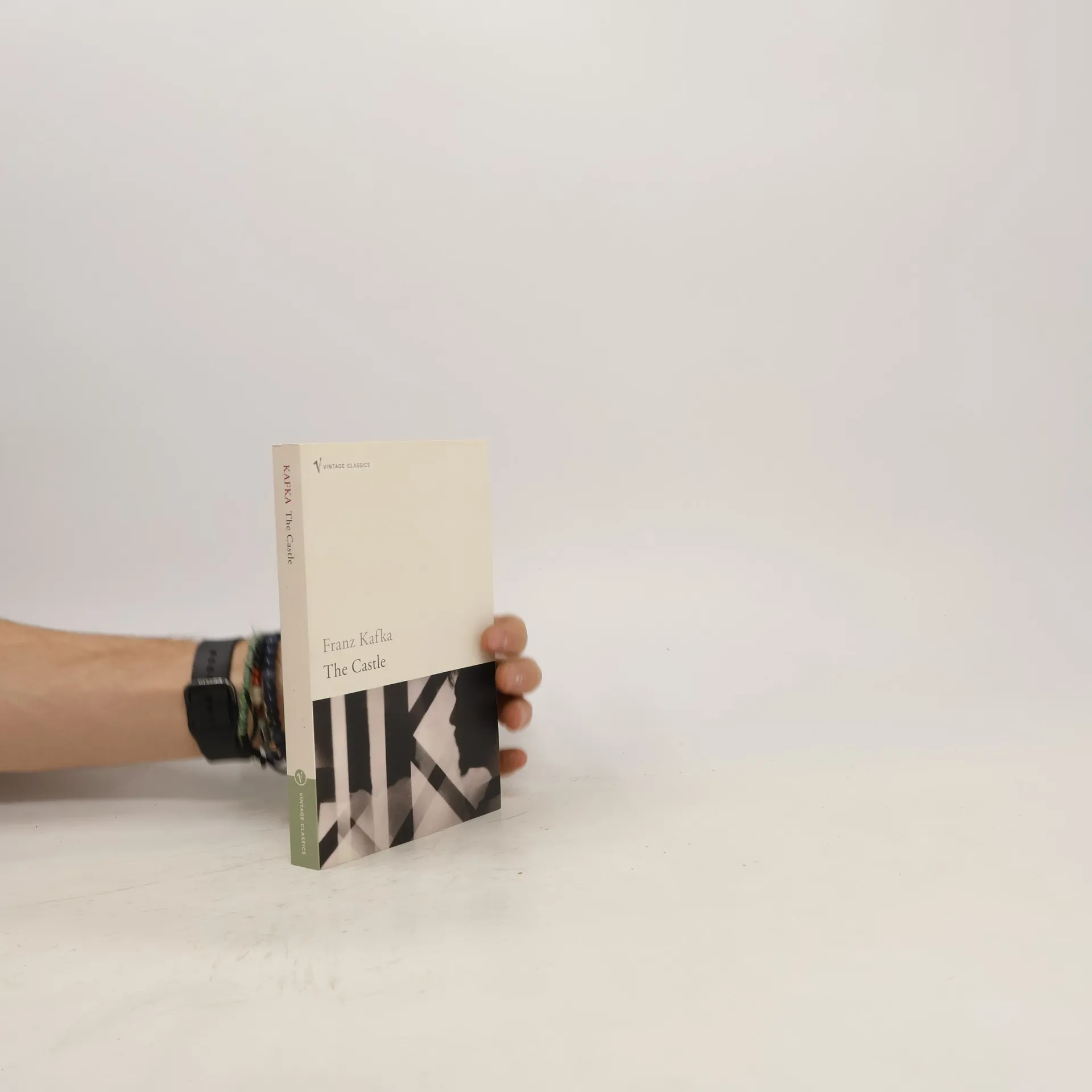
The story of K and his arrival in a village where he is never accepted, and his relentless, unavailing struggle with authority in order to gain entrance to the castle that seems to rule it. K's isolation and perplexity, his begging for the approval of elu
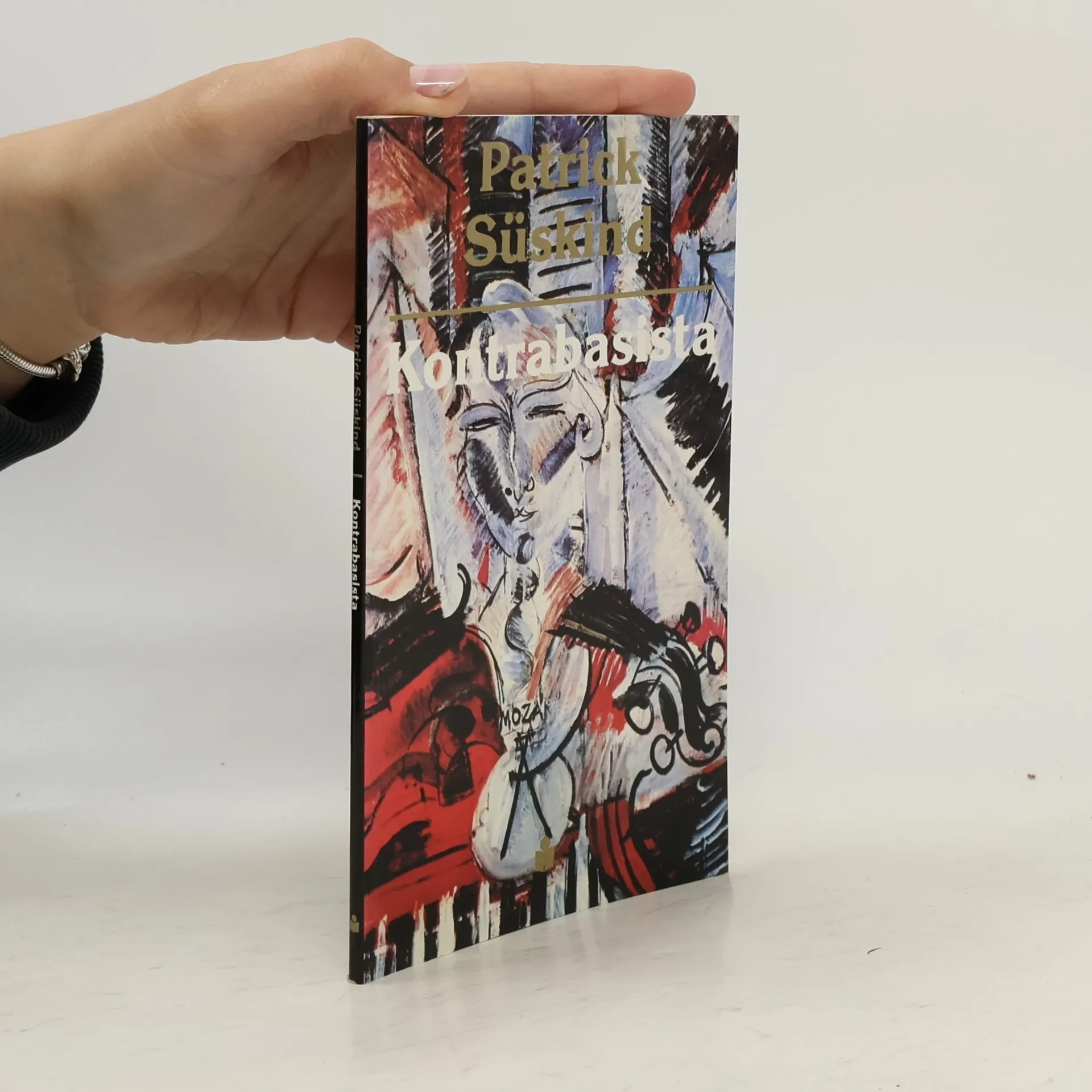
Normalerweise gehen Kontrabässe unter im Orchester, es gibt keine Soloparts, höchstens Duos. Im Leben des Musikers ist der Kontrabaß Geliebte, Freund, Feind und Verhinderer des eigenbestimmten Weges. Soziale Analyse, Slapstick und Milieukomik und ein fest gespannter Bogen, der monologisch und entschlossen den Schwingungen des menschlichen Zusammenspiel(en)s nachstreicht.
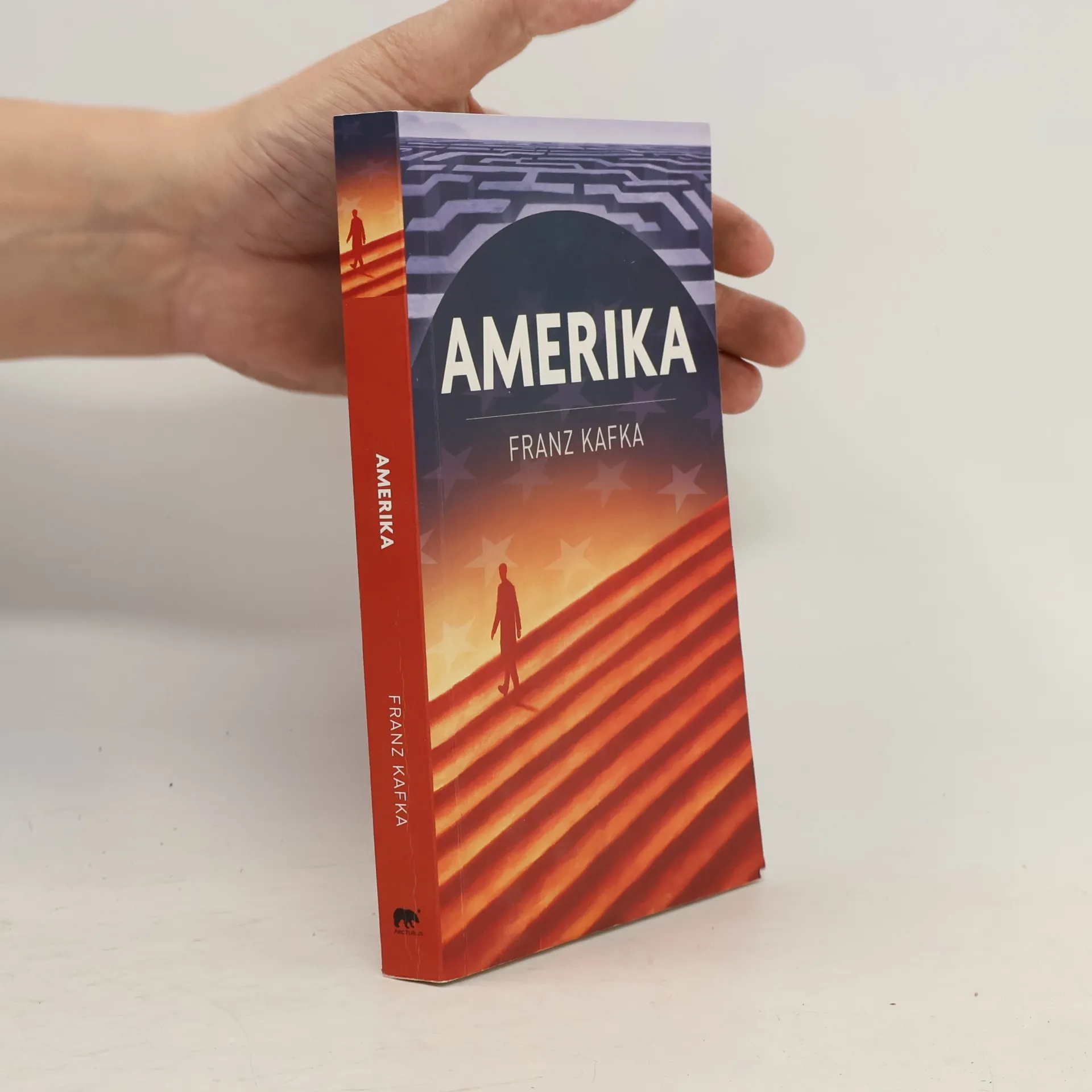
In America, Kafka leads the reader through a world of strips, hotels and offices that grow stranger and stranger and more comic and bewildering, the more realistically the author describes them.
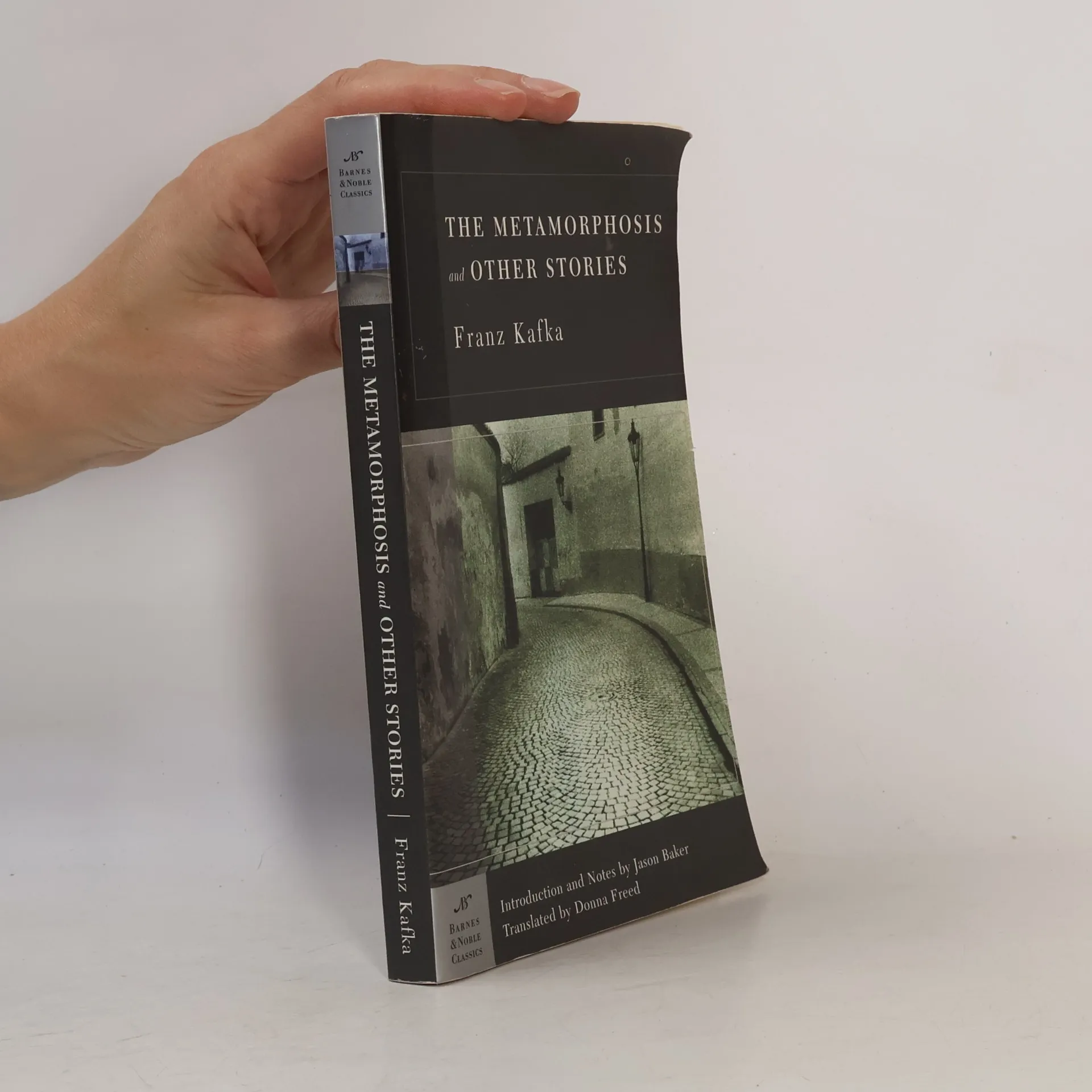
Franz Kafka's nightmarish novels and short stories have come to symbolize modern man's anxiety and alienation in a bizarre, hostile, and dehumanized world. This vision is most fully realized in Kafka's masterpiece, "The Metamorphosis," a story that is both harrowing and amusing, and a landmark of modern literature. Bringing together some of Kafka's finest work, this collection demonstrates the richness and variety of the author's artistry. "The Judgment," which Kafka considered to be his decisive breakthrough, and "The Stoker," which became the first chapter of his novel "Amerika, are here included. These two, along with "The Metamorphosis," form a suite of stories Kafka referred to as "The Sons," and they collectively present a devastating portrait of the modern family. Jason Baker is a writer of short stories living in Brooklyn, New York