

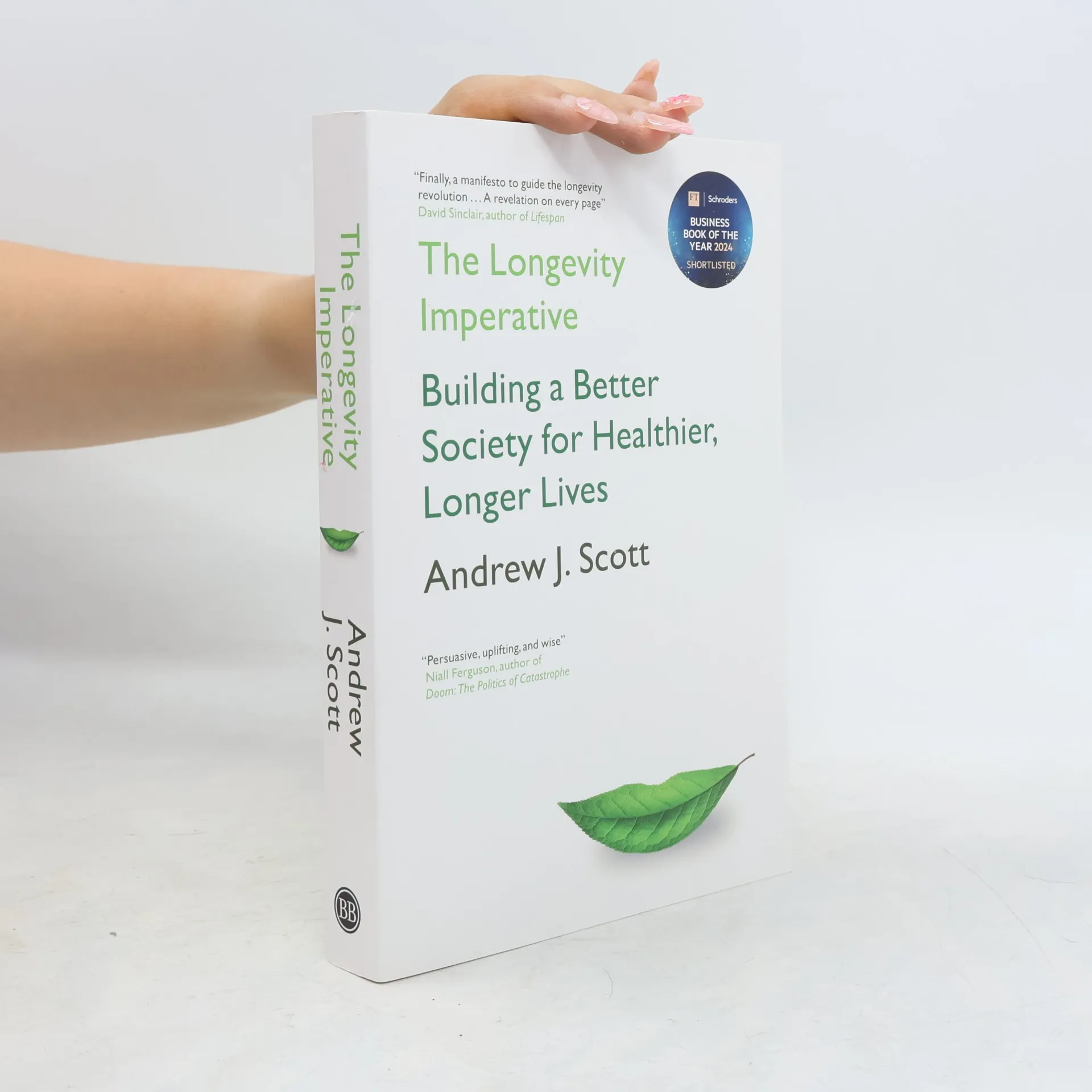
A call for a radical re-examination of the way we think about health, ageing and the future.
Andrew Scott Books

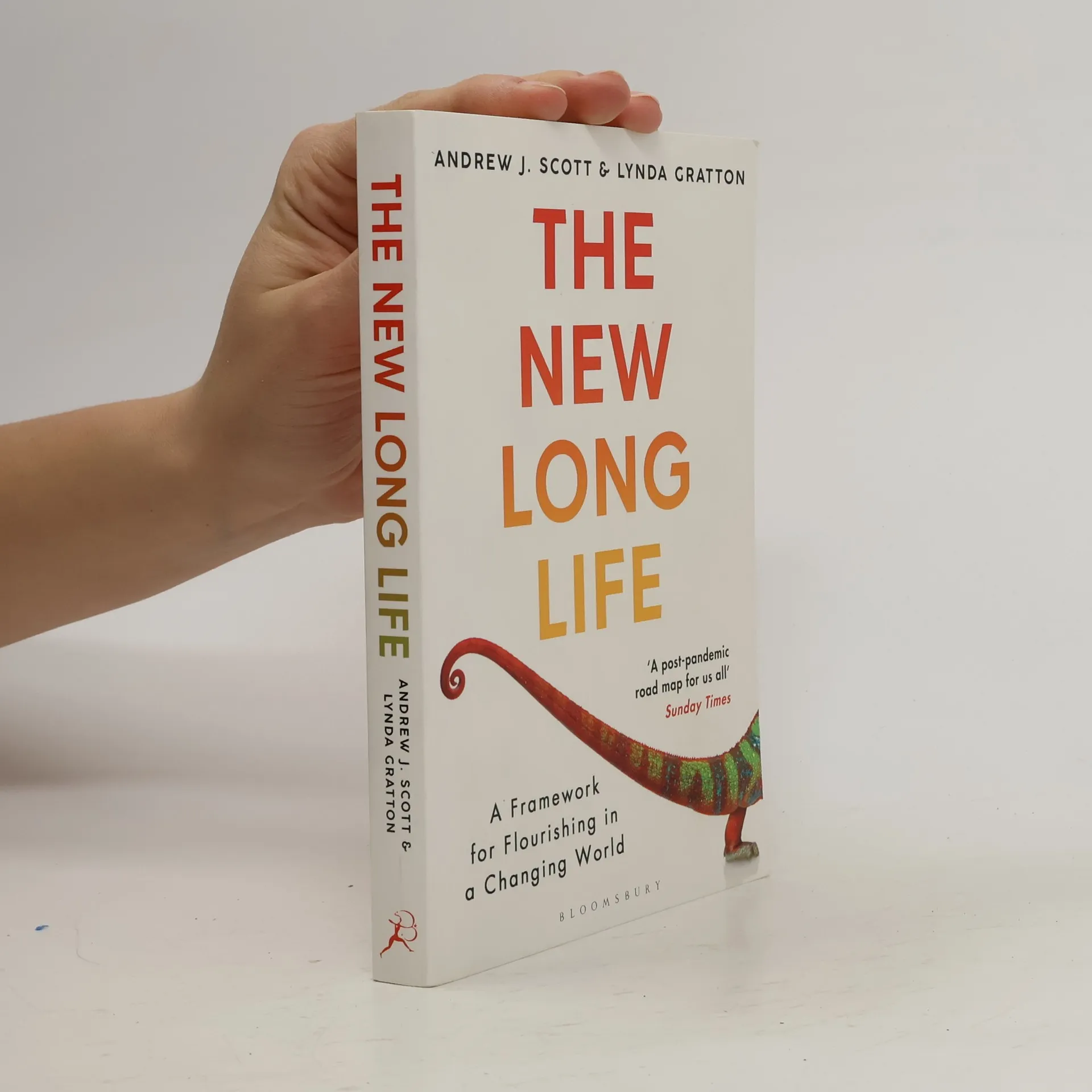
The New Long Life
- 256 pages
- 9 hours of reading
A practical guide to how we can positively adapt to a changing world, from the internationally bestselling authors of The 100-Year Life'The London Business School professors Andrew J. Scott and Lynda Gratton have been predicting how society must adapt for years. Now they have a post-pandemic road map for us all' Sunday TimesSmart new technologies.…
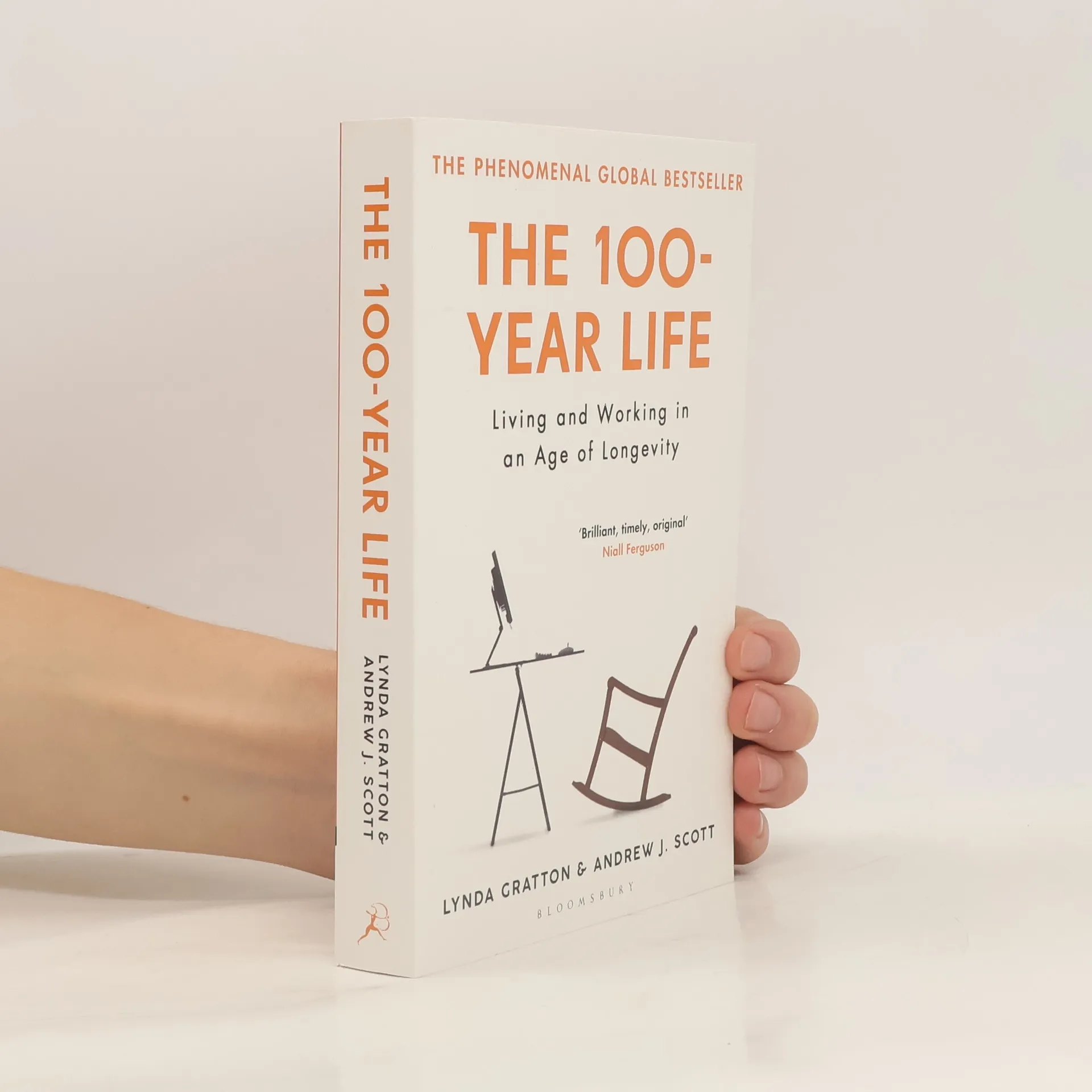
The 100 Year Life
- 384 pages
- 14 hours of reading
Does the thought of working for 60 or 70 years fill you with dread, or do you see the potential for a more stimulating future with all that extra time? Many have been raised on a traditional three-stage approach to life: education, work, and retirement. However, this pathway is collapsing as life expectancy rises, final-salary pensions disappear, and more people juggle multiple careers. Regardless of your age, adapting to these changes is essential, requiring new life structures. This guide provides insights to help you navigate this evolving landscape. Drawing on expertise in psychology and economics, the authors offer a comprehensive analysis and practical solutions for rethinking finances, education, careers, and relationships to create a fulfilling long life. How can you design a career and life path that reflects your values while balancing work and leisure? What strategies can enhance your physical and mental health over a longer lifespan? How can you leverage intangible assets like family and friends to build a productive life? In this multi-stage existence, learning to transition effectively and experimenting with new ways of living, working, and learning will be crucial for success.
Unlock Level 1 Reading and Writing Skills Teacher's Book with DVD
Teacher's Book. Con DVD-Rom
- 141 pages
- 5 hours of reading
Unlock is a four-level academic skills course that combines thought-provoking video from Discovery Education with carefully scaffolded exercises and a fresh approach to critical thinking skills. The Reading and Writing Skills 1 Teacher's Book with DVD provides detailed lesson plans for classrooms. Language Notes, Background Notes and Optional Activities are included to ensure you get the most possible from the materials and can deal with queries from students. In addition, the Teacher's Book provides ideas on how to get even more from the Objectives Review, Wordlist, and Review Test sections. The Discovery Education video on the Teacher's DVD (also accessible via our LMS) is used to introduce topics, promote discussion and motivate learners. The videos provide a new angle on a wide range of academic subjects."
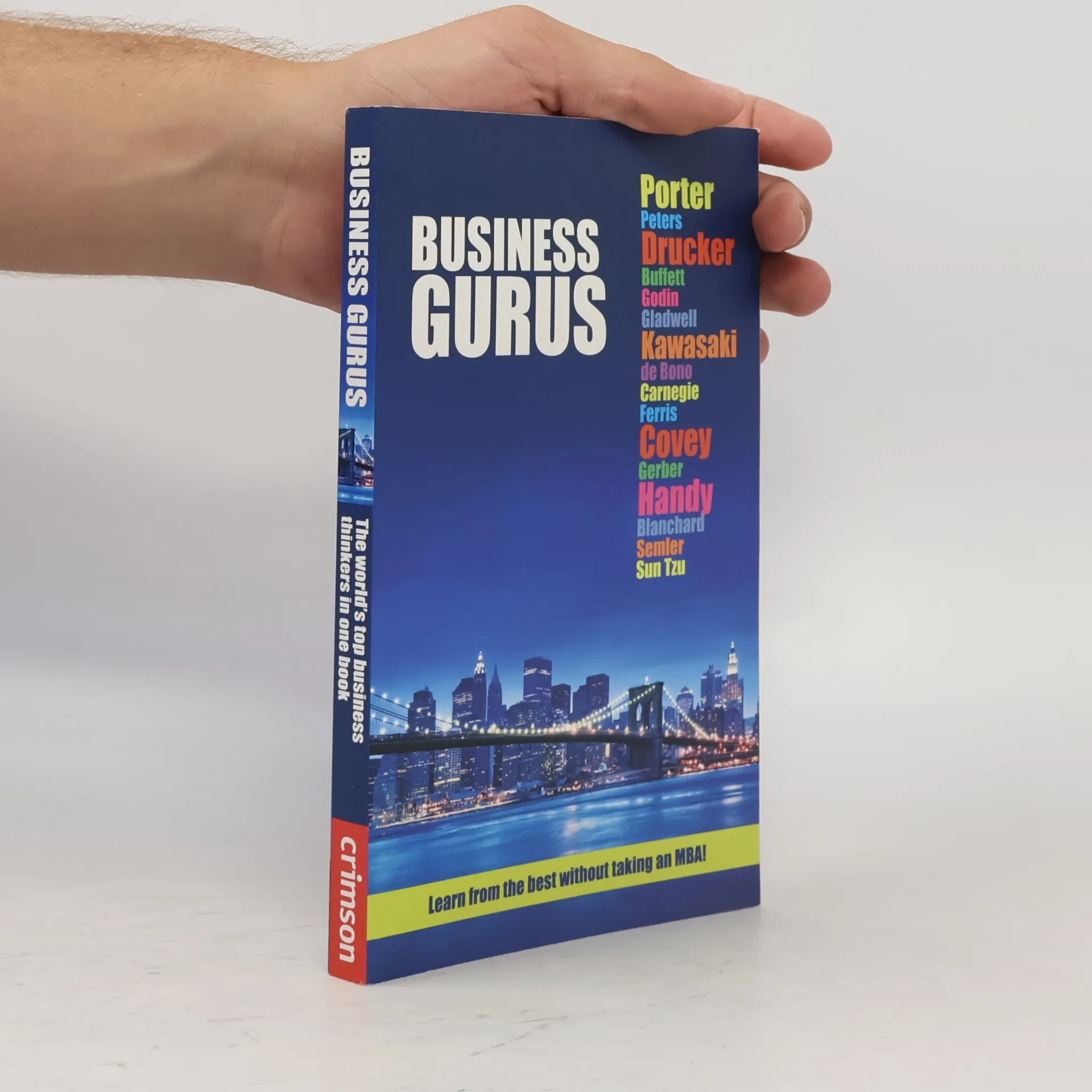
Business Gurus
- 272 pages
- 10 hours of reading
Business Gurus is an essential introduction to business and leadership thinking. A must-read for anyone working in or studying business, Business Gurus explains simply and clearly the most important elements from the world's most influential leadership and management thinkers. All major gurus, both past and present, are featured including: Michael Porter, Tom Peters, Peter Drucker, Michael Gerber, Peter Senge, Jim Collins, Ken Blanchard, Charles Handy, Richard Koch, John Kotter, Richardo Semler, Stephen Covey, Seth Godin and many more. For each of these Gurus, the book explains their background, the main theories for which they are known, the context for these theories, and how they compare to other business thinking. Crucially the book also looks at how each theory works in practise.