The narrative explores the satirical voyages of its protagonist, highlighting the absurdities of human nature through encounters with various fantastical societies. Each voyage, from Lilliput to the land of the Houyhnhnms, critiques contemporary politics and social norms. Jonathan Swift employs a sharp, ironic style that has influenced the genre of satire, making this work a cornerstone of English literature. The new edition includes an introductory chapter by George Edward Woodberry, enhancing the reader's understanding of Swift's impact and legacy.
Benjamin Briggent Book order (chronological)




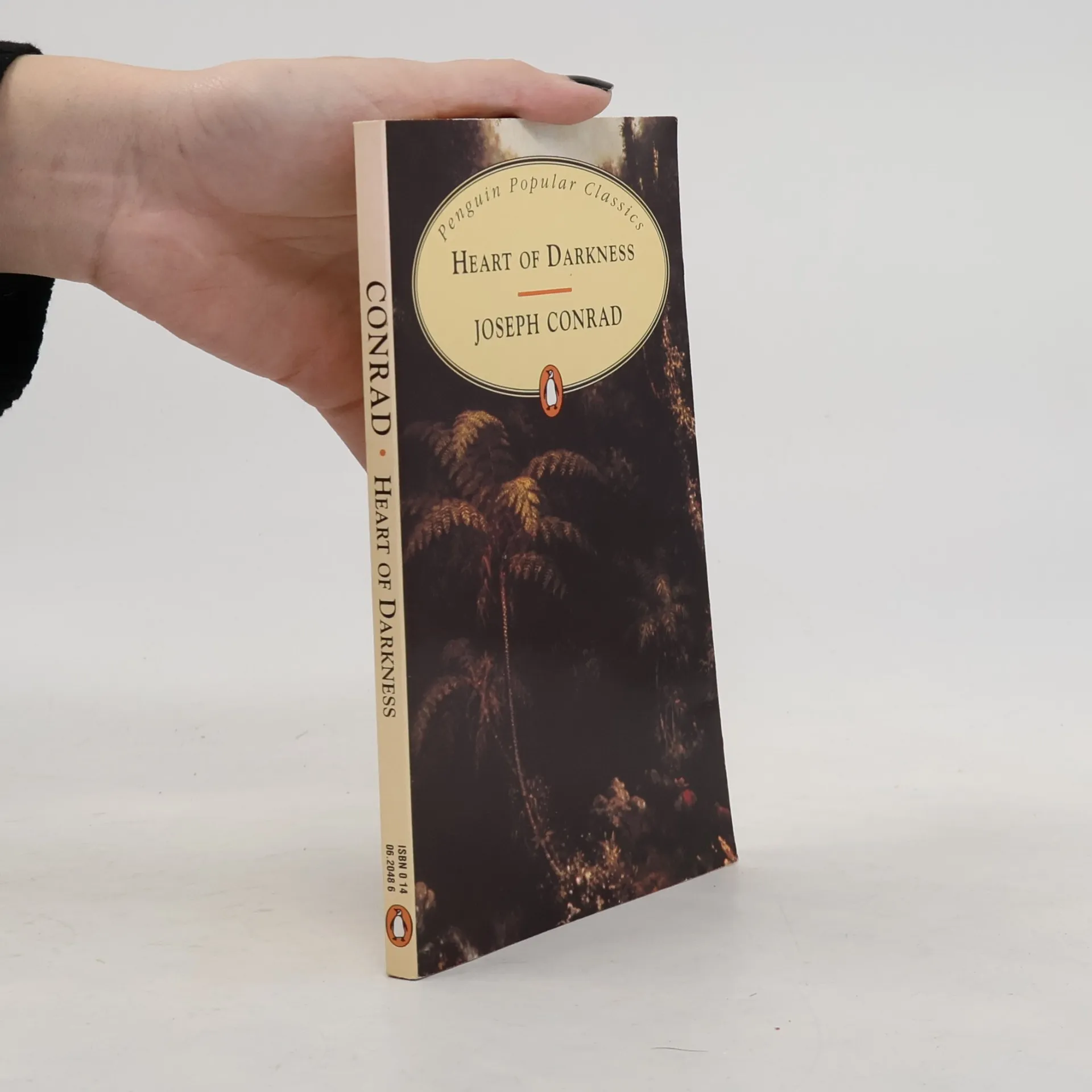
Heart of darkness
- 112 pages
- 4 hours of reading
Heart of Darkness has been considered for most of this century as a literary classic, and also as a powerful indictment of the evils of imperialism. It reflects the savage repressions carried out in the Congo by the Belgians in one of the largest acts of genocide committed up to that time. Conrad's narrator encounters at the end of the story a man named Kurtz, dying, insane, and guilty of unspeakable atrocities.
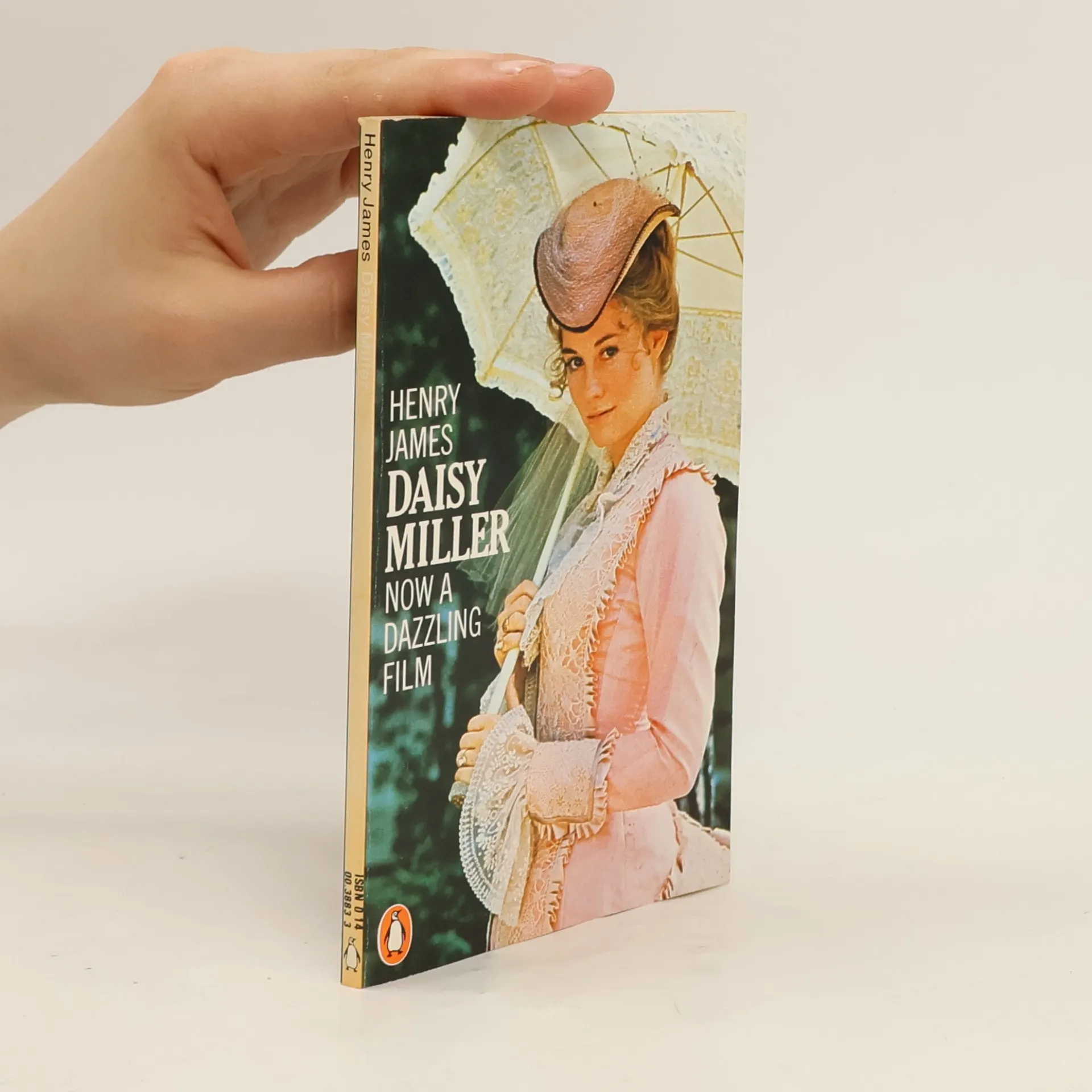
Originally published in The Cornhill Magazine in 1878 and in book form in 1879, Daisy Miller brought Henry James his first widespread commercial and critical success. The young Daisy Miller, an American on holiday with her mother on the shores of Switzerland’s Lac Leman, is one of James’s most vivid and tragic characters. Daisy’s friendship with an American gentleman, Mr. Winterbourne, and her subsequent infatuation with a passionate but impoverished Italian bring to life the great Jamesian themes of Americans abroad, innocence versus experience, and the grip of fate. As Elizabeth Hardwick writes in her Introduction, Daisy Miller “lives on, a figure out of literature who has entered history as a name, a vision.”
Colección Eterna: El Gran Gatsby
- 192 pages
- 7 hours of reading
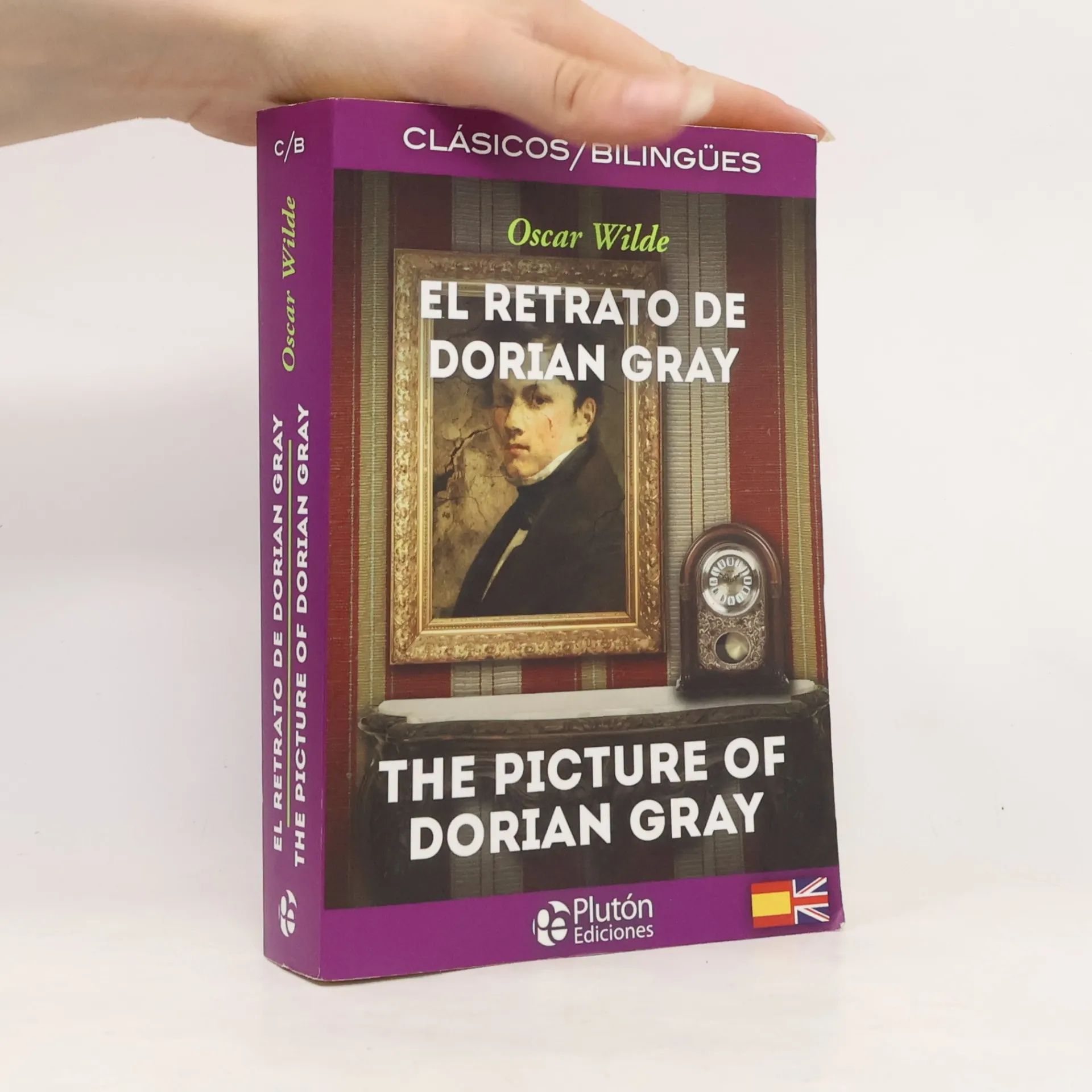
Clásicos/Bilingües: El retrato de Dorian Gray / The Picture of Dorian Gray
- 512 pages
- 18 hours of reading
The Call of Cthulhu and Other Tales of Cosmic Terror
- 304 pages
- 11 hours of reading
Featuring selected stories from Lovecraft's renowned Cthulhu mythos, this elegant gift edition showcases his extraordinary imagination through classic tales like "The Call of Cthulhu" and "The Shunned House." Readers will encounter terrifying rituals, grotesque comedies, and chilling narratives that delve into themes of insanity. The book is beautifully designed with a silver embossed cover and stenciled page edges, making it a striking addition for fans of pioneering science fiction.
Tales of the Alhambra is a collection of essays, verbal sketches, and stories by Washington Irving. Shortly after completing a biography of Christopher Columbus in 1828, Washington Irving traveled from Madrid, where he had been staying, to Granada, Spain. At first sight, he described it as "a most picturesque and beautiful city, situated in one of the loveliest landscapes that I have ever seen." Irving was preparing a book called A Chronicle of the Conquest of Granada, a history of the years 1478–1492, and was continuing his research on the topic. He immediately asked the then-governor of the historic Alhambra Palace as well as the archbishop of Granada for access to the palace, which was granted because of Irving's celebrity status. Aided by a 17-year old guide named Mateo Ximenes, Irving was inspired by his experience to write Tales of the Alhambra. Throughout his trip, he filled his notebooks and journals with descriptions and observations though he did not believe his writing would ever do it justice. He wrote, "How unworthy is my scribbling of the place." Irving continued to travel through Spain until he was appointed as secretary of legation at the United States Embassy in London, serving under the incoming minister Louis McLane. He arrived in London by late September 1829. -- from Wikipedia
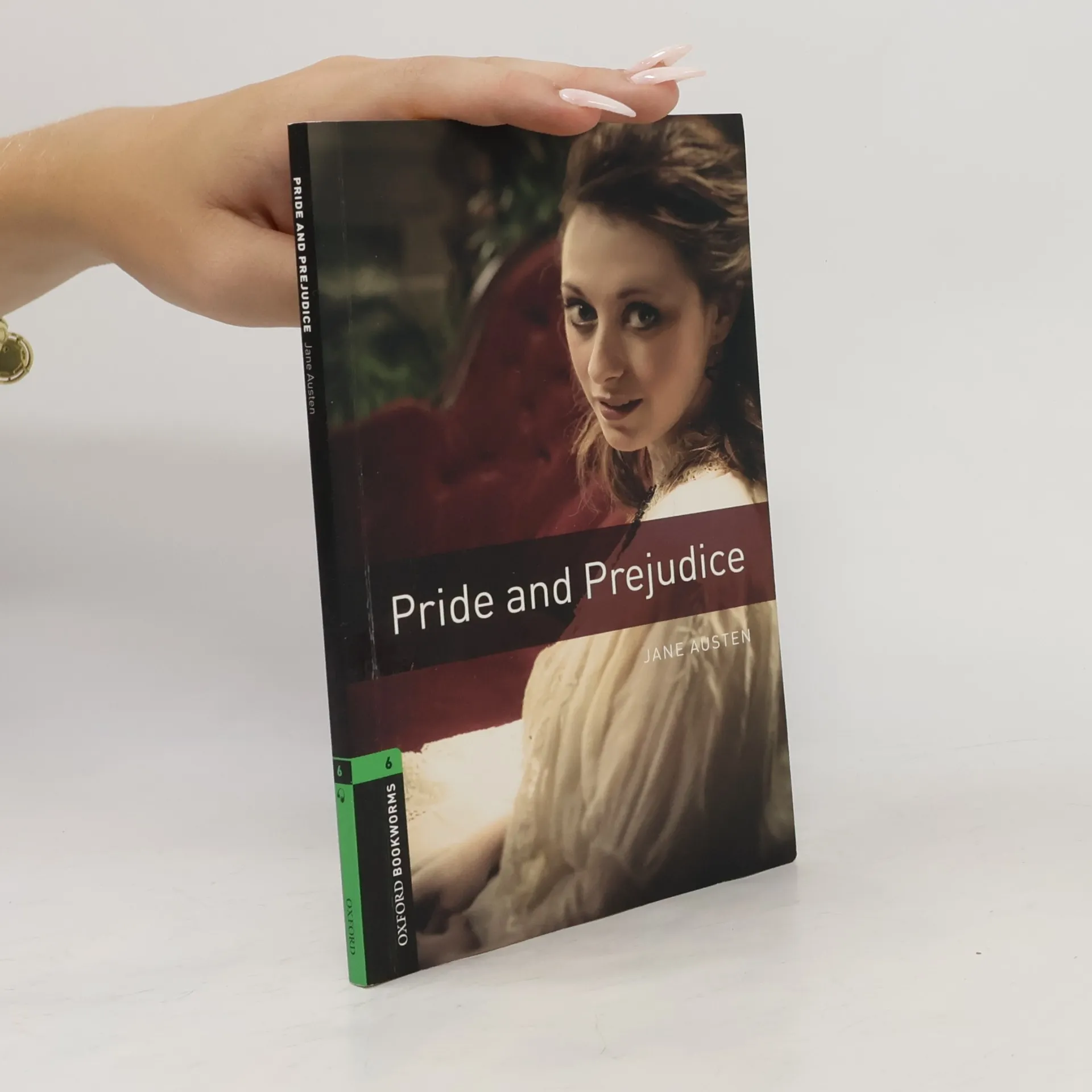
Pride and Prejudice
- 128 pages
- 5 hours of reading
Social and romantic misunderstandings combine against the Bennet sisters in their pursuit of suitable romantic attachments
Dr Jekyll and Mr Hyde
- 80 pages
- 3 hours of reading
"Strange Case of Dr Jekyll and Mr Hyde is the original title of a novella written by the famous Scottish author Robert Louis Stevenson that was first published in 1886. The work is commonly known today as The Strange Case of Dr Jekyll and Mr Hyde, Dr Jekyll and Mr Hyde, or simply Jekyll & Hyde. It is about a London lawyer named John Gabriel Utterson who investigates strange occurrences between his old friend, Dr Henry Jekyll, and the evil Edward Hyde."--Amazon.com viewed Feb. 6, 2024.