
"A vivid portrait of the early years of biblical archaeology from the acclaimed author of 1177 B.C.: The Year Civilization Collapsed In 1925, famed Egyptologist James Henry Breasted sent a team of archaeologists to the Holy Land to excavate the ancient site of Megiddo--Armageddon in the New Testament--which the Bible says was fortified by King Solomon. Their excavations made headlines around the world and shed light on one of the most legendary cities of biblical times, yet little has been written about what happened behind the scenes. Digging Up Armageddon brings to life one of the most important archaeological expeditions ever undertaken, describing the stunning discoveries that were made there and providing an up-close look at the internal workings of a dig in the early years of biblical archaeology."--
Eric H. Cline Books
Dr. Eric H. Cline is a leading archaeologist and historian whose work explores the interconnectedness of ancient civilizations and pivotal moments in human history. With extensive fieldwork across numerous archaeological sites, he investigates how past events resonate in the present. His approach makes complex historical topics accessible, uncovering the compelling narratives behind major civilizational collapses and conflicts. Cline's writings offer an engaging look at the enduring impact of ancient developments on the modern world.


Digging Deeper
- 176 pages
- 7 hours of reading
From the bestselling author of 1177 B.C., an accessible primer to the archaeologist's craftAn archaeologist with more than thirty seasons of excavation experience, Eric H. Cline has conducted fieldwork around the world, from Greece and Crete to Egypt, Israel, and Jordan. In Digging Deeper, Cline answers the questions archaeologists are most frequently asked, such as: How do you know where to dig? How are excavations actually done? How do you know how old something is? Who gets to keep what is found? How do you know what people from the past ate, wore, and looked like? Adapted from Cline's acclaimed book Three Stones Make a Wall, this lively little volume is brimming with insights and practical advice about how archaeology really works. Whether you are an armchair archaeologist or embarking on your first excavation, Digging Deeper is an essential primer on the art of the dig.
The Trojan War: A Very Short Introduction
- 130 pages
- 5 hours of reading
Using a combination of archaeological data, textual analysis, and ancient documents, this Very Short Introduction to the Trojan War investigates whether or not the war actually took place, whether archaeologists have correctly identified and been excavating the ancient site of Troy, and what has been found there.
Biblical Archaeology: A Very Short Introduction
- 156 pages
- 6 hours of reading
Archaeologist Eric H. Cline here offers a complete overview of this exciting field. He discusses the early pioneers, the origins of biblical archaeology as a discipline, and the major controversies that first prompted explorers to go in search of sites that would "prove" the Bible. He then surveys some of the most well-known modern archaeologists, the sites that are essential sources of knowledge for biblical archaeology, and some of the most important discoveries that have been made in the last half century, including the Dead Sea Scrolls and the Tel Dan Stele.
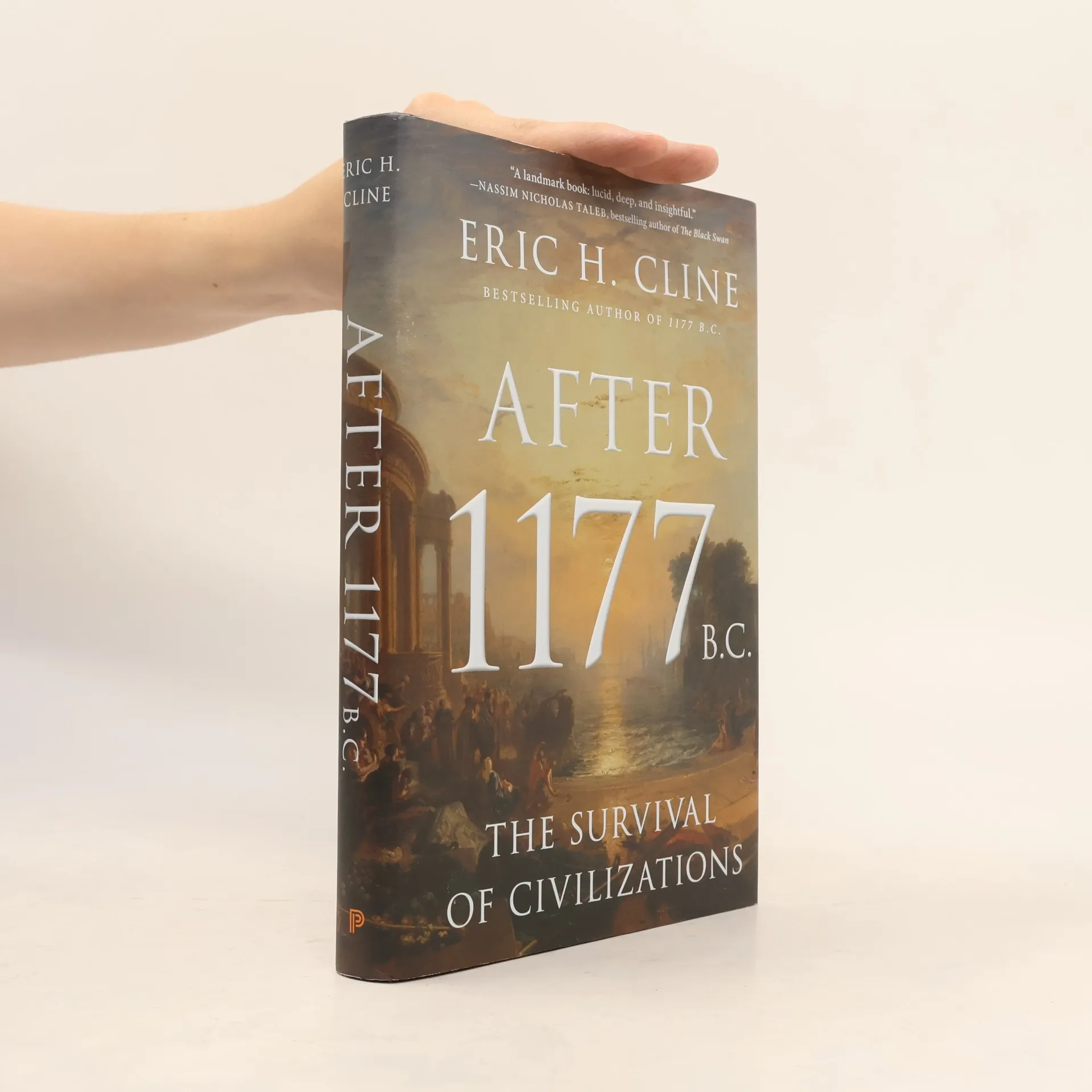
1177 B.C.
- 304 pages
- 11 hours of reading
"In a follow-up to 1177 BC, this book provides a portrait of the 400 years following the collapse of the Bronze Age, a period referred to as the First Dark Age, but which Cline will show was also an era of rebirth and resilience"--
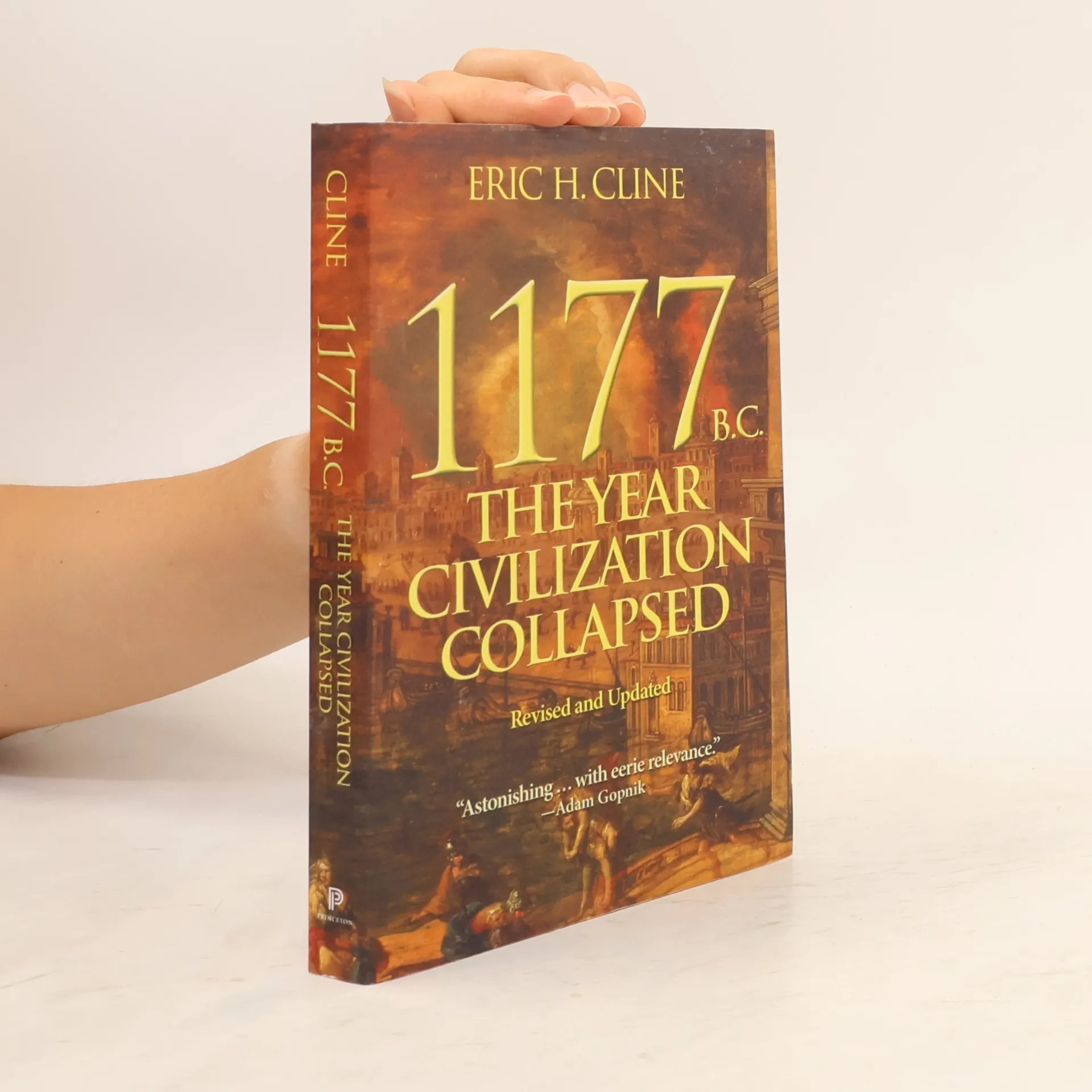
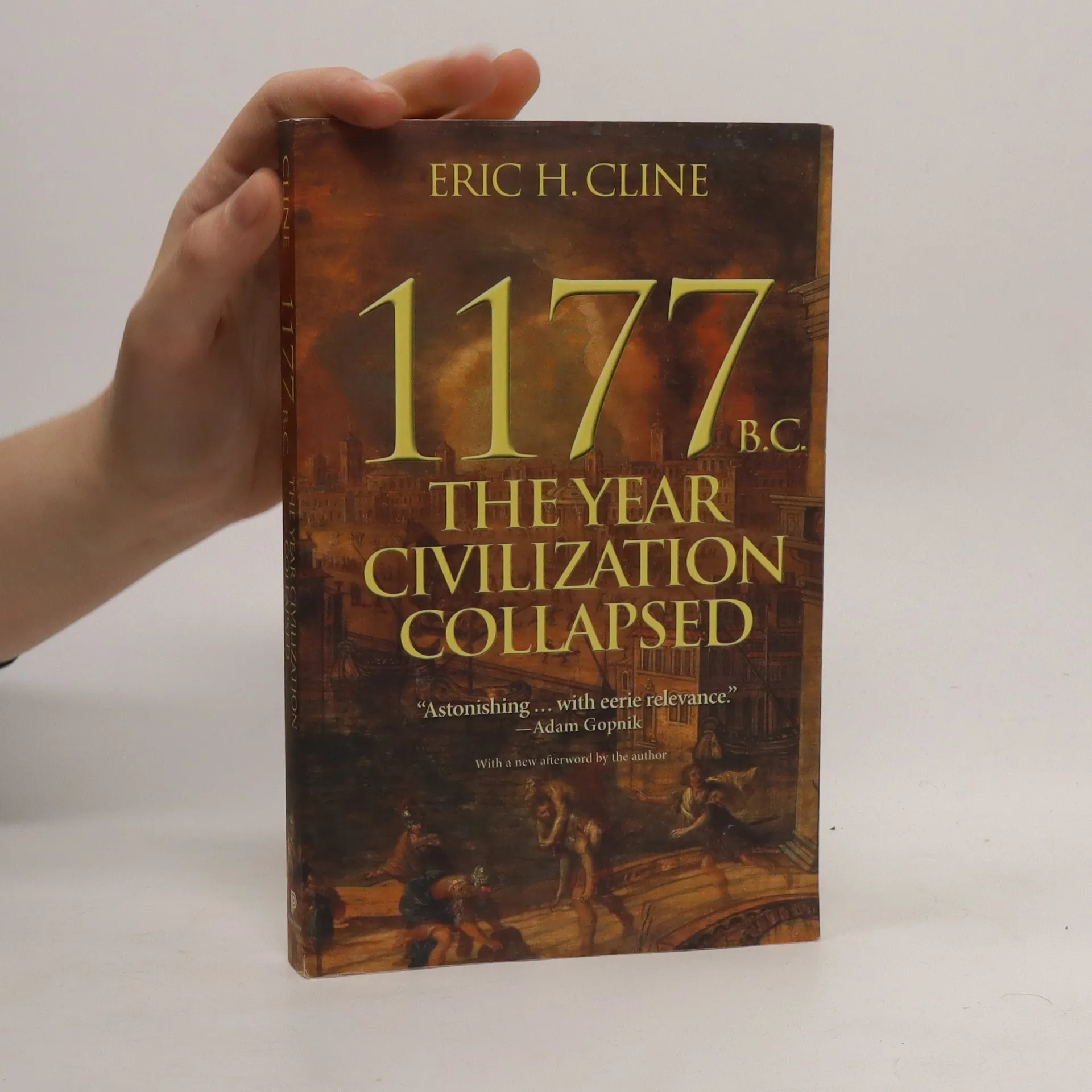
1177 B.C. : The Year Civilization Collapsed
- 264 pages
- 10 hours of reading
In 1177 B.C., the invasion of Egypt by marauding groups known as the "Sea Peoples" marked the beginning of a significant decline for Egypt and surrounding civilizations. Although the pharaoh's forces managed to repel the invaders, the victory left Egypt weakened, leading to a rapid collapse of the Bronze Age world. Within a few decades, prominent kingdoms like the Minoans, Mycenaeans, Trojans, Hittites, and Babylonians vanished, along with their vibrant economies, cultures, writing systems, and monumental architecture. The Sea Peoples were not solely responsible for this widespread breakdown; it was the result of multiple interconnected failures, including invasions, revolts, natural disasters like earthquakes and droughts, and the disruption of international trade routes. This account brings to life the rich multicultural tapestry of the Late Bronze Age, illustrating how the very interdependence of these civilizations contributed to their downfall. By weaving together narrative and contemporary scholarship, the text reveals the complex relationships that fostered both the flourishing and the eventual destruction of these great civilizations, setting the stage for the emergence of classical Greece and a dark age that lasted for centuries.
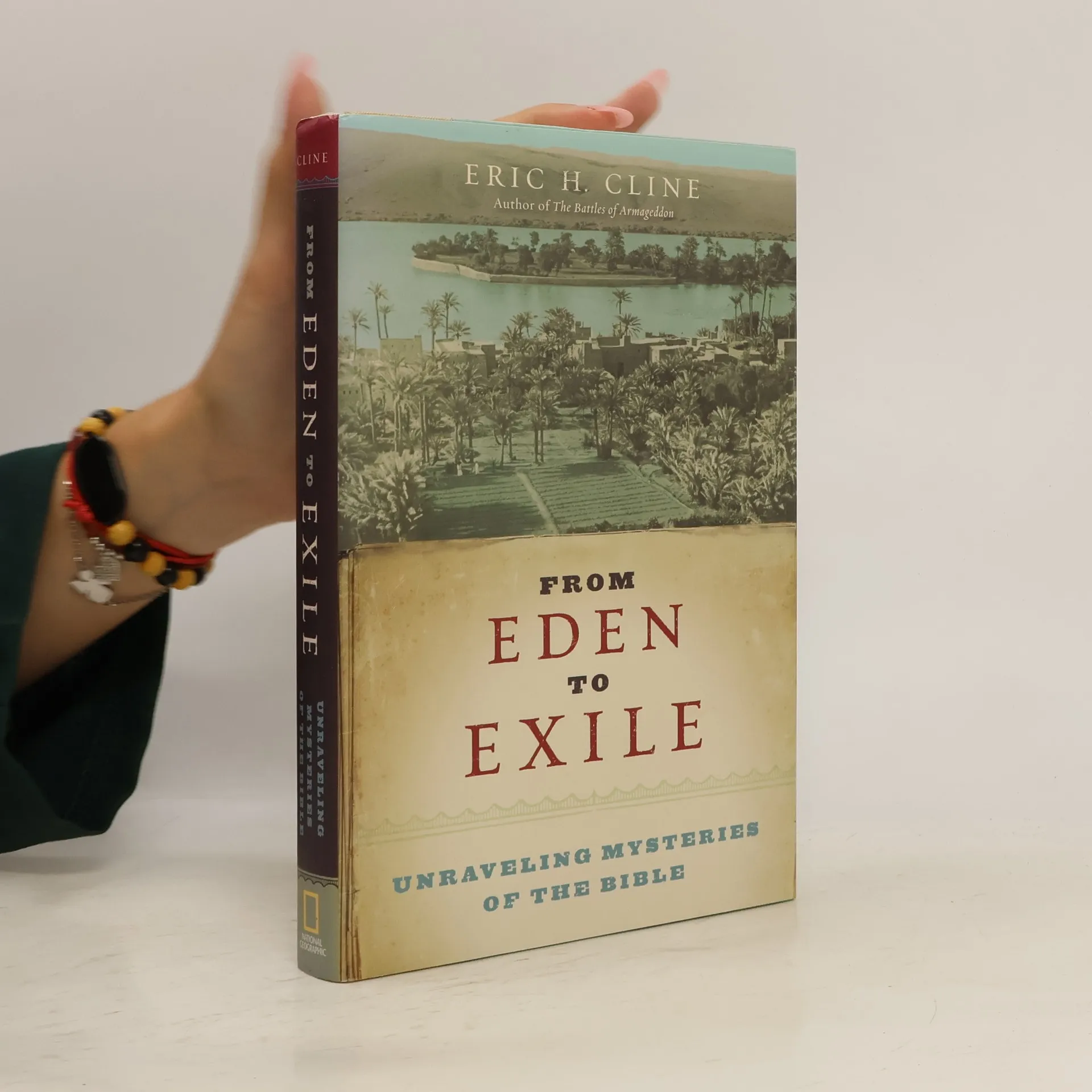
Examines seven mysteries of the Hebrew Bible, from the Garden of Eden and Noah's Ark, to the Exodus, the Babylonian Exile, and the Lost Tribes of Israel, placing these biblical stories in their archaeological and historical context.
"In a follow-up to 1177 BC, this book provides a portrait of the 400 years following the collapse of the Bronze Age, a period referred to as the First Dark Age, but which Cline will show was also an era of rebirth and resilience"--
Untergegangene Städte, sagenumwobene Schätze, rätselhafte Schriftzeichen Eric Cline, preisgekrönter Wissenschaftler und Autor, entführt uns in die spannende Welt der Archäologie und zeigt, wie sich die Beschäftigung mit den Völkern und Kulturen der Vergangenheit von der Amateurforschung zu einer hoch professionalisierten und technisierten Wissenschaft entwickelt hat. Dabei begegnen wir Entdeckern wie Howard Carter, Heinrich Schliemann und John Lloyd Stephens und begleiten sie dabei, wie sie die Grabkammern des Tutanchamun, die Überreste des antiken Troja und Stätten der Maya-Kultur ans Tageslicht befördern. Lebendig und packend erzählt Cline die faszinierende Geschichte der Archäologie und bringt uns zugleich die Arbeit der Archäologen näher. Ausstattung: mit Abb.