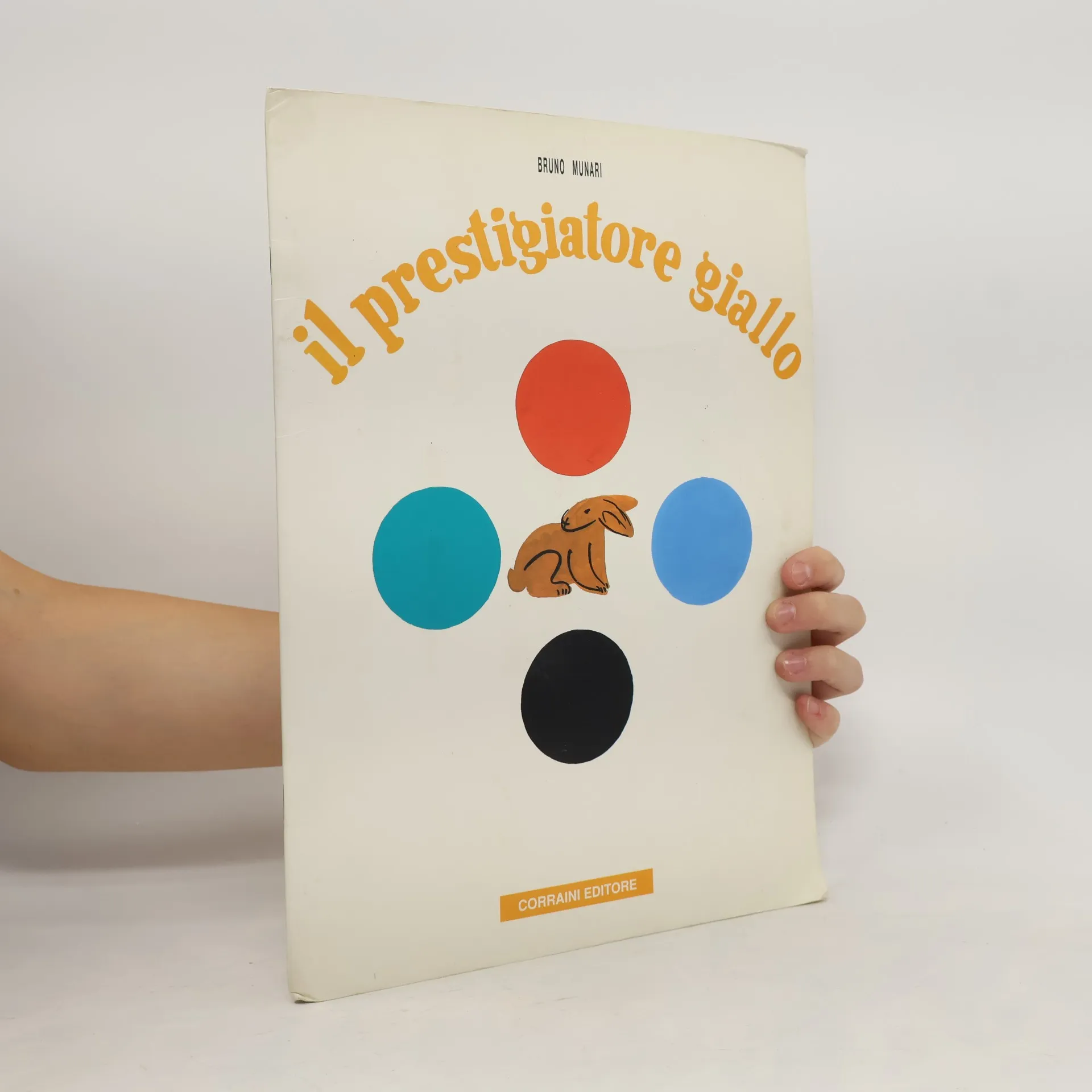
Bruno Munari was an Italian artist and designer whose fundamental contributions spanned numerous fields of visual arts and beyond. His work encompasses painting, sculpture, film, industrial design, and graphics, as well as literature, poetry, and didactic endeavors. Munari's creative output is deeply rooted in research concerning play, childhood, and creativity. His approach uniquely blends artistic invention with playful exploration, establishing him as a significant figure in visual arts and education.
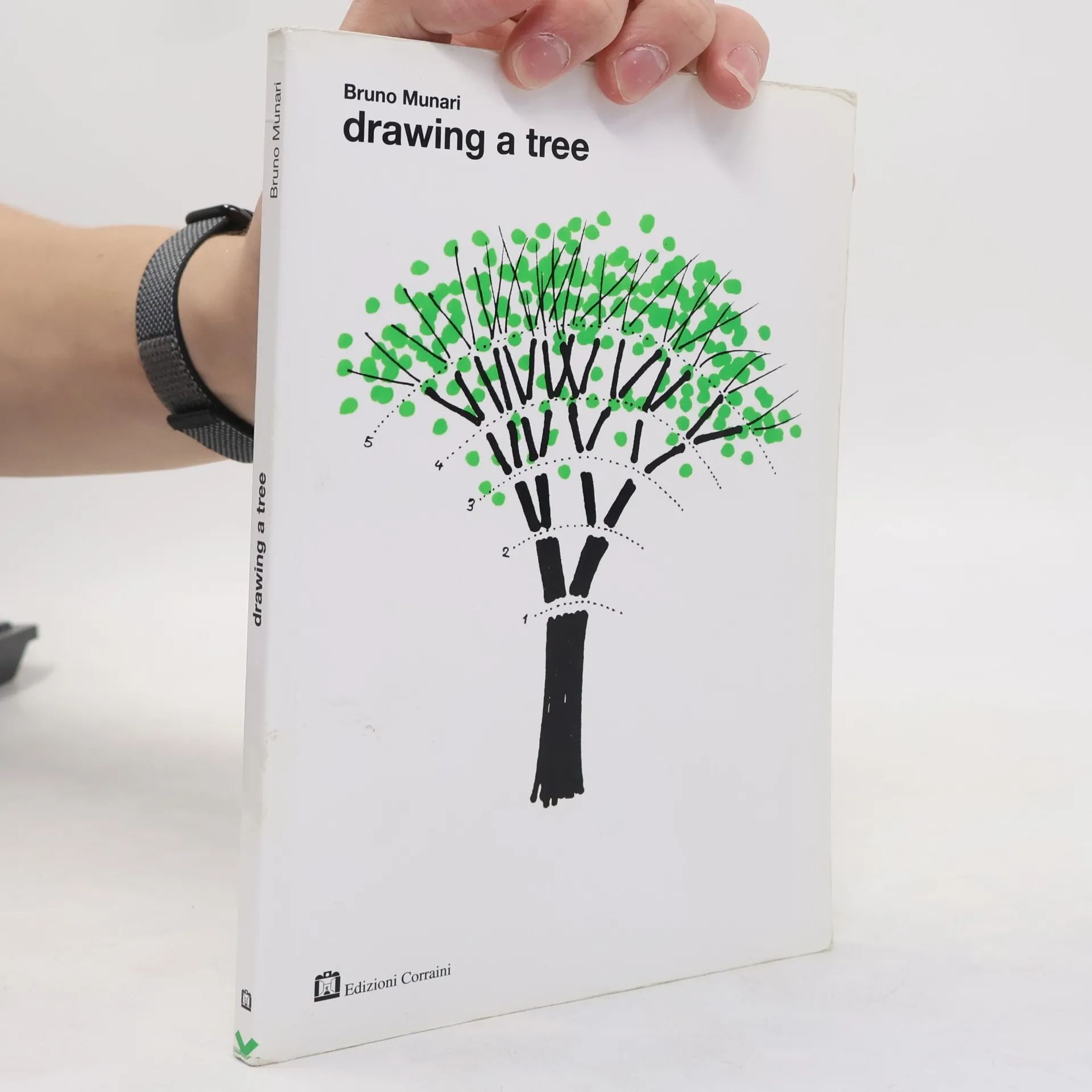
For Drawing a Tree, Bruno Munari proposes: "When drawing a tree, always remember that every branch is more slender than the one that came before. Also note that the trunk splits into two branches, then those branches split in two, then those in two, and so on, and so on, until you have a full tree, be it straight, squiggly, curved up, curved down, or bent sideways by the wind."
Bruno Munari's Fotocronache, first published in 1944, serves as a profound exploration of photography's role in communication. Through his engaging wit and keen insights, Munari analyzes how images convey specific information while also allowing for diverse interpretations. This work remains a significant resource for understanding the multifaceted nature of visual communication, blending humor with critical analysis.
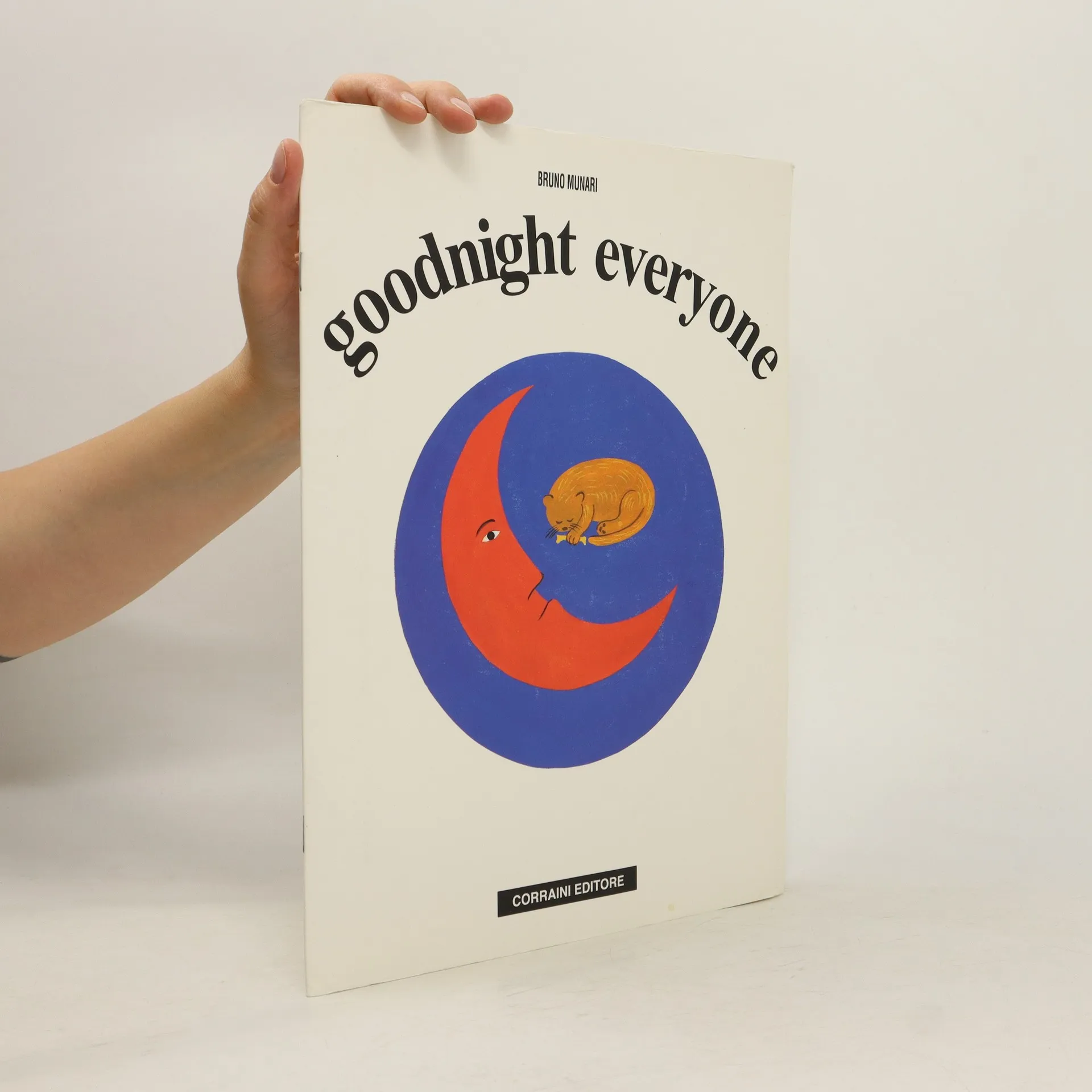
This unpublished work of 1945 completes the historic series of first animated books for children, again using large pictures, pages and various inserts to tell the story of nighttime around Chuck's house.
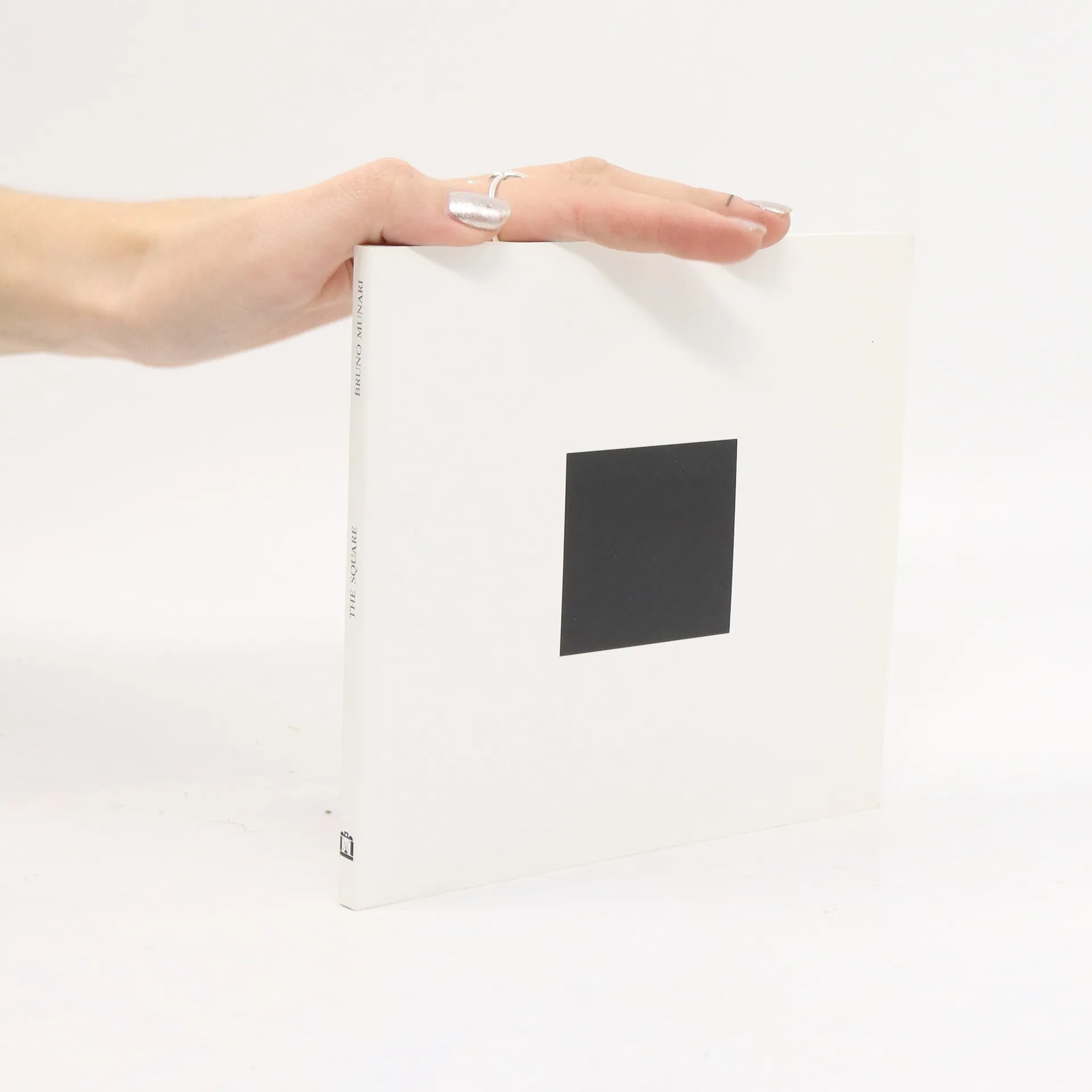
Bruno Munari investigates the design elements of the square and its use in designs as diverse as churches, monuments, games and fonts. He investigates the meaning of the square as the idea of enclosure, home and settlement as well as the interesting permutations that can be achieved from the monotonous repetition of four sides.
This guide offers a fun and lively approach to drawing the sun, encouraging creativity and self-expression. It features engaging techniques and tips that cater to artists of all skill levels, making it accessible for beginners while also providing inspiration for more experienced creators. With a focus on playful styles and vibrant colors, readers are invited to explore various artistic interpretations of the sun, fostering a joyful and imaginative drawing experience.
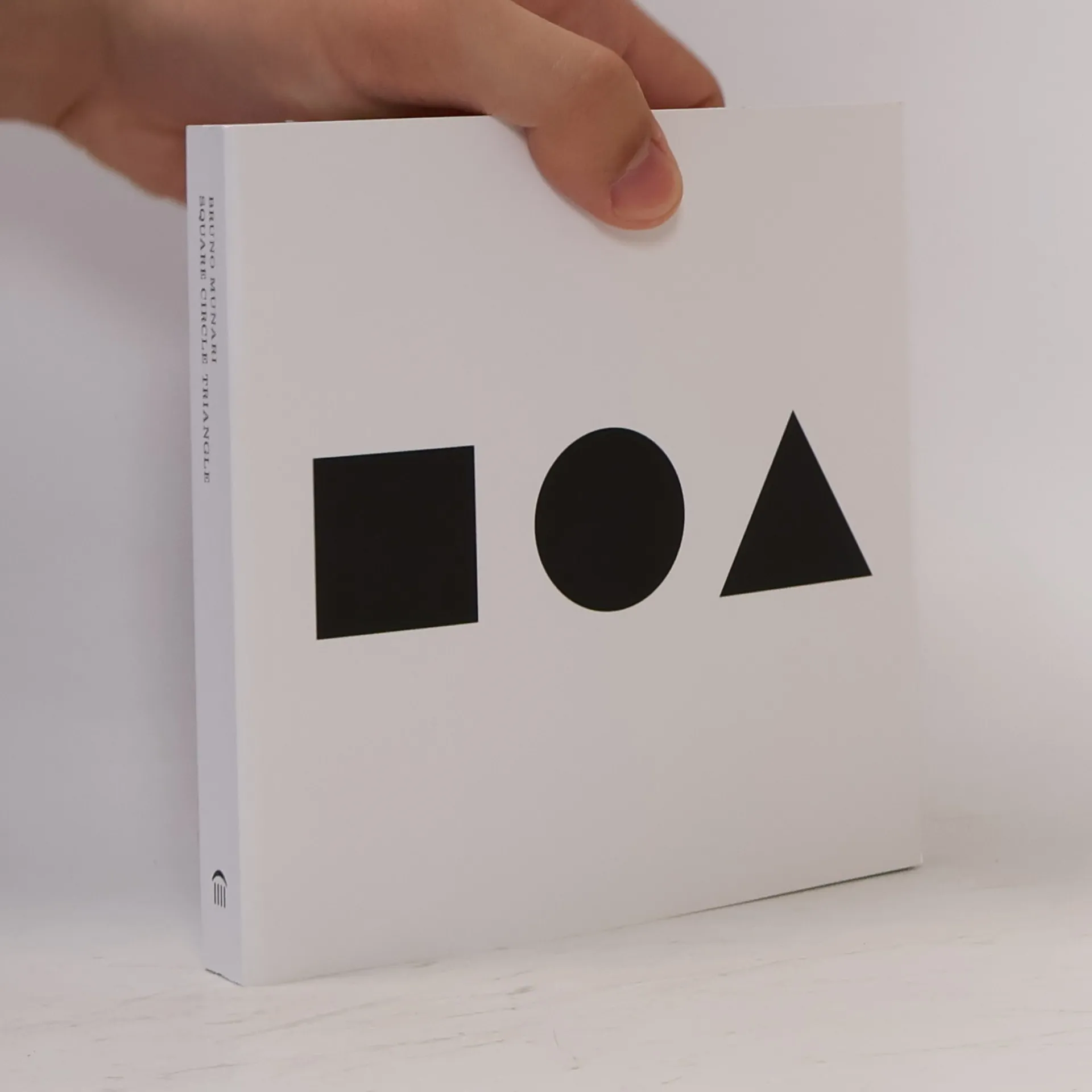
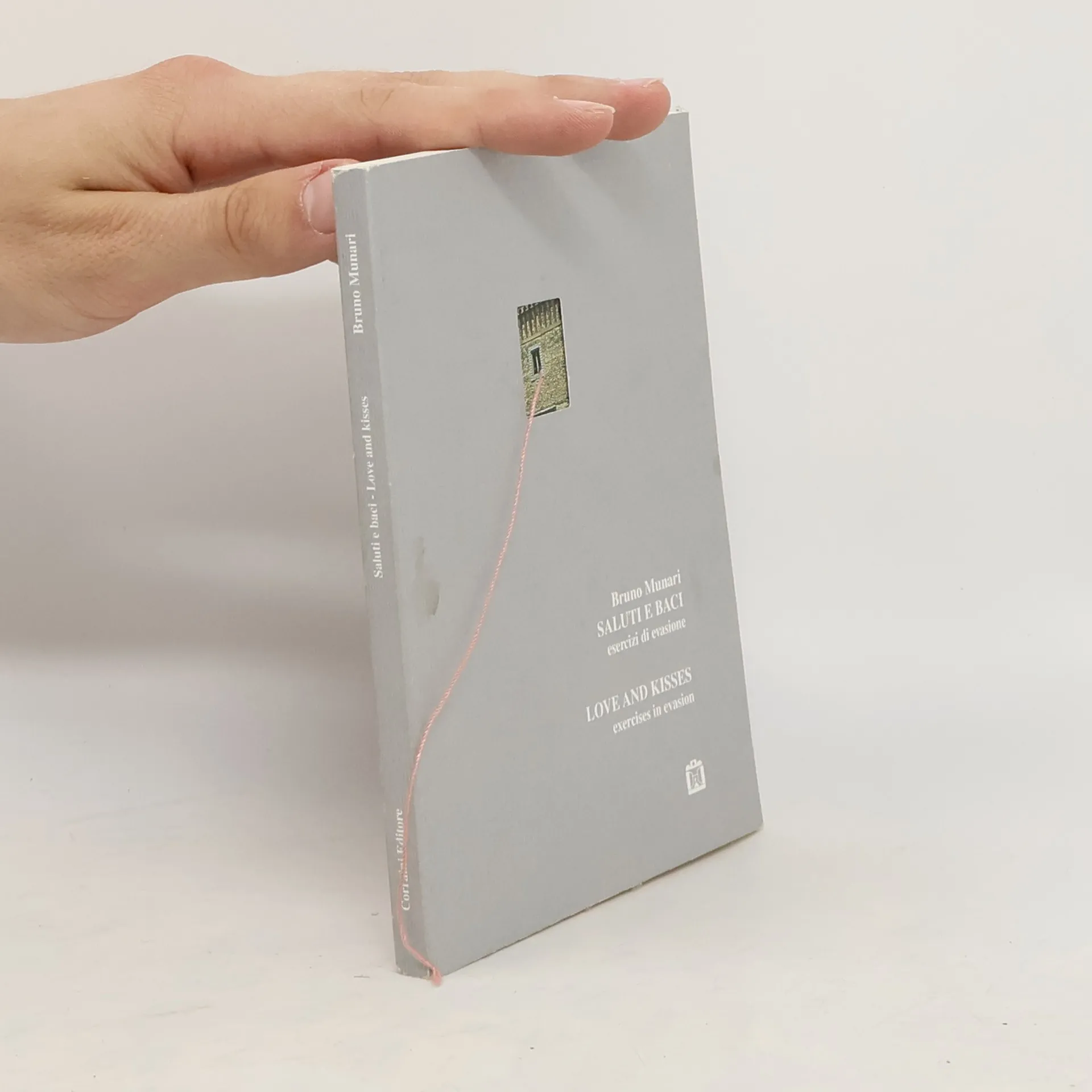
Il quadrato A1960 Bruno Munari. First English edition by Maurizio Corraini
s.r.l. 2005. Il cerchio A1964 Bruno Munari. First English edition by Maurizio
Corraini s.r.l. 2006. Il triangolo A1976 Bruno Munari. First English edition
by Maurizio Corraini s.r.l. 2007.
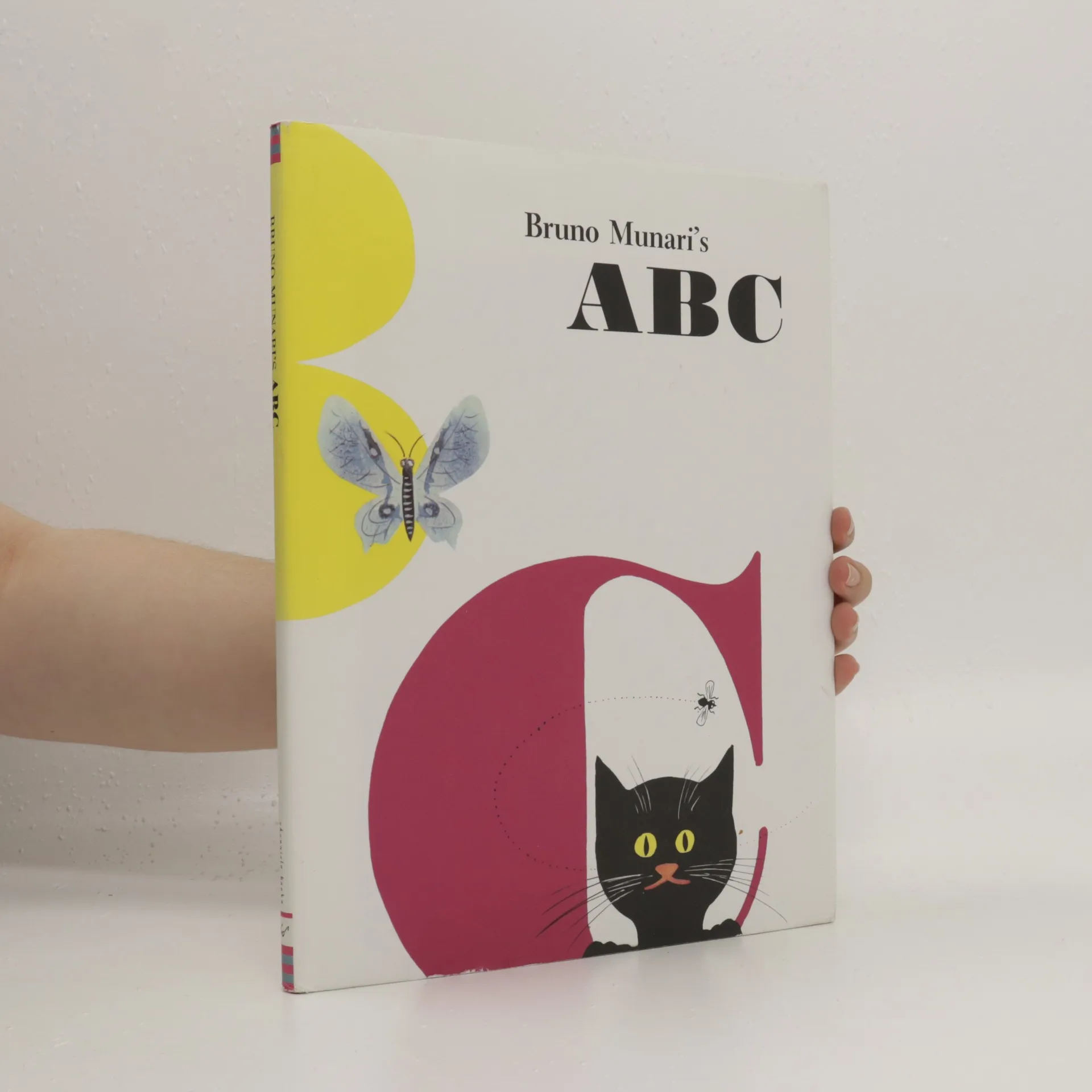
In this imaginative ABC, acclaimed artist, designer and children's author, Bruno Munari shows how fun letters can be. From an Ant on an Apple to a Blue Butterfly to a Cat in a Cage, Munari pairs words in whimsical ways until Fly frees itself from its page, lands on the Hat, buzzes near the Ice Cream and provides the final sound for Zzzzz.
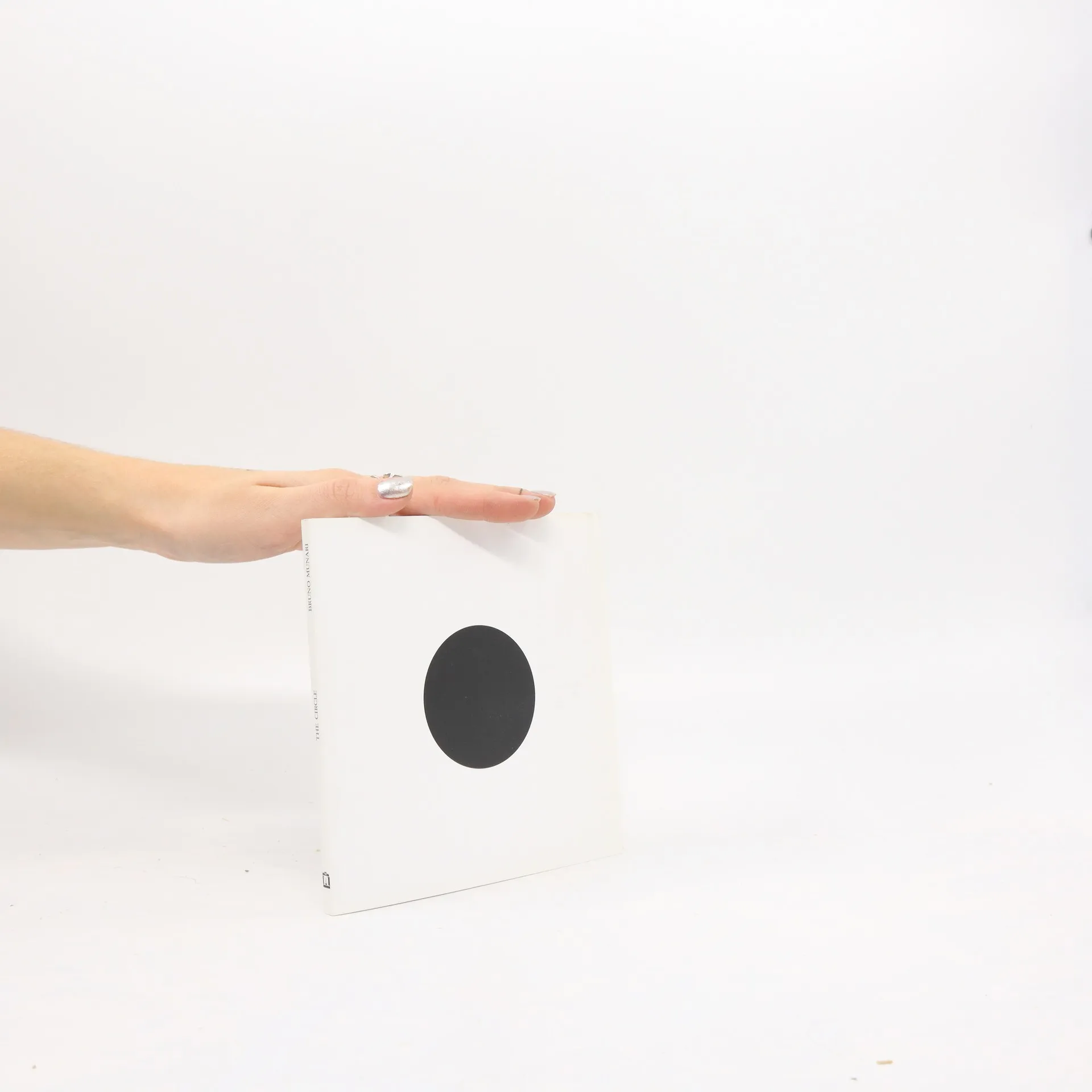
“God is a circle whose centre is everywhere but whose circumference is nowhere”. Circle means perfection, cyclicity, superiority of the divinity, but also instability and movement. In nature soap bubbles are spherical and internal trees’ rings are circular; the legend tells that Giotto drew a perfect O, while perfection is tangible on Michelangelo’s “Tondo Doni” and Botticelli’s “Vergine col Bambino”. King Arthur’s knights were pairs around a round table, and nowadays people sit in circle to make a decision or watch a show. Bruno Munari selects and describes in this little, extraordinary encyclopedia, several uses of this fascinating and mysterious form, instable and hieratic at the same time.
The Italians are the masters of speaking with their hands: think of a taxi
driver in Rome stuck in traffic or a village gossip spreading the tale of a
cuckolded husband. Bruno Munari's little handbook will help you decipher this
language of gestures, an unspoken language you won't find in any dictionary.
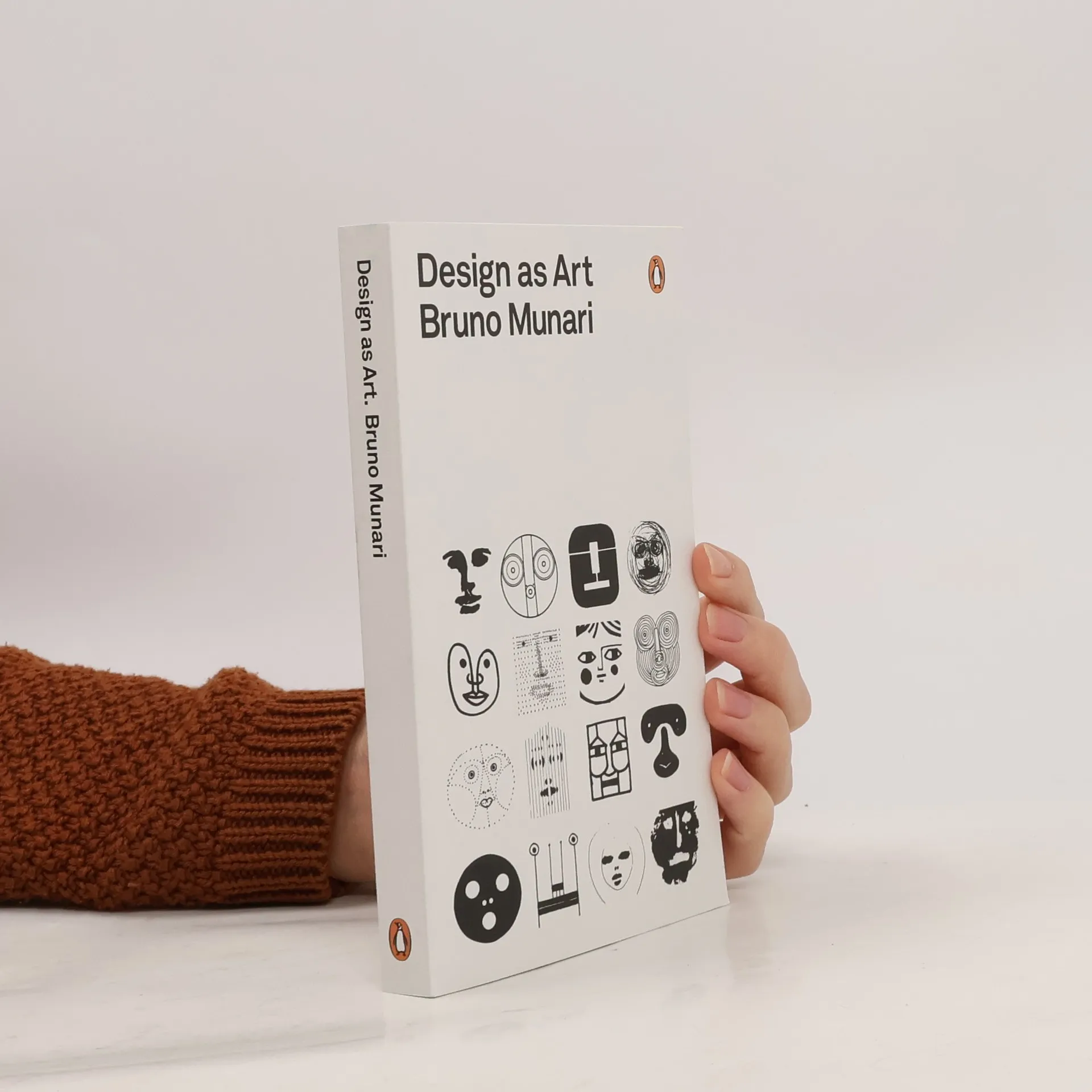
How do we see the world around us? The Penguin on Design series includes the works of creative thinkers whose writings on art, design and the media have changed our vision forever. Bruno Munari was among the most inspirational designers of all time, described by Picasso as �the new Leonardo�. Munari insisted that design be beautiful, functional and accessible, and this enlightening and highly entertaining book sets out his ideas about visual, graphic and industrial design and the role it plays in the objects we use everyday. Lamps, road signs, typography, posters, children�s books, advertising, cars and chairs � these are just some of the subjects to which he turns his illuminating gaze.
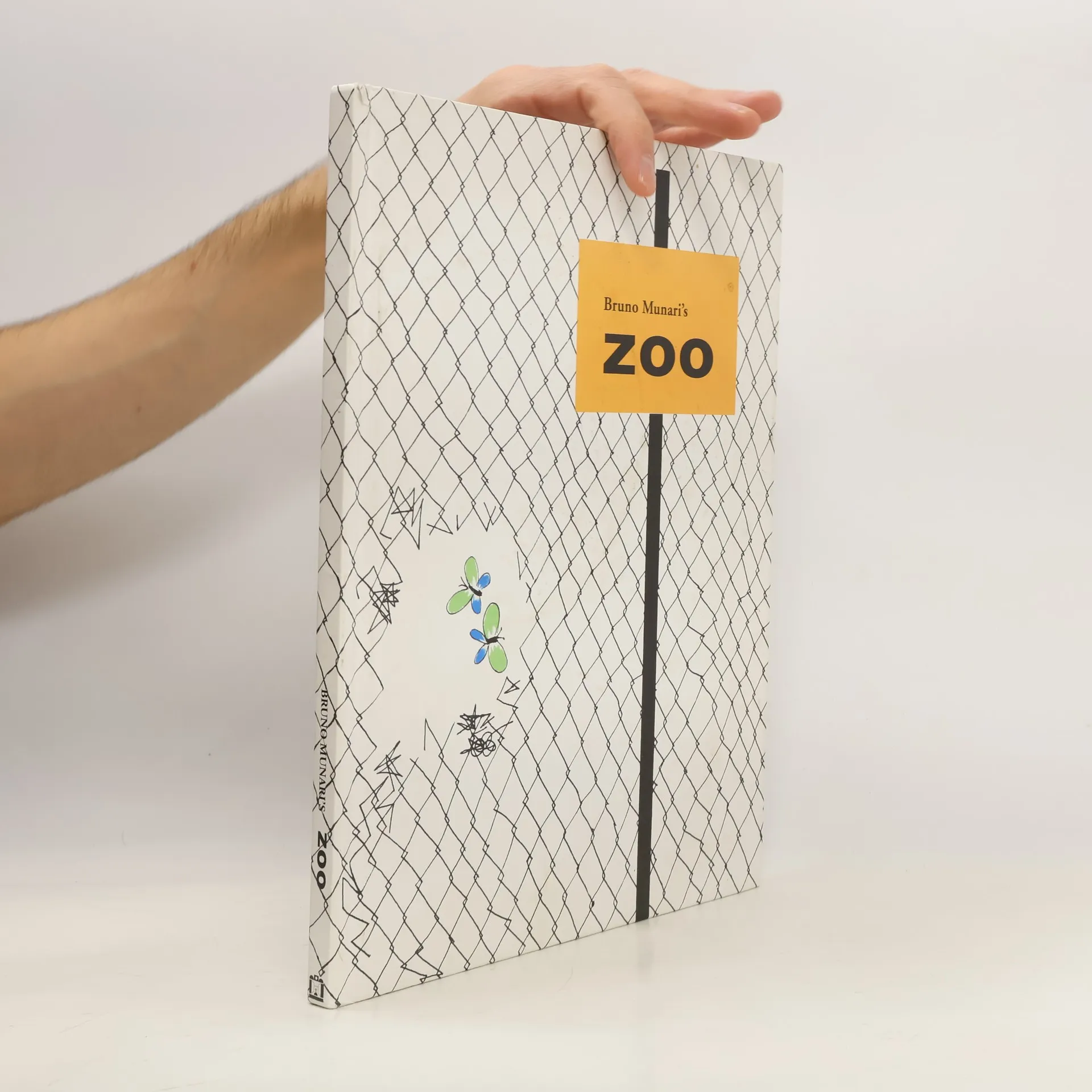
Bruno Munari was an internationally acclaimed artist, designer, and children's book creator. A contemporary of Leo Leonni, his books have been hailed as "among the most original, inventive and beautiful ever created." Zoo is among his most graphically stunning works. Meet the kangaroo, who is all legs but doesn't know it, the zebra in his striped pajamas, and the humpy camel, who has a seat for you. Young readers will enjoy Munari's bright, bold illustrations; older readers will appreciate his wry humor. From children to collectors, Bruno Munari's Zoo is certain to enchant a whole new generation. "Graphic designer Bruno Munari is one of the most inventive picture book creators I know. I have been inspired, entertained, and in awe of his work since I was a graphic design student in Germany more than 50 years ago. And Zoo has been one of my favorites. I am delighted that it is available once again for a new generation of picture book readers of all ages." -- Eric Carle
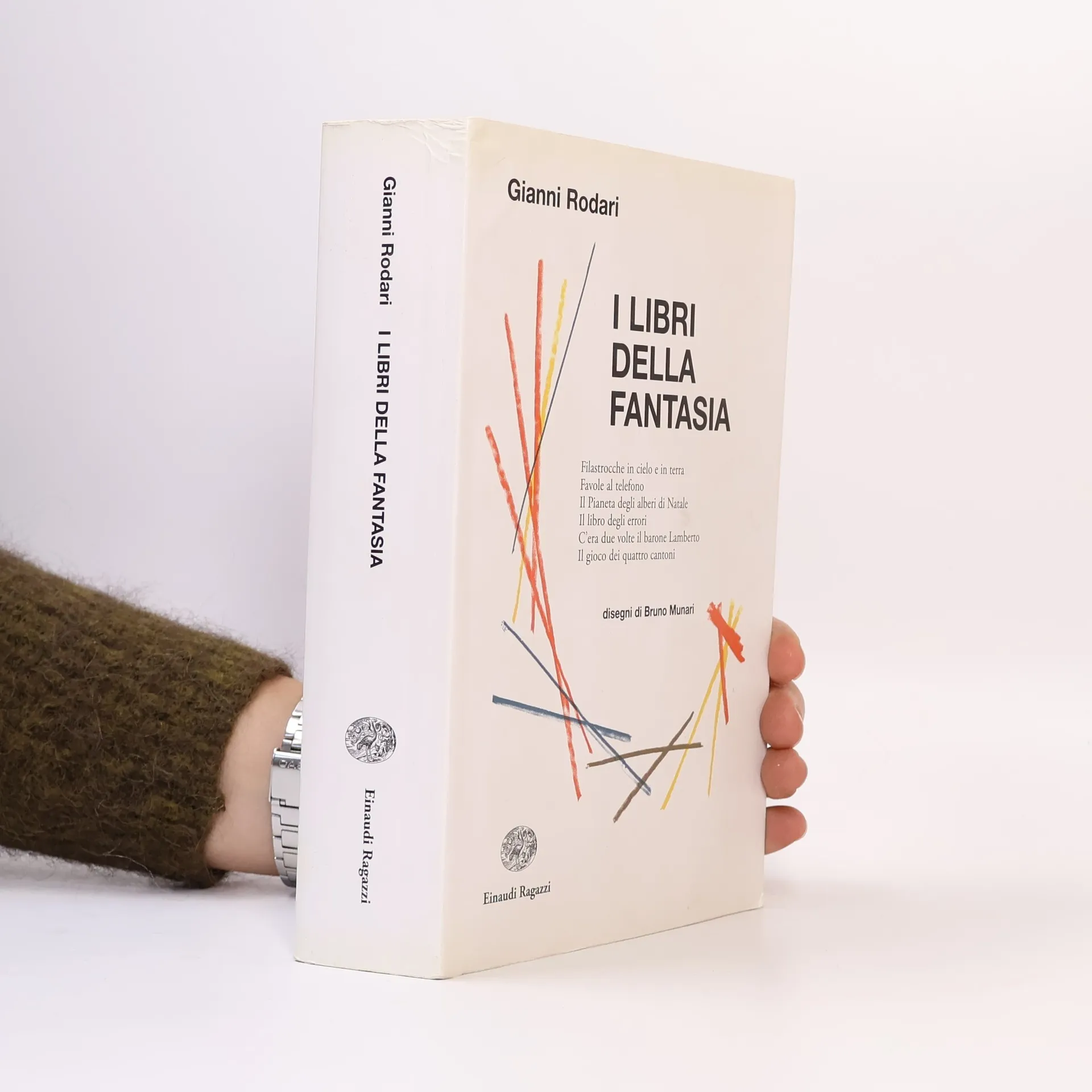
Il volume contiene: Filastrocche in cielo e in terra; Favole al telefono; Il libro degli errori; C'era due volte il barone Lamberto; Il gioco dei quattro cantoni.
Grazie a Gianni Rodari la letteratura per l'infanzia è stata sottratta al limbo di una produzione minore e restituita, nella sua affascinante complessità, alla storia della letteratura e a quella della pedagogia; il percorso dello scrittore di Omegna non si configura, però, come accomodante itinerario nei luoghi letterari dell'ironia, del paradosso e ancor meno si caratterizza come sentiero tutto interno all'attivismo pedagogico italiano, ma assume via via i segni della contemporaneità, dell'inquietudine, della tensione morale, della coraggiosa protesta civile. L'umorismo dell'assurdo, il gioco della dissacrazione dei luoghi comuni, gli stravolgimenti del linguaggio altro non sono che l'invito reiterato a liberarci dagli schemi, dai pregiudizi, dal conformismo per guardare più lontano; i libri di Rodari in un momento storico in cui i punti di riferimento morali e civili sembrano smarriti ci indicano, anche al di là della felice invenzione e del piacere della lettura, le strade della tolleranza, le vie dell'amicizia sulle quali converrà incamminarci se vogliamo ancora scommettere sul futuro delle nuove generazioni. Età di lettura: da 6 anni.
Reminiscent of Scheherazade and One Thousand and One Nights, Gianni Rodari's Telephone Tales is many stories within a story. Every night, a traveling father must finish a bedtime story in the time that a single coin will buy. One night, it's a carousel that adults cannot comprehend, but whose operator must be some sort of magician, the next, it's a land filled with butter men who melt in the sunshine Awarded the Hans Christian Anderson Award in 1970, Gianni Rodari is widely considered to be Italy's most important children's author of the 20th century. Newly re-illustrated by Italian artist Valerio Vidali (The Forest), Telephone Tales entertains, while questioning and imagining other worlds.
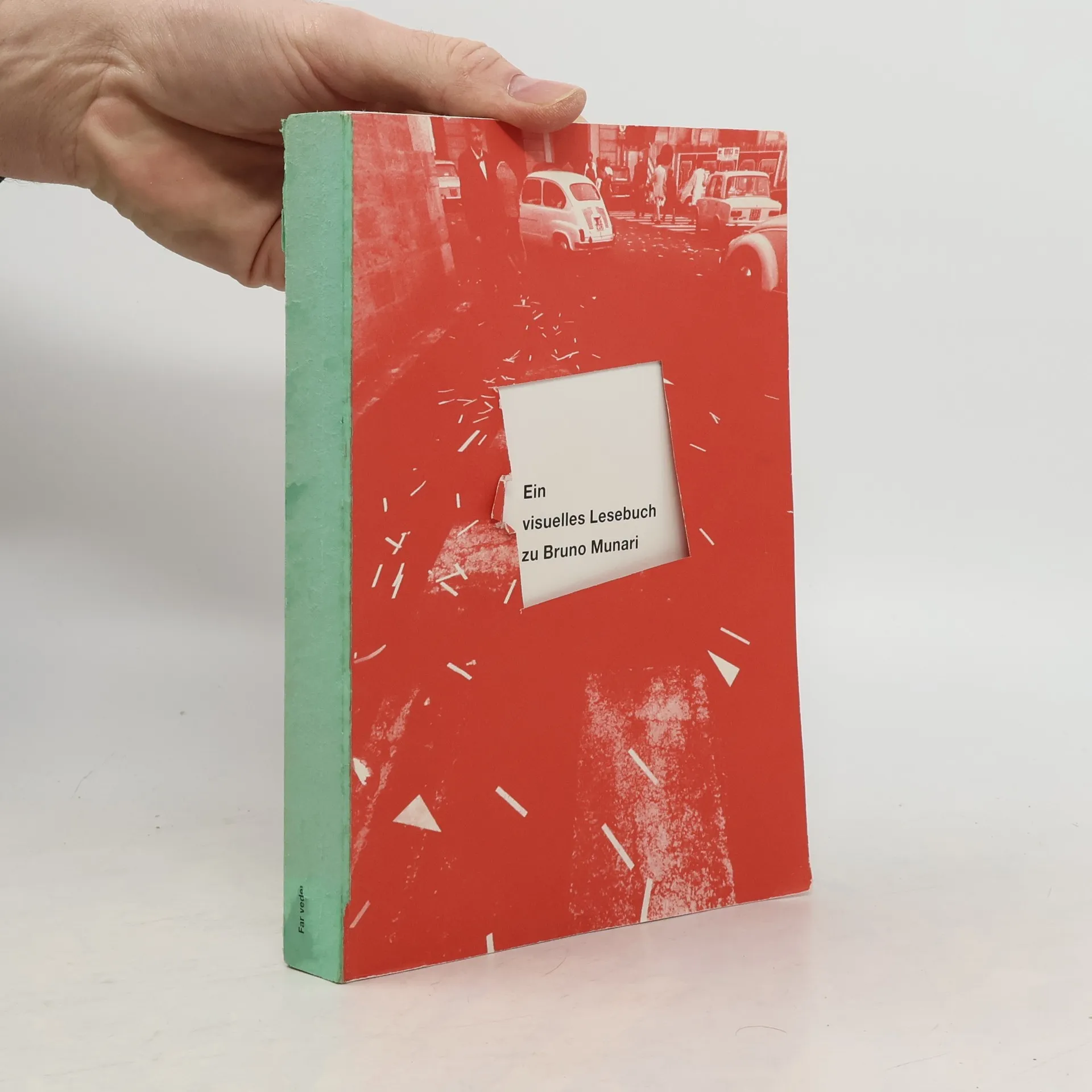
Bruno Munari (1907-98) war ein leidenschaftlicher Sammler des Sichtbaren, der Unterschiede in Erscheinungen. Mit einem klaren Ziel erforschte er die Beziehung zwischen einfachen Objekten und unserer sinnlichen Transformation dieser. Geboren in Mailand, war Munari über Jahrzehnte eine herausragende Figur in Italien und Europa als Künstler, Grafikdesigner, Autor von Kinderbüchern und Publizist. Kinder waren seine Mentoren; er war fasziniert von den Kräften, die es uns ermöglichen, die natürlichen Impulse des Kindes in effektives Design zu verwandeln. Diese umfassende Präsentation von Bruno Munaris Werk wird Kunstleitern, Grafikern, Produktdesignern, Architekten und allen Liebhabern spielerischen Designs Freude bereiten.
Von der pflanzlichen Struktur der Kokosnuss bis zum Diagramm menschlicher Siedlungen von Le Corbusier findet man die Form des gleichseitigen Dreiecks häufig in vielen verschiedenen Erscheinungen, sowohl in der natürlichen Umgebung als auch in künstlichen Werken. Zusammen mit dem Kreis und dem Quadrat ist das gleichseitige Dreieck eine der drei Grundformen und eignet sich zur Kombination in modularen Rahmen, um ein strukturiertes Feld zu erzeugen, in dem endlose andere kombinatorische Formen konstruiert werden können. Von klassischen arabischen und japanischen Dekorationen bis zur zeitgenössischen Architektur von Buckminster Fuller und Wright erzeugt die Vertrautheit mit dem gleichseitigen Dreieck, in all seinen formalen und strukturellen Ressourcen, neugierige und faszinierende Experimente.
Als ein Meilenstein in der Geschichte der Kinderbuchveröffentlichungen reinvents der italienische Designer Bruno Munari in diesem Werk die Beziehung zum Buch: In der dunklen Nacht erfordert eine sensorische Lesart, durch verschiedene Papiere kombiniert mit einfachen Bildern und prägnantem Text. Das Buch lädt uns ein, in die dunkle Nacht und die Geheimnisse, die sie birgt, einzutauchen. Wir werden von einem geheimnisvollen, durch Löcher in den Seiten offenbar werdenden Licht angezogen. Der erste Teil, aus schwarzem Papier, übersetzt die nächtliche Atmosphäre. Im zweiten Teil deutet das durchsichtige Papier auf einen morgendlichen Nebel hin und markiert den Zeitverlauf. Das Abenteuer endet im Inneren einer Höhle, auf den Seiten aus braunem Papier. Grundlegend für einfallsreiche Kinder, die mit ausgeschnittenen Blättern, Texturen, Farben und verschiedenen Materialien interagieren können. Auch für Pädagogen, Designer und Illustratoren von wesentlicher Bedeutung.
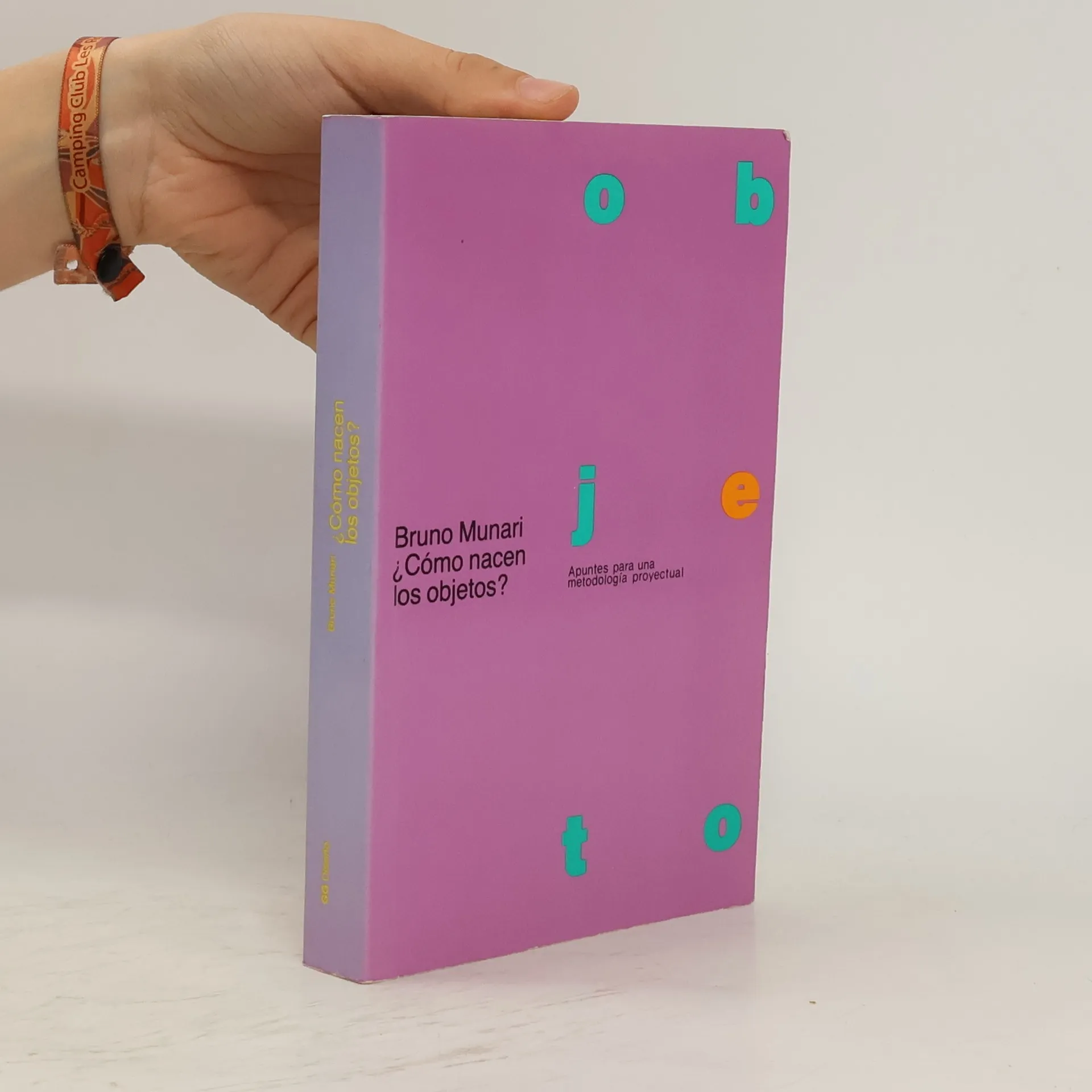
Bruno Munari reflexiona en este libro sobre el diseño como culminación de procesos. El recorrido que efectúa el diseñador desde que se enfrenta con un problema funcional hasta la proyectación y configuración de su solución material, se analiza de una manera sistemática, discutiendo y clarificando cada paso, hasta el punto de que los así enlazados se convierten en el claro camino que conduce hacia la comprensión de lo que es el diseño en su esencia. .
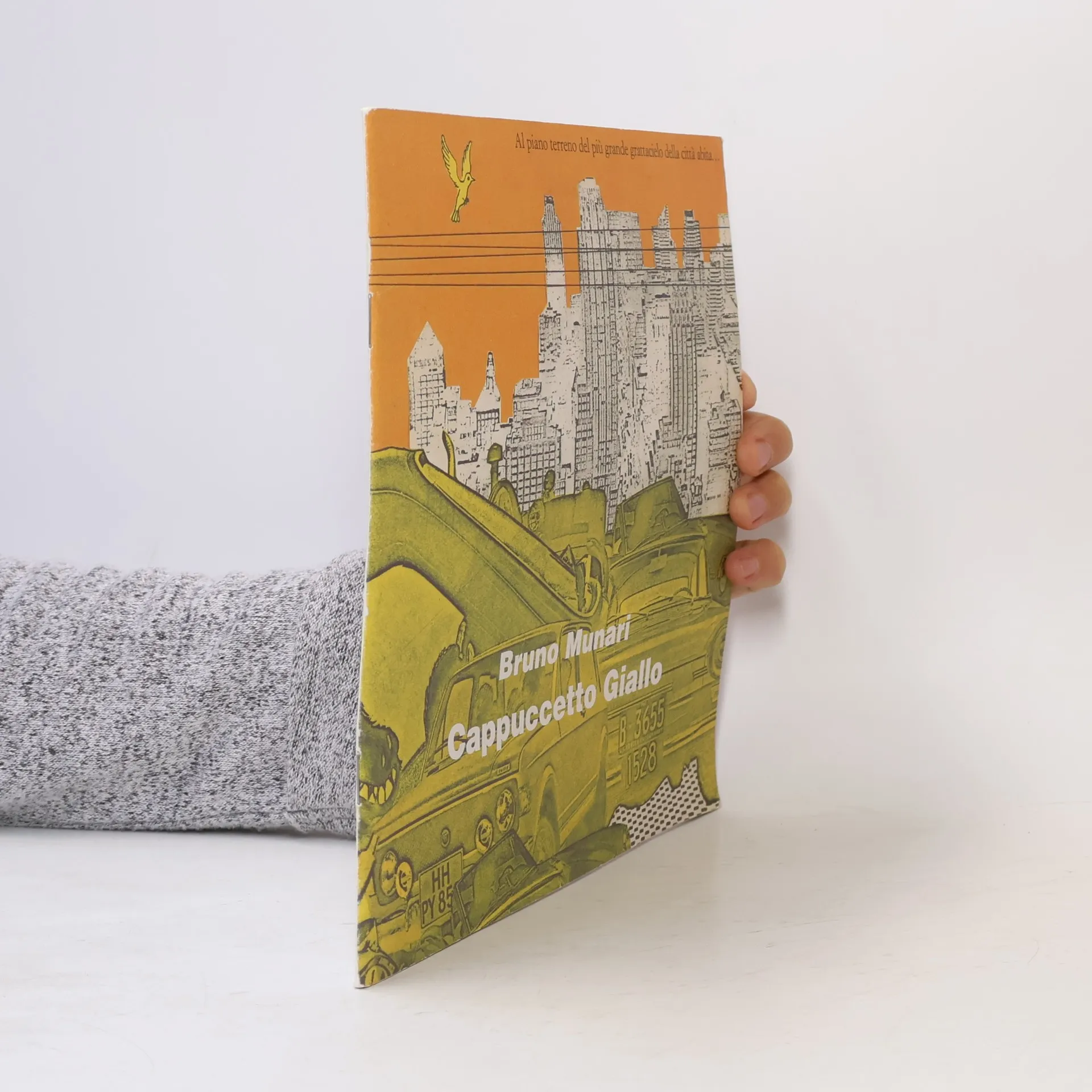
Cappuccetto Rosso sperduta nel bosco, Cappuccetto Verde amica delle rane che hanno fatto fuggire il lupo, Cappuccetto Giallo nei pericoli del traffico cittadino con i suoi amici canarini, Cappuccetto Blu alle prese col pesce lupo. Ma cosa possiamo dire di Cappuccetto Bianco se nessuno l'ha mai potuta vedere in mezzo alla neve, dove (dice lei) affondava quasi tutte le gambe? Avrà incontrato il lupo? E la nonna l'avrà trovata? Mai vista tanta neve.
Erfindung, Kreativität und Imagination in der visuellen Kommunikation
Bruno Munari war ein vielseitiger Gestalter, Designer und Künstler, der auch als Erfinder, Bildhauer, Maler, Fotograf, Architekt, Pädagoge, Filmemacher und Kunstvermittler tätig war. Er gilt als eine zentrale Figur des modernen italienischen Designs, ist jedoch im deutschsprachigen Raum weitgehend unbekannt. In einer deutschen Übersetzung erscheint nun ein zentraler Text Munaris, der seine Überlegungen zu Erfindung, Kreativität und Imagination anhand von Alltags-, Design- und Kunstobjekten veranschaulicht. Munaris Biografie reicht von seiner futuristischen Jugend bis zu ikonischen grafischen Arbeiten für namhafte Firmen. Sein Programm lautete: „Uscite dallo studio!“ – Verlasst Eure Ateliers und gestaltet nicht nur für eine wohlhabende Elite, sondern verschönert die Welt. In seinem Pionieraufsatz wird die Frage behandelt, was die Fantasie, Kreativität und Erfindung antreibt. Munari entwickelt Techniken zur Förderung der Denkflexibilität und zur Stärkung kindlicher Kreativität. Der Text, der zur kreativen Erkundung anregt, wird von Gernot Waldner ins Deutsche übertragen und kommentiert. Ein Anmerkungsapparat von Jeffrey Schnapp erläutert wichtige Bezüge und Hintergründe, wodurch das Werk sowohl für Design- und Kunstinteressierte als auch als Einführung in Munaris Arbeitsweise geeignet ist.
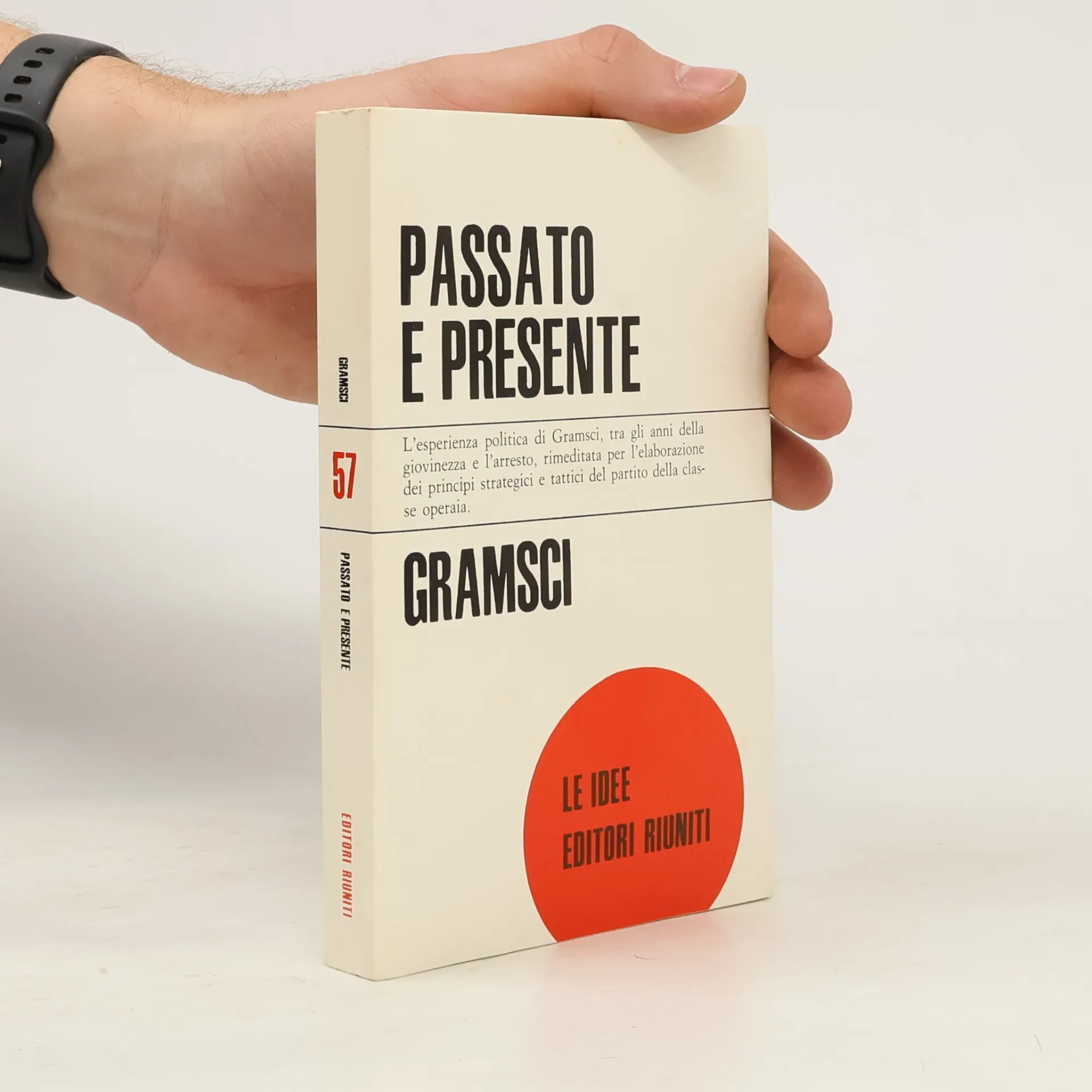
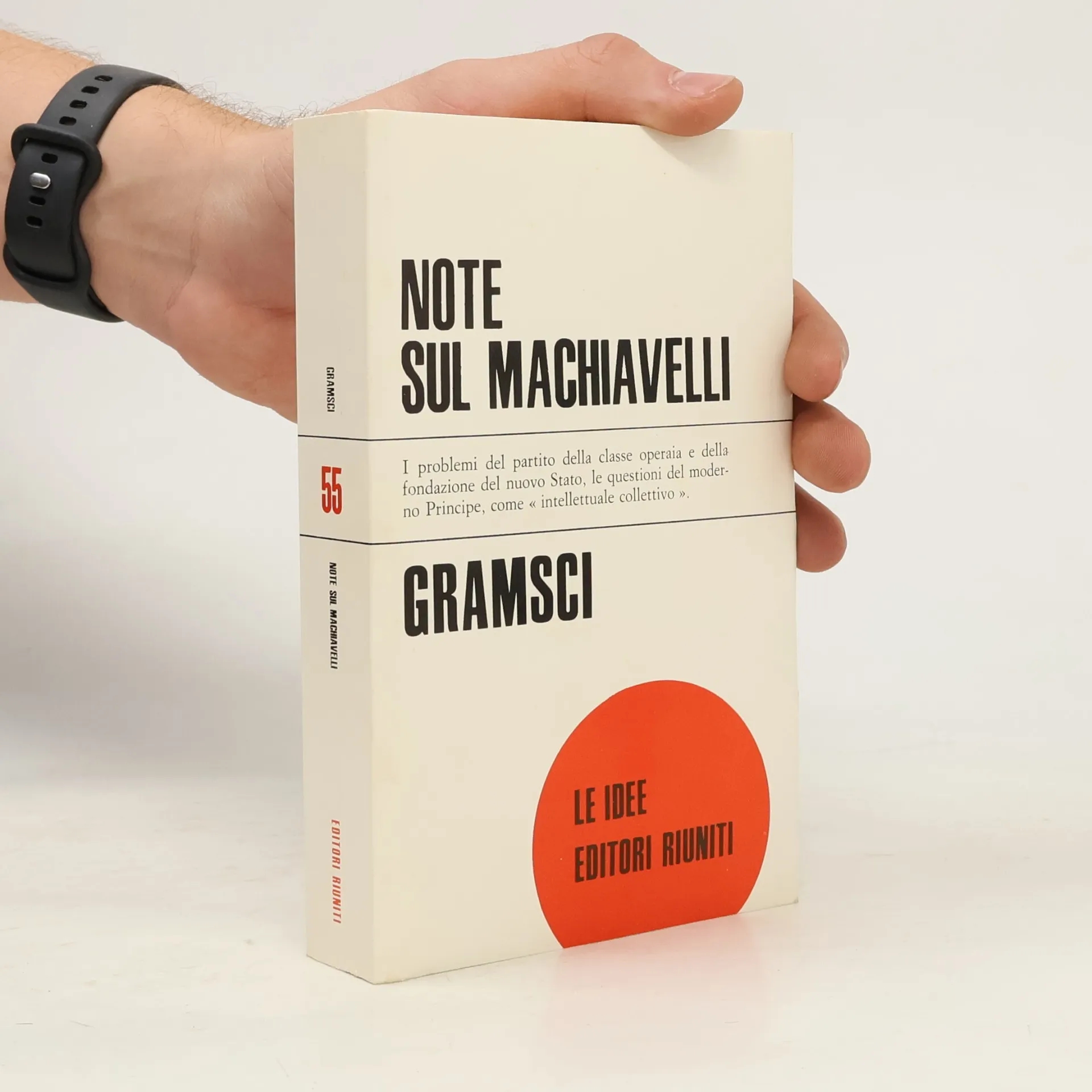
L'esperienza politica di Gramsci, tra gli anni della giovinezza e l'arresto, rimeditata per l'elaborazione dei principi strategici e tattici del partito della classe operaia.
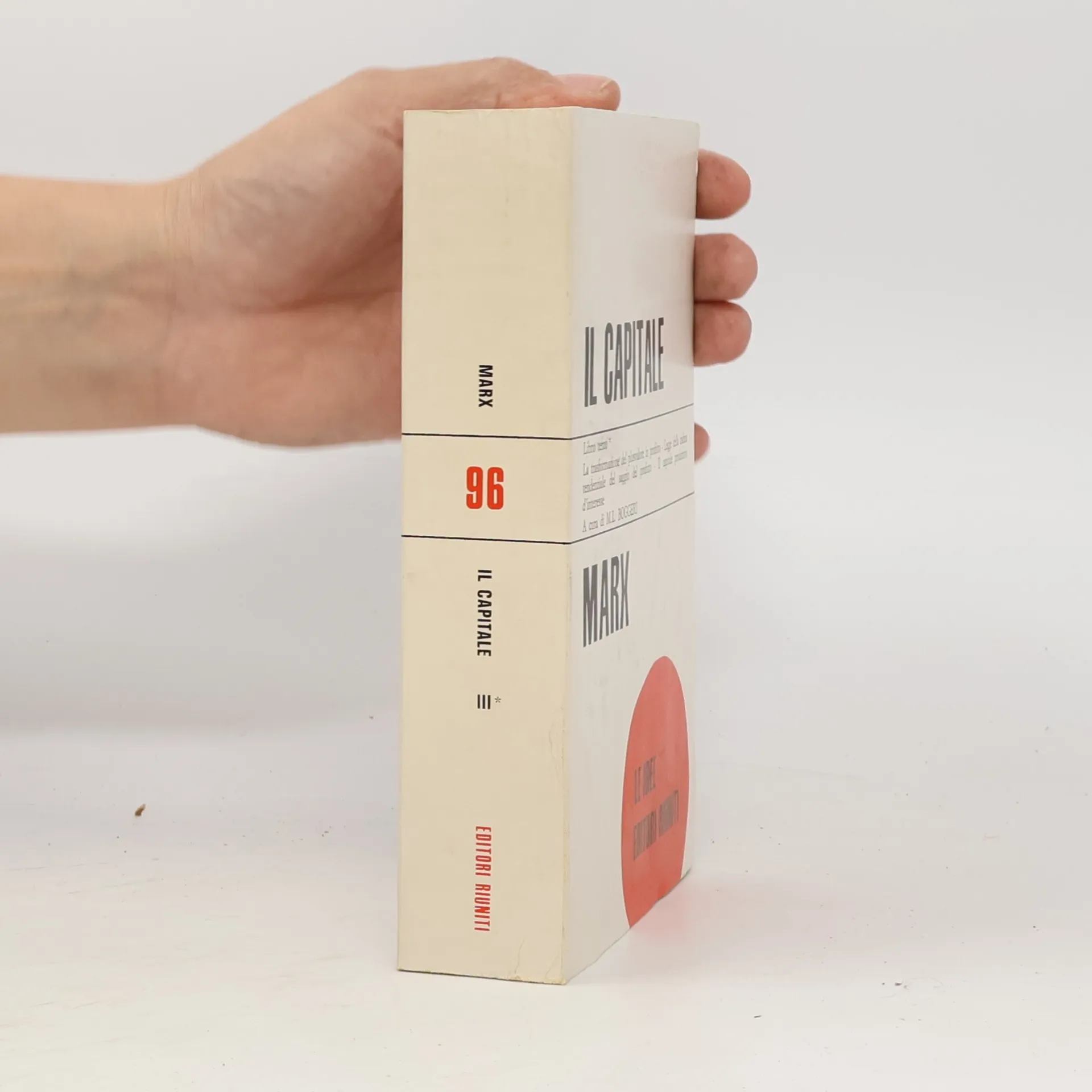
Libro terzo* La trasformazione del plusvalore in profitto - Legge della caduta tendenziale del saggio del profitto - Il capitale produttivo d'interesse
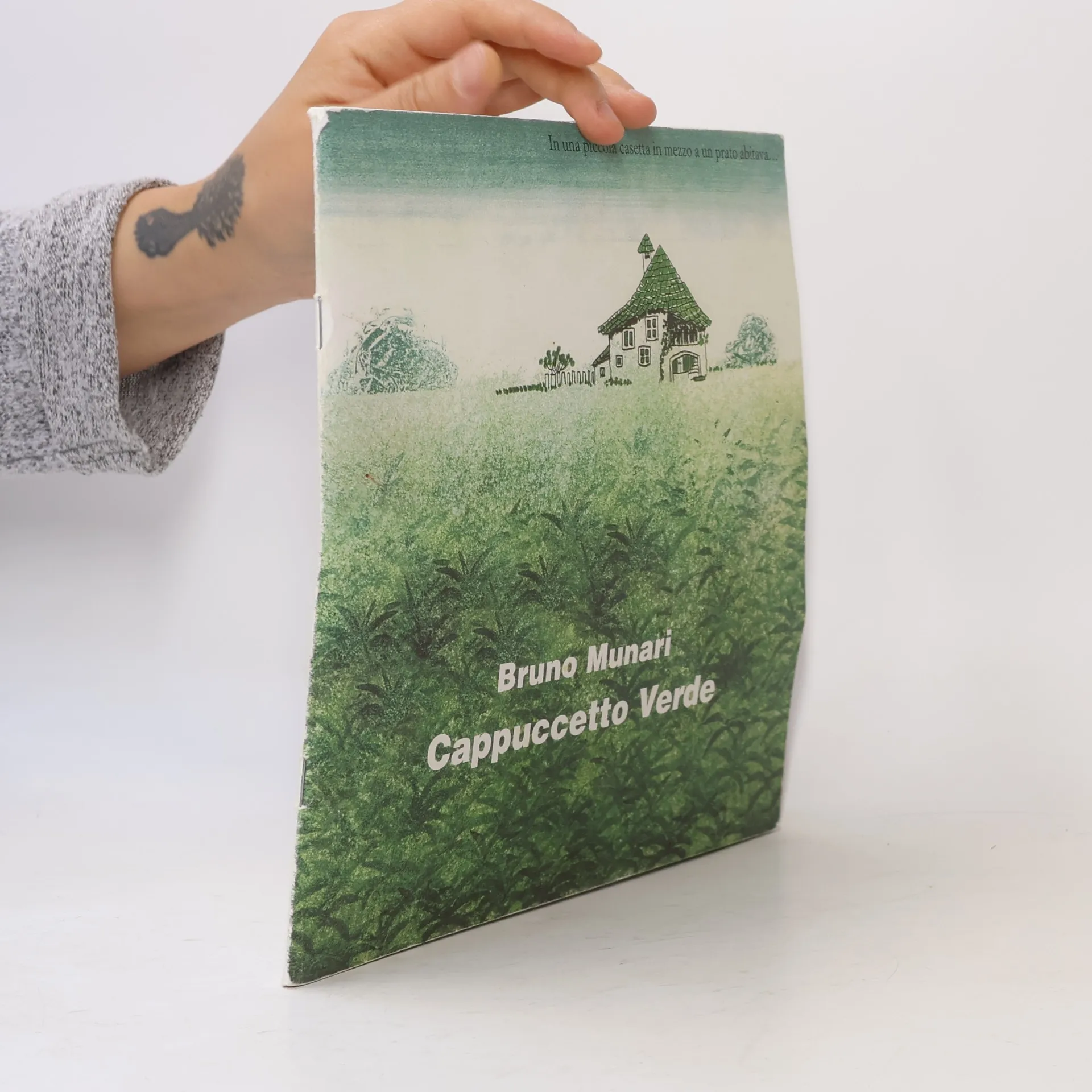
Tutti conoscono Cappuccetto Rosso, ma forse non tutti sanno la storia di Cappuccetto Verde, Cappuccetto Giallo e Cappuccetto Bianco, mandati dalla mamma a portare alla nonna un cestino pieno di cose verdi, gialle, bianche. Il lupo nero li aspetta nel folto del bosco, nel traffico, nella neve... riuscirà a prenderli? Con queste favole, pubblicate per la prima volta nella storica collana Einaudi “Tantibambini”, un colore diventa protagonista nei disegni, nel testo e nei personaggi. Bruno Munari ha giocato con la fiaba tradizionale e ne ha allargato gli orizzonti, creando personaggi e storie nuove.
Tutti conoscono Cappuccetto Rosso, ma forse non tutti sanno la storia di Cappuccetto Verde, Cappuccetto Giallo e Cappuccetto Bianco, mandati dalla mamma a portare alla nonna un cestino pieno di cose verdi, gialle, bianche. Il lupo nero li aspetta nel folto del bosco, nel traffico, nella neve... riuscirà a prenderli?Con queste favole, pubblicate per la prima volta nella storica collana Einaudi “Tantibambini”, un colore diventa protagonista nei disegni, nel testo e nei personaggi. Bruno Munari ha giocato con la fiaba tradizionale e ne ha allargato gli orizzonti, creando personaggi e storie nuove.I Cappuccetti di Munari ritornano ora come libri singoli, secondo il progetto originale.
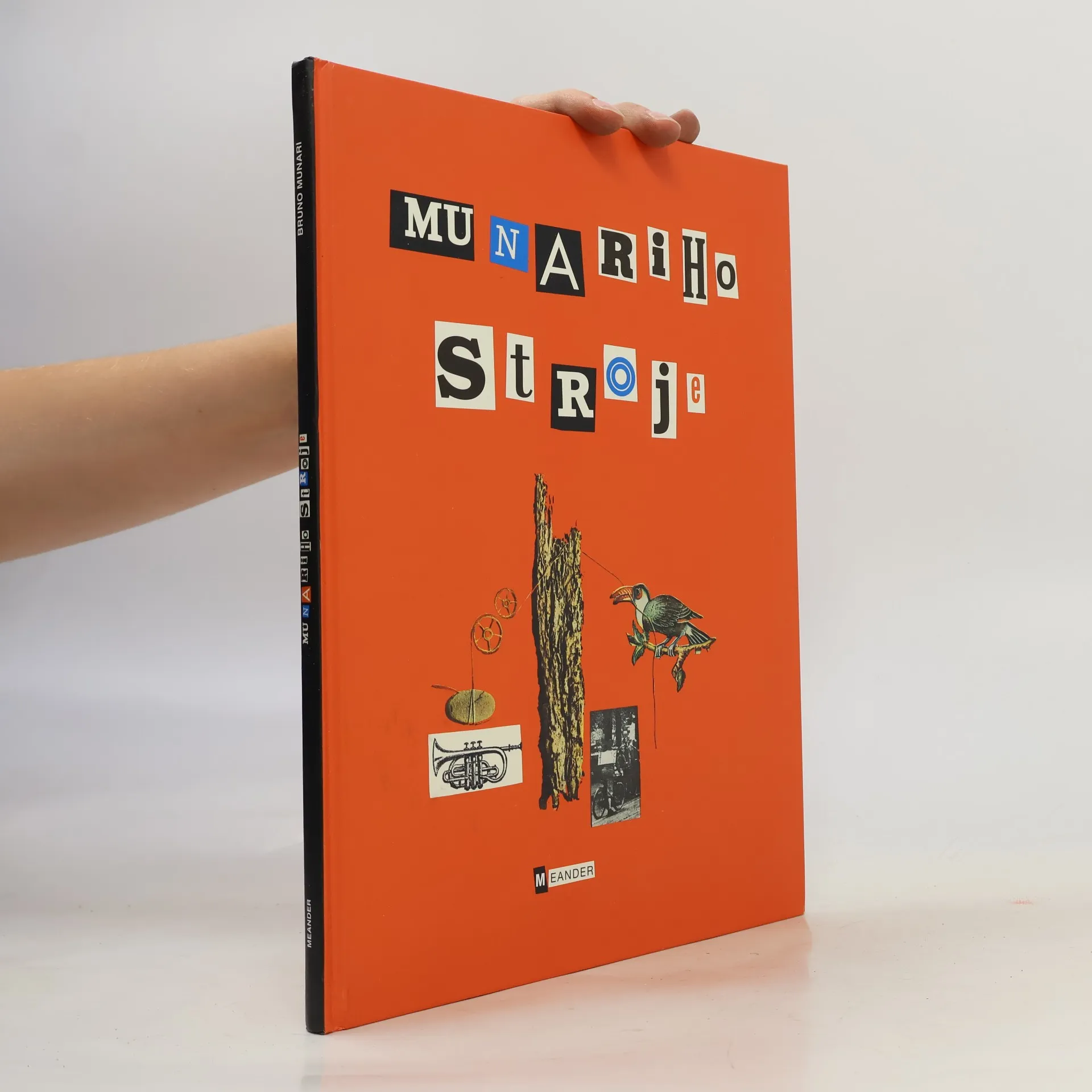
Poznejte neobyčejné Munariho stroje zachycující nepotlačitelnou individualitu živých bytostí od komárů až po květáky. Bruno Munari, bezesporu jedna z nejvýznamnějších a nejoriginálnějších osobností na poli průmyslové grafiky a designu dvacátého století, přichází s popisem strojů užitečných i neužitečných, ale dozajista neobvyklých: od ventilátoru s mávajícími křídly až po ještěří motor pro unavené želvy.