
Explore the latest books of this year!
Bookbot

Frederick Douglass

    February 1, 1817 – February 20, 1895

    Frederick Douglass was a towering figure in the abolitionist movement, whose writings powerfully articulated the brutal realities of slavery and the unyielding pursuit of freedom. His eloquent prose and sharp intellect served as a formidable weapon against injustice. Douglass's literary legacy is one of profound moral clarity and an unwavering commitment to human dignity. Through his speeches and writings, he gave voice to the voiceless and continues to inspire generations with his fight for equality.

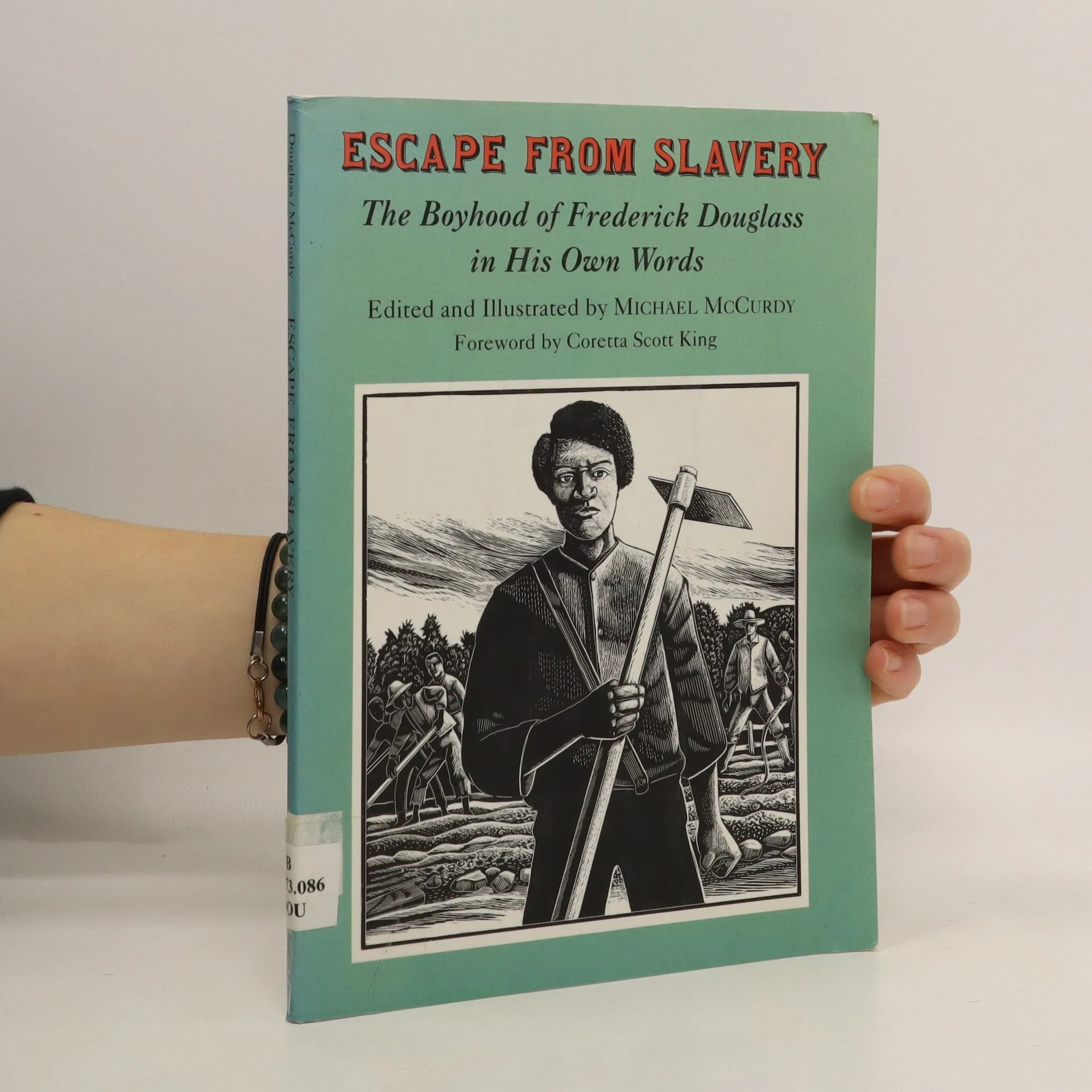
    Escape from Slavery: The Boyhood of Frederick Douglass in His Own Words
    Signet Classics: The Classic Slave Narratives
    Life and Times of Frederick Douglass
    Narrative of the Life of Frederick Douglass: with Selected Speeches
    Frederick Douglass: Speeches & Writings (loa #358)
    What to the Slave is the Fourth of July?
    • (...)"This, for the purpose of this celebration, is the 4th of July. It is the birthday of your National Independence, and of your political freedom. This, to you, is what the Passover was to the emancipated people of God. It carries your minds back to the day, and to the act of your great deliverance; and to the signs, and to the wonders, associated with that act, and that day. This celebration also marks the beginning of another year of your national life; and reminds you that the Republic of America is now 76 years old. I am glad, (...)".
      What to the Slave is the Fourth of July?
      4.7
    • Edited by Pulitzer Prize–winning biographer David W. Blight, this Library of America edition offers the largest single-volume collection of Frederick Douglass’s writings, featuring thirty-four speeches and sixty-seven journalistic pieces. These works vividly illustrate Douglass’s evolving views on slavery, the U.S. Constitution, and his eventual split with William Lloyd Garrison and other abolitionists regarding disunion. The collection also delves into his complex relationship with Abraham Lincoln and his commitment to women's suffrage. Notable pieces include “What to the Slave Is the Fourth of July?,” which critiques the hypocrisy of a slaveholding nation; “The Claims of the Negro Ethnologically Considered,” a rebuttal to racial pseudoscience; and “Is it Right and Wise to Kill a Kidnapper?,” advocating for resistance against the Fugitive Slave Act. Douglass also argues for the enlistment of Black troops in “How to End the War” and confronts the “Lost Cause” narrative in “There Was a Right Side in the Late War.” Additionally, “Lessons of the Hour” passionately denounces lynching and disenfranchisement in the Jim Crow South. The volume includes Douglass’s only fictional work, the novella “The Heroic Slave,” and features editorial notes, a revised chronology of his life, and an index.

      Frederick Douglass: Speeches & Writings (loa #358)
      4.7
    • Frederick Douglass's autobiography highlights his remarkable journey from slavery to becoming a prominent abolitionist. This hardcover edition features exquisite design elements, making it a meaningful keepsake or gift. It serves as a testament to Douglass's influential role in history and is printed in the USA, reflecting a commitment to quality.

      Narrative of the Life of Frederick Douglass: with Selected Speeches
      5.0
    • "First published in 1892, Life and Times of Frederick Douglass Written By Himself is the final autobiography written by Frederick Douglass (1818-1895), a man who was born into slavery in Talbot County, Maryland. Securing his self-liberation at twenty years of age in 1838, he went on to become the most renowned antislavery activist, social justice campaigner, author, orator, philosopher, essayist, historian, intellectual, statesman, and liberator in U.S. history. A powerful literary work, Douglass' final autobiography shares the stories of his 'several lives in one.' This new edition examines Douglass' memorialization of his own and his mother's first-hand experiences of enslavement and of their 'mental' liberation through a 'love of letters;' his representation of Civil War Black combat heroism; his conviction that 'education means emancipation;' and finally, his 'unending battle' with white publishers for the freedom to 'tell my story.' This volume reproduces Frederick Douglass' emotionally powerful and politically hard-hitting anti-lynching speech, Lessons of the Hour, published in 1894. This edition includes explanatory notes, a revised introduction, and expanded bibliography"--

      Life and Times of Frederick Douglass
      4.8
    • Signet Classics: The Classic Slave Narratives

      The Life of Olaudah Equiano, The History of Mary Prince, Narrative of the Life of Frederick Douglass, Incidents in the Life of a Slave Girl

      • 688 pages
      • 25 hours of reading

      No group of slaves anywhere, in any era, has left such prolific testimony to the horror of bondage as African-American slaves. Here are four of the most notable narratives: The Life of Olaudah Equiano; The History of Mary Prince; Narrative of the Life of Frederick Douglass; and Incidents in the Life of Slave Girl.

      Signet Classics: The Classic Slave Narratives
      4.4
    • Illus. in black-and-white. Opening note by Coretta Scott King. For the first time, the most important account ever written of a childhood in slavery is accessible to young readers. From his days as a young boy on a plantation to his first months as a freeman in Massachusetts, here are Douglass's own firsthand experiences vividly recounted--expertly excerpted and powerfully illustrated.

      Escape from Slavery: The Boyhood of Frederick Douglass in His Own Words
      4.3
    • This Modern Library Paperback Classics edition combines the two most important African American slave narratives into one volume. Frederick Douglass's Narrative, first published in 1845, is an enlightening and incendiary text. Born into slavery, Douglass became the preeminent spokesman for his people during his life; his narrative is an unparalleled account of the dehumanizing effects of slavery and Douglass's own triumph over it. Like Douglass, Harriet Jacobs was born into slavery, and in 1861 she published Incidents in the Life of a Slave Girl, now recognized as the most comprehensive antebellum slave narrative written by a woman. Jacobs's account broke the silence on the exploitation of African American female slaves, and it remains crucial reading. These narratives illuminate and inform each other. This edition includes an incisive Introduction by Kwame Anthony Appiah and extensive annotations.

      Narrative of the Life of Frederick Douglass, an American Slave & Incidents in the Life of a Slave Girl
      4.1
    • Frederick Douglass, a pivotal figure in the abolitionist movement, utilized his powerful writing and oratory to advocate against slavery, drawing from his own experiences. This edition features his key works, including the complete Narrative of the Life of Frederick Douglass, an American Slave, and The Heroic Slave, along with excerpts from his autobiographies and significant speeches. Enhanced with annotations and contextual materials, it serves as an accessible introduction to Douglass's influential life and contributions, ideal for undergraduate courses in history and literature.

      Frederick Douglass: Selected Writings and Speeches
      3.0