

This wartime biography of the Chester W. Nimitz, Commander-in-Chief of U.S. forces in the Pacific Ocean Area during World War II, gives a bird's eye view of the war from inside the theater headquarters of the man most responsible for eventual victory against Japan. číst celé
Craig Symonds Books
December 19, 1946
Craig Lee Symonds is a retired professor and former chairman of the history department at the United States Naval Academy. His expertise lies in naval history and strategic studies. Through his writing, he explores pivotal moments and figures that shaped maritime forces and their impact on global history. His works offer profound insights into strategic thinking and decision-making across different eras.

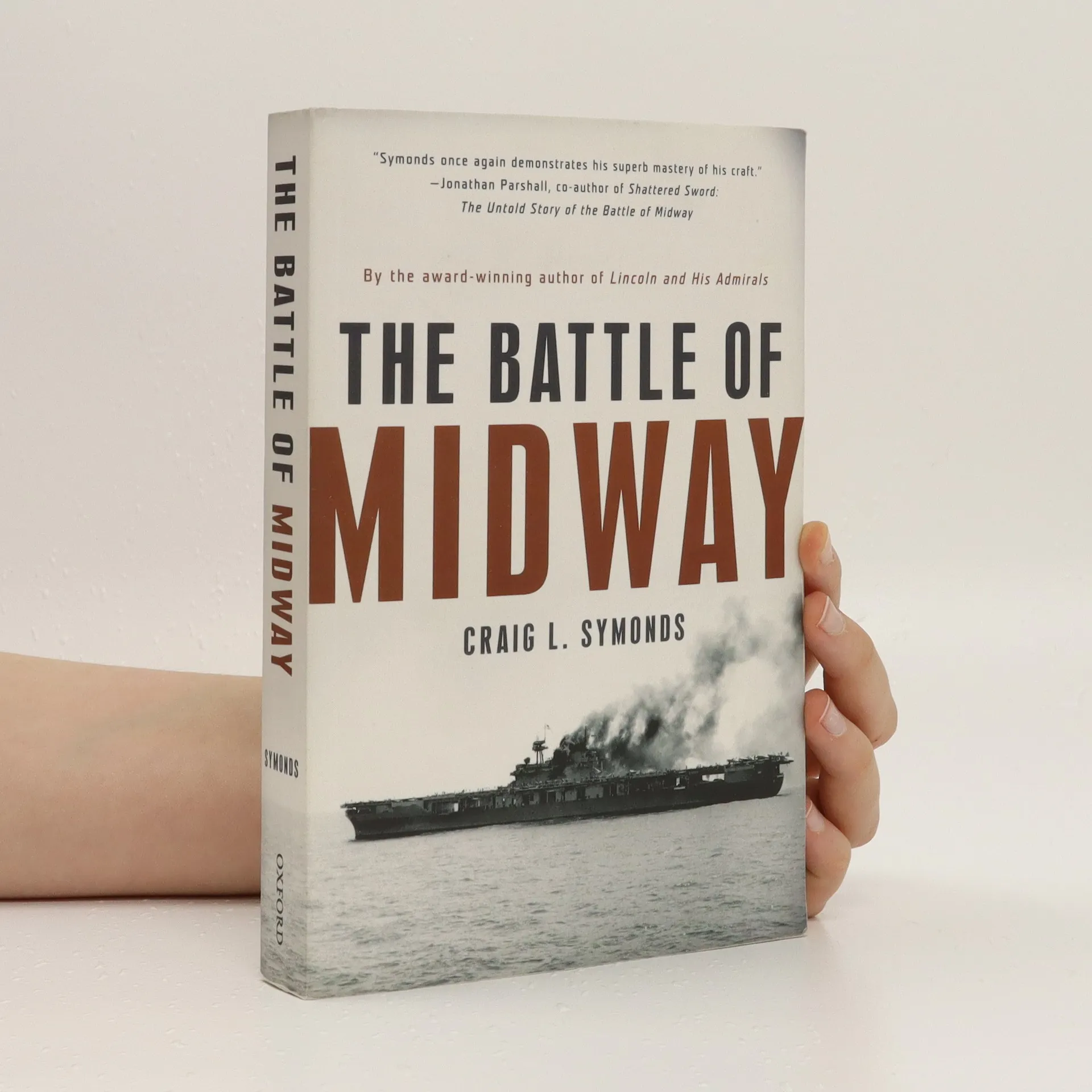
The Battle of Midway
- 464 pages
- 17 hours of reading
The Battle of Midway in the central Pacific, on the morning of June 4, 1942, marked a dramatic turning point in the Second World War, when Allied forces seized the upper hand from the Axis powers. Lincoln Prize winner Craig Symonds' riveting, global account of the Battle is now in paperback.
This text offers a critical biography of Patrick Cleburne. It explores the sources of Cleburne's commitment to the Southern cause, his growth as a combat leader from Shiloh to Chickamauga and his emergence as one of the Confederacy's most effective field commanders.
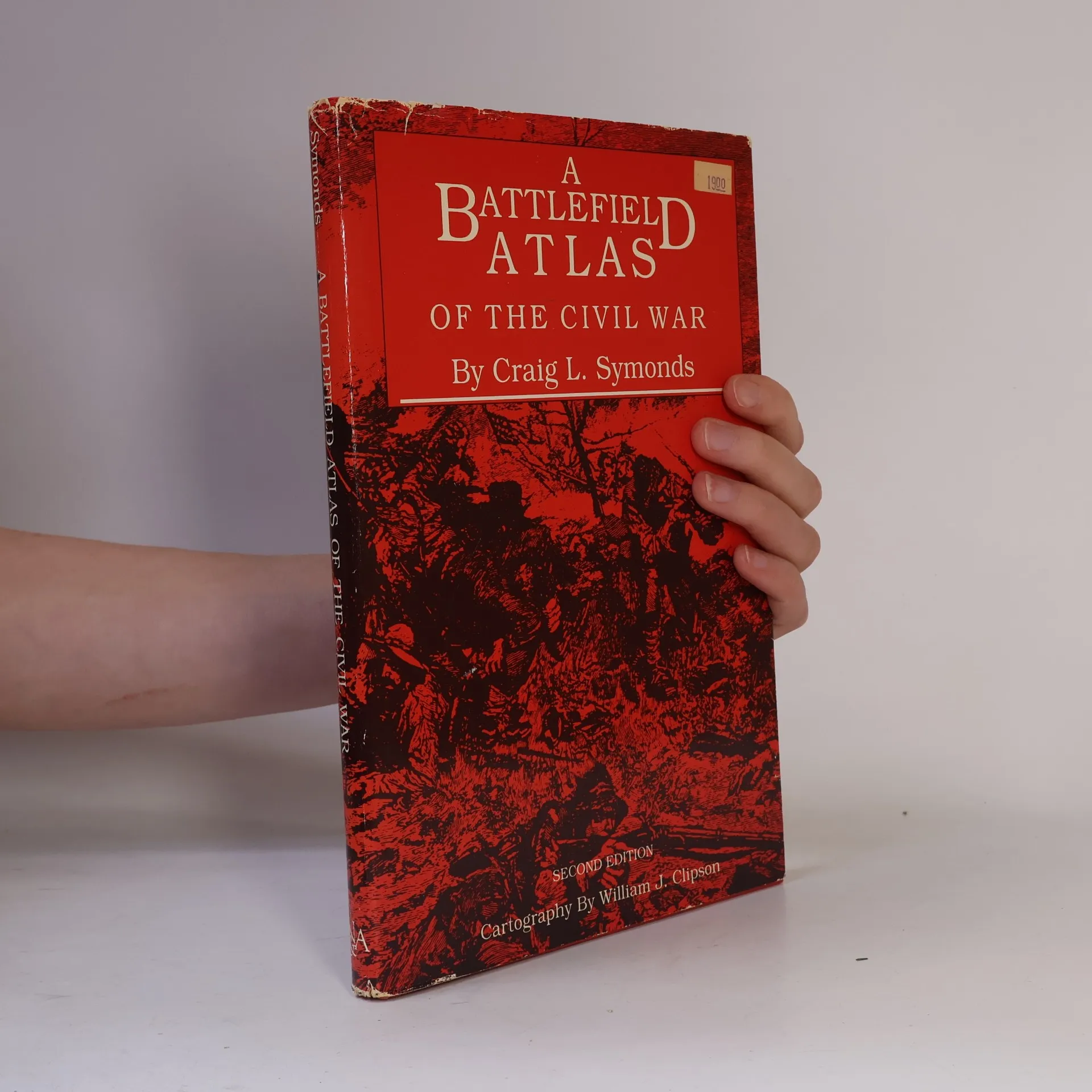
A Battlefield Atlas of the Civil War - Second Edition
- 110 pages
- 4 hours of reading
From Fort Sumter to Appomattox, this atlas provides a clear overview of the Civil War, featuring 43 two-color, full-page maps that highlight critical military positions and the war's evolving nature. Each map is accompanied by descriptions that allow readers to relive the battles and grasp the drama experienced by the troops in this total war. The author explores the personalities of the commanders on both sides and explains the reasoning behind their battlefield decisions. Each narrative outlines the strength of each side, the losses incurred, and the strategic consequences of the battles. The maps are organized into four chapters: the *Amateur War*, showcasing civilian volunteer armies at Bull Run and Shiloh; the *Organized War*, highlighting figures like George B. McClellan and Robert E. Lee; the *Confederate High Tide* of 1863, where Southern hopes peaked before collapsing after Gettysburg and Vicksburg; and the era of *Total War*, marking the transformation of the conflict under Grant and Sherman. Each section begins with a brief introductory essay and includes contemporary photographs and drawings, providing a vivid portrayal of America's greatest military conflict.