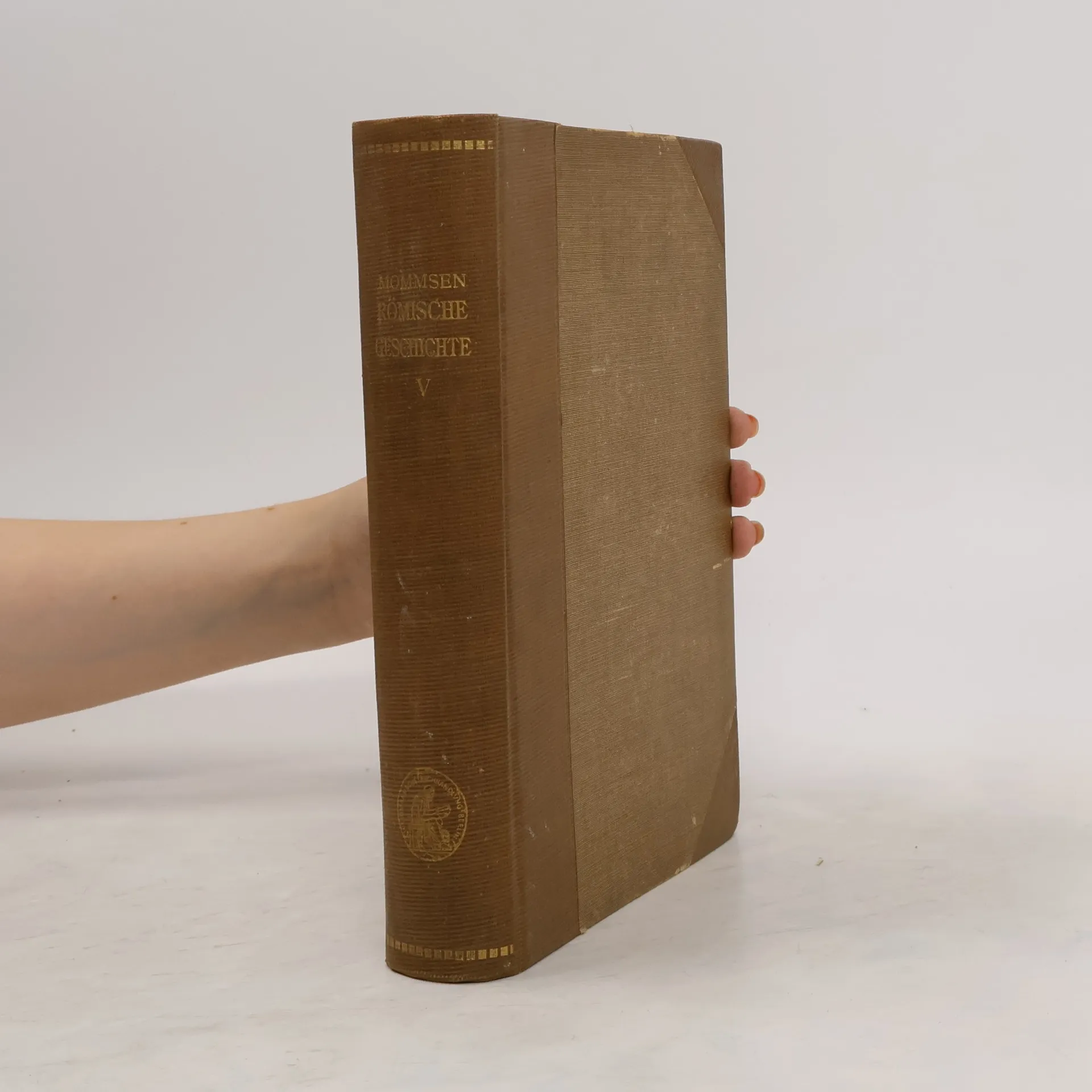
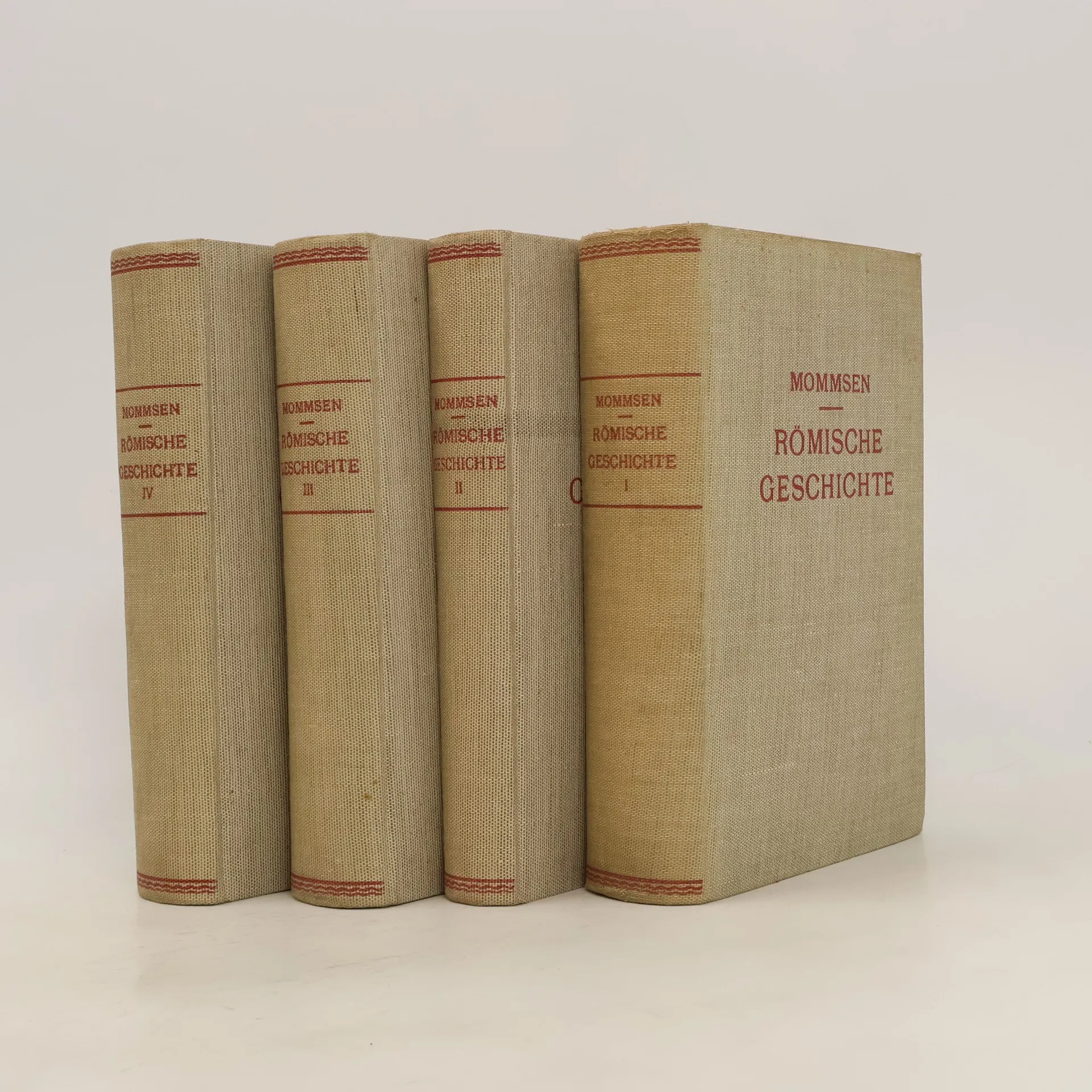
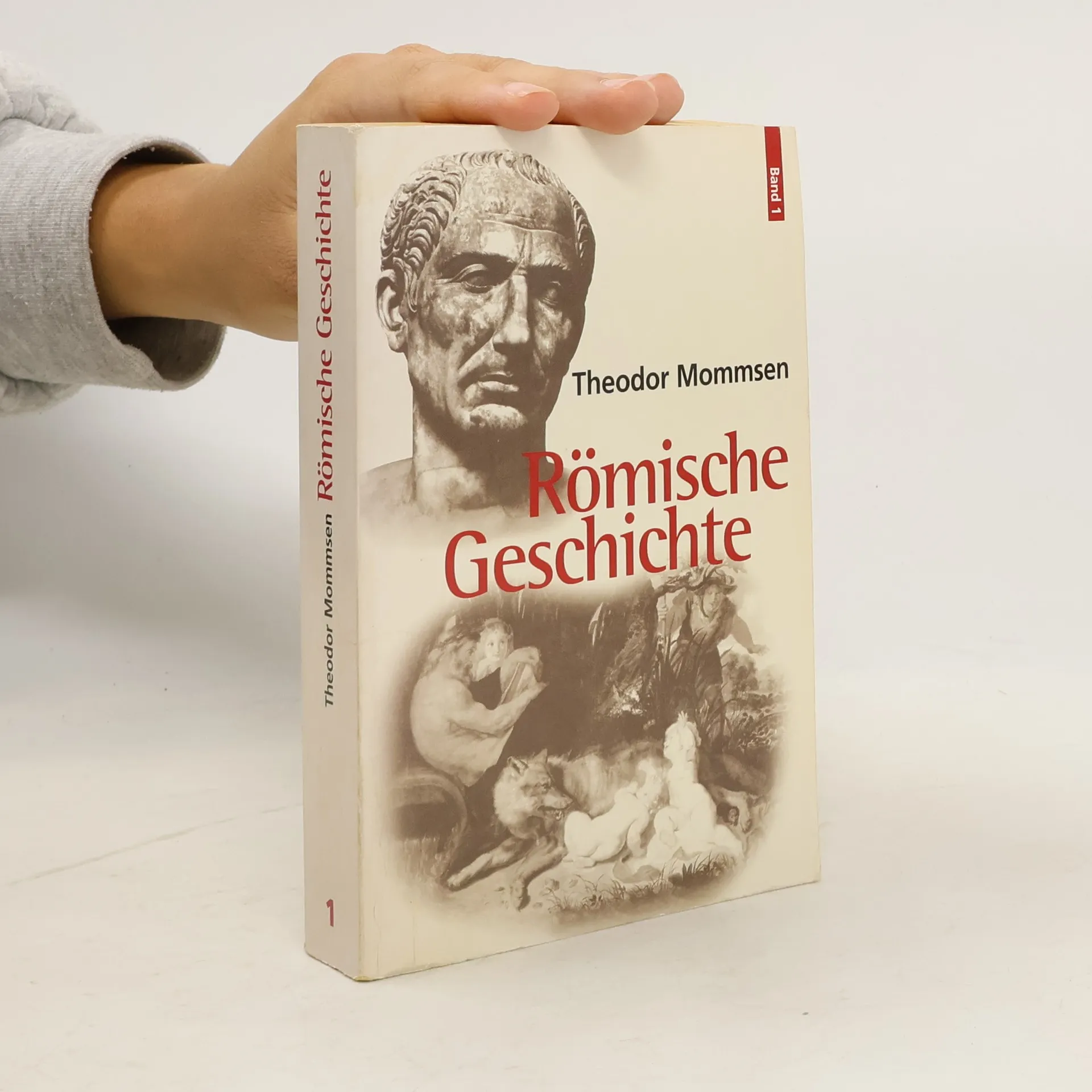
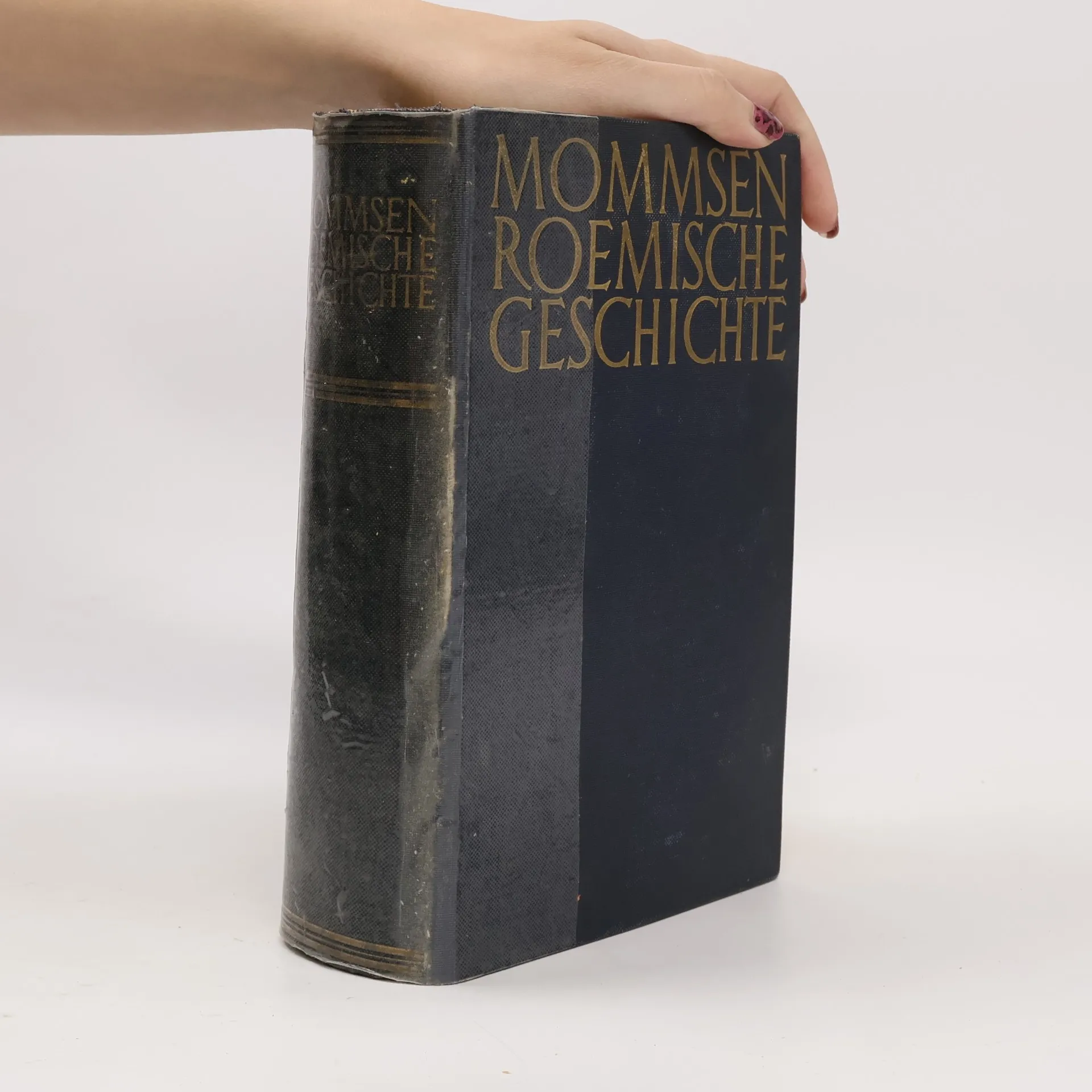
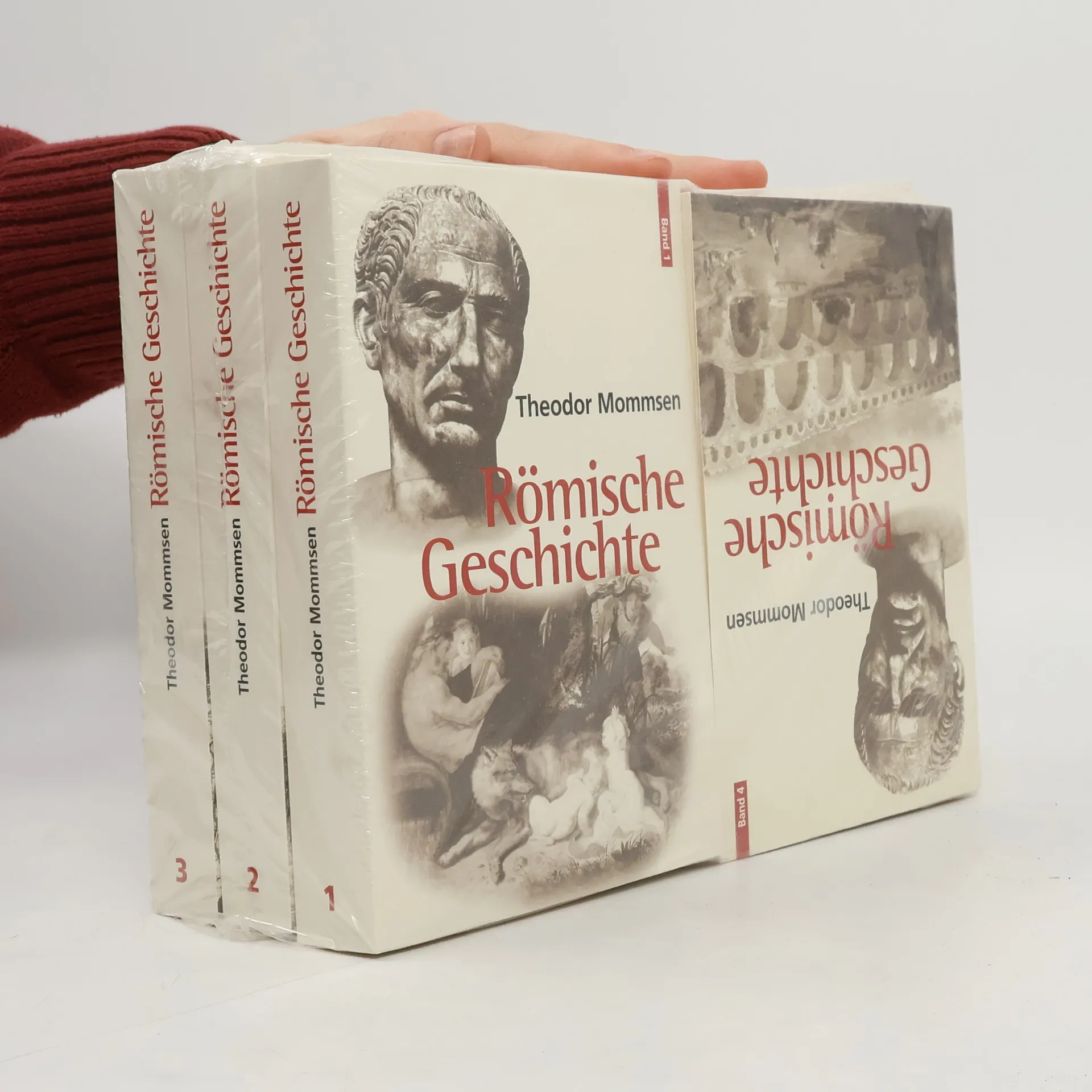
The History of Rome; Volume IV
- 332 pages
- 12 hours of reading
"The History of Rome - Book IV" from Theodor Mommsen. German classical scholar, historian, jurist, journalist, politician, archaeologist and writer (1817-1903).


Recognized as the greatest living master of historical writing, this author's monumental works delve deeply into the past. His approach to history is not merely chronicling events, but rather bringing bygone eras to life with scholarly precision and narrative flair. Readers are captivated by his ability to illuminate the forces that shaped civilizations, offering profound insights. His distinctive style blends rigorous research with an engaging prose that makes history both accessible and compelling.


"The History of Rome - Book IV" from Theodor Mommsen. German classical scholar, historian, jurist, journalist, politician, archaeologist and writer (1817-1903).
Selected for its cultural significance, this work preserves the integrity of the original artifact, including copyright references and library stamps. It serves as a vital piece of civilization's knowledge base, reflecting the historical context and scholarly importance of the material. The reproduction aims to maintain authenticity, providing readers with a glimpse into the past as it was originally documented.
Culturally significant, this reproduction preserves the essence of the original artifact, complete with copyright references and library stamps. It reflects the historical importance of the text, showcasing its role in the knowledge base of civilization. Scholars have recognized its value, ensuring that readers can engage with an authentic representation of the work as it was originally intended.
Focuses on the political and military history of the Roman Empire
This historical work offers a comprehensive account of Rome's development and influence from its founding to the fall of the Western Empire. The reprint maintains the integrity of the original 1867 edition, providing readers with insights into the political, social, and cultural aspects of Roman history. It serves as a valuable resource for those interested in understanding the complexities of one of history's greatest civilizations.
The book, originally published in 1867, offers a reprint of a classic work that captures the essence of its time. It presents themes and narratives reflective of its historical context, engaging readers with its authentic voice and perspective. This edition allows modern audiences to explore the insights and cultural nuances of the era, making it a valuable addition to any literary collection.
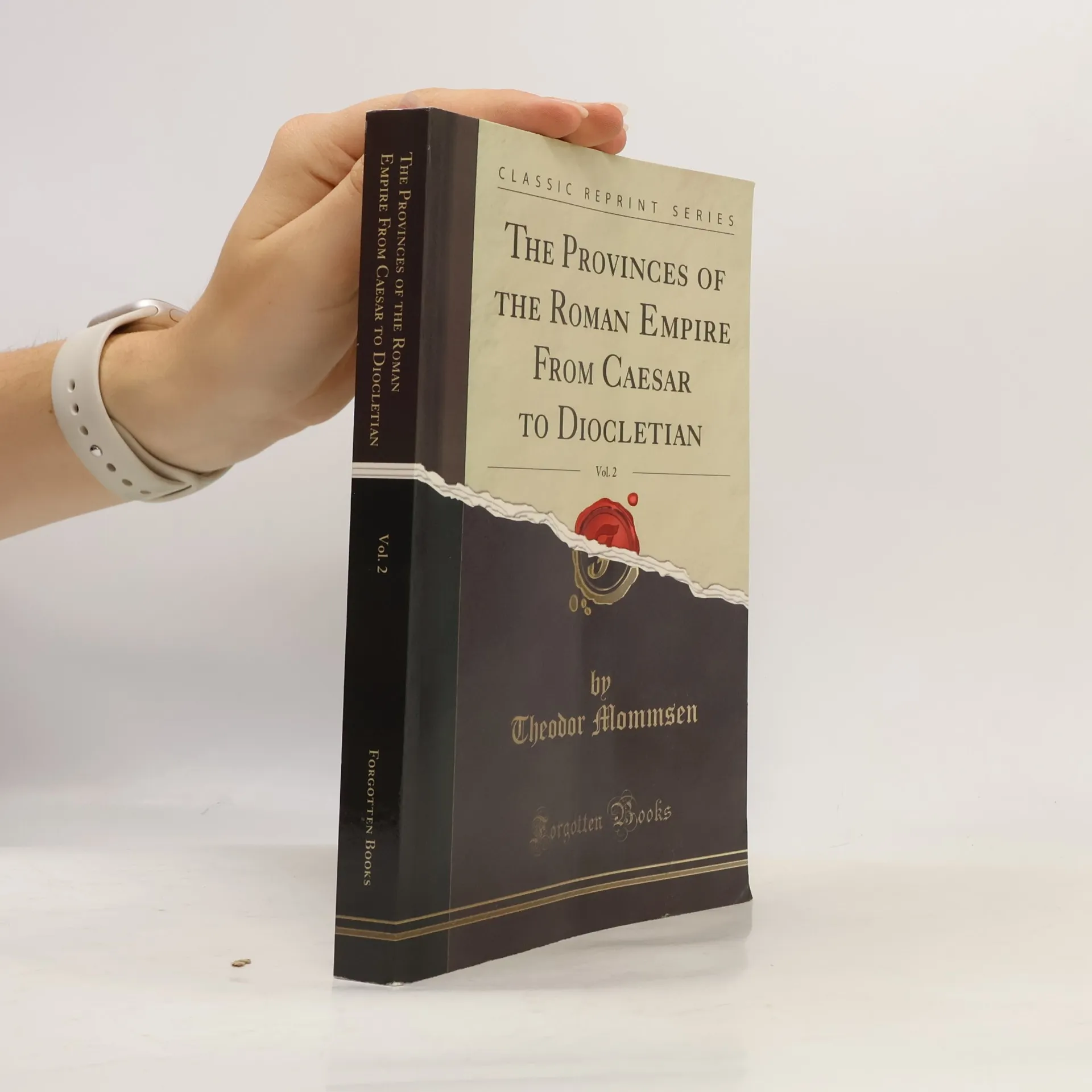
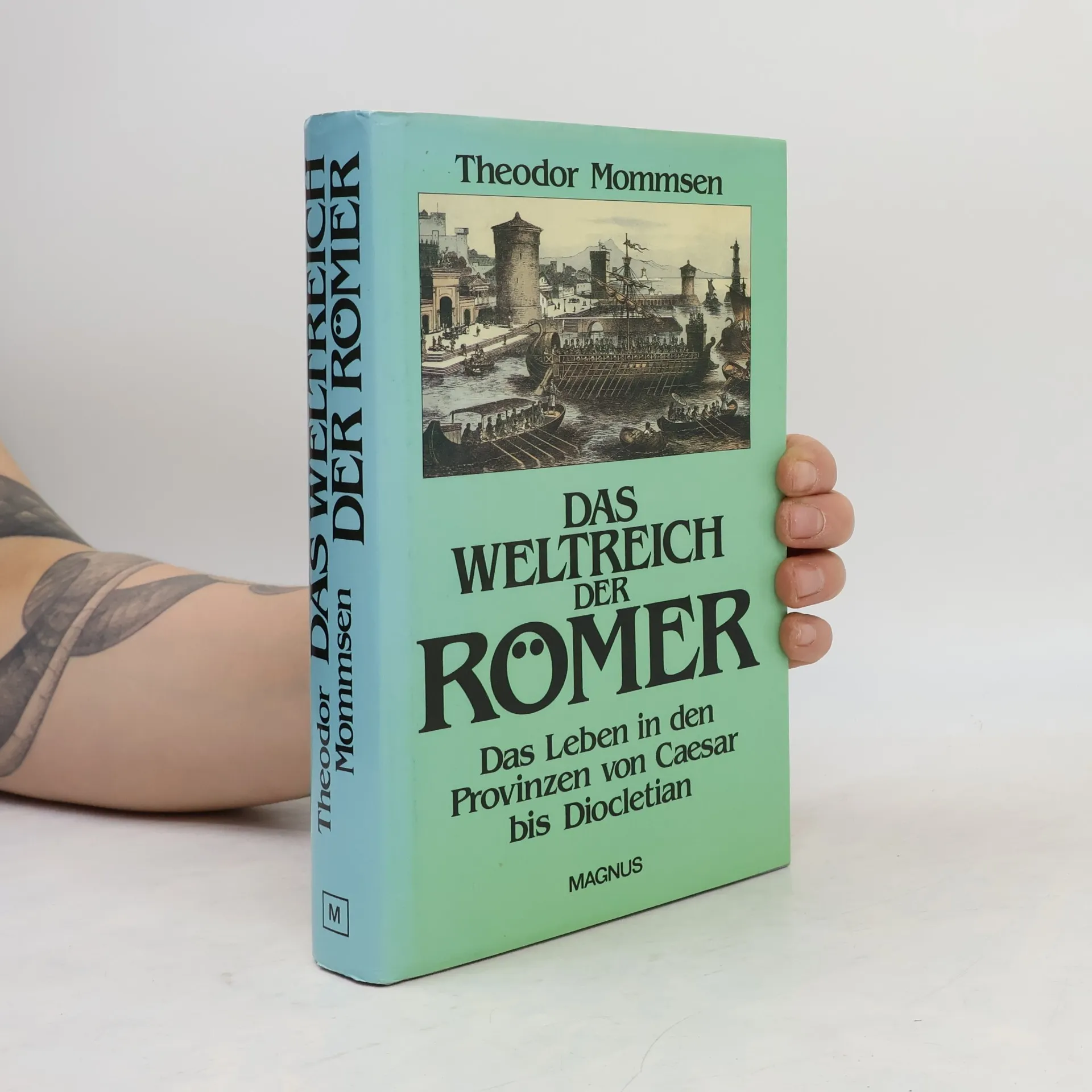
This historical work provides an in-depth exploration of the Roman Empire's provinces from the time of Caesar to Diocletian. It delves into the administrative, cultural, and economic aspects of the provinces, offering insights into how they functioned within the larger empire. The book maintains the integrity of the original 1886 edition, ensuring that readers receive an authentic perspective on the complexities of Roman provincial life and governance.
This antiquarian book is a facsimile reprint of an original work, preserving its historical significance. While it may feature imperfections like marks and notations due to its age, the reprint aims to promote and protect cultural literature. The edition is crafted to be affordable and high-quality, ensuring that readers can access a faithful representation of the original text.
The book focuses on the scarcity and rising costs of early literature from the 1900s and earlier. It emphasizes the effort to republish these classic works in accessible, high-quality editions that preserve the original text and artwork, making them available to a wider audience.
This reprint preserves the original work from 1862, offering readers a chance to explore its historical context and themes. It reflects the period's literary style and societal issues, providing insight into the era's culture and thought. The book serves as a valuable resource for those interested in classic literature and the evolution of storytelling.
This reprint preserves the essence of a classic work first published in 1867, offering readers a glimpse into the themes and narrative style of that era. The book captures the historical context and societal norms of its time, making it a valuable addition to any literary collection. Readers can expect to engage with the original language and ideas that shaped its contemporary landscape, providing both a nostalgic and educational experience.
The book is a facsimile reprint of an original antiquarian work, which may exhibit imperfections typical of its age, such as marks and notations. It is made available to honor its cultural significance, reflecting a commitment to preserving and promoting literature through affordable, high-quality modern editions that remain true to the original text.
Exploring the administrative and geographical divisions of the Roman Empire, this volume delves into the provinces' roles in governance and culture. Theodor Mommsen meticulously examines the historical evolution of these regions, highlighting their significance in the broader context of Roman history. The work combines detailed analysis with rich historical narratives, providing insights into the complexities of provincial life and the Empire's expansive reach. This reproduction maintains the integrity of the original text, ensuring readers access to Mommsen's scholarly contributions.
The Parthian empire served as a genuine counterpart to Rome, with both exhibiting unique governance structures. In Parthia, the Oriental vice royals are rare, mirroring the scarcity of Greek cities in Rome. The overarching Oriental aristocracy of the Parthian regime remains largely unaffected by the Greek mercantile towns along its western coast, just as the Roman civic organization is not diminished by the vassal kingdoms of Cappadocia and Armenia. Under the Caesars, the romano-Greek urban commonwealth expands, becoming the primary administrative form, characterized by the establishment of towns—an essential aspect of helleno-Roman civilization. This includes not only Greek mercantile cities and military colonies but also the grand settlements established by Alexander and his successors. However, this trend abruptly halts with the rise of the Parthian government in the East, leading to a decline in the existing Greek cities within the Parthian realm. In both empires, the prevailing rule increasingly overshadows the exceptions. Forgotten Books aims to preserve important historical works, utilizing advanced technology to digitally reconstruct texts while maintaining their original format and addressing imperfections.
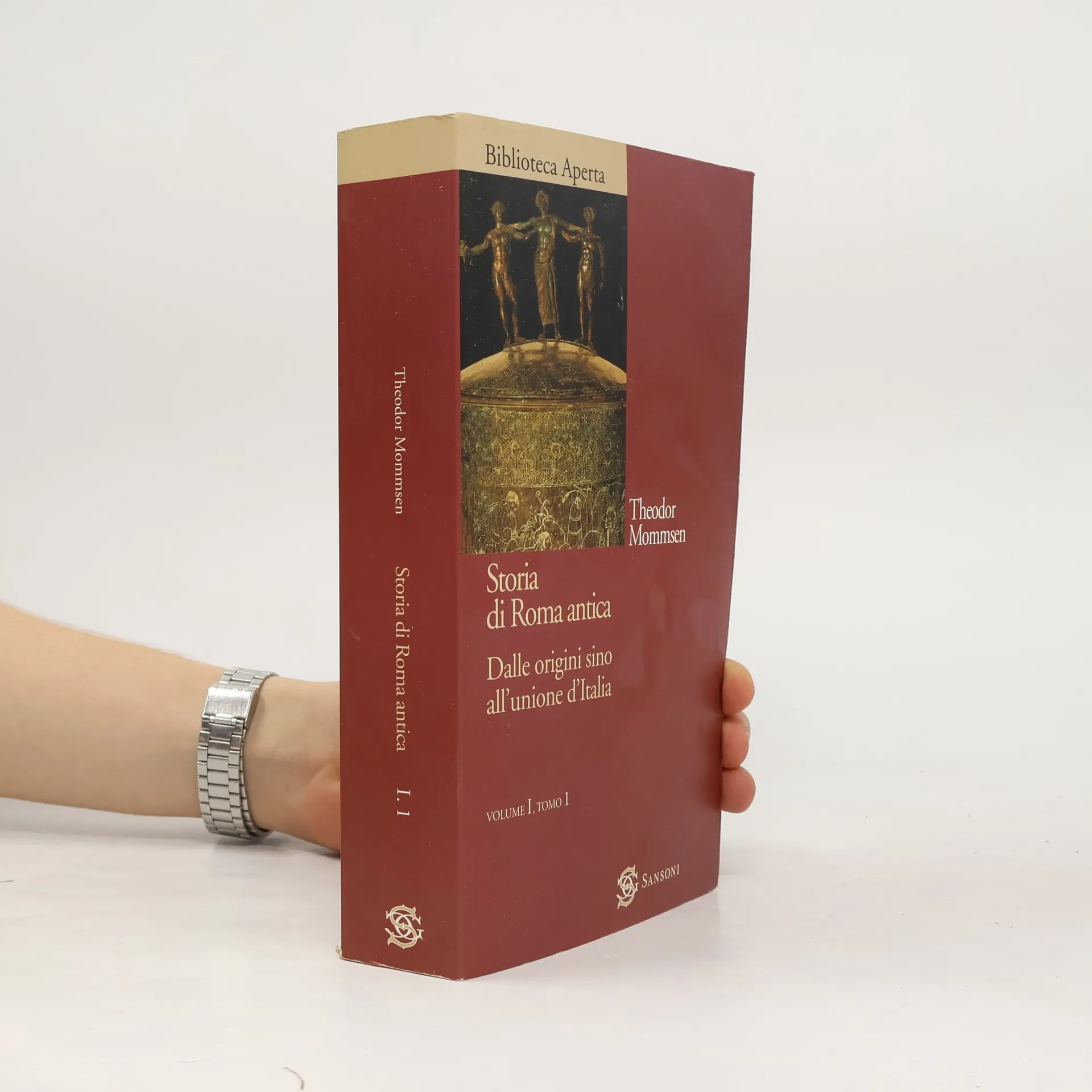
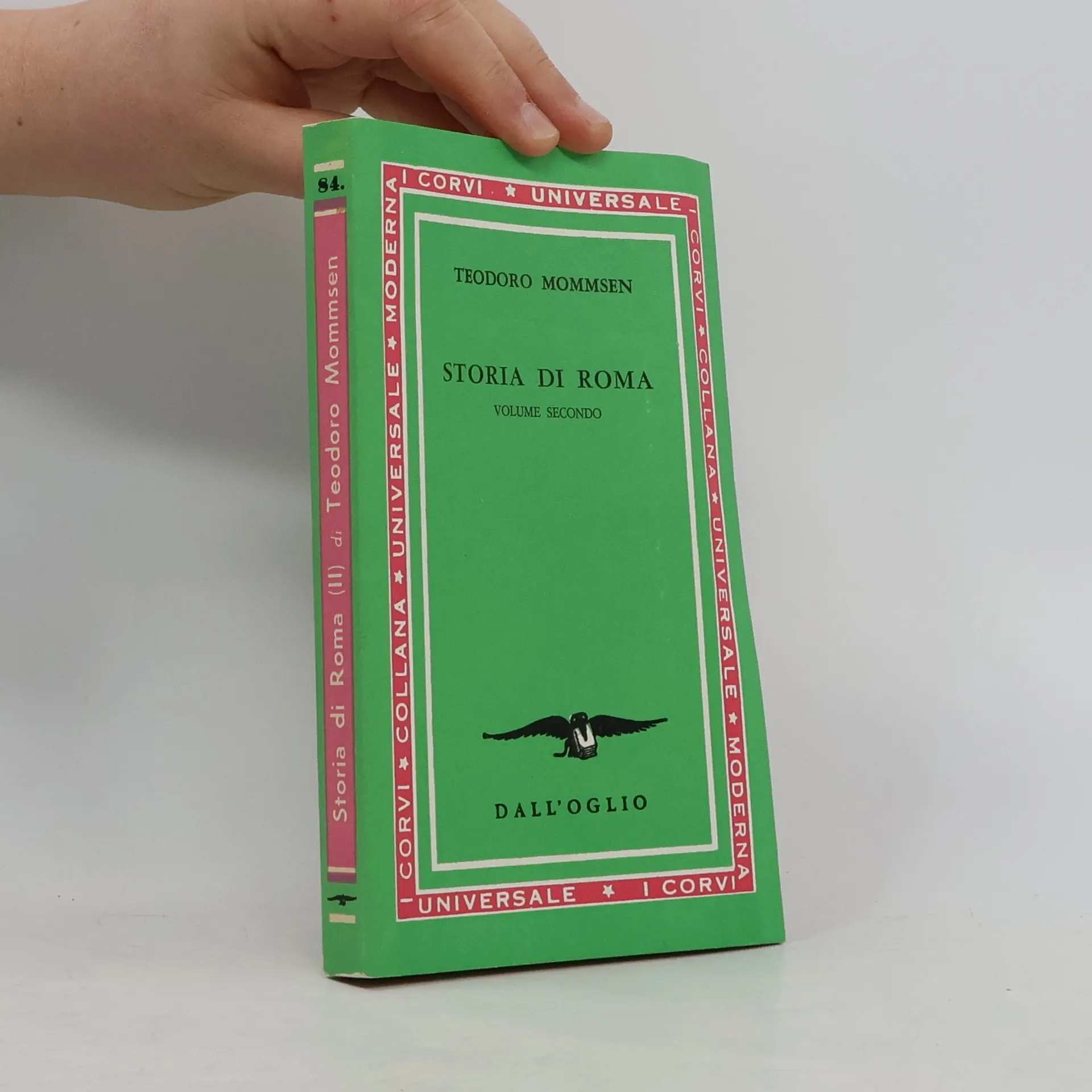
Dall'unione dell'Italia sino alla sottomissione di Cartagine e degli Stati greci
La rivoluzione. I Gracchi. Mario e Silla.
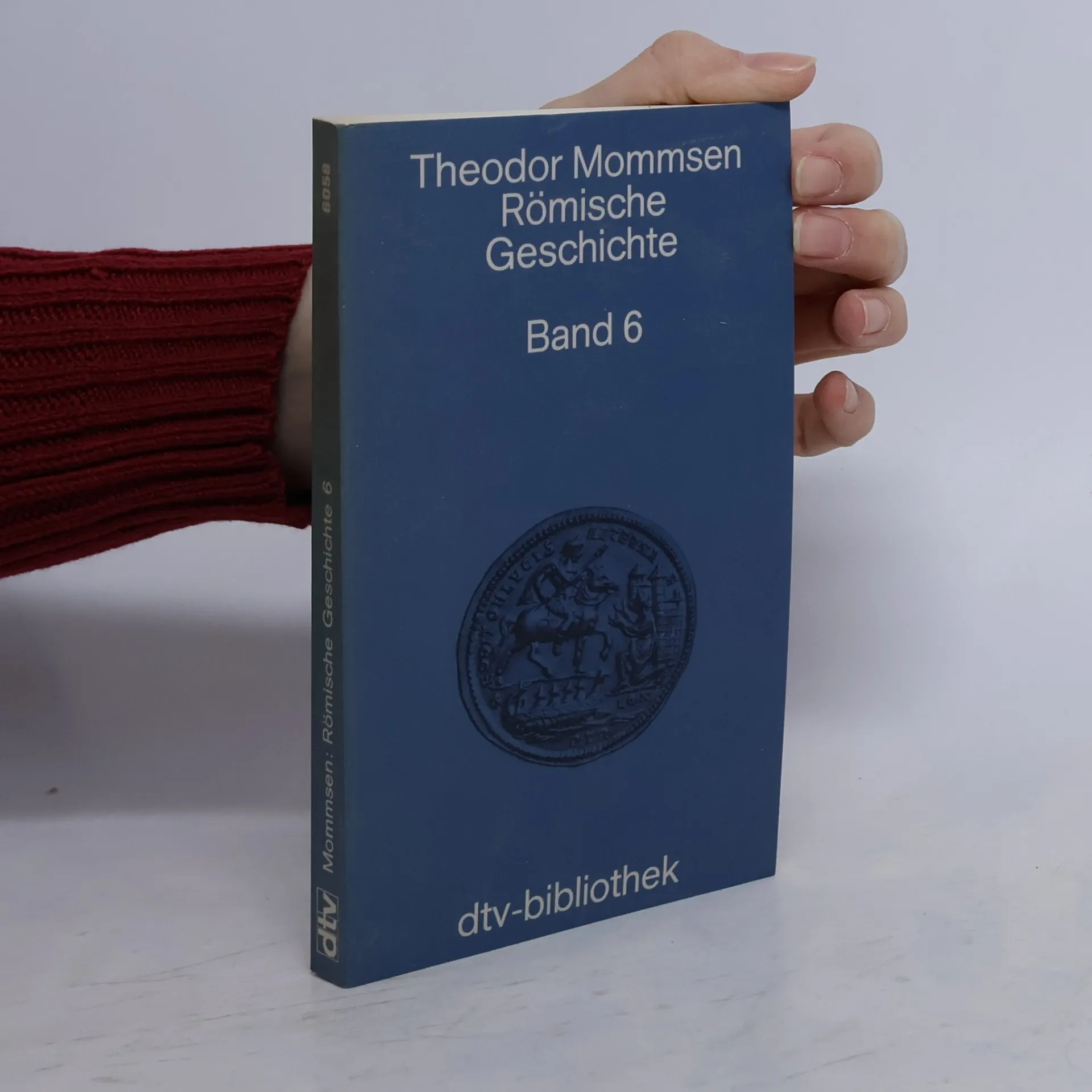
8 Bände, umfasst die Nummern 6053-6060, getrennte Seitenzählung, neue Auflage, komplett in Kassette.
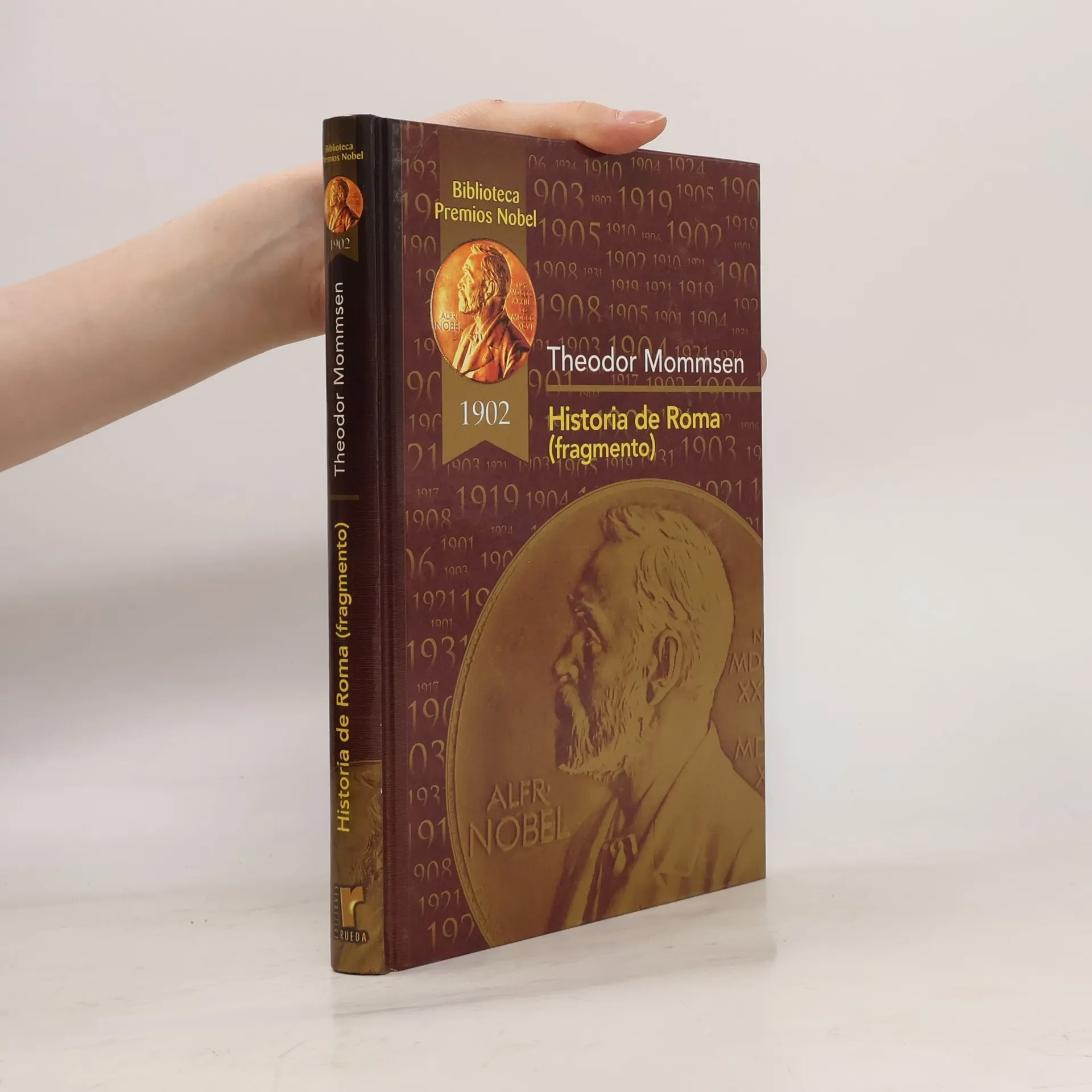
El historiador clásico Theodor Mommsen (1817-1903) publicó su monumental Historia de Roma entre 1854 y 1856. Su obra fue recibida con gran aclamación por la comunidad académica y el público lector. Mommsen rechazó las narrativas tradicionales de la Ilustración, que glorificaban la antigua Roma; en su lugar, guiado por una nueva y rigurosa crítica de las fuentes, comenzó la desmitificación de la historia romana. Con un estilo vivaz y atractivo, Mommsen trazó paralelismos audaces entre el siglo XIX y la Roma clásica. El volumen 3 abarca el período turbulento desde las reformas de Tiberio Graco hasta la muerte de Sila, con capítulos separados sobre nacionalidad, religión y educación, y la economía romana.
Das mehrbändige Handbuch von Joachim Marquardt und Theodor Mommsen bietet eine umfassende und fundierte Analyse des römischen Staatsrechts sowie der Staatsverfassung und des Privatlebens der Römer. Als bedeutende Altertumswissenschaftler des 19. Jahrhunderts liefern sie wertvolle Einblicke in die Strukturen und Funktionen des römischen Staates, wodurch das Werk zu einer wichtigen Quelle für das Verständnis der römischen Antike wird.
Römisches Staatsrecht - 2. Band, 1. Teil
Das mehrbändige Handbuch von Joachim Marquardt und Theodor Mommsen bietet eine umfassende und fundierte Analyse des römischen Staatsrechts, der Staatsverfassung sowie des Privatlebens der Römer. Als bedeutende Altertumswissenschaftler des 19. Jahrhunderts liefern sie wertvolle Einblicke und detaillierte Informationen, die für das Verständnis der römischen Gesellschaft und ihrer Rechtsstrukturen unerlässlich sind.
Römisches Staatsrecht - 2. Band, 2. Teil
Das mehrbändige Handbuch von Joachim Marquardt und Theodor Mommsen bietet eine umfassende Analyse des römischen Staatsrechts, der Staatsverfassung sowie des Privatlebens der Römer. Als bedeutende Wissenschaftler des 19. Jahrhunderts liefern sie fundierte Erkenntnisse und detaillierte Informationen, die sowohl für Fachleute als auch für Interessierte an der römischen Antike von großem Wert sind.
Die Darstellung bietet eine umfassende Analyse der spätantiken Welt, indem sie die Provinzen und Grenzgebiete des Imperium Romanum beleuchtet. Mommsen verfolgt das Ziel, die oft verzerrte Wahrnehmung der römischen Kaiserzeit zu korrigieren und ein differenziertes Kulturbild zu schaffen. Im Fokus steht der Gegensatz zwischen dem westlichen Rom und dem hellenisierten Osten, wobei die Romanisierung Italiens und die römischen Annexionen in den Vordergrund gerückt werden. Dies führt zu einer tiefgehenden Auseinandersetzung mit der Geschichte und Kultur der römischen Provinzen von Cäsar bis Diocletian.
Die Provinzen des Römischen Reiches von Caesar bis Diokletian ist eine Beschreibung aller römischen Regionen während der frühen Kaiserzeit. Obwohl wir die Geschichte des Römischen Reiches oft als die Roms selbst betrachten, argumentiert Mommsen, dass das wahre Schicksal und Drama des römischen Ideals in den Provinzen stattfand, die sich von der Stadt durch Italien und in die gesamte Mittelmeerwelt ausbreiteten. Römische Ideale der Zivilisation wurden durch Eroberung und Expansion verwirklicht, was eine wechselseitige Beziehung schuf, in der römisches Recht und Brauchtum durch äußeren Kontakt geprägt und verändert wurden. Er beschreibt den sich ausdehnenden Einflussbereich Roms, indem er zunächst die Erwerbung und Kontrolle von Gallien, Spanien, Britannien und den Ländern entlang der Donau sowie Griechenland und Kleinasien untersucht. Anschließend diskutiert er Roms schwierigere Herrschaft über das heutige Nahost, Nordafrika und die Grenzen entlang des Euphrats. Er erinnert uns daran, dass große Dichter und Philosophen sowie mehrere Kaiser aus den Provinzen stammten, was zeigt, dass der imperialen Ruhm weit über die Grenzen der Stadt hinauswirkte.
Pantheon der Nobelprijswinnaars Literatuur
Pantheon der Nobelprijswinnaars Literatuur
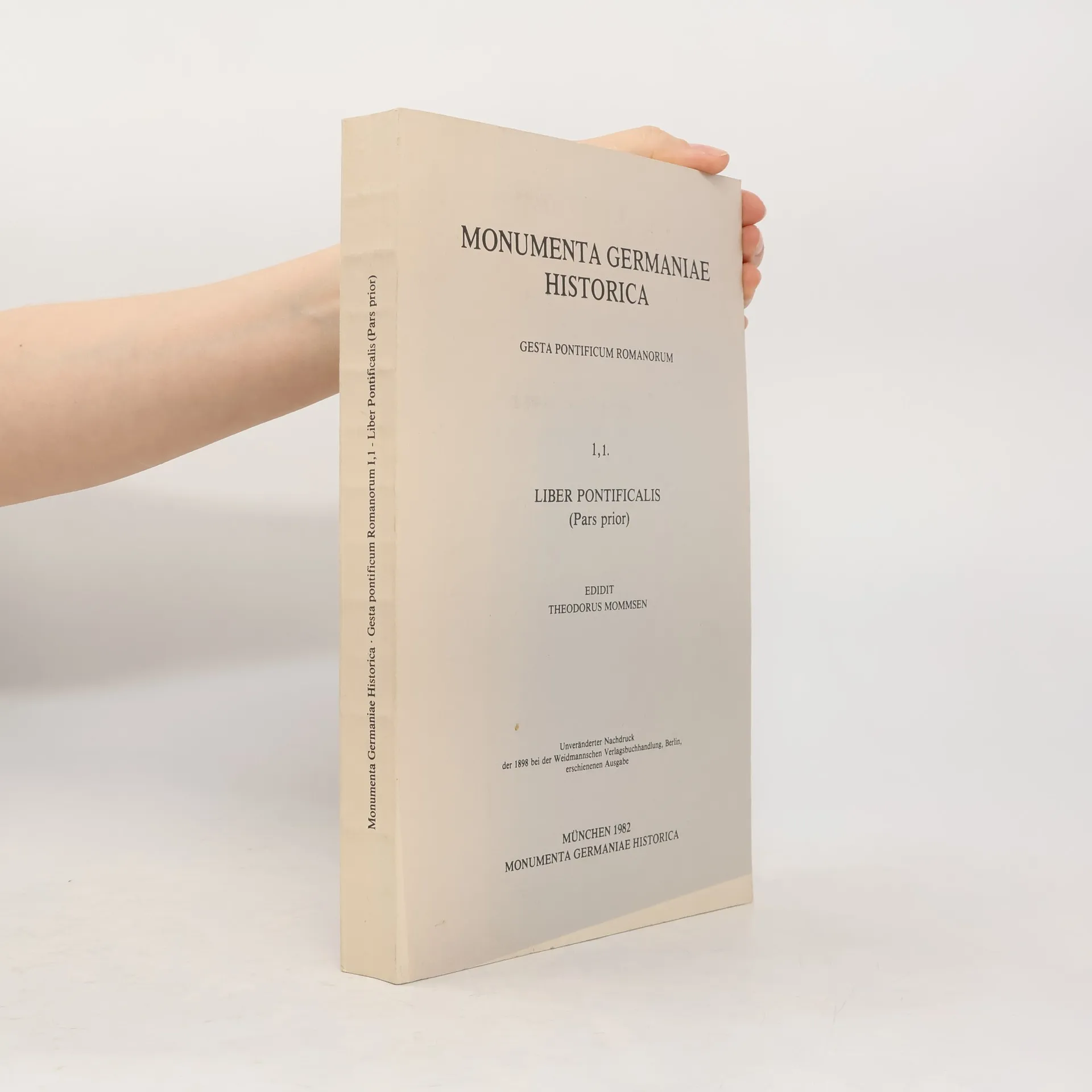
Gesta pontificum romanorum
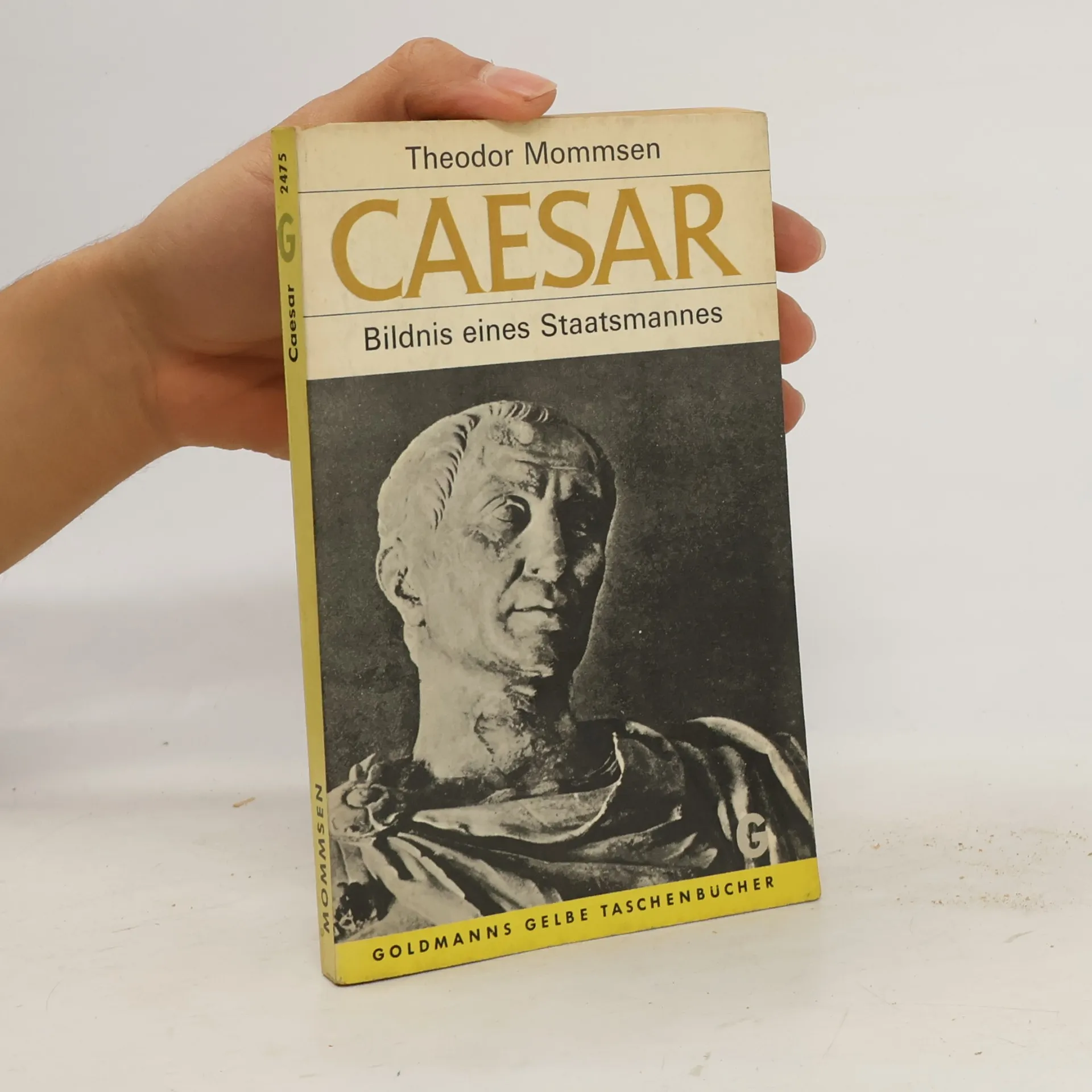
Bildnis eines Staatsmannes