

New Perspectives in Manichaean Studies
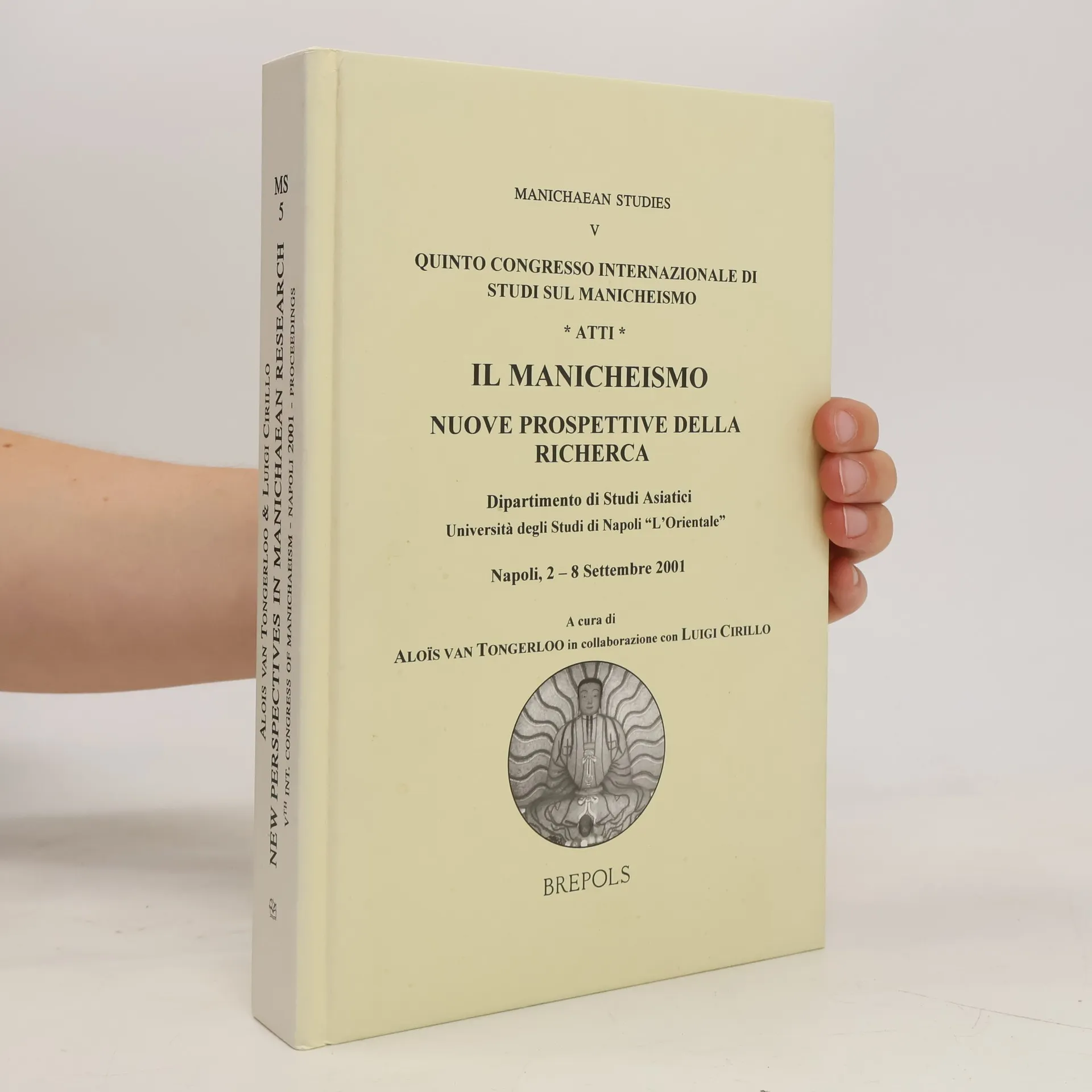
New Perspectives in Manichaean Research - VII International Congress of Manichaeism - Napoli 2001 - Proceedings
- 439 pages
- 16 hours of reading
This collection of scholarly contributions explores various facets of Manichaean studies and its historical context. Kurt Rudolph discusses the progress of research since the IAMS's foundation in 1989, while J.D. BeDuhn examines the concept of the soul within Manichaeism. M. Bierbaums addresses the implications of free will in Augustine's works, and F. de Blois sheds light on Manichaean sources in the Fihrist. Contributions by L. Cirillo and I. Colditz delve into Christology and the titles of kings and gods in Iranian texts, respectively. C. Colpe analyzes the dialectical relationships among early Manichaeans and Western magicians, while F. Decret provides insights into an African Manichaean manuscript. Other scholars, such as S. Demaria and M. Franzmann, investigate Greek influences in Coptic texts and bilingual manuscripts. The significance of Mani's teachings in relation to Indian religions is discussed by I. Gardner, and G. Gnoli reflects on Mani's connections to Palmyra. Various authors explore the historical and esoteric implications of Manichaeism, including K. Kaatz's examination of Augustine's knowledge and T.A. Sala's insights into Manichaean eschatology. The collection also includes studies on terminology, texts, and the cultural intersections of Manichaeism, Buddhism, and Gnosticism, providing a comprehensive overview of the field.