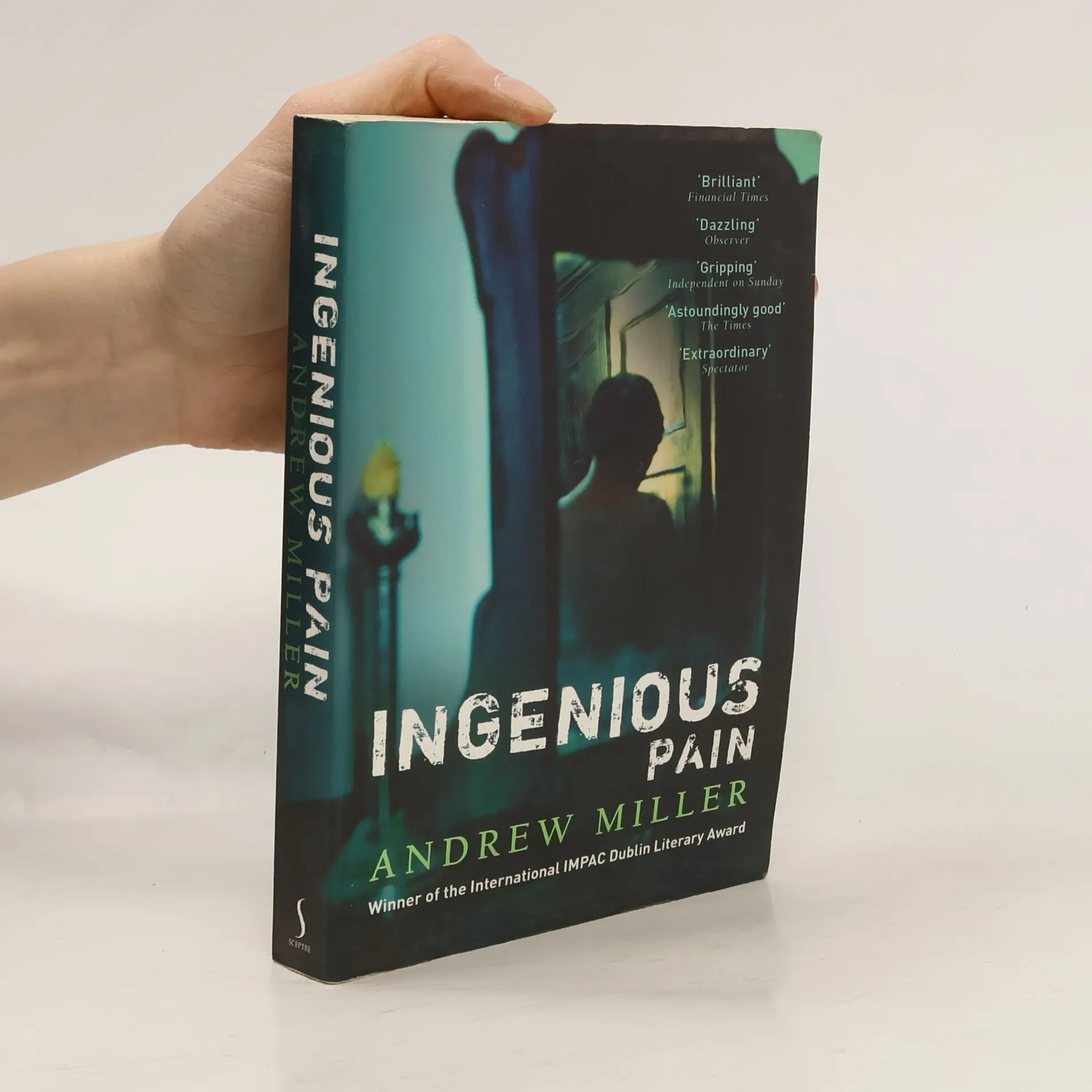
In the mid-18th century James Dyer is born unable to feel pain, and grows up to be a brilliant but heartless brain surgeon. Then, en route to St Petersburg in 1767, he meets his match - a strange woman with supernatural healing powers. When she introduces him to pain he is driven mad with shock.
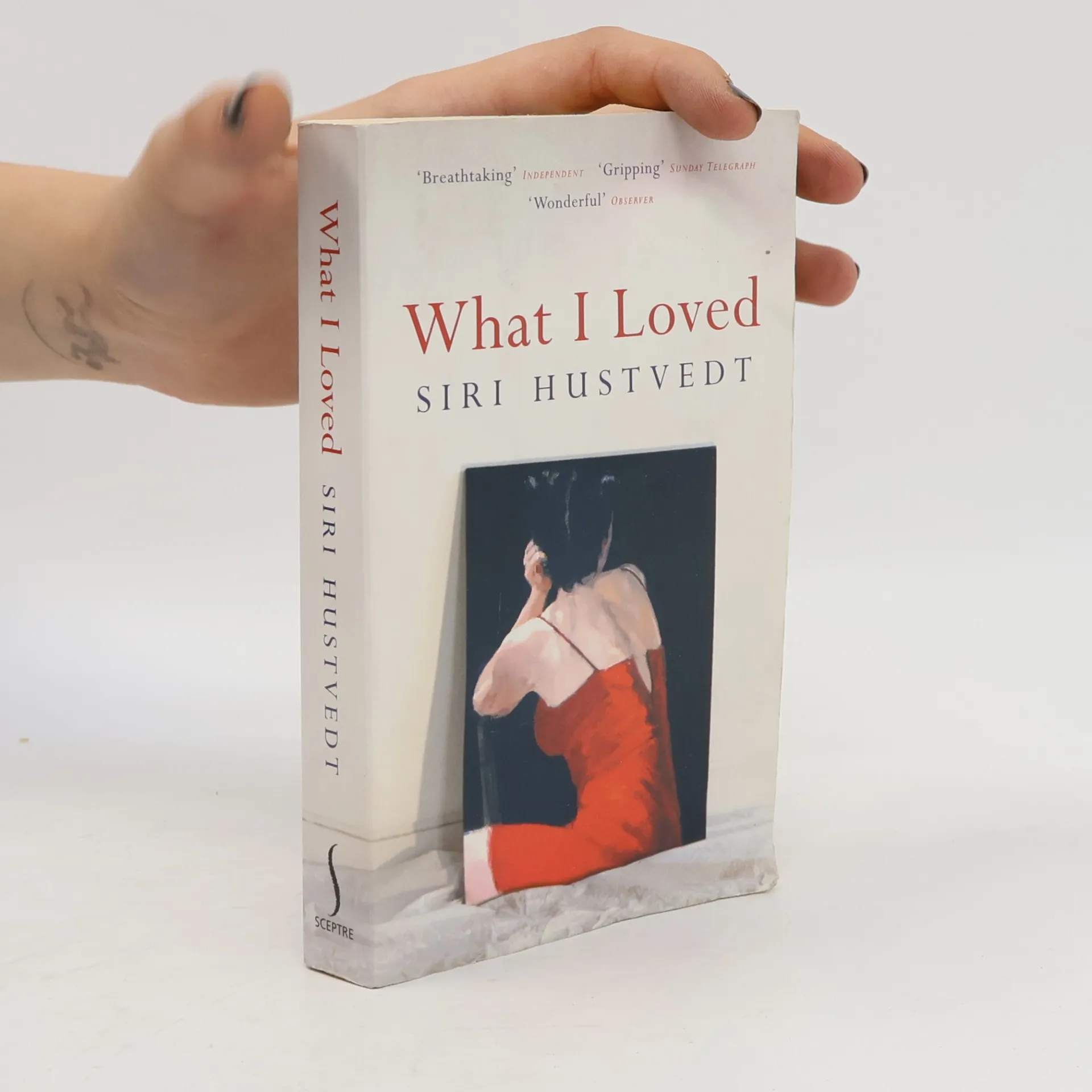
This is the story of two men who first become friends in 1970s New York, of the women in their lives, and of their sons, born the same year. Both Leo Hertzberg, an art historian, and Bill Weschler, a painter, are cultured, decent men, but neither is equipped to deal with what happens to their children - Leo's son drowns when he's 12, while Bill's son Mark grows up to be a delinquent, and the acolyte of a sinister, guru-like artist who spawns murder in his wake. Spanning the hedonism of the eighties and the chill-out nineties, this multi-layered novel combines a plot of mounting menace with a deeply moving account of familial relationships and a superbly observed portrait of an artist, set against the backdrop of a society reaching new depths of depravity in its frenetic quest for the next fashion, drug and thrill.
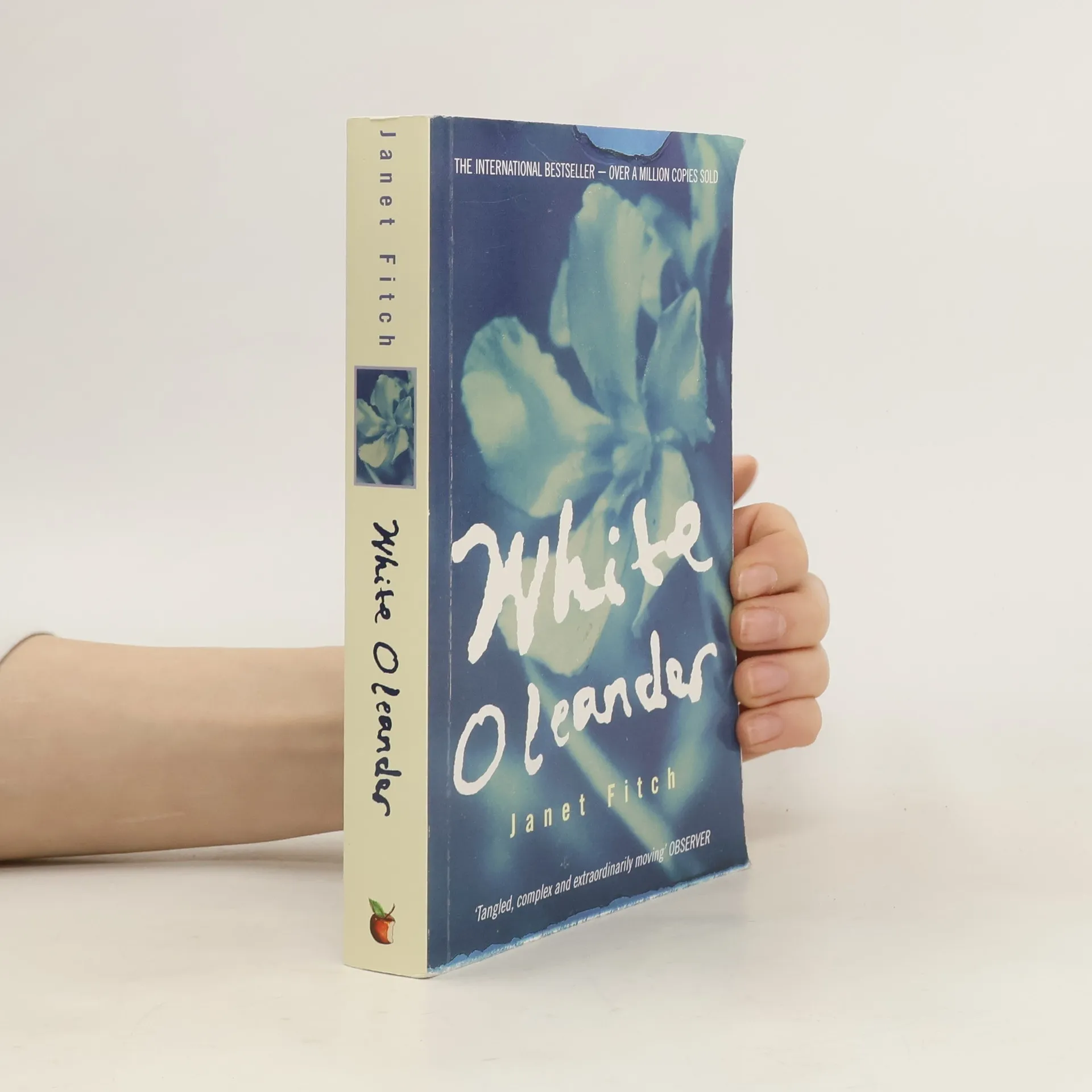
White Oleander is a painfully beautiful first novel about a young girl growing up the hard way. It is a powerful story of mothers and daughters, their ambiguous alliances, their selfish love and cruel behaviour, and the search for love and identity.Astrid has been raised by her mother, a beautiful, headstrong poet. Astrid forgives her everything as her world revolves around this beautiful creature until Ingrid murders a former lover and is imprisoned for life. Astrid's fierce determination to survive and be loved makes her an unforgettable figure. 'LIQUID POETRY' - Oprah Winfrey 'Tangled, Complex and extraordinarily moving' - Observer
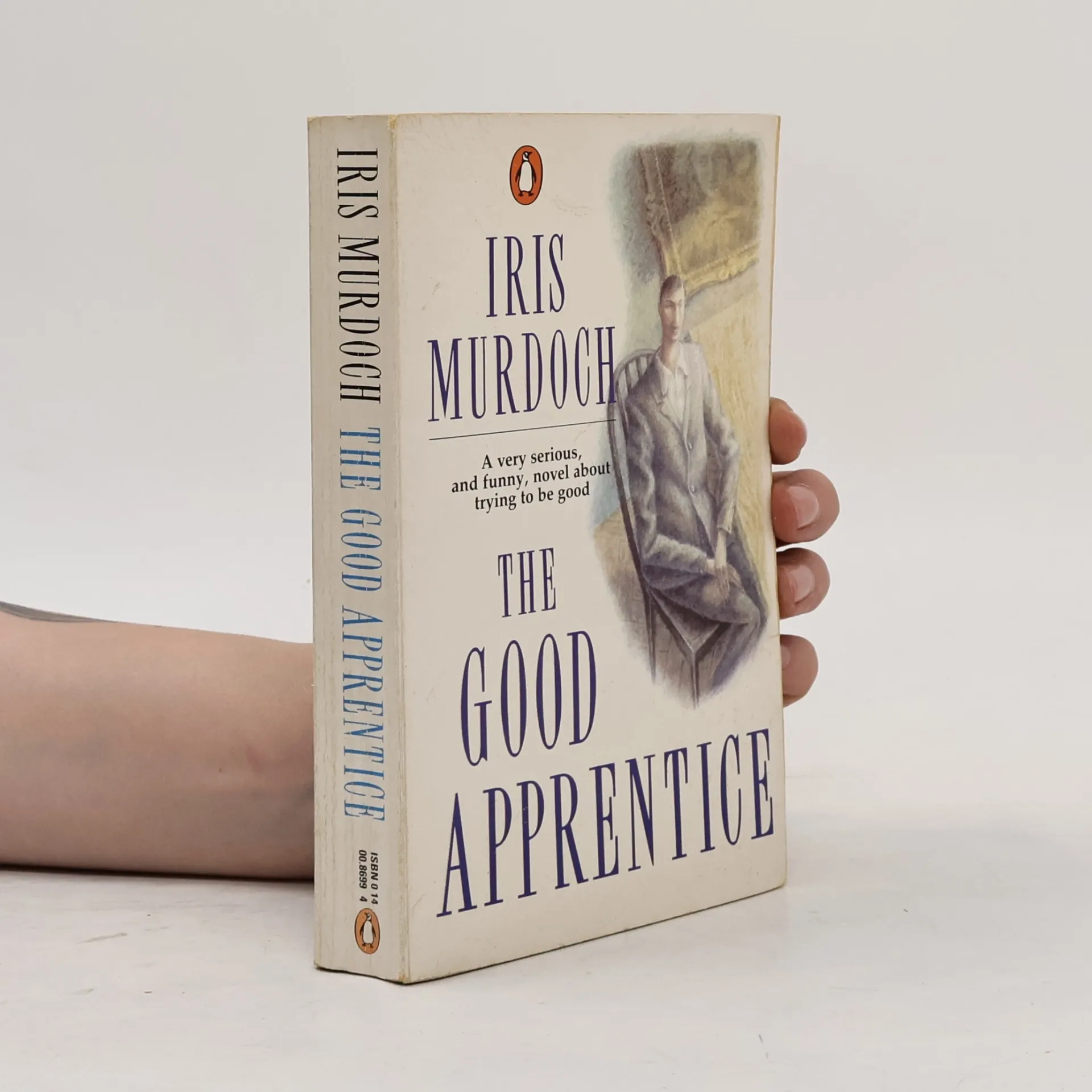
Edward gives his ingenuous friend, Mark, a drugged sandwich, a prank which ends tragically. Edward's subsequent guilt, self-hatred, and crisis of conscience are the focal point of the story.
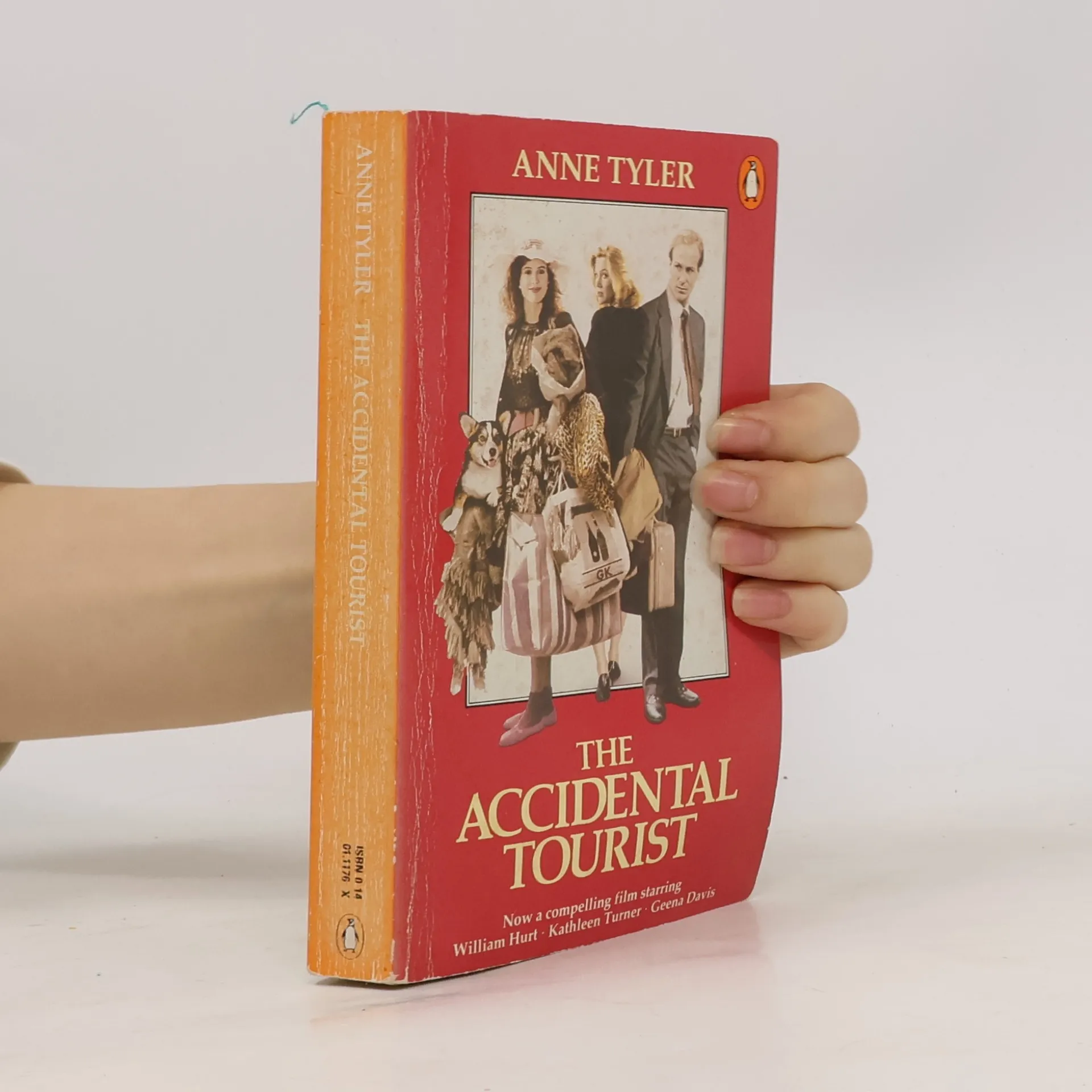
Macon Leary is a travel writer who hates both travel and anything out of the ordinary. He is grounded by loneliness and an unwillingness to compromise his creature comforts when he meets Muriel, a deliciously peculiar dog-obedience trainer who up-ends Macon’s insular world–and thrusts him headlong into a remarkable engagement with life.
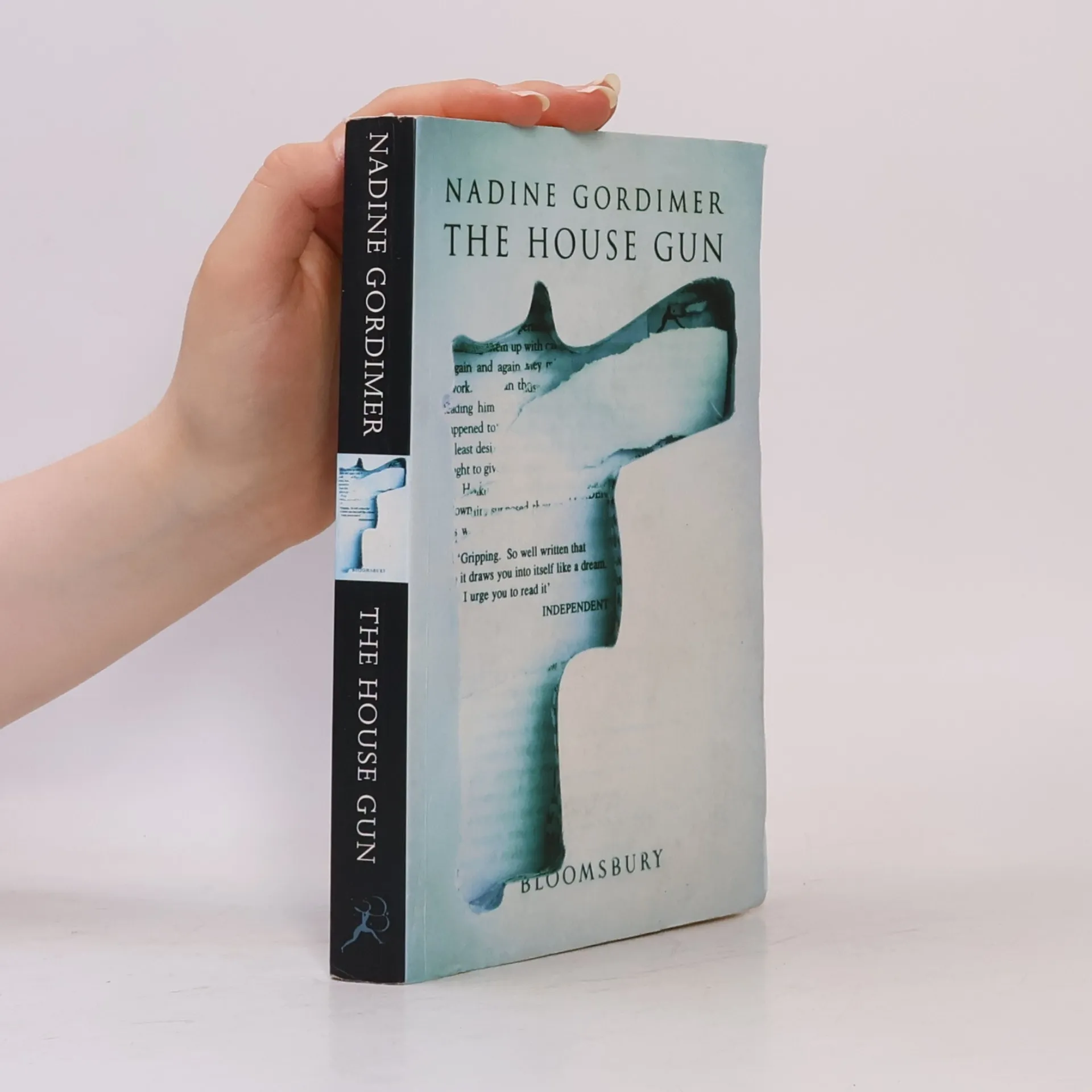
How else can you defend yourself against losing your hi-fi equipment, your tv set and computer, your watch and rings a house gun, like a house cat; that is a fact of ordinary life in many cities of the world as we come to the end of the twentieth century, especially in south africa at this time the successful, respected executive director of an insurance company, harold, and his doctor wife, claudia, for whom violence could never be a means of solving personal conflict, are faced with something that could never happen to their son has committed murder what kind of loyalty do a mother and a father owe a son who has committed this unimaginable horror what have they done, in influencing his character; more ominously, where is it they have failed him the house gun is a passionate narrative of love being particularly complex between parents and their children it moves with the restless pace of living itself, from the intimate to the general condition; if it is a parable of present violence, it is also an affirmation of the will to human reconciliation that starts where it must, between individuals
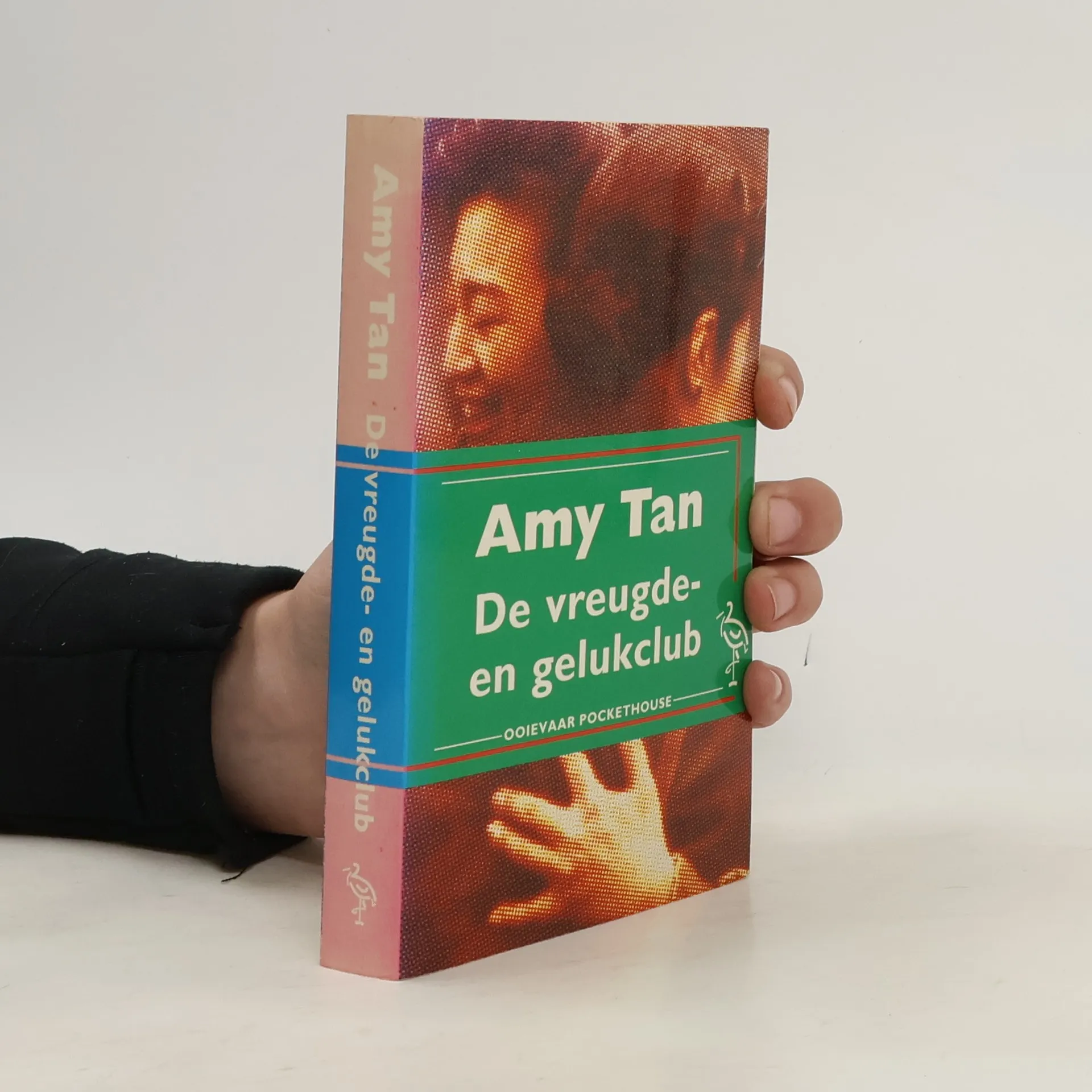
Four mothers, four daughters, four families, whose histories shift with the four winds depending on who's telling the stories. In 1949, four Chinese women, recent immigrants to San Francisco, meet weekly to play mahjong and tell stories of what they left behind in China. United in loss and new hope for their daughters' futures, they call themselves the Joy Luck Club. Their daughters, who have never heard these stories, think their mothers' advice is irrelevant to their modern American lives – until their own inner crises reveal how much they've unknowingly inherited of their mothers' pasts. With wit and sensitivity, Amy Tan examines the sometimes painful, often tender, and always deep connection between mothers and daughters. As each woman reveals her secrets, trying to unravel the truth about her life, the strings become more tangled, more entwined. Mothers boast or despair over daughters, and daughters roll their eyes even as they feel the inextricable tightening of their matriarchal ties. Tan is an astute storyteller, enticing readers to immerse themselves into these lives of complexity and mystery.
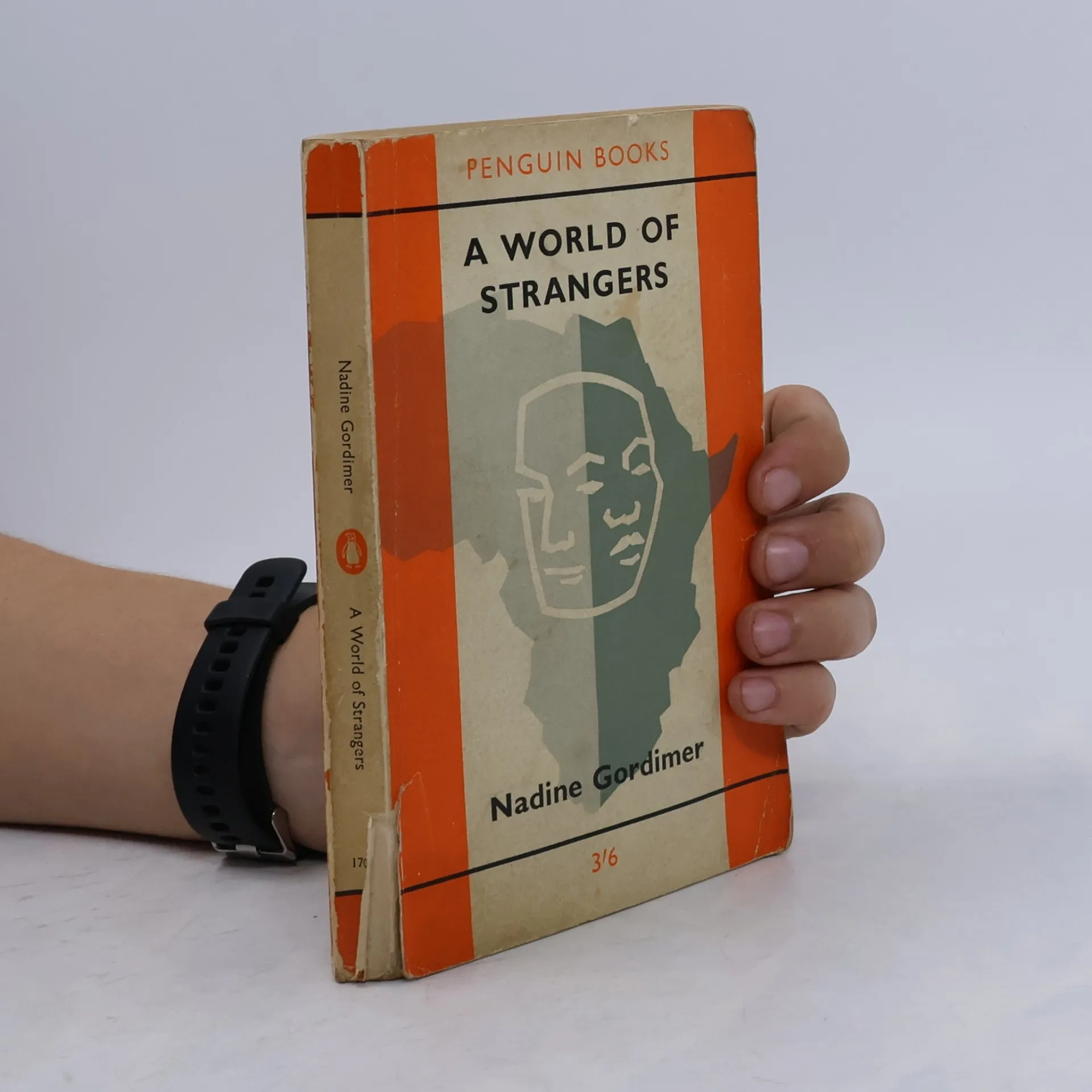
Toby Hood, a young Englishman, shuns the politics and the causes his liberal parents passionately support. Living in Johannesburg as a representative of his family's publishing company, Toby moves easily, carelessly, between the complacent wealthy white suburbs and the seething, vibrantly alive black townships. His friends include a wide variety of people, from mining directors to black journalists and musicians, and Toby's colonial-style weekends are often interspersed with clandestine evenings spent in black shanty towns. Toby's friendship with Steven Sithole, a dashing, embittered young African, touches him in ways he never thought possible, and when Steven's own sense of independence from the rules of society leads to tragedy, Toby's life is changed forever.
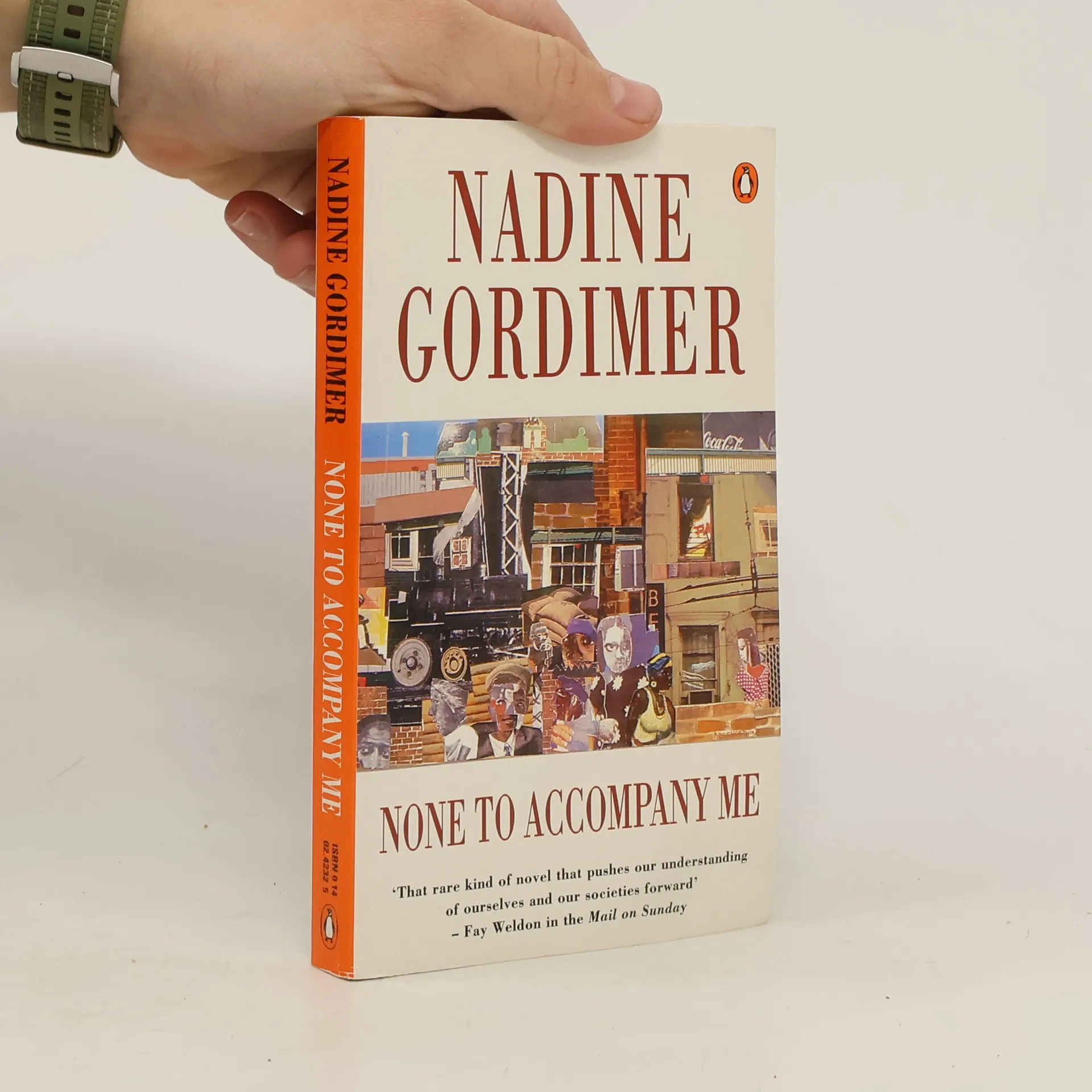
In an extraordinary period immediately before the first non-racial election and the beginning of majority rule in South Africa, Vera Stark, the protagonist of Nadine Gordimer's passionate novel, weaves a ruthless interpretation of her own past into her participation into the present as a lawyer representing blacks in the struggle to reclaim the land. None to Accompany Me is arresting and reverbant - perhaps the most powerful novel to date by one of the world's most commanding writers.
Een tienjarige weesjongen uit Edinburgh achterhaalt tijdens zijn verblijf bij zijn excentrieke oom in de Schotse Hooglanden de volledige waarheid omtrent zijn afkomst.
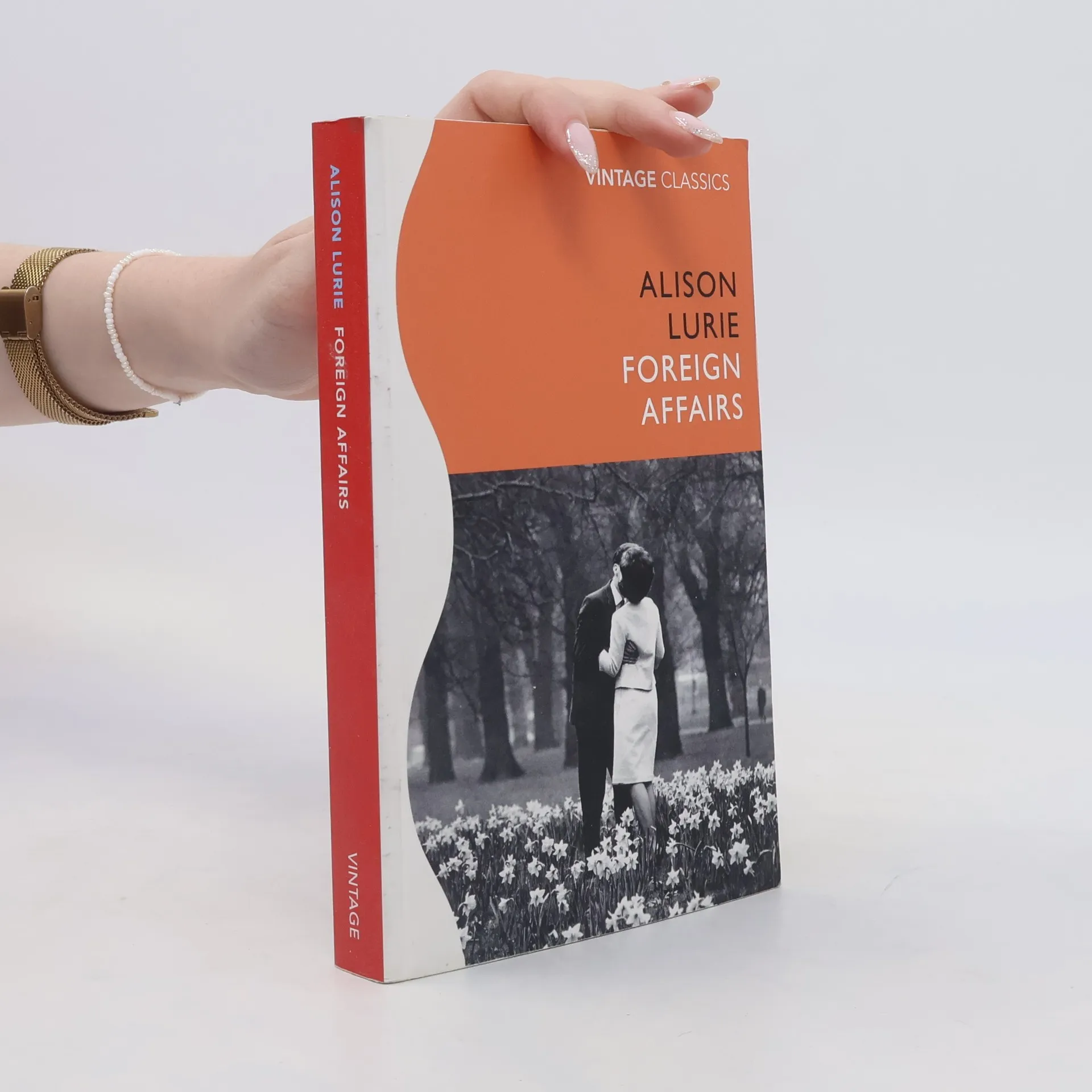
'If you're coming to Lurie for the first time, you must begin with the
Pulitzer Prize-winning Foreign Affairs' GuardianVinnie Miner is an American
professor of children's literature on her way to London for six months of
research.
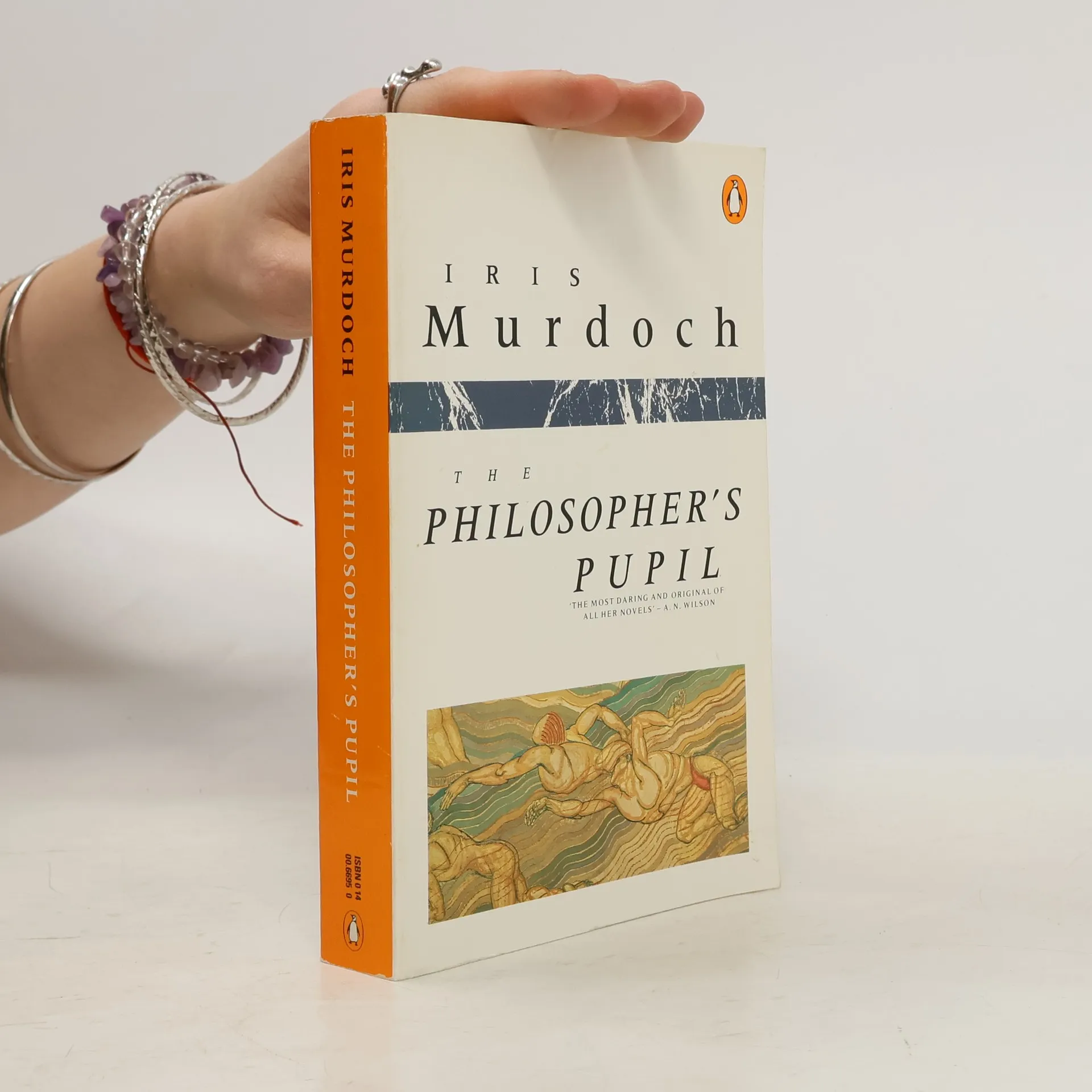
At an imaginary English spa, Professor Rozanov settles down to write his great book and his former student, George McCaffrey, decides their teacher-pupil relationship is a life-long one
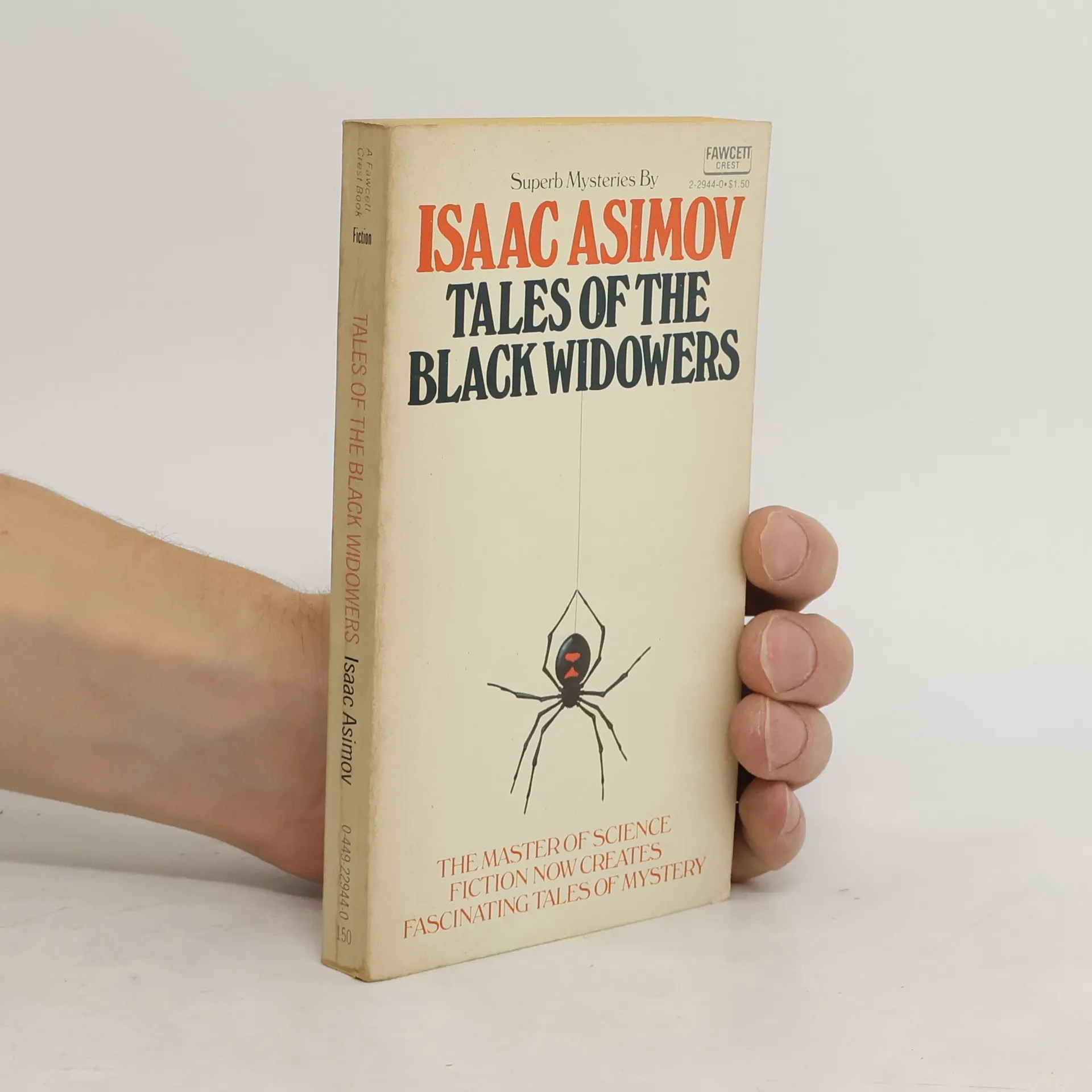
There were six of them. Professional men and their waiter. They gather at the Milano Restaurant once a month for good food and good conversation. But lately the Black Widowers have added a new entertainment to their meetings. They have begun to solve mysteries, murders, and conspiracies of seemingly impossible dimensions -- book cover
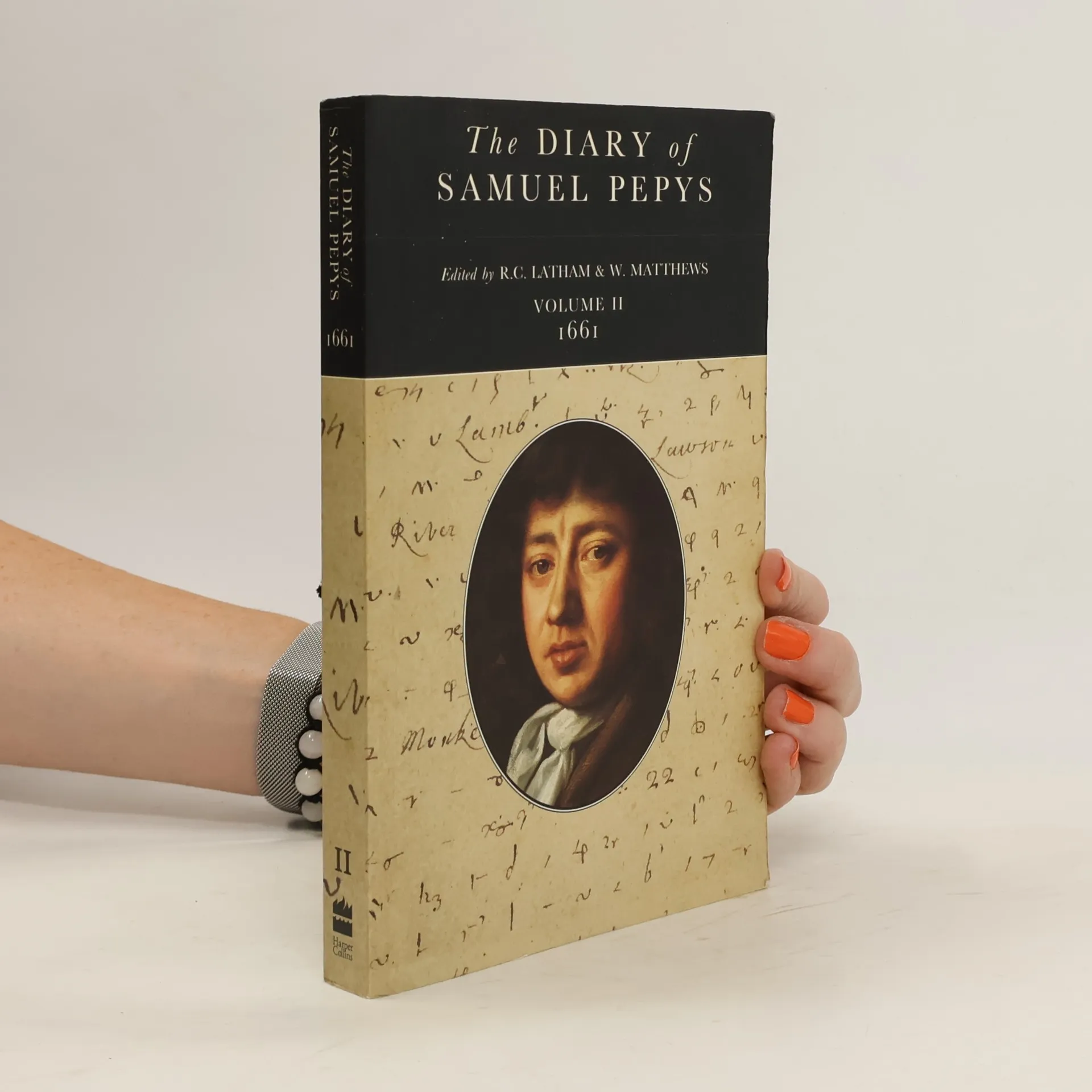
The 1660s represent a turning point in English history, and for the main events -- the Restoration, the Dutch War, the Great Plague and the Fire of London -- Pepys provides a definitive eyewitness account. As well as recording public and historical events, Pepys paints a vivid picture of his personal life, from his socializing and amorous entanglements, to his theatre-going and his work at the Navy Board. Unequaled for its frankness, high spirits and sharp observations, the diary is both a literary masterpiece and a marvelous portrait of seventeenth-century life.Previously published as The Shorter Pepys, this edition is edited and abridged by Robert Latham, Fellow and Pepys Librarian at Magdalene College, Cambridge.