

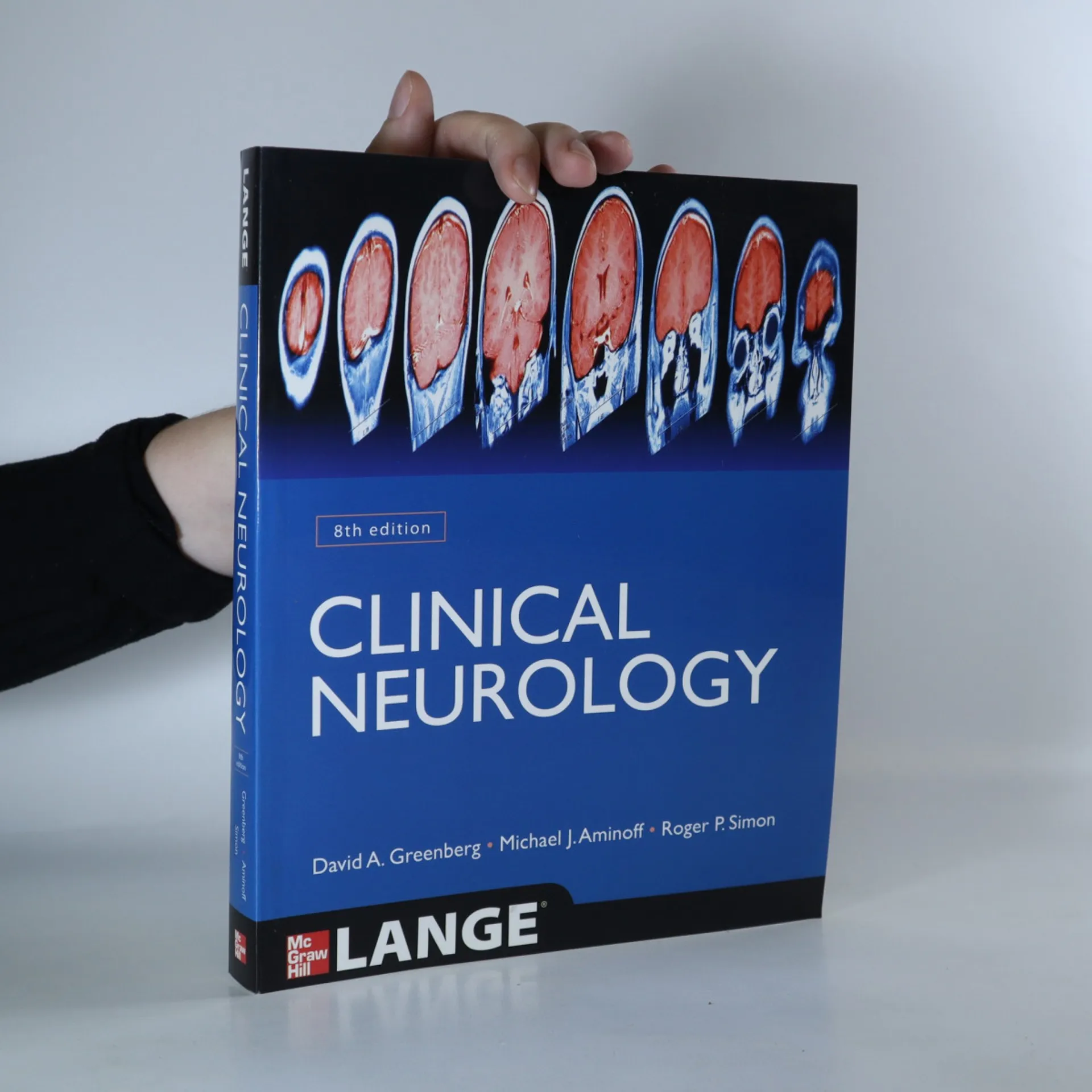
Learn the key concepts of basic and clinical neurology with a unique practice-oriented approach A Doody's Core Title for 2017! For more than two decades, Clinical Neurology has helped students, residents, and clinicians understand the link between basic neuroscience and current approaches in diagnosis and treatment. Distinguished by its practice-oriented approach to neurology based on the patients' presenting symptoms, this full-color resource delivers the clearest and most efficient introduction to the field available today. Every chapter of this edition has been updated, and in many cases nearly completely rewritten to maintain the emphasis on the practical aspects of neurology while discussing the scientific underpinnings. The Ninth Edition is also enhanced by: Important new content on the neurological examination and neuroanatomy An increased number of full-color illustrations Chapter outlines that provide a quick overview of each topic Treatment protocols that reflect the most recent advances in the field An emphasis on the neurological examination and history taking as the cornerstone of diagnosis References that focus on practice-changing innovations There is no better introduction to neurology as practiced on the wards and in an outpatient setting than this time-tested classic.
Michael J. Aminoff Books
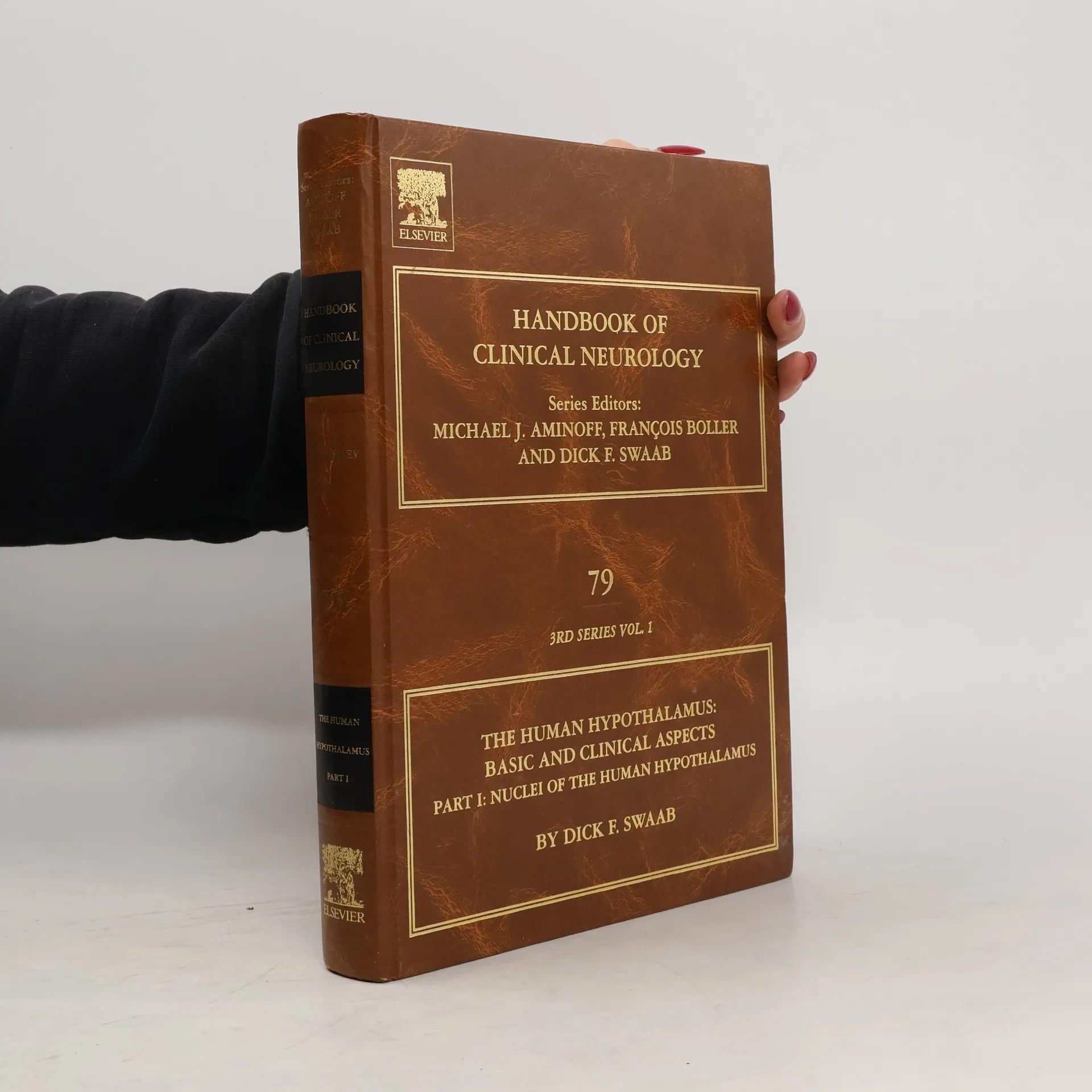
Handbook of Clinical Neurology - 79: Human Hypothalamus
Basic and Clinical Aspects, Part I
- 508 pages
- 18 hours of reading
Traditionally viewed as part of the neuroendocrine system, the human hypothalamus has garnered little interest from neurologists. This volume revitalizes the topic by presenting groundbreaking research that connects this complex brain region to various neurological and psychological disorders. Clinicians, researchers, and practitioners across multiple medical fields will find a comprehensive overview of new findings related to the origin, diagnosis, and treatment of these disorders. The discussions link the hypothalamus to attention deficits in dementias, as well as its involvement in conditions like narcolepsy and certain epilepsies, making this resource invaluable for research and patient care. It includes specific information on depression, eating disorders, aggression, and mental retardation, providing professionals in neurology, psychiatry, endocrinology, and pediatrics with a deeper understanding of how the hypothalamus relates to patient disorders. This volume offers a thorough account of innovative research, insights into the hypothalamus's role in various disorders, and a clearer perspective on its impact on research and treatment protocols in diverse fields.
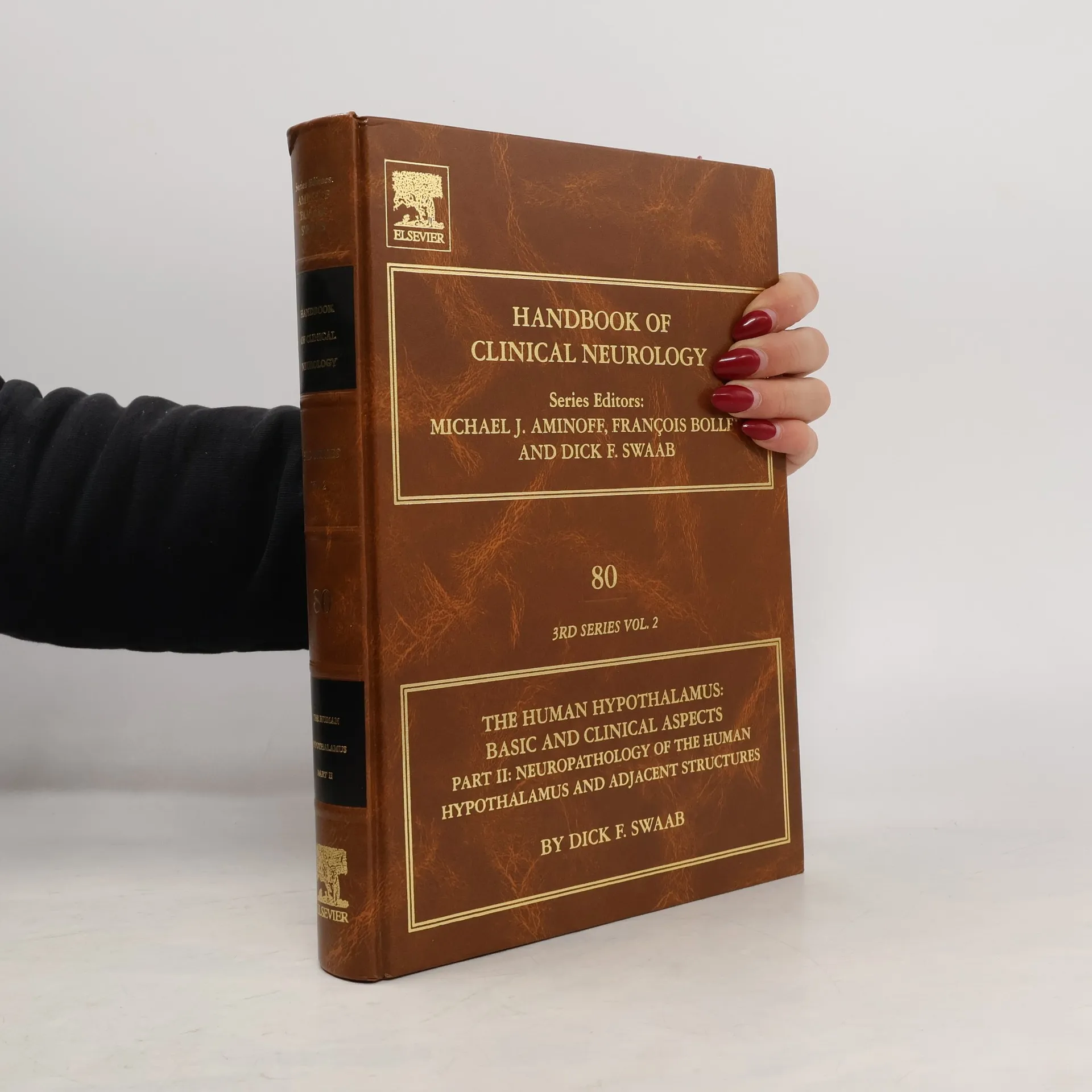
Handbook of Clinical Neurology - 80: Human Hypothalamus
Basic and Clinical Aspects, Part II
- 616 pages
- 22 hours of reading
This volume provides a comprehensive understanding of the human hypothalamus, an extremely complex structure that consists of a large number of very different functional units. It approaches the subject in a way that has not historically existed in standard neuropathological investigations of the human brain.As the hypothalamus was traditionally considered to be a neuroendocrine structure, and hence of little interest to neurologists, this volume explores new findings in the field and the value they bring to the field of neurology.New understandings of the role the hypothalamus plays in memory and attention deficits in the dementias, along with greater evidence that the hypothalamus is related to symptoms and signs in both neurological and psychological disorders provide users in the fields of neuroscience, endocrinology, pediatrics, and psychology with a comprehensive resource on which to base new research and exploration. * A new understanding of the role of the human hypothalamus in neurological disorders * Clinical evidence regarding a plethora of neurological disorders and how they relate to the human hypothalamus* A greater understanding of the direct connection between both neurological and psychological disorders and the role of the hypothalamus in these disorders