White Chrysanthemum
- 320 pages
- 12 hours of reading
I read it in one sitting Kate Kellaway Observer


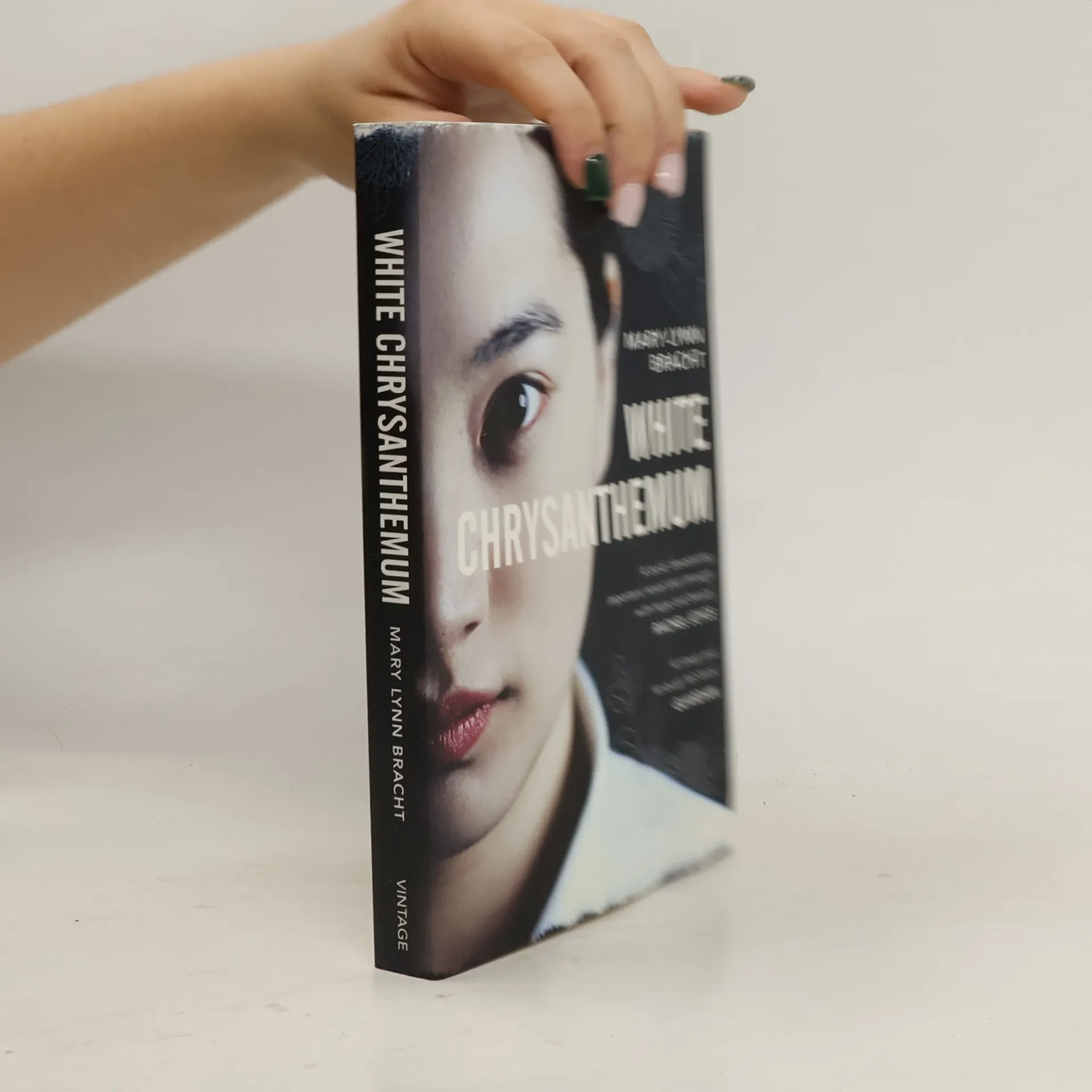
I read it in one sitting Kate Kellaway Observer
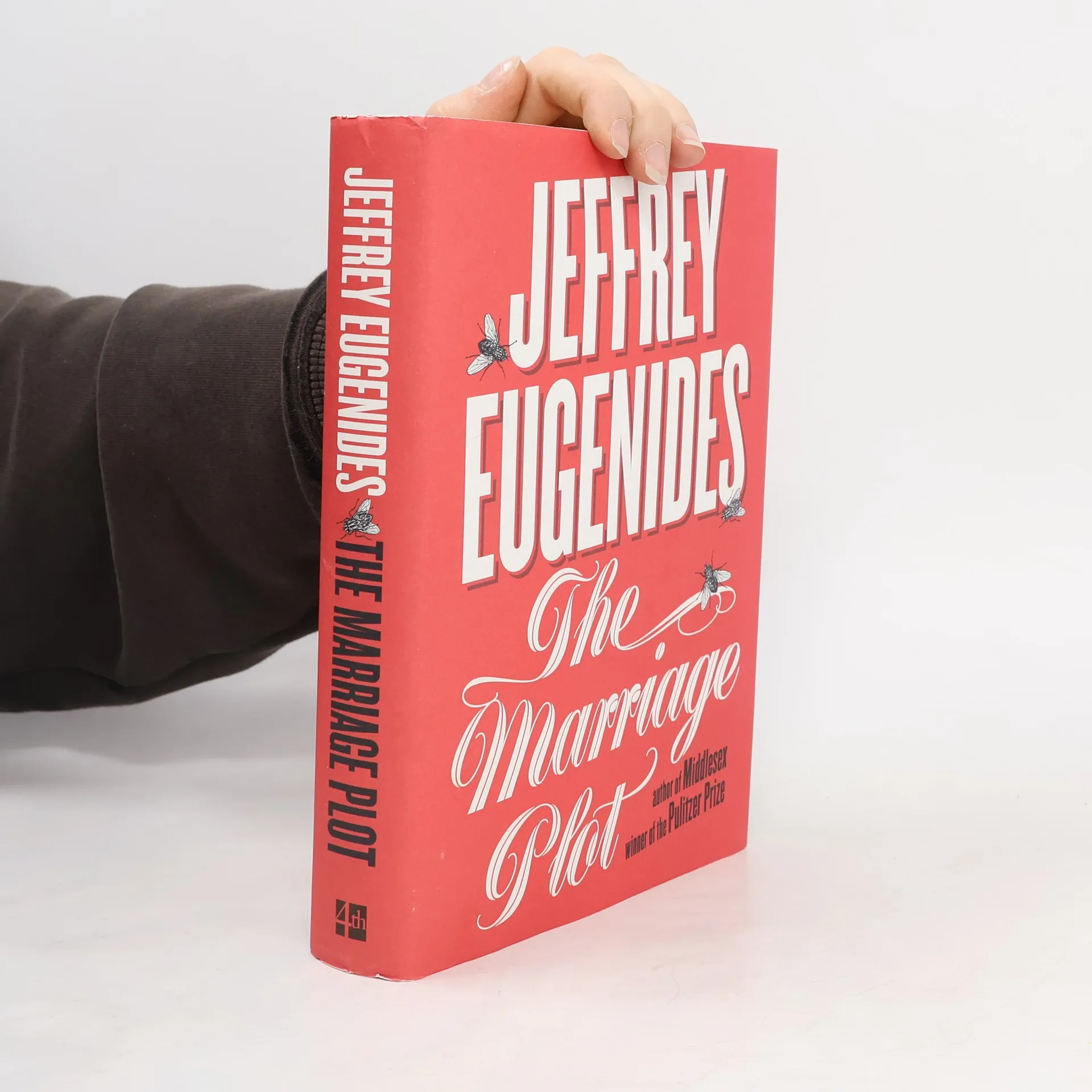
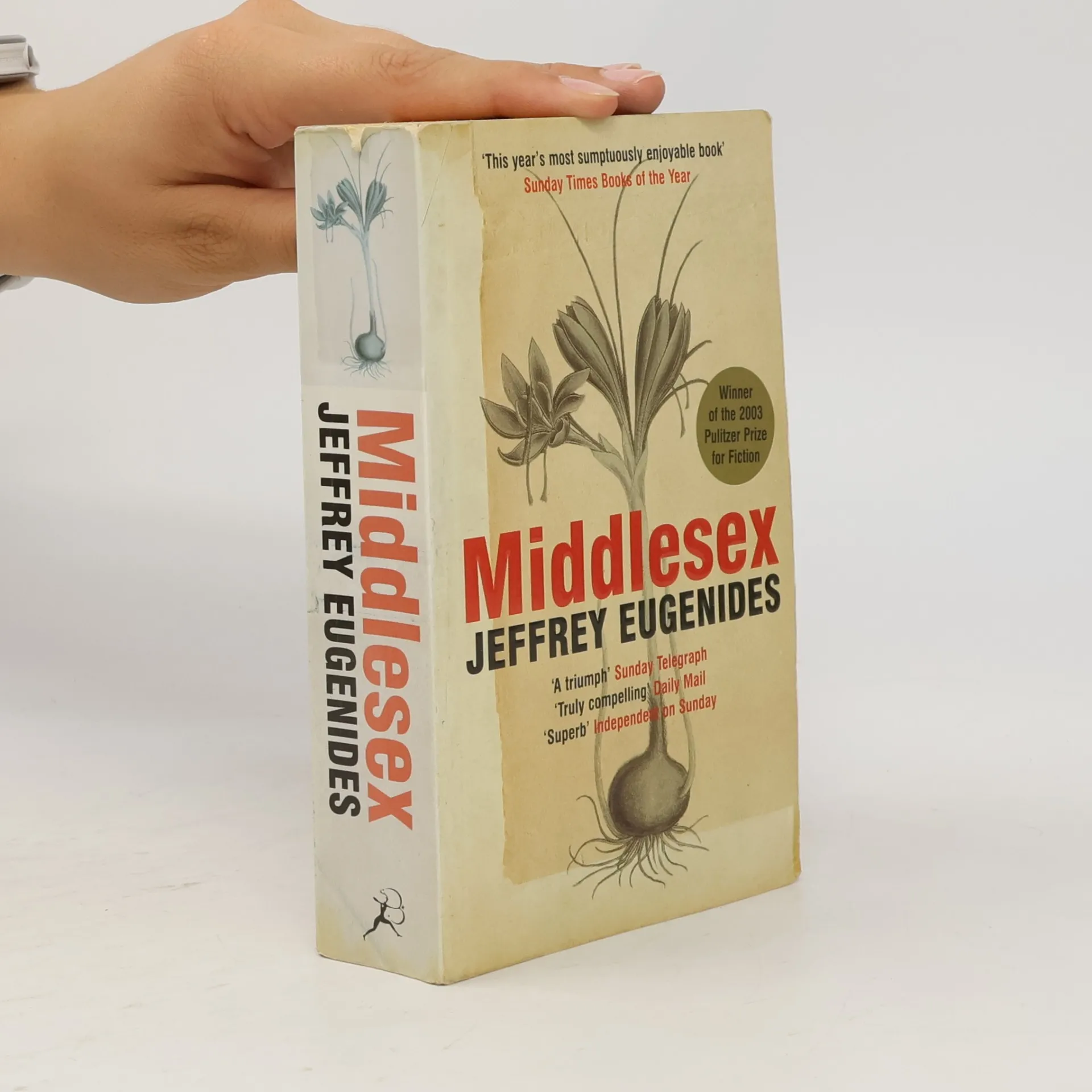
In the spring of 1974, Calliope Stephanides, a student at a girls' school in Grosse Pointe, finds herself drawn to a chain-smoking, strawberry-blond classmate with a gift for acting. The passion that furtively develops between them leads Callie to suspect that she is not like other girls. In fact, Callie has inherited a rare genetic mutation. The biological trace of a guilty secret, this gene has followed her grandparents from the crumbling Ottoman Empire to Detroit and has outlasted the glory days of the Motor City, the race riots of 1967, and the family's second migration, into the foreign country known as suburbia. Thanks to the gene, Callie is part girl, part boy. And even though the gene's epic travels have ended, her own odyssey has only begun.
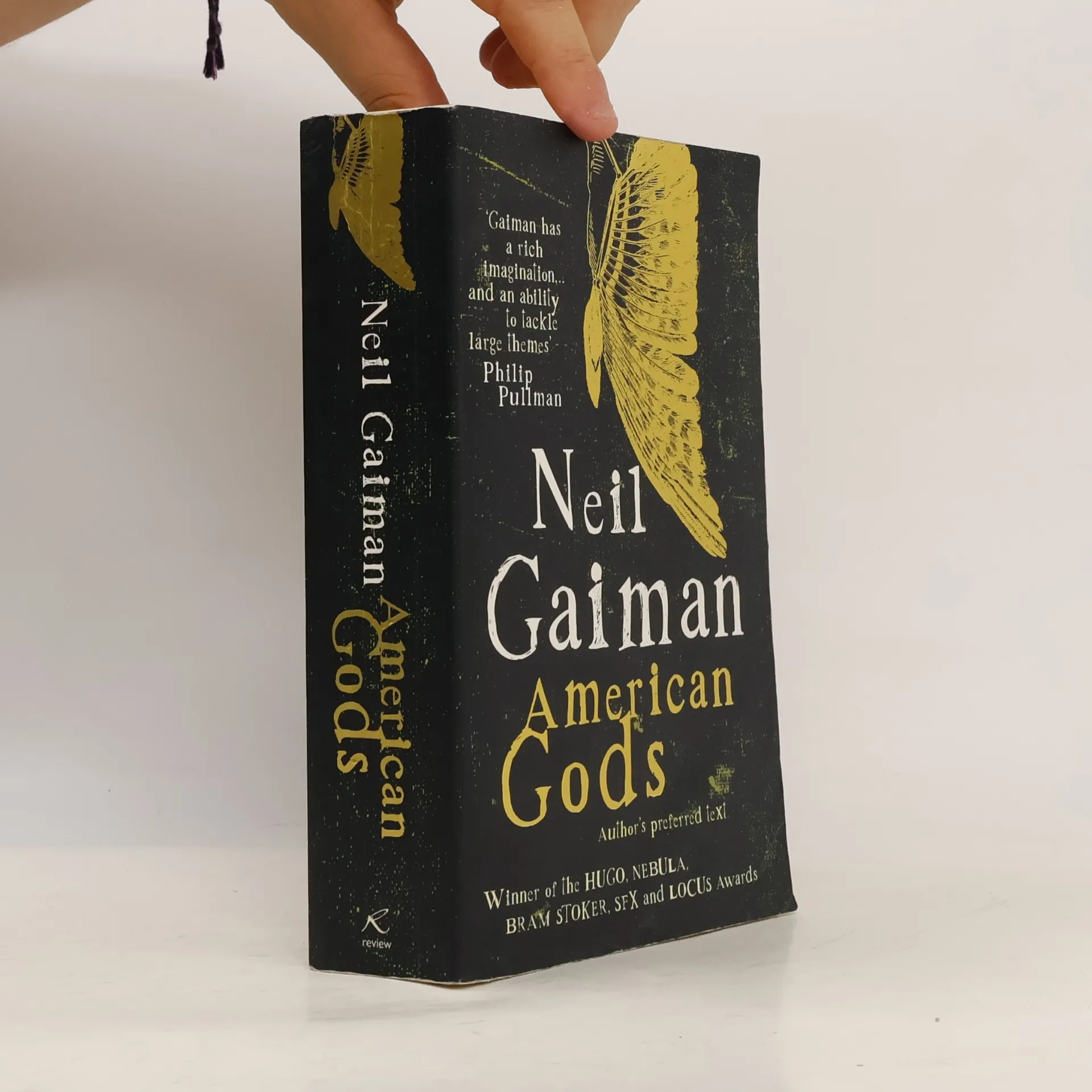
The extraordinary, highly acclaimed epic novel from storytelling genius Neil Gaiman. After three years in prison, Shadow has done his time. But as the time until his release ticks away, he can feel a storm brewing. Two days before he gets out, his wife Laura dies in a mysterious car crash, in adulterous circumstances. Dazed, Shadow travels home, only to encounter the bizarre Mr Wednesday claiming to be a refugee from a distant war, a former god and the king of America. Together they embark on a very strange journey across the States, along the way solving the murders which have occurred every winter in one small American town. But the storm is about to break... Disturbing, gripping and profoundly strange, Gaiman's epic novel sees him on the road to the heart of America. Includes extra material exclusive to this Headline Review edition.
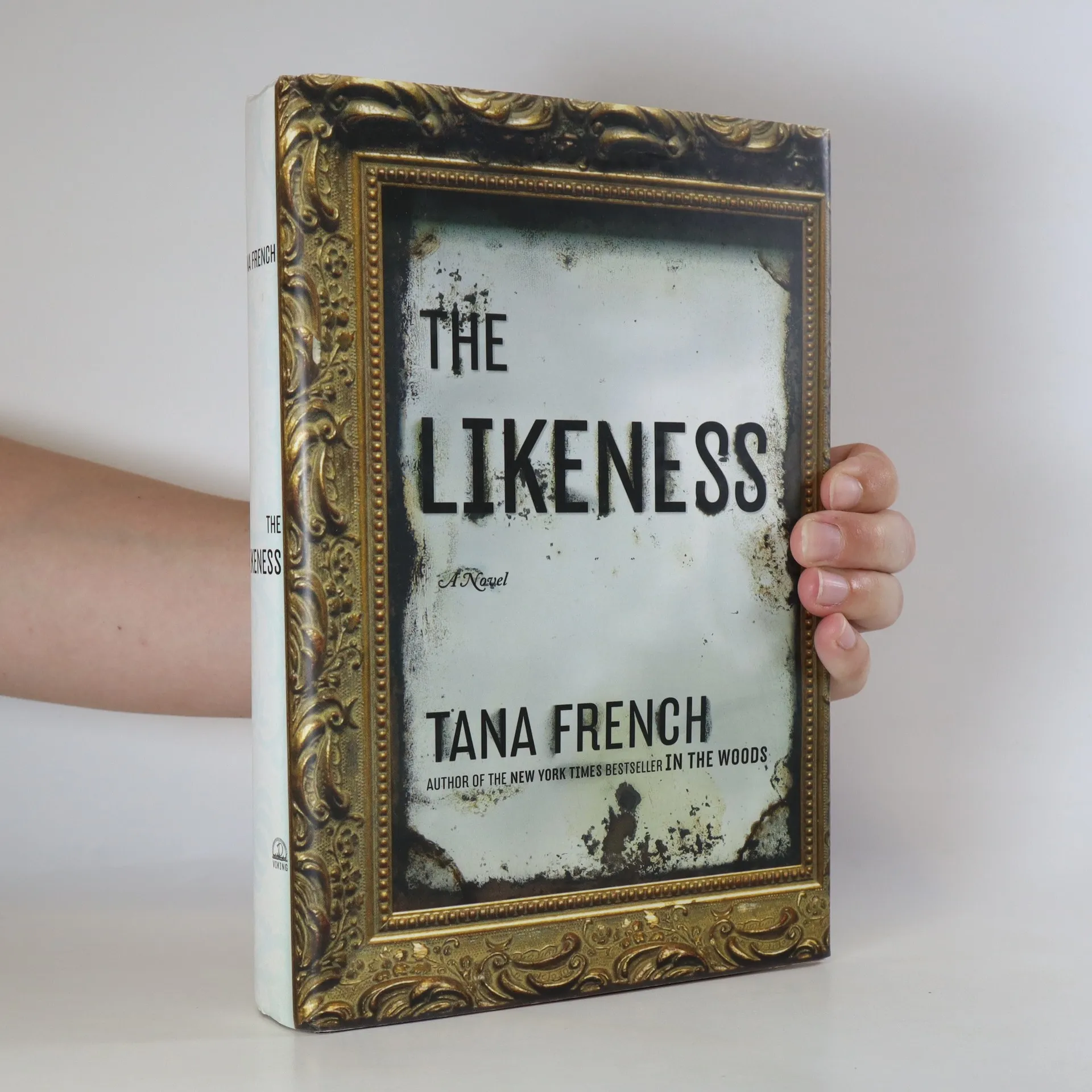
A follow-up to In the Woods finds a traumatized detective Cassie Maddox struggling in her career and relationship with Sam O'Neill while investigating the unsettling murder of a young woman whose name matches an alias Cassie once had used as an undercover officer. 50,000 first printing.
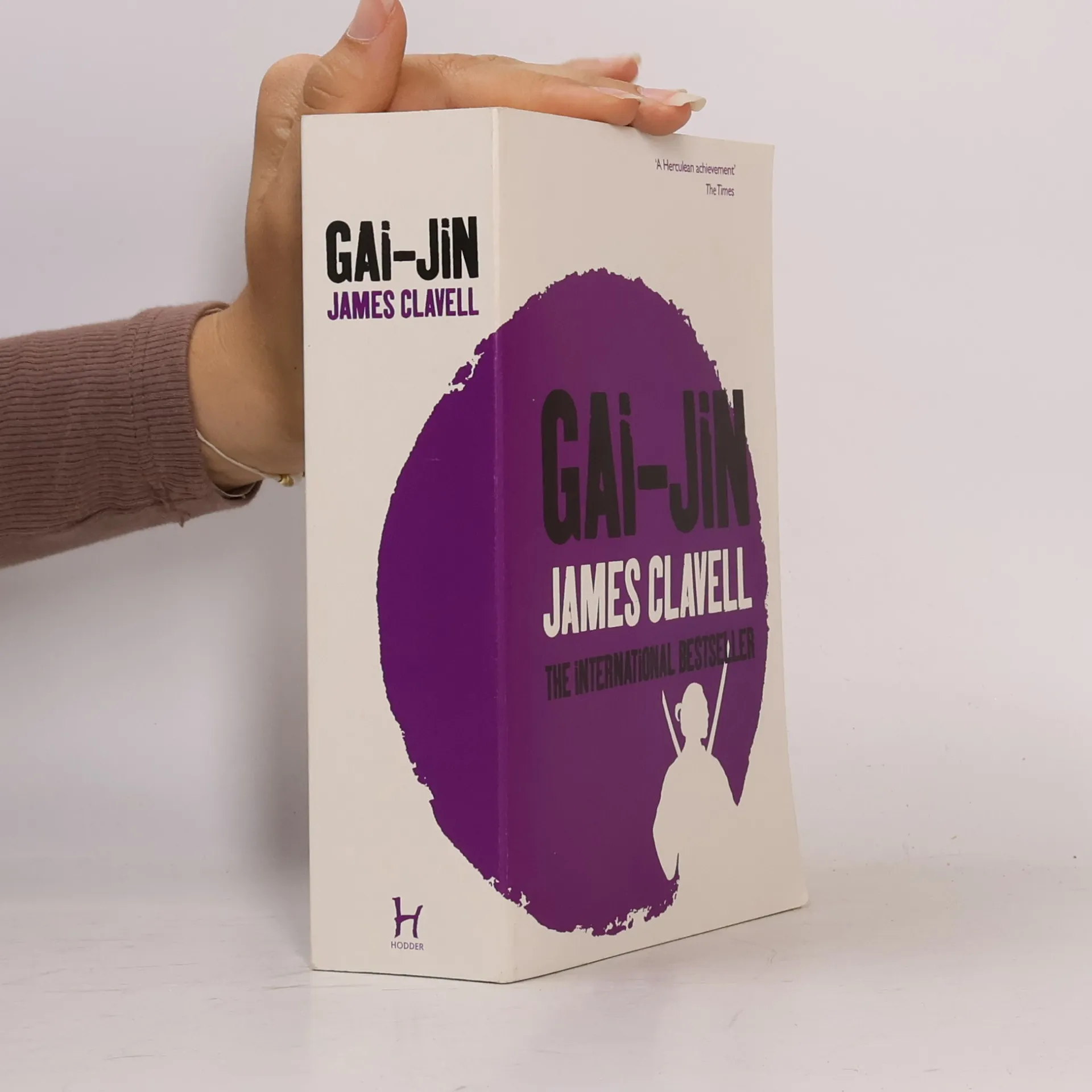
In the closed society of Japan in 1862, a bitter battle for commercial supremacy rages between the Struan and Brock trading houses. Young Malcolm Struan confronts the complex politics of the Japanese Court and the samurai of the warlords to succeed in love. By the author of "King Rat" and "Shogun".
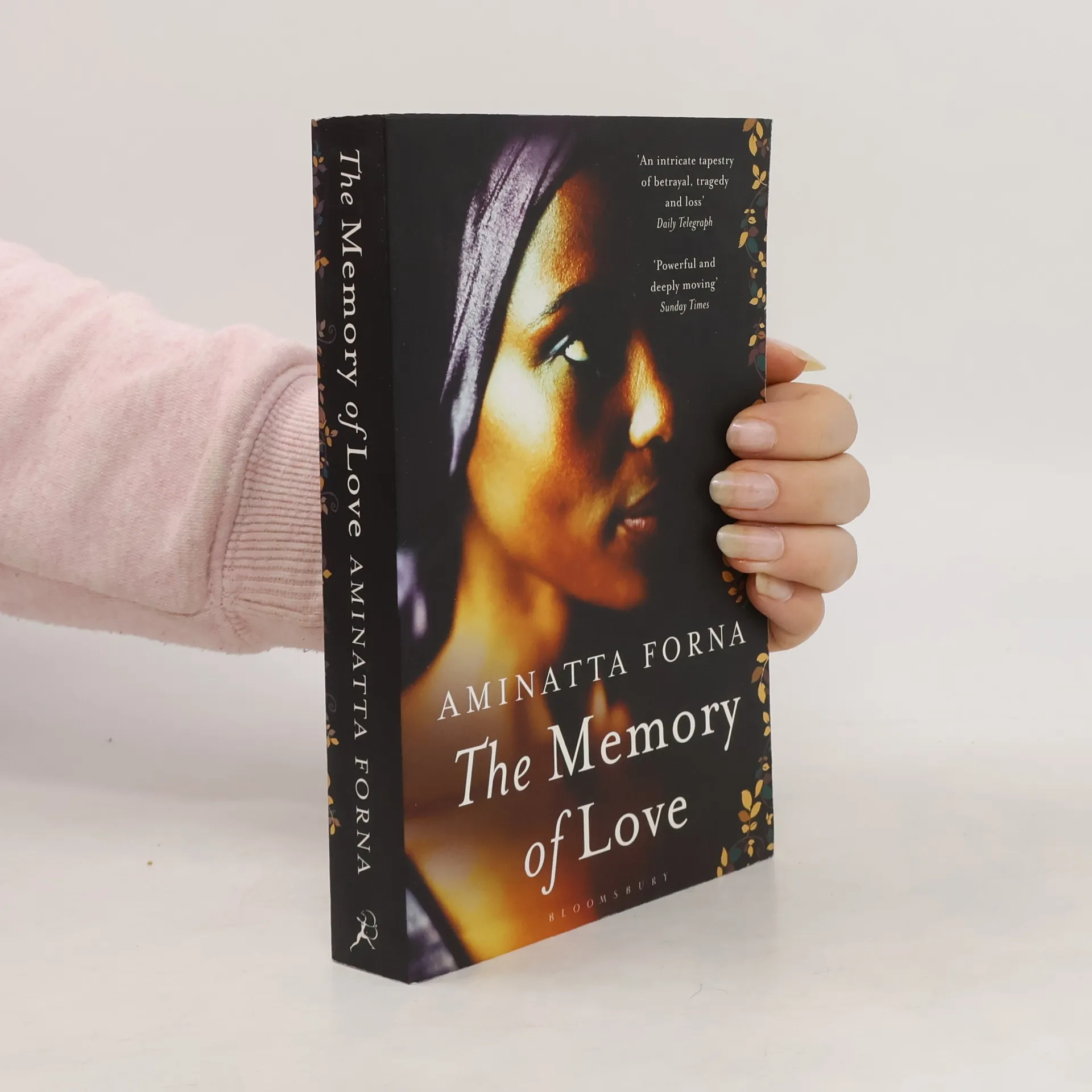
Abie follows the arc of a letter from London back to Africa to a coffee plantation that now could be hers if she wants it. Standing among the ruined groves she strains to hear the sound of the past, but the layers of years are too many. Thus begins the gathering of her family's history through the tales of her aunts.
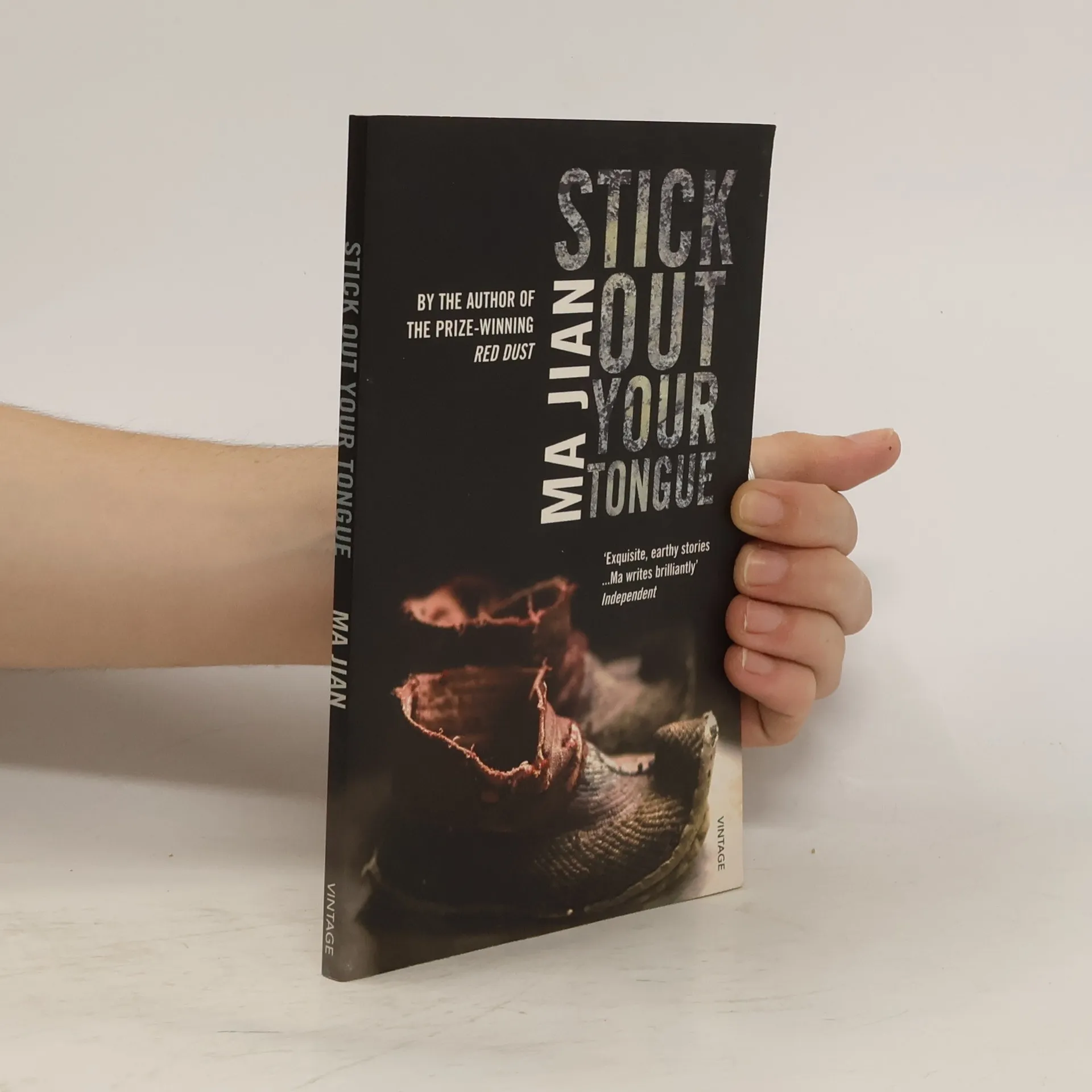
A Chinese writer whose marriage has fallen apart travels to Tibet. As he wanders through the countryside, the divide between fact and fiction becomes confused and the man is drawn deep into an alien culture that haunts his dreams.
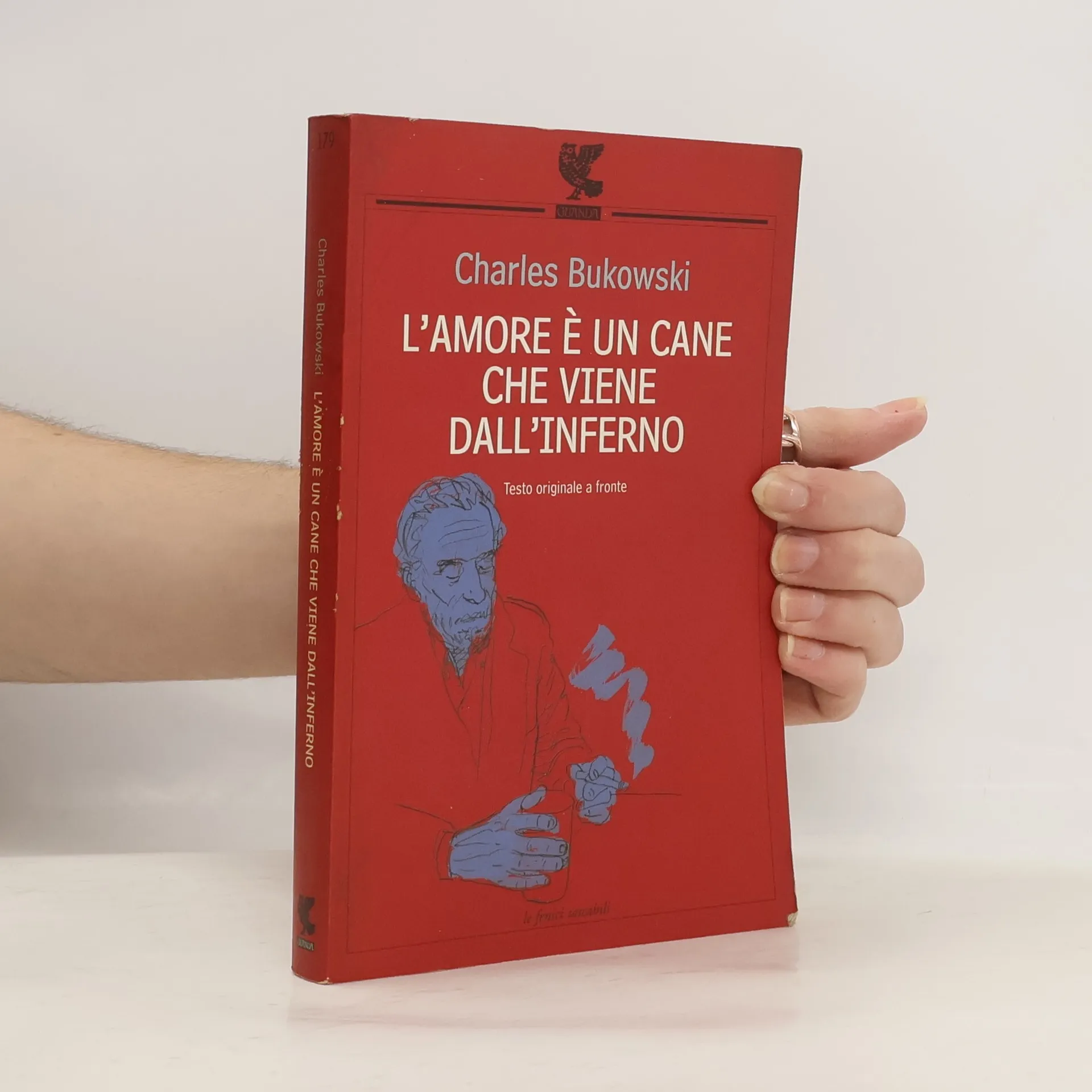
Testo originale a fronte
Vagabondi, falliti, pezzenti, ubriaconi, giocatori d'azzardo di terz'ordine, prostitute e naturalmente il poeta stesso, fallito tra i falliti e pezzente tra i pezzenti: è questo il mondo di cui si popolano i versi di Bukowski, un mondo osservato a volte con il distacco sarcastico di chi ne scorge con chiarezza e lucidità i limiti e le piccolezze, altre volte con la genuina e partecipata commozione di chi non può tirarsene fuori, di chi si sente in qualche modo parte di quell'umanità sconfitta e umiliata.
In the spring of her final year, Madeleine Hanna has enrolled in a semiotics course 'to see what all the fuss is about'. She falls in love with Leonard Bankhead - charismatic loner and college Darwinist - who introduces her to the ecstasies of immediate experience. Then Mitchell Grammaticus resurfaces, and wants her to be his wife.
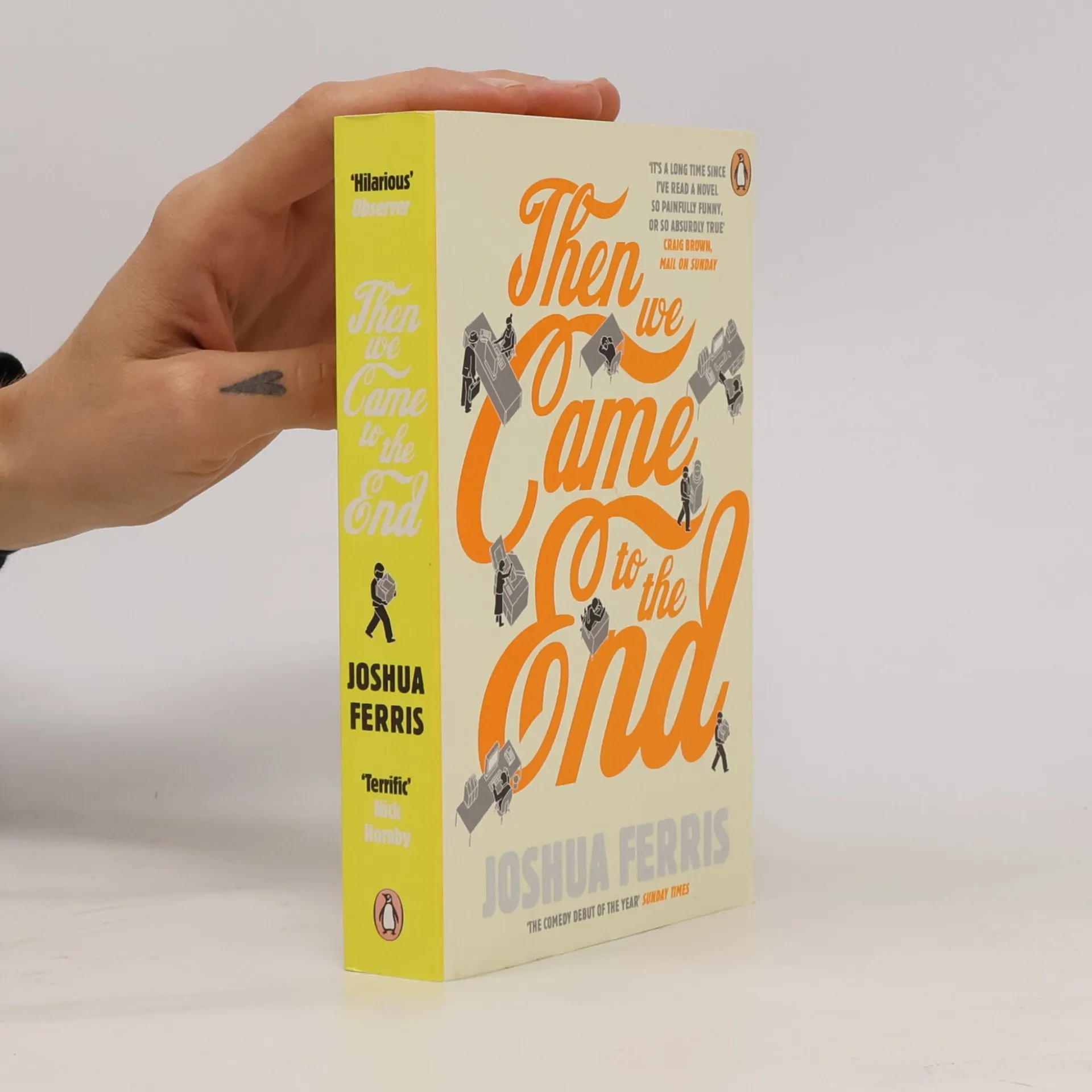
No one knows us quite the same way as the men and women who sit beside us in department meetings and crowd the office refrigerator with their labeled yogurts. Every office is a family of sorts, and the ad agency Joshua Ferris brilliantly depicts in his debut novel is family at its strangest and best, coping with a business downturn in the time-honored way: through gossip, pranks, and increasingly frequent coffee breaks. With a demon's eye for the details that make life worth noticing, Joshua Ferris tells a true and funny story about survival in life's strangest environment--the one we pretend is normal five days a week.
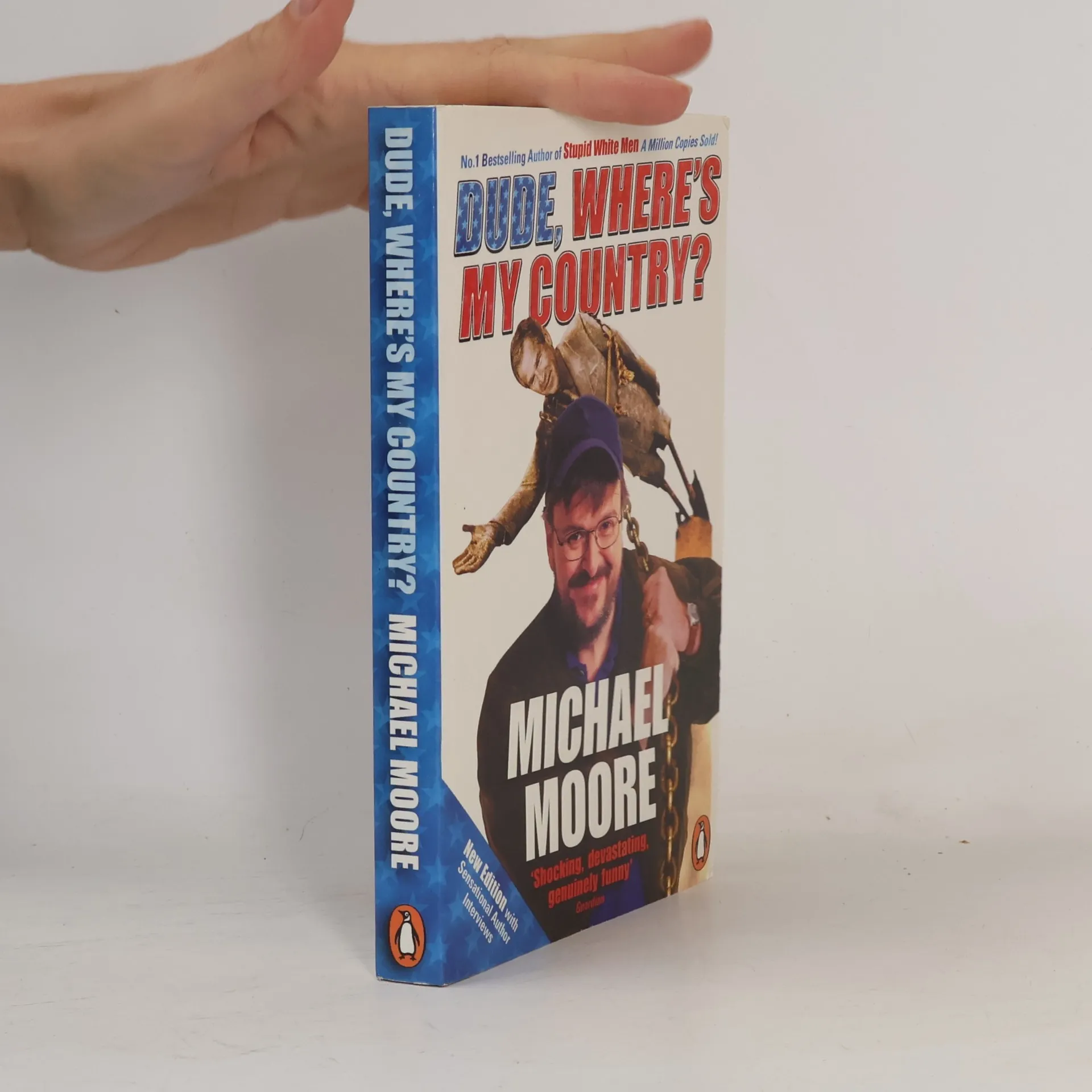
He's the man everyone's talking about. He's taken on gun freaks, stupid white men and corporate crooks. Now Michael Moore is on a new mission: to get us of our behinds and kicking out the corrupt political elites who rule our lives.
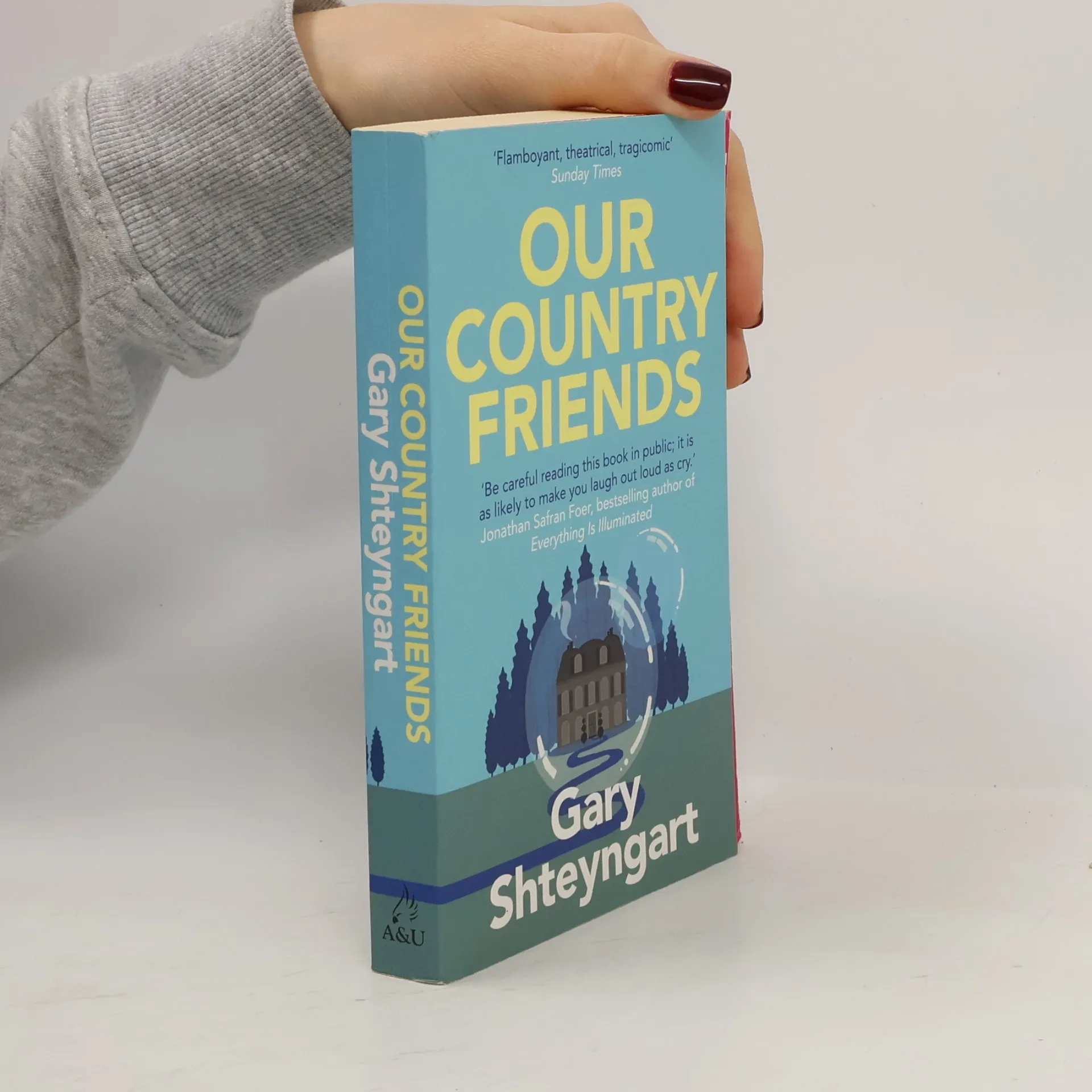
Eight friends, one country house, four romances, and six months in isolation-a novel about love, friendship, family, and betrayal, a book that reads like a great Russian novel, or Chekhov on the Hudson, by a novelist The New York Times calls 'one of his generation's most original writers'.
Isobel ha nove anni e il suo compleanno si avvicina, ma non ci saranno regali per lei. L'unica cosa che la fa volare lontano dalle rigide regole familiari è la lettura, che deve praticare di nascosto poiché sua madre la considera inadeguata per una bambina. Crescendo, alimenta questa passione di notte, alla luce di una candela. A sedici anni, la sua vita cambia radicalmente: è costretta a lasciare tutto, cercandosi un lavoro e una nuova sistemazione. Per la prima volta, Isobel si confronta con un mondo al di fuori della sua famiglia e del suo quartiere, sentendosi inadeguata e fuori posto, come sua madre le ha sempre fatto credere. Quando incontra un gruppo di ragazzi appassionati di libri, inizialmente rimane in silenzio, spaventata dalla possibilità di esprimere se stessa. Tuttavia, le parole di grandi autori iniziano a far breccia nelle sue insicurezze, insegnandole il coraggio di esprimere le proprie opinioni e di rivendicare la cultura che ha costruito. Isobel scopre il sogno di scrivere e liberare le parole che ha trattenuto per troppo tempo. Amy Witting celebra la lotta per i diritti delle donne, rendendo "La lettrice testarda" un elogio della letteratura e un romanzo di formazione sulla scoperta del proprio posto nel mondo, con una protagonista pronta a sfidare le convenzioni per vivere in autonomia.