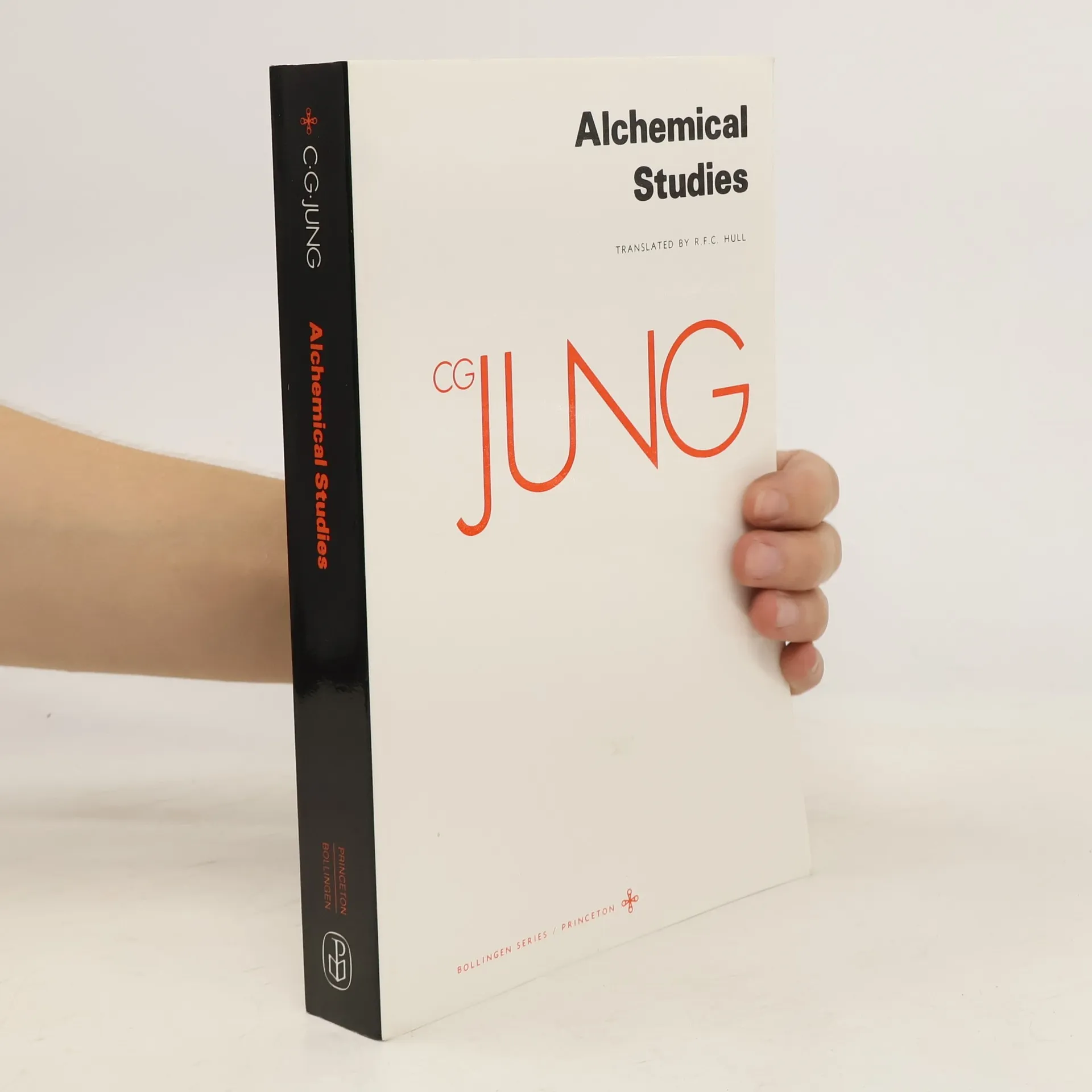
Five long essays that trace Jung's developing interest in alchemy from 1929 onward. An introduction and supplement to his major works on the subject, illustrated with 42 patients' drawings and paintings.
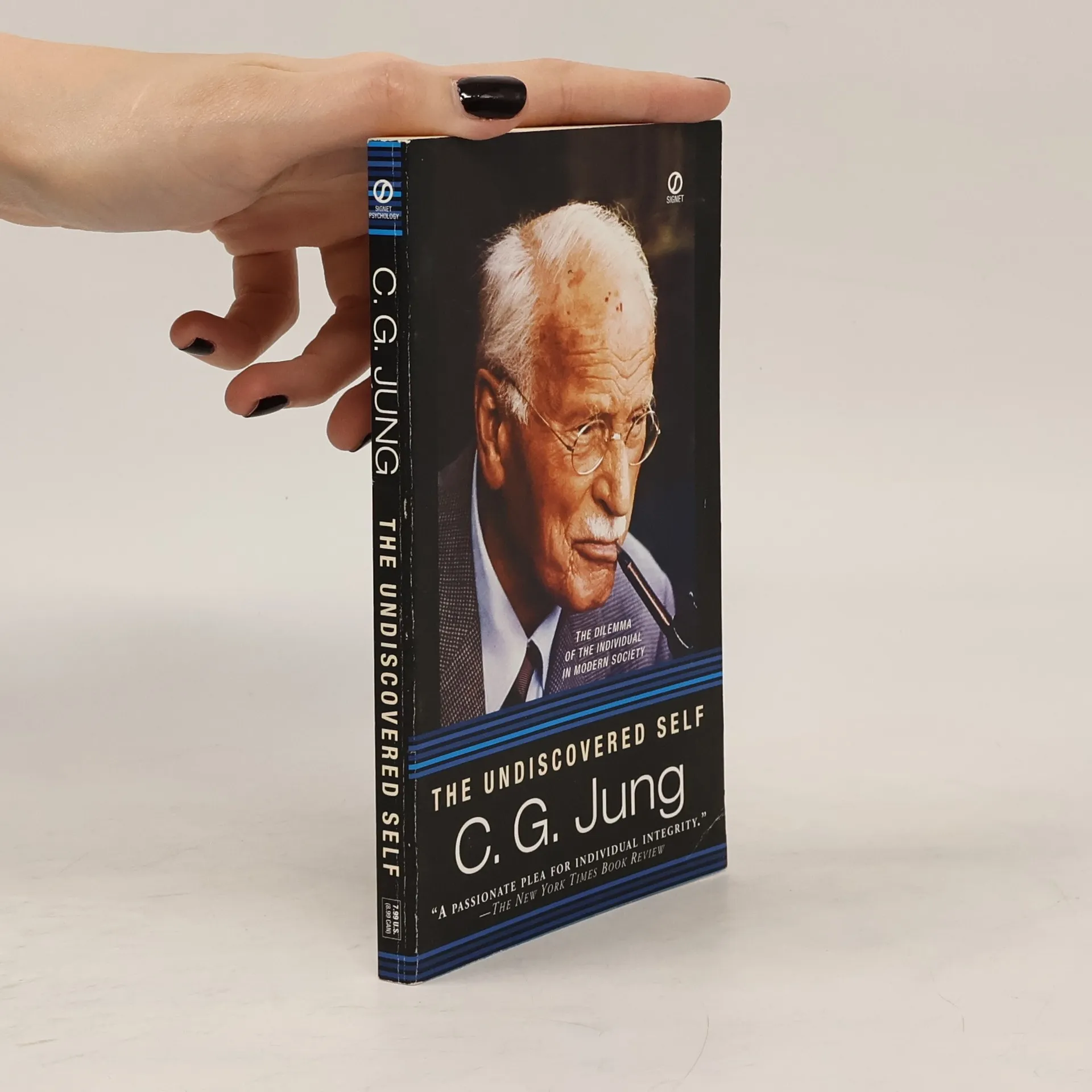
One of the world's greatest psychiatrists reveals how to embrace our own humanity and resist the pressures of an ever-changing world. In this challenging and provocative work, Dr. Carl Jung—one of history's greatest minds—argues that civilization's future depends on our ability as individuals to resist the collective forces of society. Only by gaining an awareness and understanding of one's unconscious mind and true, inner nature—"the undiscovered self"—can we as individuals acquire the self-knowledge that is antithetical to ideological fanaticism. But this requires that we face our fear of the duality of the human psyche—the existence of good and the capacity for evil in every individual. In this seminal book, Jung compellingly argues that only then can we begin to cope with the dangers posed by mass society—"the sum total of individuals"—and resist the potential threats posed by those in power.
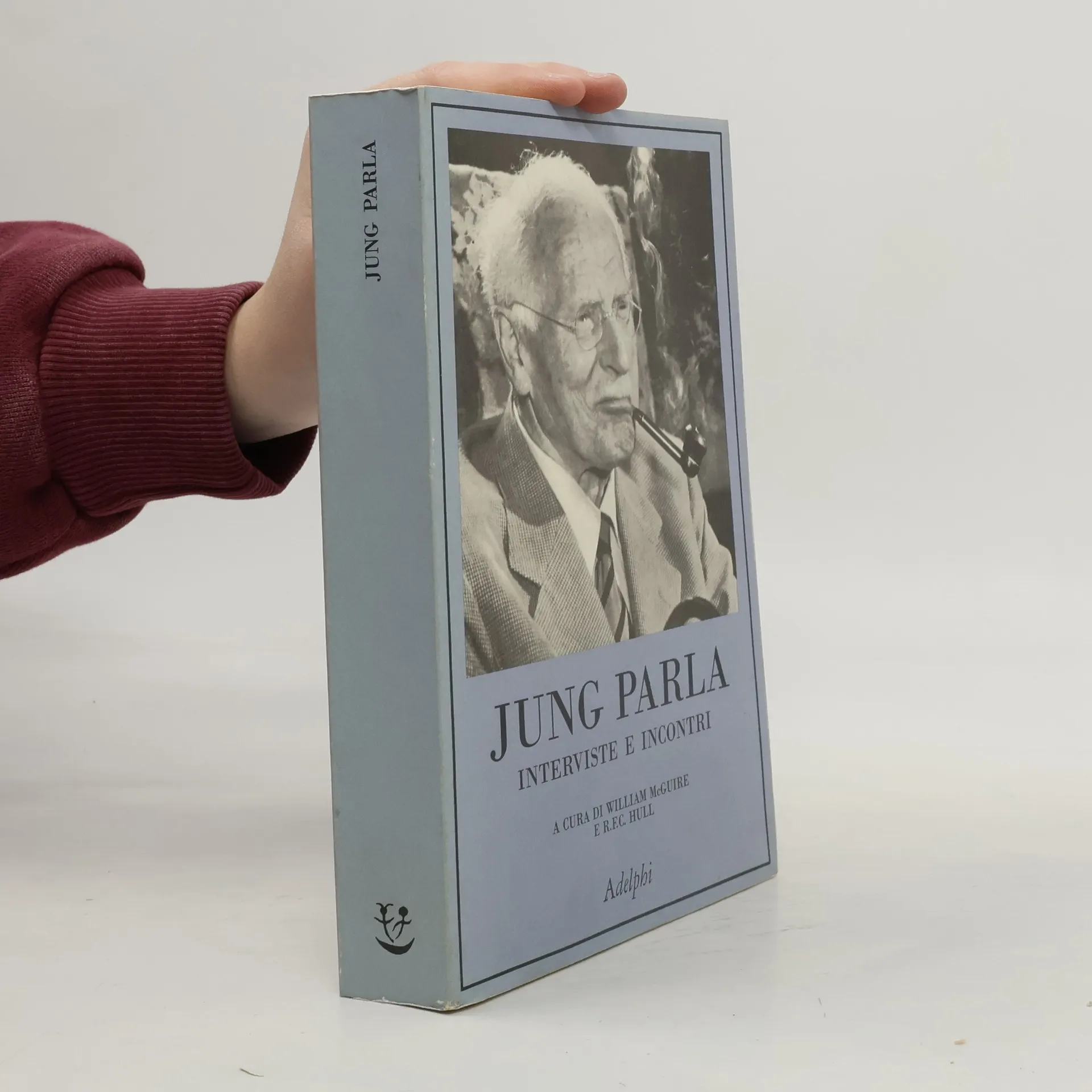
C.G. Jung amava definirsi un «introverso», il che non significa che non sapesse trattare con il mondo – e in particolare con quella insidiosa manifestazione del mondo che è l’intervista. Lungo tutto l’arco della sua vita, accettò di parlare di se stesso e del suo pensiero con i più svariati interlocutori, alcuni dei quali oscuri, altri illustri come Victoria Ocampo, Alberto Moravia, Mircea Eliade, Charles Baudouin, Miguel Serrano. Ed è sorprendente il fatto che ogni volta, fra le maglie di una forma così aleatoria e sfuggente, Jung abbia voluto e saputo lasciar filtrare delle verità che nei suoi libri rimangono talora celate come in uno scrigno. Queste interviste rappresentano dunque un prezioso controcanto a tutta l’opera di Jung, indispensabile sia per chi si accosti ad essa per la prima volta, sia per chi la conosca in profondità. Le novità appariranno insomma equamente divise, anche perché in Jung allo sforzo per chiarire le proprie idee ed esporle in modo piano si accompagna sempre la formulazione imprevista, quasi il guizzo di un ironico sciamano. La presente raccolta fu pubblicata per la prima volta nel 1977.