Das Buch versammelt ironische und kritische Artikel sowie Gedichte von Kurt Tucholsky aus den Jahren 1912 bis 1930. Unter seinem Pseudonym Ignaz Wrobel beleuchtet er verschiedene Aspekte des Berliner Lebens und übt Sozialkritik, indem er Politik und Gesellschaft satirisch hinterfragt.
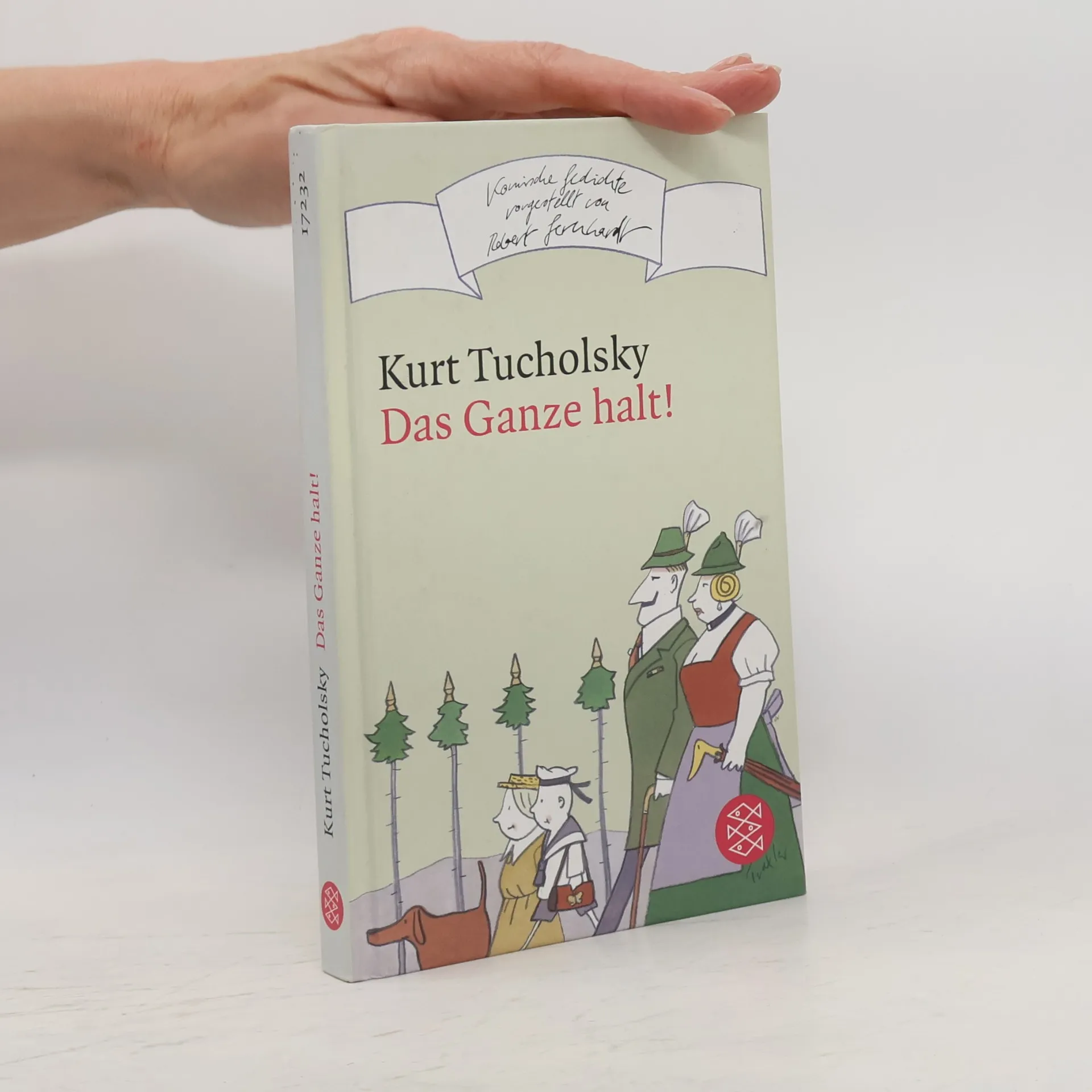
Tucholskys Witz war geradezu unerschöpflich: Seine Gedichte und Chansons zielen mal elegant, mal dreist treffsicher auf eine Pointe. Klaus Caesar Zehrer stellt in diesem Band den komischen Dichter Tucholsky vor – jedoch nicht als harmlosen Humoristen. Denn Tucholsky dienten seine frechen Lieder und Gedichte zur kompromisslosen Gesellschaftskritik. Dieser Band bietet eine Auswahl, die den besondern Humor von Tucholsky zeigt - ein Lesebuch zum Lachen, auch wenn dieses einem manchmal im Halse stecken bleibt.
Dieser Band enthält alle von Kurt Tucholsky veröffentlichten Gedichte in chronologischer Folge, darunter auch jenes Drittel, das in den bisherigen Sammelausgaben nicht enthalten ist. Den Anfang machen ab 1911 die "Wochengedichte" im "Vörwärts" zu Tagesereignissen, die heute vielleicht nicht mehr in allen Einzelheiten verständlich sind; trotzdem wurde auf Anmerkungen verzichtet, um den Charakter des Buches nicht zu beeinträchtigen. Es folgen die Gedichte in der "Schaubühne", der späteren "Weltbühne", in der "Berliner Volkszeitung", im "Ulk", der Wochenbeilage des Berliner Tageblatts, in einer "Berliner Illustrierten", der AIZ, der Arbeiter-Illustrierten Zeitung, im "Simplicissimus u.a.m. Das alphabetische Titelverzeichnis am Schluß des Buches nennt Datum und Ort des ersten Abdrucks eines jeden Gedichtes mit Angabe des Pseudonyms, unter dem es veröffentlicht wurde.
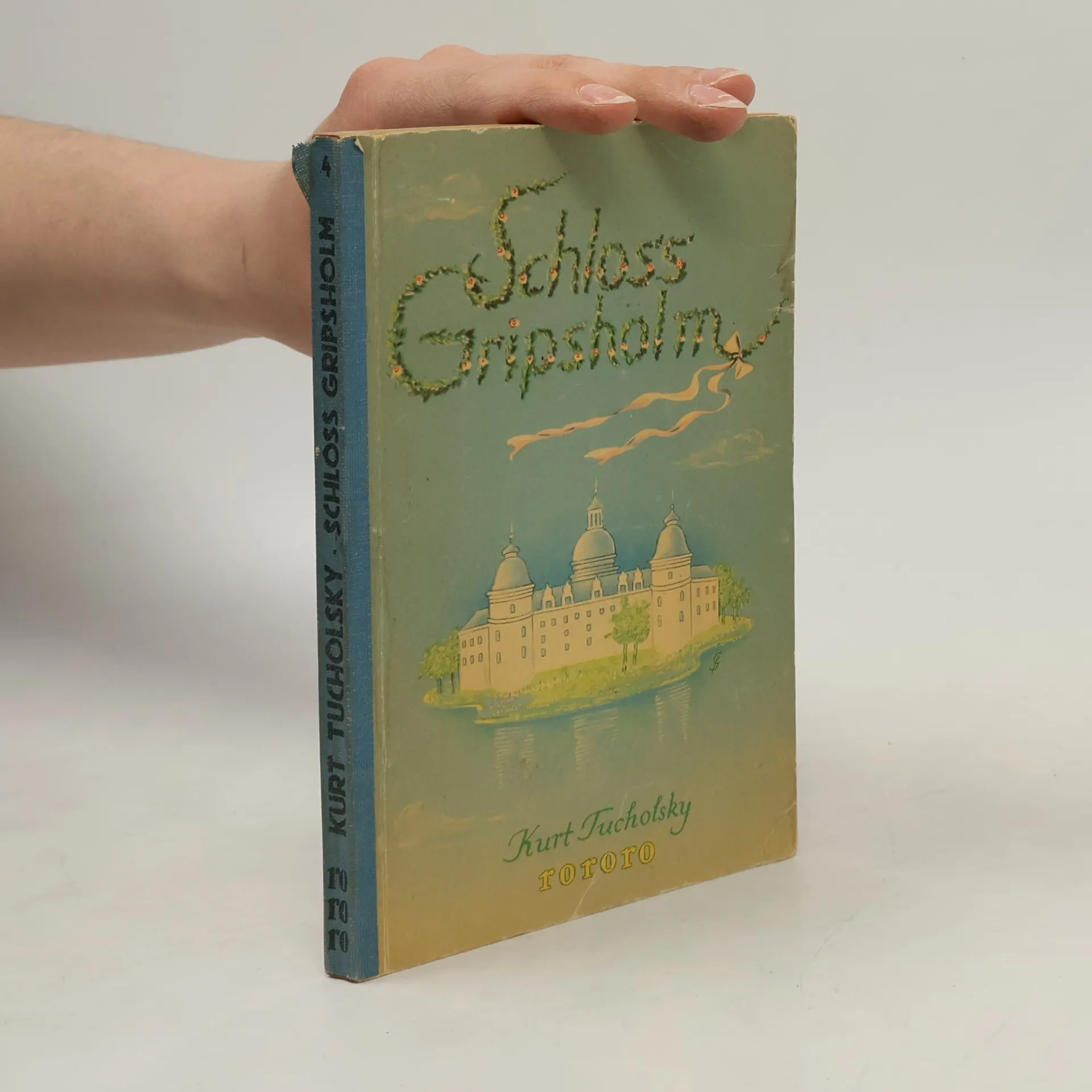
Lydia and Peter are a modern, unmarried couple, uncomplicated and unsentimental. The writer affectionately teases his secretary with playful banter. Lydia responds tenderly, and together they embark on a journey from Berlin to Copenhagen, complete with seasickness and beautiful views. Their trip culminates at Lake Mälaren, where the lovers find their ideal holiday idyll at Gripsholm Castle, enjoying ample time for delightful wordplay, excursions, crossword puzzles, and a kiss. Peter's close friend Karlchen visits, joining them in a "deep bathtub of friendship." Following Karlchen is Billie, Lydia's best friend, who encourages a light-hearted, temporary love triangle. The blue summer sky over Gripsholm Castle remains unclouded, except for the nearby children's home and its sadistic director, who torments the children, including a German girl named Ada, whom Lydia and Peter try to help. With a light touch, Kurt Tucholsky crafts a whimsical romance between two pragmatic individuals, blending tender affection, quiet melancholy, and joyful linguistic acrobatics for an exceptional reading experience.
Eine neue Auswahl aus seinen Schriften und Gedichten
Eine Auslese der schönsten und funkelndsten Feuilletons und Gedichte Kirt Tucholskys. Dieser große Meister der kleinen Form war nicht nur ein scharfsinner Moralist und unerschrockener Streiter für Recht und Gerechtigkeit, sondern auch ein bekannter Stilist mit sprühendem Berliner Witz, dem Pathos und falsche Gefühle stets verdächtig waren.