
Explore the latest books of this year!
Bookbot

Rebecca L. Johnson

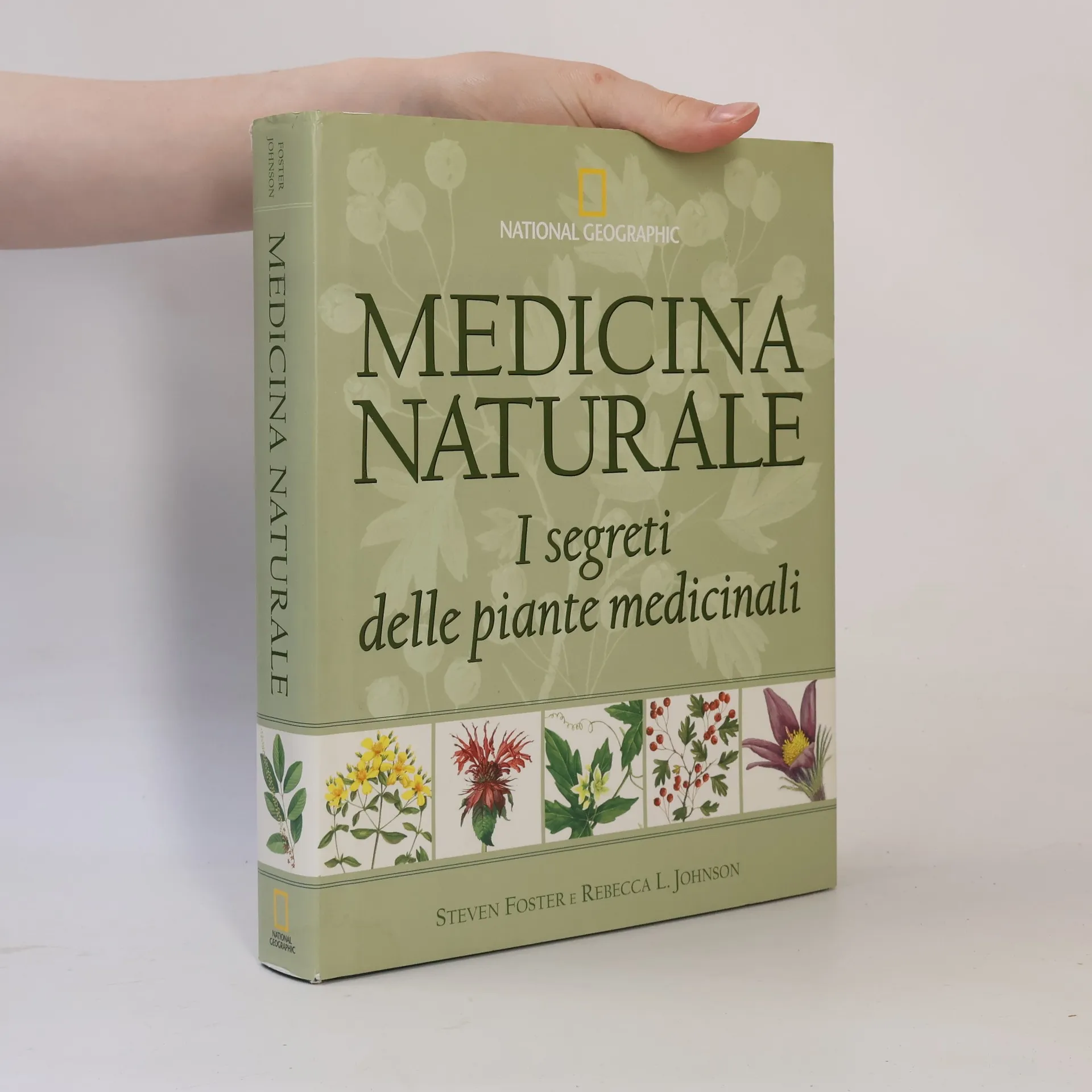
    Medicina naturale. I segreti delle piante medicinali
    National Geographic Desk Reference to Nature's Medicine
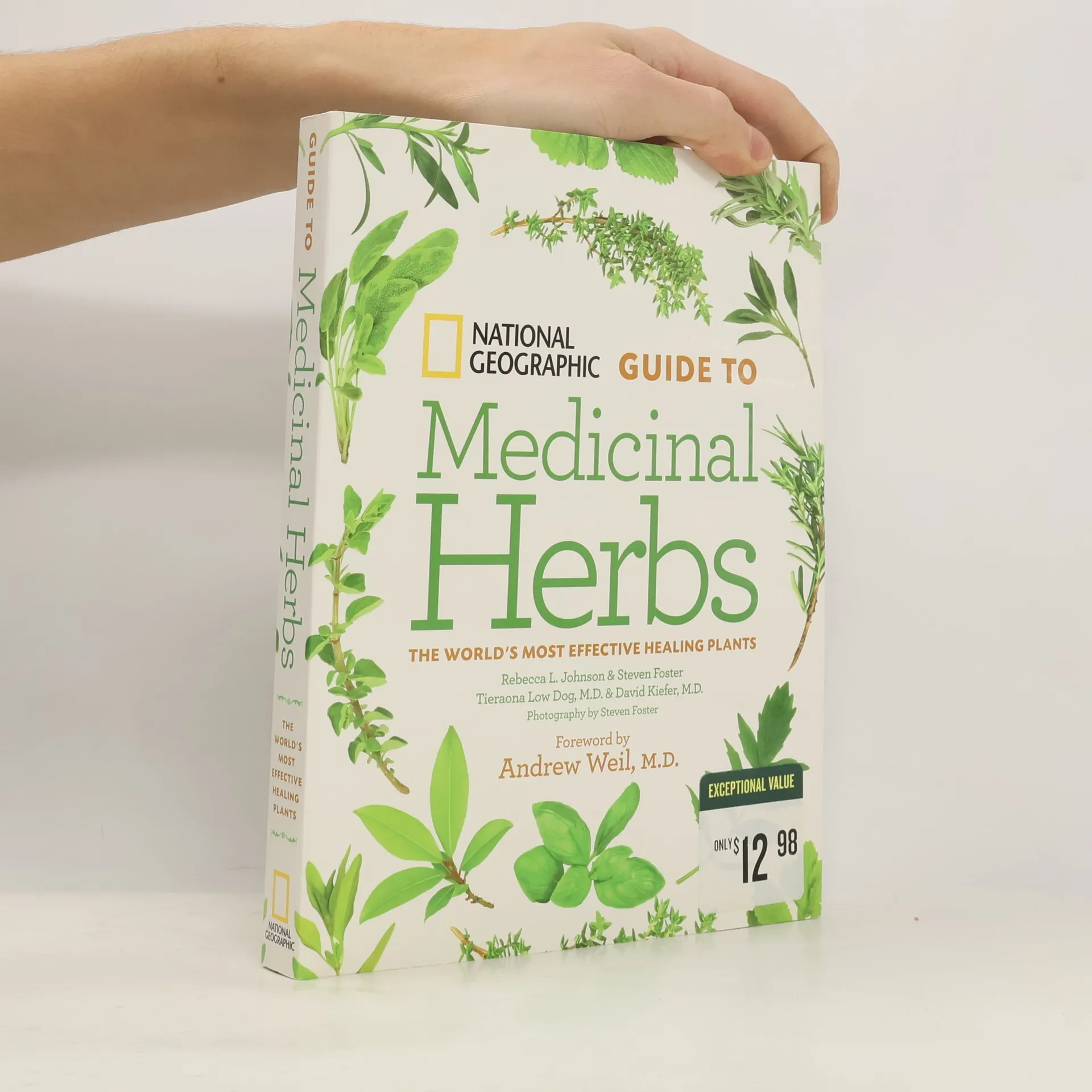
    National Geographic Guide to Medicinal Herbs
    • National Geographic Guide to Medicinal Herbs

      The World's Most Effective Healing Plants

      • 400 pages
      • 14 hours of reading

      With a commitment to providing accurate information on botanical remedies, this guide is a valuable resource for consumers, doctors, and health professionals. Crafted by a team of botanical and medical experts, it presents reliable, practical insights into 72 essential medicinal herbs. This informative reference connects these herbs to the body systems they support, organized into eight chapters: Mental Health & the Nervous System, Respiratory System, Heart & Circulation, Digestive System, Joints, Muscles & Skin, Urinary & Male Health, Female Health, and Wellness & Perception. Each chapter begins with an overview of the health benefits of plants for that body system, sharing traditional herbal remedies and current scientific findings. Highlighting nine plants per chapter, the guide combines botanical and medical information, detailing therapeutic uses, effectiveness, preparations, cautions, and insights into active ingredients. A photo gallery illustrates how each herb is cultivated and processed commercially, revealing the story behind the products available in stores. Special features include practical tips for using herbs in daily life and timelines that showcase the historical wisdom surrounding herbal remedies. An appendix offers an illustrated index of plants, an ailment-by-ailment therapeutic index, a glossary, and a comprehensive index for easy navigation.

      National Geographic Guide to Medicinal Herbs2014
      4.3
    • For millennia, humans have sought remedies in nature for various ailments. Long before formal science emerged, healers utilized plants to alleviate pain and treat a multitude of diseases. Today, many still rely on medicinal plants, whether in traditional practices or as foundations for new research and innovative drugs. This accessible, fact-filled book features 350 full-color photographs, botanical drawings, and maps, presenting beautifully illustrated entries for hundreds of plants celebrated for their healing properties. Each entry includes detailed descriptions of physical appearance, medicinal uses, origins, geographic distribution, and harvesting methods, along with a range map. The text offers a fascinating medical chronicle filled with informative sidebars on topics ranging from ancient folklore to contemporary research. Readers will discover the evolution of aspirin from willow bark to modern tablets, the role of foxglove in creating the heart drug digitalis, and the deep historical and cultural roots of many common treatments. This journey begins centuries ago in remote areas like the Amazon rain forest, where shamans wielded the curative power of plants, and extends to today’s high-tech pharmaceutical labs, where scientists strive to develop new plant-based drugs for a wide array of diseases, from cancer to the common cold.

      National Geographic Desk Reference to Nature's Medicine2008
      4.1
    • Per millenni, l'uomo ha cercato in natura rimedi per malanni di ogni tipo. Prima che la scienza sistematizzasse la medicina, guaritori utilizzavano piante per alleviare il dolore e combattere malattie. Oggi, un vasto pubblico si avvale ancora delle piante medicinali, sia attraverso la medicina alternativa sia come base per la ricerca di nuovi farmaci. Questo lungo percorso ha inizio in luoghi remoti come l'Amazzonia, dove gli sciamani scoprirono il potere curativo delle piante, e arriva ai laboratori farmaceutici moderni, dove esperti cercano nuove medicine vegetali. Il libro presenta 200 fotografie a colori, 150 disegni botanici e 159 cartine, con schede illustrate di 150 piante officinali disposte alfabeticamente. Ogni scheda include dettagli su aspetto, proprietà terapeutiche, origini e distribuzione geografica, modalità di raccolta e utilizzo nella medicina convenzionale e alternativa. Nove approfondimenti analizzano tradizioni curative globali, arricchiti da informazioni su folklore e ricerche recenti. Scoprirete come l'aspirina derivi dalla corteccia di salice, come la digitale purpurea sia diventata un farmaco cardiaco e curiosità sorprendenti, come il legame tra la belladonna e un trattamento di bellezza rinascimentale. Un manuale pratico e affascinante, ideale per chi cerca aiuto o desidera esplorare il mondo dell'erboristeria.

      Medicina naturale. I segreti delle piante medicinali2007